Breguet 462 Vultur
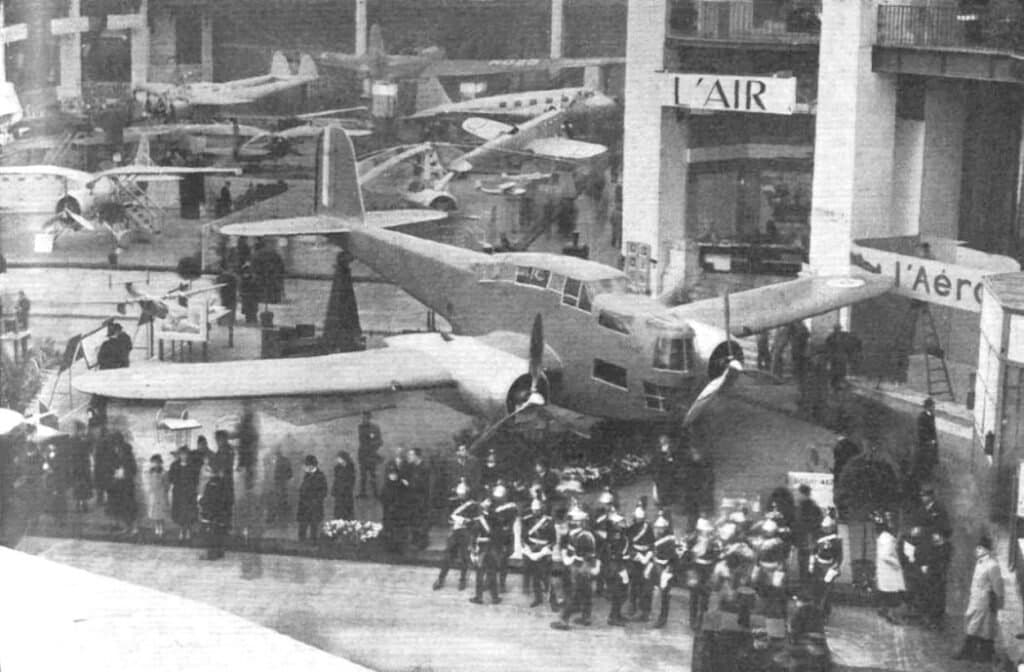
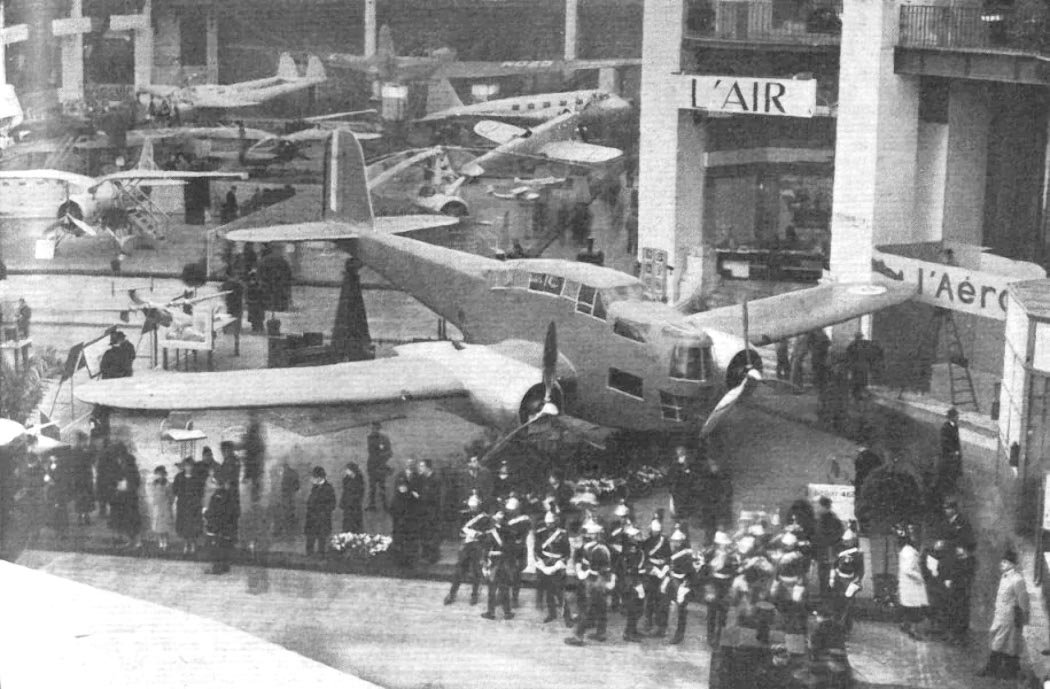
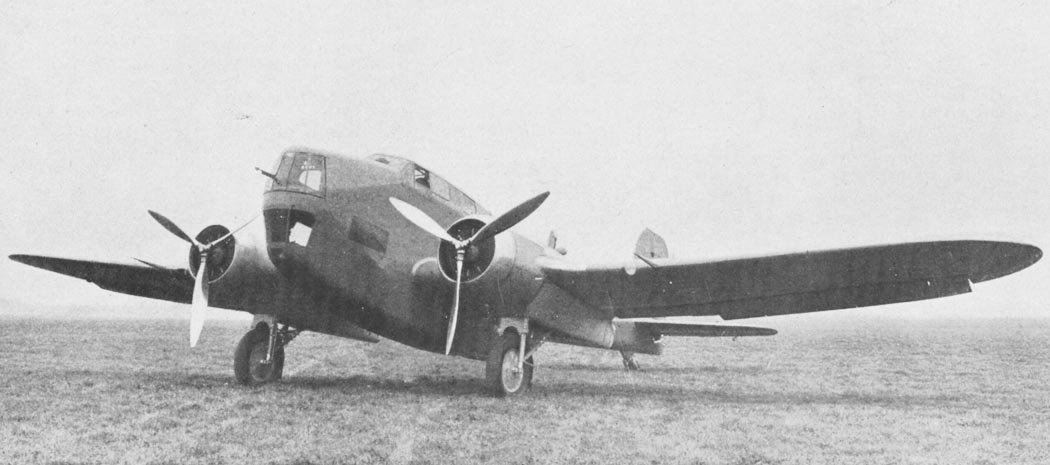
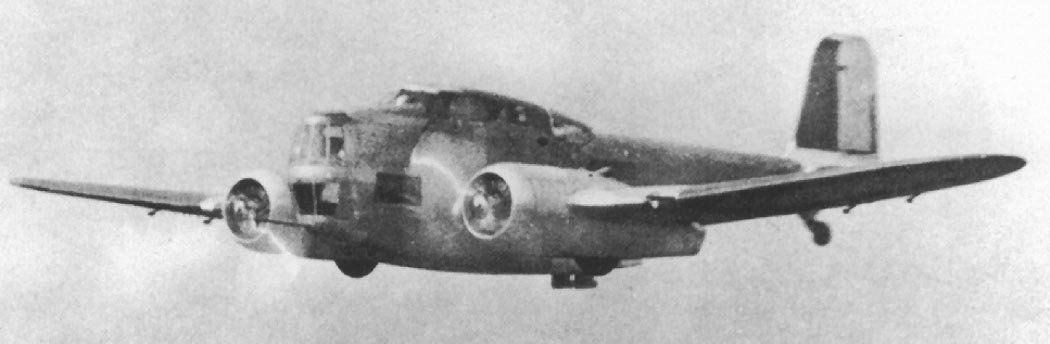
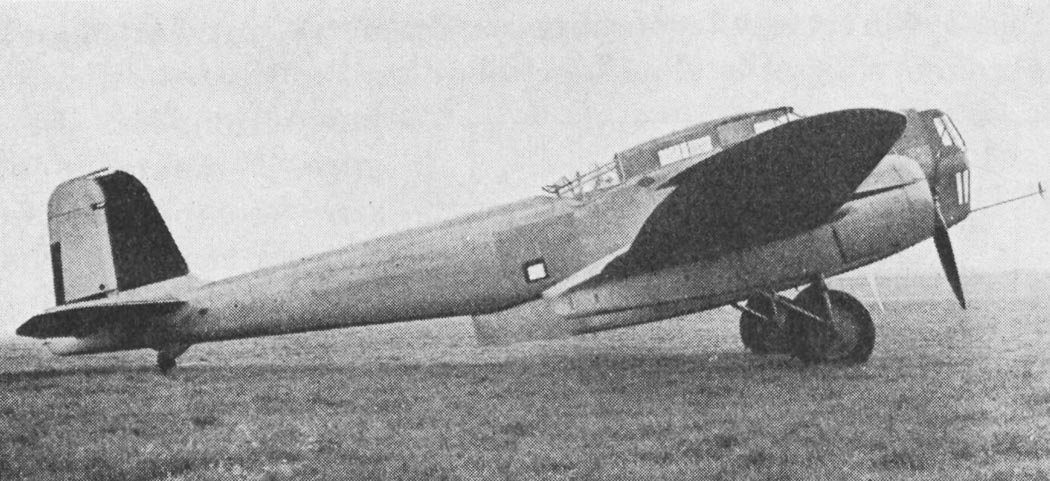
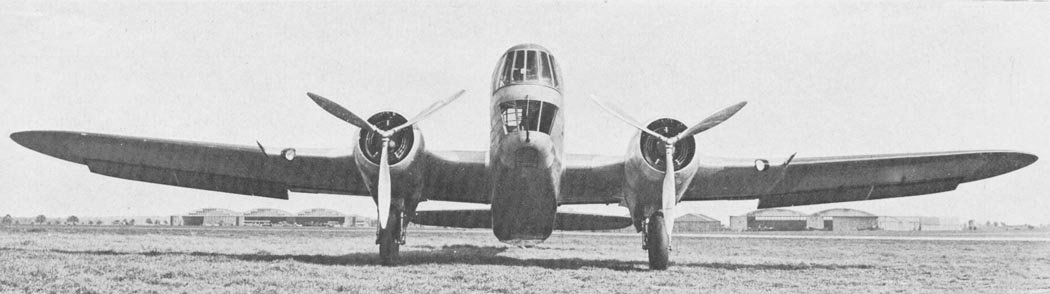
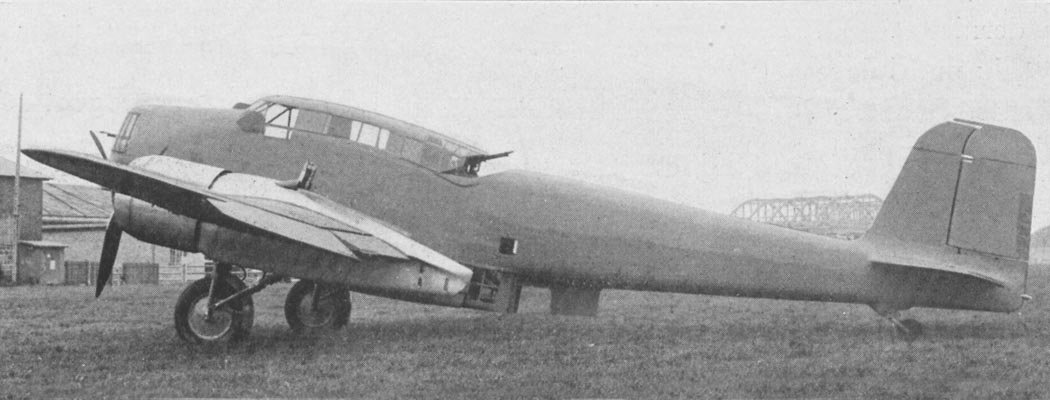
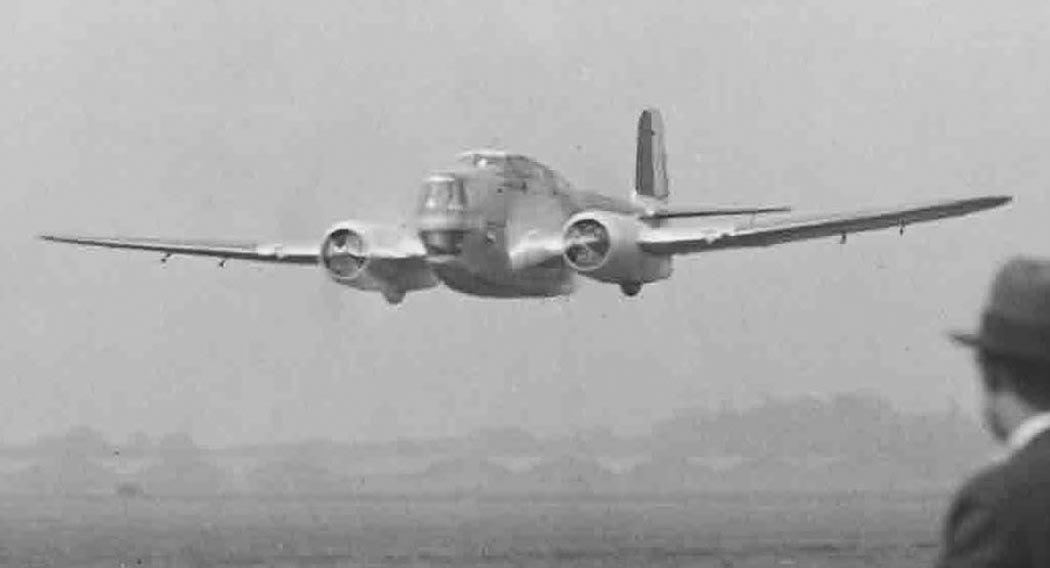
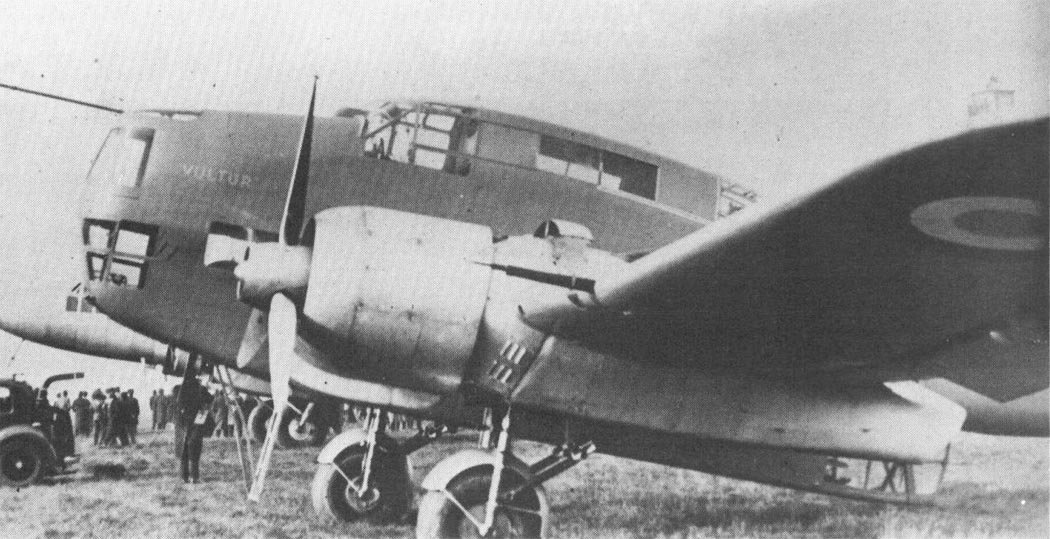
The Bre 462, succeeding the ill-fated Bre 460, left the assembly line in early October 1936 and soon after made its first flight. The aircraft, in all its splendor, was then presented at the 15th Paris Air Show, which opened on November 13.
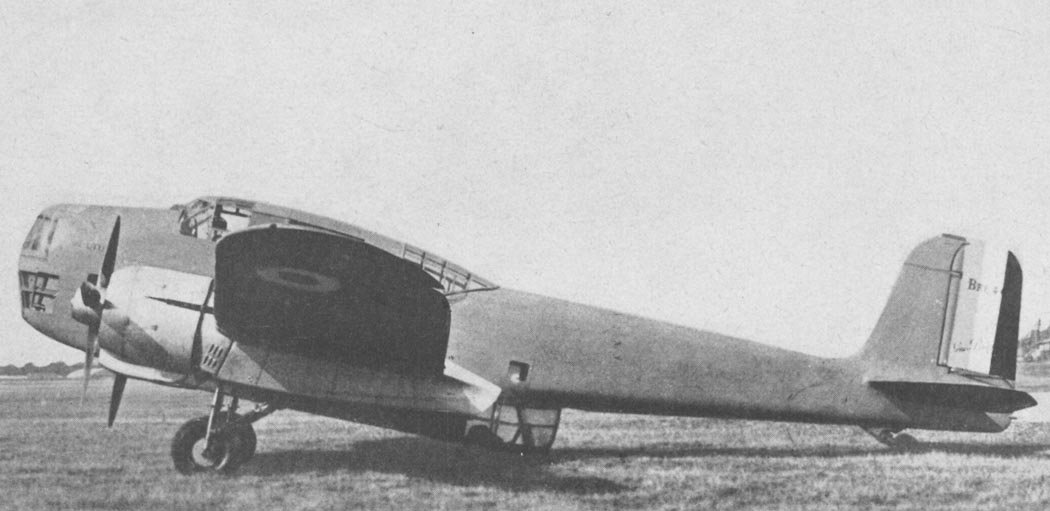
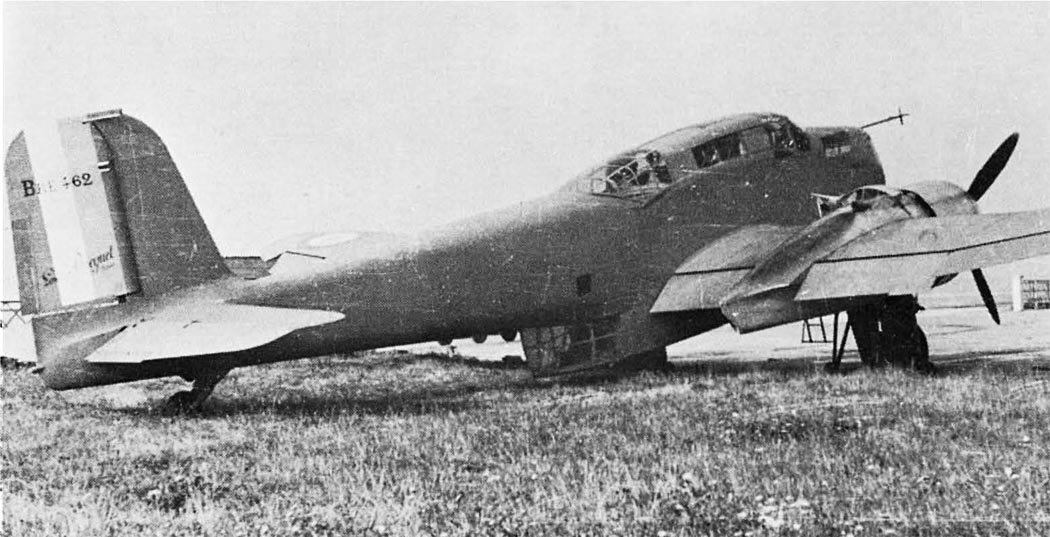
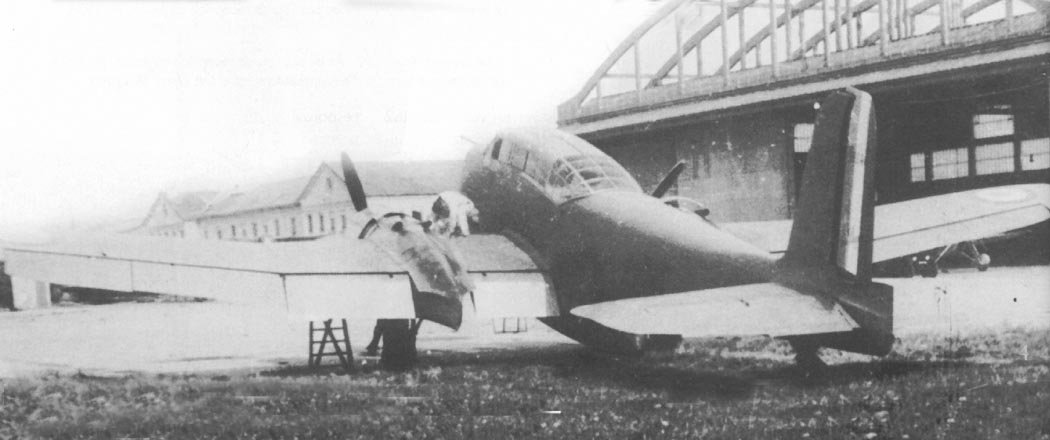
Manufactured in accordance with the “B4” program issued in 1934, the aircraft incorporated all the latest improvements made to the Bre 460, thereby proving significantly better than its predecessor. Although the designation Bre 461 was given to a two-fin version, which was intended to be an excellent medium bomber for its time and was aerodynamically more elegant than its predecessor Breguet 460 Vultur, for unknown reasons, this tail configuration was rejected by the design bureau in Valizy. Consequently, the Bre 462 was built in a single-fin configuration.
Initial Design and Debut
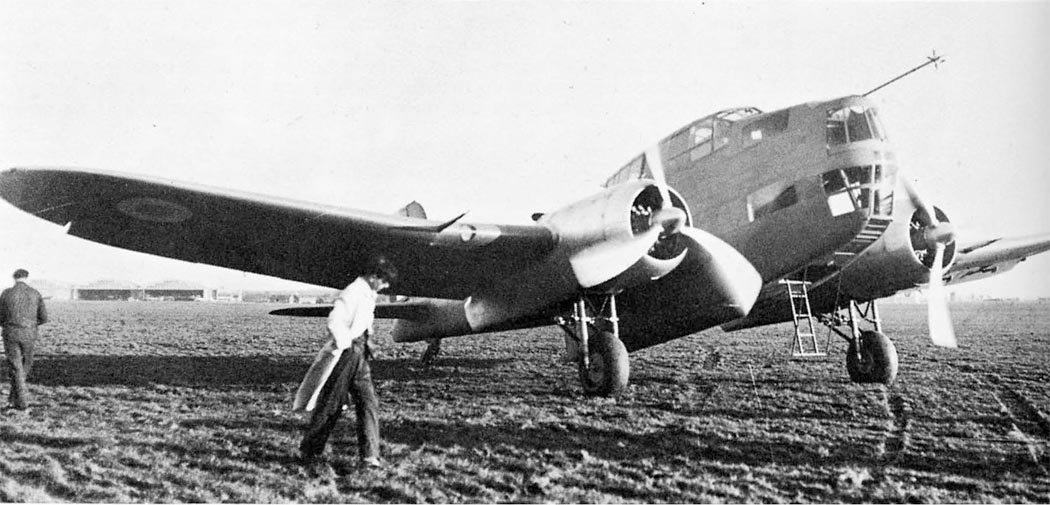
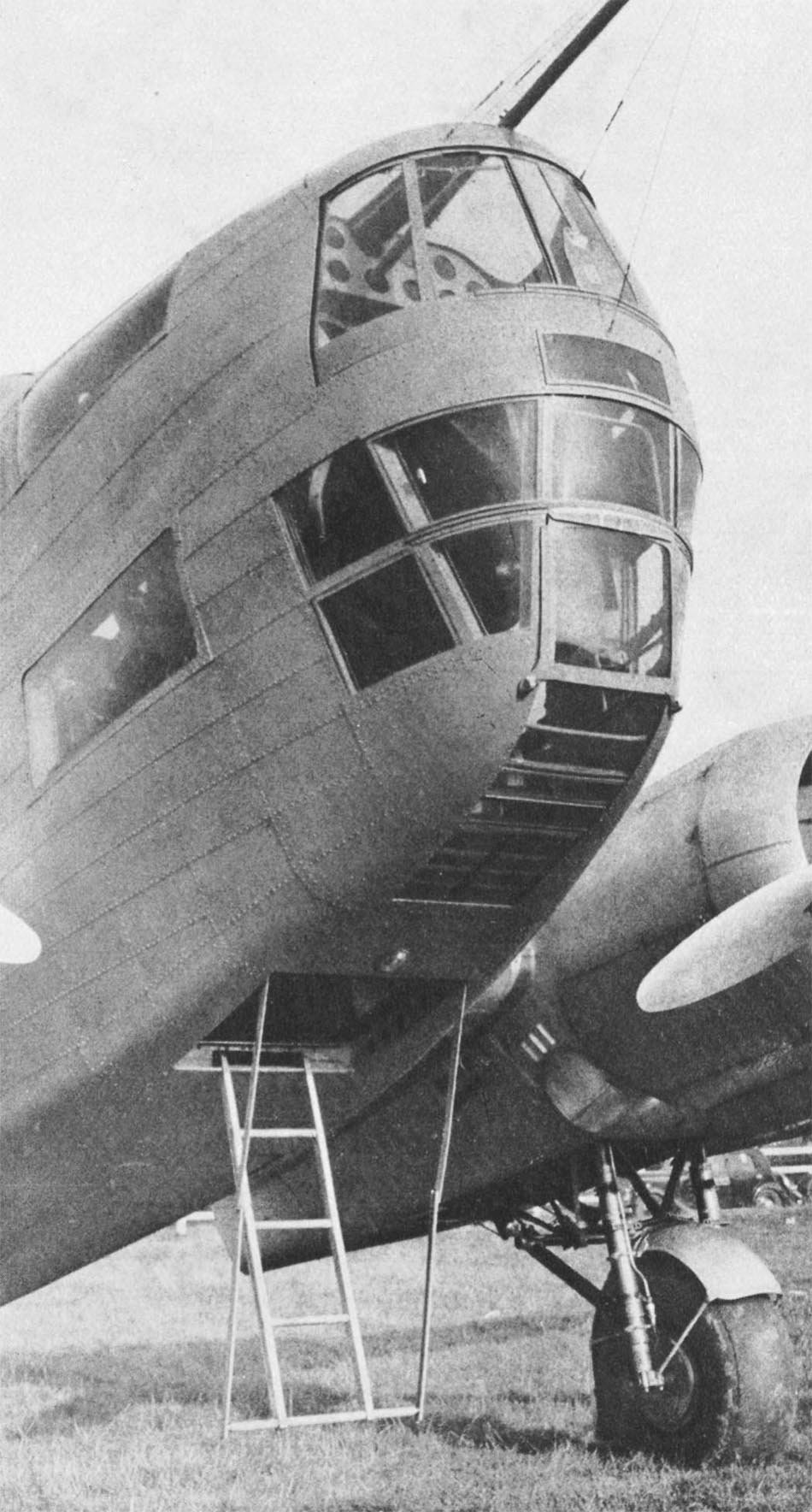
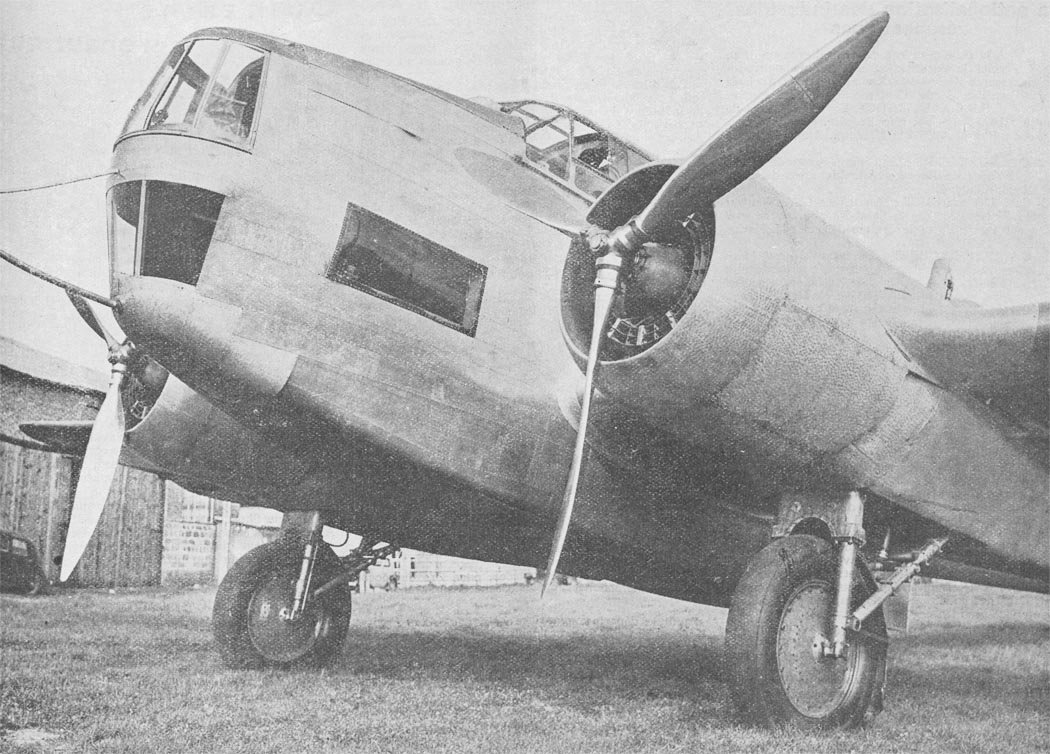
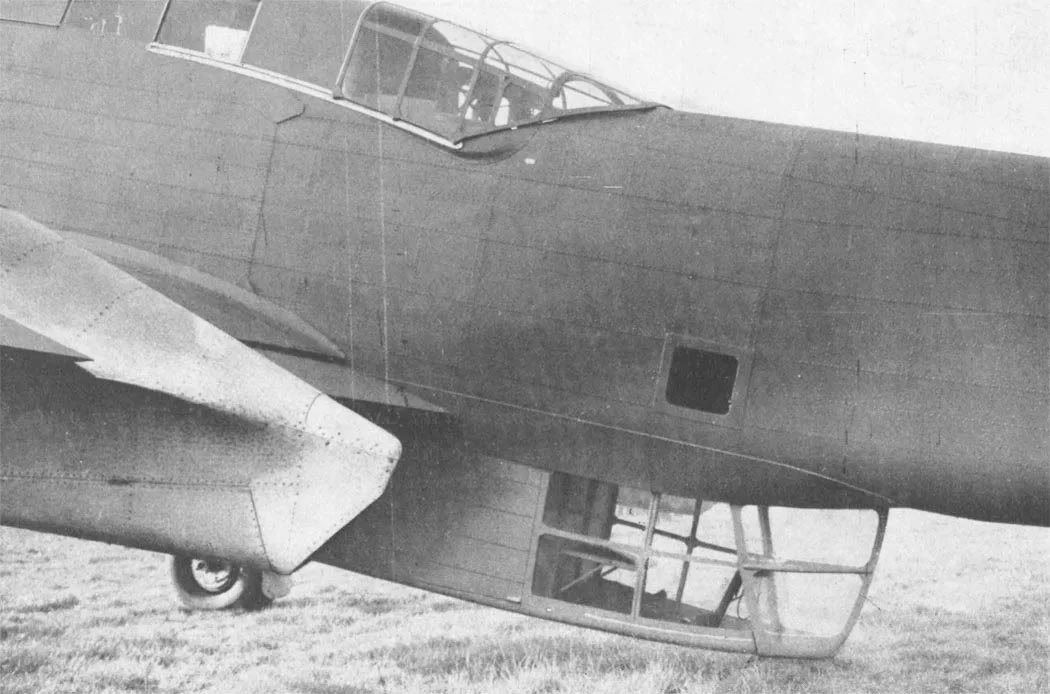
The new aircraft had an almost all-metal construction, with fabric covering only for the elevators and rudder. Its three-part wing featured a two-spar box structure, securely attached to the monocoque fuselage. The main landing gear struts were designed by Breguet. However, putting aside its external appearance, the “462” showed a strong structural dependence on its older brother, the “460.”
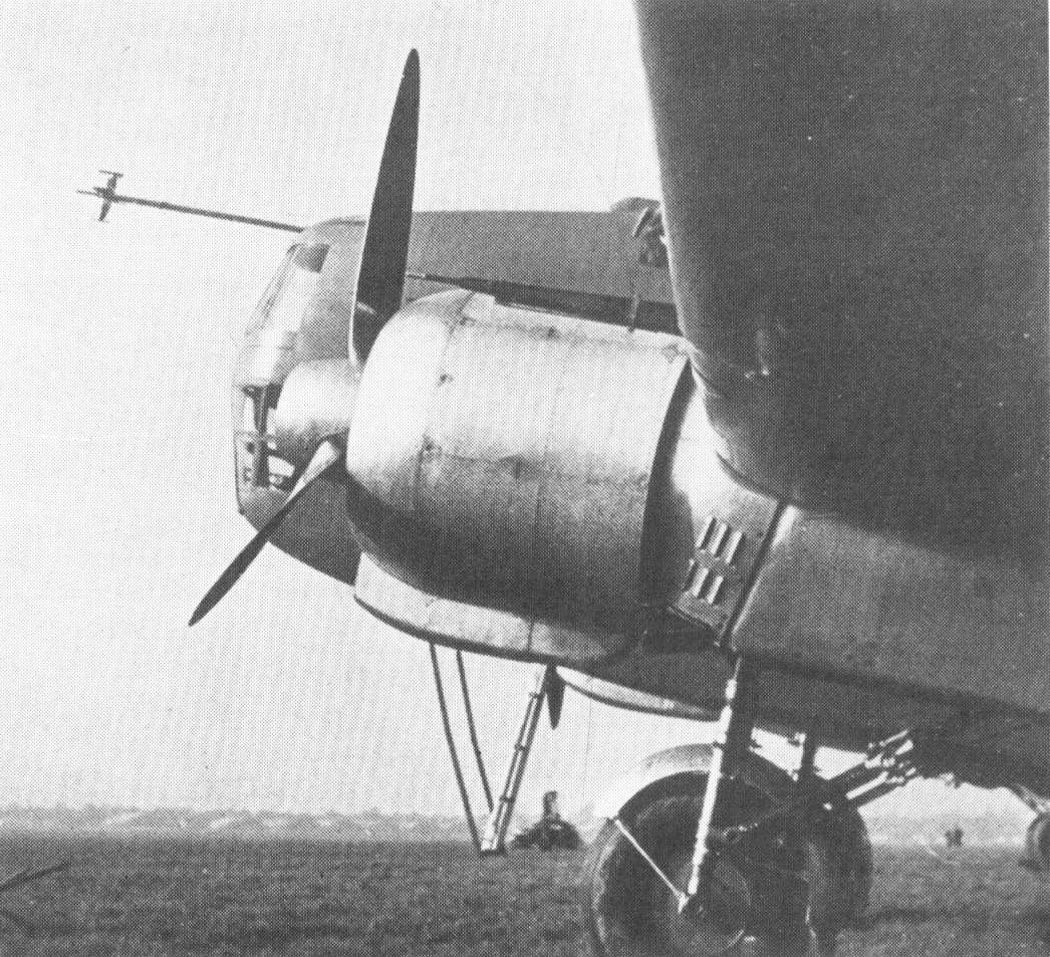
For its powerplant, the design bureau planned to use Gnome & Rhône 14 N-0/N-1 double-row air-cooled radial engines, which were supposed to develop 940 hp on takeoff at 2360 rpm, with its most advantageous altitude at 3900 meters above sea level. Unfortunately, these engines were not yet available in the autumn of 1936, so, awaiting the better ones, the aircraft was fitted with Gnome & Rhône 14 Kirs/jrs.
The Japanese Acquisition
The visit of a Japanese delegation to the Grand Palais, where the Paris Air Show was held, resulted in the sale of the first Bre 462 prototype and a license for its construction. The aircraft sold to Japan received a simplified equipment package. This aircraft is sometimes incorrectly referred to as Bre 461, confusing it with the project that was supposed to be equipped with a twin-fin tail. The Bre 462 prototype sold to Japan was fitted with Gnome & Rhône 14 Kdrs engines, which were likely removed from the Bre 460 before its shipment to Spain. Evidently, there was no question of equipping the aircraft sold to the Japanese with the latest Gnome & Rhône 14 N engines.
At the end of 1936, under the direct supervision of chief engineer Evrard, Bre 462 N°01 was disassembled, packed into crates, and loaded onto a ship. With all the courtesy so characteristic of the Far East, Evrard was accommodated in a palace, where he received wishes for a most pleasant stay. After some time, our chief engineer was surprised that he could not obtain permission to visit the location of the Breguet.
Despite the generously bestowed smiles and bows, several days passed before a car arrived at his hotel. “Bodyguards” blindfolded him. Upon reaching his destination and removing the blindfold, he found himself in a hangar among many parts of the aircraft, some of which had been sawn for further study. The Japanese politely asked Evrard to hold on tight to sort out this chaotic jumble of things, as they were simply a little “confused”!
The Japanese “462” was finally reassembled under the leadership of Colonel Kamimura and assisting engineers Kameko and Saito. During the initial acceptance flights, the aircraft was piloted by Major Hara and Lieutenant Egugi. Evrard returned to France in the spring of 1937 and never heard of this Vultur again, the second name for aircraft of this family. But there is no doubt that the children of the Land of the Rising Sun found advanced Western technologies in this dissected machine, which helped them in the creation of promising combat aircraft.
The French Testbed
The second prototype, Bre 462 n°02, always called Vultur, received its Gnome & Rhône 14 N engines, after which it was bought by the government and sent to the Centre d’Essais de Matériels Aériens (CEMA). There, it had a long and honorable career as a flying testbed for developing Gnome & Rhône engines, particularly the 14 N-20/N-21 series. The aircraft was also used for dropping paratroopers.
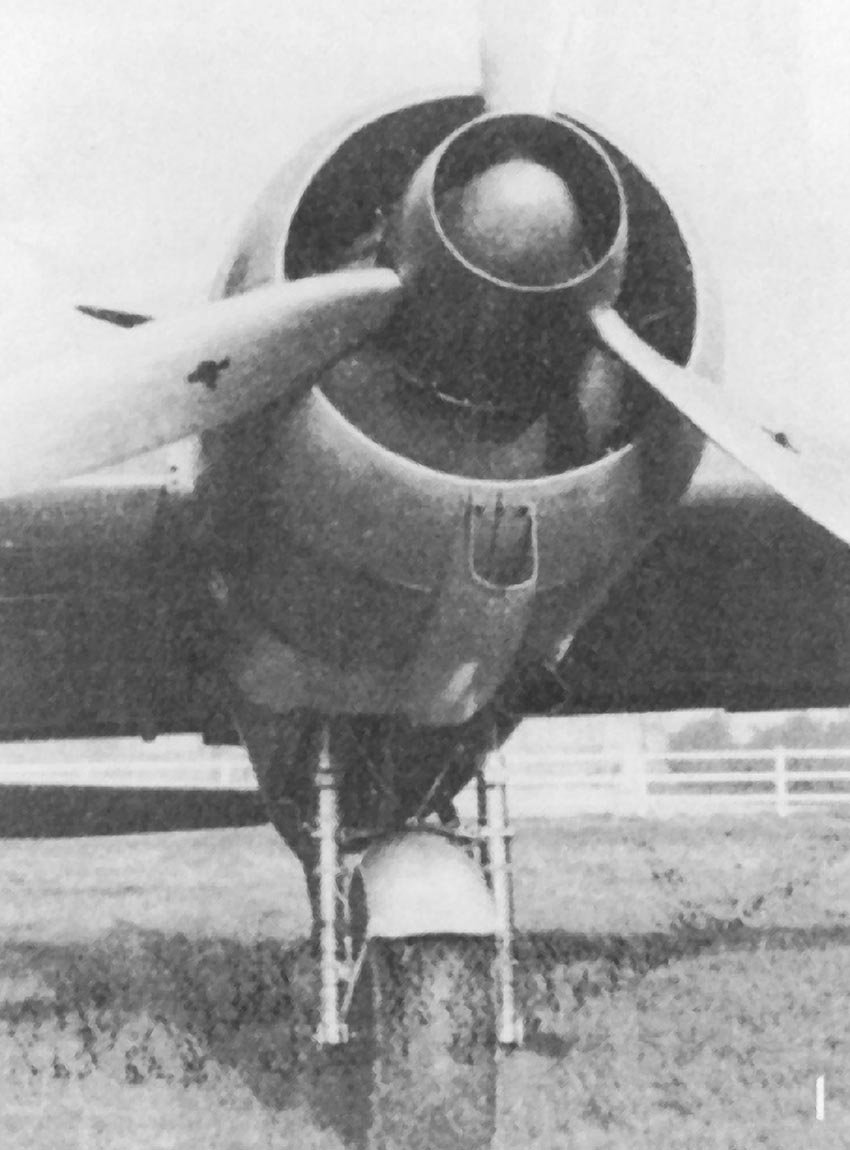
The aircraft’s first flight took place on February 23, 1937, and after satisfactory factory tests, it was handed over to CEMA. Almost simultaneously, it was presented to the press during the Fête de l’Air (Air Festival) held in Villacoublay on July 18, 1937. Observers noted some innovations in the engine cowlings and other propeller hub fairings. The exhaust pipes were equipped with silencers that drew hot air to heat the cabin.
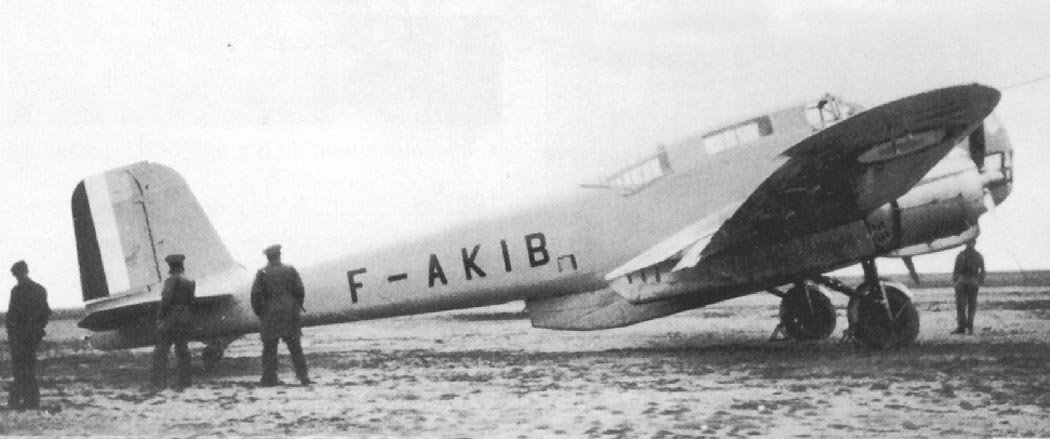
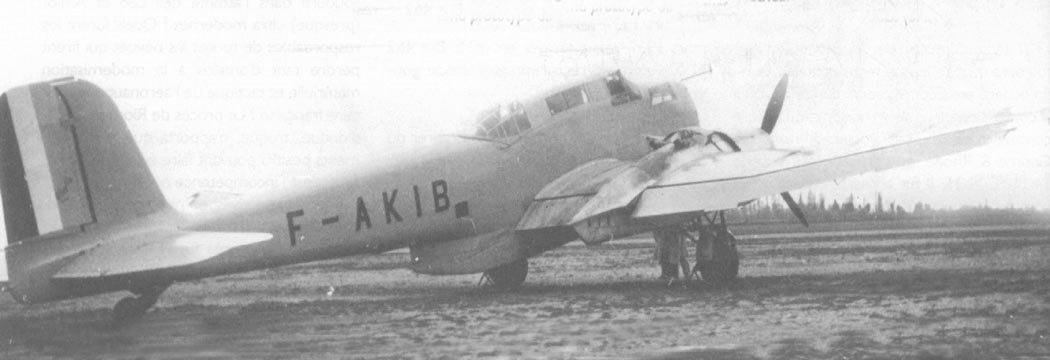
Incidentally, the flight tests of Bre 462 N°02 were conducted by Michel Detroy, appointed as the official expert for all French factories nationalized in March 1937. The French government assigned the aircraft the civil registration F-AKIB. In mid-1937, the company’s plans also included creating a seaplane version (with two floats and a twin-fin tail) – precisely at a time when the program for multi-seat, multi-purpose machines was closed.
Although the Bre 462 was a relatively modern aircraft, it was not mass-produced because a new generation of high-speed bombers (according to specifications), such as the LeO 45 and Amiot 350, were appearing on the horizon. But the question arises: why did the mediocre Bloch 131 avoid program cancellation, while the Breguet, though not as “pretty” (“joli”) in aerodynamic terms, was significantly faster and could have bridged the gap while awaiting the (almost) ultra-modern LéO and Amiot?
Who is responsible for this chain of errors that led to the loss of several years in the material and tactical modernization of French military aviation? The trial of the perpetrators of the 1940 defeat, organized by the Vichy regime in Riom in 1942, despite all its suppressions and falsifications, revealed several positive elements that could have uncovered the truth about the incompetence of high-ranking officials – both civilian and military – who led France to a shameful defeat. Furthermore, this investigation was quickly interrupted! Why? This is the only conclusion that presents itself in the form of a question…
Technical Specifications
| Modification | Br.462 B4 |
| Wingspan, m | 20.5 5 |
| Length, m | 14.83 |
| Height, m | 4.20 |
| Wing area, m2 | 56.91 |
| Empty weight | 4350 |
| Normal takeoff weight | 8200 |
| Engine type | 2 Piston engines Gnome Rhone 14N-0/N-1 |
| Power, hp | 2 x 940 |
| Maximum speed, km/h | 402 |
| Cruising speed, km/h | 390 |
| Ferry range, km | 3200 |
| Practical range, km | 2000 |
| Combat range, km | 1400 |
| Service ceiling, m | 8300 |
| Crew, crew members | 4-5 |
| Armament | three 7.5-mm MAC 34 machine guns (ammunition load of 450 rounds per gun); bomb load up to 1500 kg. |
Image and diagram gallery of the Breguet 462 Vultur
 Br.462 Vultur |
 Br.462 Vultur |
 Br.462 Vultur |
 Br.462 Vultur |
 Br.462 Vultur |
 Br.462 Vultur |
 Br.462 Vultur |
 Br.462 Vultur |
 Br.462 Vultur |
 Br.462 Vultur |
 Br.462 Vultur |
 Br.462 Vultur |
 Br.462 Vultur |
 Br.462 Vultur |
 Br.462 Vultur |
 Br.462 Vultur |
 Br.462 Vultur |
 Br.462 Vultur |
 Br.462 Vultur |
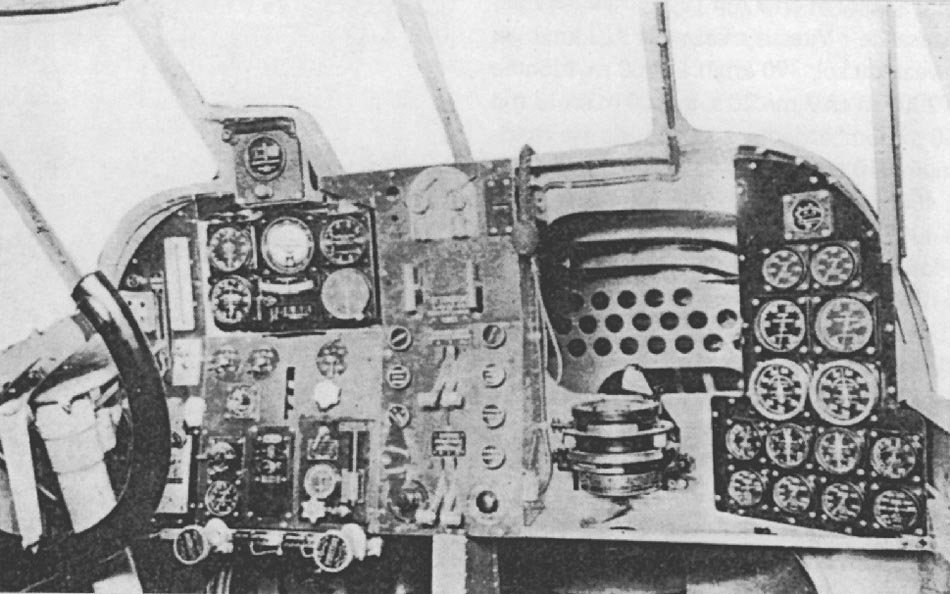 Br.462 Vultur |
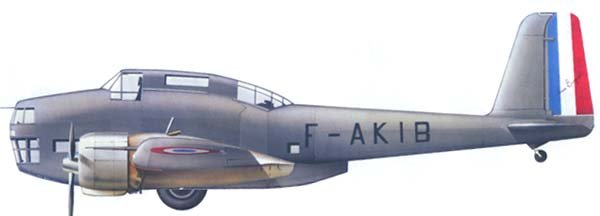 Br.462 Vultur |
Equipo Editorial de ArchivoAéreo
Grupo de investigadores y entusiastas de la aviación dedicados a documentar y preservar la historia aeronáutica mundial. Todos los artículos son revisados para garantizar precisión histórica.
Fuentes y Rigurosidad
La información presentada en esta ficha técnica ha sido compilada a partir de manuales de vuelo desclasificados, archivos históricos y bibliografía especializada. Aunque nos esforzamos por mantener la máxima precisión, algunos datos de rendimiento pueden variar según la variante específica o las condiciones operativas.