Breguet 5
Initial Design and Variants
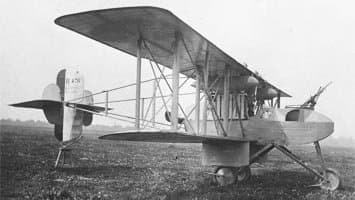
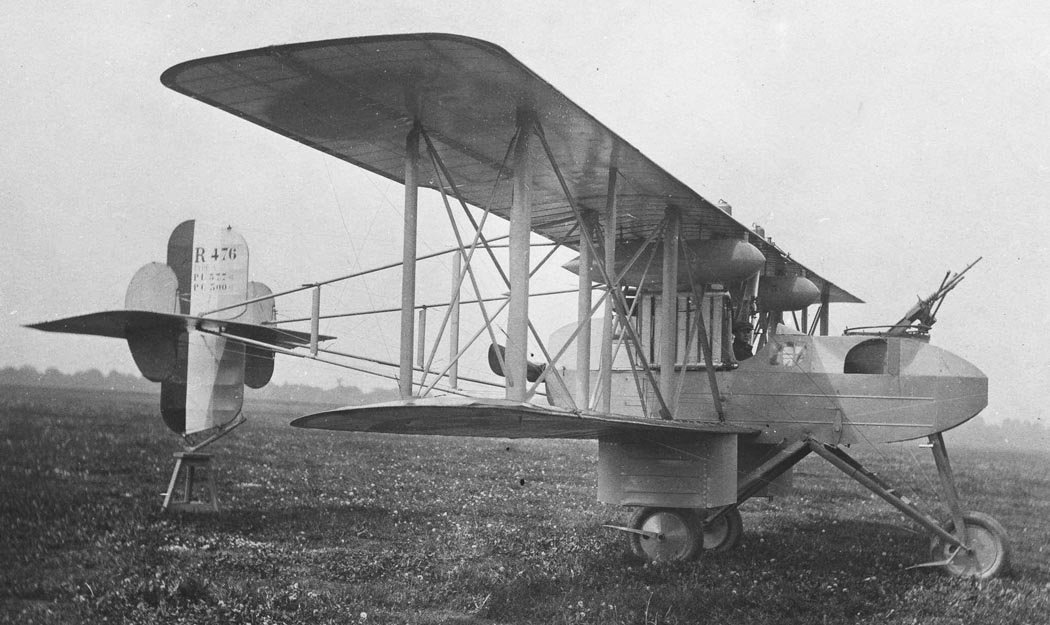
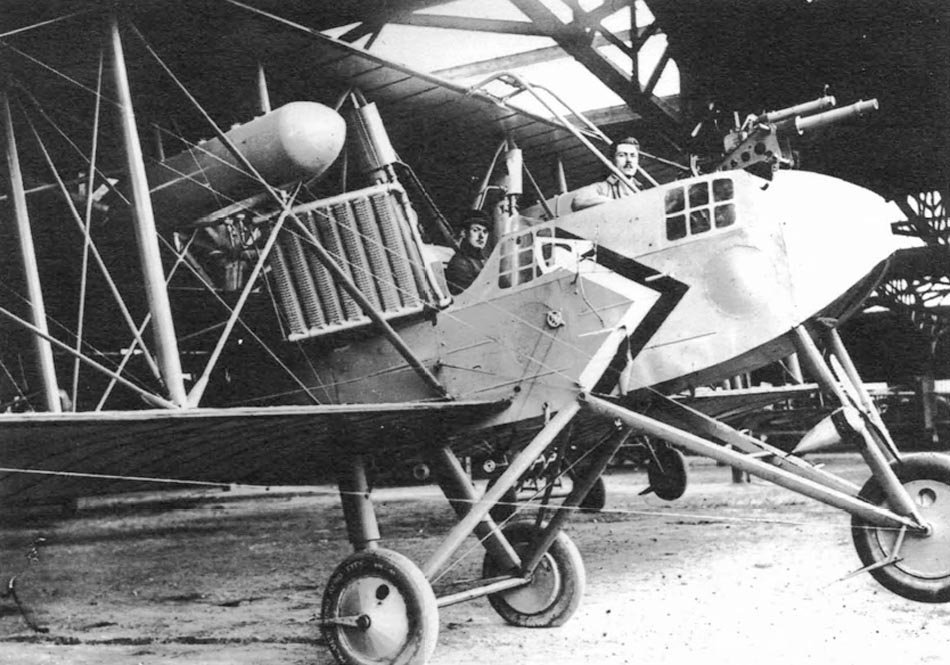
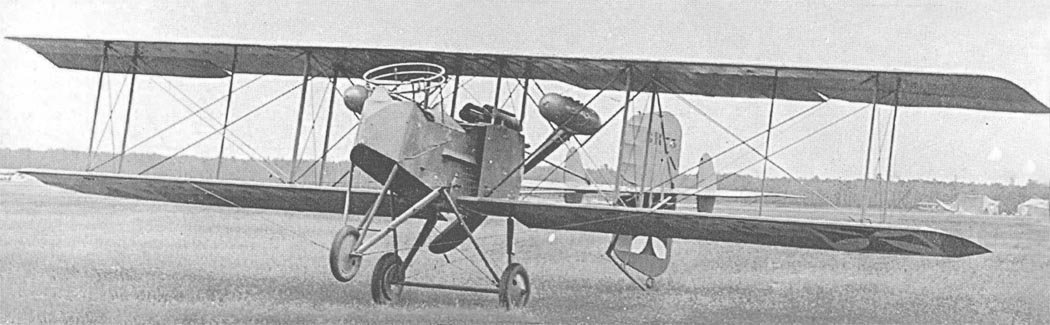
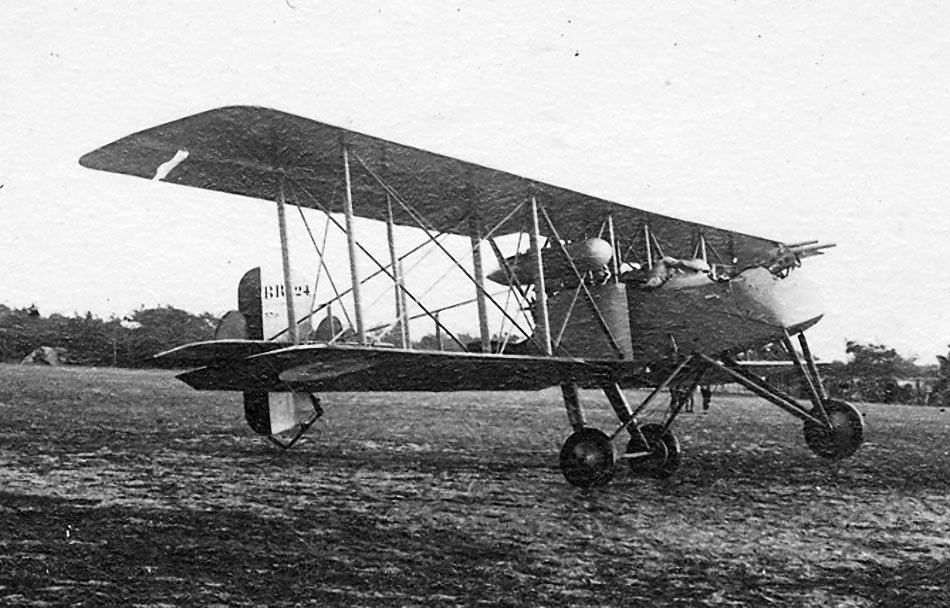
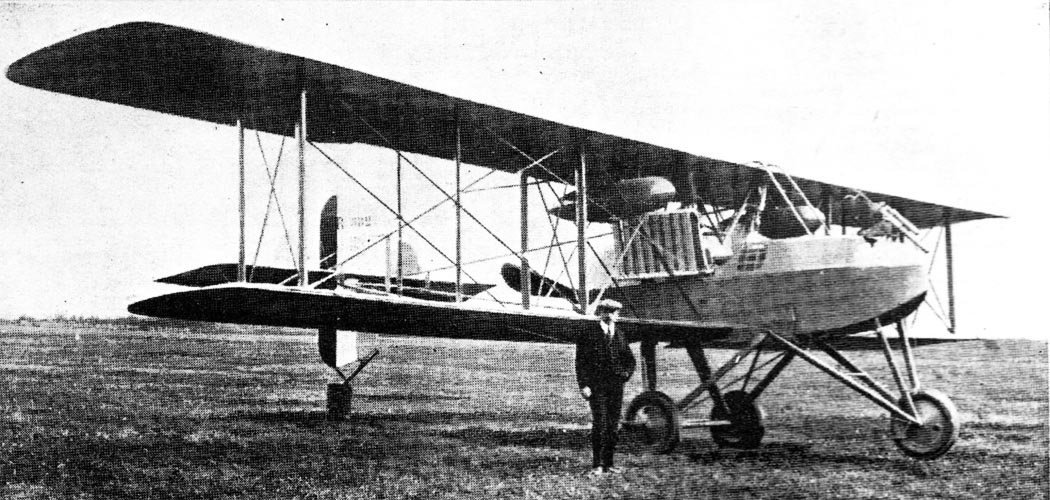
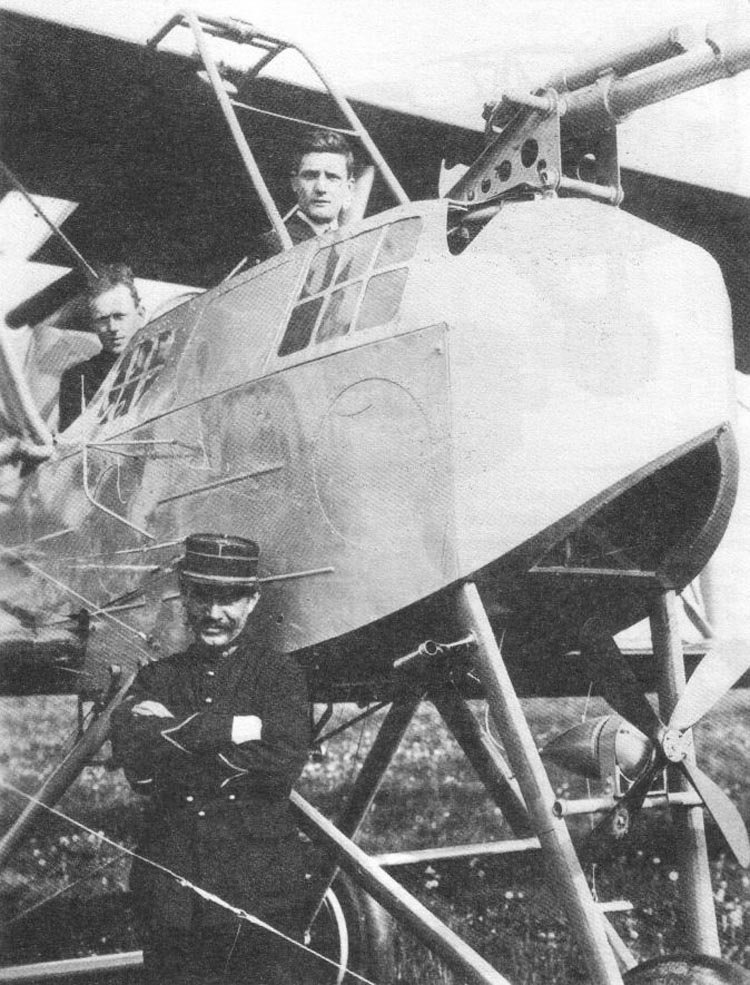
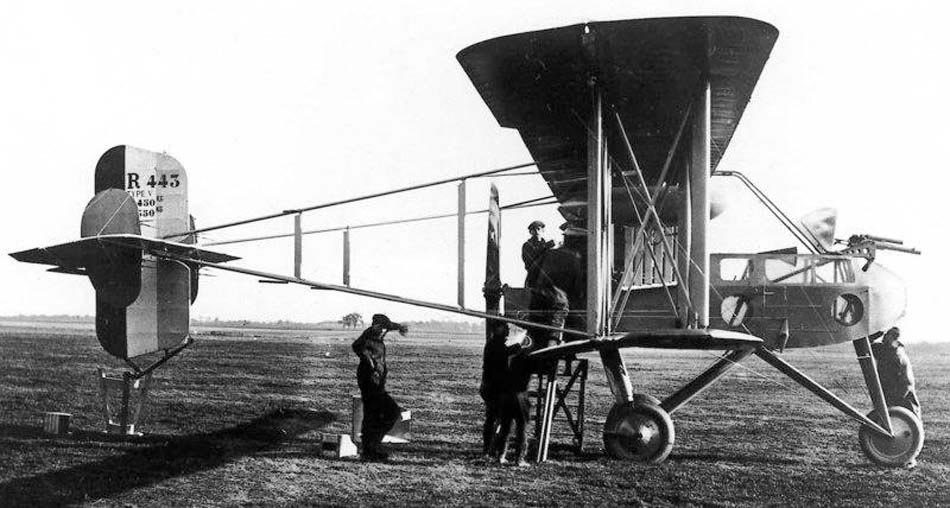
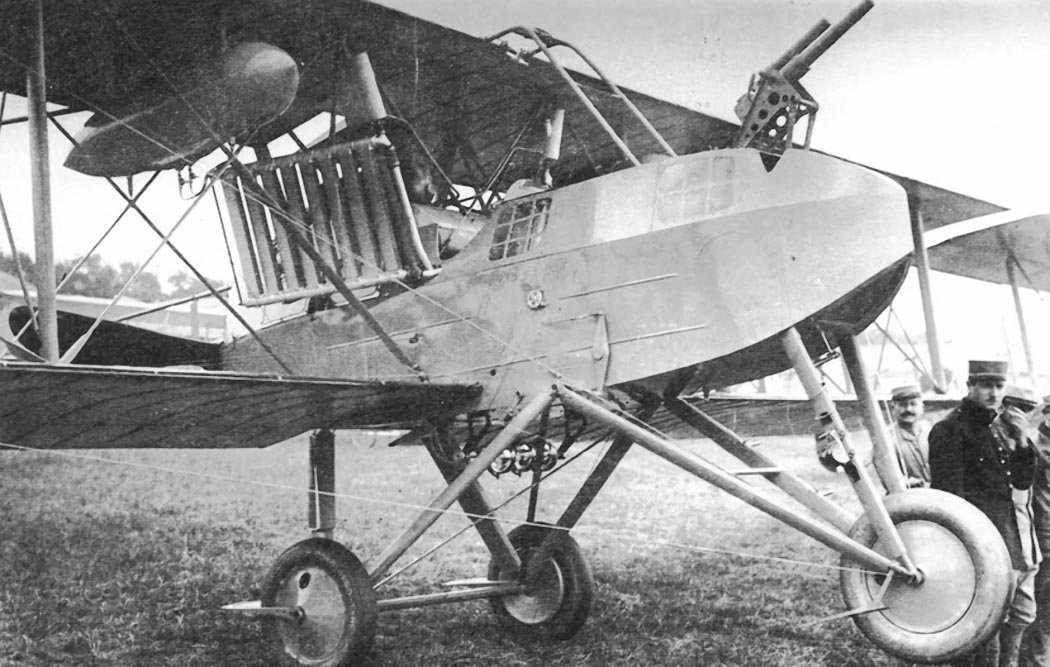
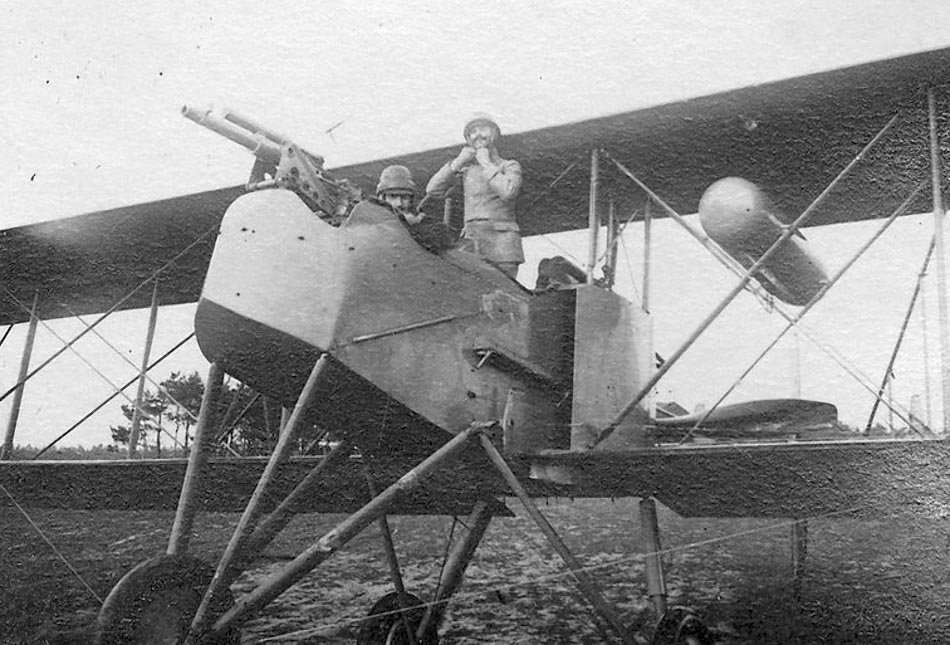
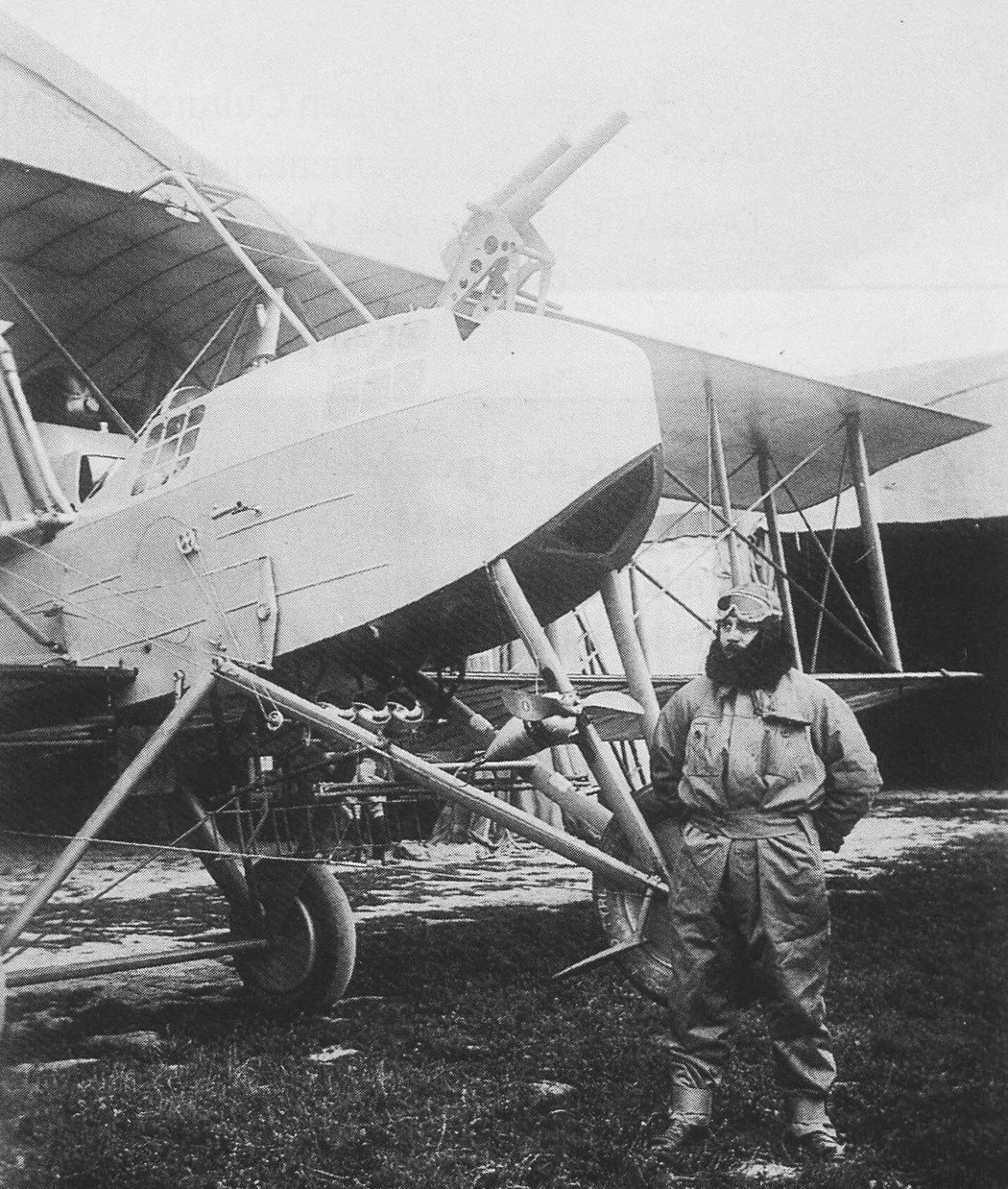
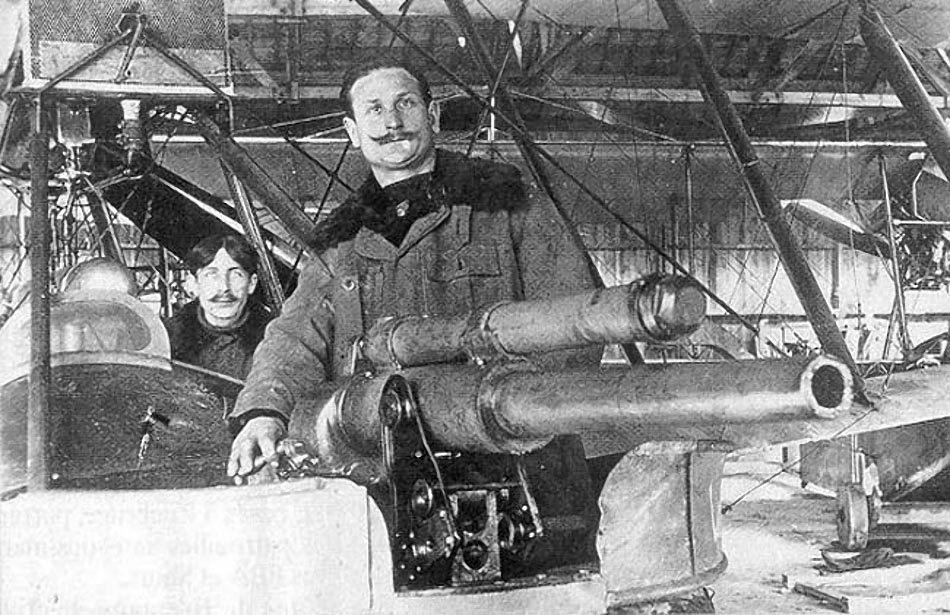
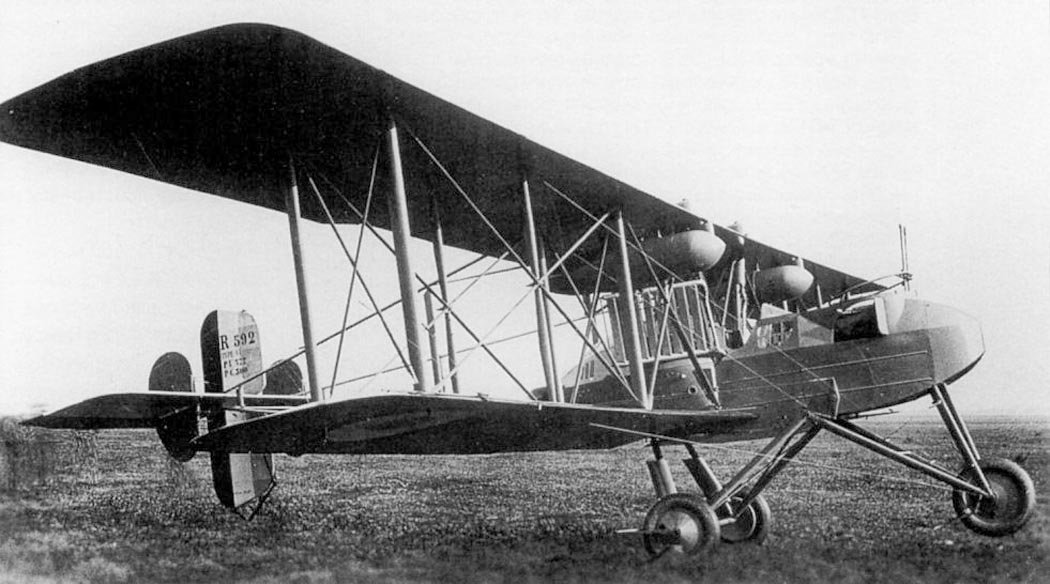
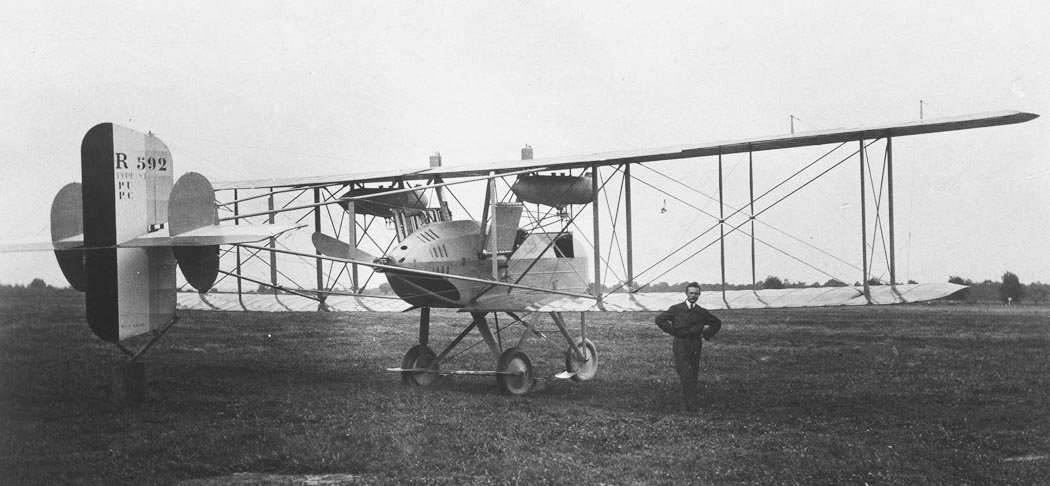
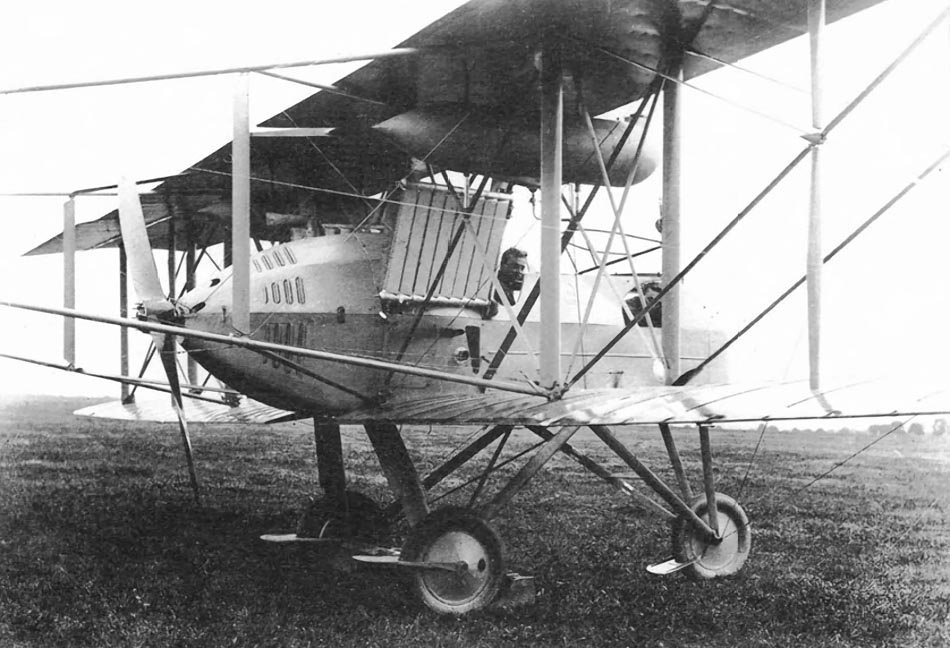
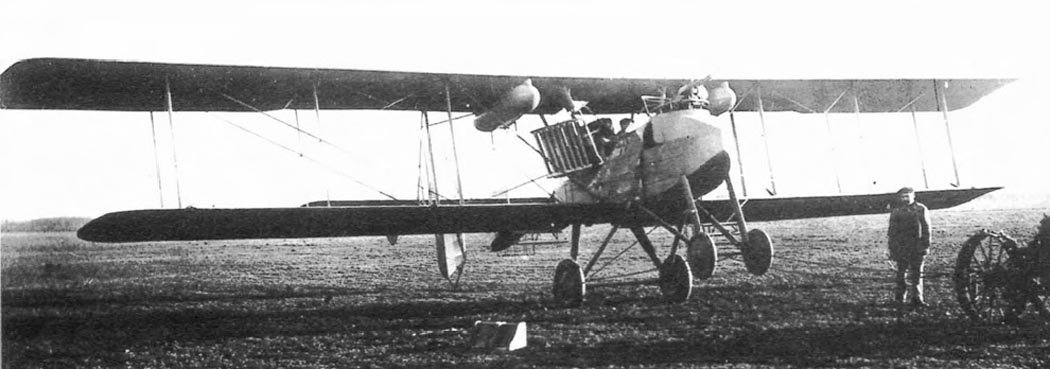
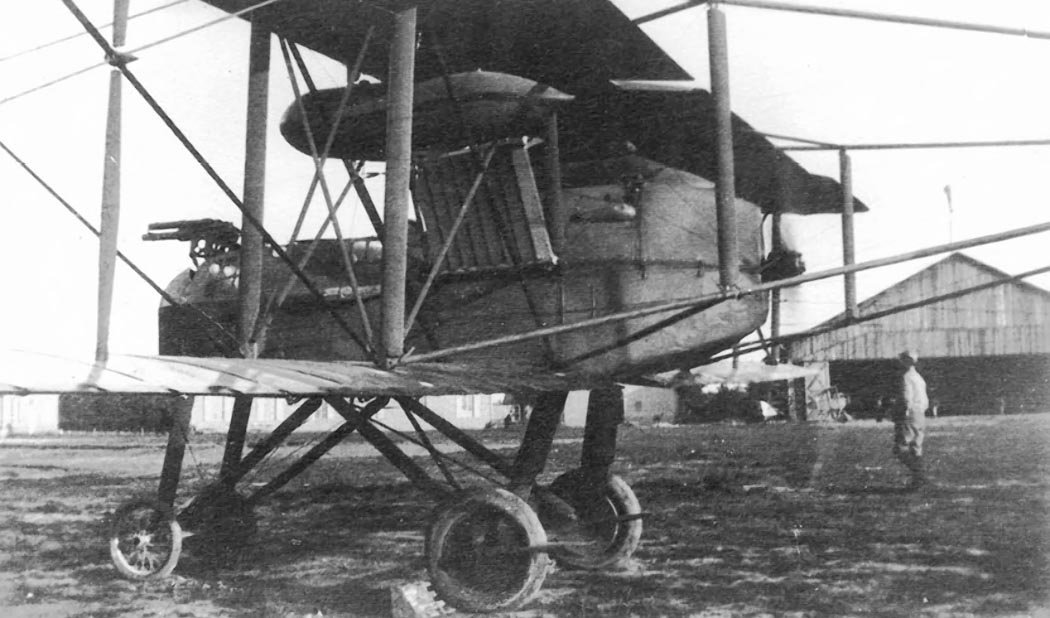
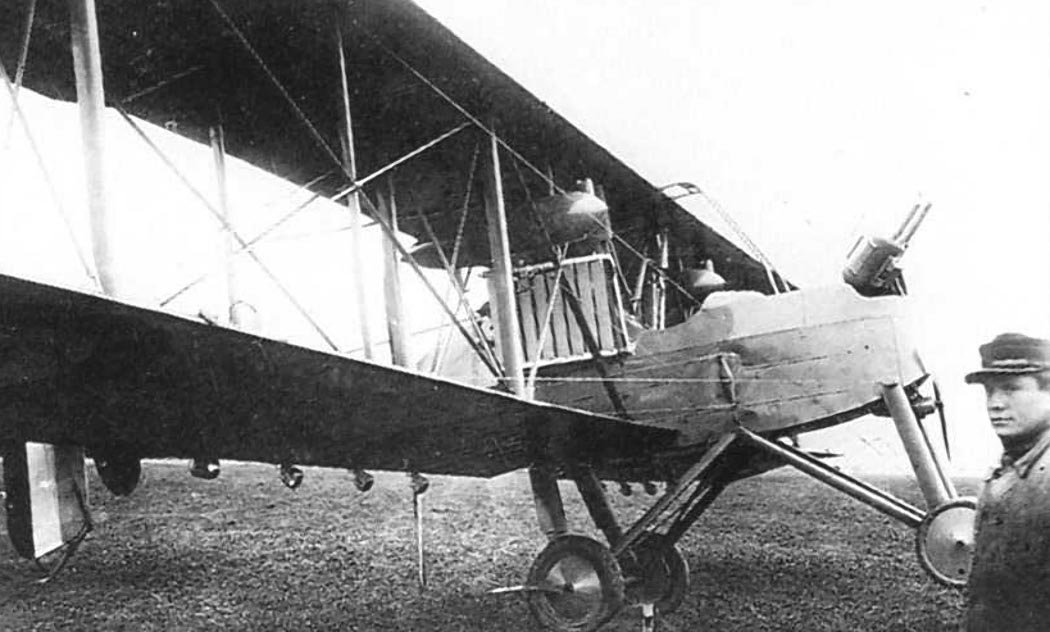
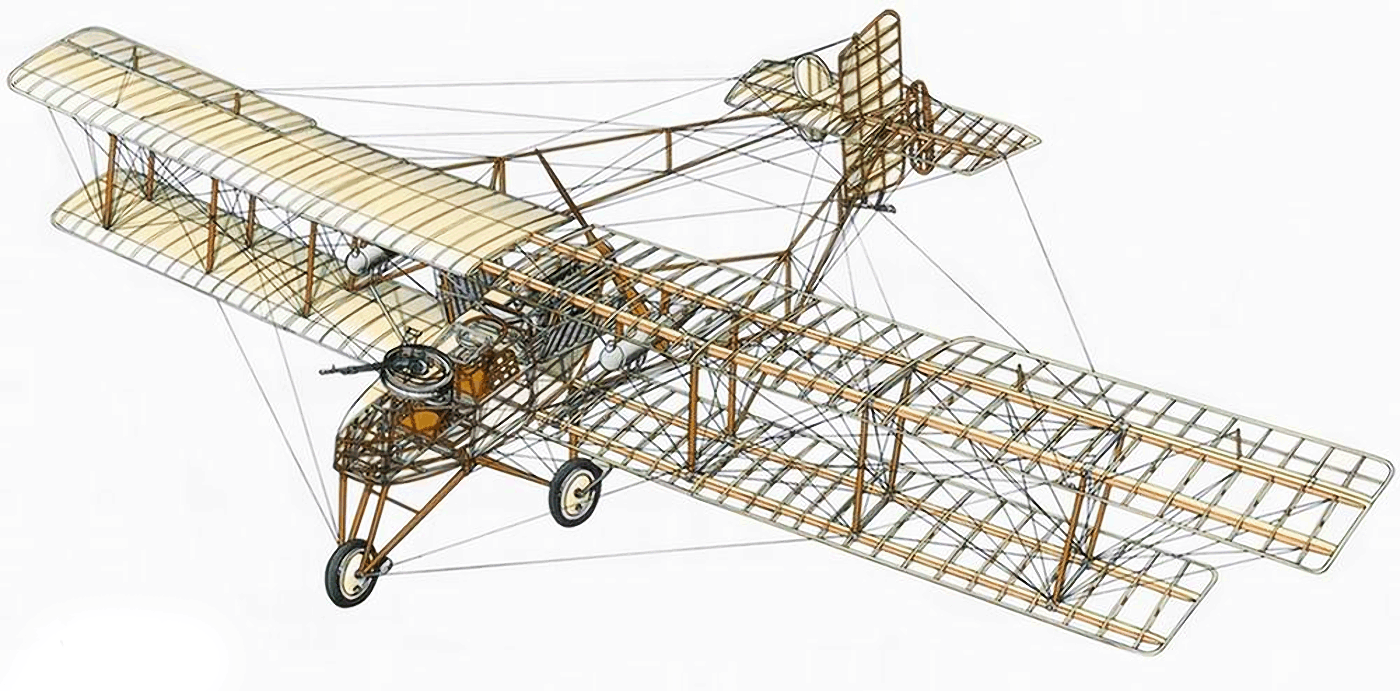
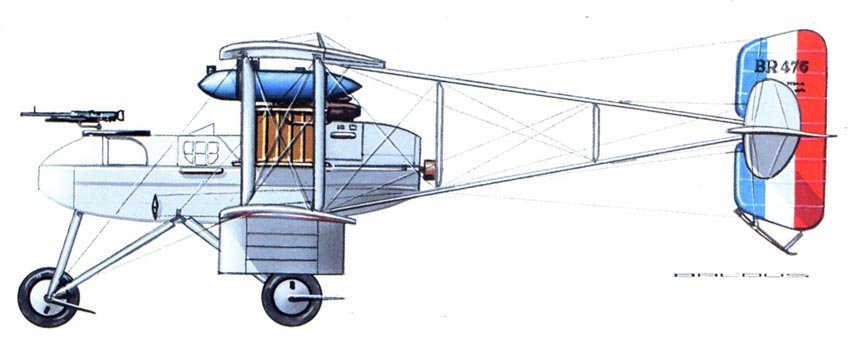
In 1916, a competition was held in France for an aircraft equipped with a movable 37mm “Hotchkiss” cannon for ground attack. In response to these requirements, the Breguet company presented a new modification of its machine, the Breguet 5 Ca.2 (Ca – Canon – “cannon-equipped”). The Hotchkiss turret mount was installed in the forward gondola cockpit. Additionally, a pivot-mounted “Lewis” machine gun was intended for firing backward over the upper wing (not installed in series).
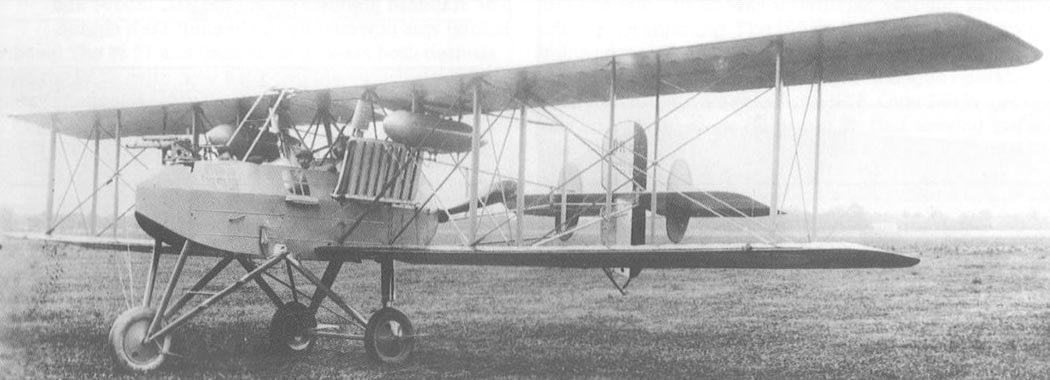
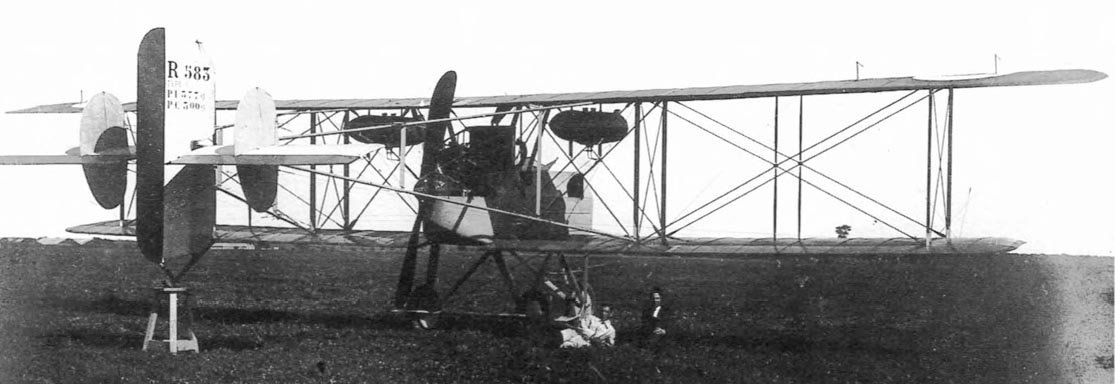
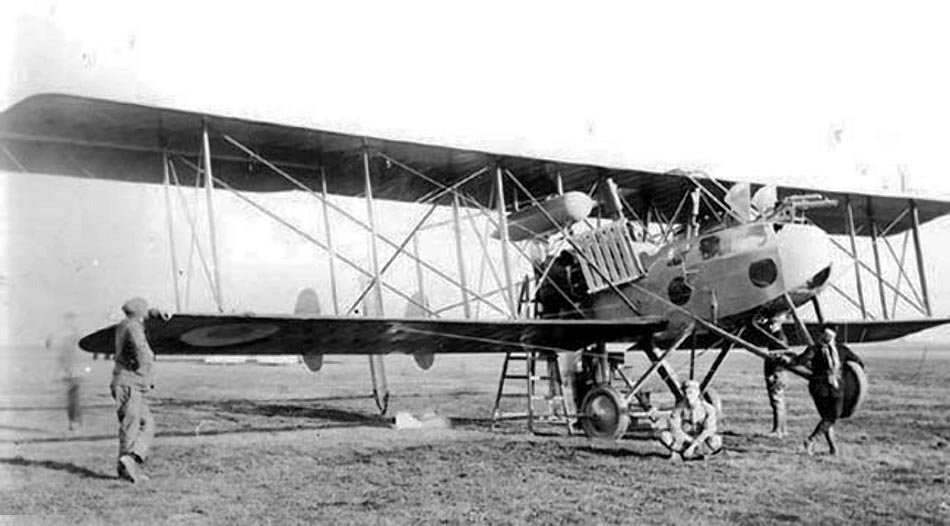
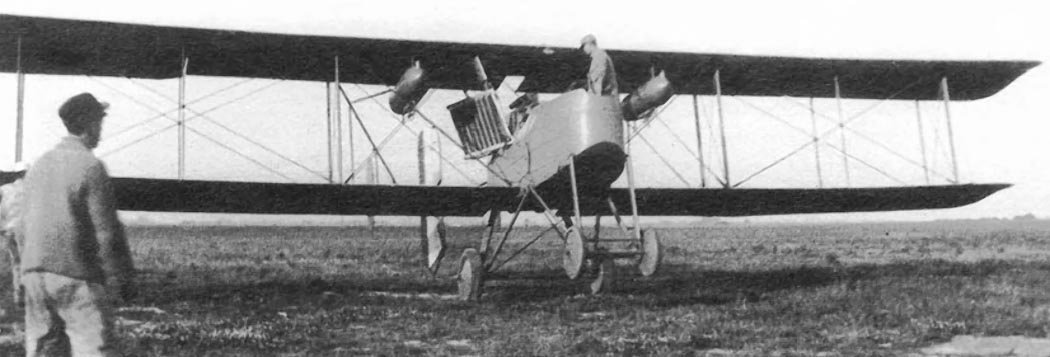
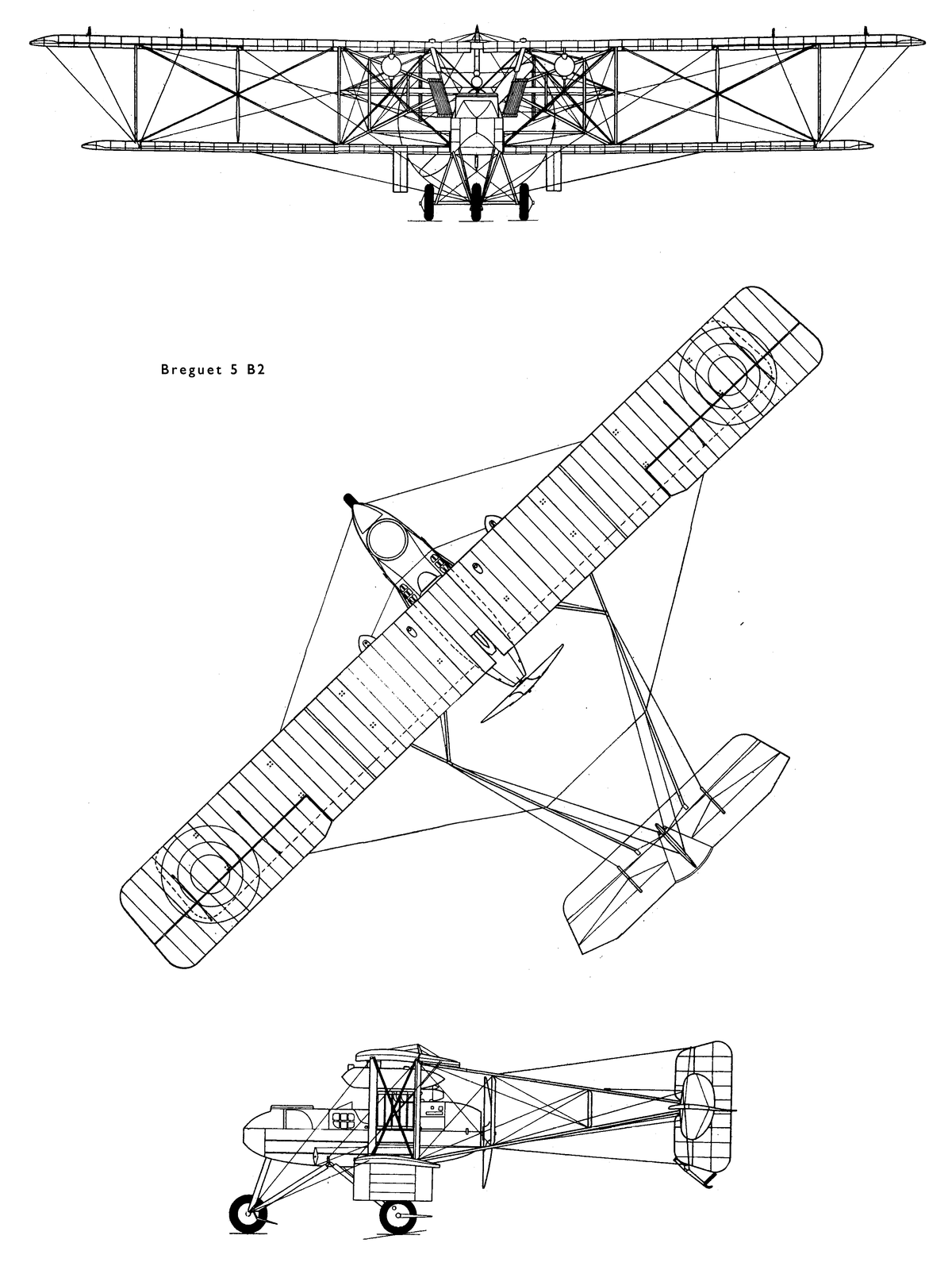
The aircraft also featured a two-bay biplane wing structure with “half-struts” at the intersection of the bracing wires and a three-wheel landing gear with a single nose wheel. The Breguet 5 began production in April of the same year (according to other sources, from October). However, most aircraft were produced without the cannon (a turret machine gun was installed in its place) but with bomb cassettes under the wings. This variant was designated Breguet 5 B.2 (B – Bombardement – “bomber”).
Combat Performance and Limitations
The aircraft was intended for use not only as a ground attack aircraft but also as an escort fighter. However, the initial engagements showed that the cannon, due to its strong recoil, was ill-suited for firing at aerial targets, and this idea was subsequently abandoned. Furthermore, the Breguet aircraft proved vulnerable to enemy fighters.
As a result, the Ca.2 was withdrawn from service, and the B.2 was re-purposed as a night bomber. In 1917, attempts were made to install a 47mm cannon from the same company, but the outcome was similar. In squadron BM 120, the cannon-equipped Breguets were used in combat for some time in 1915-16. The successes of these machines were quite modest.
The only victory against an aerial opponent was achieved by the crew of a Bre 5 Ca2, piloted by Lieutenant Marinković. Three cannon-equipped Breguets from squadron 120 escorted a group of 20 Bre 5 B.2 bombers during a raid on Absem on March 18, 1916. Marinković’s aircraft, which had fallen behind the group, encountered a German LVG reconnaissance aircraft that accidentally entered the firing sector of the 37mm cannon, operated by gunner Lieutenant Pertro. A well-aimed shell blew the German aircraft to smithereens.
International Service and Later Modifications
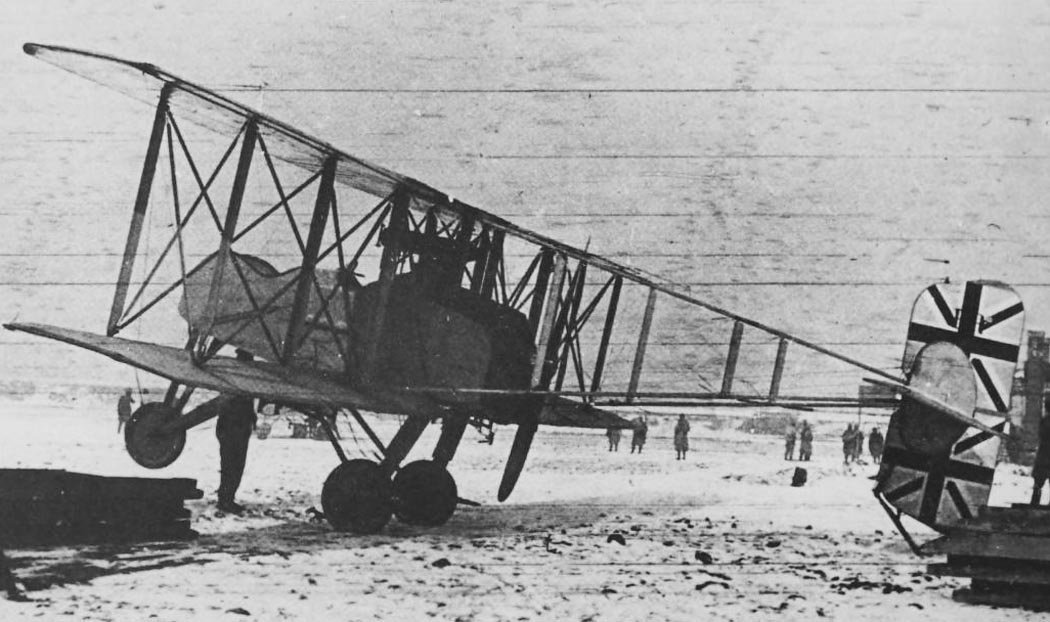
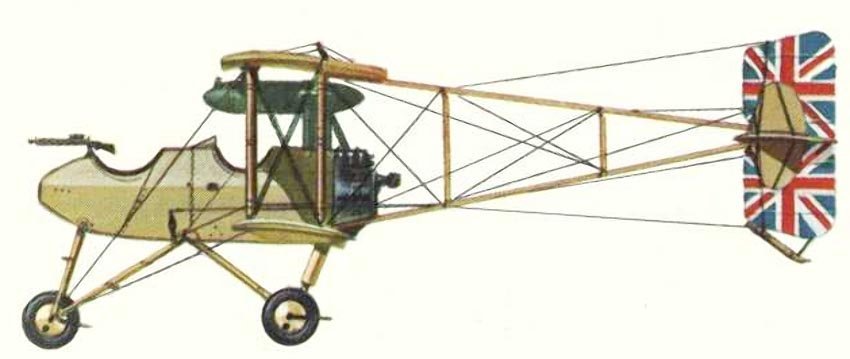
Thirty-five aircraft with 250 hp Rolls-Royce engines served in British naval aviation. Of these, 25 were produced in Great Britain under the designation G.W.19. Several Breguet 5 units were also supplied to Russia.
Several modifications existed. The Bre.6 was equipped with a Canton-Unne engine. Several “fives” were converted into night fighters with the installation of a searchlight, receiving the designation Bre.12.
Technical Specifications
| Modification | Br.5 Ca.2 |
| Wingspan, m | 17.60 |
| Length, m | 9.90 |
| Height, m | 3.90 |
| Wing area, m2 | 57.70 |
| Empty weight | 1347 |
| Maximum takeoff weight | 1886 |
| Engine type | 1 Piston engine Renault 12Fb |
| Power, hp | 1 x 220 |
| Maximum speed, km/h | 136 |
| Cruising speed, km/h | 118 |
| Endurance, h.min | 6. 15 |
| Rate of climb, m/min | 72 |
| Service ceiling, m | 4300 |
| Crew, crew members: | 2 |
| Armament: | semi-automatic 37 mm (47 mm) Hotchkiss cannon or one 7.7 mm turret machine gun for the observer and 290 kg of bombs (5 B.2) |
Image and diagram gallery of the Breguet 5
 Breguet 5 |
 Breguet 5 |
 Breguet 5 |
 Breguet 5 |
 Breguet 5 |
 Breguet 5 |
 Breguet 5 |
 Breguet 5 |
 Breguet 5 |
 Breguet 5 |
 Breguet 5 |
 Breguet 5 |
 Breguet 5 |
 Breguet 5 |
 Breguet 5 |
 Breguet 5 |
 Breguet 5 |
 Breguet 5 |
 Breguet 5 |
 Breguet 5 |
 Breguet 5 |
 Breguet 5 |
 Breguet 5 |
 Breguet 5 |
 Breguet 5 |
 Breguet 5 |
Equipo Editorial de ArchivoAéreo
Grupo de investigadores y entusiastas de la aviación dedicados a documentar y preservar la historia aeronáutica mundial. Todos los artículos son revisados para garantizar precisión histórica.
Fuentes y Rigurosidad
La información presentada en esta ficha técnica ha sido compilada a partir de manuales de vuelo desclasificados, archivos históricos y bibliografía especializada. Aunque nos esforzamos por mantener la máxima precisión, algunos datos de rendimiento pueden variar según la variante específica o las condiciones operativas.