Breguet 731
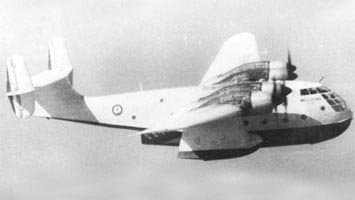
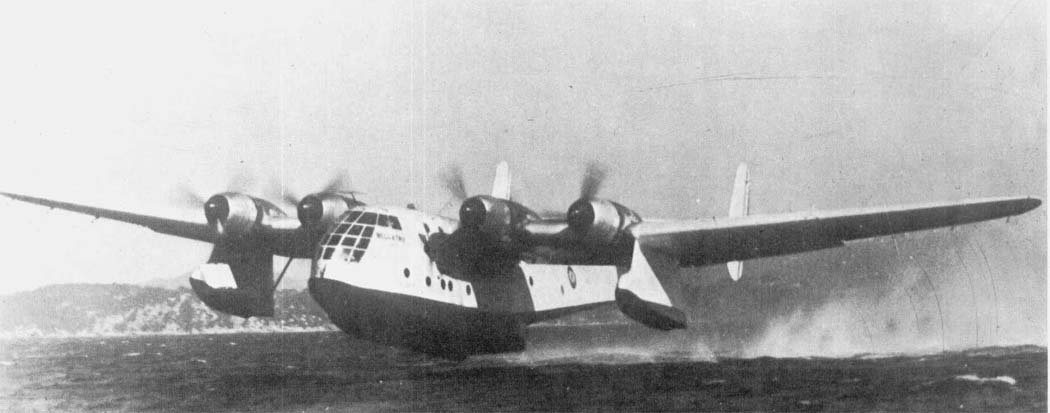
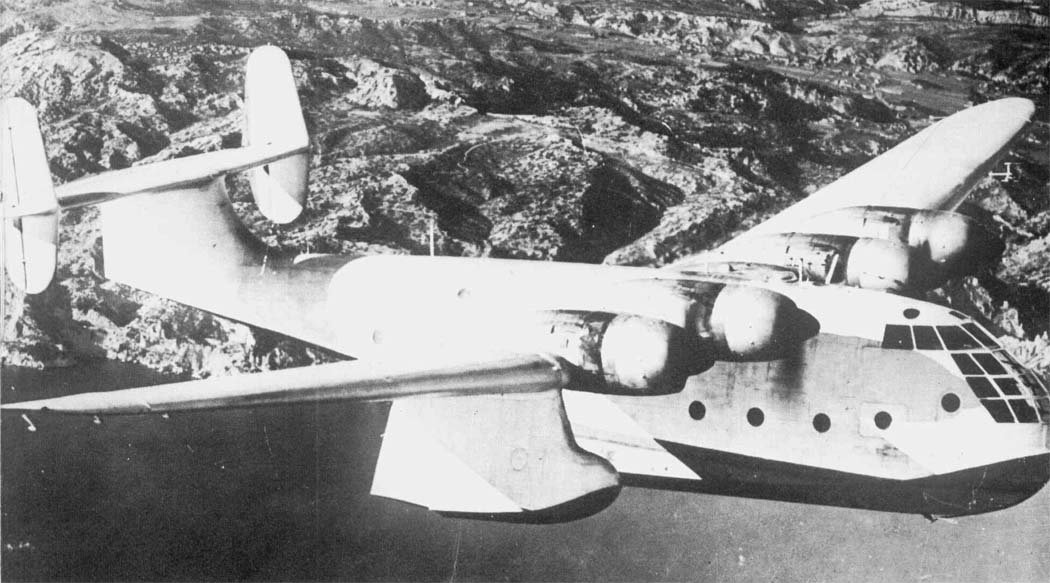
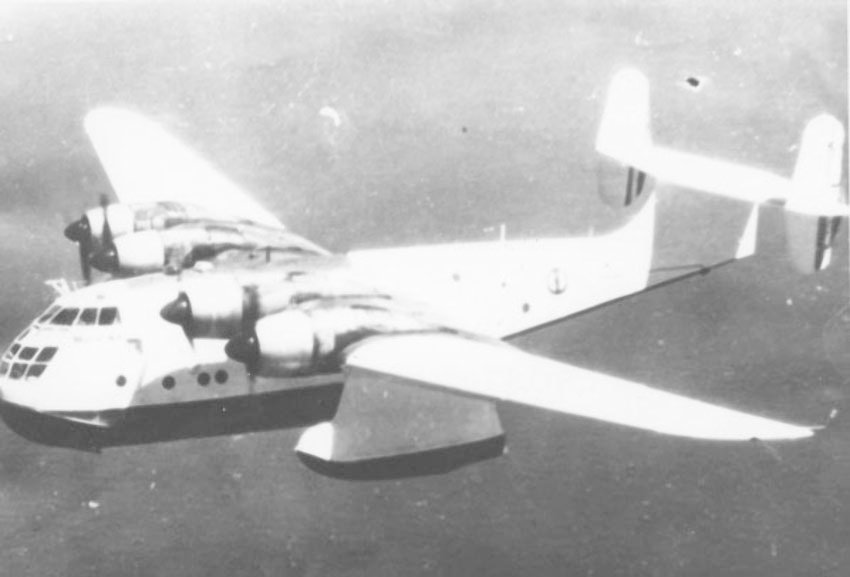
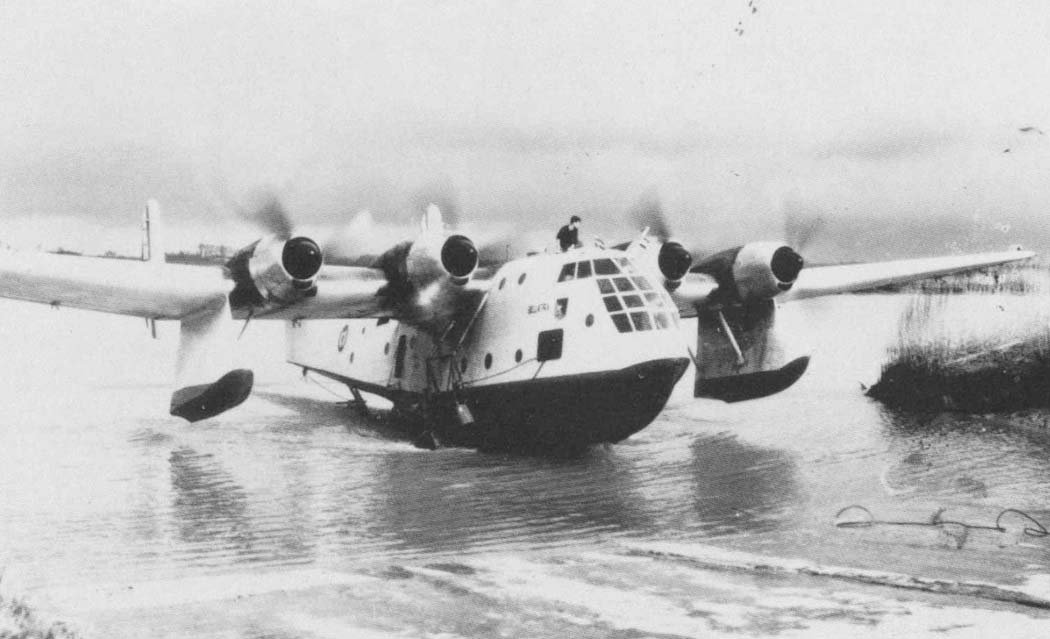
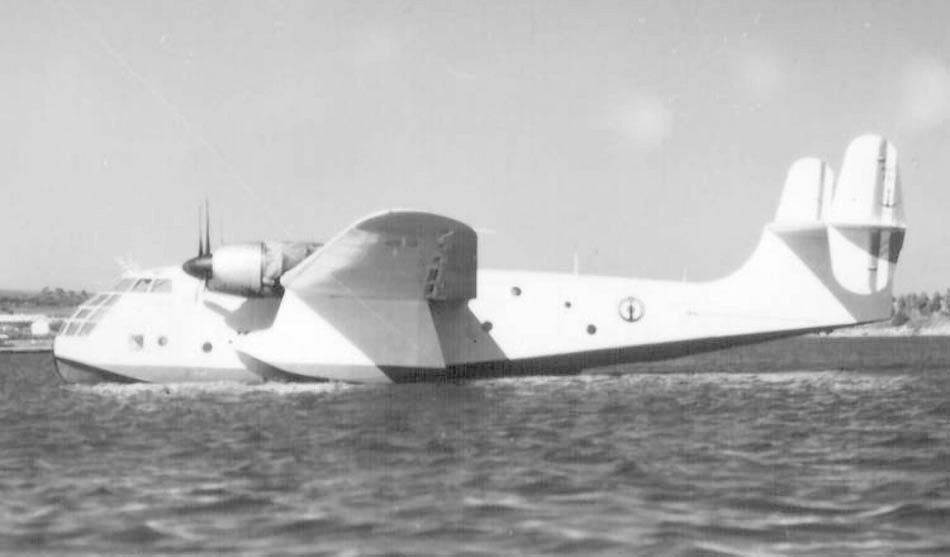
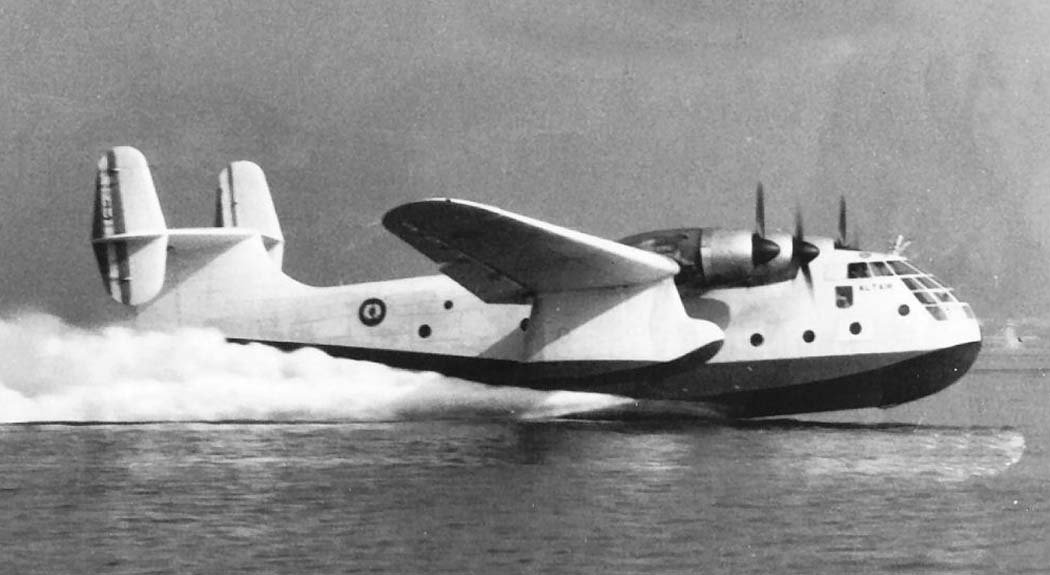
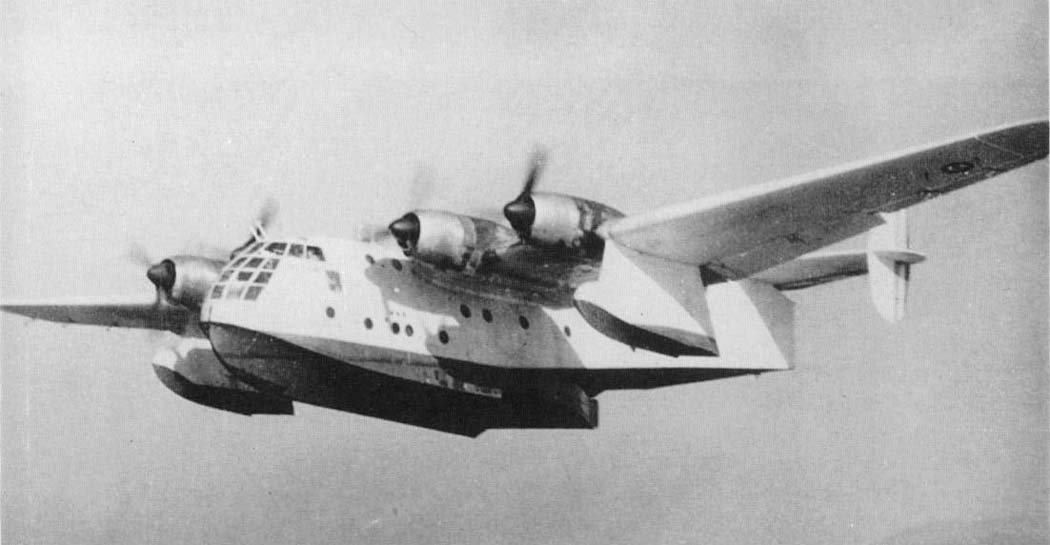
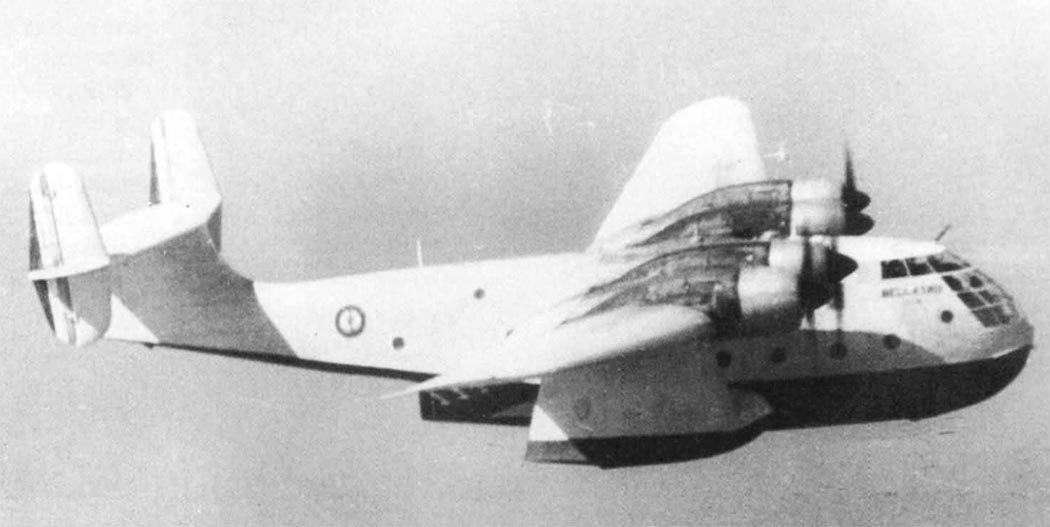
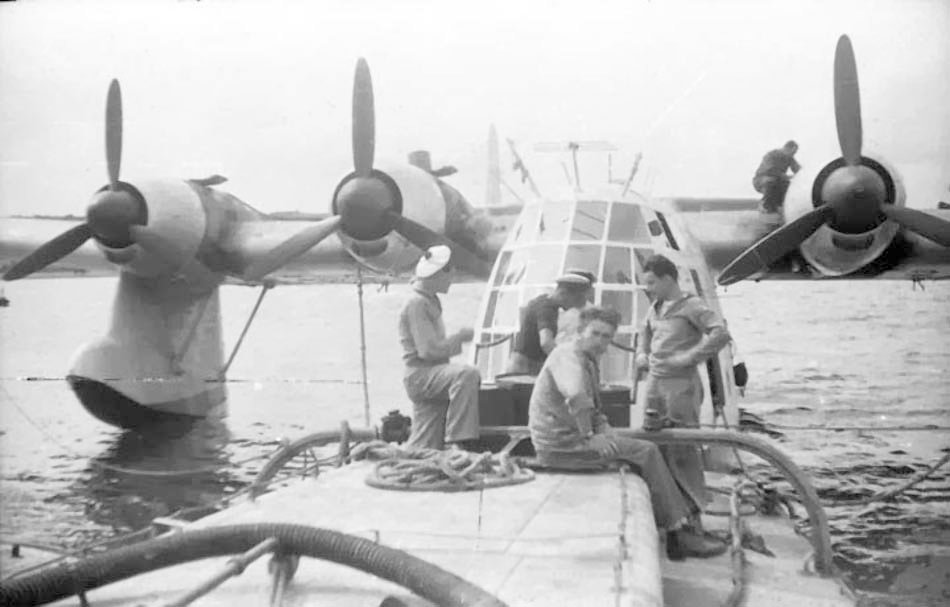
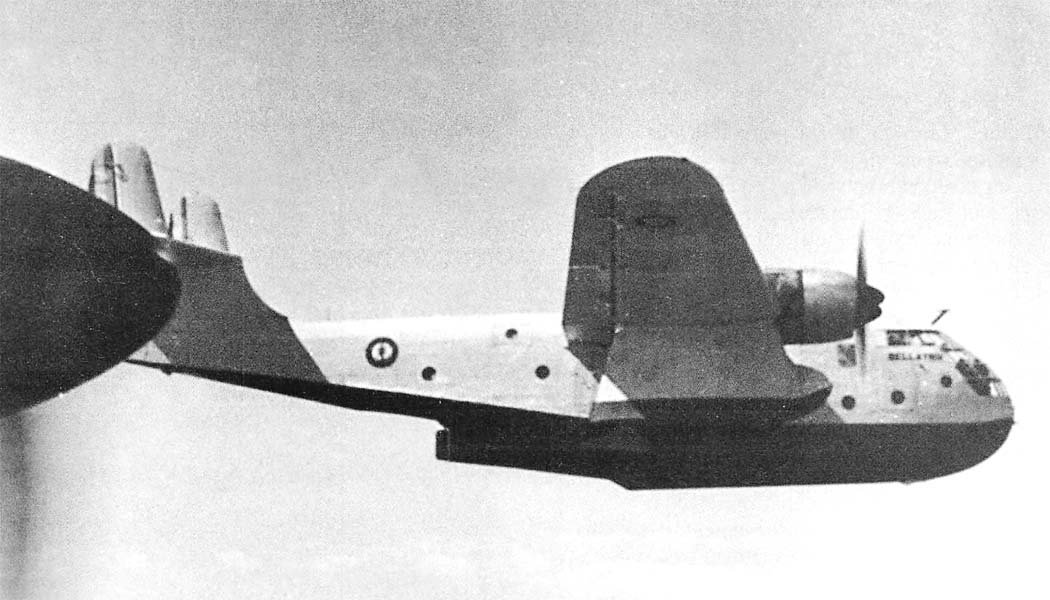
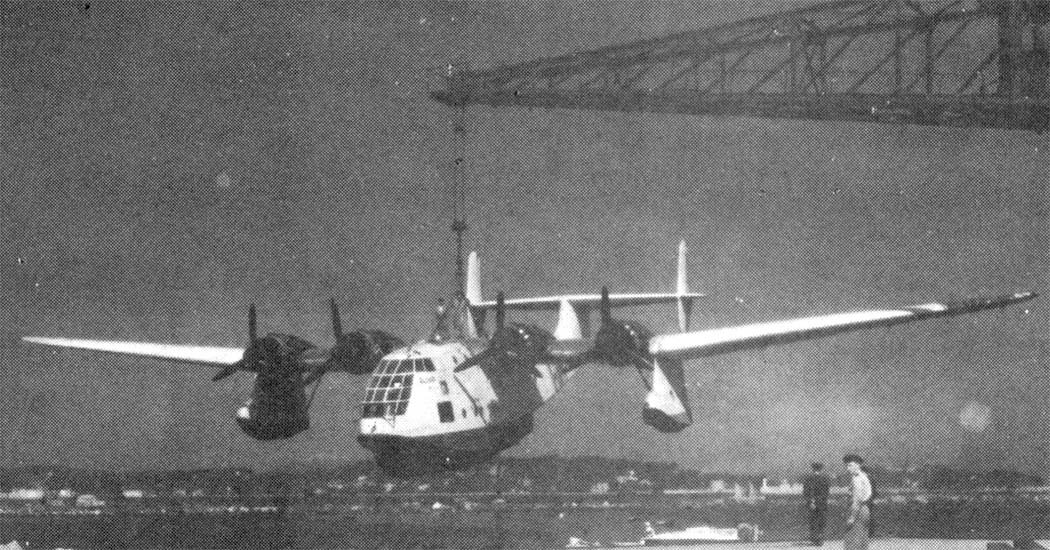
Two of the three Breguet 730 flying boat hulls, remaining after a British air raid, were repurposed into Breguet 731 transport seaplanes. These featured a completely redesigned nose section and more powerful Gnôme-Rhône 14 R 200/201 engines, each developing 1350 hp at takeoff.
This significantly increased the flying boat’s takeoff weight, which rose to 35 tons. To facilitate takeoff, the underwing floats were not only widened but also equipped with a step (redan).
Design Evolution and Technical Specifications
The modified design underwent aerodynamic and hydrodynamic testing in a pool and wind tunnel, proving to be more advanced than the original Breguet 730 design created in 1938. Based on the test results, these last seaplanes in the family were built as transport variants.
Due to their altered purpose, they received no armament. The flying boats were given proper names: Bellatrix and Altaïr.
Maiden Flights and Operational Service
The first Breguet 731 made its maiden flight on September 2, 1947, with the second following on March 22, 1949. Both flights were conducted in Biscarrosse.
The Br 731 flying boats were assigned to Squadron 33S at St-Mandrier. Like the Br 730, they were used (at least until 1954) as transport and liaison aircraft for long-range flights, primarily to North Africa.
Technical Specifications
| Modification | Br.731 |
| Wingspan, m | 40.36 |
| Length, m | 24.37 |
| Height, m | 8.60 |
| Wing area, m2 | 171.86 |
| Empty weight | 17056 |
| Normal takeoff weight | 35000 |
| Engine type | 4 Piston engines SNECMA (Gnome-Rhone) 14R |
| Power, hp | 4 x 1350 |
| Maximum speed, km/h | 375 |
| Cruising speed, km/h | 326 |
| Practical range, km | 4000 |
| Practical ceiling, m | 5650 |
| Crew | 6 |
Image and diagram gallery of the Breguet 731
 Br.731 |
 Br.731 |
 Br.731 |
 Br.731 |
 Br.731 |
 Br.731 |
 Br.731 |
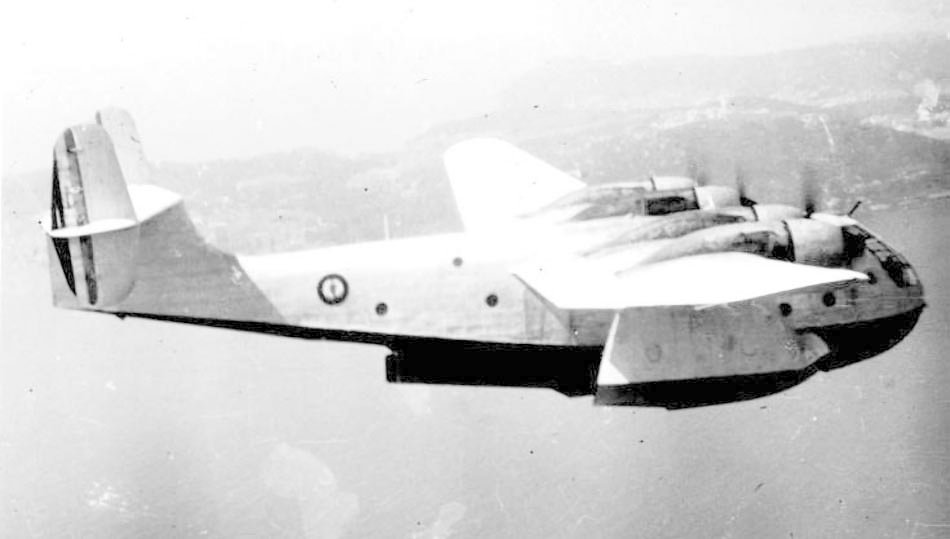 Br.731 |
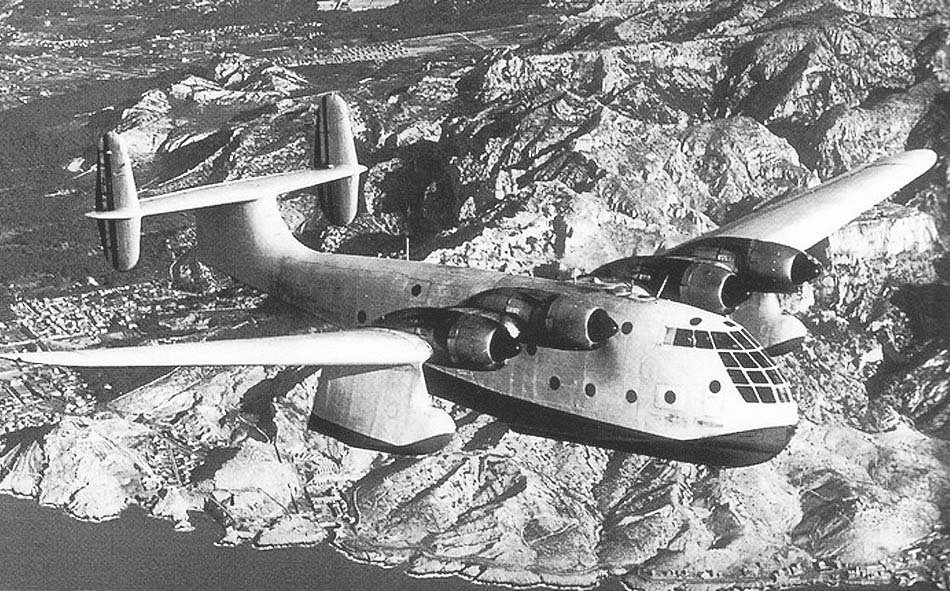 Br.731 |
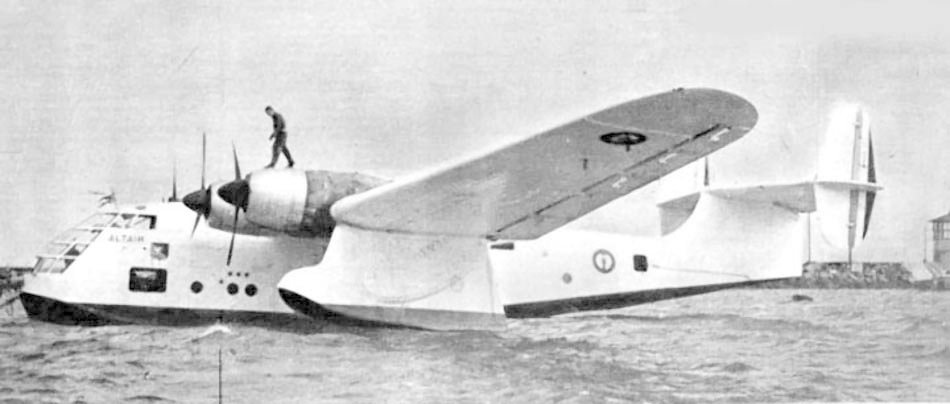 Br.731 |
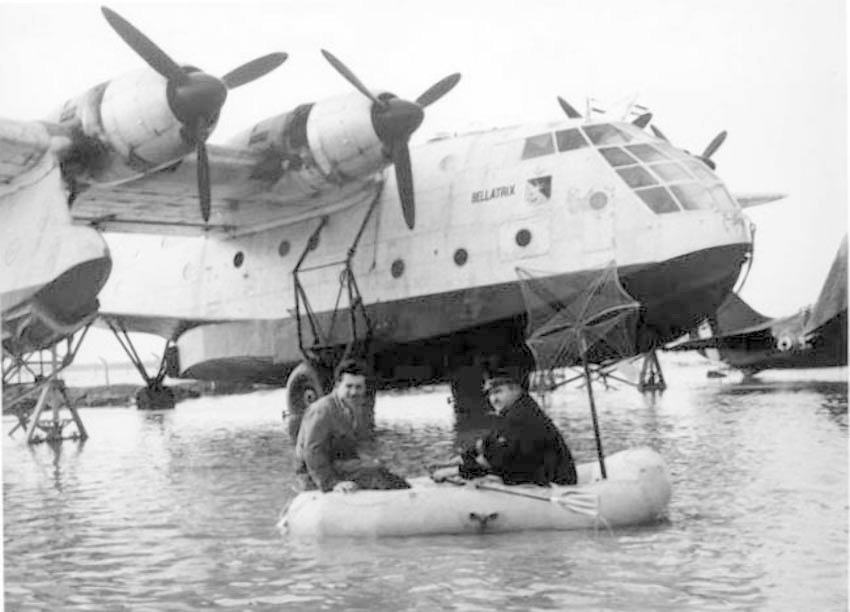 Br.731 |
 Br.731 |
 Br.731 |
 Br.731 |
 Br.731 |
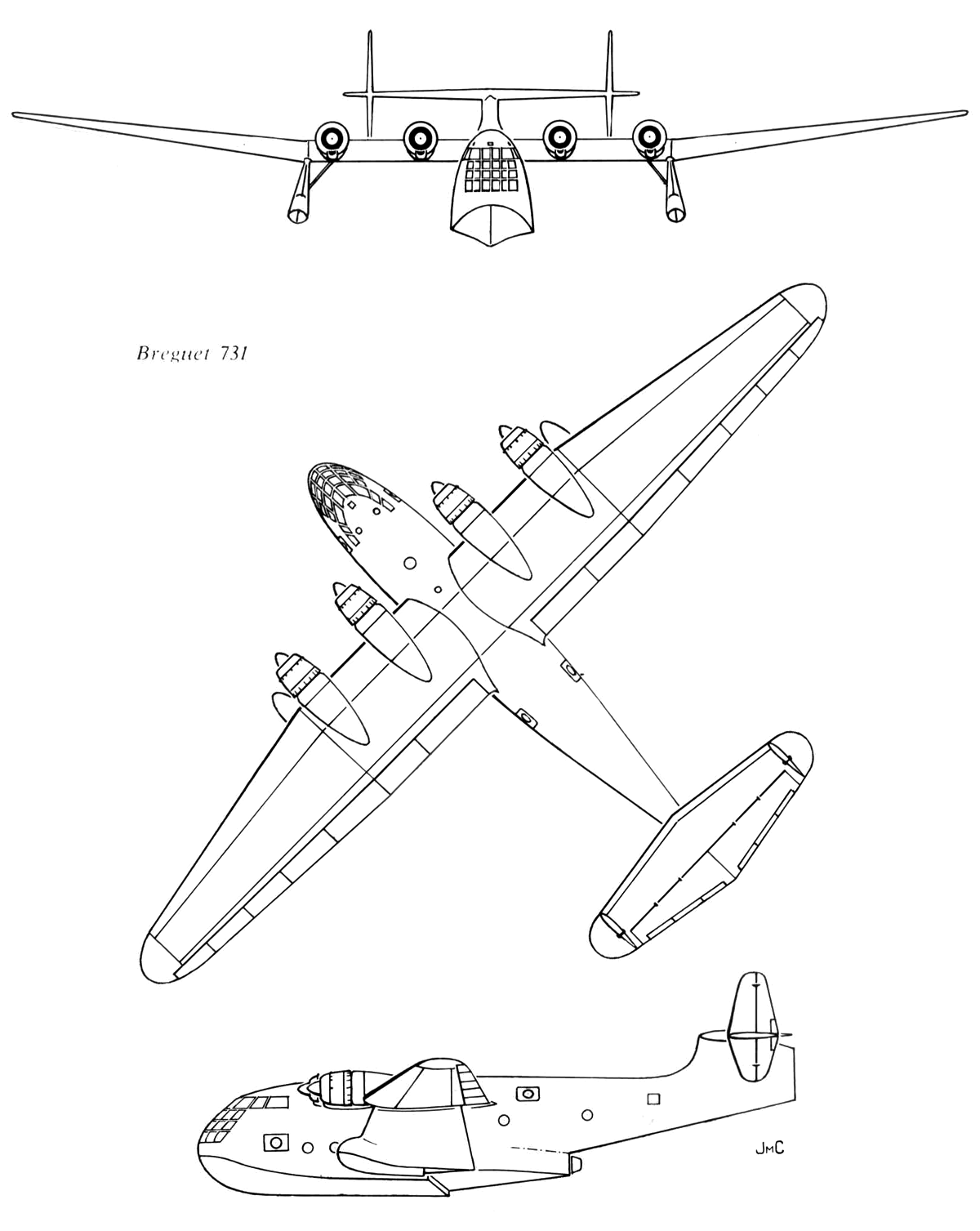 Br.731 |
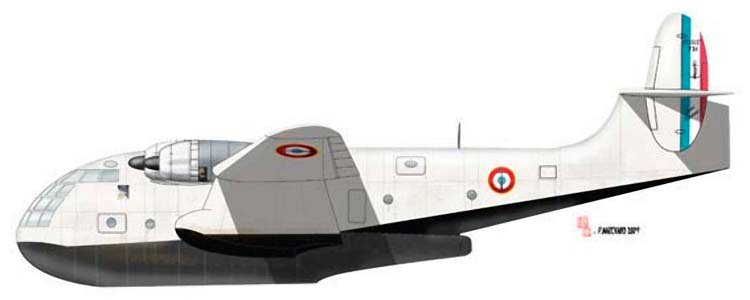 Br.731 |
Equipo Editorial de ArchivoAéreo
Grupo de investigadores y entusiastas de la aviación dedicados a documentar y preservar la historia aeronáutica mundial. Todos los artículos son revisados para garantizar precisión histórica.
Fuentes y Rigurosidad
La información presentada en esta ficha técnica ha sido compilada a partir de manuales de vuelo desclasificados, archivos históricos y bibliografía especializada. Aunque nos esforzamos por mantener la máxima precisión, algunos datos de rendimiento pueden variar según la variante específica o las condiciones operativas.