Breguet Gyroplane No. 1
The Breguet surname dates back to the famous French watchmaker of Swiss origin, Abraham-Louis Breguet (1747-1823). Louis XVI, Napoleon Bonaparte, Alexander I, Churchill, and Leo Tolstoy all prided themselves on owning Breguet timepieces. Abraham Breguet invented over ten horological devices, including the “Tourbillon” (Regulator a Tourbillon), which reduces the influence of the Earth’s gravitational force on the accuracy of the watch mechanism.
The watchmaker’s grandsons achieved another victory over terrestrial gravity.
Pioneering Aviation Efforts
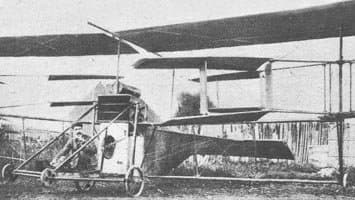
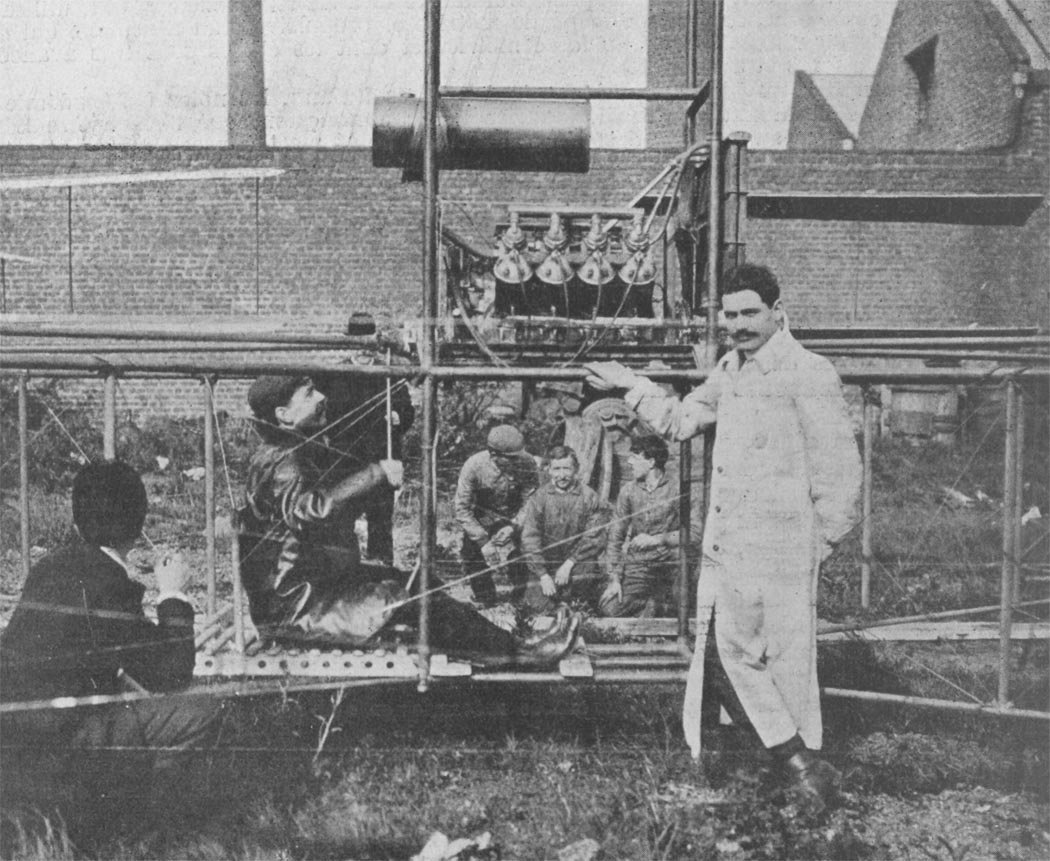
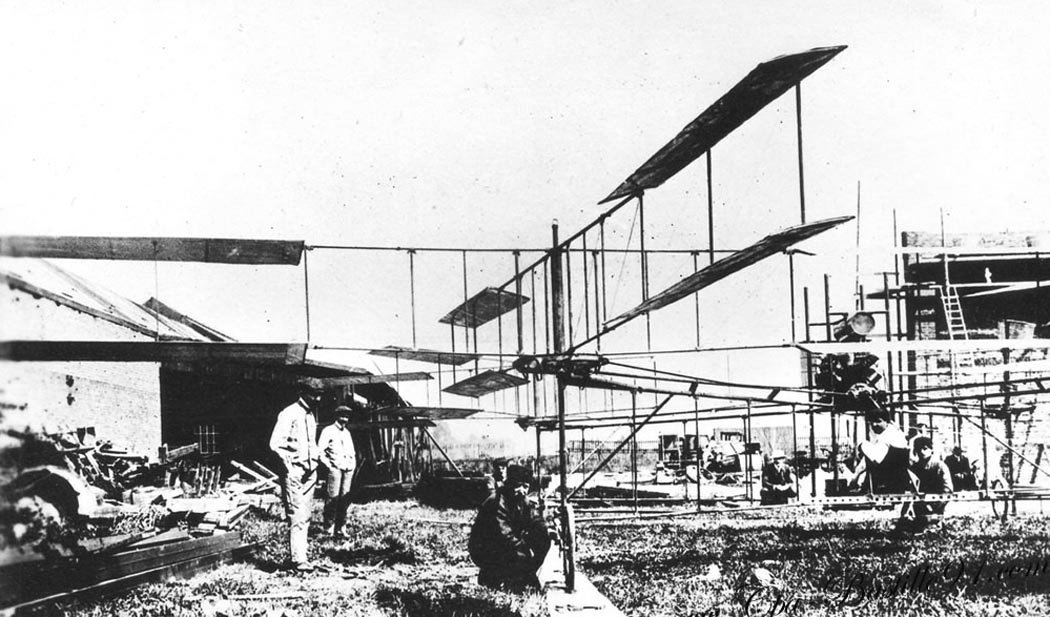
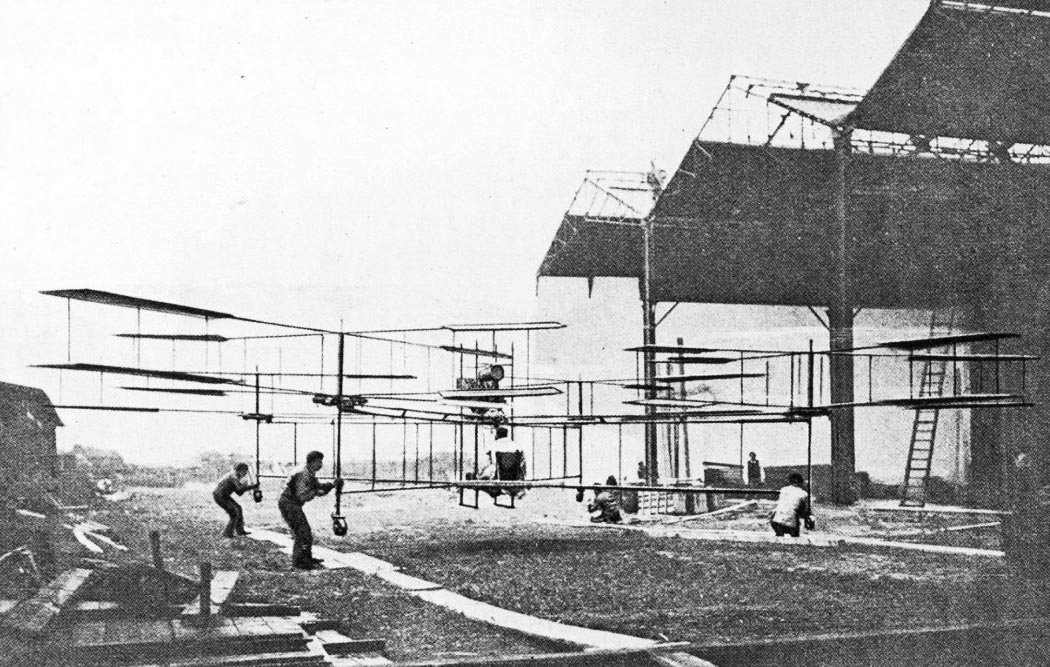
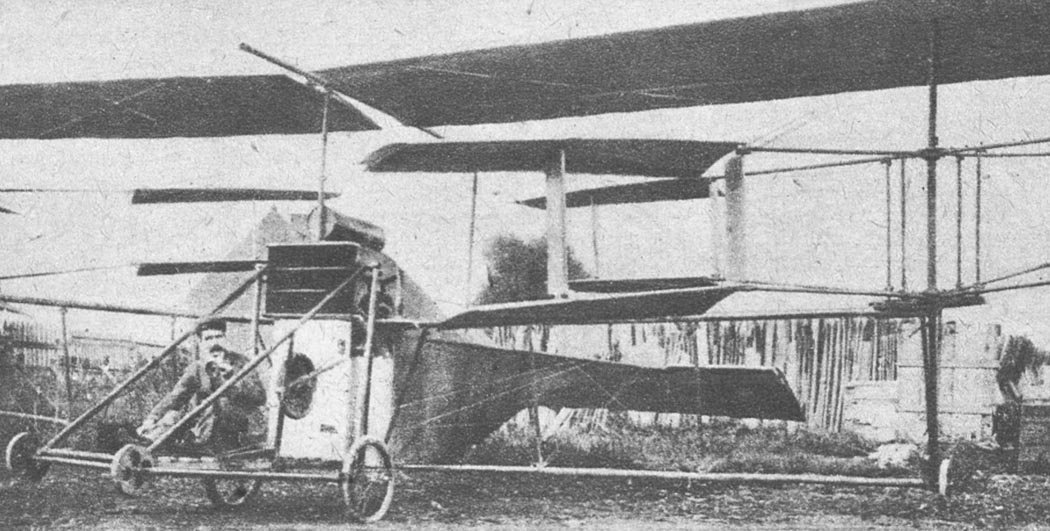
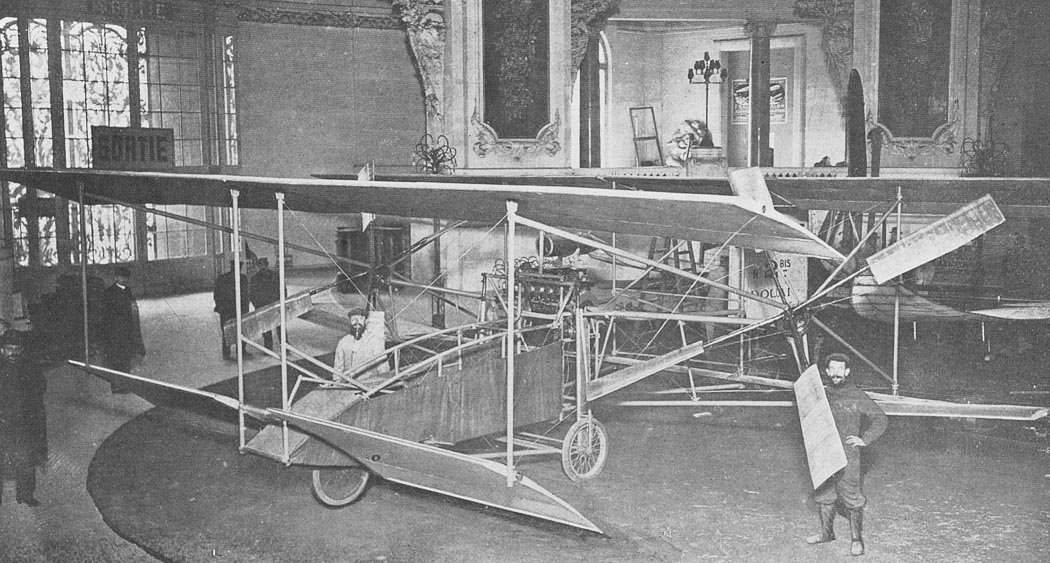
In September 1907, for the first time in aviation history, Louis Breguet’s helicopter, powered by its installed engine, lifted a man into the air. The apparatus was built by brothers Jacques and Louis Breguet in collaboration with Professor Charles Richet.
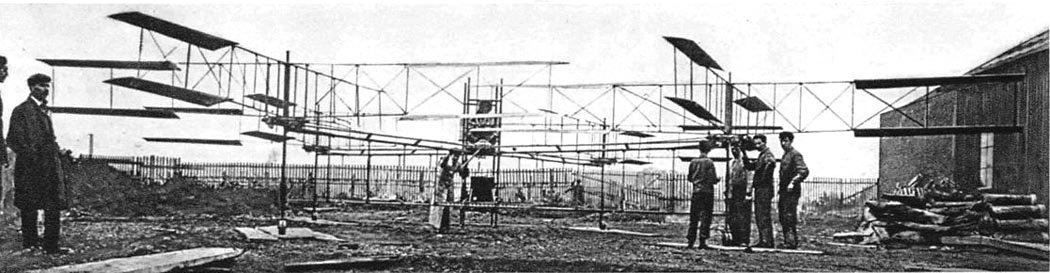
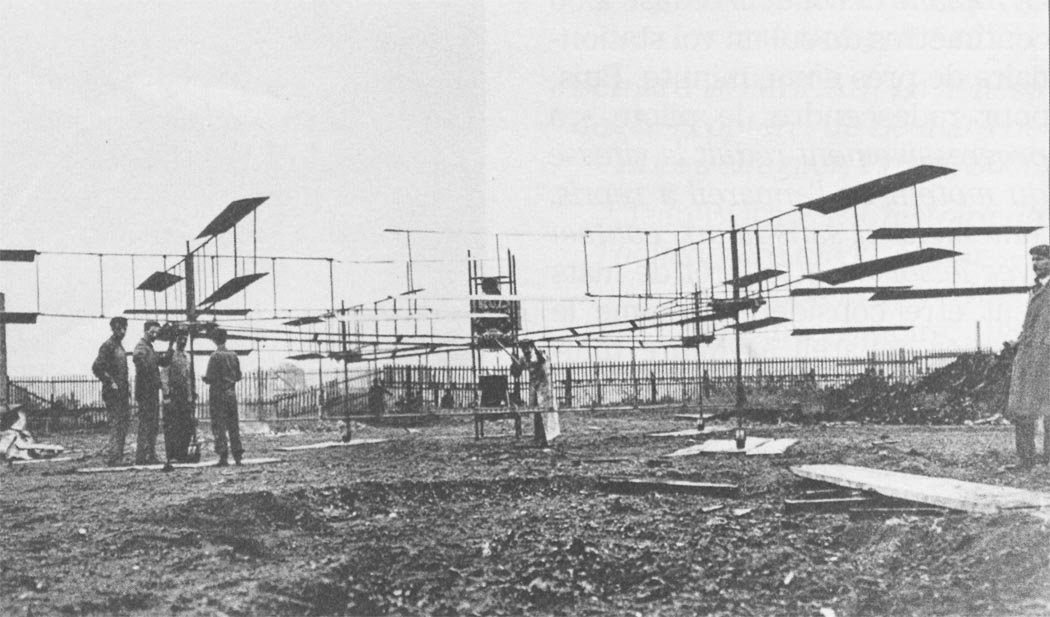
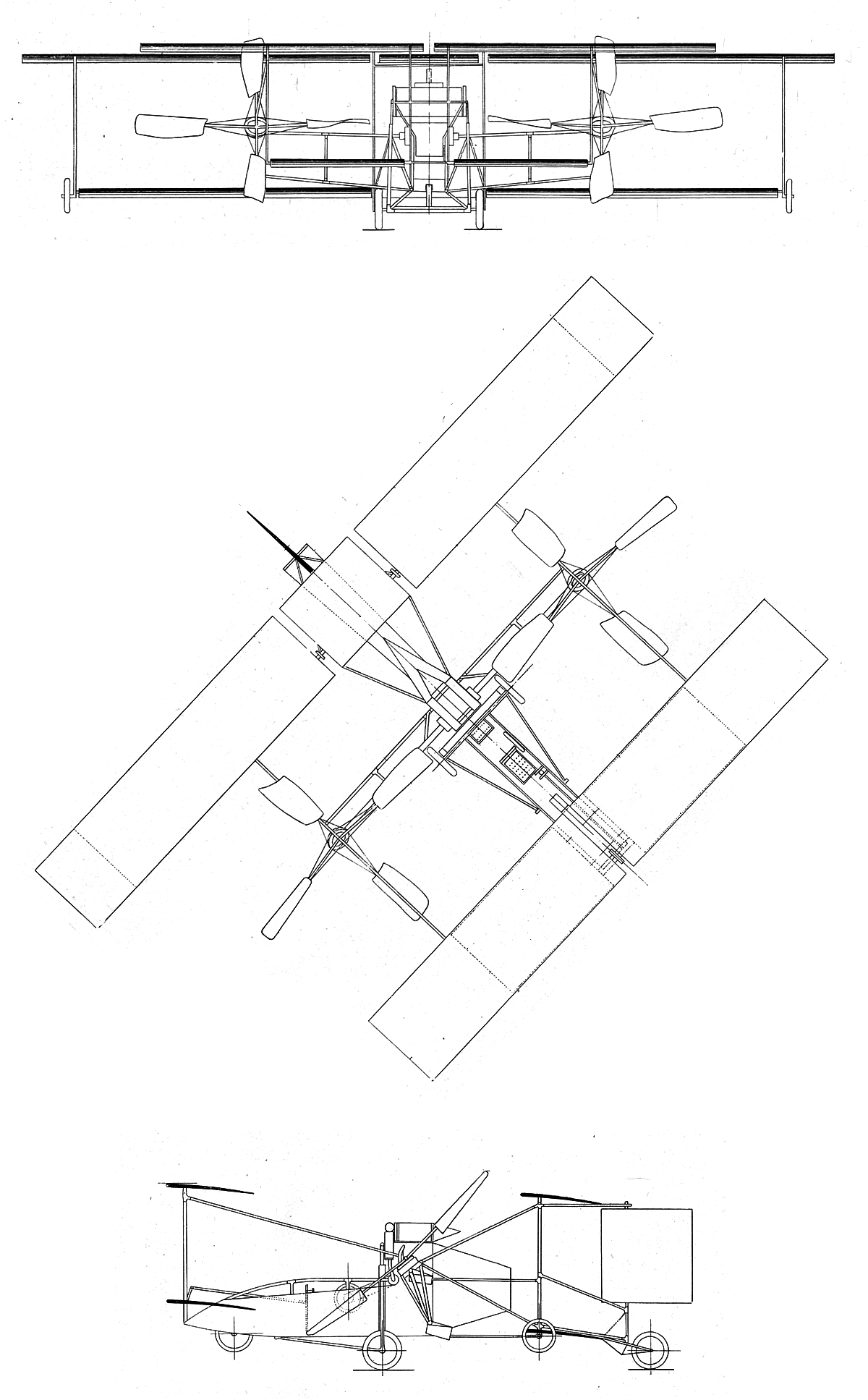
The apparatus, named Gyroplane No. 1 by its creators, featured four rotors with biplane-type blades. The total area of the 32 blades was 26 square meters. An eight-cylinder Antoinette piston engine developed 44-45 hp (nominal 50 hp), and the rotors rotated at 78 rpm. During tests, the pilot’s seat was occupied by engineer Volumard. On September 29, the 578 kg apparatus rose to a height of 1.6 m.
The First Manned Flight
However, the flight was not free—the machine, which lacked controls, was held and guided by four assistants, including Jacques, Louis’s brother, and mechanic Defforge.
Subsequently, Louis Breguet, recalling the challenges of this flight, constantly calculated: “The apparatus weighed so many kilograms, the engine developed so much power… You, Jacques, held with a force of 10-20 kilograms to prevent me from taking off. Defforge and the other two—another 20 each. In total, 60-80 kilograms in addition to the weight of the apparatus.” Each time he said these words, Jacques and Defforge exchanged sly glances: “We weren’t holding back, we were pushing!”
Challenges and Further Developments
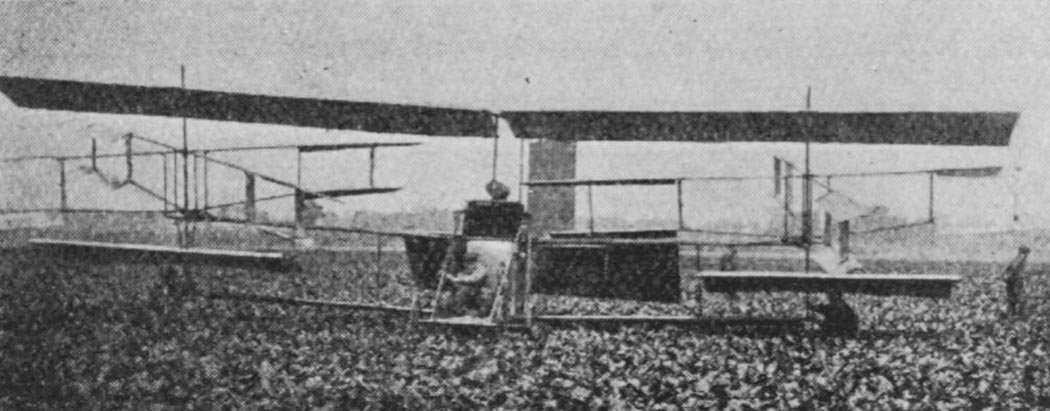
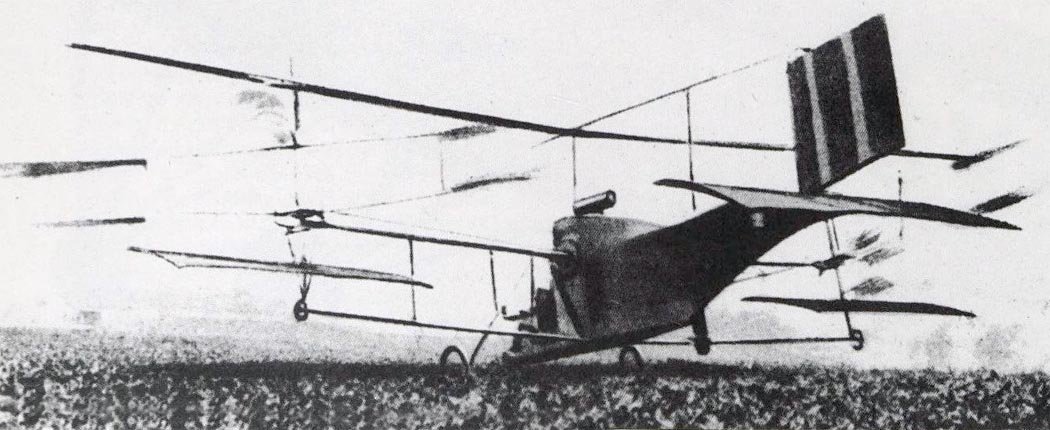
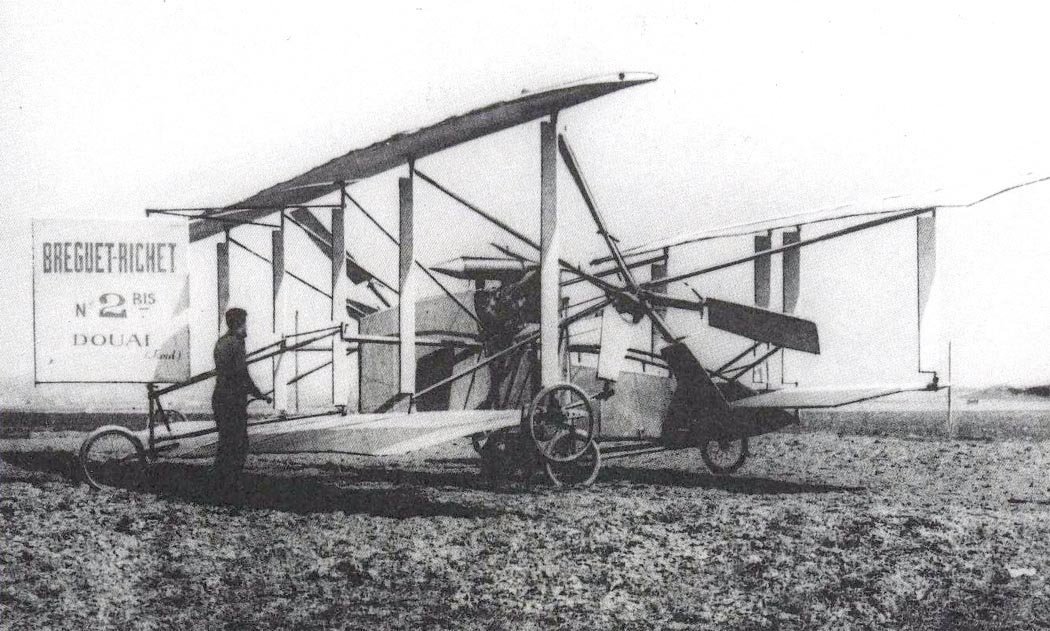
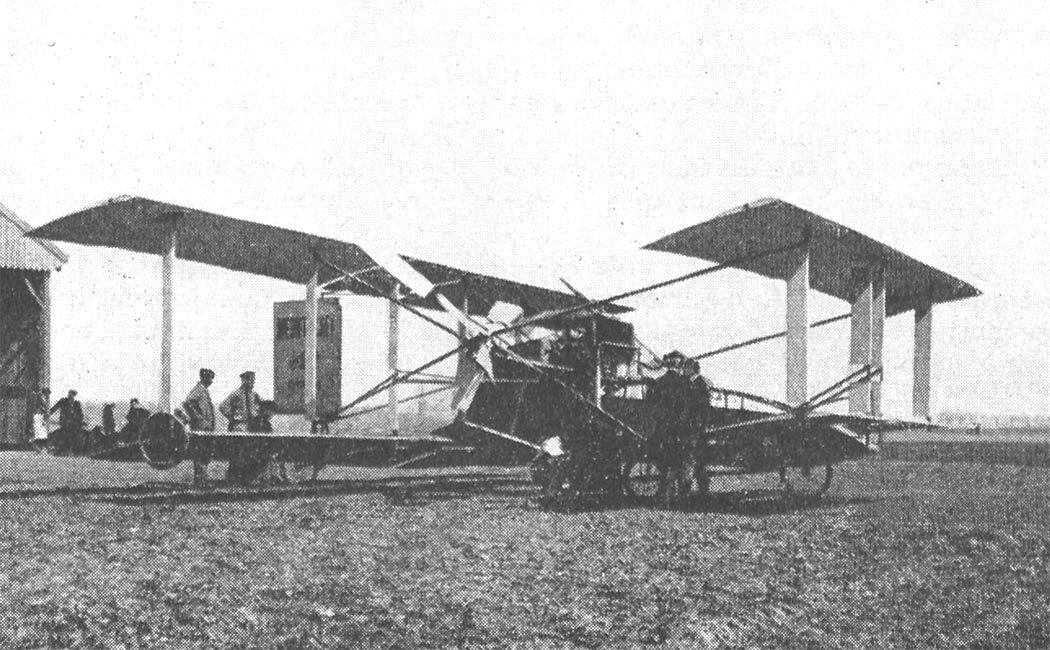
In the same year, the Breguet brothers and Charles Richet built Gyroplane No. 2, a twin-rotor transverse design. Initially, the apparatus was a Gyroplane No. 1 scaled down by half, supplemented with wings and rudders. Modifications didn’t stop there; soon, Gyroplane No. 2bis with inclined propellers was built.
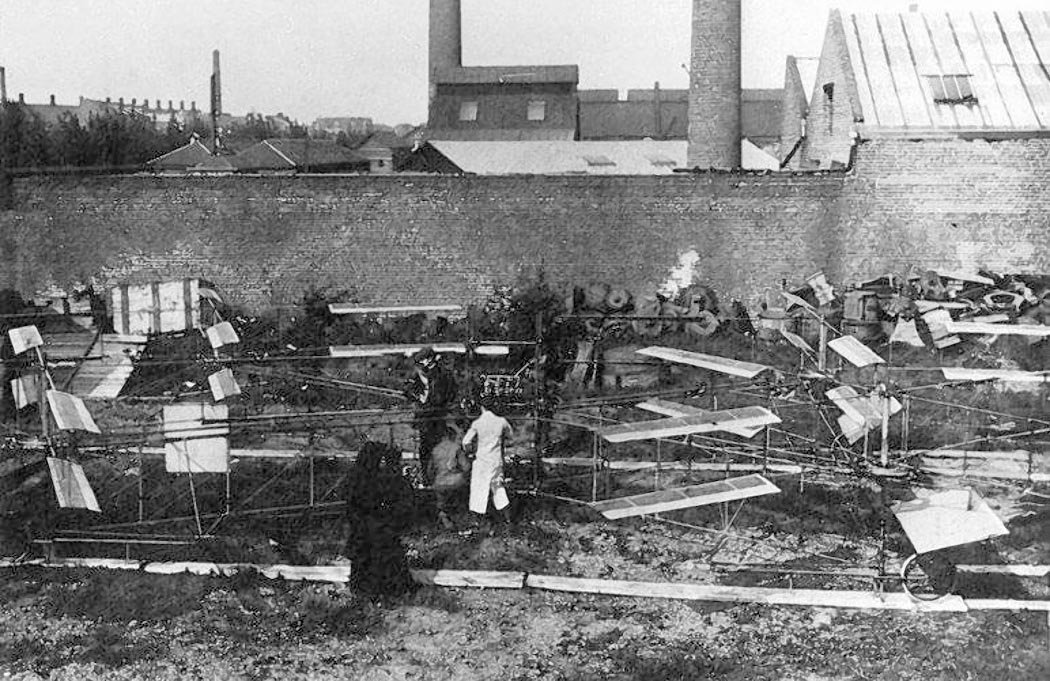
On July 22, 1908, Gyroplane No. 2bis took off and reached an altitude of about four meters. However, significant problems immediately became apparent. Surfaces in turbulent flow and insufficient airflow over the control surfaces meant the apparatus was largely unmanageable. Even from this low height, it managed to fall, sustaining considerable damage upon landing.
Despite the setbacks, on October 28, 1908, Louis Breguet received a patent for a universal joint connecting the blades to the main rotor, allowing the blades to freely adjust under the combined action of aerodynamic and centrifugal forces.
Technical Specifications
| Modification | Gyroplane № 2bis |
| Main rotor diameter, m | 4.2 5 |
| Wingspan, m | 14.00 |
| Length, m | 9.00 |
| Height, m | 3.35 |
| Maximum takeoff weight | 550 |
| Engine type | 1 Piston engine Antoinette |
| Power, hp | 1 x 50 |
| Crew | 1 |
Image and diagram gallery of the Breguet Gyroplane No. 1
 Gyroplane |
 Gyroplane |
 Gyroplane |
 Gyroplane |
 Gyroplane |
 Gyroplane |
 Gyroplane |
 Gyroplane |
 Gyroplane |
 Gyroplane |
 Gyroplane |
 Gyroplane |
 Gyroplane |
Equipo Editorial de ArchivoAéreo
Grupo de investigadores y entusiastas de la aviación dedicados a documentar y preservar la historia aeronáutica mundial. Todos los artículos son revisados para garantizar precisión histórica.
Fuentes y Rigurosidad
La información presentada en esta ficha técnica ha sido compilada a partir de manuales de vuelo desclasificados, archivos históricos y bibliografía especializada. Aunque nos esforzamos por mantener la máxima precisión, algunos datos de rendimiento pueden variar según la variante específica o las condiciones operativas.