Bristol Bullpup
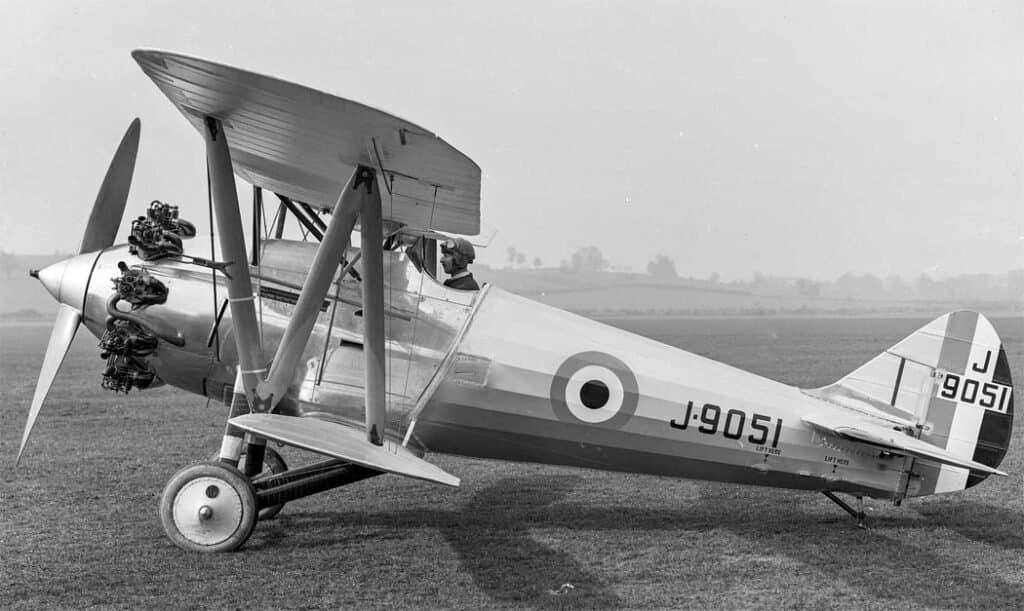
Early Origins and Specifications
In 1924, RAF Command decided to replace the outdated Siskin with an interceptor equipped with a Rolls-Royce Falcon X liquid-cooled inline engine, per specification F.17/24. However, Barnwell and Fedden disagreed with this specification regarding the chosen engine, as the company naturally wished to use a radial engine.
The project was postponed until April 1926, when Barnwell resumed work on a single-seat fighter project meeting the requirements of both specification F.9/26 (Type 102A) for a day/night fighter and specification N.21/26 (Type 102B) for a carrier-based fighter. This design was based on the Bristol Type 99 Badminton, a biplane for the 1925 Badminton races.
Prototype Development and Competition
Meanwhile, the interceptor requirements were revised, and by early 1927, Barnwell presented general design schemes, using either a Rolls-Royce Kestrel F.XI inline engine or a Bristol Mercury radial. This was in addition to the revised F.9/26 project with a Mercury engine (Type 105), and both proposals were so enticing that mock-ups were assembled for official inspection.
The general schemes were similar, with equal wing spans, but in the early design stages, the lower wing on both projects was reduced in span and chord. The interceptor was supposed to meet specification F.17/24; however, the Bristol firm requested a revision of the scheme to fulfill the later interceptor specification F.20/27, featuring a geared Mercury III engine, then under development in the company’s engine department.
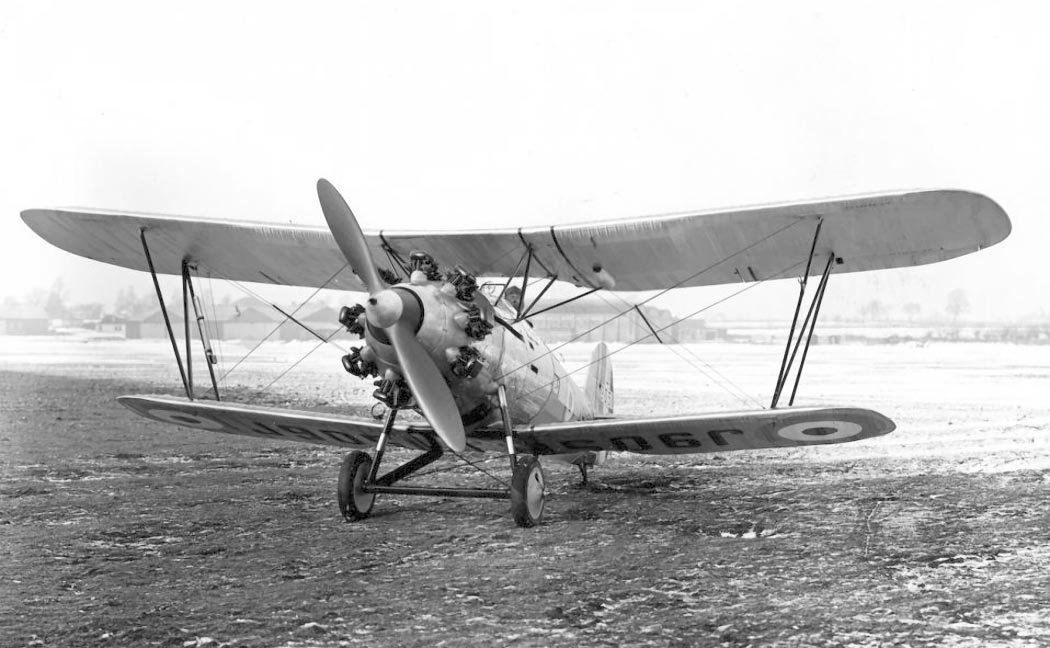
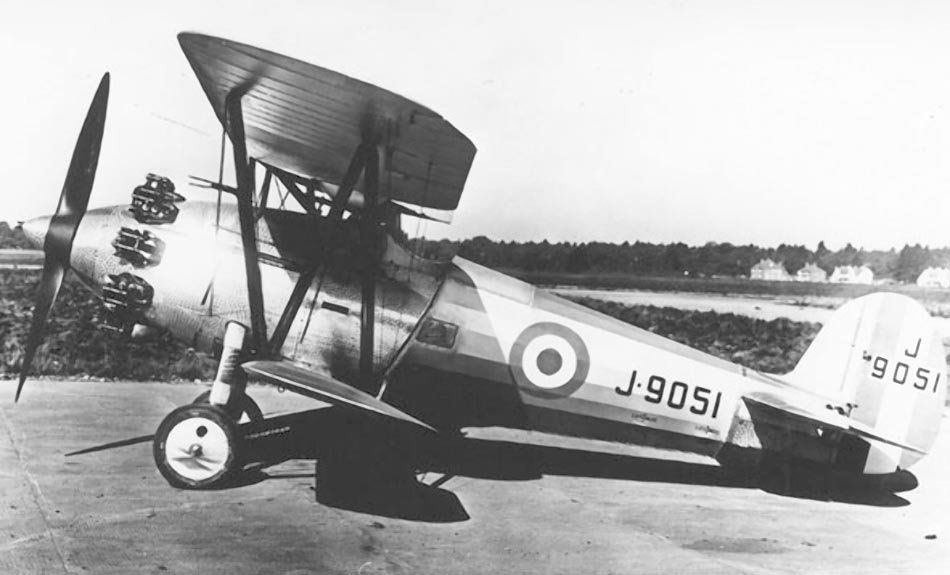
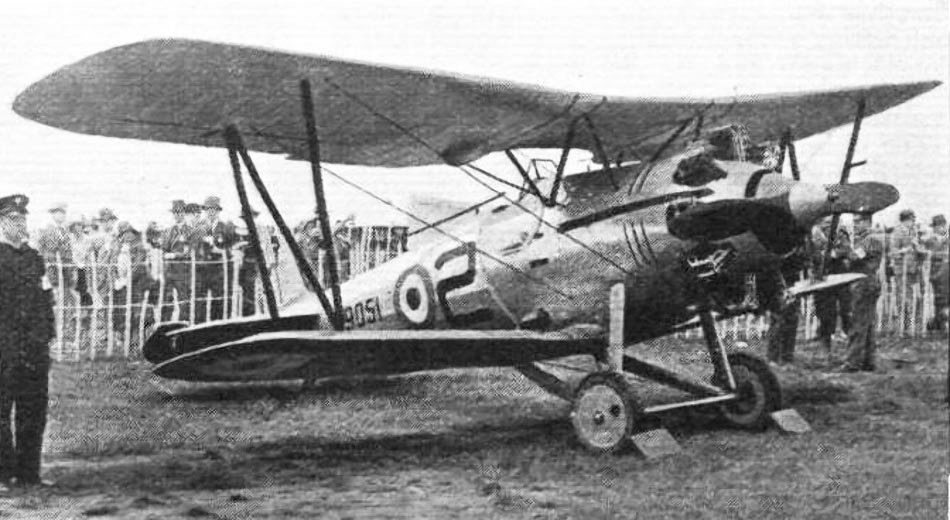
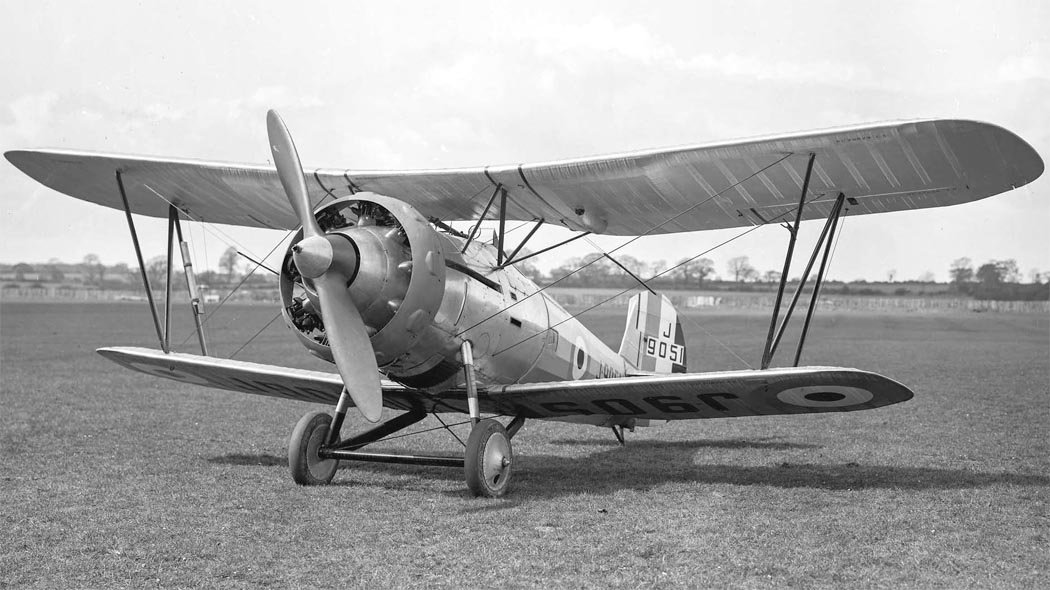
This interceptor scheme was preferred, and one prototype was ordered with the designation Bristol Type 107 (factory N.7718, serial J9051). Simultaneously, the Air Ministry ordered four competitive prototypes under specification F.20/27, one from each of the aircraft manufacturing companies: Gloster, Hawker, Vickers, and Westland. The Bristol project became known as the ‘Bullpup’.
First Flight and Final Evaluation
The prototype’s first flight took place on April 28, 1928. It was equipped with a Bristol Jupiter VI engine instead of the planned Bristol Mercury IIA. In the spring of 1929, the aircraft was finally fitted with the Bristol Mercury IIA and sent for trials at Martlesham.
The aircraft was smaller and faster than its ‘brother’ Bulldog; however, the military deemed it impractical to begin series production. The sole Bullpup prototype was used until 1935 as a testbed.
Technical Specifications
| Modification | Bullpup |
| Wingspan, m | 9.14 |
| Length, m | 7.16 |
| Height, m | 2.87 |
| Wing area, m2 | 21.37 |
| Empty weight | 866 |
| Normal takeoff weight | 1293 |
| Engine type | 1 Piston engine Bristol Mercury IIA |
| Power, hp | 1 x 480 |
| Maximum speed, km/h | 306 |
| Cruising speed, km/h | 258 |
| Crew | 1 crew member |
| Armament | two synchronized 7.7-mm Vickers machine guns |
Image and diagram gallery of the Bristol Bullpup
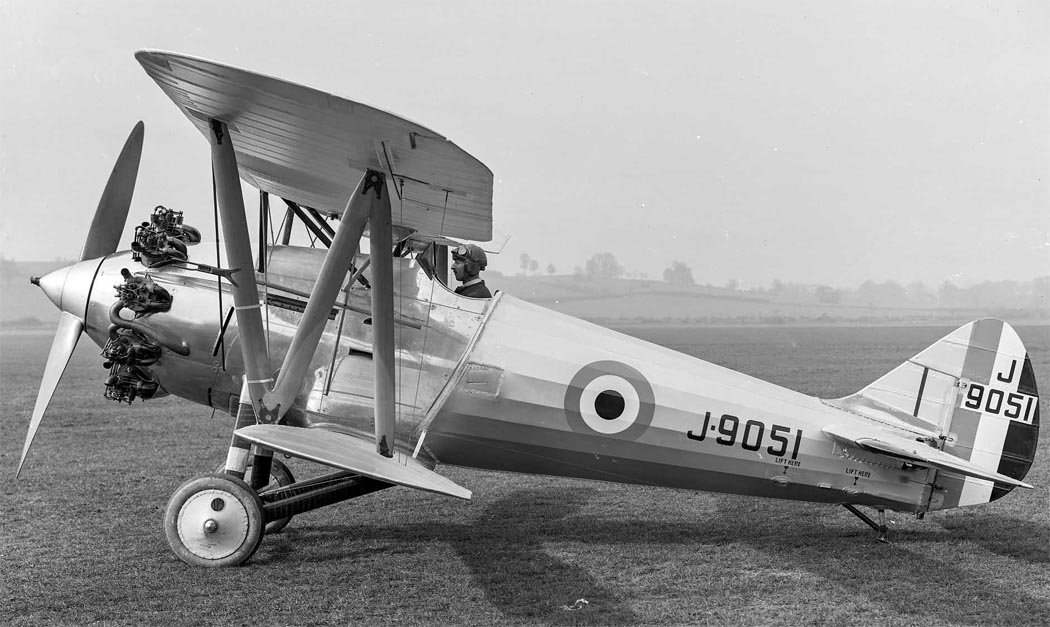 Bullpup |
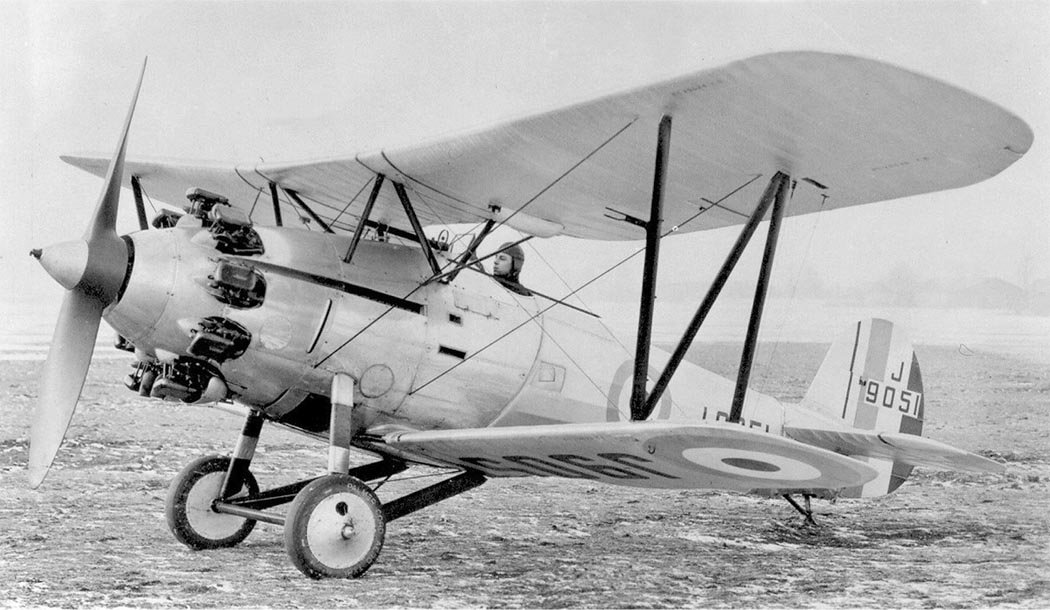 Bullpup |
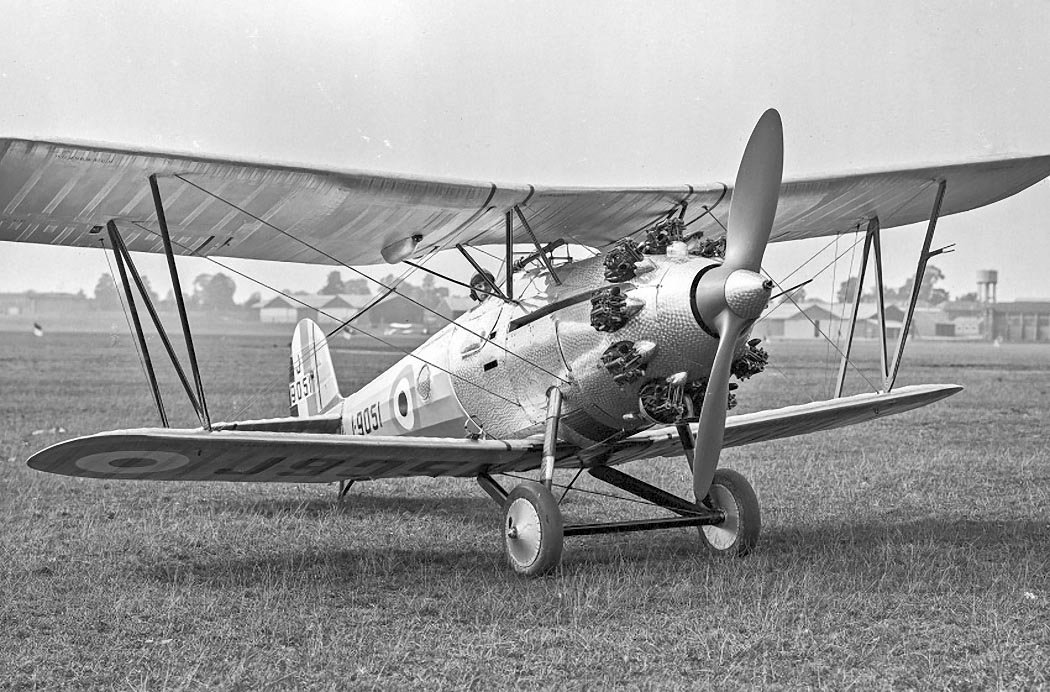 Bullpup |
 Bullpup |
 Bullpup |
 Bullpup |
 Bullpup |
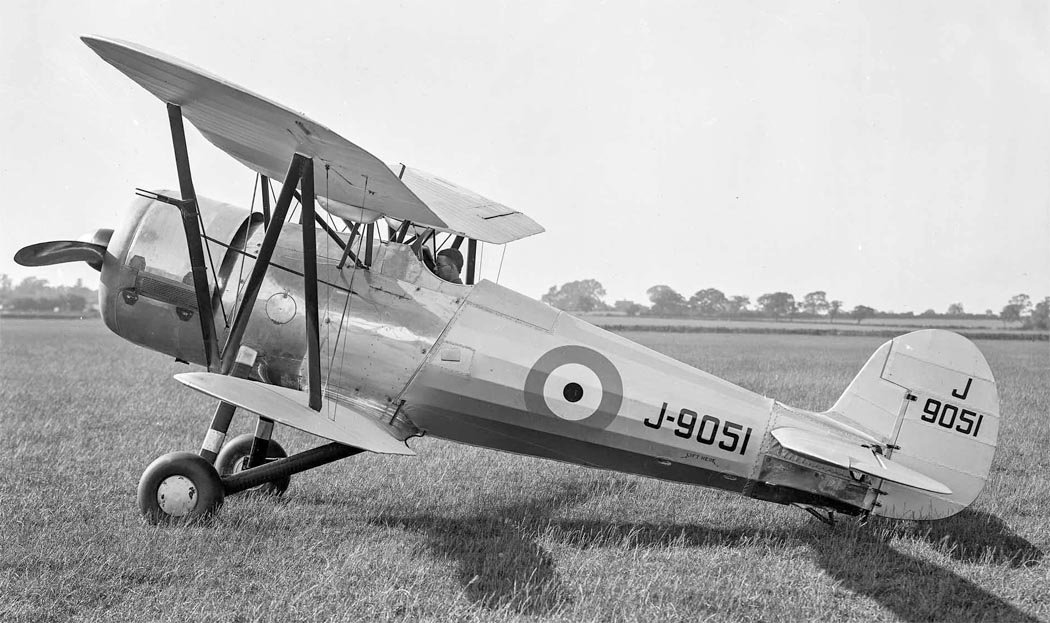 Bullpup |
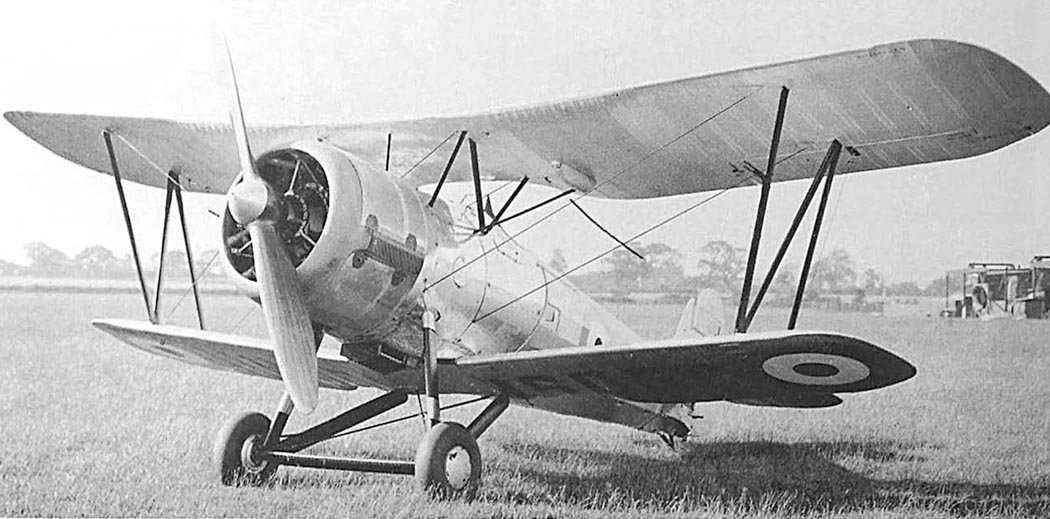 Bullpup |
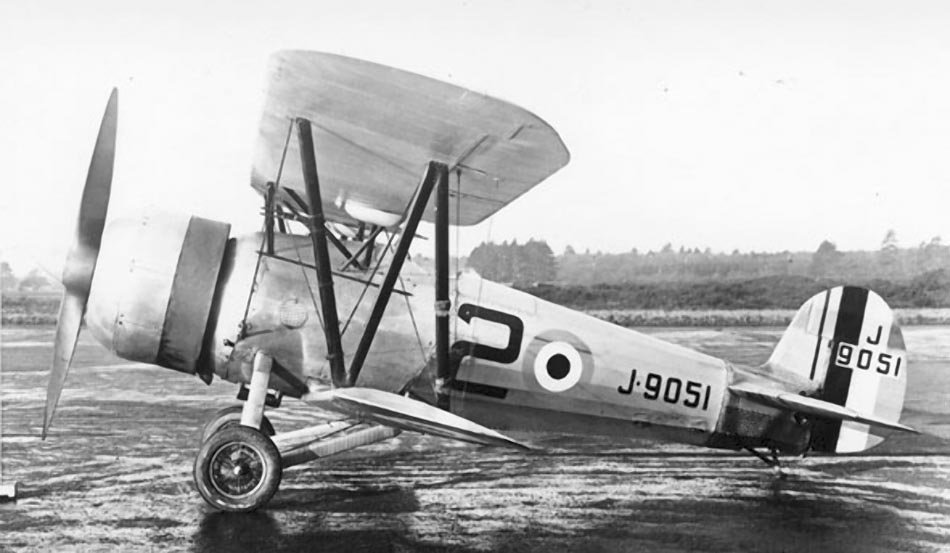 Bullpup |
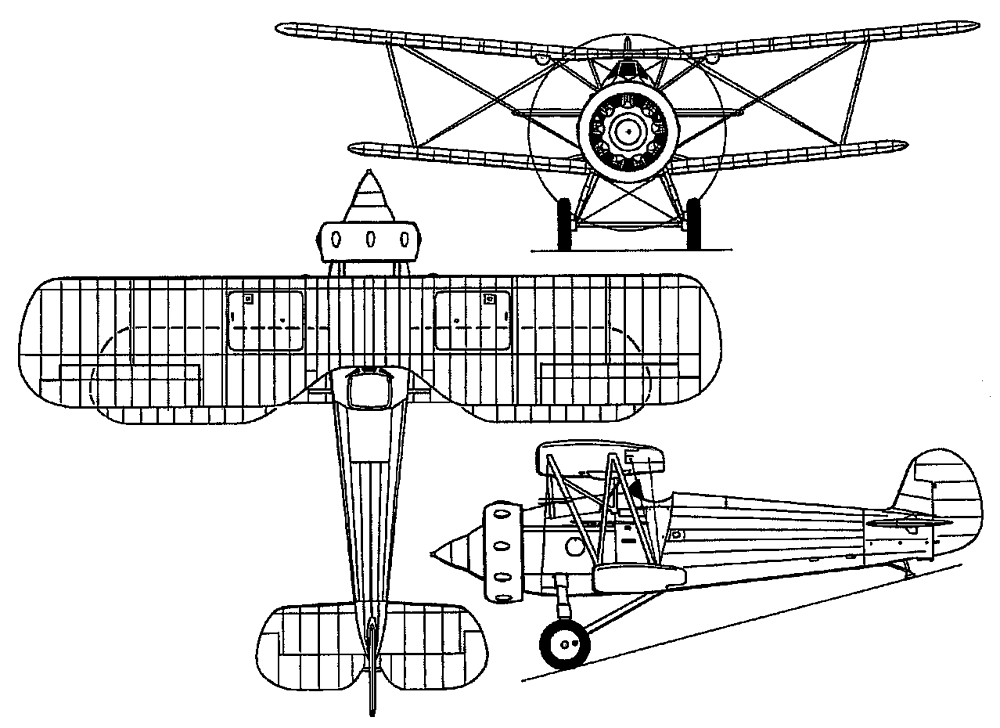 Bullpup |
Equipo Editorial de ArchivoAéreo
Grupo de investigadores y entusiastas de la aviación dedicados a documentar y preservar la historia aeronáutica mundial. Todos los artículos son revisados para garantizar precisión histórica.
Fuentes y Rigurosidad
La información presentada en esta ficha técnica ha sido compilada a partir de manuales de vuelo desclasificados, archivos históricos y bibliografía especializada. Aunque nos esforzamos por mantener la máxima precisión, algunos datos de rendimiento pueden variar según la variante específica o las condiciones operativas.