Bronisławski II
An Innovative Control System
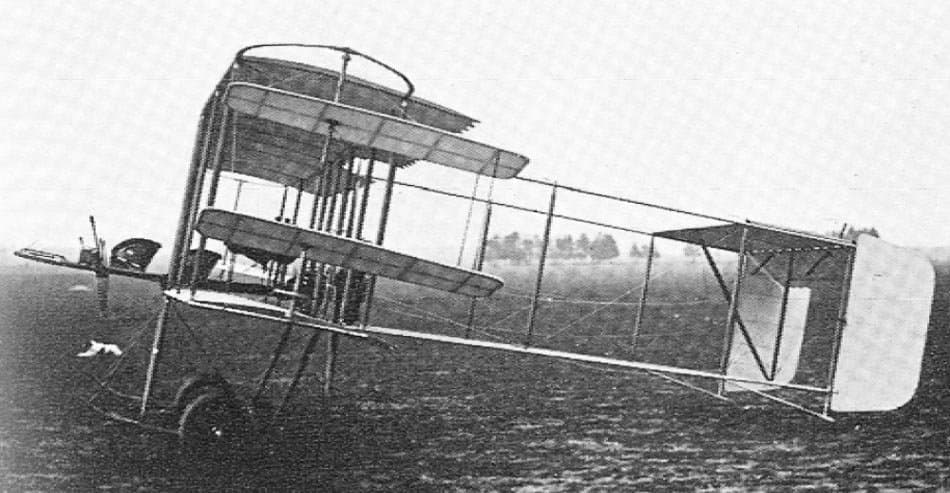
In 1910, Polish engineer Bolesław Bronisławski developed his own aircraft lateral control system. This system was implemented using rectangular planes —elevators (elevons)— located at the wingtips, and rudders on axes allowing their rotation in various planes.
To implement this system, Bronisławski re-engineered a French Farman III aircraft. The new aircraft was designated Bronisławski I, but its flight duration was short as the control system required further refinement.
The Development of the Bronisławski II
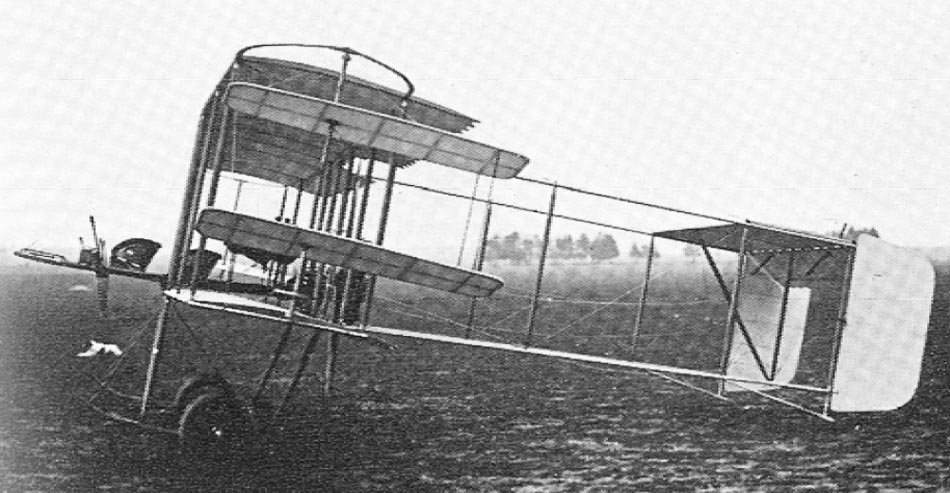
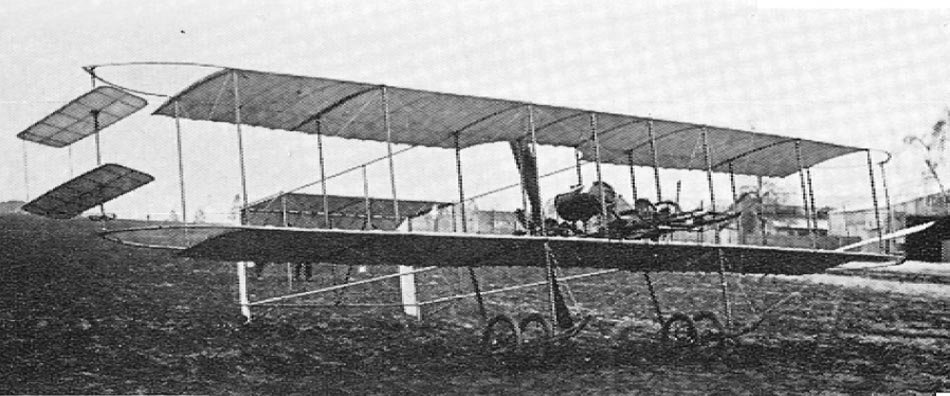
In the autumn of 1911, the designer completed an aircraft with a simplified system, which he designated Bronisławski II. Bronisławski once again based this new design on a French aircraft, the Farman HF Type de Course 1911.
Exhibition and Flight Testing
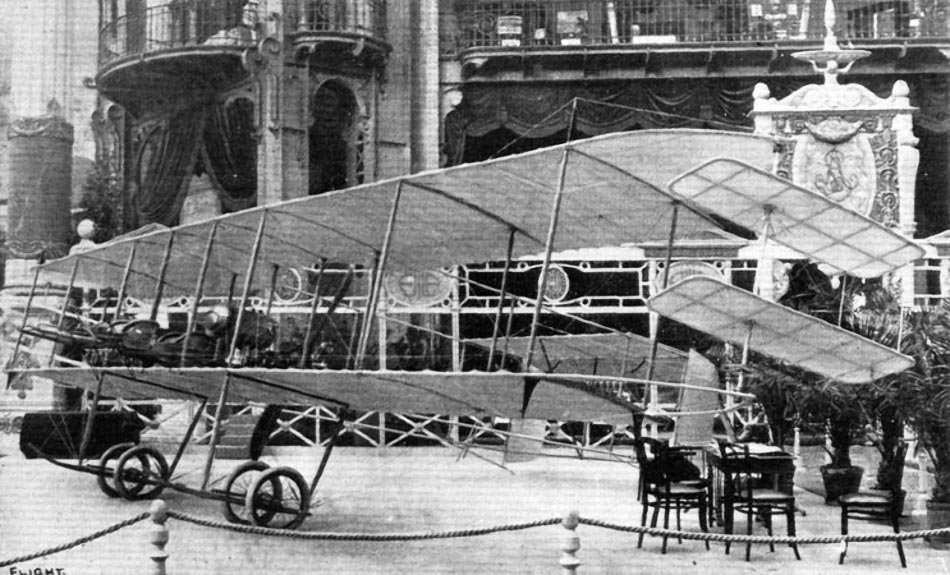
The Bronisławski II was exhibited at the International Aviation Salon in Paris from December 16, 1911, to January 2, 1912. The aircraft underwent testing at the Juvisy airfield near Paris until the end of 1912.
During the testing phase, in the autumn of 1912, the original Gnome engine was replaced with a Burlat engine to optimize its performance.
Technical Specifications
| Modification | Bronisławski II |
| Wingspan, m | 13. 70 |
| Length, m | 7. 70 |
| Height, m | 2. 80 |
| Wing area, m2 | 40.00 |
| Empty weight | 240 |
| Maximum takeoff weight | 430 |
| Engine type | 1 Piston engine Gnome |
| Power, hp | 1 x 50 |
| Maximum speed, km/h | 85 |
| Crew | 2 crew |
Image and diagram gallery of the Bronisławski II
 Bronisławski II |
 Bronisławski II |
 Bronisławski II |
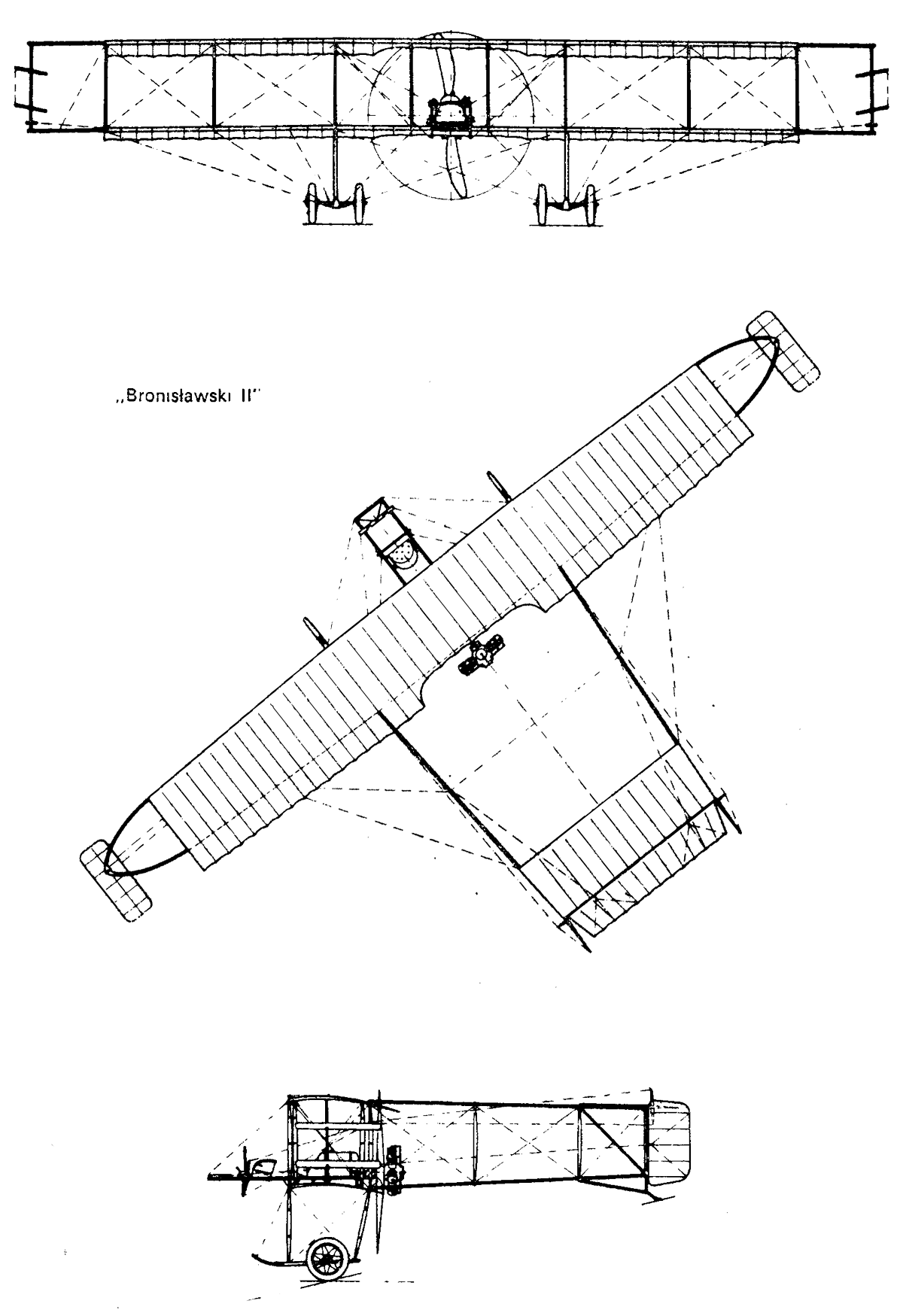 Bronisławski II |
Equipo Editorial de ArchivoAéreo
Grupo de investigadores y entusiastas de la aviación dedicados a documentar y preservar la historia aeronáutica mundial. Todos los artículos son revisados para garantizar precisión histórica.
Fuentes y Rigurosidad
La información presentada en esta ficha técnica ha sido compilada a partir de manuales de vuelo desclasificados, archivos históricos y bibliografía especializada. Aunque nos esforzamos por mantener la máxima precisión, algunos datos de rendimiento pueden variar según la variante específica o las condiciones operativas.