Brown B-3
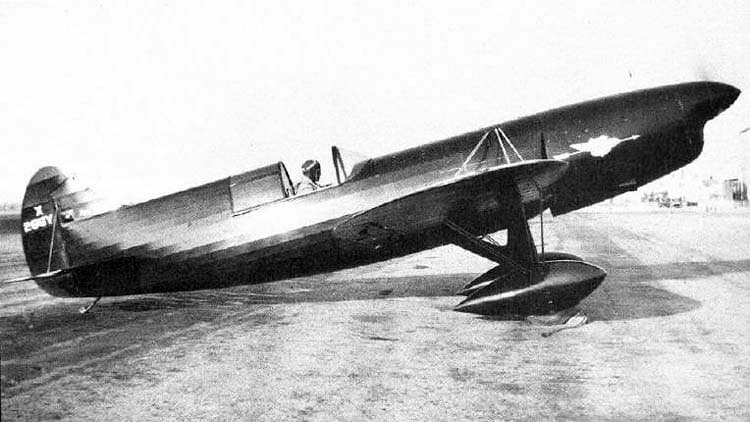
The Genesis of the Brown B-3
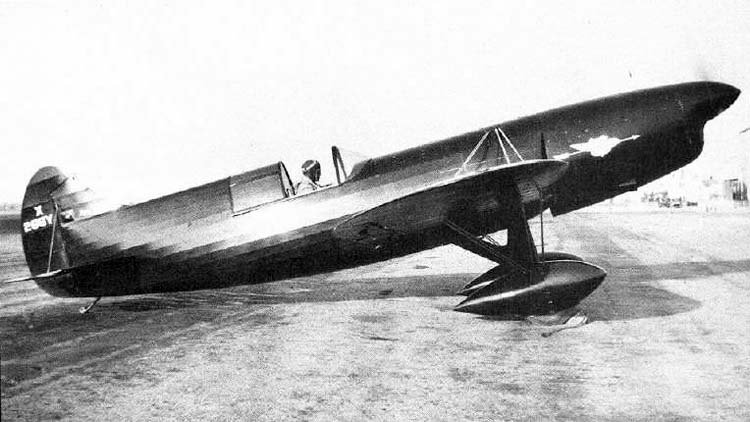
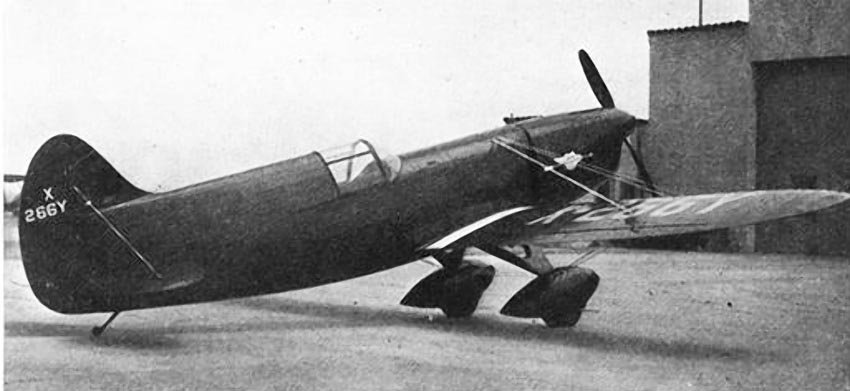
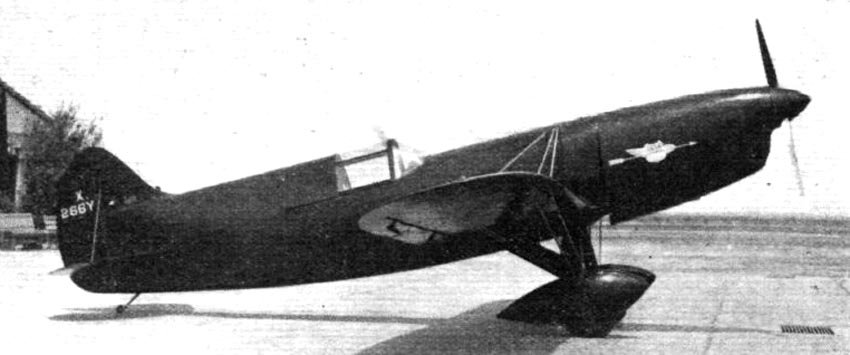
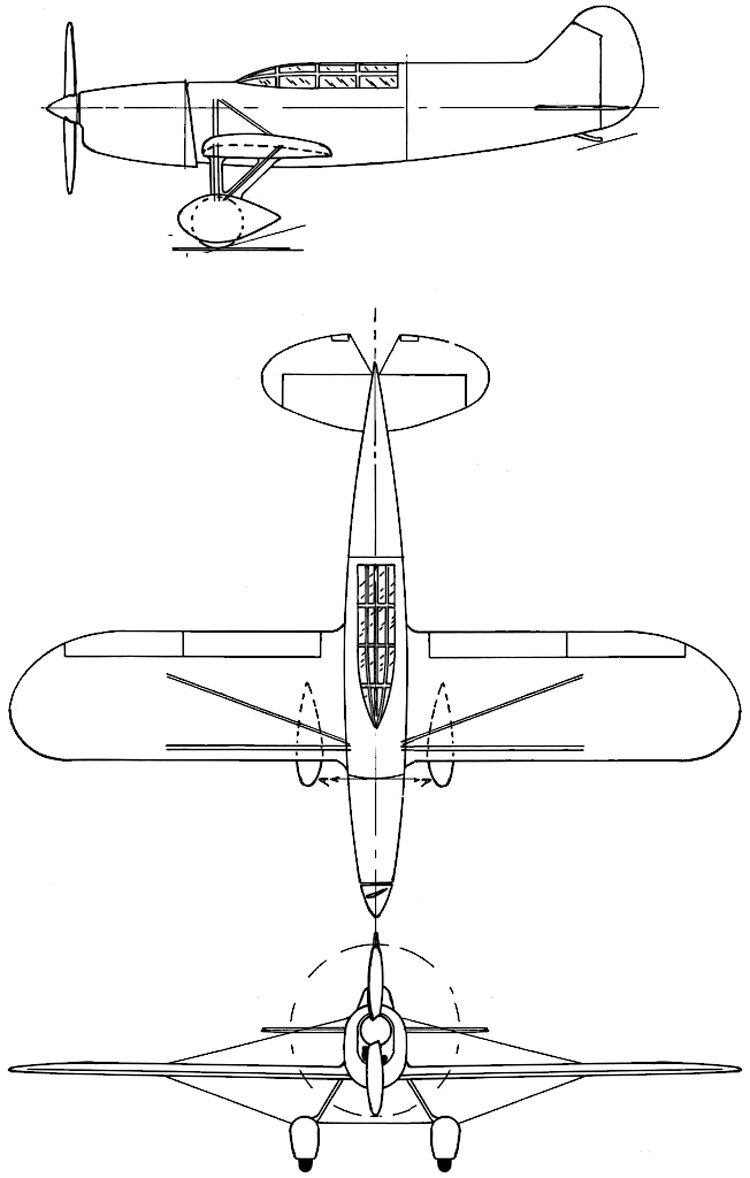
In February 1936, Brown Aircraft Co. released a variant of its Brown B-2 Racer, known as the Brown B-3. This single-seat, low-wing monoplane featured mixed construction and fixed landing gear. It was powered by a 290 hp Menasco C6S-4 Super Buccaneer engine.
The sole example (X266Y) was initially sold to Dr. Ross Sutherland of Los Angeles that same year. Shortly thereafter, Menasco repurchased it for various tests. The aircraft flew very little, accumulating only 37 hours by the summer of 1938. Pilot Ralph Bushey later acquired it, intending to use it for developing new trainer aircraft for the US Air Force.
Variants and Cinematic Appearances
Following the B-3’s failure to find a clear purpose, Brown Aircraft designers decided to create a two-seat sport variant, named the B-3 Super Sport. However, this new model also failed to attract buyers, leading the original B-3 to change hands multiple times.
Despite its short operational career, the B-3 made notable appearances in cinema. It participated in the filming of several movies, including the iconic “Casablanca,” immortalizing its image on the big screen.
A Tragic End
The Brown B-3 continued to pass from owner to owner until 1943. Its ultimate fate arrived on October 10 of that year, when it was destroyed in a hangar fire at Van Nuys Airport, marking the end of its brief and unusual history.
Technical Specifications
| Modification | B- 3 |
| Wingspan, m | 9.72 |
| Aircraft length, m | 7.89 |
| Aircraft height, m | 2.44 |
| Wing area, m2 | 13.94 |
| Empty weight | 839 |
| Maximum takeoff weight | 1202 |
| Engine type | 1 Piston engine Menasco C6S-4 Super Buccaneer |
| Power, hp | 1 x 290 |
| Maximum speed, km/h | 330 |
| Cruising speed, km/h | 310 |
| Practical range, km | 966 |
| Service ceiling, m | 5486 |
| Crew, crew | 1 |
Image and diagram gallery of the Brown B-3
 B- |
 B- |
 B- |
 B- |
Equipo Editorial de ArchivoAéreo
Grupo de investigadores y entusiastas de la aviación dedicados a documentar y preservar la historia aeronáutica mundial. Todos los artículos son revisados para garantizar precisión histórica.
Fuentes y Rigurosidad
La información presentada en esta ficha técnica ha sido compilada a partir de manuales de vuelo desclasificados, archivos históricos y bibliografía especializada. Aunque nos esforzamos por mantener la máxima precisión, algunos datos de rendimiento pueden variar según la variante específica o las condiciones operativas.