Brun-Cottan Hydravion
Initial Development and Design
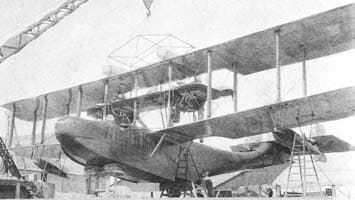
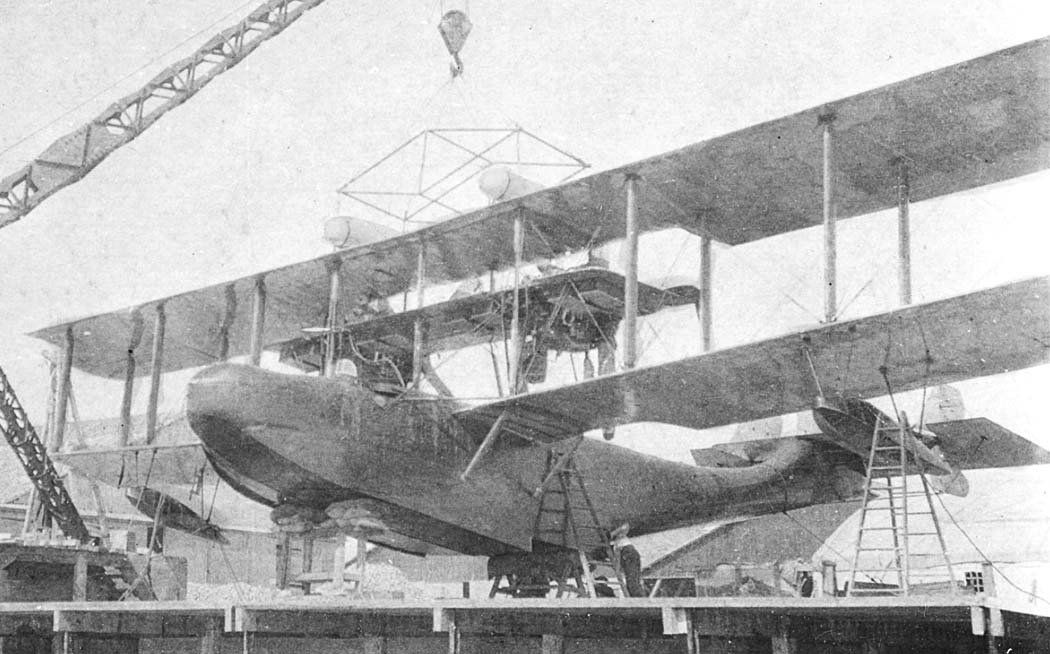
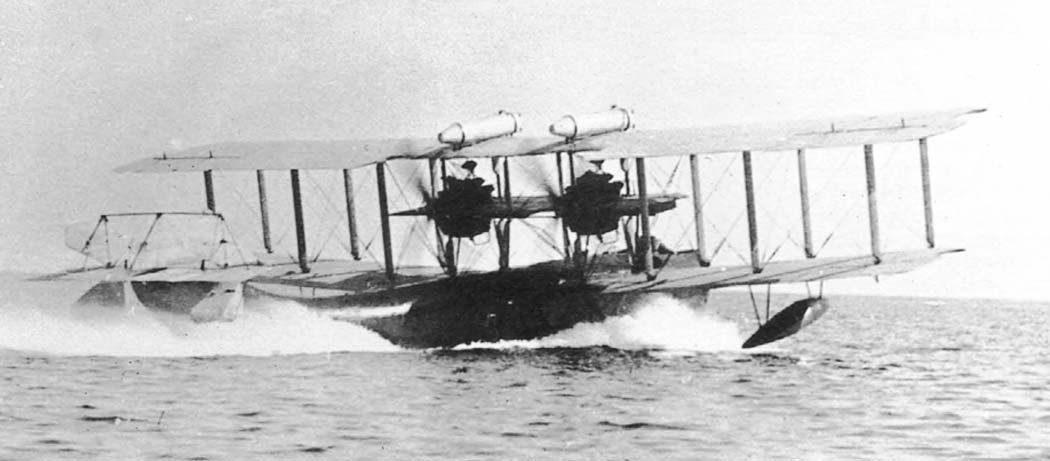
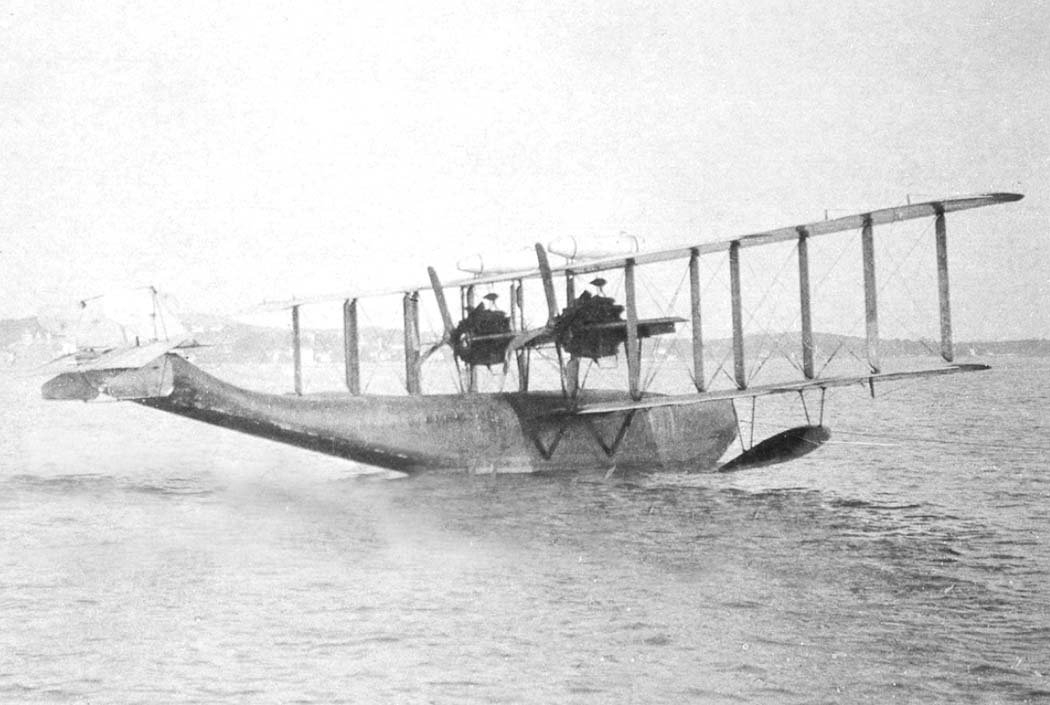
The Brun-Cottan company’s flying boat was built in early 1918 under order from the French Navy. It was a three-seat, three-bay biplane, equipped with two 235 hp Panhard engines. The primary purpose of the boat was to patrol the coastal areas of France.
Armament and Prototype Trials
For these purposes, the flying boat was armed with one 7.7-mm machine gun and four 150-kg bombs. The prototype’s first flight took place on April 8, 1918. After completing factory trials, the flying boat was transferred to the Eiffel Laboratory. The flight characteristics of this patrol boat did not satisfy the military, and serial production was not initiated.
The HB.2 Variant and Its Testing
The company’s second attempt was the construction of a larger flying boat in the HB.2 class. This version differed from the first with a two-seat crew cabin, slightly larger wings, and 350 hp Panhard engines. In addition to patrolling, it could also be used as a bomber.
This flying boat was completed in late 1918 and underwent trials in early the following year. Despite a more powerful powerplant, the flight characteristics once again failed to impress the military.
Technical Specifications
| Modification | Brun-Cottan Hydravion |
| Wingspan, m | 24. 80 |
| Length, m | 14. 60 |
| Height, m | 4.25 |
| Wing area, m2 | 107.50 |
| Empty weight | 2400 |
| Maximum takeoff weight | 4400 |
| Engine type | 2 Piston engine Panhard |
| Power, hp | 2 x 235 |
| Maximum speed, km/h | 1 59 |
| Cruising speed, km/h | 126 |
| Flight endurance, h | 6 |
| Service ceiling, m | 4300 |
| Crew, crew members | 3 |
| Armament: | one 7.7-mm machine gun and four 150-kg bombs |
Image and diagram gallery of the Brun-Cottan Hydravion
 Brun-Cottan Hydravion |
 Brun-Cottan Hydravion |
 Brun-Cottan Hydravion |
Equipo Editorial de ArchivoAéreo
Grupo de investigadores y entusiastas de la aviación dedicados a documentar y preservar la historia aeronáutica mundial. Todos los artículos son revisados para garantizar precisión histórica.
Fuentes y Rigurosidad
La información presentada en esta ficha técnica ha sido compilada a partir de manuales de vuelo desclasificados, archivos históricos y bibliografía especializada. Aunque nos esforzamos por mantener la máxima precisión, algunos datos de rendimiento pueden variar según la variante específica o las condiciones operativas.