Bu.181 Bestmann
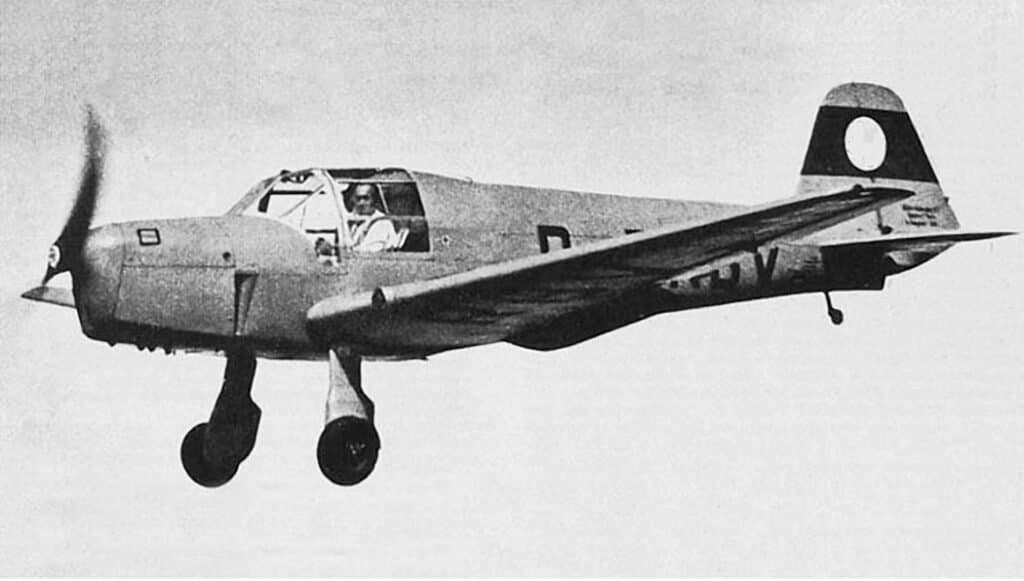
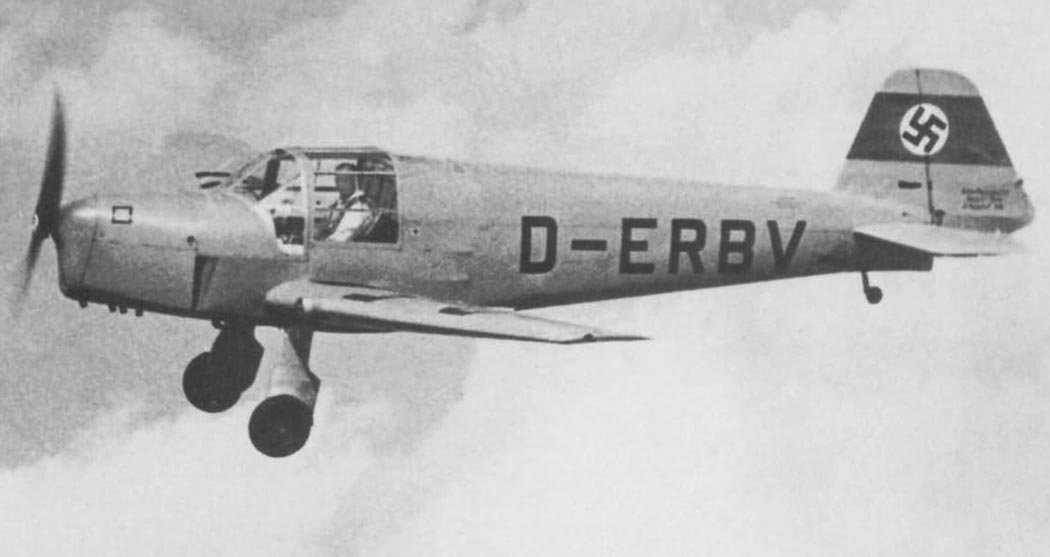
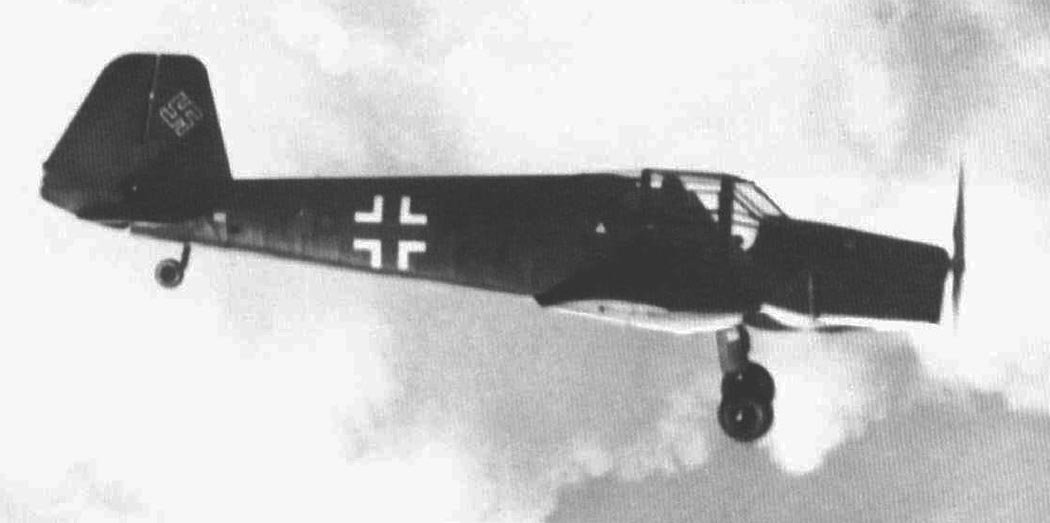
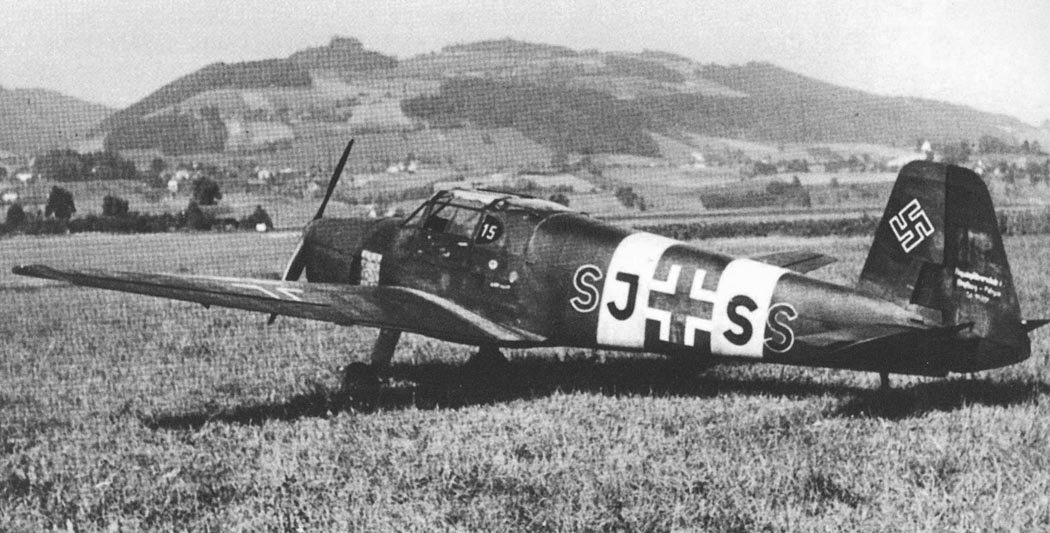
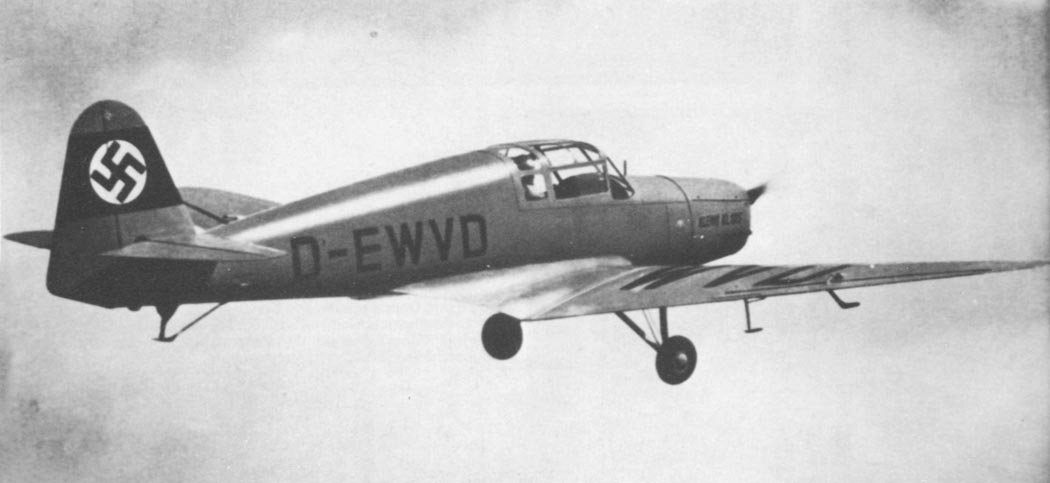
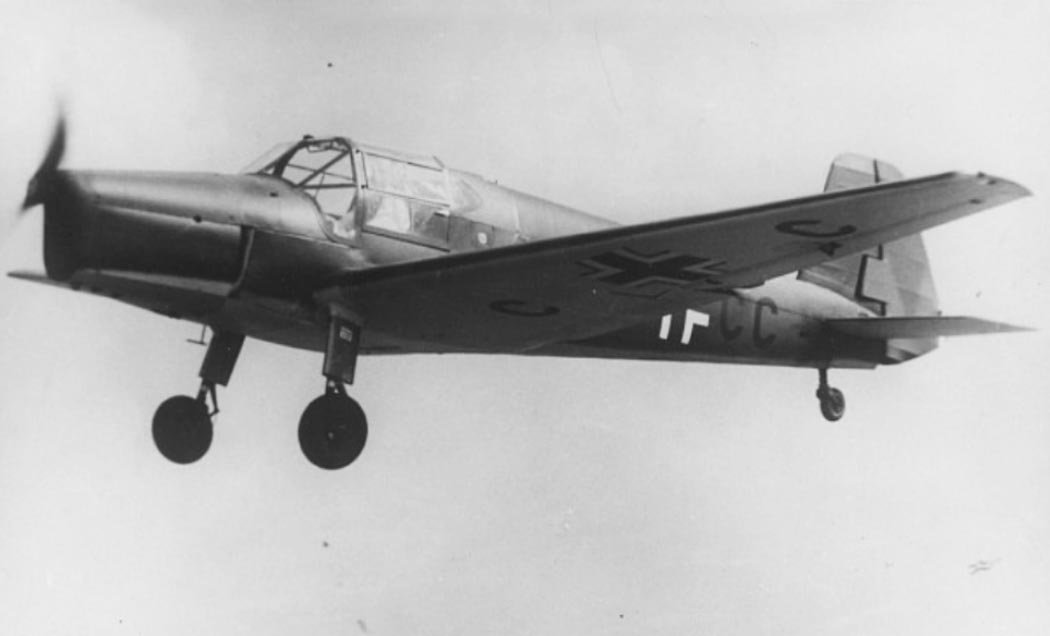
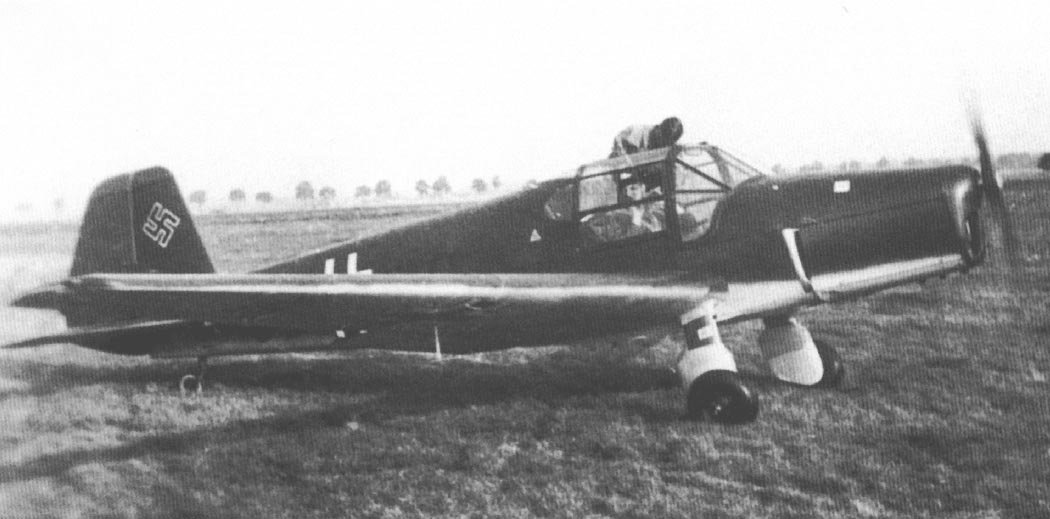
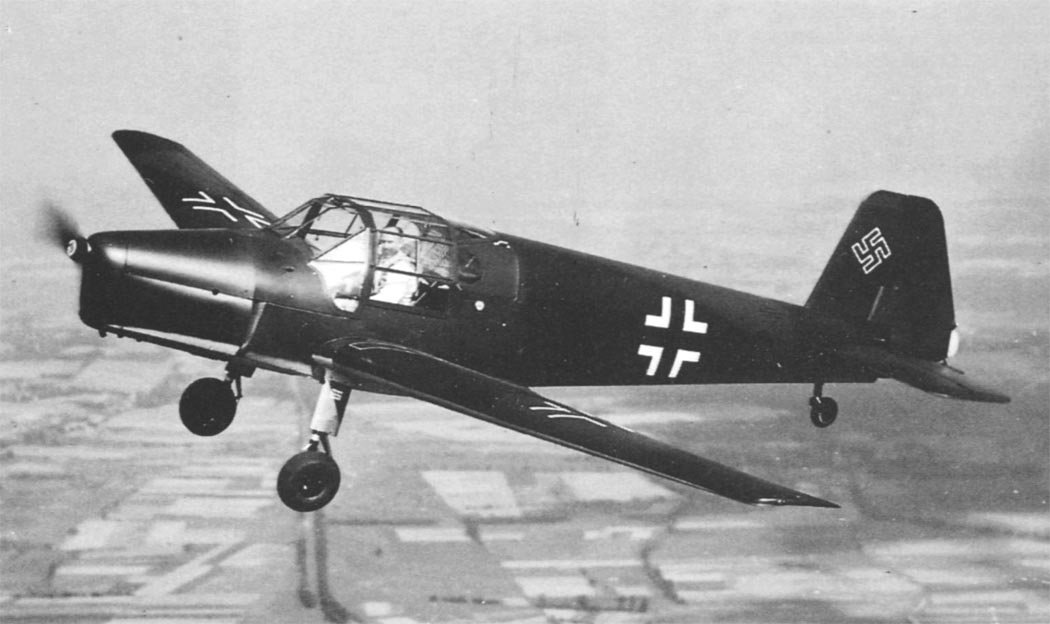
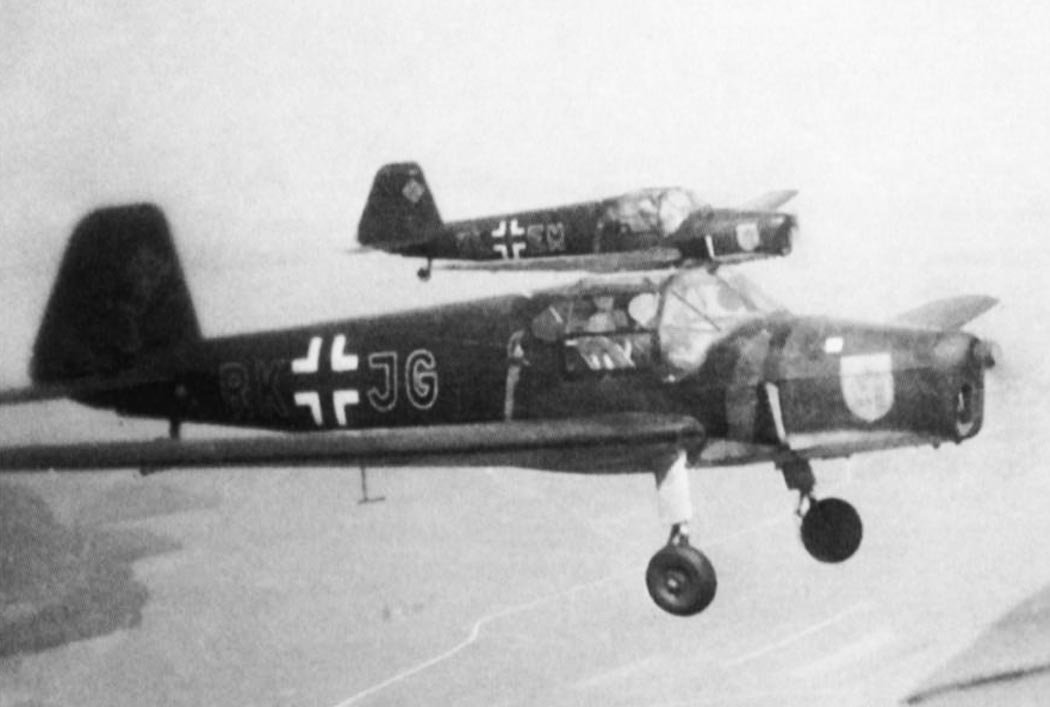
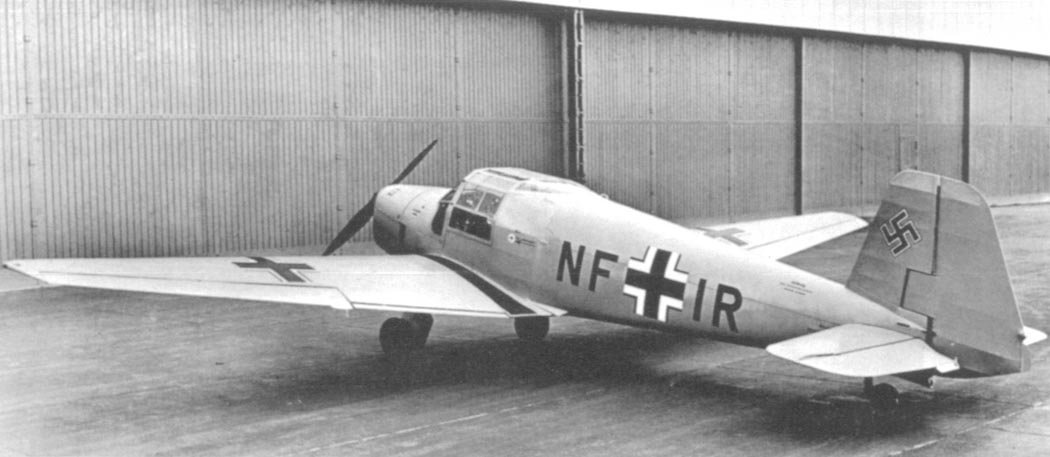
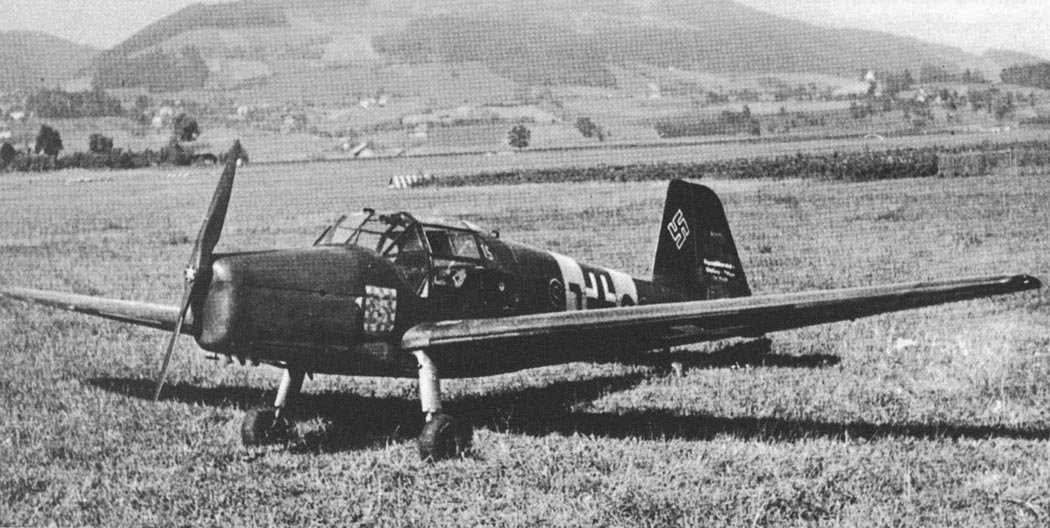
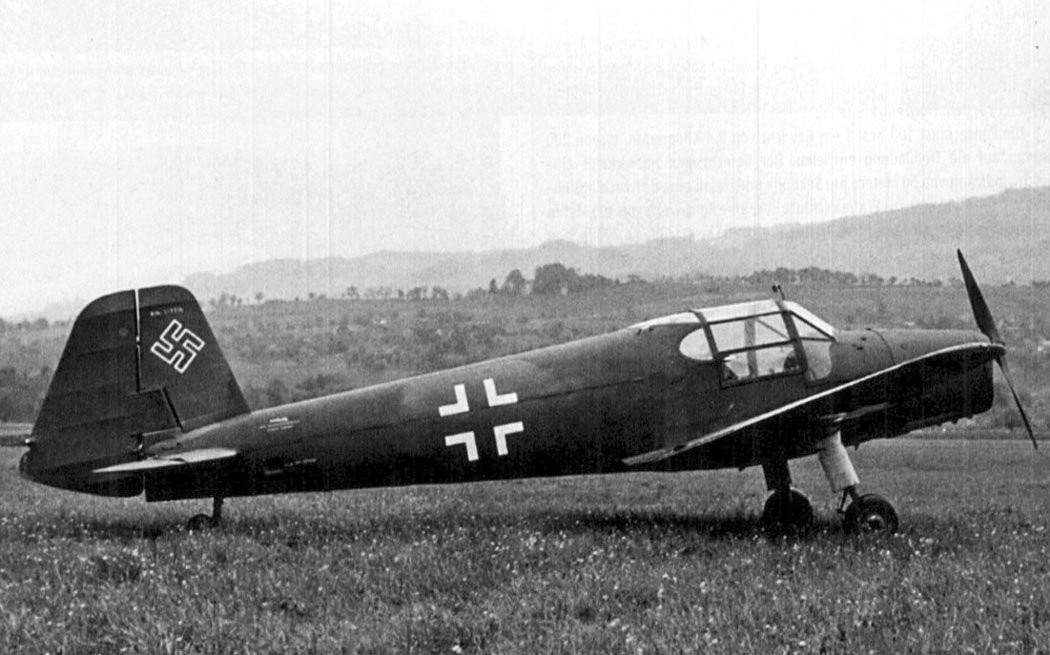
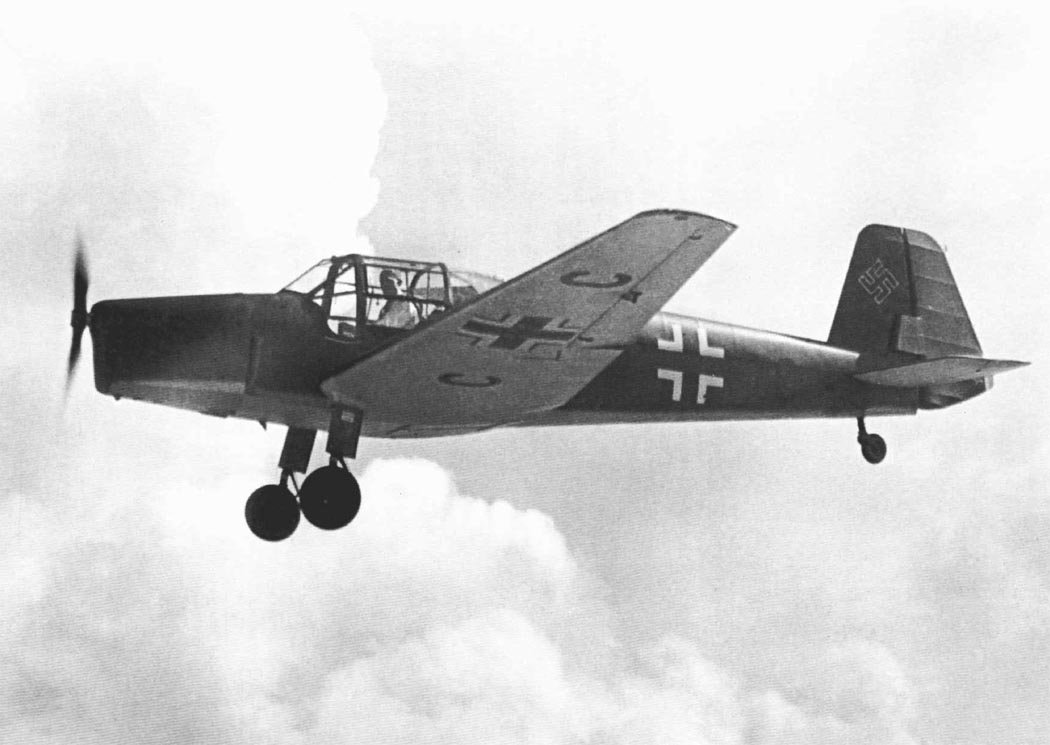
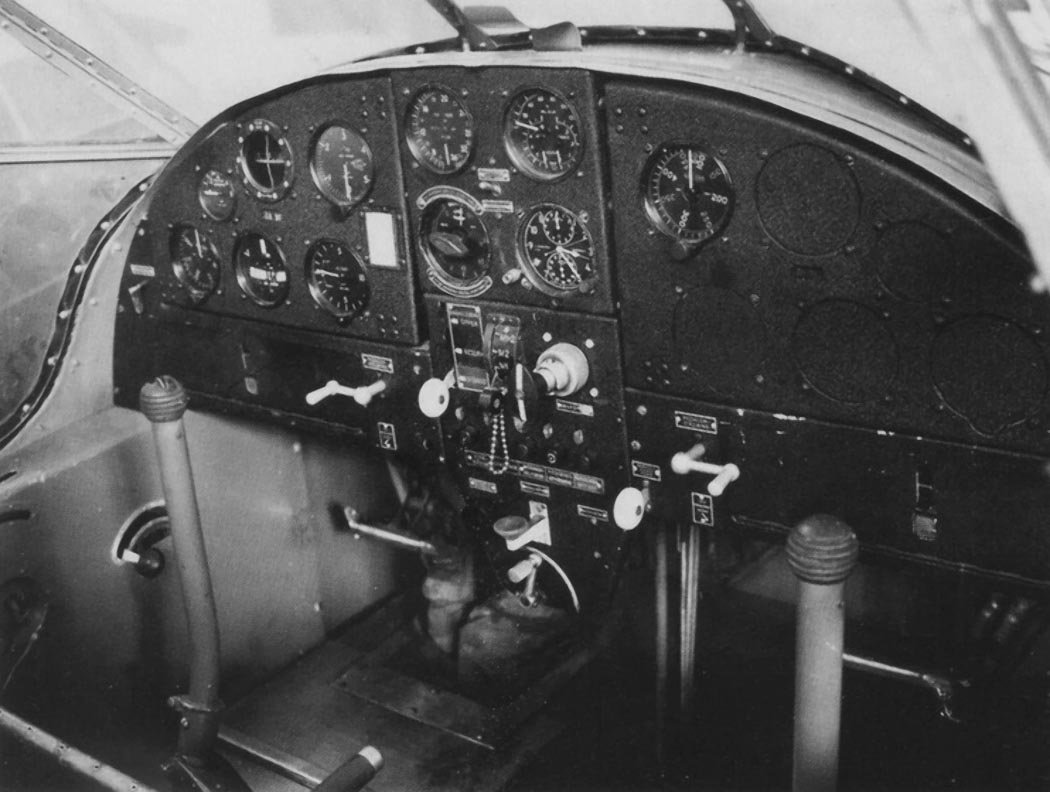
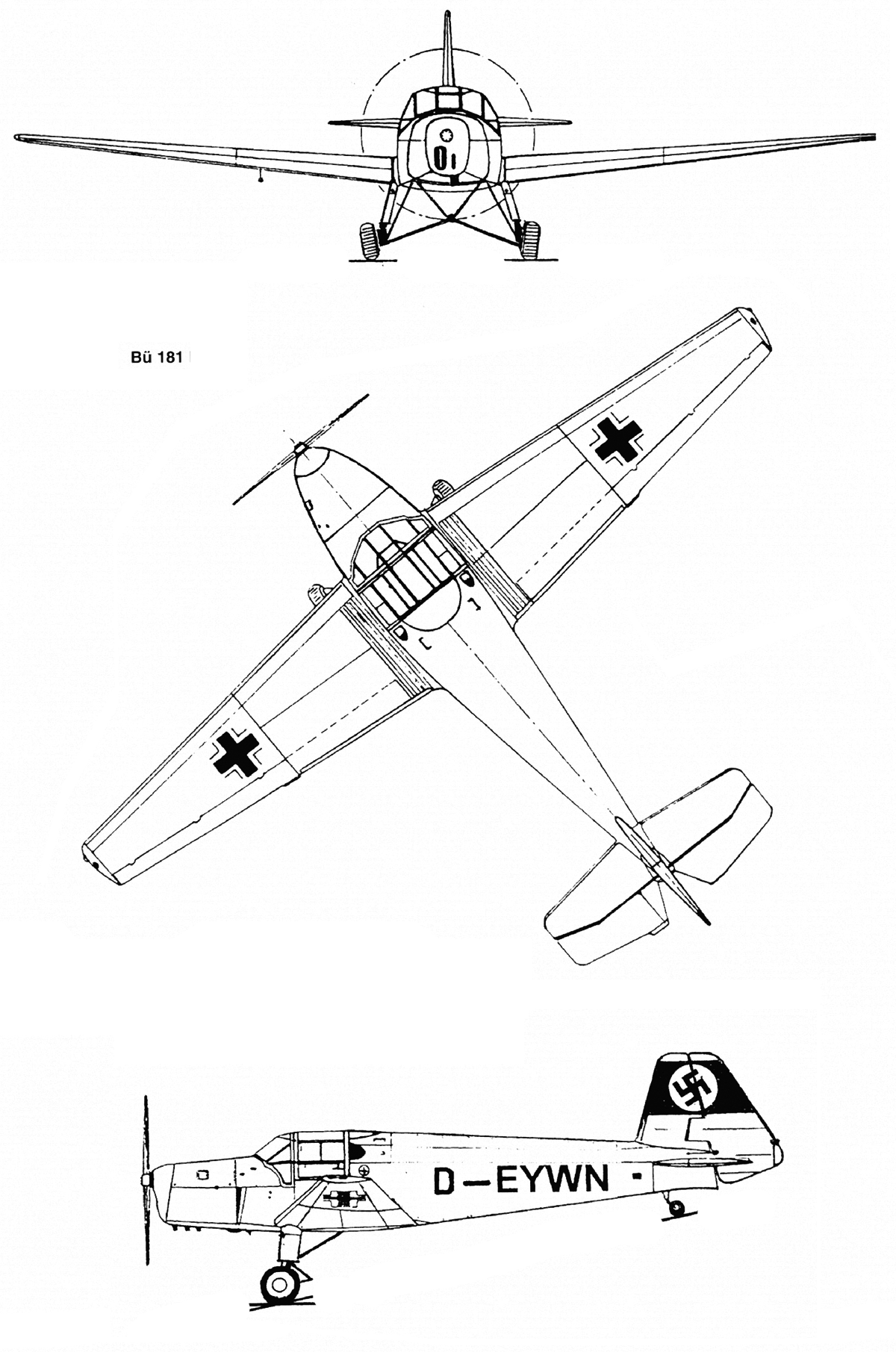
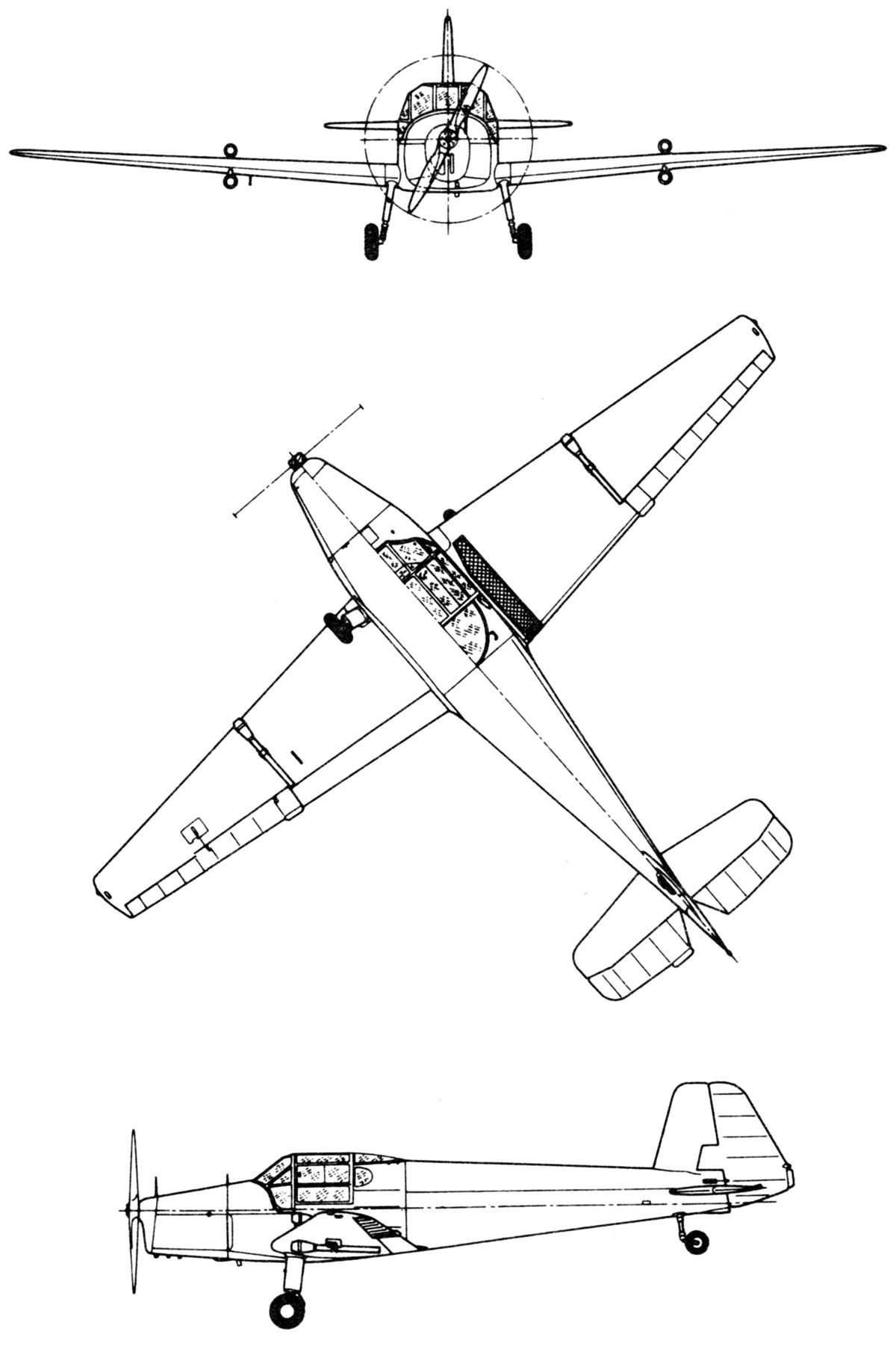
The Bu.181 Bestmann was a single-engine monoplane of mixed construction with a fixed landing gear. It was designed in the Bücker Flugzeugbau design bureau under the leadership of A. Andersson. Bücker began designing this new training aircraft, utilizing technology similar to that of the Bu 180, but with side-by-side seating in its enclosed cockpit.
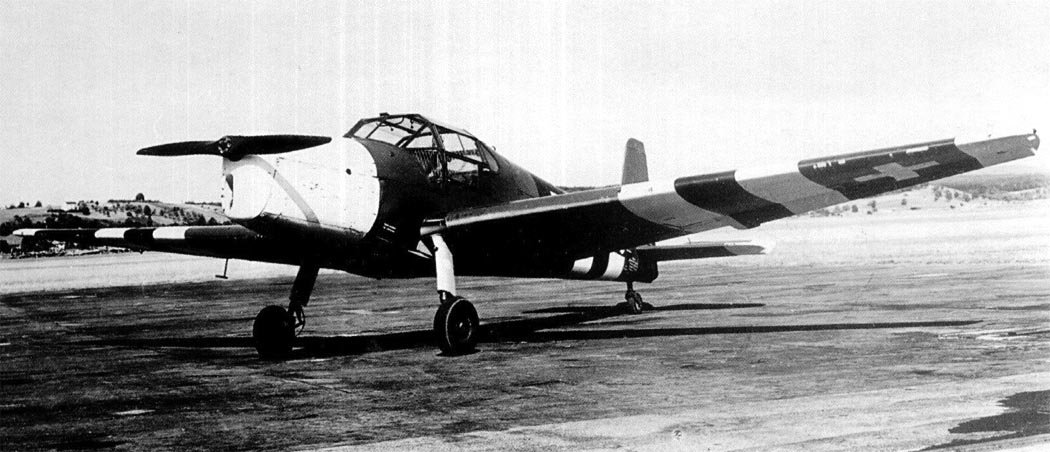
The new Bücker Bu 181 Bestmann featured a wing and empennage with a wooden structural frame and plywood-and-fabric covering. Its fuselage had a nose section with a steel tube truss structure and a tail section with a wooden monocoque construction. The aircraft was equipped with a three-point landing gear system, including a tailwheel, and was powered by a Hirth HM 504 engine.
Initial Development and Deployment
The prototype Bu 181 first flew in February 1939. Serial production commenced later that year at the Bücker plant in Rangsdorf. Following successful trials, the Luftwaffe ordered serial production of the Bu 181A variant, with several thousand units ultimately built for them.
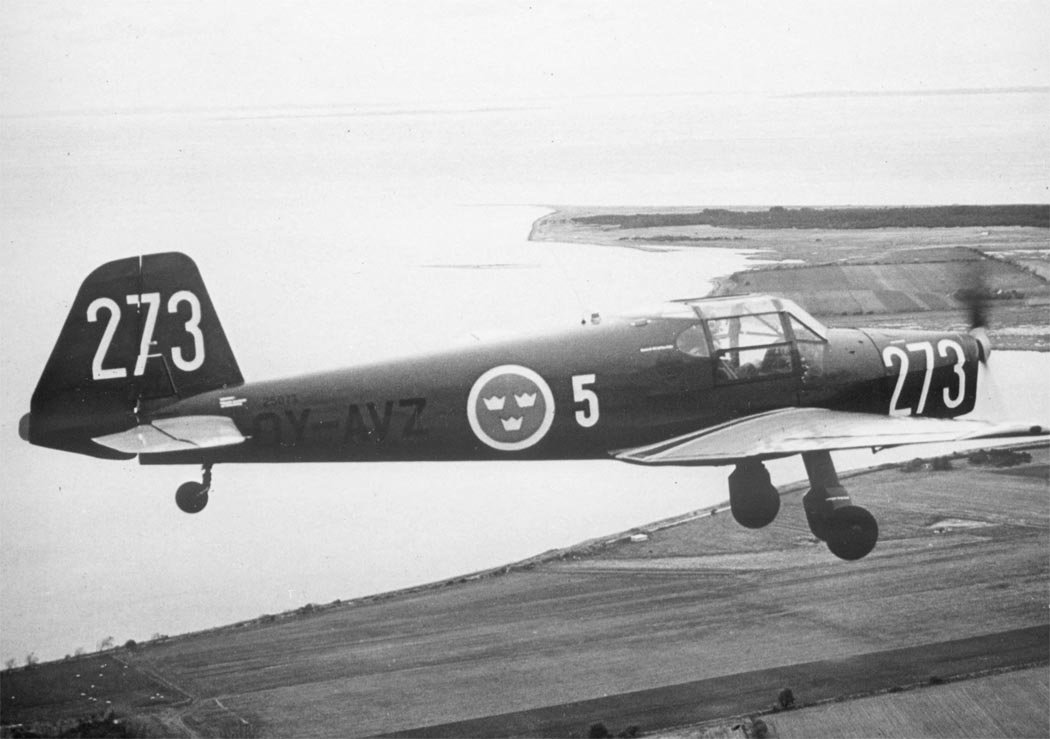
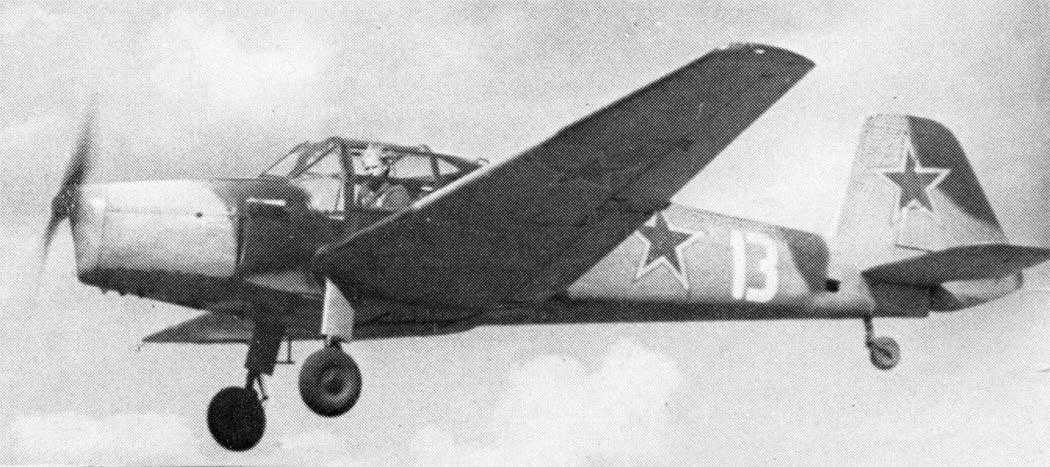
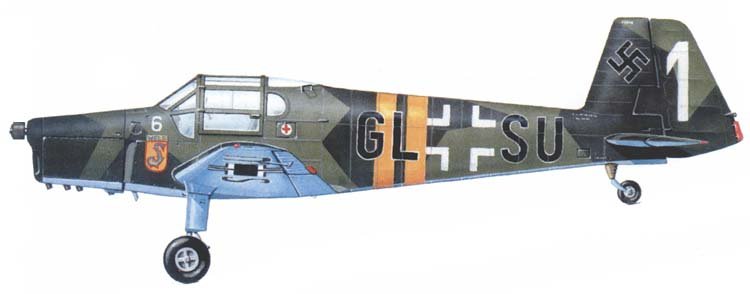
It served as a training aircraft in Germany and Sweden from 1940, and in Bulgaria from 1942. In March 1945, approximately 50 existing aircraft were converted into “tank destroyers,” armed with four rocket-propelled anti-tank grenade launchers. The crew consisted of two people (one in the attack aircraft role) and it was powered by the HM 504A engine.
From March 1945, three squadrons of light attack aircraft were prepared, though only one saw combat. In April, this squadron engaged Soviet tanks near Ringingen and on the approaches to Berlin. Production in Germany ceased in 1945.
International Production and Variants
In addition to machines built by Bücker, 708 units were assembled by Fokker in the Netherlands. Between 1944 and 1946, 125 aircraft were produced in Sweden under the designation Sk 25 for the Swedish Air Force. Serial production also began in Czechoslovakia by the Zlin company.
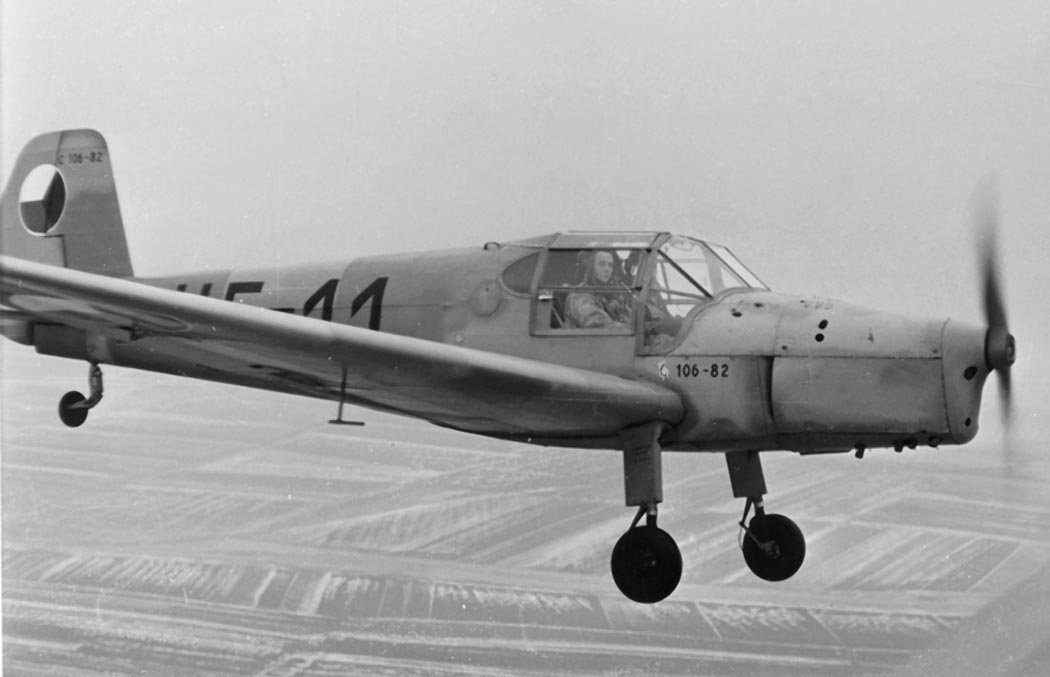
Zlin produced civil variants such as the Z.281 and Z.381, as well as military models C.6 and C.106 for the Czech Air Force. After the war, the Egyptian company Heliopolis Aircraft Works began licensed production based on the Czechoslovakian design. This company produced the Gomhouria, a variant similar to the Zlin Z.381, for several Arab states and the Egyptian Air Force.
Overall Production Figures
A total of 7516 units were built during the war years, including the 125 units manufactured in Sweden.
Technical Specifications
| Modification | Bu.181 |
| Wingspan, m | 10.60 |
| Length, m | 7.85 |
| Height, m | 2.05 |
| Wing area, m2 | 13.50 |
| Empty weight | 480 |
| Maximum takeoff weight | 750 |
| Engine type | 1 Piston engine Hirth HM 504 |
| Power, hp | 1 x 10⁵ |
| Maximum speed, km/h | 215 |
| Cruising speed, km/h | 195 |
| Practical range, km | 800 |
| Practical ceiling, m | 5000 |
| Crew | 2 |
Image and diagram gallery of the Bu.181 Bestmann
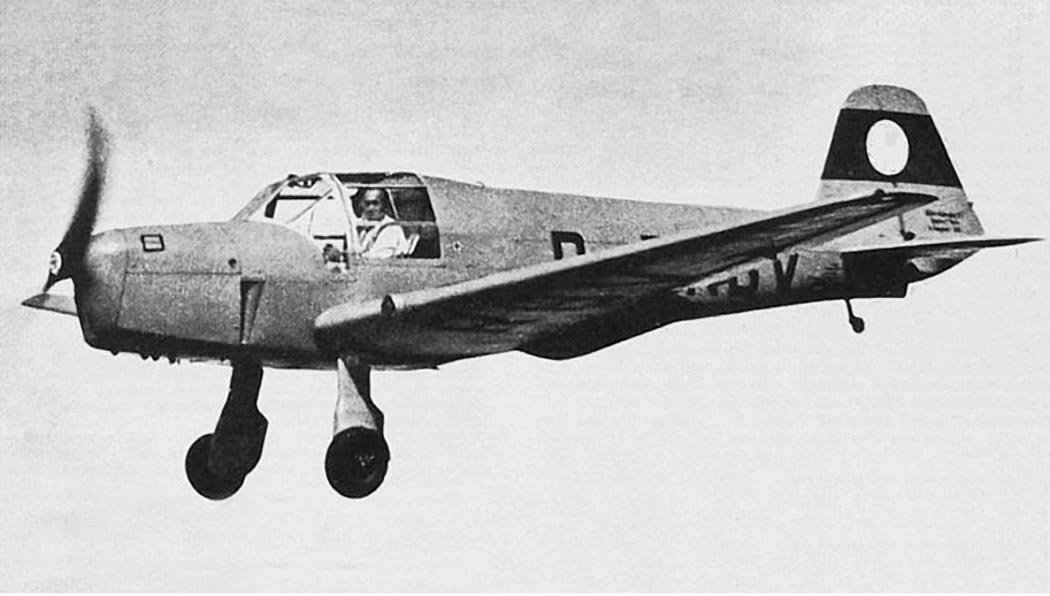 Bu.181 Bestmann |
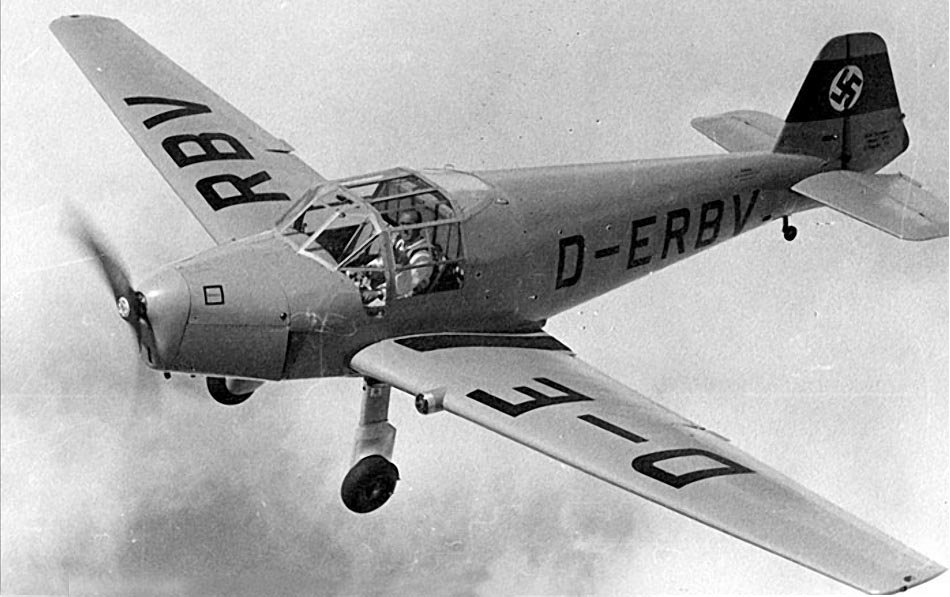 Bu.181 Bestmann |
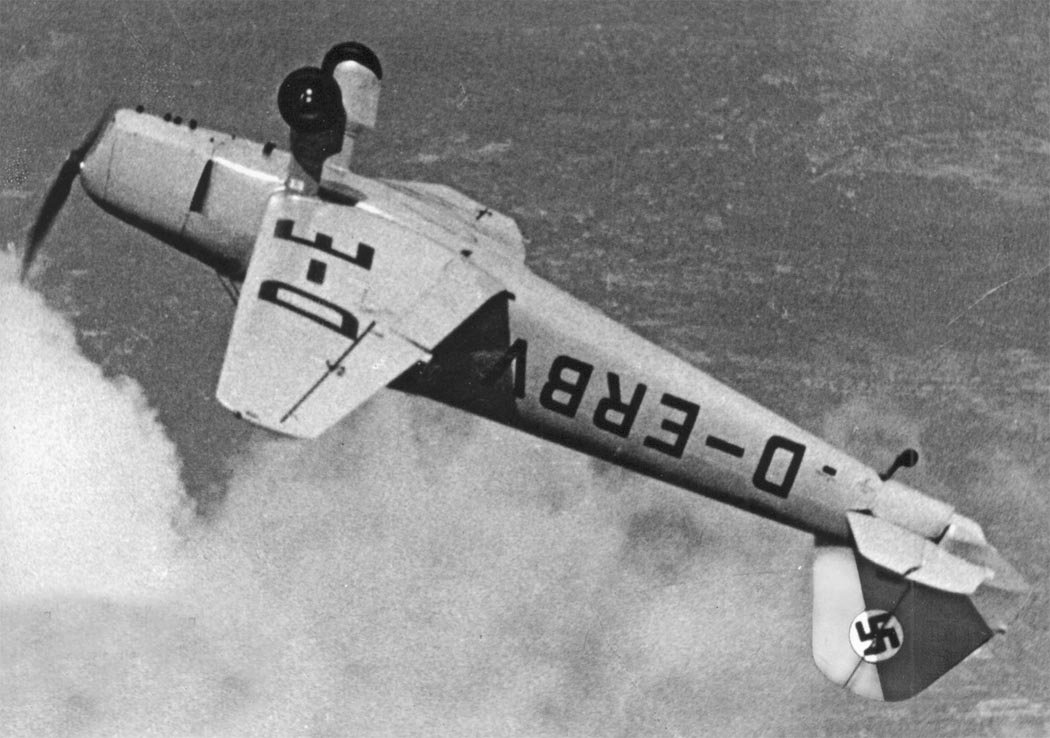 Bu.181 Bestmann |
 Bu.181 Bestmann |
 Bu.181 Bestmann |
 Bu.181 Bestmann |
 Bu.181 Bestmann |
 Bu.181 Bestmann |
 Bu.181 Bestmann |
 Bu.181 Bestmann |
 Bu.181 Bestmann |
 Bu.181 Bestmann |
 Bu.181 Bestmann |
 Bu.181 Bestmann |
 Bu.181 Bestmann |
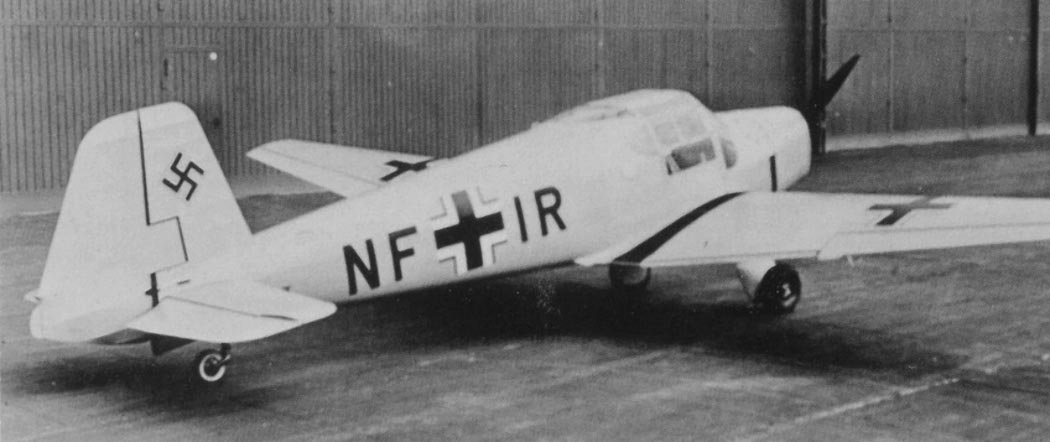 Bu.181 Bestmann |
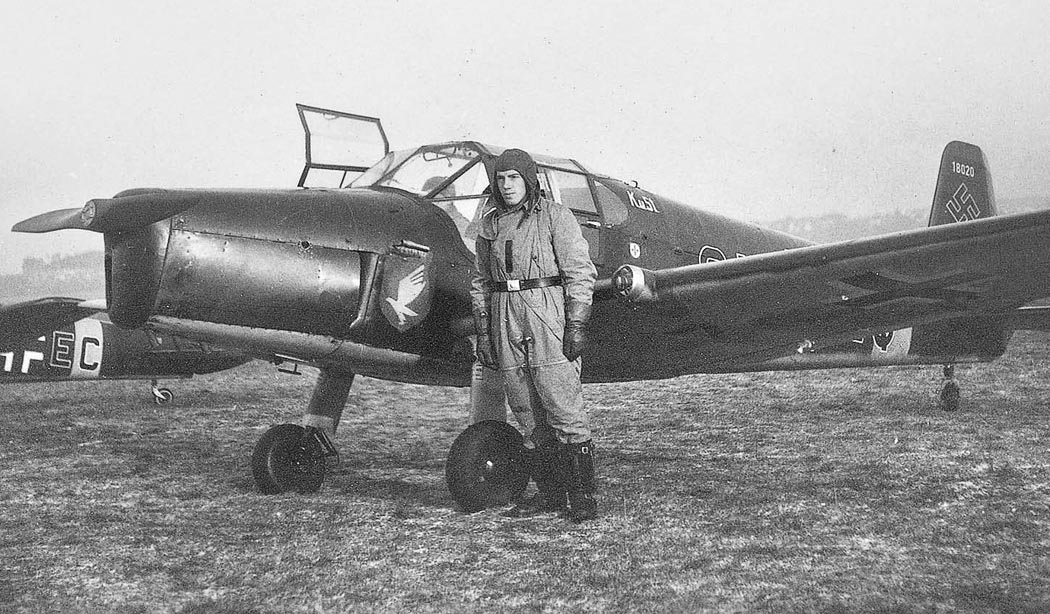 Bu.181 Bestmann |
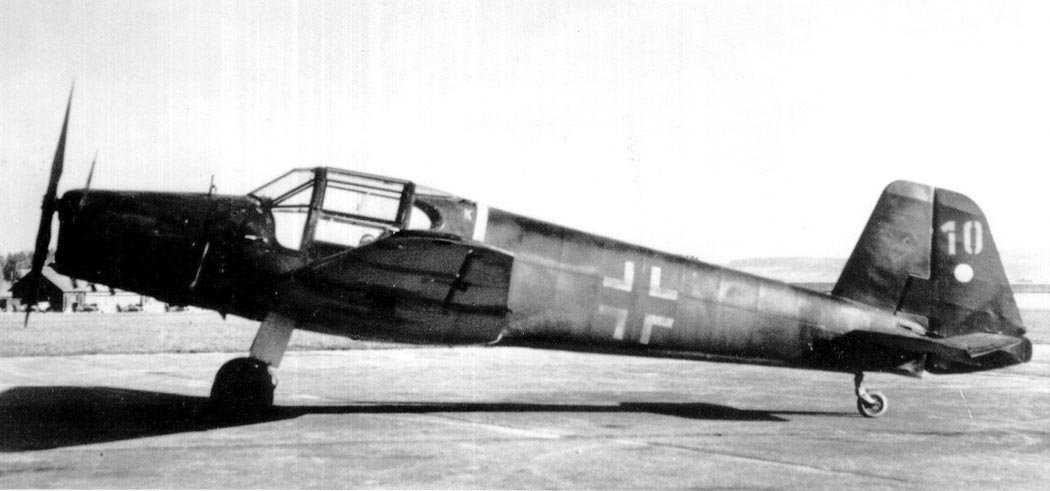 Bu.181 Bestmann |
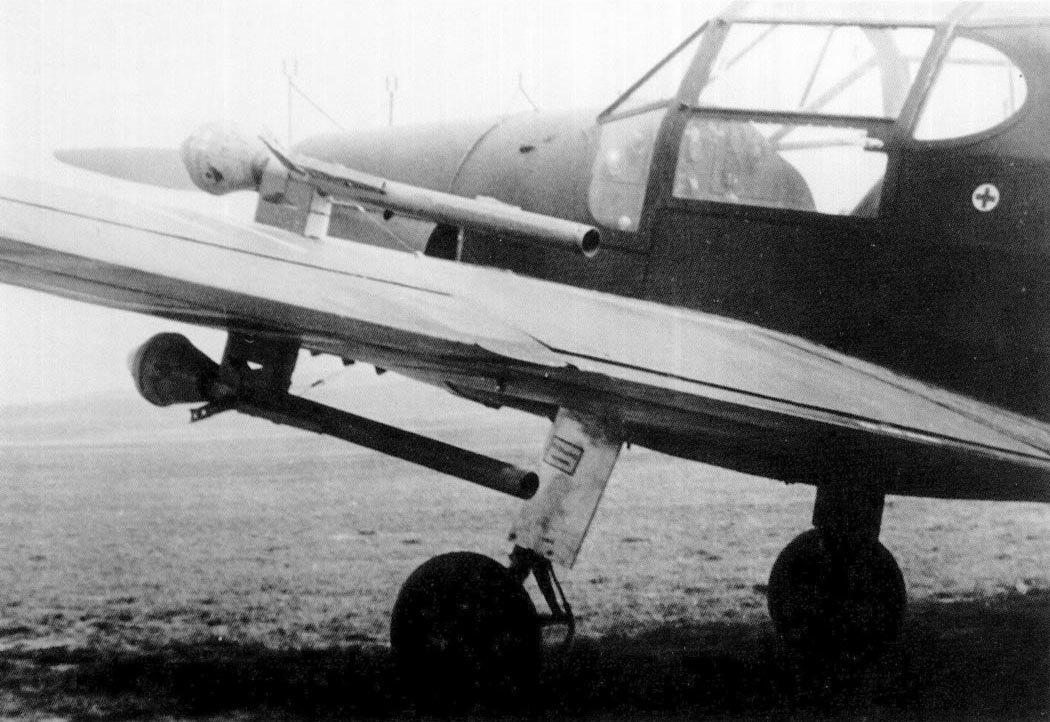 Bu.181 Bestmann |
 Bu.181 Bestmann |
 Bu.181 Bestmann |
 Bu.181 Bestmann |
 Bu.181 Bestmann |
 Bu.181 Bestmann |
 Bu.181 Bestmann |
 Bu.181 Bestmann |
 Bu.181 Bestmann |
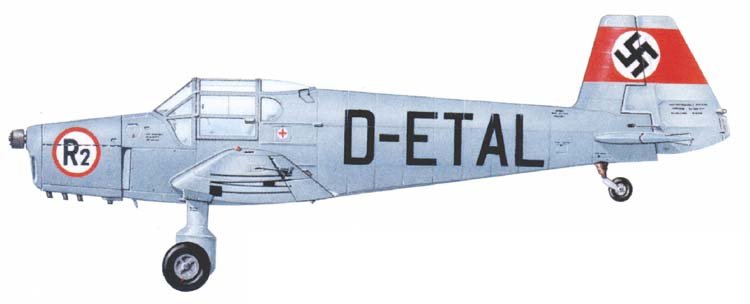 Bu.181 Bestmann |
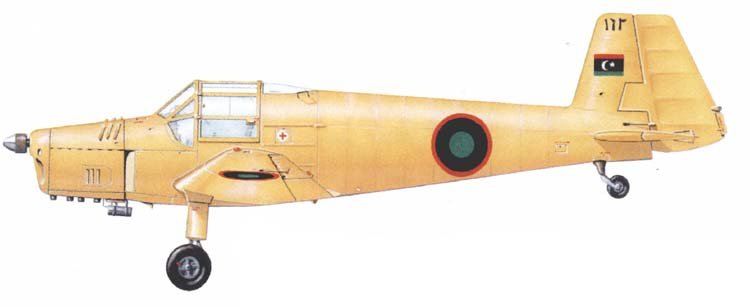 Bu.181 Bestmann |
Equipo Editorial de ArchivoAéreo
Grupo de investigadores y entusiastas de la aviación dedicados a documentar y preservar la historia aeronáutica mundial. Todos los artículos son revisados para garantizar precisión histórica.
Fuentes y Rigurosidad
La información presentada en esta ficha técnica ha sido compilada a partir de manuales de vuelo desclasificados, archivos históricos y bibliografía especializada. Aunque nos esforzamos por mantener la máxima precisión, algunos datos de rendimiento pueden variar según la variante específica o las condiciones operativas.