Burgess U
Origins and Development
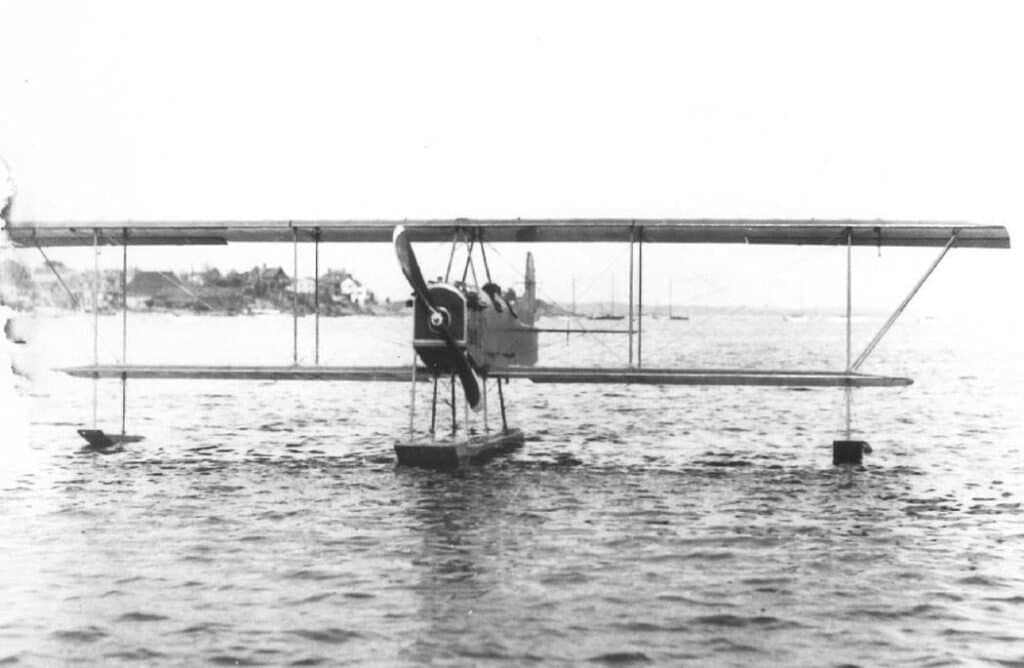
In mid-1916, Godfrey L. Cabot and the Aero Club of New England commissioned William S. Burgess to design and build an auxiliary seaplane for the Massachusetts militia. This commission marked the beginning of a crucial project for the region’s coastal defense.
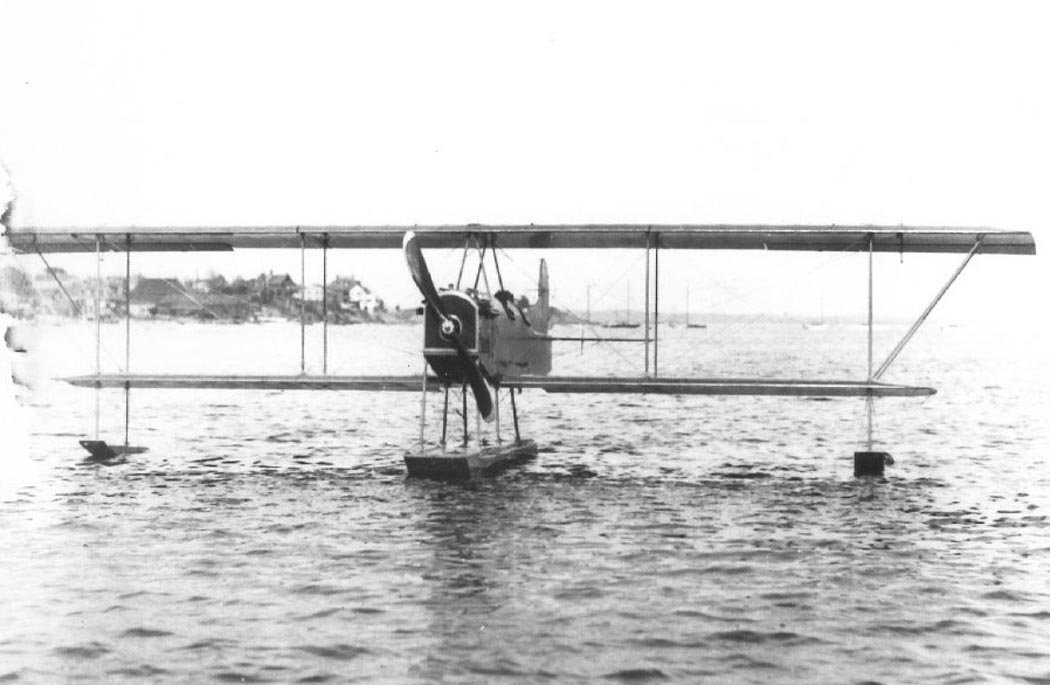
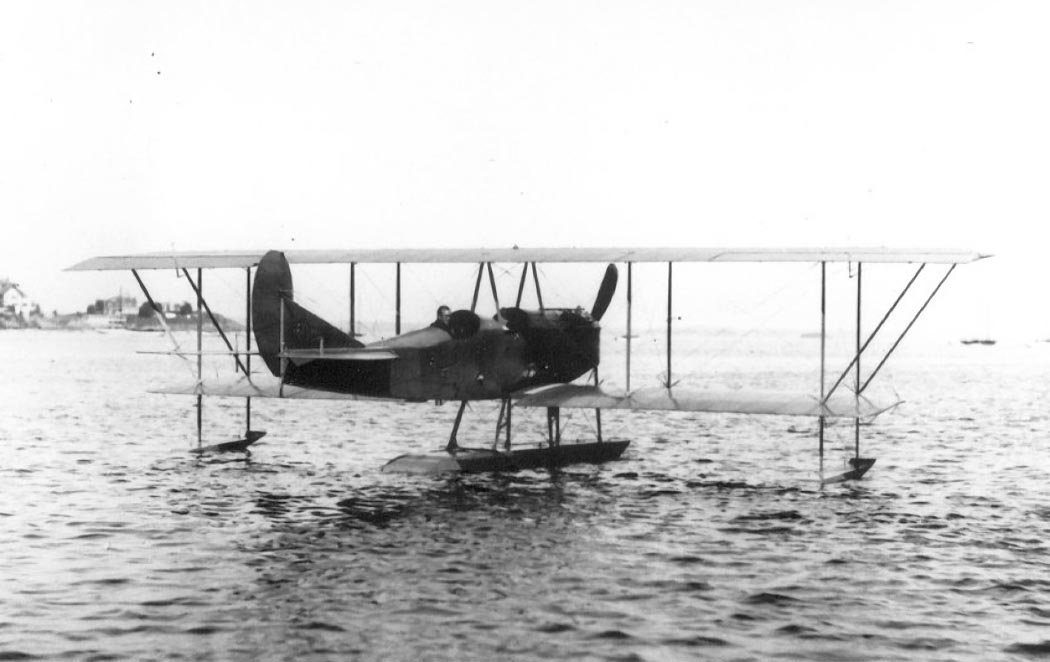
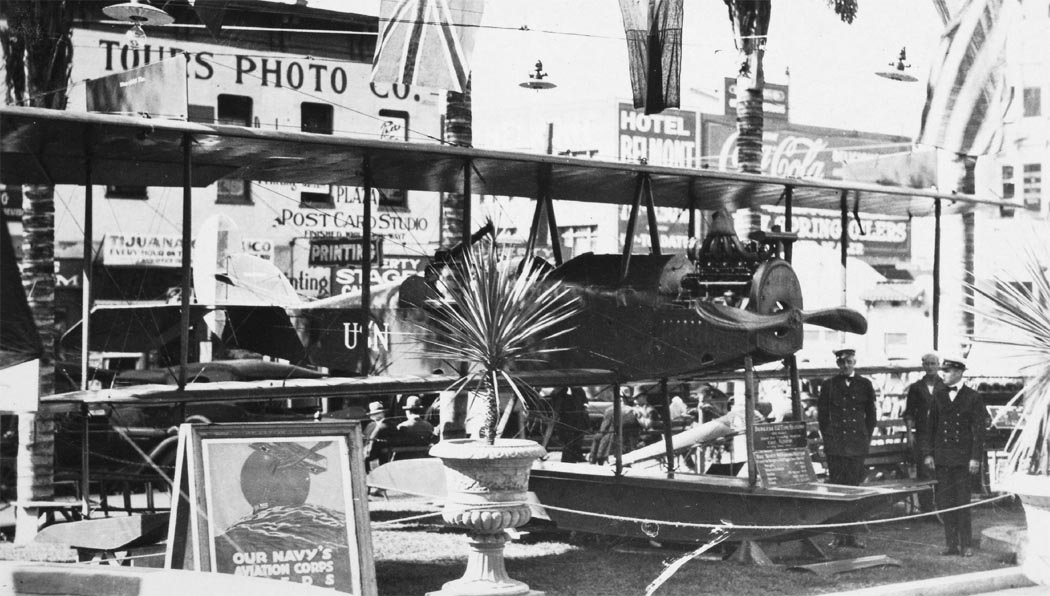
On November 8, 1916, the sole Burgess U was delivered to the militia on Misery Island. The aircraft was a two-seat, two-bay biplane, powered by a 100 hp Curtiss OXX2 eight-cylinder V-engine. It featured a main fuselage float and two small auxiliary floats under each wing.
Early Service
From late 1916 to spring 1917, the Burgess U was actively used for coastal patrolling and pilot training. Its role was fundamental for maritime surveillance during a period of escalating international tensions.
The Improved Burgess U-2 Variant
In 1917, six examples of the improved Burgess U-2 model were built for U.S. Navy aviation. These machines featured new, longer wings, measuring 14.25 meters, and a different power plant: a 100 hp Hall Scott four-cylinder engine.
The new engine allowed the Burgess U-2 seaplane to achieve a speed of 116 km/h and climb at a rate of 91 meters per minute. These enhancements significantly boosted its operational capabilities for naval missions.
Technical Specifications
| Modification | Burgess U |
| Wingspan, m | 13.94 |
| Length, m | 9.30 |
| Height, m | 3.40 |
| Empty weight | 816 |
| Maximum takeoff weight | 1106 |
| Engine type | 1 Curtiss OXX2 Piston engine |
| Power, hp | 1 x 100 |
| Maximum speed, km/h | 113 |
| Cruising speed, km/h | 85 |
| Flight endurance, h | 4 |
| Rate of climb, m/min | 64 |
| Crew | 2 crew |
Image and diagram gallery of the Burgess U
 Burgess U |
 Burgess U |
 Burgess U |
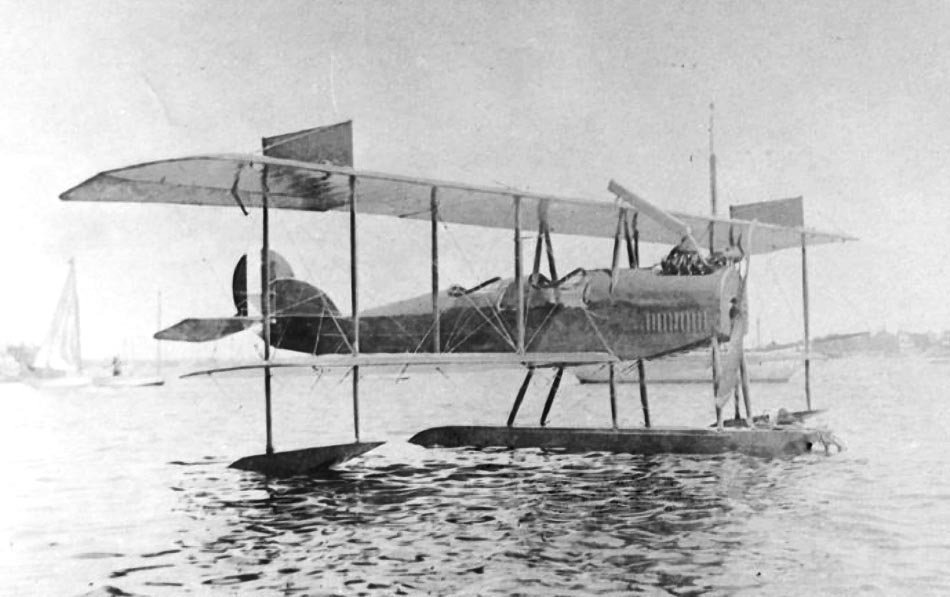 Burgess U |
Equipo Editorial de ArchivoAéreo
Grupo de investigadores y entusiastas de la aviación dedicados a documentar y preservar la historia aeronáutica mundial. Todos los artículos son revisados para garantizar precisión histórica.
Fuentes y Rigurosidad
La información presentada en esta ficha técnica ha sido compilada a partir de manuales de vuelo desclasificados, archivos históricos y bibliografía especializada. Aunque nos esforzamos por mantener la máxima precisión, algunos datos de rendimiento pueden variar según la variante específica o las condiciones operativas.