Butler Blackhawk
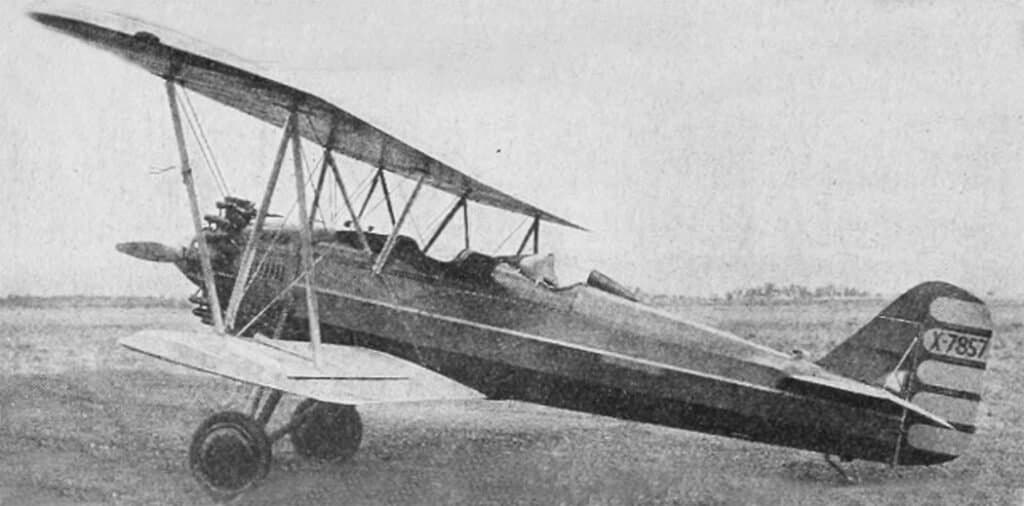
Origins of the Butler Skyway
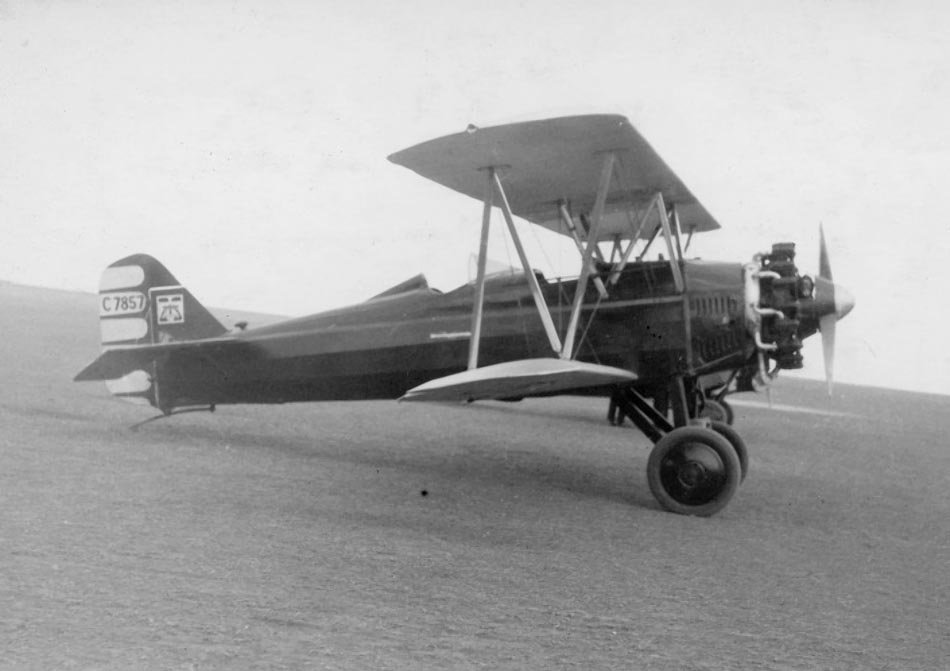
In 1928, Butler Manufacturing Corp. of Kansas City, Missouri, introduced a light multi-purpose aircraft named the Butler Skyway. Designed by Waverly M. Stearman, this aircraft was a three-seat, single-strut biplane featuring wings of unequal span. It was powered by a 220 hp Wright J-5 radial engine, providing notable performance for its time.
The sole example built, registered X7857, made its maiden flight on October 4, 1928. This prototype served as the foundation for the subsequent production model, later known as the Butler Blackhawk.
Butler Blackhawk Production and Variants
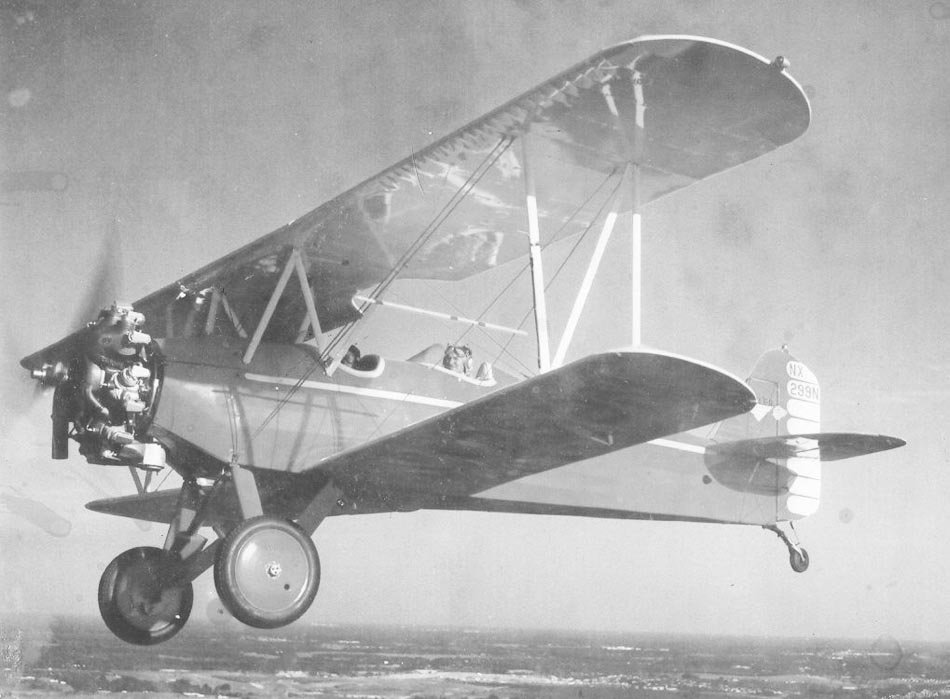
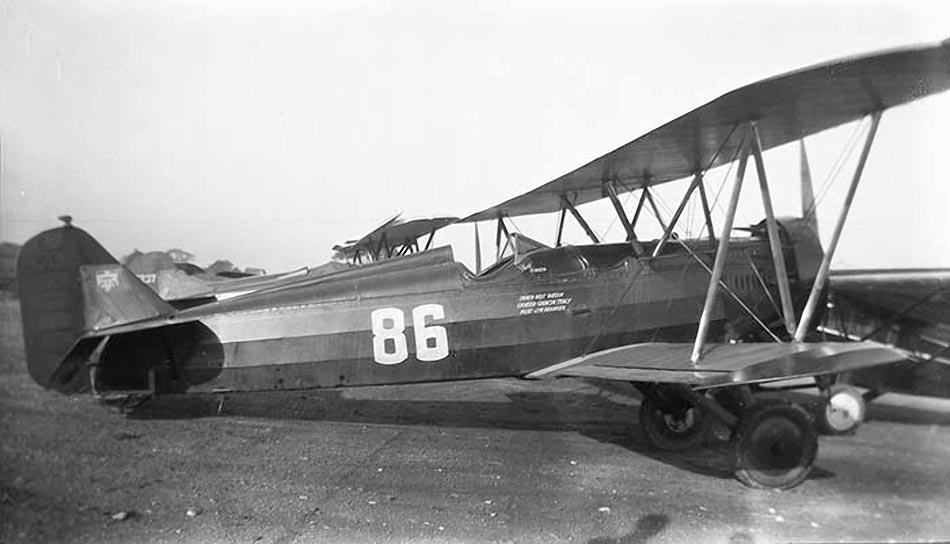
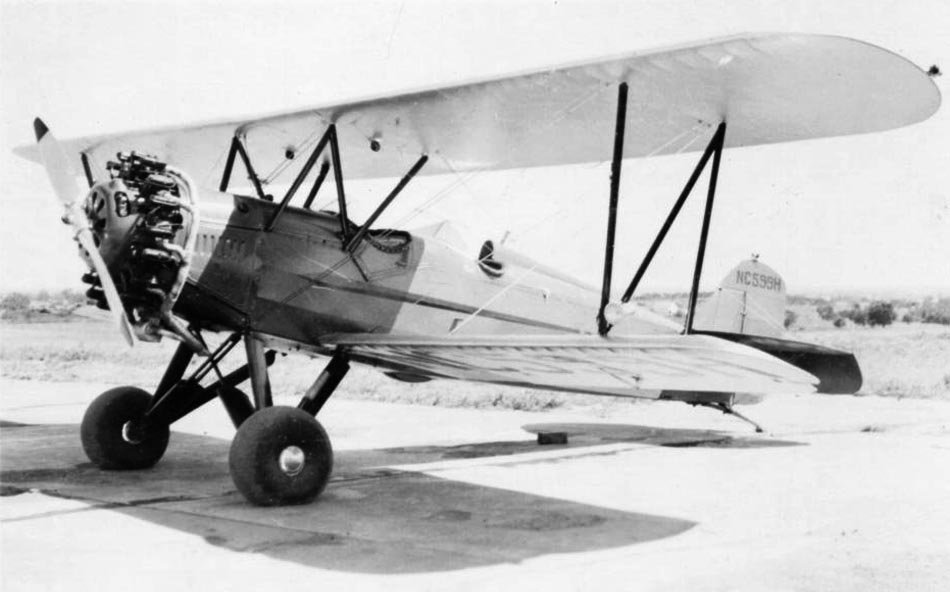
Production of the Butler Blackhawk series commenced in 1929, distinguishing itself with a slightly lengthened fuselage. A total of eleven units of this model were built, establishing its presence in the light aviation market.
In addition to the main series, two special variants were constructed: a single-seat model named Leuthart (NC14422) and a two-seat version with dual controls known as the Coach (X146). These editions expanded the versatility of the original design.
Technical Specifications
| Modification | Blackhawk |
| Wingspan (upper wing), m | 10.36 |
| Wingspan (lower wing), m | 8.69 |
| Aircraft length, m | 7.32 |
| Aircraft height, m | 2.74 |
| Wing area, m2 | 27.40 |
| Empty weight, kg | 855 |
| Maximum takeoff weight, kg | 1315 |
| Engine type | 1 Piston engine Wright J-5 |
| Power, hp | 1 x 220 |
| Maximum speed, km/h | 210 |
| Cruising speed, km/h | 180 |
| Practical range, km | 1050 |
| Rate of climb, m/min | 300 |
| Practical ceiling, m | 4300 |
| Crew, crew members | 3 |
Image and diagram gallery of the Butler Blackhawk
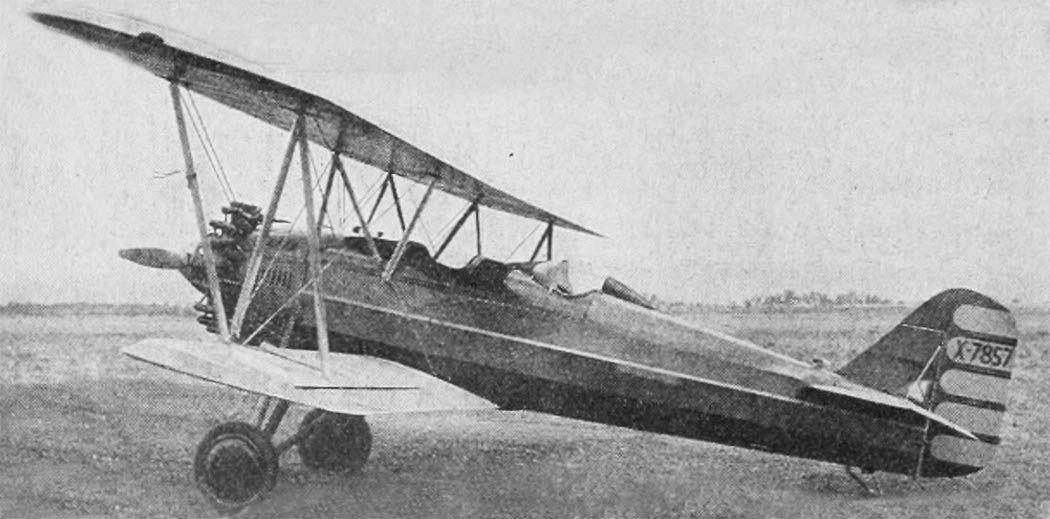 Blackhawk |
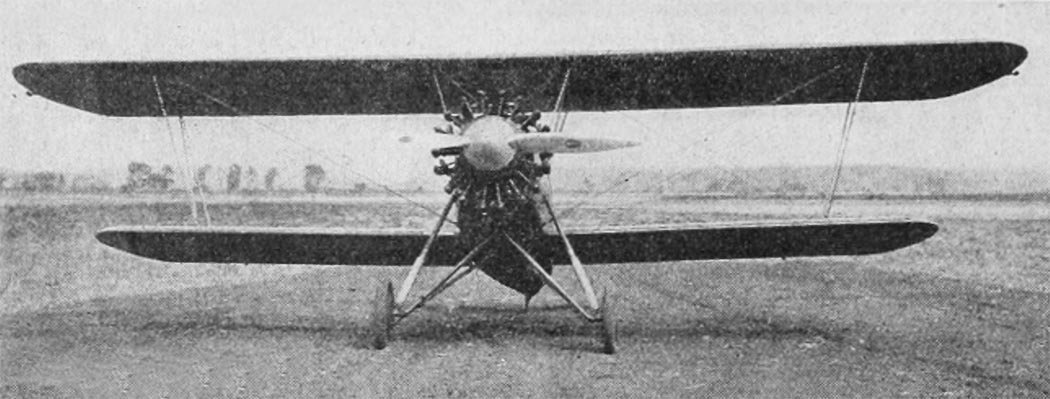 Blackhawk |
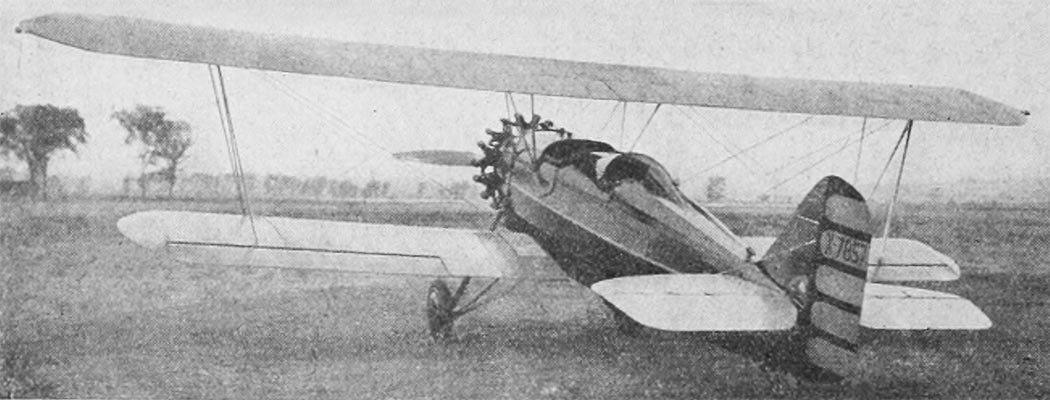 Blackhawk |
 Blackhawk |
 Blackhawk |
 Blackhawk |
 Blackhawk |
Equipo Editorial de ArchivoAéreo
Grupo de investigadores y entusiastas de la aviación dedicados a documentar y preservar la historia aeronáutica mundial. Todos los artículos son revisados para garantizar precisión histórica.
Fuentes y Rigurosidad
La información presentada en esta ficha técnica ha sido compilada a partir de manuales de vuelo desclasificados, archivos históricos y bibliografía especializada. Aunque nos esforzamos por mantener la máxima precisión, algunos datos de rendimiento pueden variar según la variante específica o las condiciones operativas.