C-1 Trader
Origins and Development
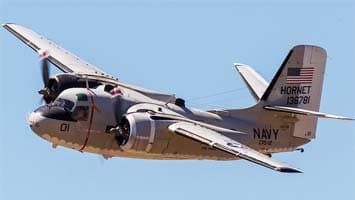
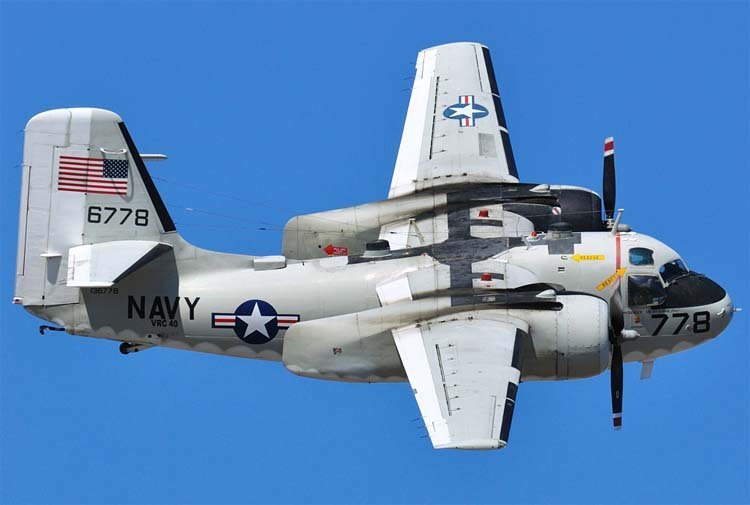
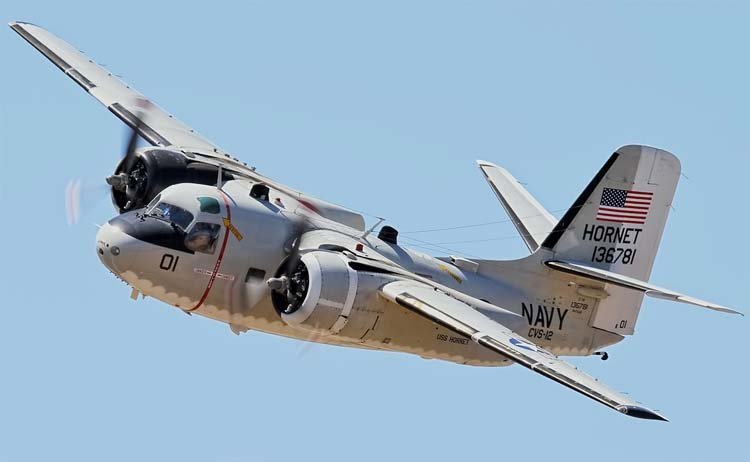
The C-1 Trader was a tactical short and medium-range transport aircraft, developed by the American firm Grumman. It originated from the COD (Carrier Onboard Delivery) program, designed for delivering cargo and personnel to aircraft carriers. The Trader was based on the successful S2F-2 Tracker (G-89) anti-submarine aircraft and replaced the Grumman TBM-3R Avenger.
Evolved Cargo Capacity
Initially, the C-1 Trader was designed to carry nine passengers or 1588 kg (3500 lb) of cargo. However, the increasing need to transport larger and heavier loads prompted a significant upgrade in its capabilities. This led to an increased cargo capacity of up to 3856 kg (8500 lb), showcasing its adaptability and operational value.
Production and Service
The prototype (G-96) made its first flight in January 1955, with serial production commencing in October of the same year. From January 1955 to December 1958, 84 TF-1 aircraft, later known as the C-1 Trader, were produced. The aircraft retained the TF-1 designation until 1962 before being renamed. Ultimately, it was retired from service in 1988, succeeded by the C-2 aircraft.
Technical Specifications
| Modification | C-1A |
| Wingspan, m | 21.23 |
| Aircraft length, m | 12.80 |
| Aircraft height, m | 4.97 |
| Wing area, m2 | 45.06 |
| Empty weight | 7544 |
| Normal takeoff weight | 10447 |
| Maximum takeoff weight | 11158 |
| Engine type | 2 Piston engines Wright R-1820-82 or -82A Ciclone |
| Power, hp | 2 x 1525 |
| Maximum speed, km/h | 451 |
| Cruising speed, km/h | 269 |
| Practical range, km | 1788 |
| Practical ceiling, m | 7560 |
| Crew, crew members | 2 |
| Payload | 9 passengers or 3856 kg of cargo |
Image and diagram gallery of the C-1 Trader
 C-1 Trader |
 C-1 Trader |
 C-1 Trader |
 C-1 Trader |
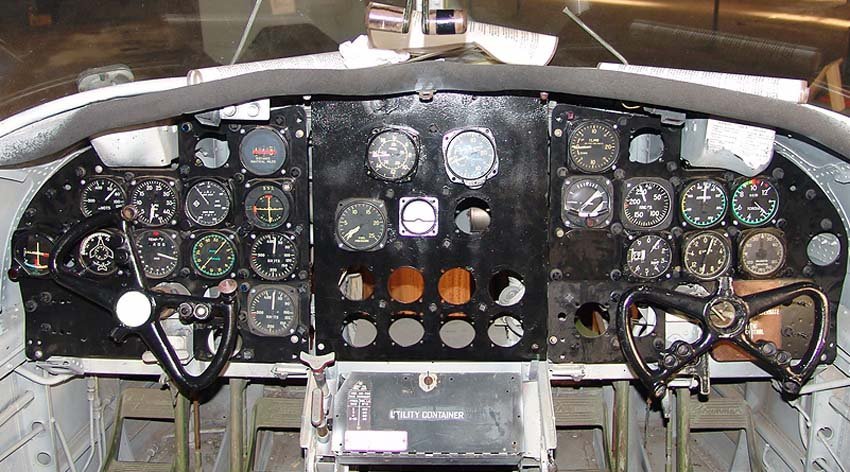 C-1 Trader |
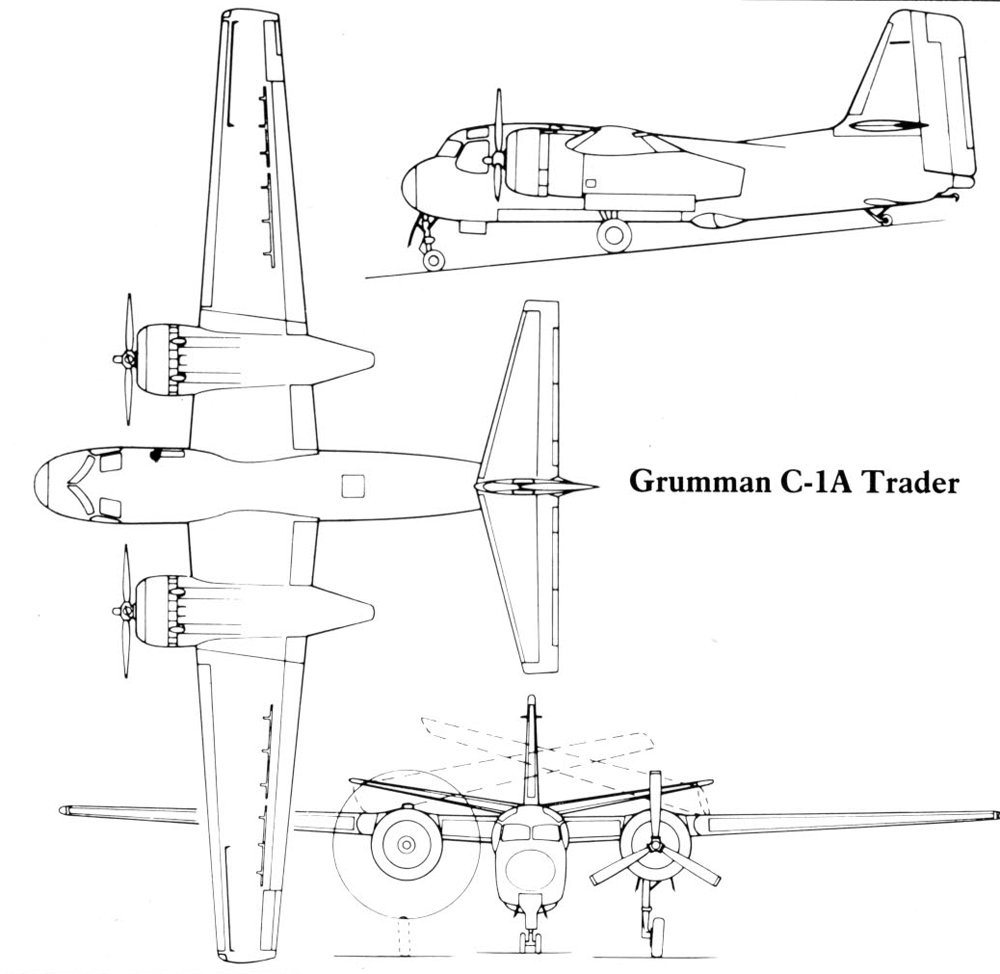 C-1 Trader |
 C-1 Trader |
 C-1 Trader |
Equipo Editorial de ArchivoAéreo
Grupo de investigadores y entusiastas de la aviación dedicados a documentar y preservar la historia aeronáutica mundial. Todos los artículos son revisados para garantizar precisión histórica.
Fuentes y Rigurosidad
La información presentada en esta ficha técnica ha sido compilada a partir de manuales de vuelo desclasificados, archivos históricos y bibliografía especializada. Aunque nos esforzamos por mantener la máxima precisión, algunos datos de rendimiento pueden variar según la variante específica o las condiciones operativas.