C.212 Aviocar
Development and First Flight
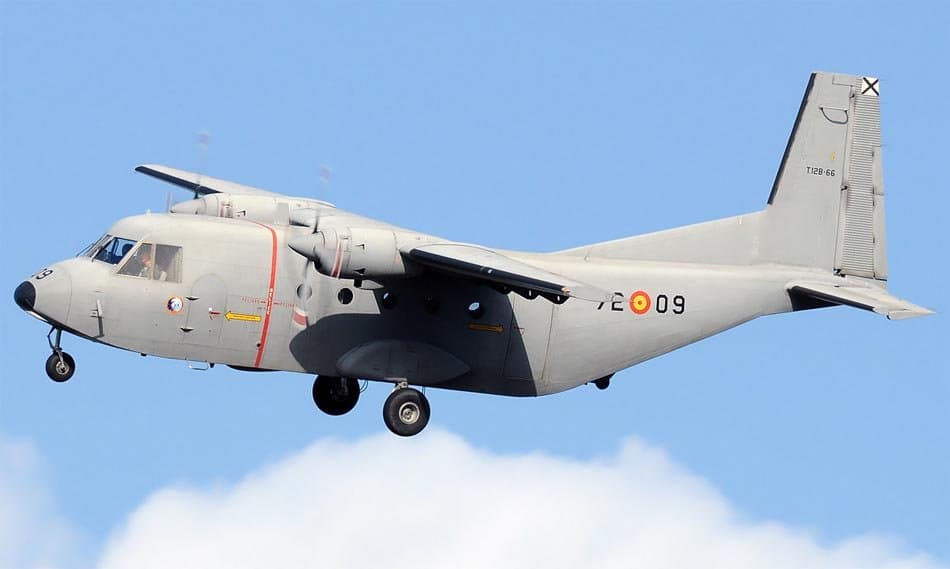
The development of the C-212 Aviocar aircraft was initiated by the Spanish firm CASA, in cooperation with the German firm MBB, in the late 1960s. Its purpose was to replace the outdated DC-3, Ju-52/3M, and CASA-207 transport aircraft in service with the Spanish Air Force.
The prototype’s first flight took place on March 26, 1971. The first production model, intended for the Spanish Air Force, took to the air on May 12, 1974.
Design and Operational Capabilities
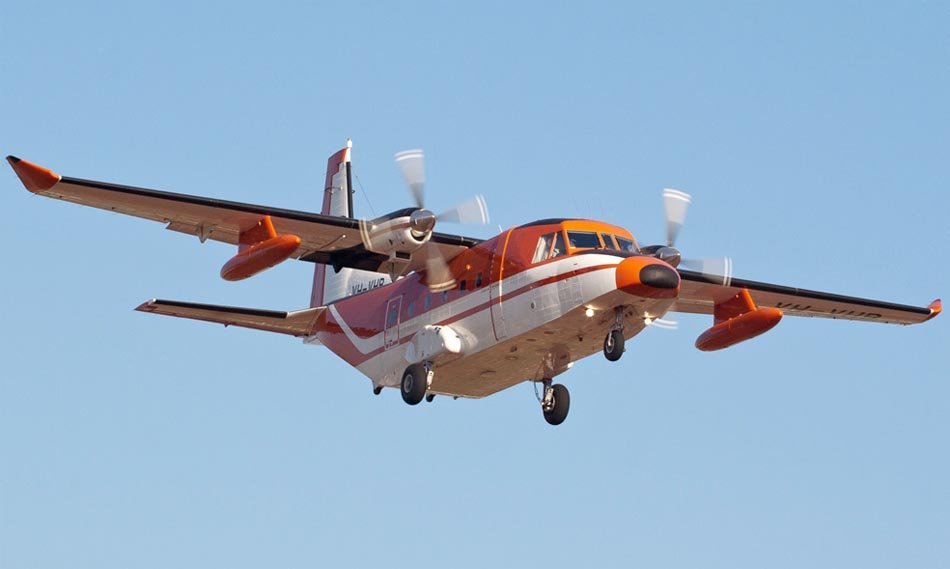
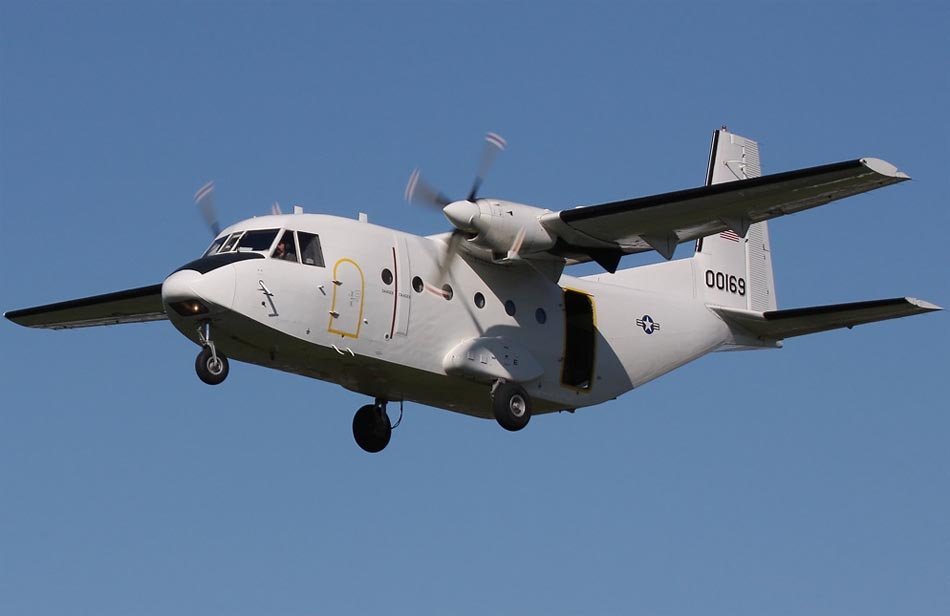
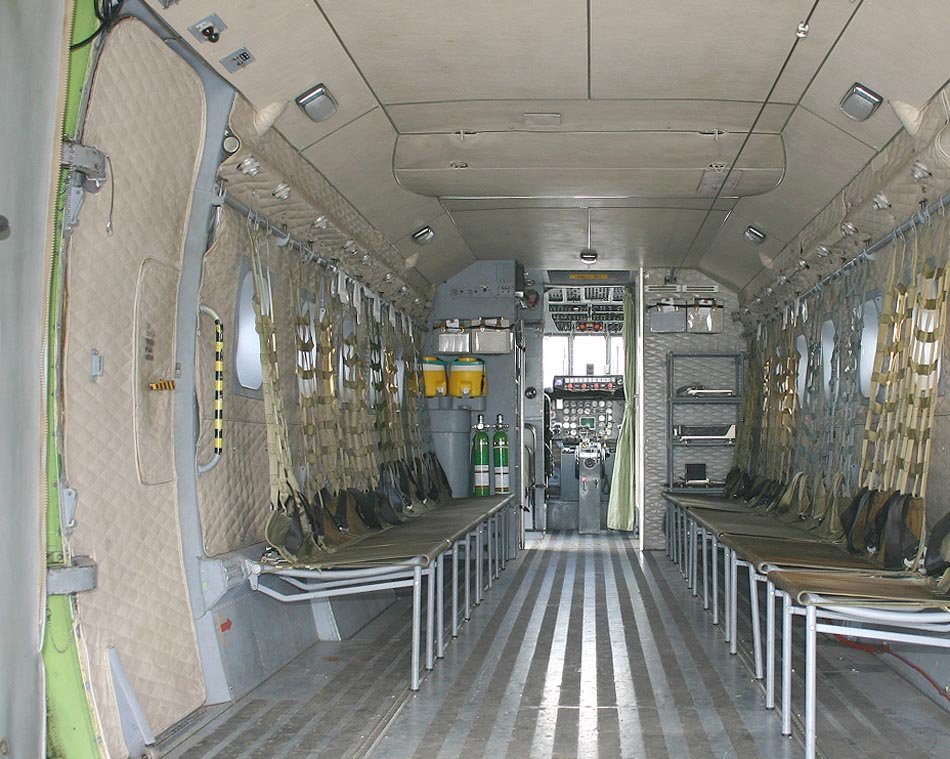
The C-212 Aviocar is an all-metal, twin-engine, high-wing monoplane with a single fin tail. Its cargo compartment can accommodate loads weighing up to 2000 kg. Thanks to a large cargo hatch and ramp in the tail section, it can transport items such as vehicles, artillery pieces, and other bulky cargo.
When used in airborne operations, the aircraft can carry 16 paratroopers, who deploy through a door located on the left side of the fuselage. The aircraft features a simple, non-retractable tricycle landing gear, with each strut equipped with a single low-pressure tire.
The aircraft’s takeoff and landing characteristics allow it to operate from unpaved strips as short as 400 m. The powerplant for the first 164 aircraft, designated as the Series 100, consists of two Garrett turboprop engines, each with 750 hp. The fuel capacity in four integral fuel tanks is 2040 liters.
Evolution and Specialized Variants
In 1979, production began for the Series 200 aircraft, featuring more powerful engines. In 1987, these were succeeded by the Series 300 aircraft (the military modification is designated 300M). Compared to preceding series, the newer aircraft boast a longer fuselage, a larger wingspan, more powerful Garrett TPE-331-10R-513C engines, and more advanced avionics.
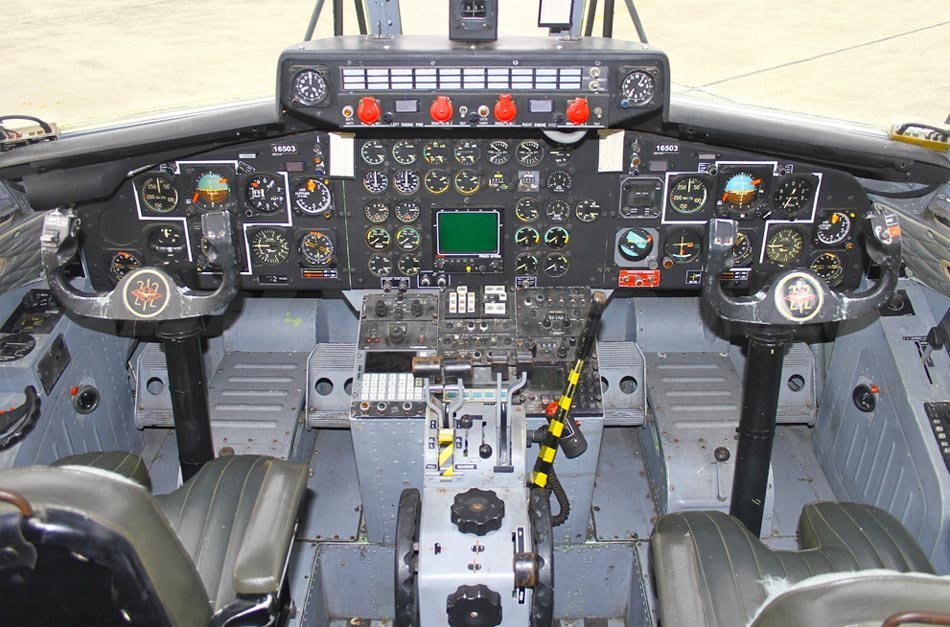
The payload increased to 2770 kg, enabling the aircraft to transport 24 armed soldiers or 23 paratroopers. Its avionics equipment includes an automatic course indicator, radio altimeter, radar, VHF radio station, and other instruments.
Beyond its role as a military transport, modifications were developed for anti-submarine warfare (C-212 ASW), maritime patrol and rescue (C-212 Maritime Patrol), and electronic warfare (C-212 De). While the aircraft lacks built-in armament, two external hardpoints can be mounted on the fuselage at the customer’s request, each capable of carrying up to 250 kg of weapons such as gun pods or unguided rocket launchers.
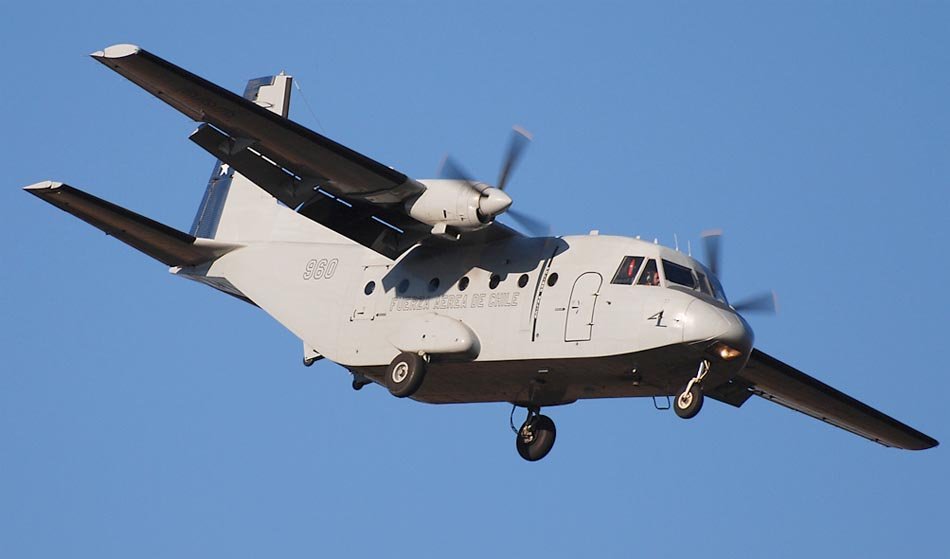
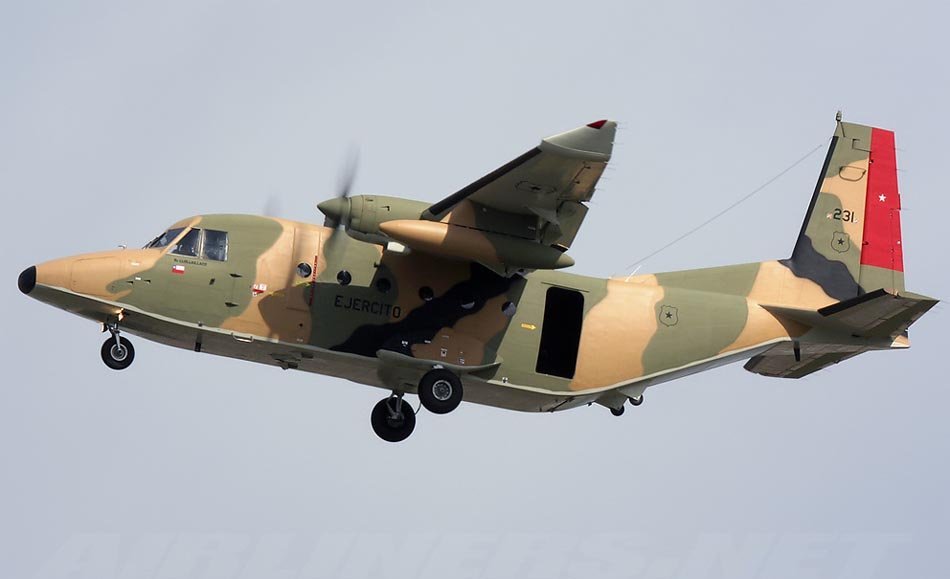
In addition to the Spanish Air Force, military and civilian versions of the C-212 are used in 28 countries worldwide. Approximately 400 units of this type have been manufactured. A civilian variant, the C-212A, was also adopted for service by the Spanish Air Force.
Technical Specifications
| Modification | C-212-M Series 300 |
| Wingspan, m | 20.28 |
| Aircraft length, m | 16.15 |
| Aircraft height, m | 6.60 |
| Wing area, m2 | 41.00 |
| Empty weight | 3780 |
| Normal takeoff weight | 7700 |
| Maximum takeoff weight | 8000 |
| Internal capacity | 1600 |
| External capacity | 800 (2 x 500 l) |
| Engine type | 2 Turboprops Garrett TPE331-10R-513C |
| Power, kW | 2 x 671 |
| Maximum speed, km/h | 370 |
| Cruising speed, km/h | 354 |
| Practical range, km | 2680 |
| Operational range, km | 1433 |
| Service ceiling, m | 7925 |
| Crew, crew members | 2 |
| Payload | 25 soldiers or 24 paratroopers or 12 stretchers and 4 attendants or 2820 kg of cargo. Combat load – 500 kg on 2 hardpoints. |
| Armament (optional) | 2 pods with 12.7-mm or 7.62-mm machine guns or 2 unguided rocket launchers (NRR), or a combination thereof. |
Image and diagram gallery of the C.212 Aviocar
 C.212 Aviocar |
 C.212 Aviocar |
 C.212 Aviocar |
 C.212 Aviocar |
 C.212 Aviocar |
 C.212 Aviocar |
 C.212 Aviocar |
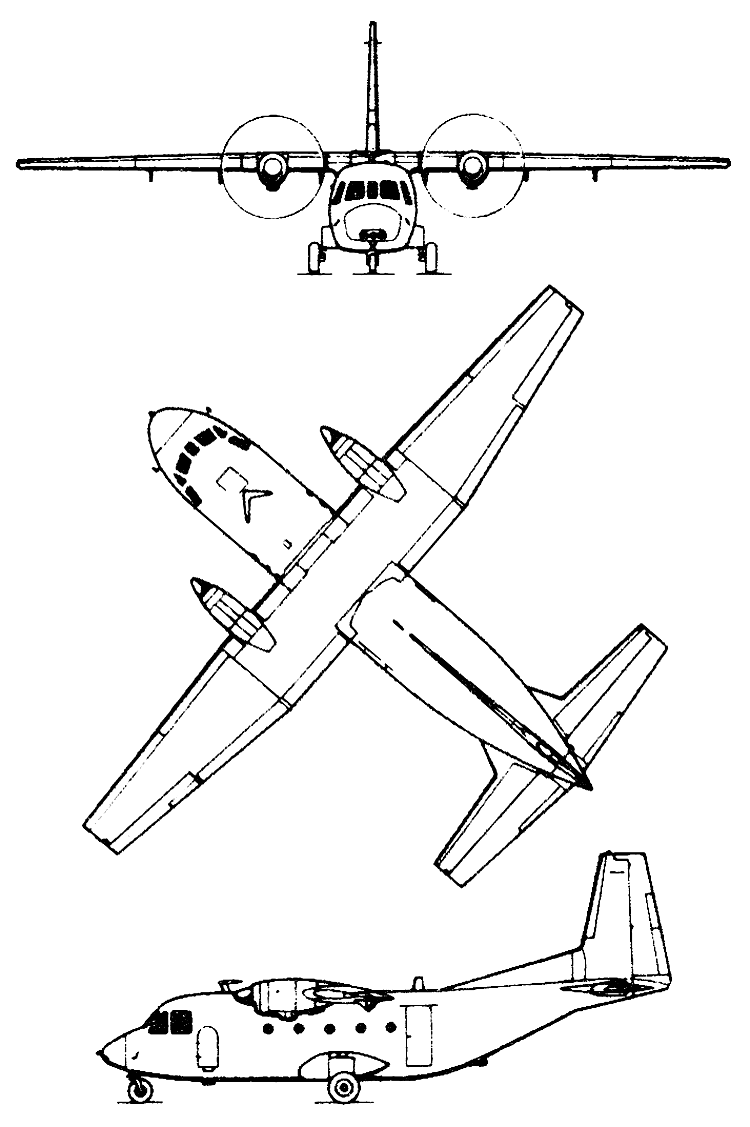 C.212 Aviocar |
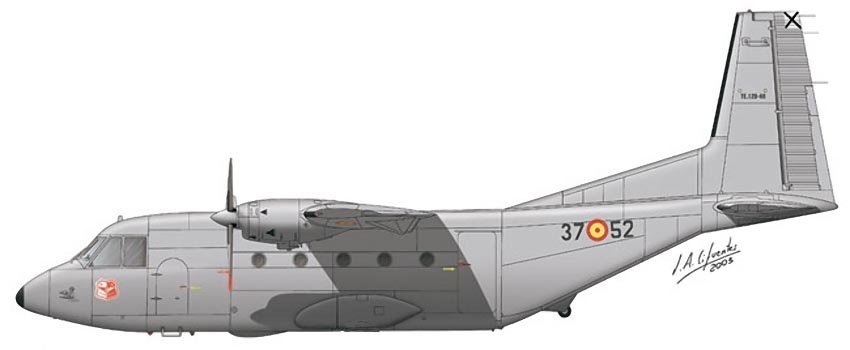 C.212 Aviocar |
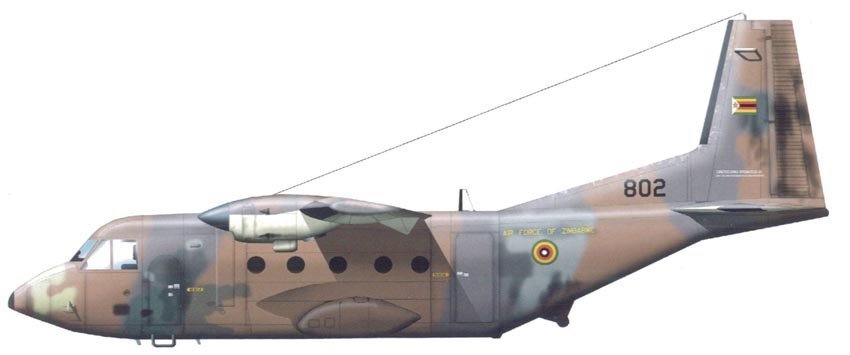 C.212 Aviocar |
Equipo Editorial de ArchivoAéreo
Grupo de investigadores y entusiastas de la aviación dedicados a documentar y preservar la historia aeronáutica mundial. Todos los artículos son revisados para garantizar precisión histórica.
Fuentes y Rigurosidad
La información presentada en esta ficha técnica ha sido compilada a partir de manuales de vuelo desclasificados, archivos históricos y bibliografía especializada. Aunque nos esforzamos por mantener la máxima precisión, algunos datos de rendimiento pueden variar según la variante específica o las condiciones operativas.