C-35
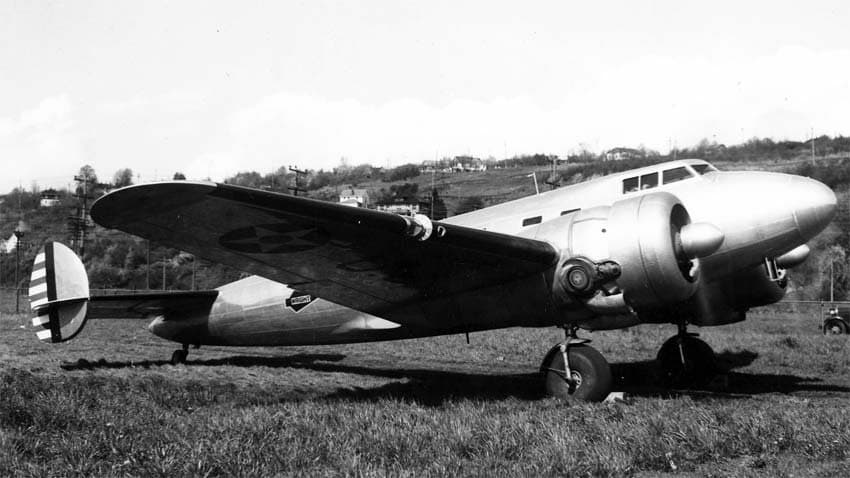
After acquiring a license to manufacture the Fokker C.V-d multi-purpose aircraft, the Swiss Air Force became interested in its possible modification, as the Dutch machine’s design had good reserves for modernization.
In 1934, engineers from the EKW company proposed a project for a substantially modified aircraft. Changes affected the wing and fuselage structure, a new Hispano-Suiza 12Ycrs engine (860 hp) with a new cowling was installed, and armament was strengthened by adding one 20-mm cannon and three machine guns. The purpose of the aircraft, named C-35, did not differ significantly from the Dutch model—the Swiss variant was intended to perform as a heavy fighter, short-range reconnaissance aircraft, and close air support plane.
Development and Capabilities
Fortunately, the C-35’s performance characteristics improved significantly, reaching a maximum speed of 335 km/h and a ceiling of 8000 meters. Tests of two prototypes were conducted in 1935. A few months later, the C-35 entered service with the Swiss Air Force and was mass-produced until 1937, when the last of 88 serial units was assembled.
Six squadrons were equipped with this type of aircraft, which were brought to full combat readiness in September 1939. The C-35’s service was quite peaceful. As more modern aircraft entered operational units by that time, C-35 crews were tasked with patrolling the German and French borders.
Service in World War II
The only instance of combat engagement with enemy fighters was recorded on June 8, 1940, when a large group of German fighters and bombers invaded Switzerland. The C-35 patrolling the border was the first to encounter the Germans. During a brief engagement, a Bf 109E shot down the Swiss reconnaissance aircraft, whose crew perished.
After this incident, every reconnaissance flight was conducted with fighter escort, and there were no further losses. C-35 aircraft remained in service until the end of the war, after which they were transferred to flight schools.
Technical Specifications
| Modification | C-35 |
| Wingspan, m | 13.00 |
| Length, m | 9.25 |
| Height, m | 3. 75 |
| Wing area, m2 | 32.00 |
| Empty weight | 2190 |
| Normal takeoff weight | 31 30 |
| Engine type | 1 Piston engine Hispano-Suiza 12Ycrs |
| Power, hp | 1 x 860 |
| Maximum speed, km/h | 335 |
| Cruising speed, km/h | 2 76 |
| Practical range, km | 750 |
| Maximum rate of climb, m/min | 690 |
| Service ceiling, m | 8000 |
| Crew | 2 crew |
| Armament | one 20-mm Hispano-Suiza motor cannon, firing through the hollow propeller shaft, two 7.5-mm machine guns in the leading edges of the lower wing and one 7.5-mm machine gun on a turret in the rear cockpit, plus up to 100 kg of bombs on two pylons under the lower wing (ten 10-kg bombs were usually suspended) |
Image and diagram gallery of the C-35
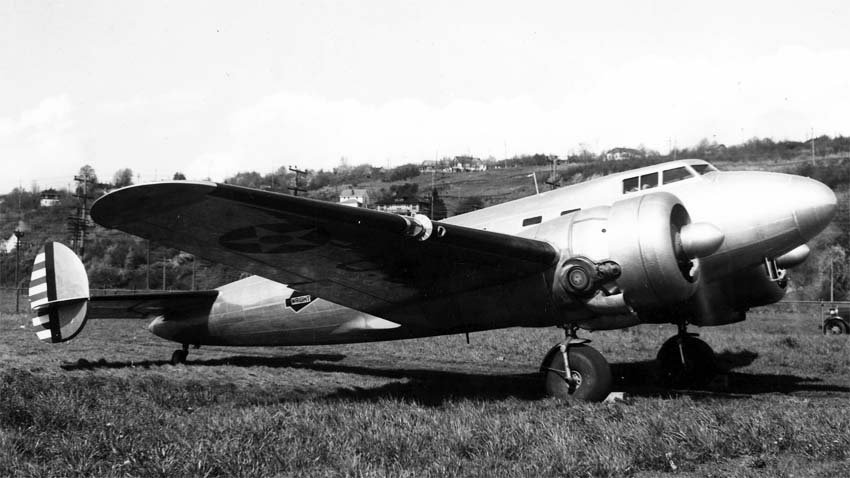 C-35 |
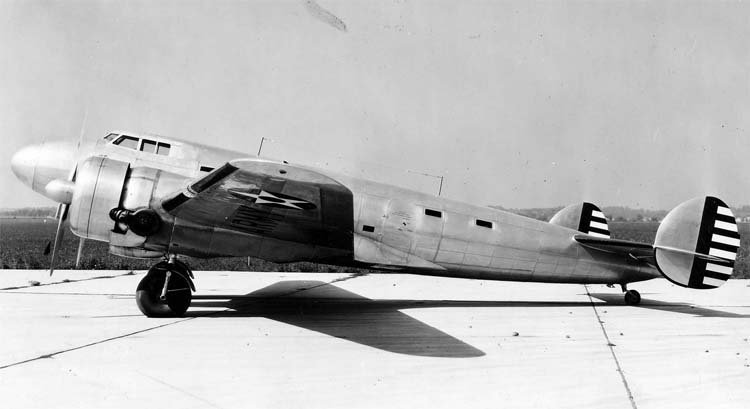 C-35 |
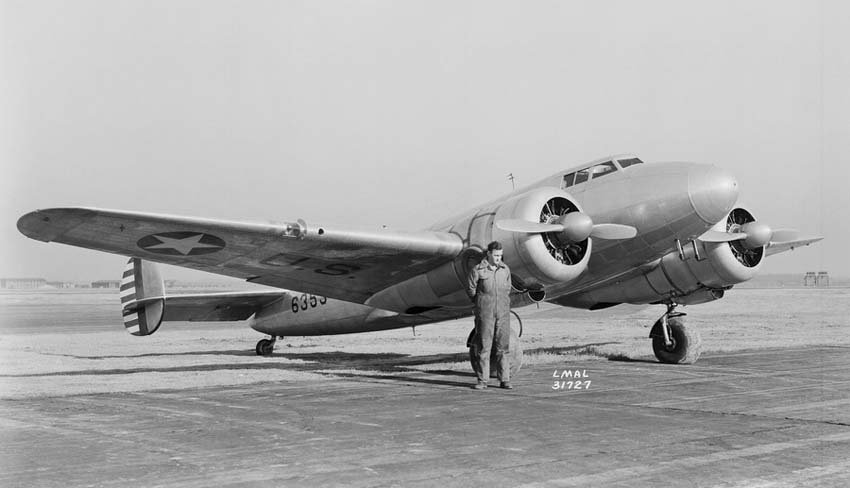 C-35 |
 C-35 |
 C-35 |
 C-35 |
 C-35 |
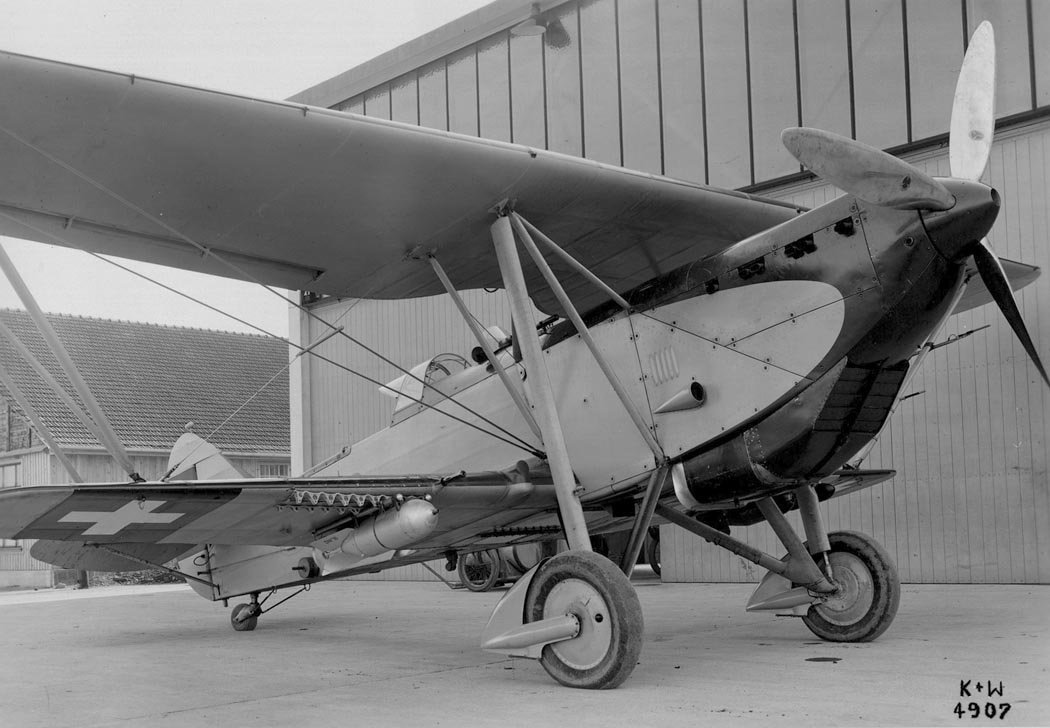 C-35 |
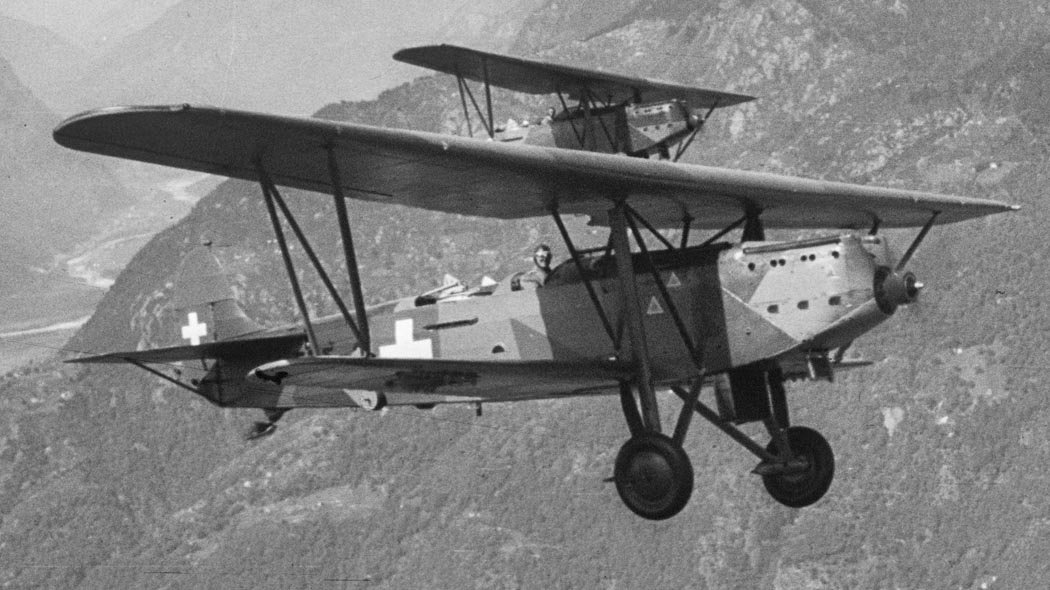 C-35 |
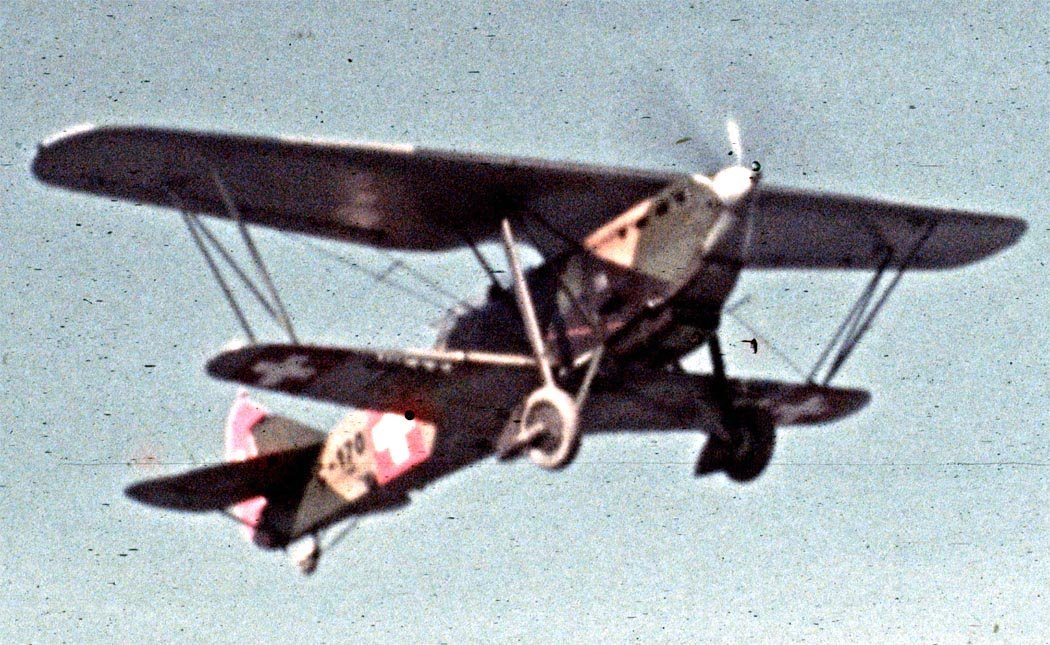 C-35 |
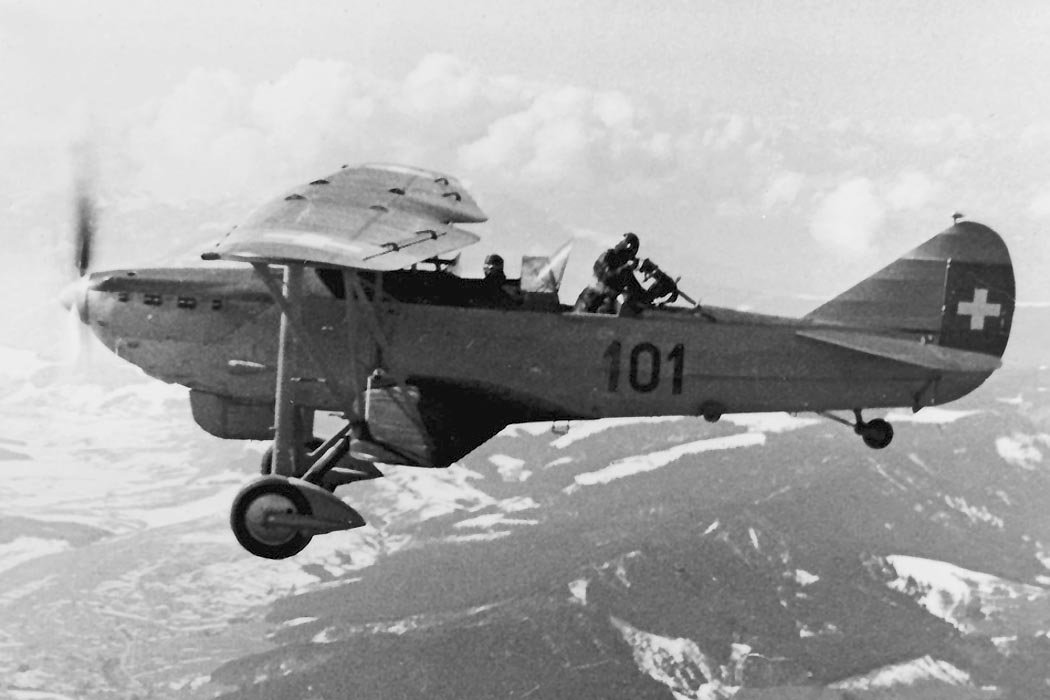 C-35 |
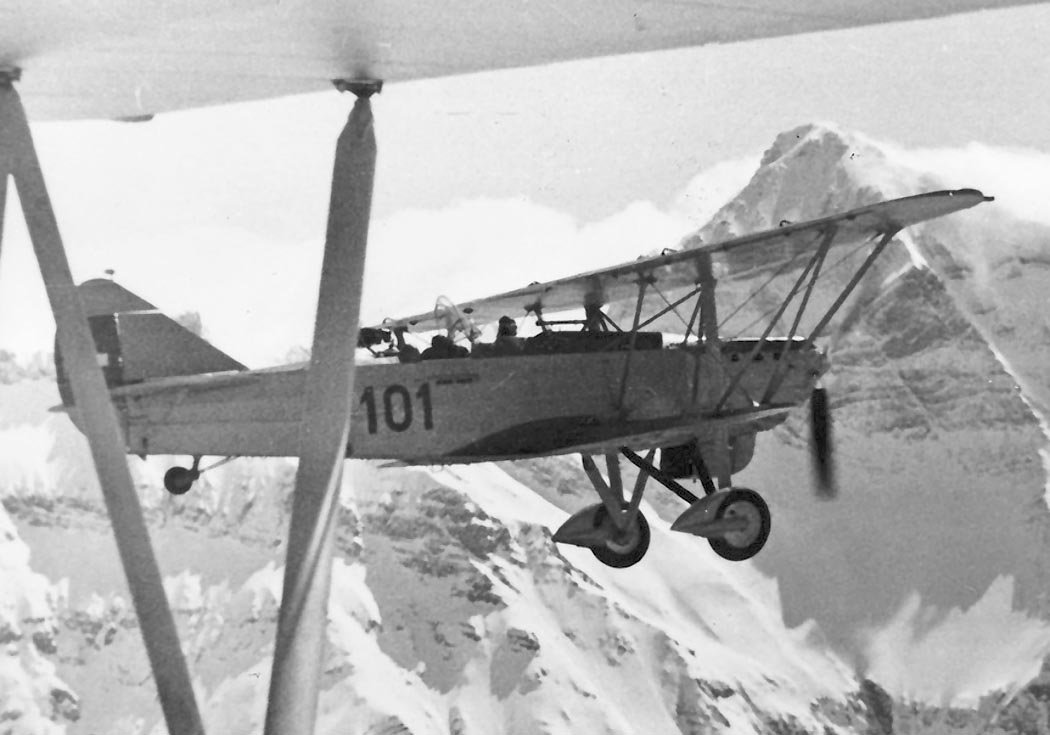 C-35 |
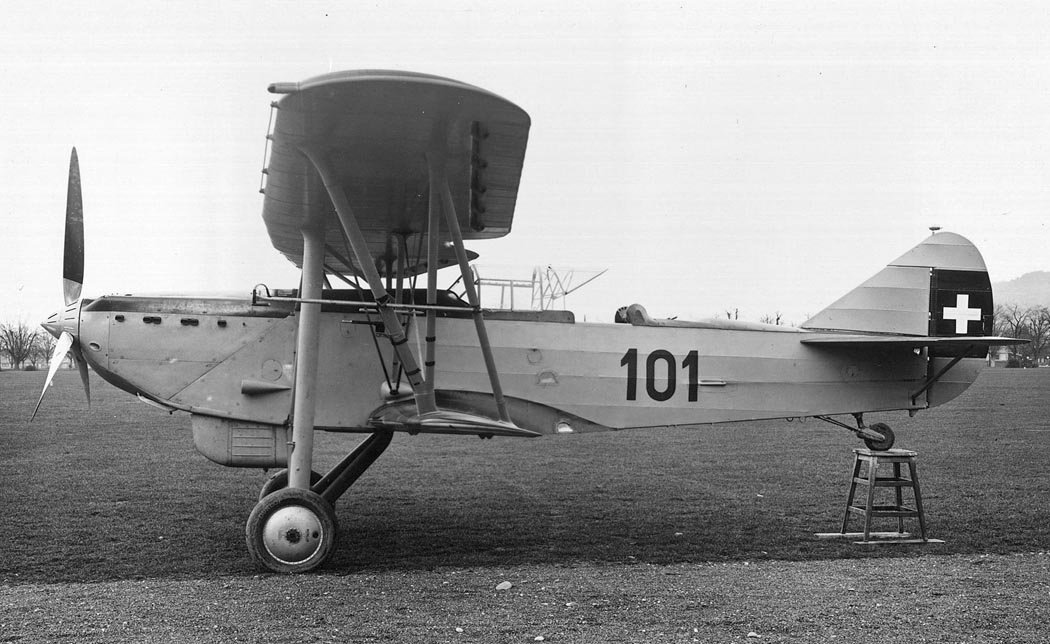 C-35 |
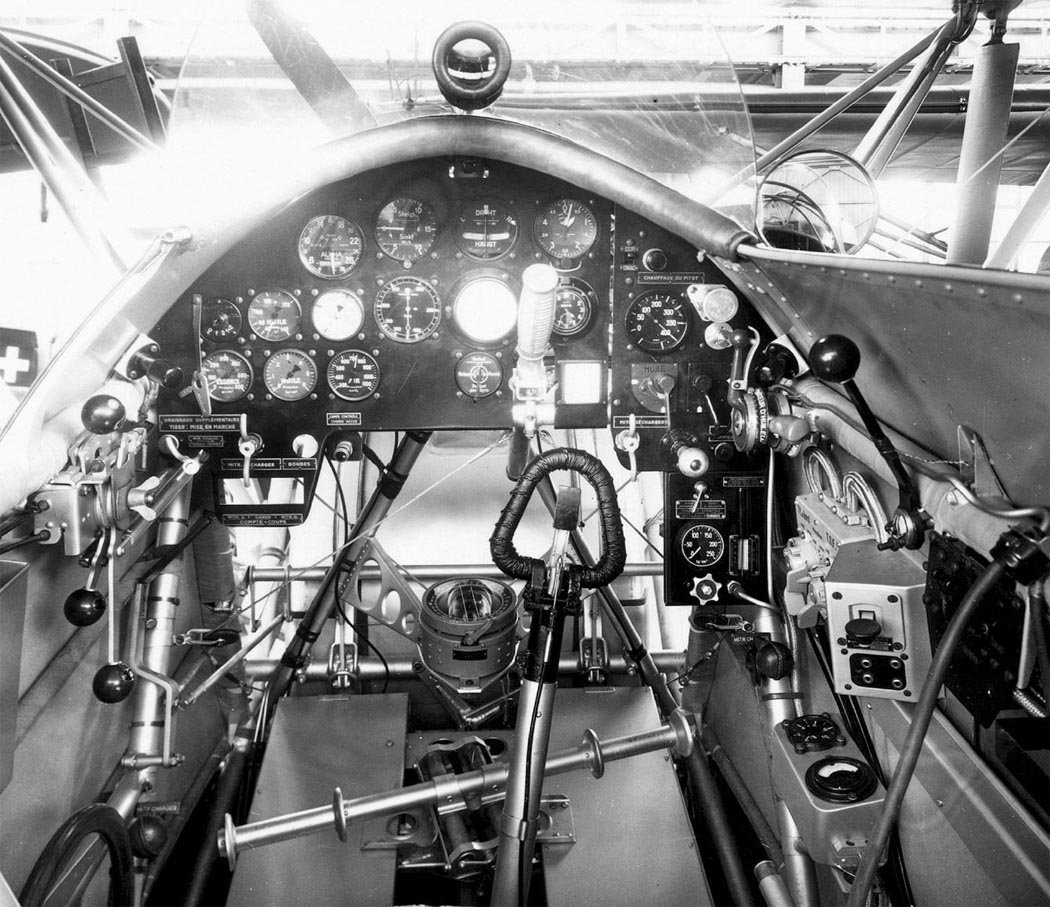 C-35 |
Equipo Editorial de ArchivoAéreo
Grupo de investigadores y entusiastas de la aviación dedicados a documentar y preservar la historia aeronáutica mundial. Todos los artículos son revisados para garantizar precisión histórica.
Fuentes y Rigurosidad
La información presentada en esta ficha técnica ha sido compilada a partir de manuales de vuelo desclasificados, archivos históricos y bibliografía especializada. Aunque nos esforzamos por mantener la máxima precisión, algunos datos de rendimiento pueden variar según la variante específica o las condiciones operativas.