C-6bis
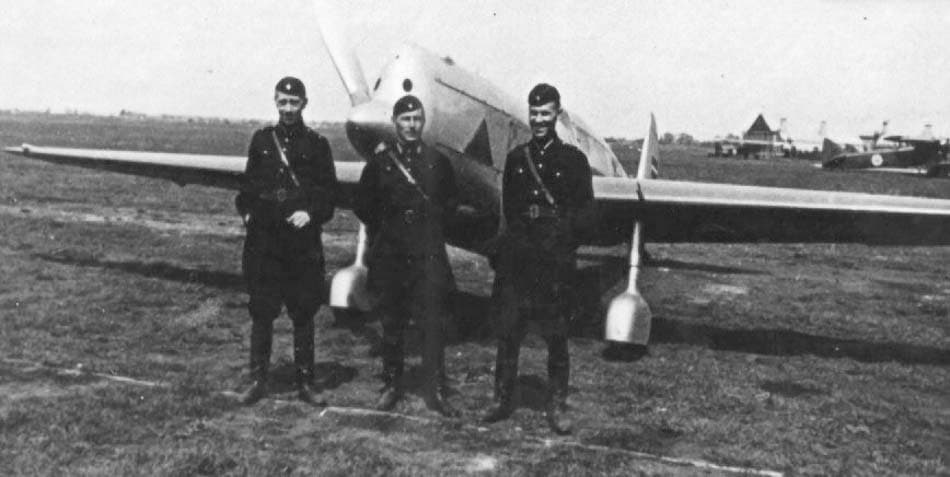
Origins and Design
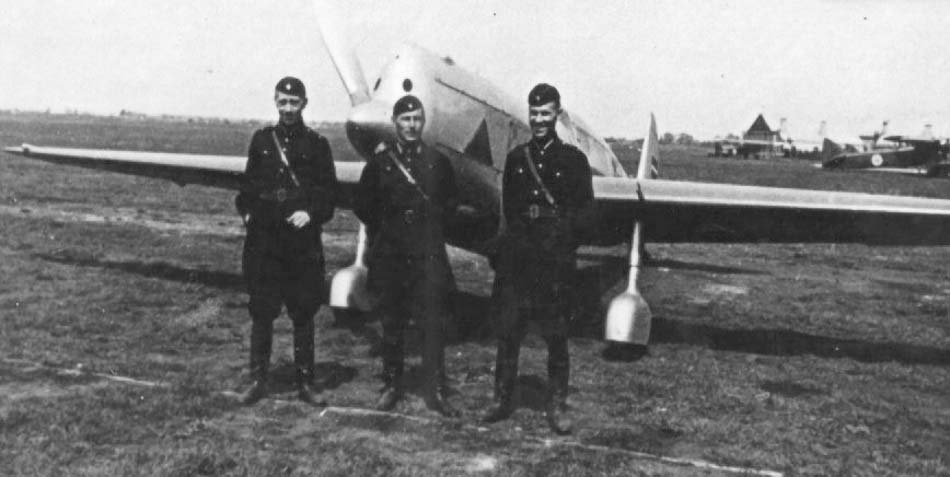
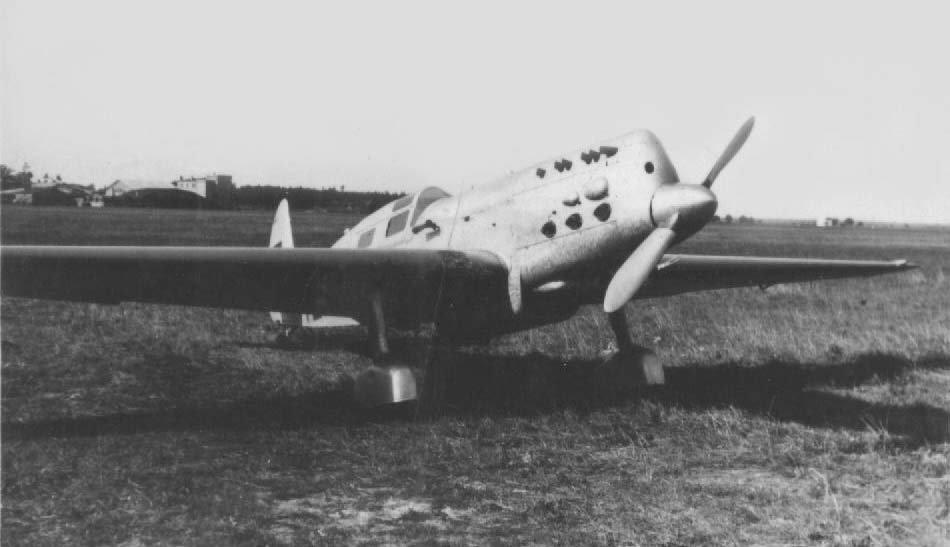
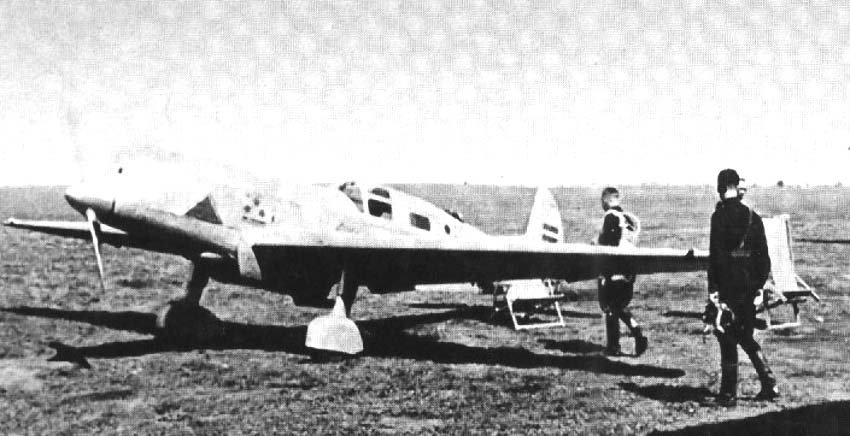
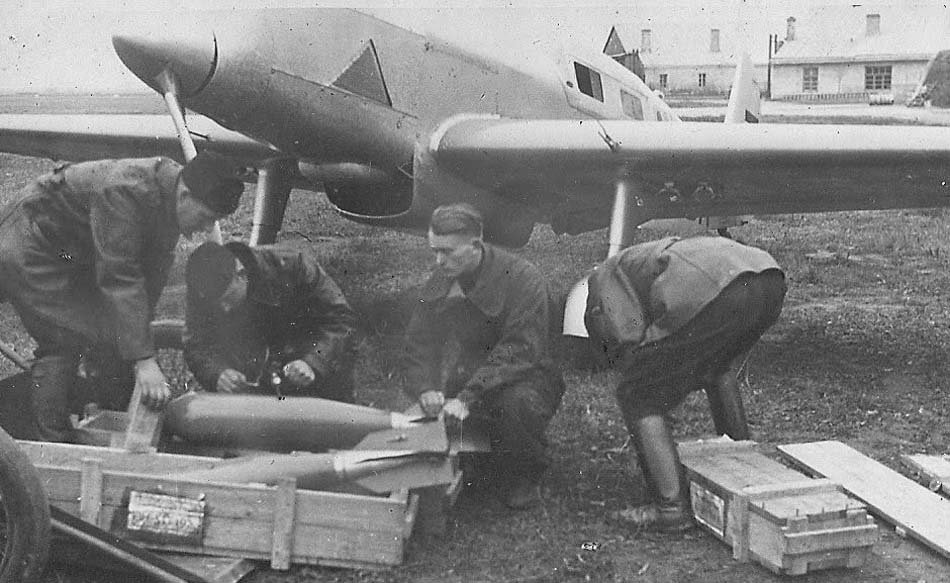
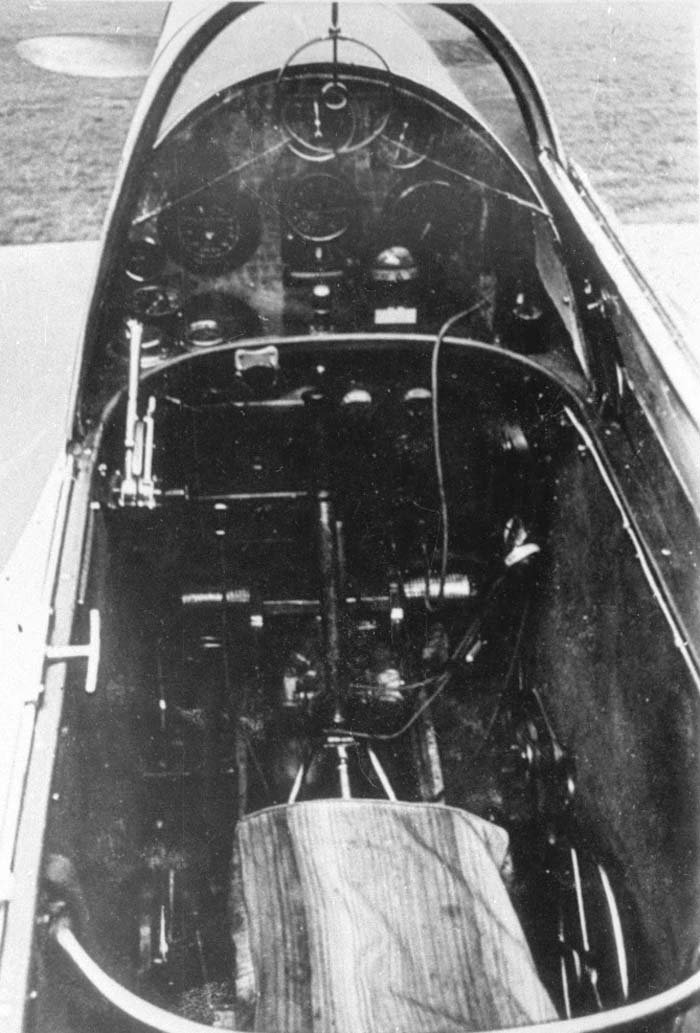
The C-6bis was a training dive bomber, designed by Herberts Cukurs and constructed in 1940. It stood out as the sole all-metal aircraft of its class ever built in Latvia. This particular model was developed based on the successful C-6 Tris Zvaigznes, an aircraft renowned for completing a flight to Japan.
Technical Evolution and Production
A significant upgrade for the C-6bis involved the installation of a new, more powerful engine. The Armaments Department of the Latvian Ministry of Defense had placed an order for the construction of a series of these aircraft, highlighting the potential and confidence in Cukurs’ design.
Flight Testing and Historical Context
Flight tests for the C-6bis were conducted by pilots from the 2nd Fighter Squadron, including Captain J. Balodis and Senior Lieutenants A. Graudiņš and A. Grants. These crucial flights concluded on June 7, 1940, just ten days before the Sovietization of Latvia, effectively ending this promising project.
Technical Specifications
| Modification | C-6bis |
| Upper wingspan, m | 11.00 |
| Aircraft length, m | 8.50 |
| Aircraft height, m | 2.40 |
| Wing area, m2 | 12.80 |
| Empty weight | 680 |
| Maximum takeoff weight | 1340 |
| Engine type | 1 Piston engine Hispano Suiza 6 |
| Power, hp | 1 x 280 |
| Maximum speed, km/h | 440 |
| Practical range, km | 680 |
| Practical ceiling, m | 5800 |
| Crew, crew members | 2 |
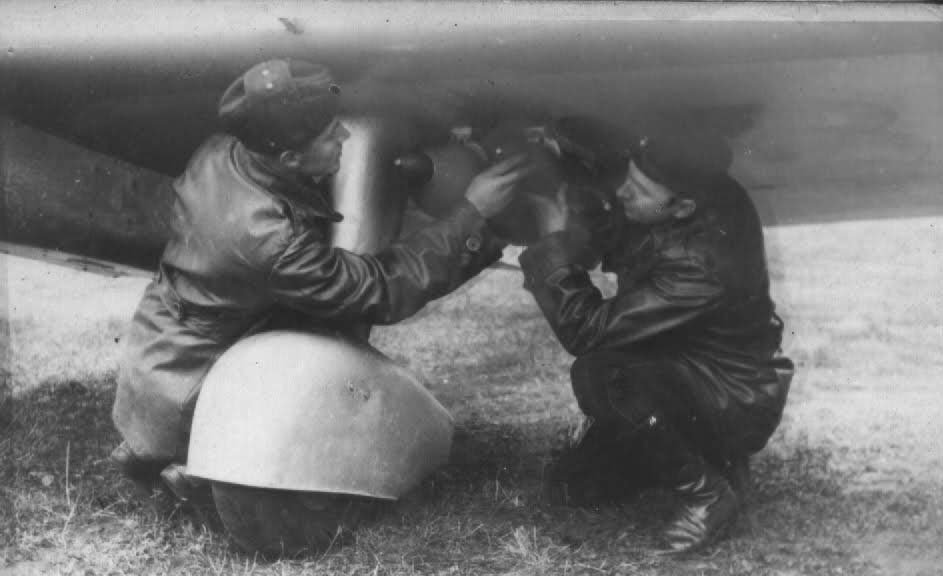
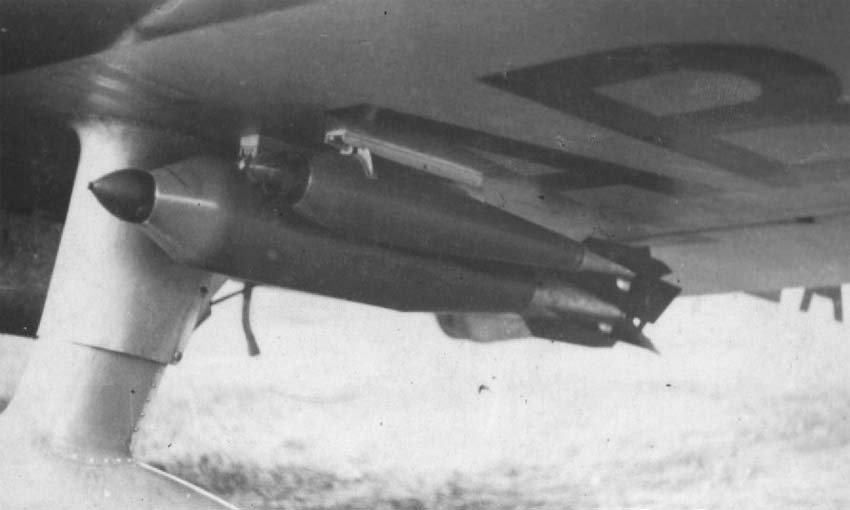
| Armament | several light bombs weighing up to 50 kg |
Image and diagram gallery of the C-6bis
 C-6bis |
 C-6bis |
 C-6bis |
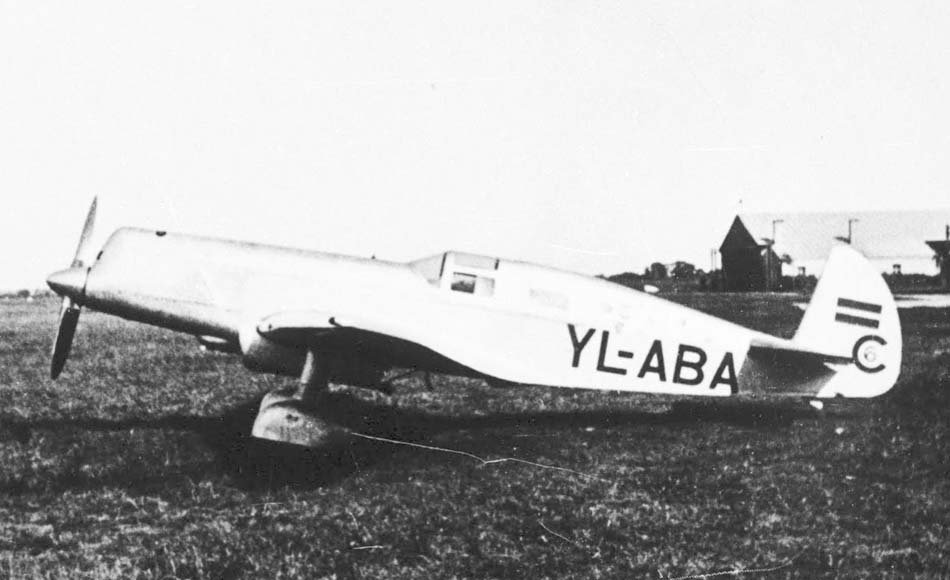 C-6bis |
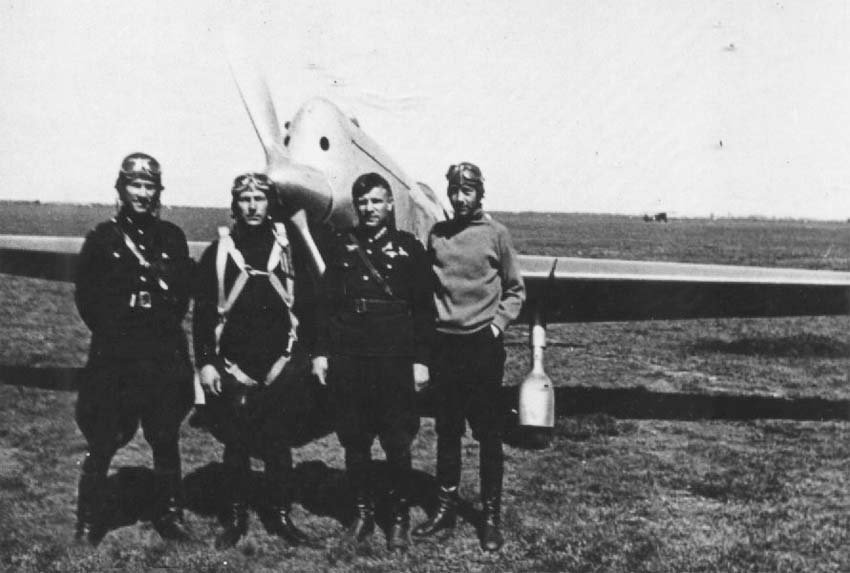 C-6bis |
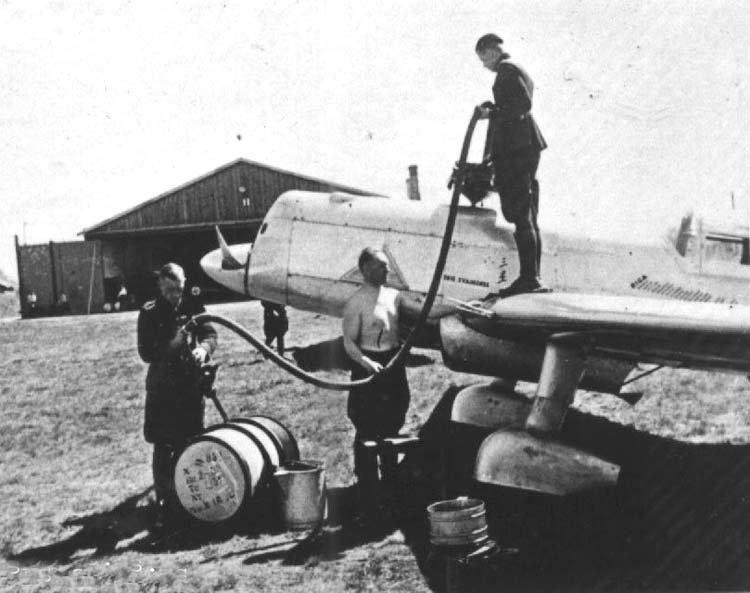 C-6bis |
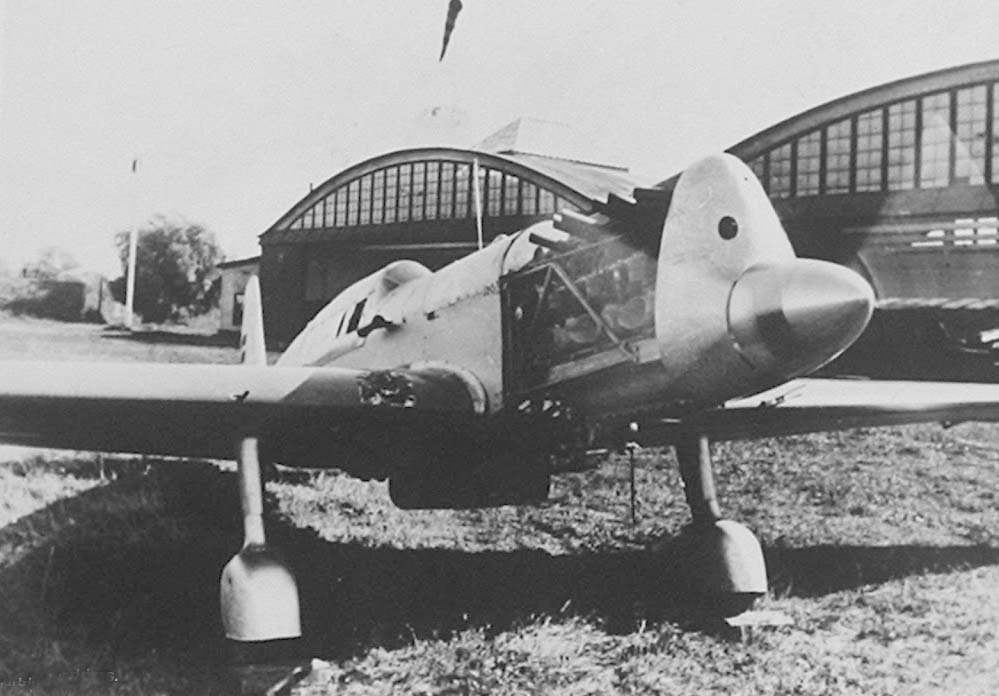 C-6bis |
 C-6bis |
 C-6bis |
 C-6bis |
 C-6bis |
 C-6bis |
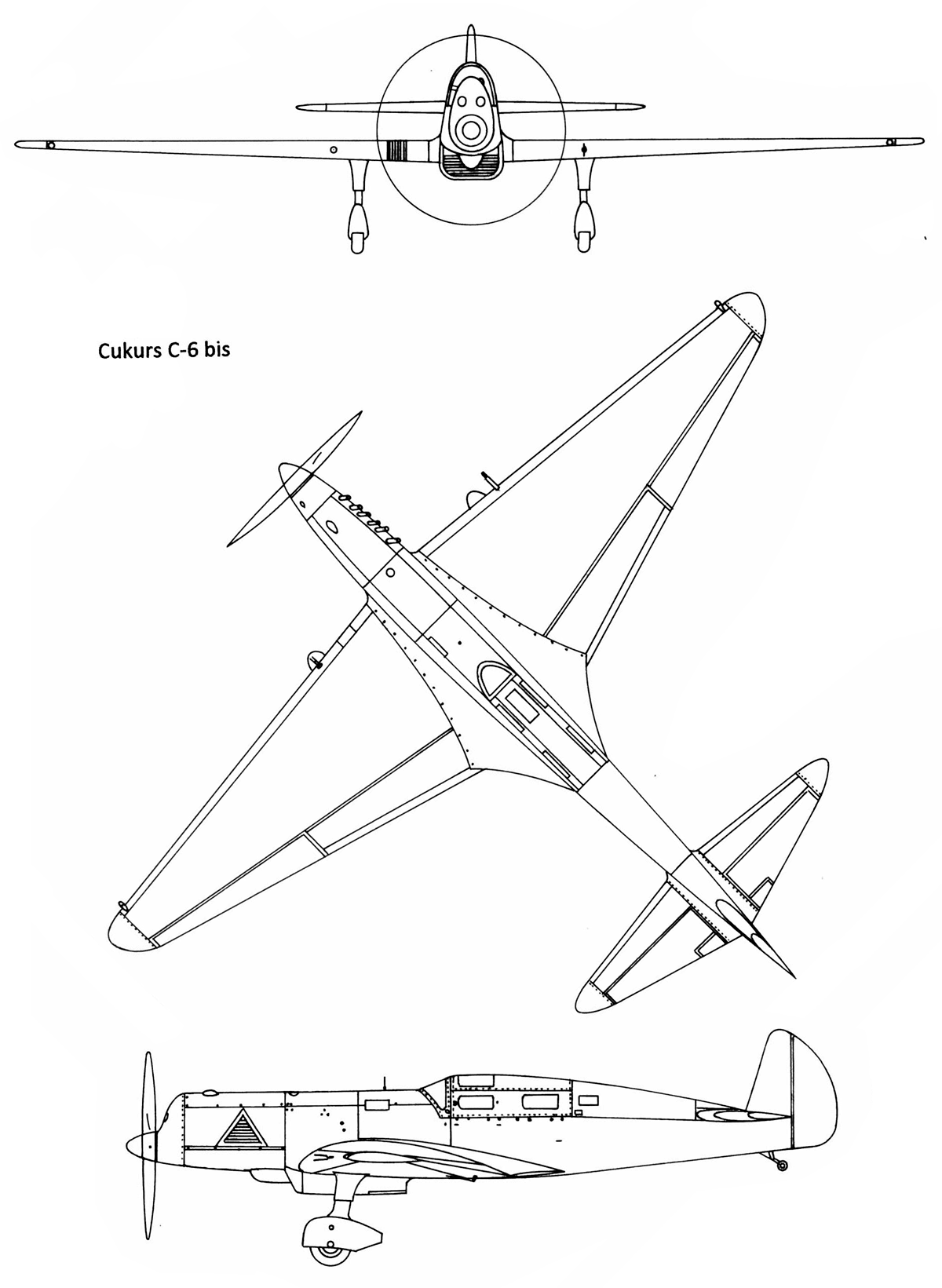 C-6bis |
Equipo Editorial de ArchivoAéreo
Grupo de investigadores y entusiastas de la aviación dedicados a documentar y preservar la historia aeronáutica mundial. Todos los artículos son revisados para garantizar precisión histórica.
Fuentes y Rigurosidad
La información presentada en esta ficha técnica ha sido compilada a partir de manuales de vuelo desclasificados, archivos históricos y bibliografía especializada. Aunque nos esforzamos por mantener la máxima precisión, algunos datos de rendimiento pueden variar según la variante específica o las condiciones operativas.