Ca.13
Development and Purpose
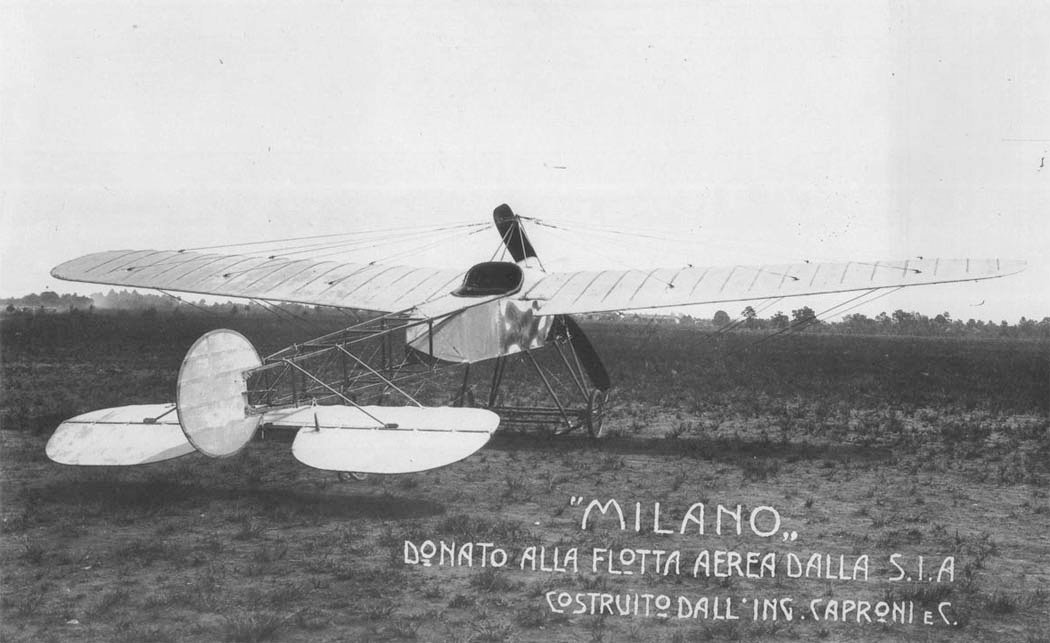
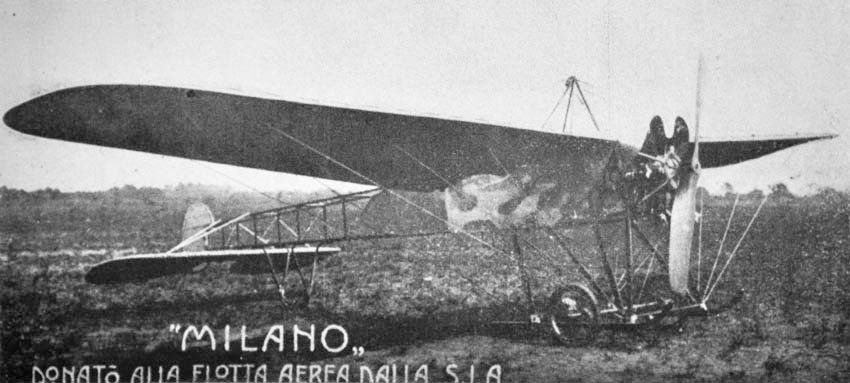
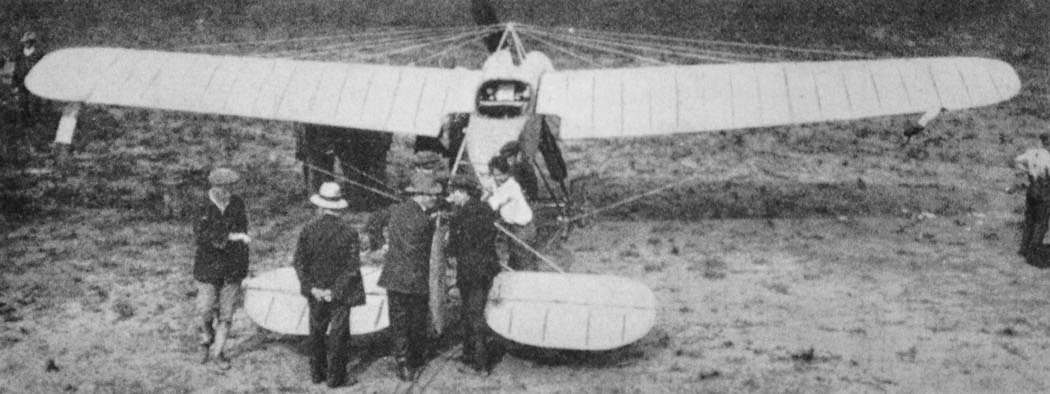
The light aircraft Ca.13 (or Cm.7) was Giovanni Caproni’s sixth design, developed jointly with engineer Agostino De Agostini and aviator Gherardo Baragiola at the Vizzola Ticino workshops. This aircraft was intended for the initial training of military pilots, but could also be used in civil aviation schools.
It made its first flight in the summer of 1912, with some sources indicating June 11 as the exact date. Two examples of the aircraft were produced, each with a particular trajectory in its brief operational history.
Operational History and Incidents
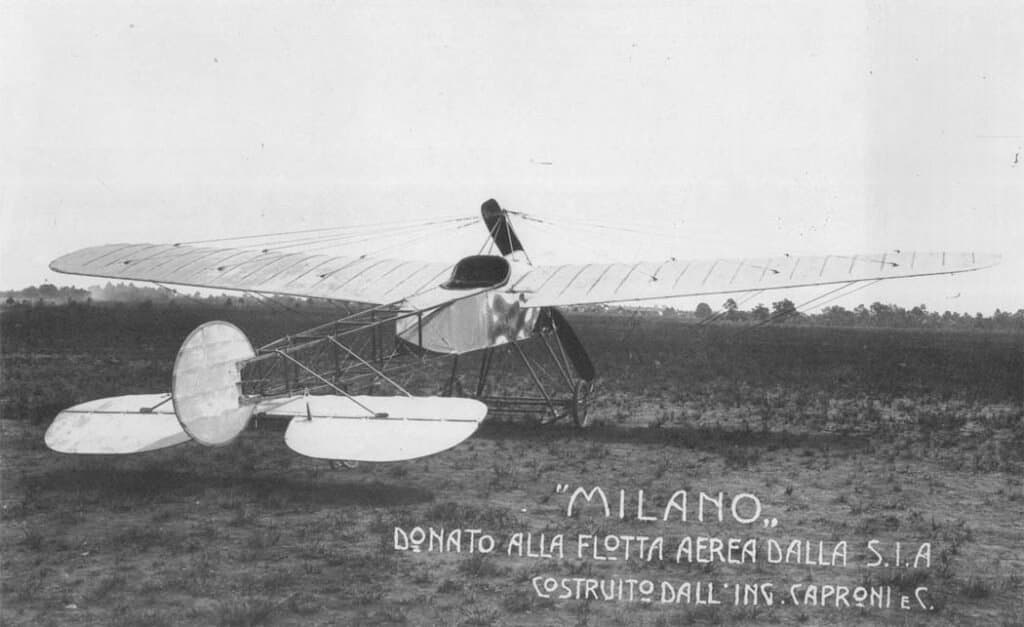
The first Ca.13 participated in a promotional race in Austria, while the second, named “Milano I,” was presented to the Società Italiana di Aviazione (SIA) with the intention of supplying it to the military. During test and demonstration flights, both aircraft suffered accidents.
Despite these incidents, the aircraft were restored and re-engined. However, military authorities changed their perspective on pilot training, which led to the cancellation of the planned order.
The Fate of the Ca.13
Thus, the Ca.13, despite its potential as a trainer and the efforts of its designers, never entered military service. Its short history highlights an early moment in Italian aviation development and the initial challenges in the relationship between aviation pioneers and military needs.
Technical Specifications
| Modification | Ca.13 |
| Upper wingspan, m | 11.28 |
| Aircraft length, m | 8.40 |
| Aircraft height, m | 3.00 |
| Wing area, m2 | 22.00 |
| Empty weight | 400 |
| Maximum takeoff weight | 650 |
| Engine type | 1 Piston engine Anzani |
| Power, hp | 1 x 70 |
| Maximum speed, km/h | 130 |
| Cruising speed, km/h | 105 |
| Crew, crew members | 2 |
Image gallery of the Ca.13