Ca.9
Design and Early Flights
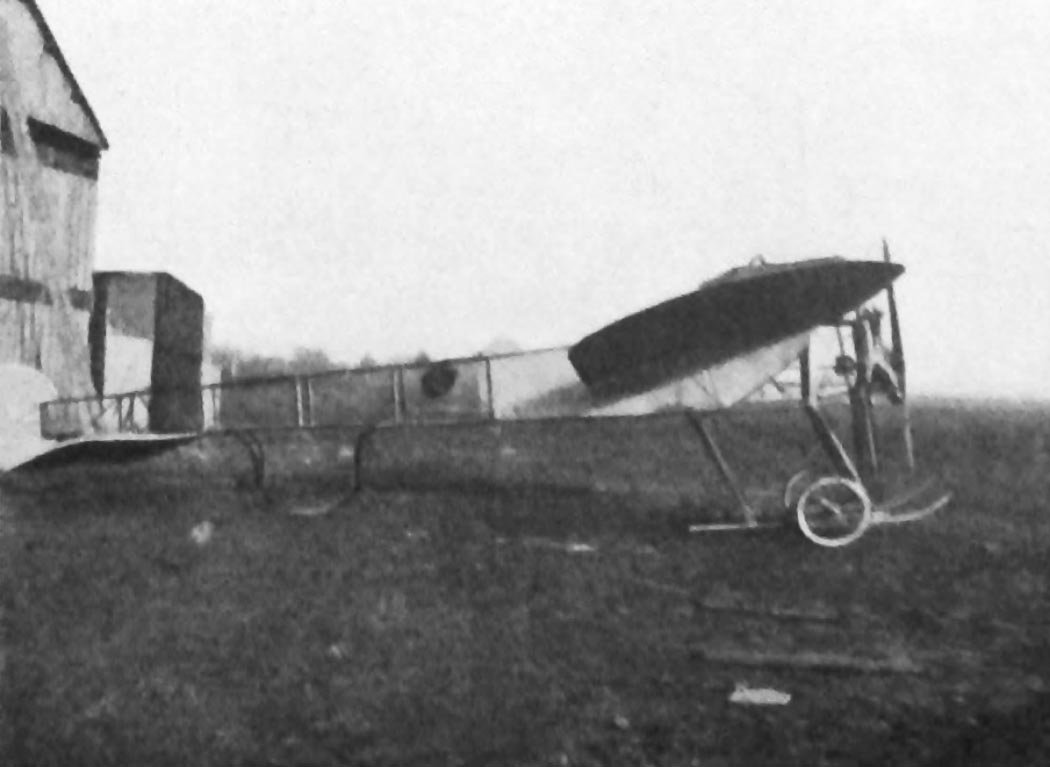
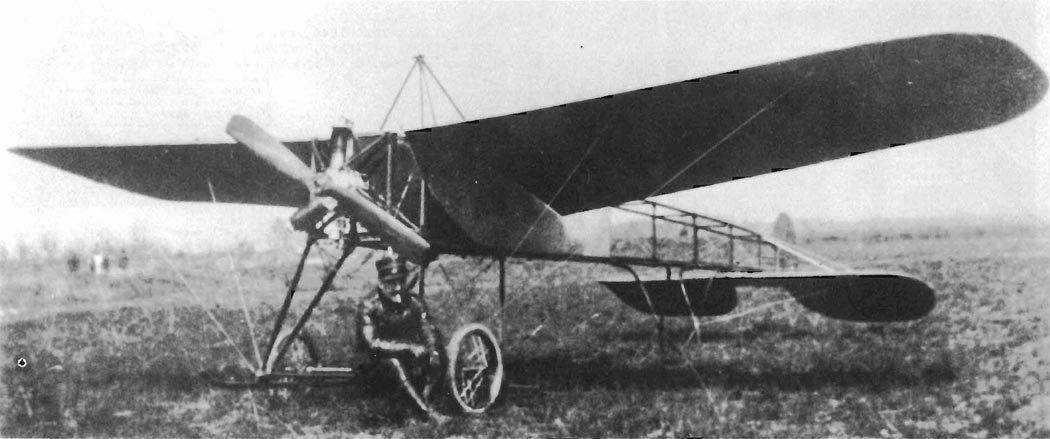
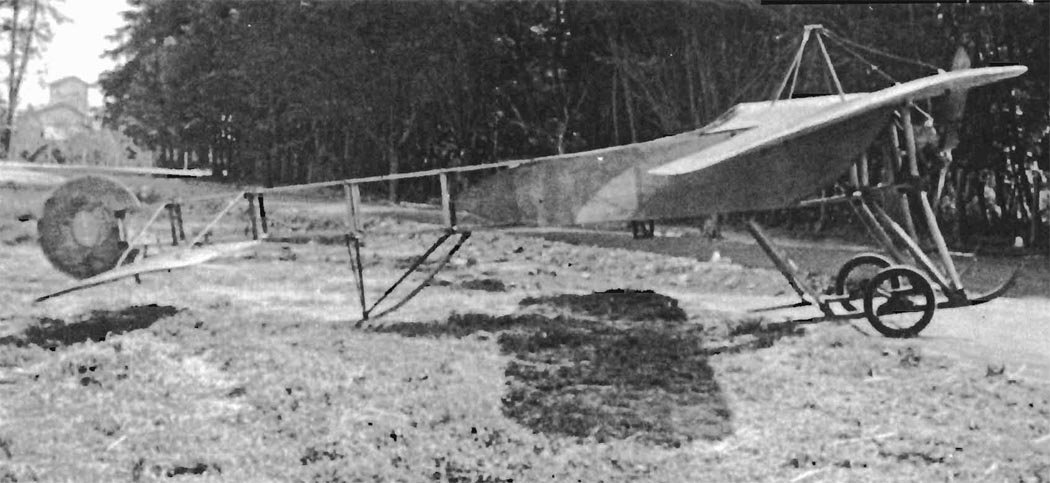
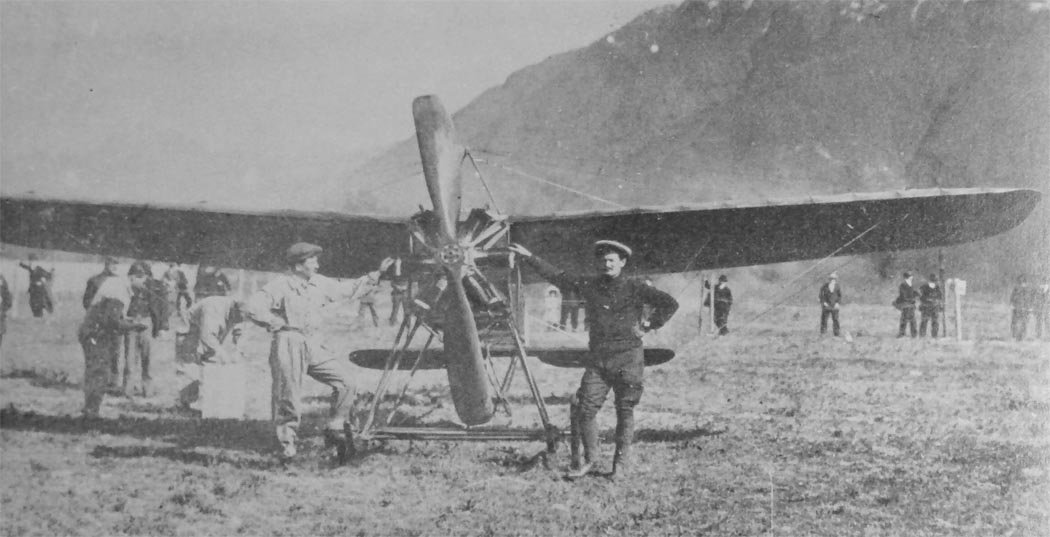
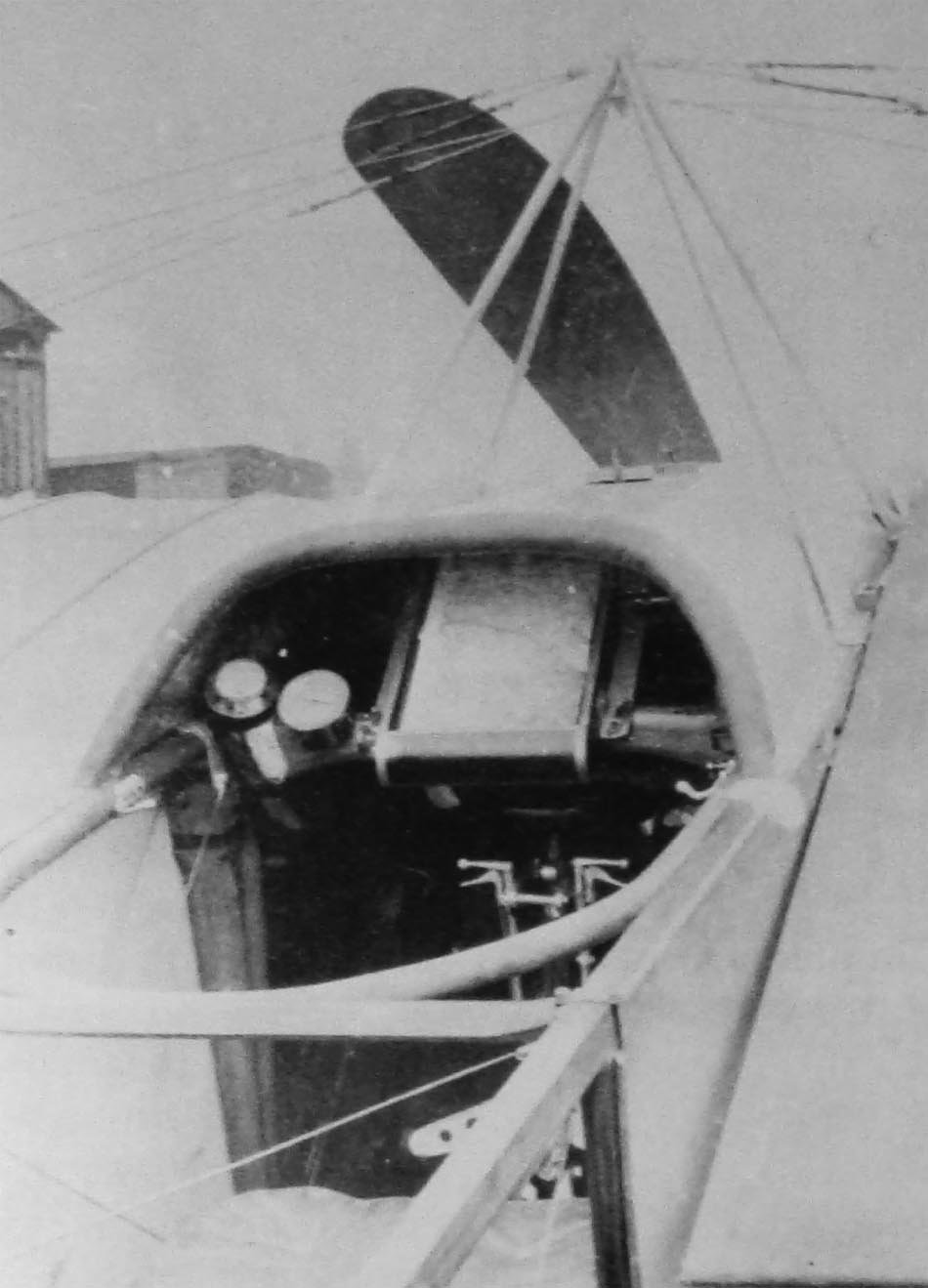
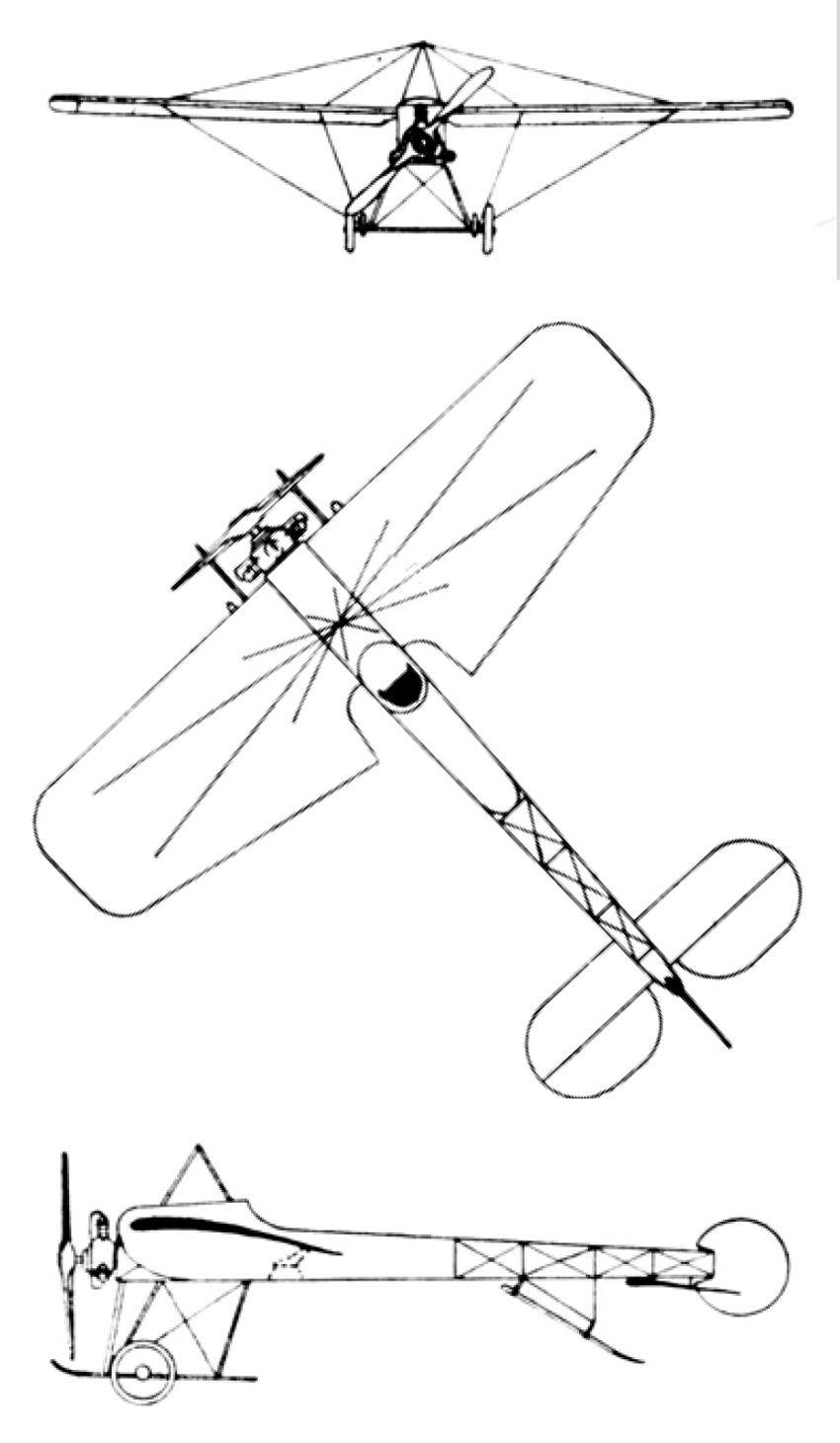
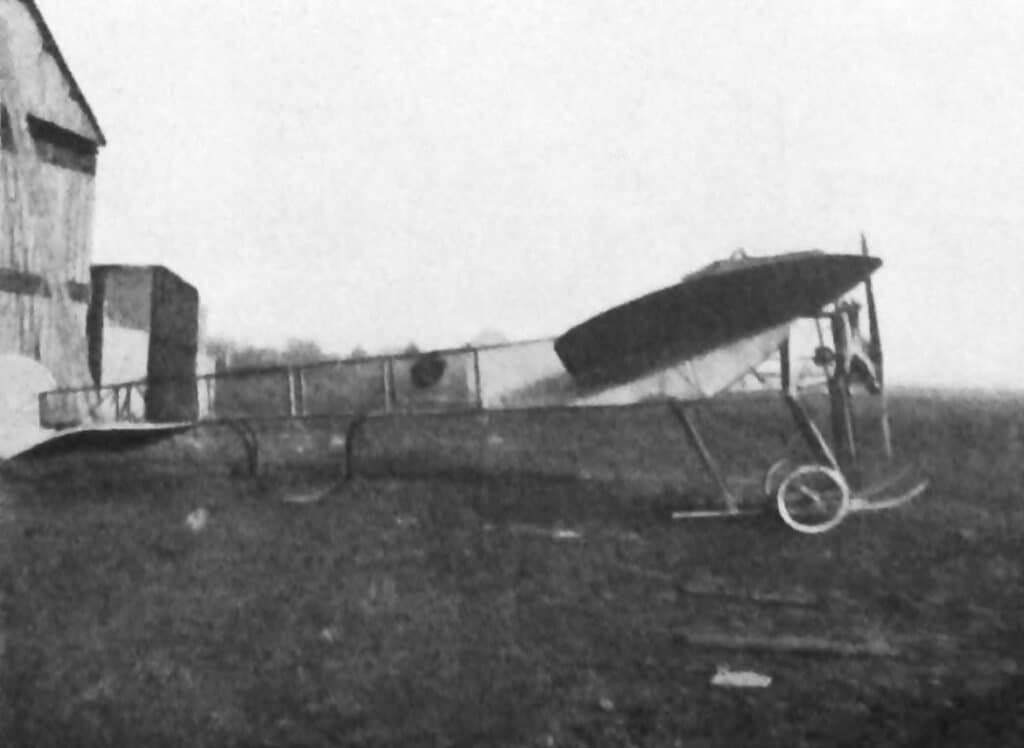
The Ca.9, initially designated Cm.2 (Caproni monoplane), was the second monoplane designed by Giovanni Battista Caproni. Constructed in the spring of 1911, it bore a strong resemblance to its predecessor, featuring minor structural modifications such as a shortened fuselage and wings with increased surface area. Its maiden flight was conducted by Gerardo Baragiola in the summer of 1911.
A Record-Breaking Achievement
Following successful trials, the aircraft, much like the Ca.8, was assigned to the flight school attached to the workshops. On January 20 (30), 1912, Enrico Cobioni piloted the Ca.9 to break the world speed record for aircraft powered by engines producing less than 40 hp.
Preservation and Return Home
The Ca.9 holds a unique place in aviation history as the sole surviving example among the 71 Caproni monoplanes ever built. In 1986, commemorating the constructor’s centenary, it was transferred to the National Air and Space Museum in Washington, where it underwent extensive restoration work. Just two years later, the historic Ca.9 was returned to Italy, finding its permanent home in the newly established Caproni Museum in Trentino, where it is preserved and displayed to this day.
Technical Specifications
| Modification | Ca.9 |
| Upper wingspan, m | 8.88 |
| Aircraft length, m | 7.80 |
| Aircraft height, m | 3.00 |
| Wing area, m2 | 16.00 |
| Empty weight | 220 |
| Maximum takeoff weight | 385 |
| Engine type | 1 Piston engine Anzani |
| Power, hp | 1 x 35 |
| Maximum speed, km/h | 90 |
| Cruising speed, km/h | 75 |
| Crew, crew members | 1 |
Image gallery of the Ca.9