CAL-1 Triad
Origins and Innovative Design
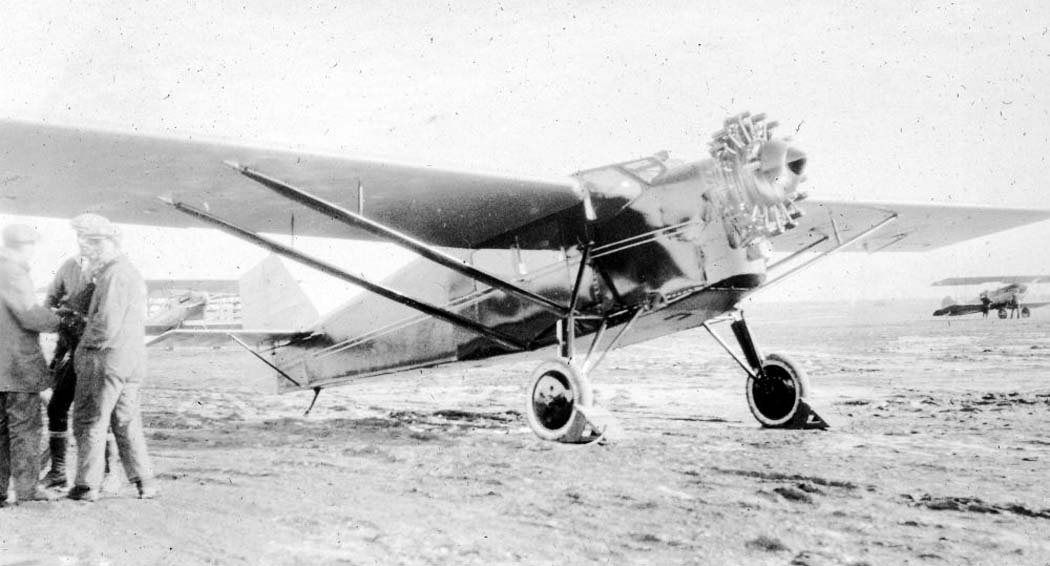
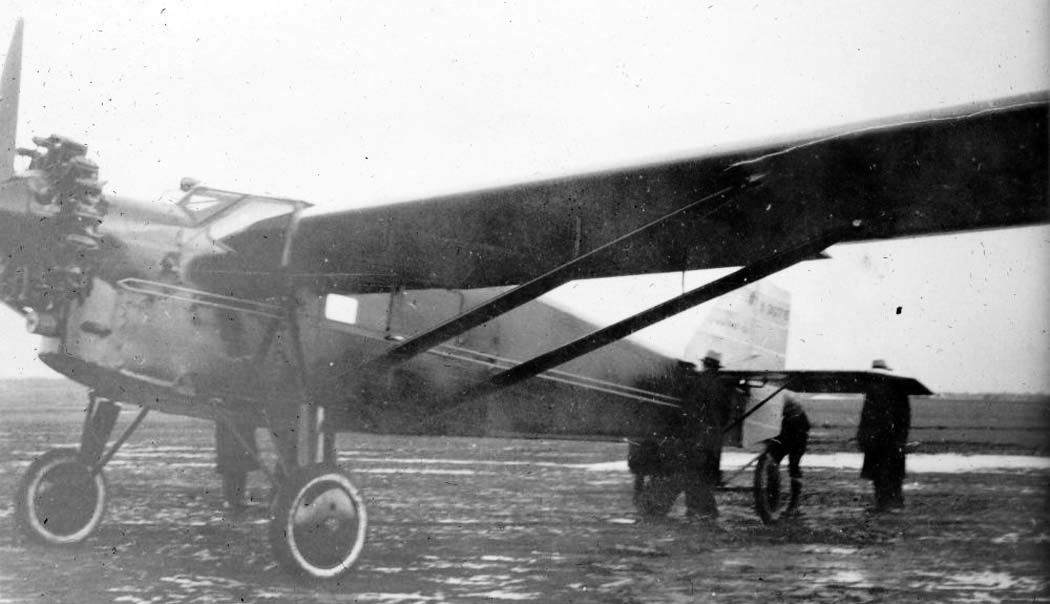
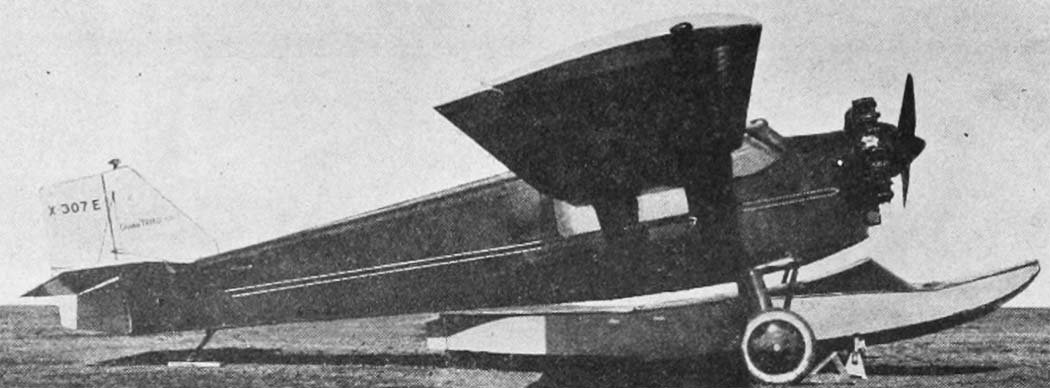
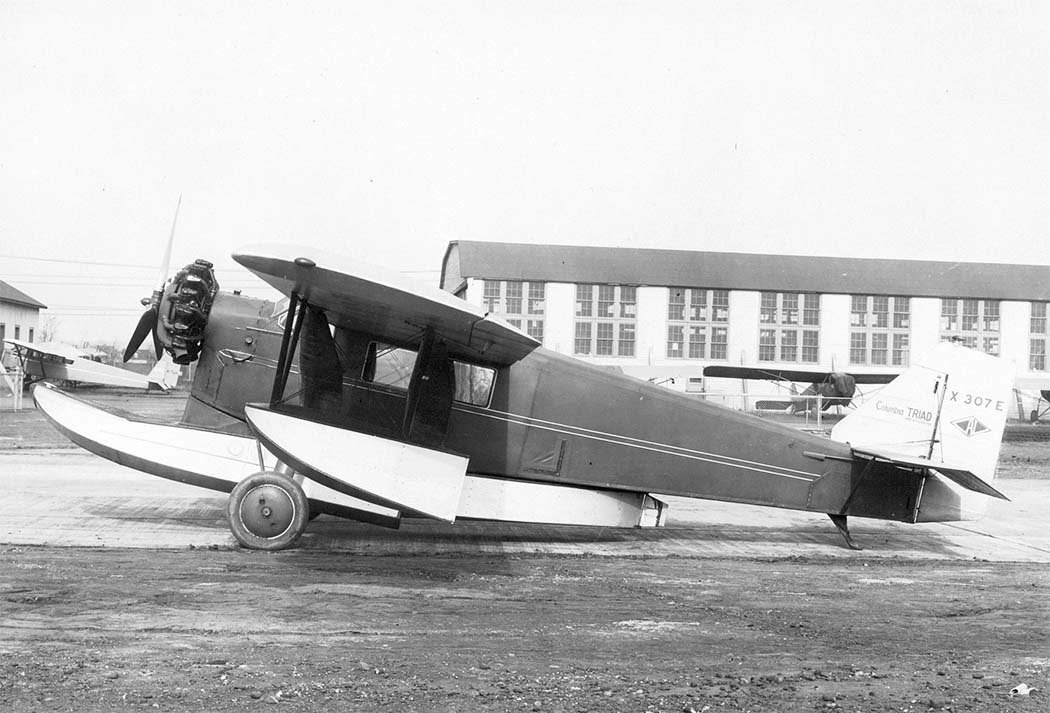
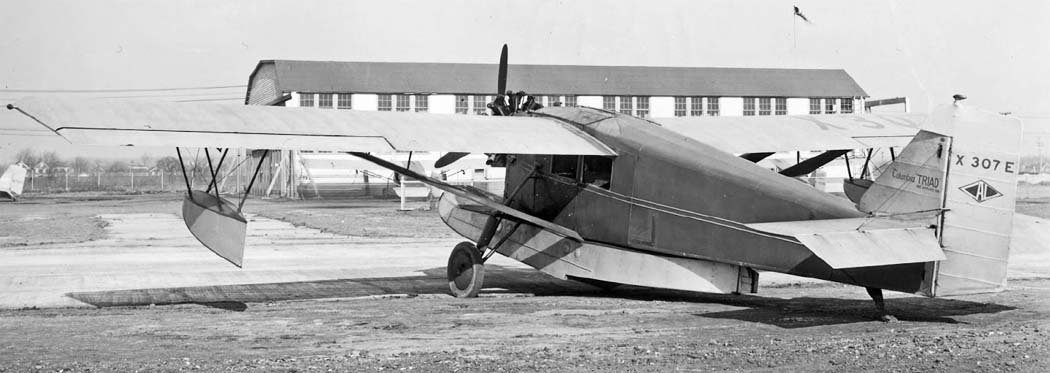
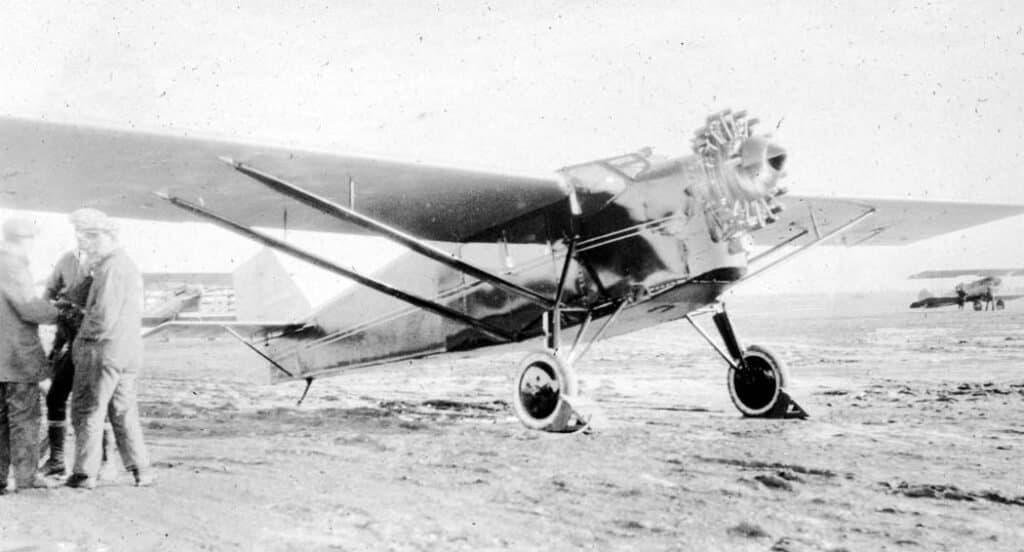
In 1927, Charles A. Levine and Giuseppe Mario Bellanca established Columbia Air Liners Inc., later known as Columbia Aircraft Corp. The company’s second aircraft, designed by Giuseppe Bellanca, was designated the CAL-1 Triad. This six-seater high-wing monoplane was initially powered by a 220 hp Wright J-5 engine.
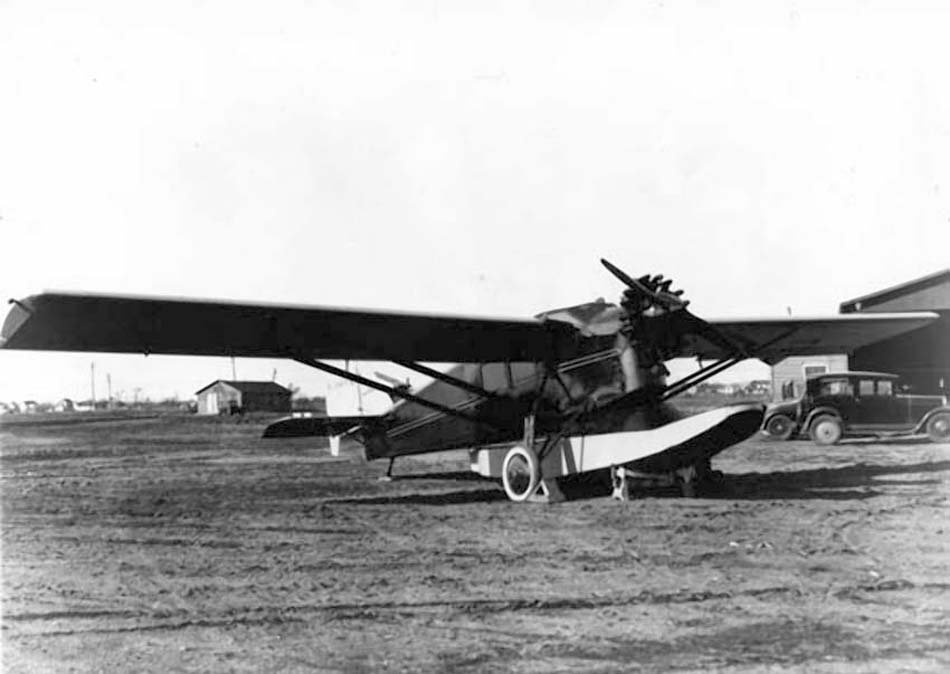
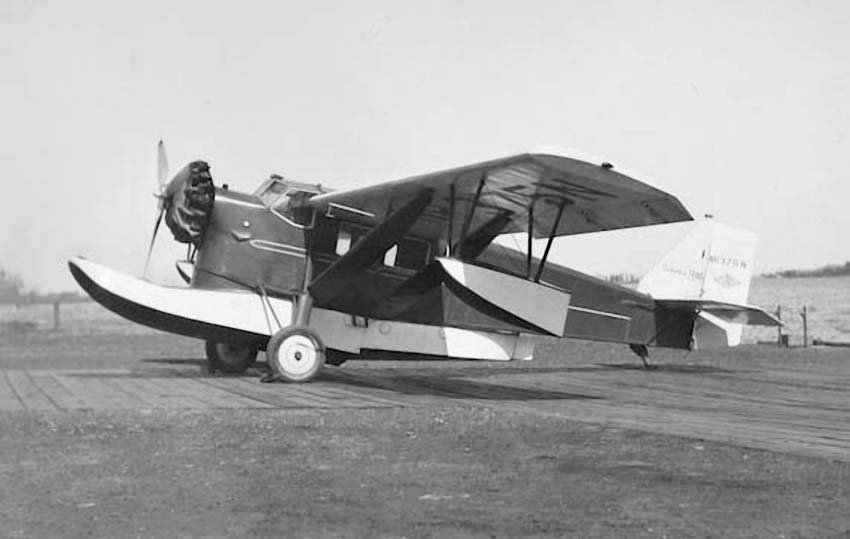
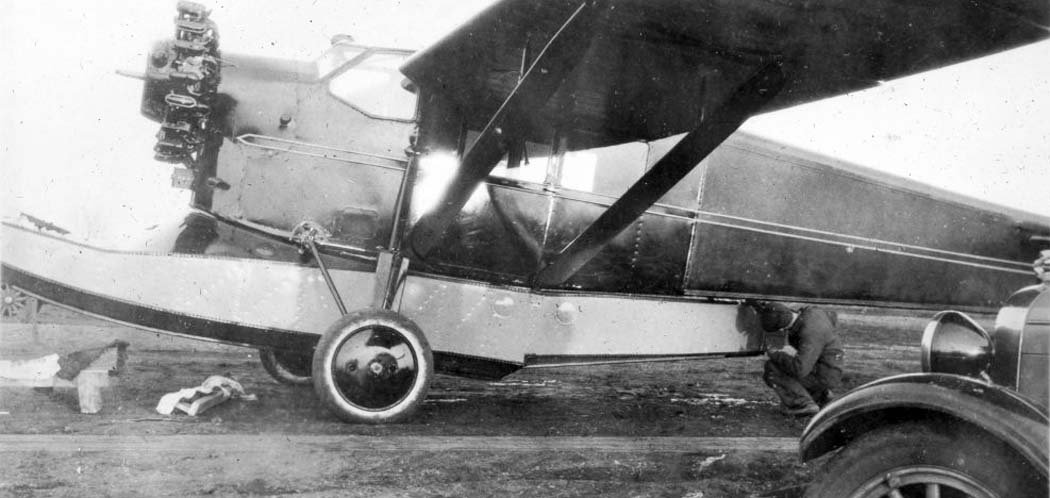
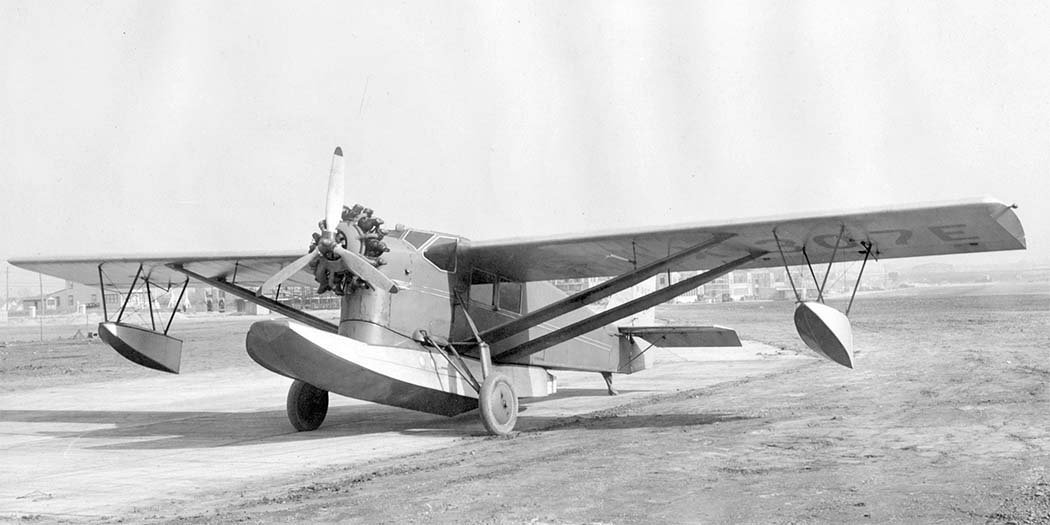
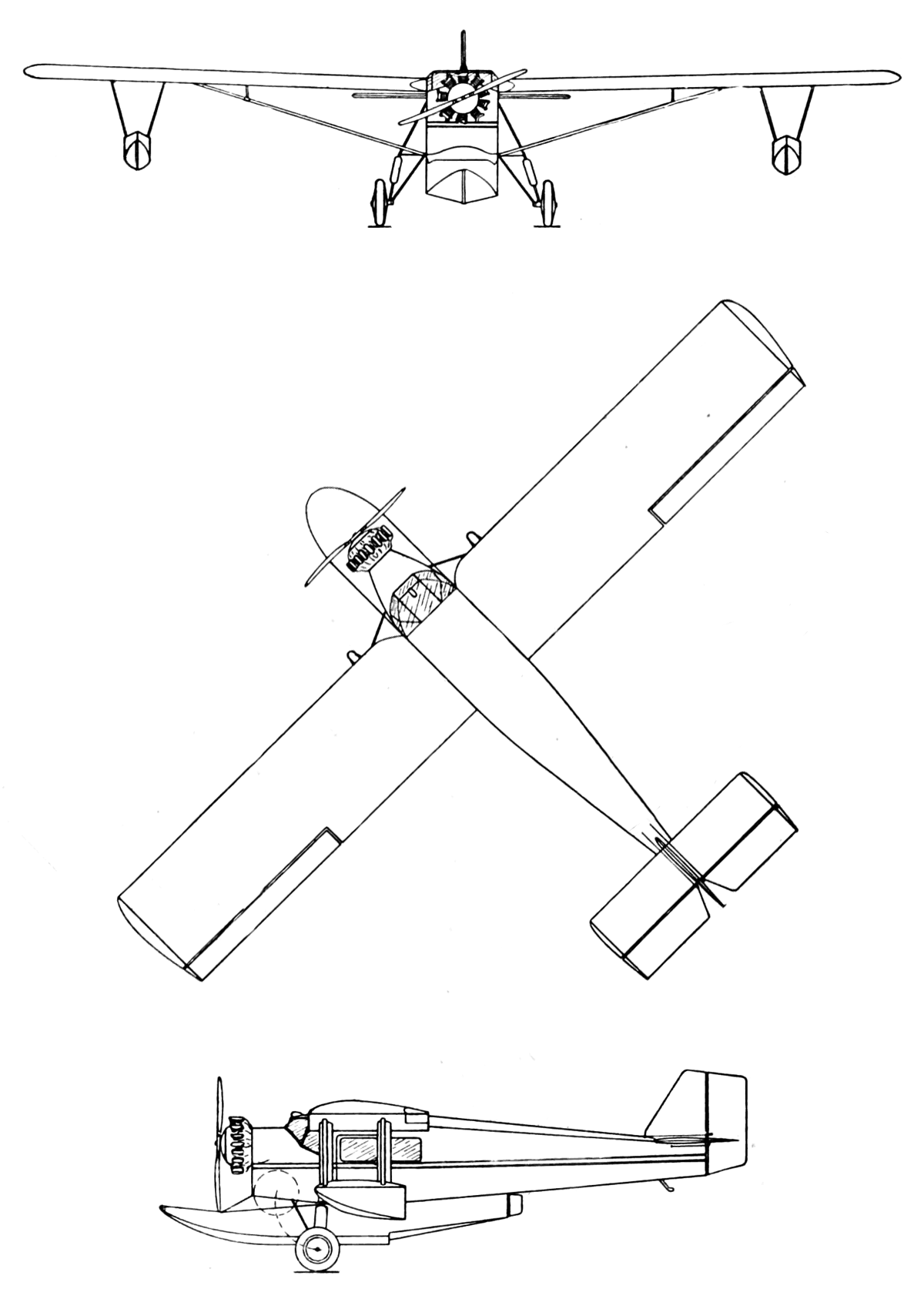
The originality of its design lay in its easy convertibility. The aircraft could readily be transformed into an amphibian using under-fuselage and wing floats, and also into a flying boat after removing its wheels. This remarkable versatility was a key feature for its time.
Production and Technical Specifications
Two Triad aircraft were built in 1929, bearing registration numbers X306E and X307E. The following year, the second machine was fitted with a more powerful 300 hp Wright J-6 engine. A third Triad (X375N) was listed in the US civil aircraft registry, though it is unknown if it was ever completed.
A Tragic End
Sadly, both CAL-1 Triad aircraft were destroyed in a hangar fire in January 1931. Despite their promising design and adaptability, the operational life of these innovative Columbia Air Liners Inc. aircraft came to an abrupt and tragic end.
Technical Specifications
| Modification | CAL-1 |
| Wingspan, m | 14.94 |
| Length, m | 10.06 |
| Height, m | 2.74 |
| Wing area, m2 | 30.10 |
| Empty weight | 1270 |
| Maximum takeoff weight | 1724 |
| Engine type | 1 Piston engine Wright J-6 |
| Power, hp | 1 x 300 |
| Maximum speed, km/h | 209 |
| Cruising speed, km/h | 185 |
| Practical range, km | 885 |
| Crew | 1 |
| Payload | 5 passengers |
Image gallery of the CAL-1 Triad