Caproni Ca.1 (1910)
The Origins of Caproni
The Italian aircraft designer, Count Giovanni Battista Caproni (Giovanni Battista Gianni Caproni), was born on July 3, 1886, in Trentino, a region that at the time belonged to Austria-Hungary. He studied engineering at the Technical University of Munich and continued his education at the Montefiori Institute in Liège, where he met Henri Coandă, with whom he would later collaborate.
In 1908, Caproni began aircraft production in Milan, establishing his manufacturing operation, which would later become part of one of pre-war Italy’s largest industrial groups: the Caproni Group.
The Caproni Ca.1: Italy’s First Aircraft
In 1910, he built the Caproni Ca.1, which became the first Italian aircraft. For his plane, he chose a 25 hp (18.4 kW) Miller engine. The choice was made primarily due to its low price and, secondarily, for purely patriotic reasons, as the Miller company operated in Turin. As a result, Caproni ended up with a rather unreliable “rattletrap.”
A Historic Flight with an Unexpected End
On May 27, 1910, the Caproni biplane, piloted by Ugo Tabacchi, made its first flight in the vicinity of Malpensa, near Milan. The flight was, in principle, successful, but upon landing, the aircraft sustained serious damage, although the pilot remained unharmed.
Repairs to the Ca.1 were carried out in parallel with the development of the next aircraft, the Ca.2. However, the first biplane never flew again, remaining as a training aid.
Technical Specifications
| Modification | Ca.1 |
| Upper wingspan, m | 10.50 |
| Aircraft length, m | 9.86 |
| Aircraft height, m | 3.36 |
| Wing area, m2 | 38.00 |
| Maximum takeoff weight | 380 |
| Engine type | 1 Piston engine Miller |
| Power, hp | 1 x 25 |
| Crew | 1 |
Image and diagram gallery of the Caproni Ca.1 (1910)
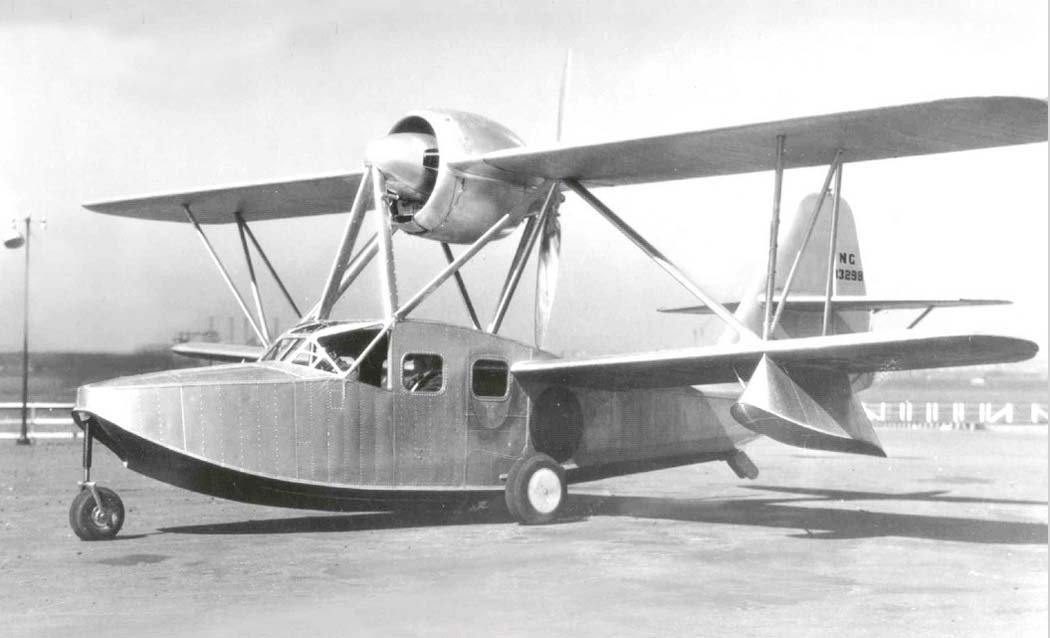 Ca.1 (1910) |
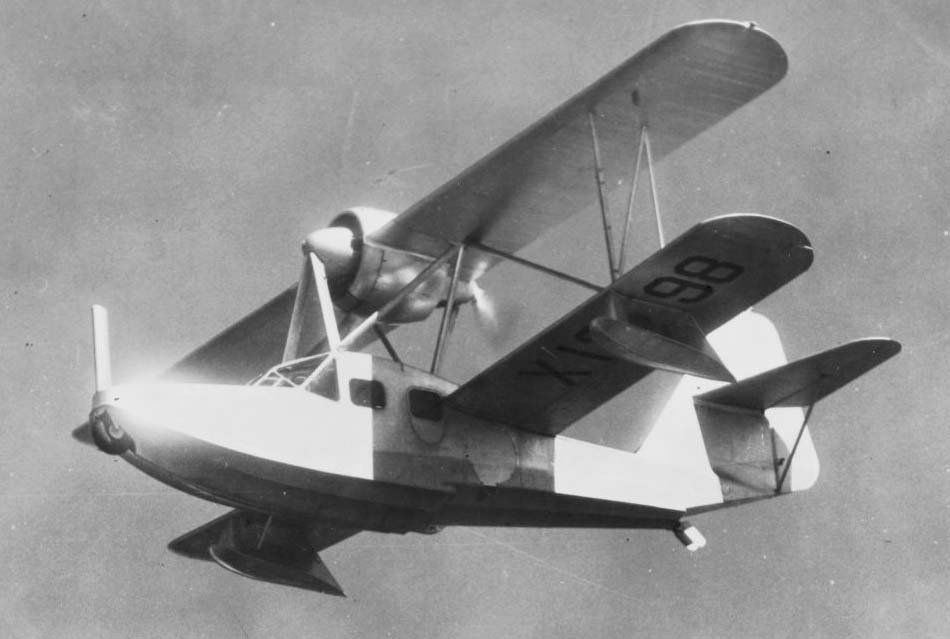 Ca.1 (1910) |
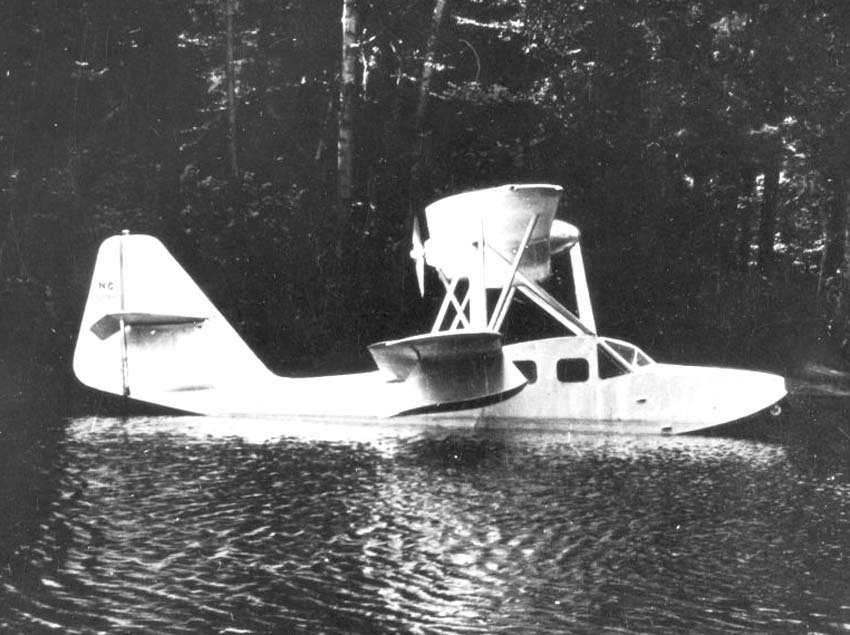 Ca.1 (1910) |
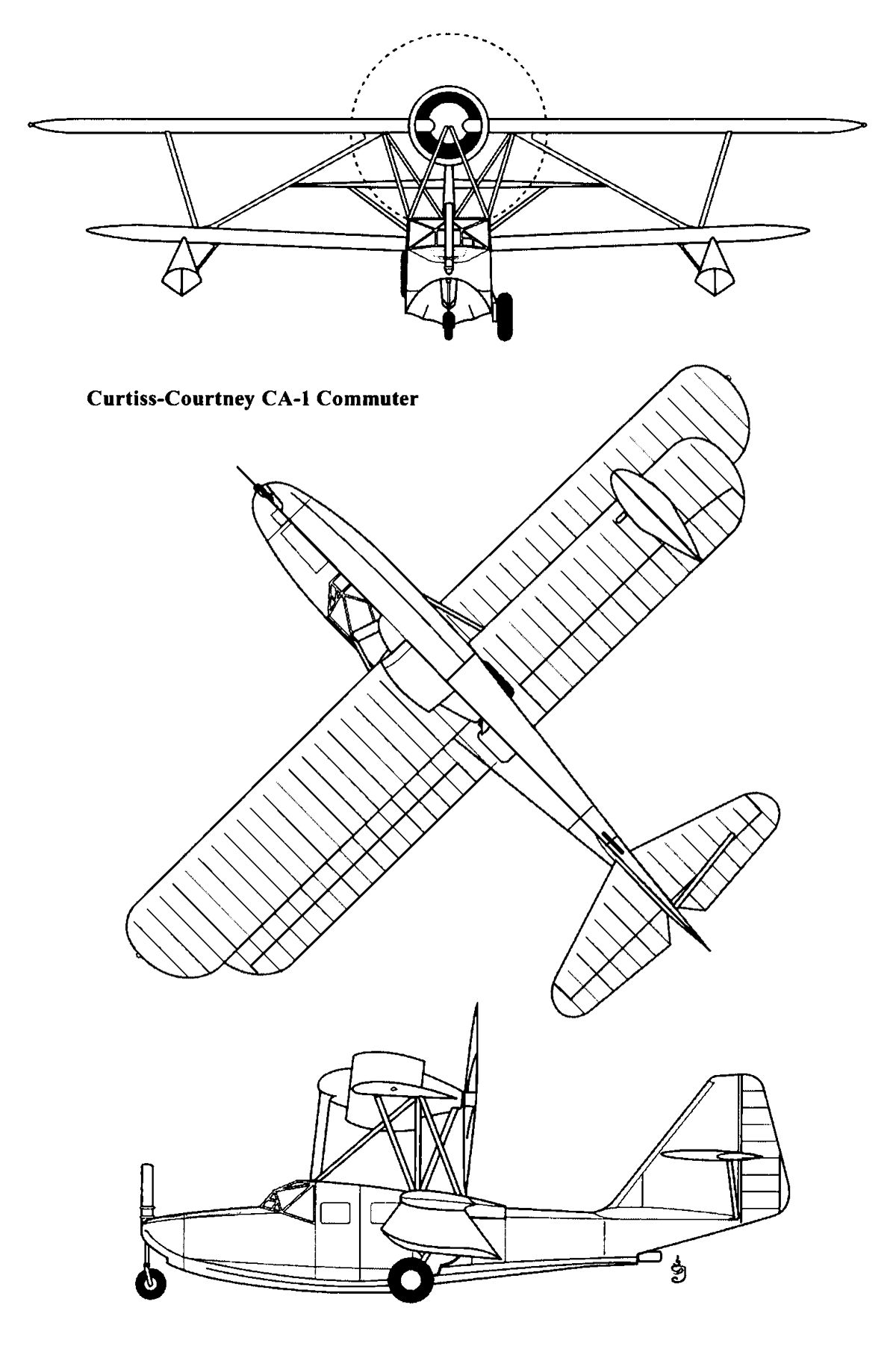 Ca.1 (1910) |
Equipo Editorial de ArchivoAéreo
Grupo de investigadores y entusiastas de la aviación dedicados a documentar y preservar la historia aeronáutica mundial. Todos los artículos son revisados para garantizar precisión histórica.
Fuentes y Rigurosidad
La información presentada en esta ficha técnica ha sido compilada a partir de manuales de vuelo desclasificados, archivos históricos y bibliografía especializada. Aunque nos esforzamos por mantener la máxima precisión, algunos datos de rendimiento pueden variar según la variante específica o las condiciones operativas.