Caproni Ca.135
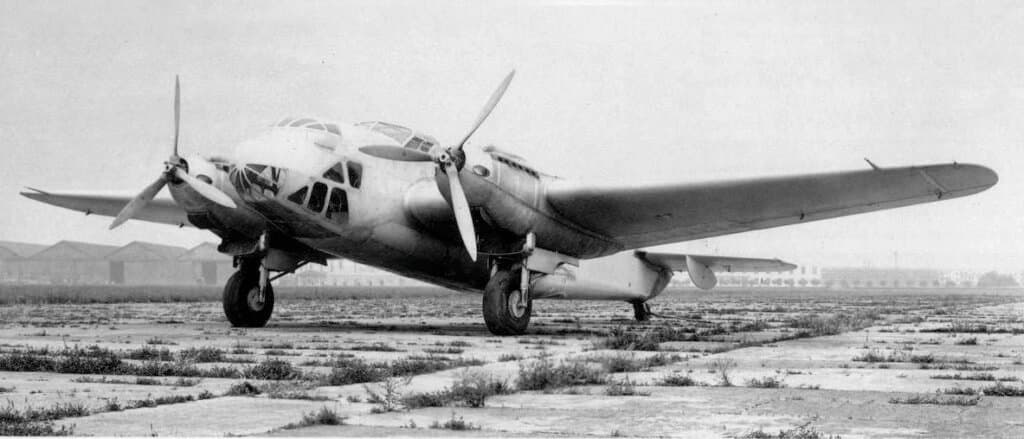
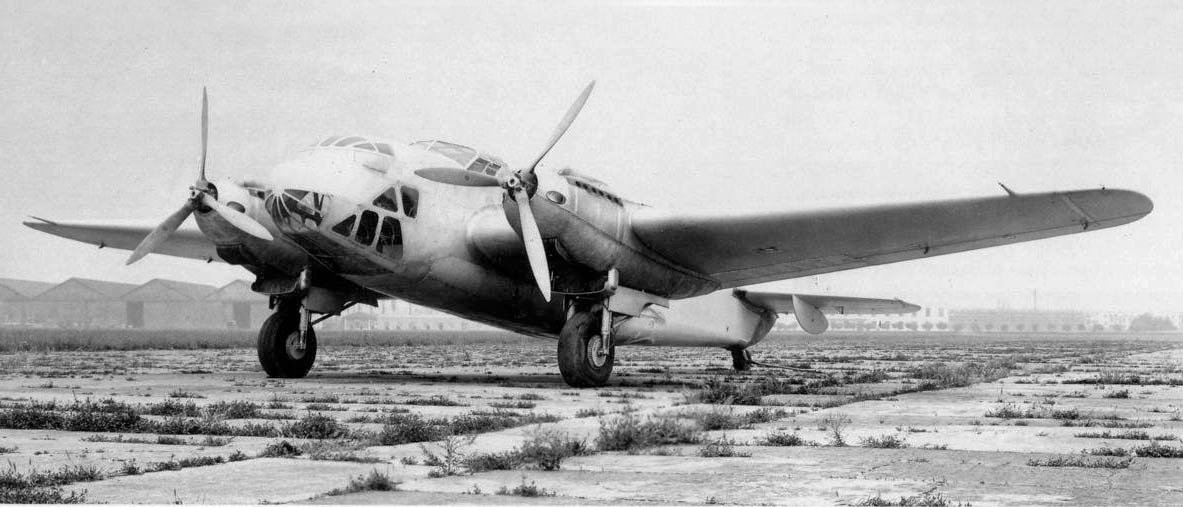
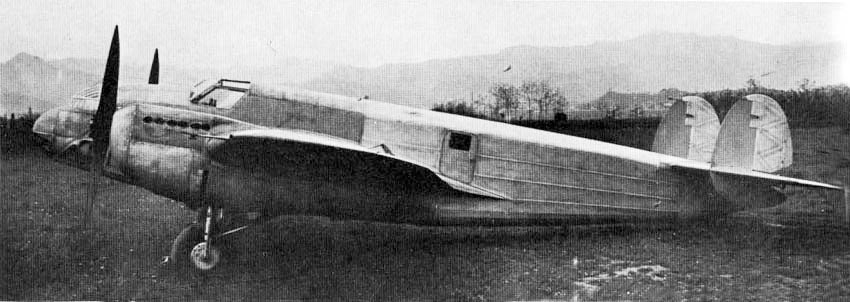
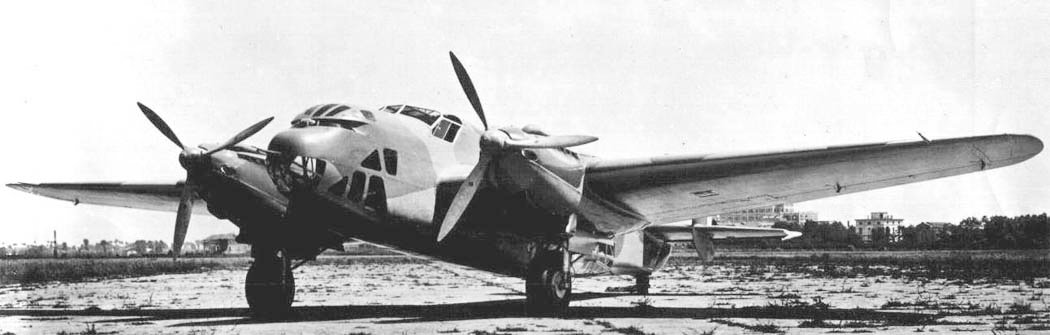
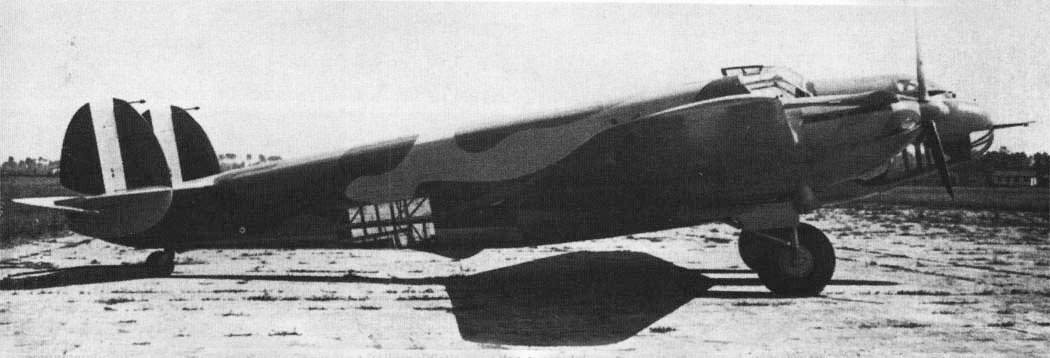
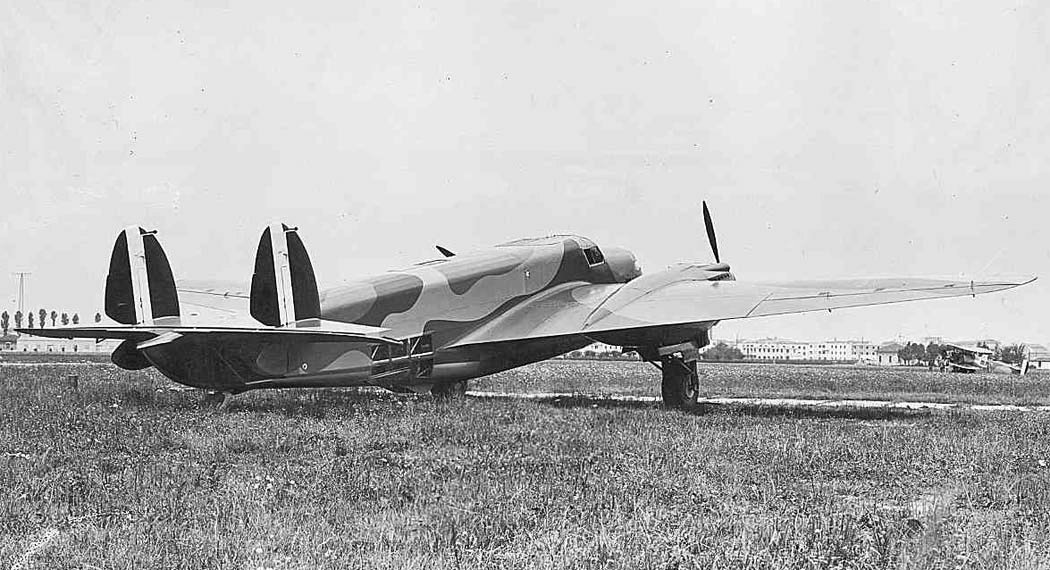
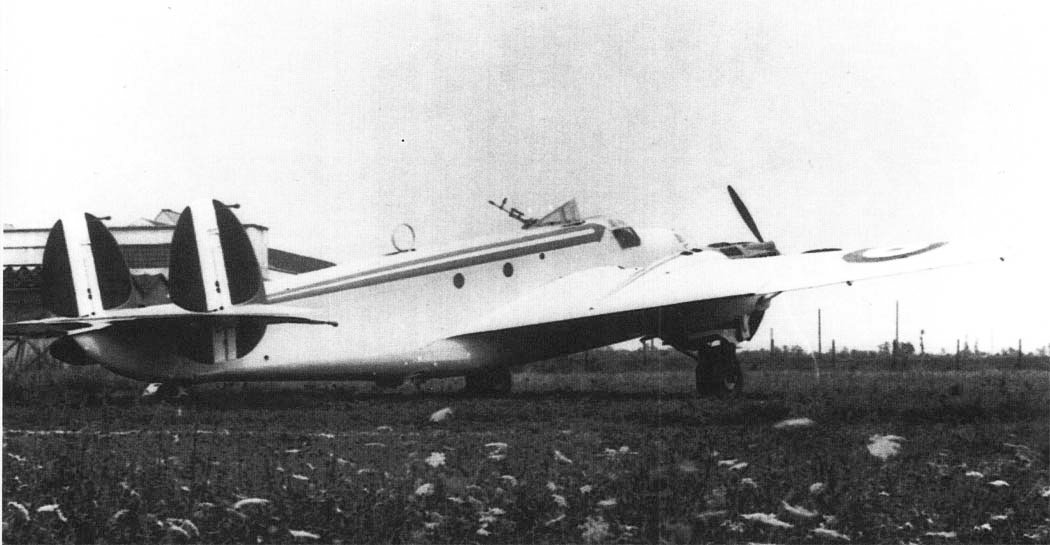
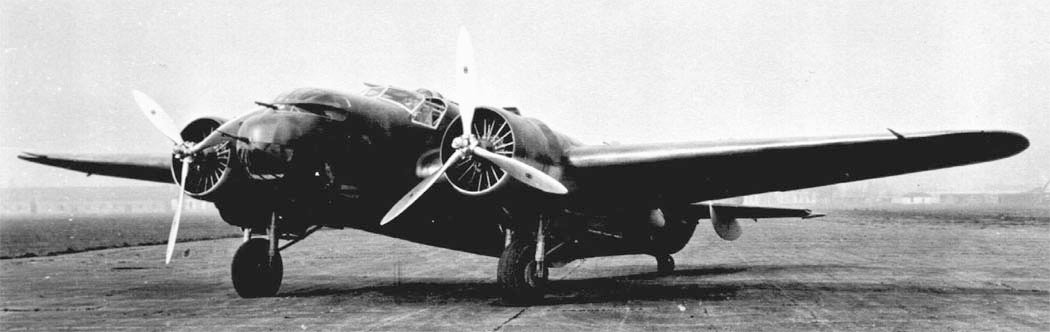
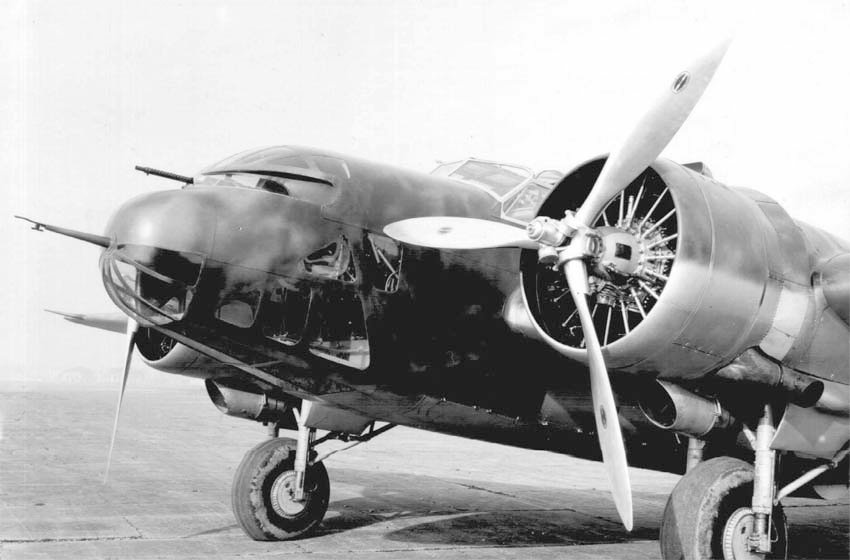
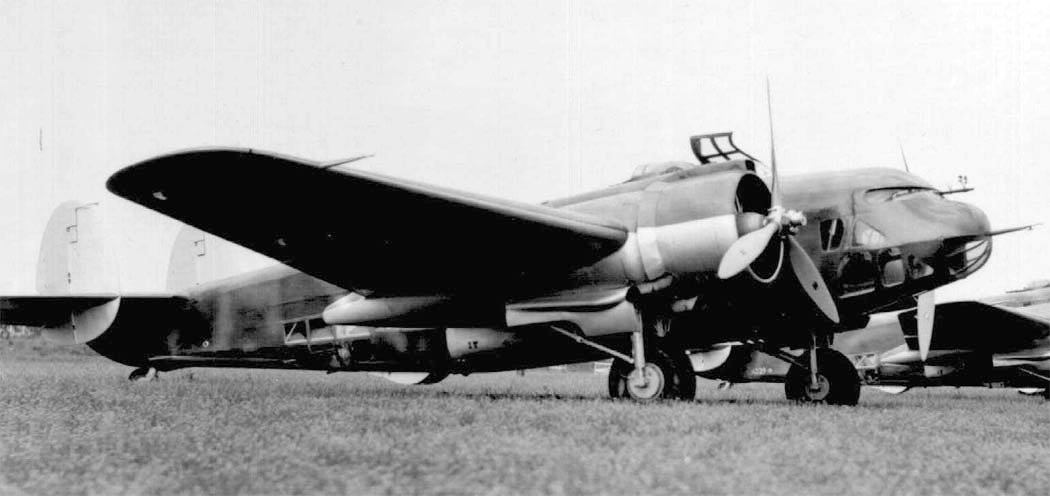
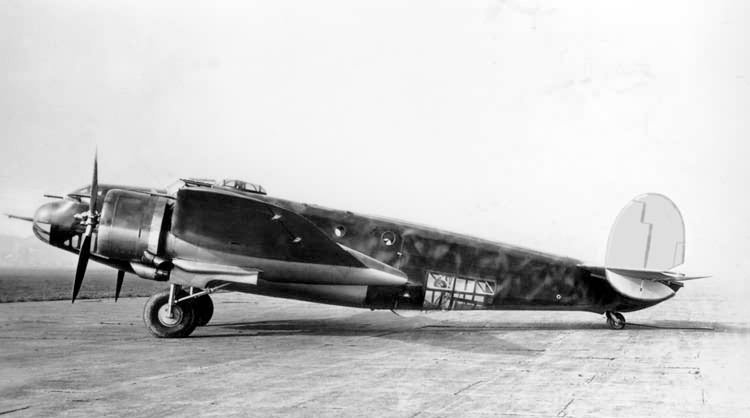
The Ca.135 was a medium bomber, a twin-engine monoplane of mixed construction with twin tailfins and retractable landing gear with a tail wheel. It had a crew of four. Developed in the design bureau of the Caproni Bergamaschi company under the leadership of I. Pallavicino, the Caproni Bergamaschi Ca.135 made its first flight on April 1, 1935.
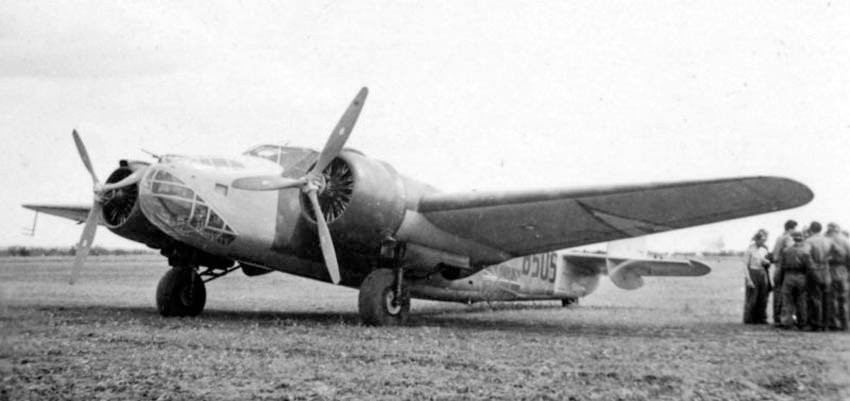
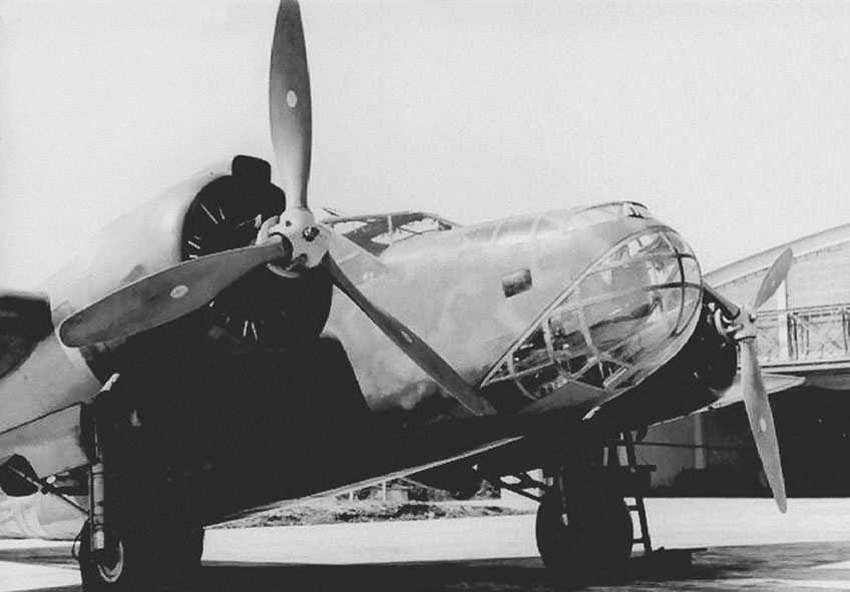
Equipped with two 800 hp Isotta-Fraschini Esso XI RC radial engines, the Ca.135 had a mixed construction: the forward fuselage section featured stressed-skin covering, while the rear section was made of welded tubes, covered with wood and fabric. The wings were of wood-metal structure, covered with fabric and wood. The serial production variant of the Ca.135 featured three-bladed propellers, replacing the two-bladed ones of the prototype aircraft.
Design Evolution and International Adoption
In 1936, several aircraft, designated as Ca.135 Typo Spania, were ordered by the Spanish Ministry of Aviation. These featured Esso XI RC 40 engines and Breda turret installations in the nose of the fuselage, both above and below, with the latter two being retractable. The maximum take-off weight was increased to 8390 kg from the prototype’s 7360 kg; however, despite the increased power, the maximum speed dropped from 400 km/h to 365 km/h.
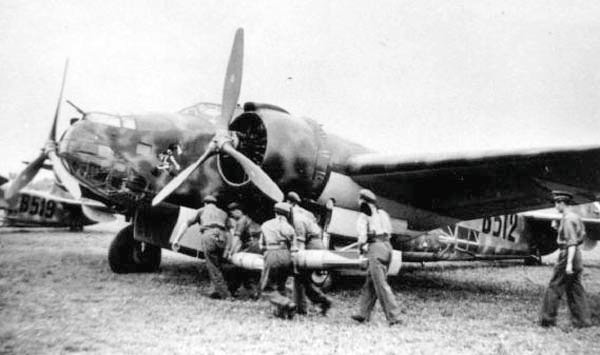
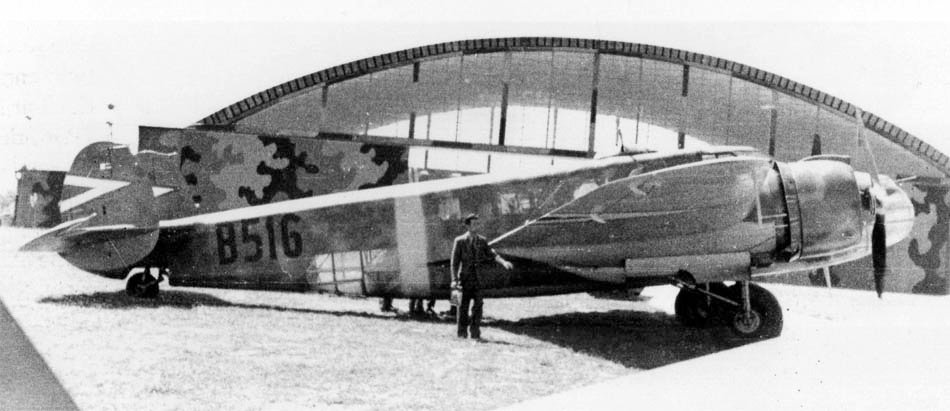
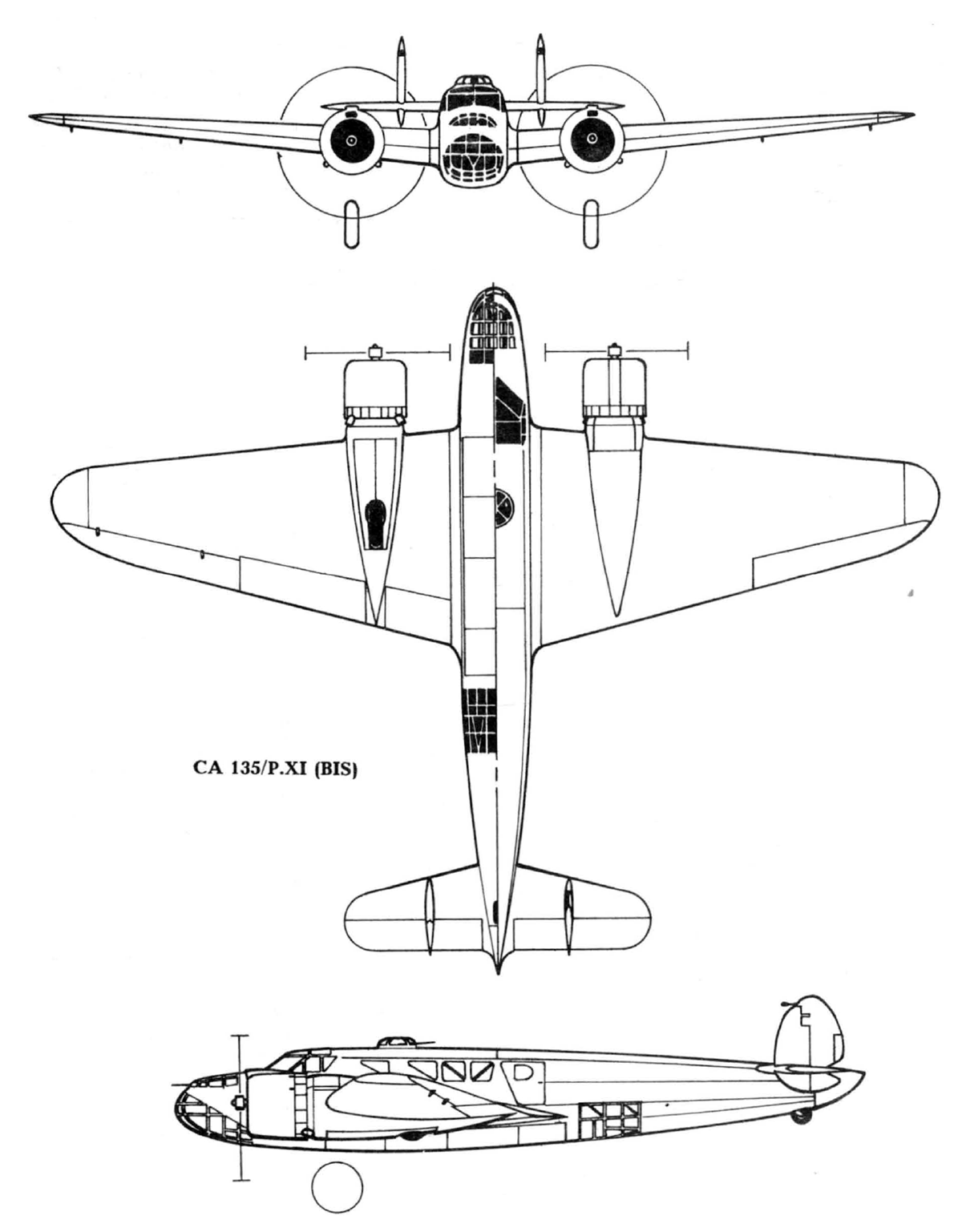
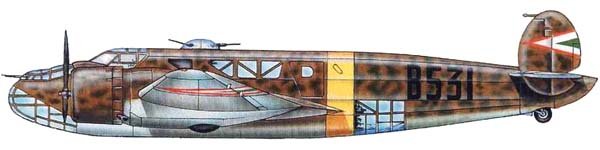
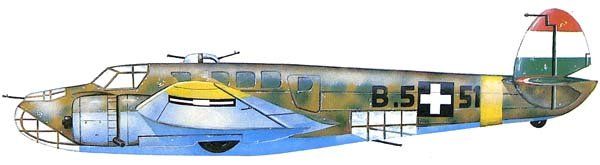
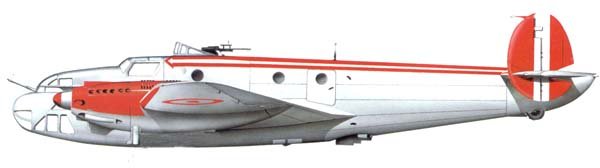
To restore flight characteristics, in 1938, Typo Spania aircraft began to be fitted with 1000 hp Fiat A.80 RC or Piaggio P.XI RC 40 radial engines. The variant with Piaggio engines proved more successful and, designated as Ca 135 P.XI, it received newly designed engine cowlings, a modified nose section, and a Caproni Lancianni dorsal turret. After losing a competition against the Fiat BR.20 for a Japanese Air Force order, the Ca 135 P.XI was ordered for the Hungarian Air Force, which received about 100 aircraft. The last example remained with the Caproni company and was equipped with a V-tail and an Alfa Romeo 135 RC Tornado radial engine, which boosted the speed of this Ca.135bis Alfa aircraft beyond 480 km/h. Peru also acquired Ca.135 aircraft, designated as Ca.135 Typo Peru, which had modified machine gun positions, engine cowlings, and improved 900 hp Esso XI RC 40 engines.
Operational History and Special Projects
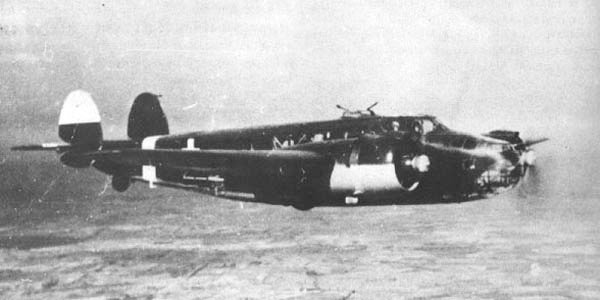
Ca.135bis aircraft were used by the Hungarian Air Force in the second half of 1941 in combat operations against the USSR as both day and night bombers. In Italy, they were only used for training purposes.
In addition to the aforementioned, the Ca 135 Raid was built – a single special long-range variant with increased fuel capacity and 986 hp Isotta-Fraschini Esso engines. It was commissioned by the Brazilian pilot de Barros, who went missing during an attempt to fly across the North Atlantic.
Technical Specifications
| Modification | Са 135 P.XI |
| Wingspan, m | 18.80 |
| Length, m | 14.40 |
| Height, m | 3.40 |
| Wing area, m2 | 60.00 |
| Empty weight | 6050 |
| Normal takeoff weight | 9550 |
| Engine type | 2 Piston engine Piaggio P.XIbis RC40 |
| Power, hp | 2 x 1000 |
| Maximum speed, km/h | 440 |
| Cruising speed, km/h | 350 |
| Practical range, km | 2000 |
| Practical ceiling, m | 7900 |
| Crew, crew members | 4-5 |
| Armament | three 12.7-mm machine guns, bomb load – 1600 kg |
Image gallery of the Caproni Ca.135