Caudron C.22
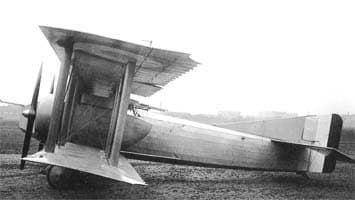
Following the twin-engine auxiliary biplane Caudron C.21, the C.22 night bomber emerged, classified in the BN.2 category (two-seater night bomber). This aircraft was also developed by Paul Deville. It was a two-seater, four-strut biplane, initially equipped with two Le Rhône 9Jb engines producing 120 hp (89 kW).
Design and Armament
These engines were later replaced by 130 hp Clerget 9B units. Its defensive armament consisted of a single 7.7-mm machine gun, mounted on a movable turret in the rear cockpit. The designer justified this seemingly weak armament by asserting that the darkness of the night would be the bomber’s primary defense.
The maximum bomb load reached 800 kilograms. A typical loadout included six 120-mm bombs and three 155-mm bombs.
Operational History and Trials
The Caudron C.22’s maiden flight occurred in November 1917. Following initial trials, the aircraft was handed over to the military for competitive evaluations, alongside notable contenders such as the Voisin 11, Breguet 16, Farman F.50, and Bernard AB.1. The designs from Breguet and Farman were ultimately declared the winners of the competition. Unfortunately, the C.22 BN2 was deemed slow and underarmed.
After the conclusion of the First World War, the French proposed to the British the establishment of a commercial air service between Paris and London. They suggested utilizing the C.22 and the Farman Goliath as transport aircraft. However, these plans were ultimately rejected by the British, marking the end of the C.22’s commercial ambitions.
Technical Specifications
| Modification | C.22 |
| Wingspan, m | 18.54 |
| Length, m | 8.30 |
| Height, m | 2.52 |
| Wing area, m2 | 53.00 |
| Empty weight | 950 |
| Engine type | 2 Piston engines Le Rhône 9Jb |
| Power, hp | 2 x 120 |
| Maximum speed, km/h | 141 |
| Cruising speed, km/h | 120 |
| Service ceiling, m | 3352 |
| Crew | 2 |
| Armament | one 7.7-mm Lewis machine gun, up to 800 kg of bombs |
Image and diagram gallery of the Caudron C.22
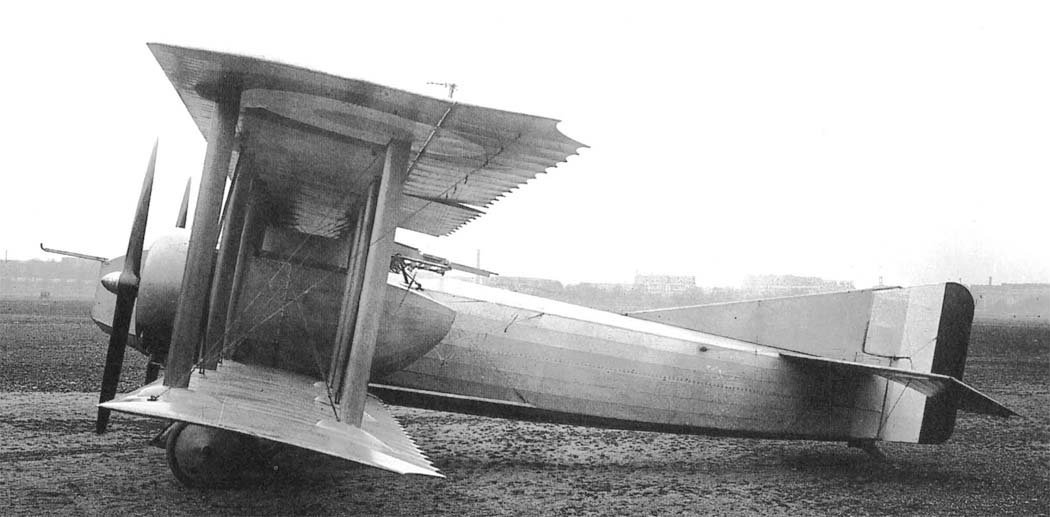 C.22 |
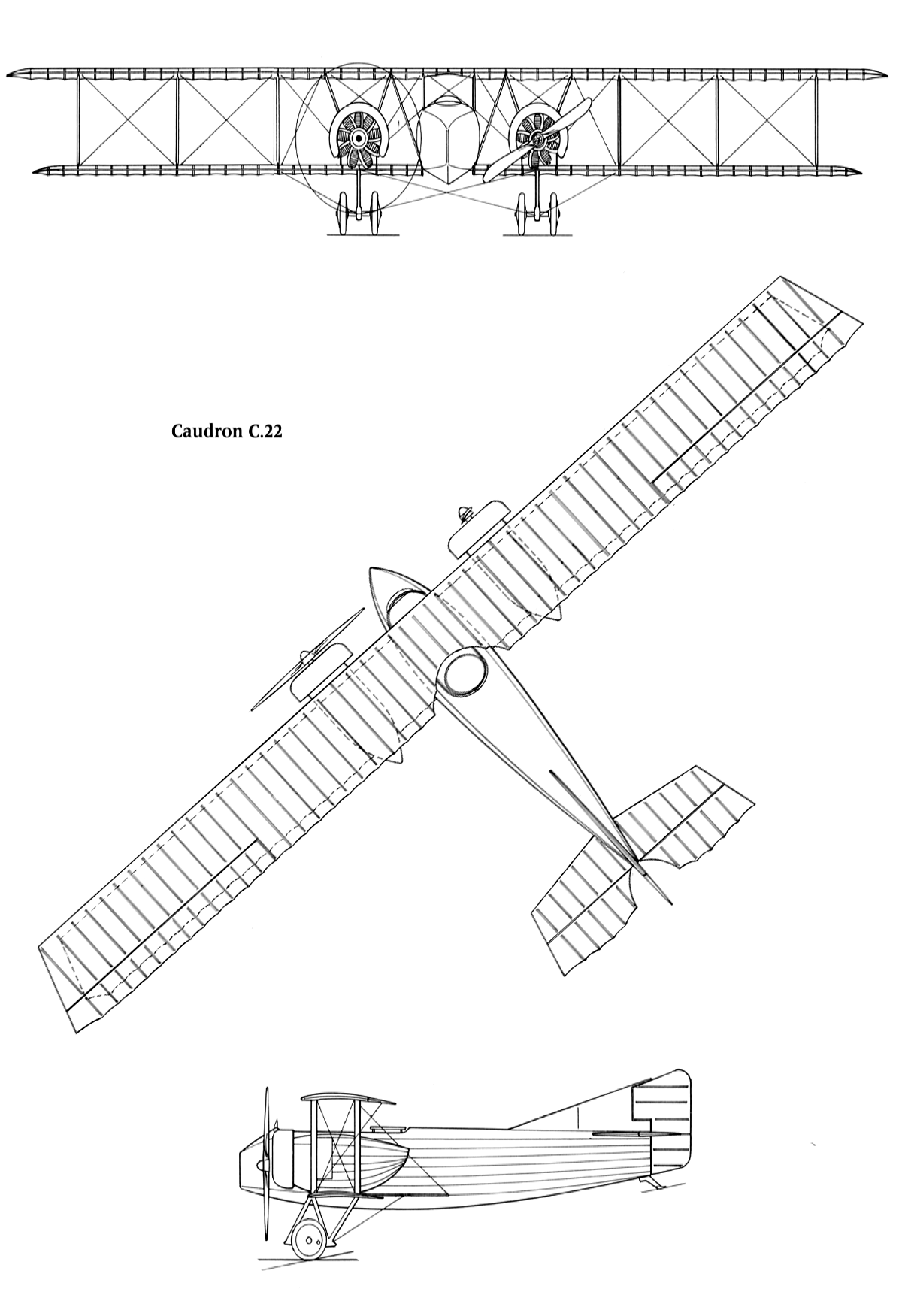 C.22 |
Equipo Editorial de ArchivoAéreo
Grupo de investigadores y entusiastas de la aviación dedicados a documentar y preservar la historia aeronáutica mundial. Todos los artículos son revisados para garantizar precisión histórica.
Fuentes y Rigurosidad
La información presentada en esta ficha técnica ha sido compilada a partir de manuales de vuelo desclasificados, archivos históricos y bibliografía especializada. Aunque nos esforzamos por mantener la máxima precisión, algunos datos de rendimiento pueden variar según la variante específica o las condiciones operativas.