Caudron C.230 Luciole
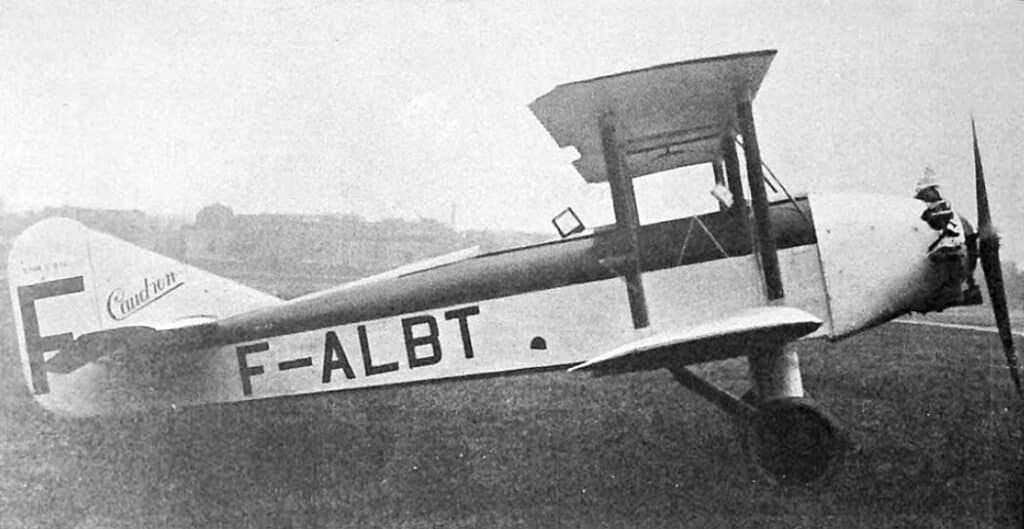
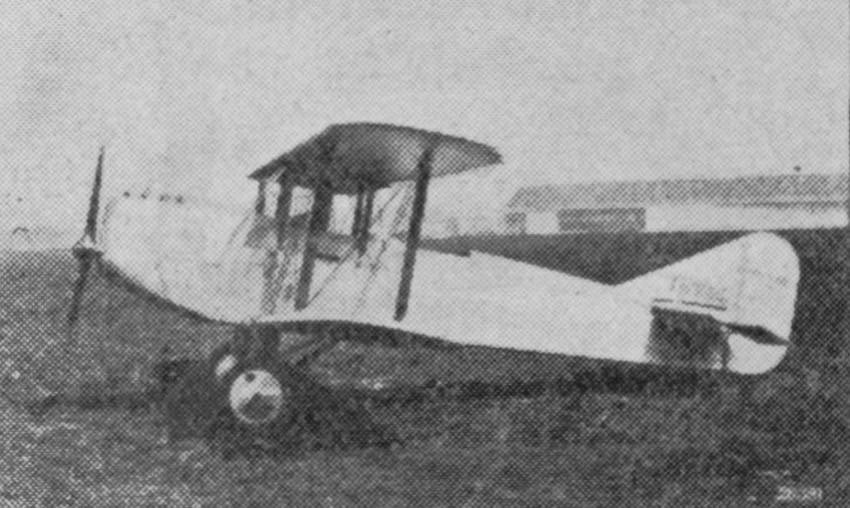
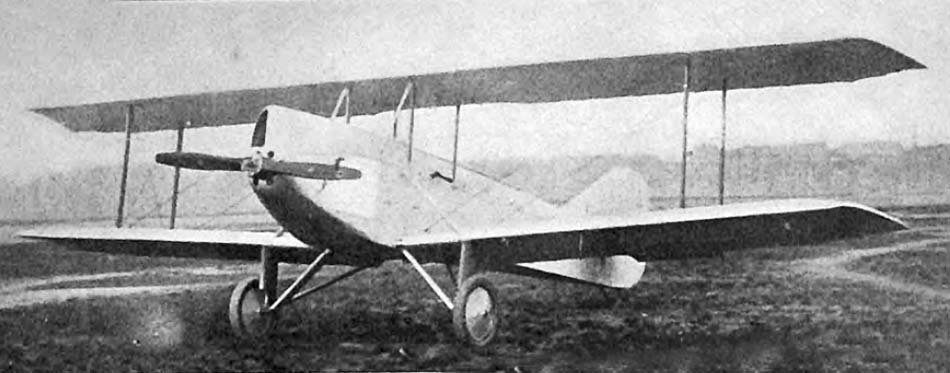
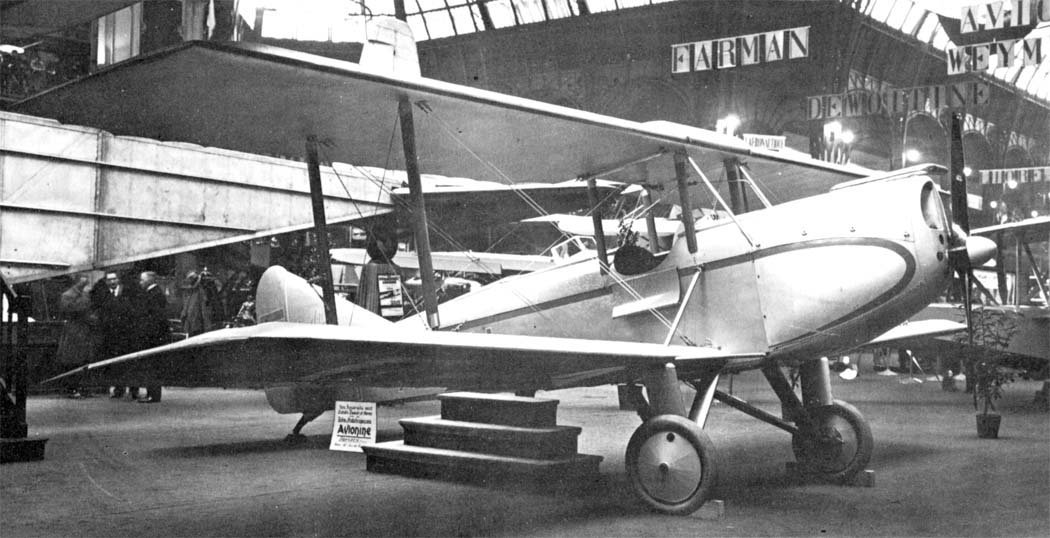
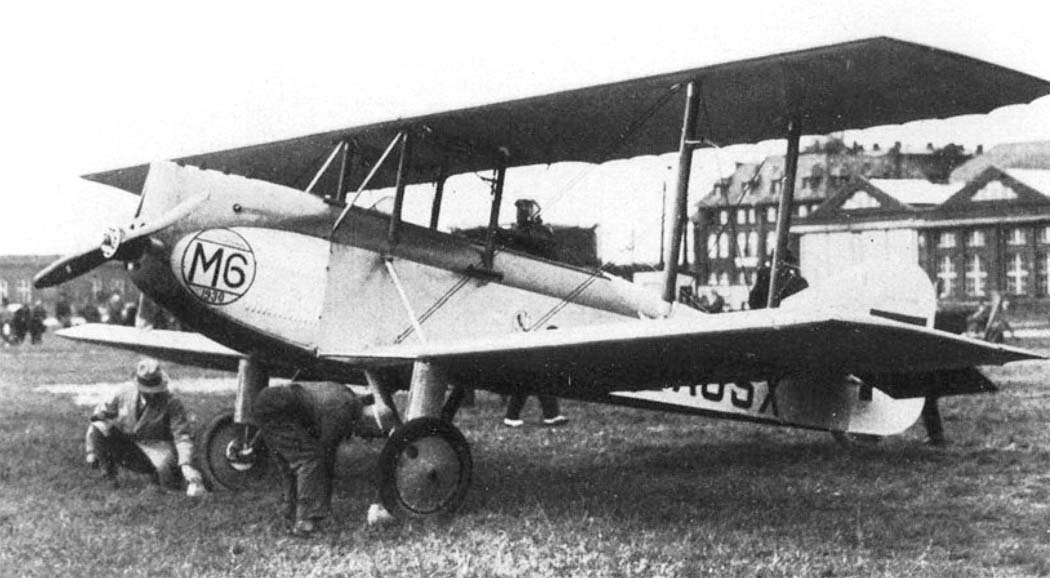
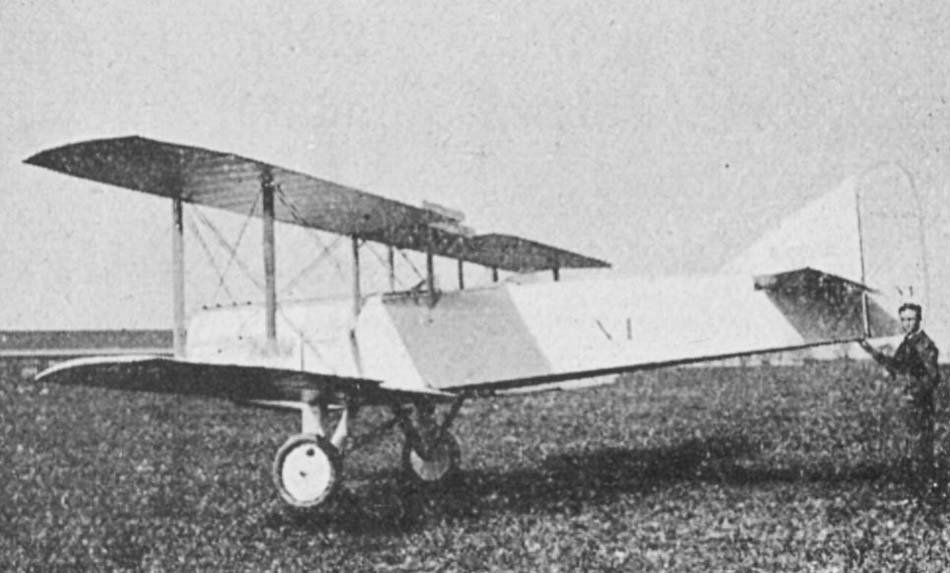
The prototype of the Caudron C.230 Luciole aircraft made its maiden flight in November 1930. It was a two-seater light biplane with single-strut wings of equal span, positioned relative to each other without overhang. The center section of the upper wing was attached to the fuselage by four short vertical struts made of steel tubing.
The outer wing panels, which could be folded, had two coaxial vertical interplane struts on each side. Ailerons were located on the lower wing. The wooden fuselage had a fabric covering; the cantilever stabilizer featured a wooden frame covered with glued plywood.
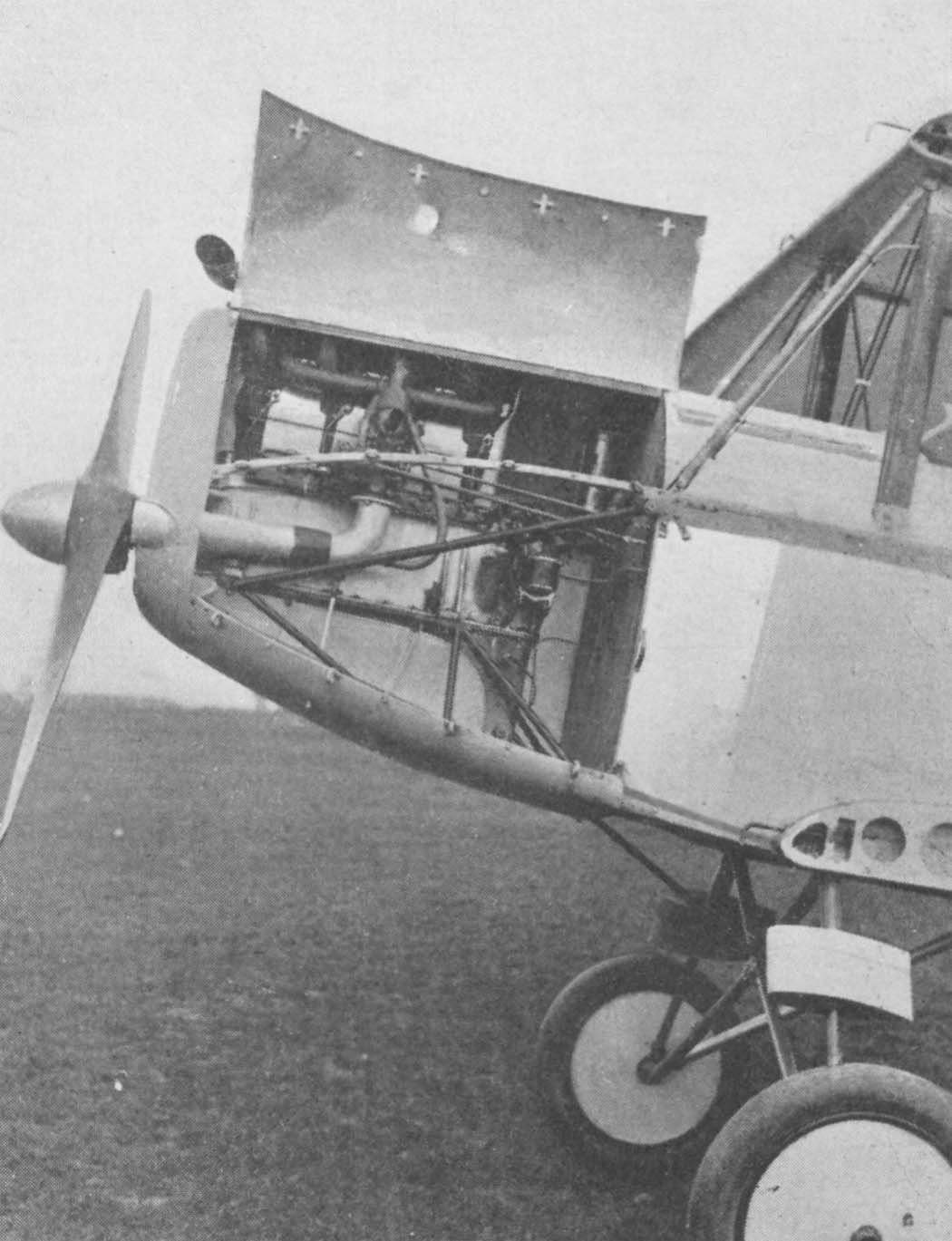
Each main leg of the wide-track non-retractable landing gear had a vertical compression strut. The C.230 was equipped with a 95 hp Salmson 7Ac radial engine. As a light touring and sports aircraft, the C.230 enjoyed considerable success in the French market.
Variants and Developments
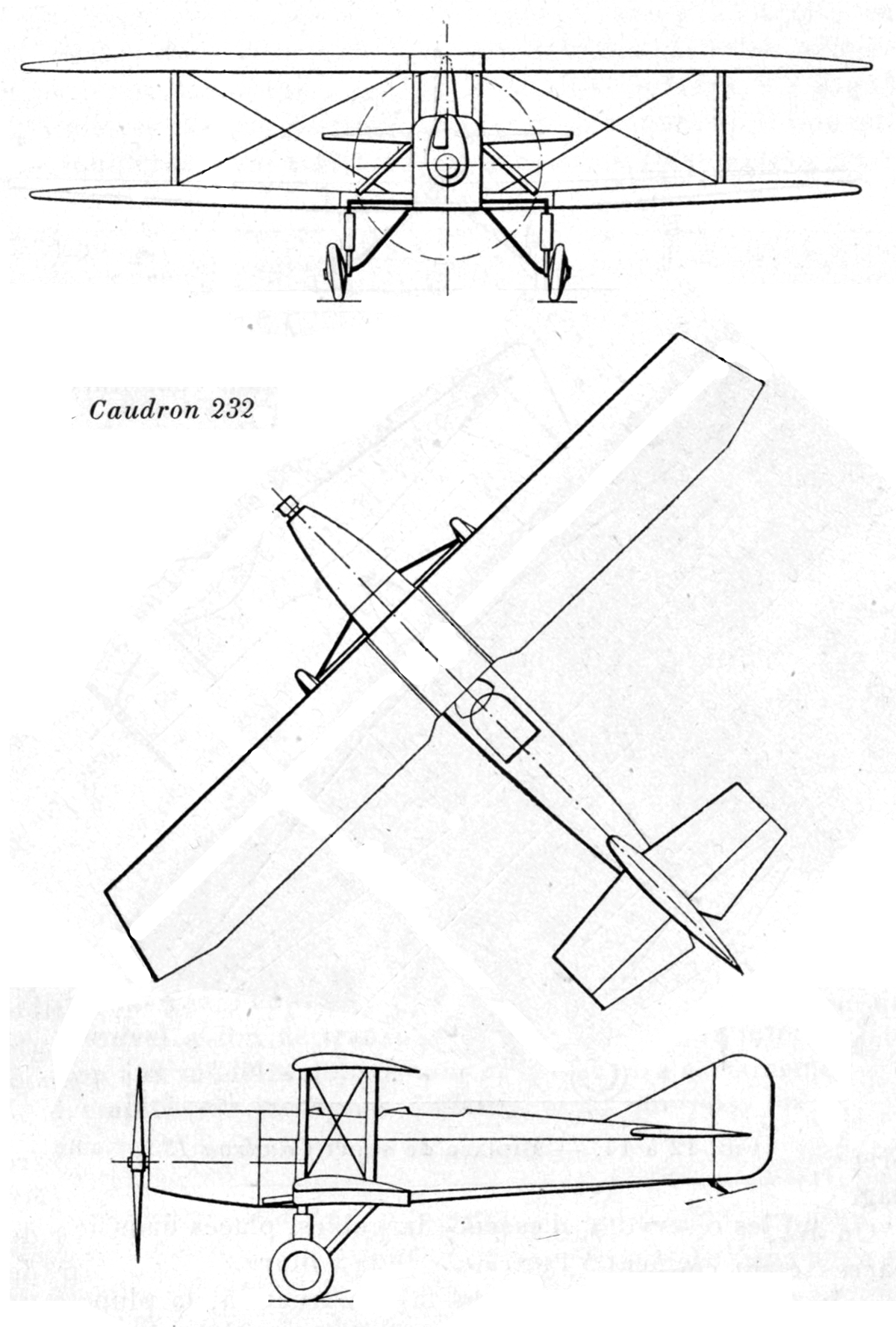
The next modification of the aircraft was the Caudron C.232. Instead of the Salmson engine, it was fitted with a Renault 4Pb engine of the same power. A total of 50 aircraft of this version were built.
Additionally, three Caudron C.232/2 aircraft were built, similar to the C.232 but with wheel brakes, and seven Caudron C.232/4 aircraft, identical to the C.232/2 except for equipment.
Other Unique Prototypes
The final variants of the aircraft were the Caudron C.233 – a single prototype with an unsuccessful Michel AM-16 engine (later fitted with a Salmson engine) – and the Caudron C.235 – a single example with a German Argus As 8R engine producing 100 hp.
Image and diagram gallery of the Caudron C.230 Luciole
 C.230 |
 C.230 |
 C.230 |
 C.230 |
 C.230 |
 C.230 |
 C.230 |
 C.230 |
 C.230 |
 C.230 |
 C.230 |
 C.230 |
 C.230 |
Equipo Editorial de ArchivoAéreo
Grupo de investigadores y entusiastas de la aviación dedicados a documentar y preservar la historia aeronáutica mundial. Todos los artículos son revisados para garantizar precisión histórica.
Fuentes y Rigurosidad
La información presentada en esta ficha técnica ha sido compilada a partir de manuales de vuelo desclasificados, archivos históricos y bibliografía especializada. Aunque nos esforzamos por mantener la máxima precisión, algunos datos de rendimiento pueden variar según la variante específica o las condiciones operativas.