Caudron C.270 Luciole
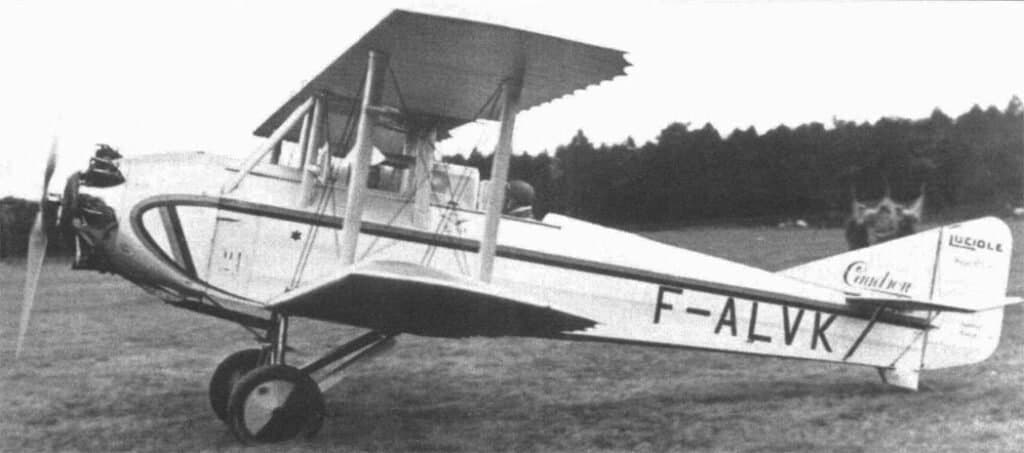
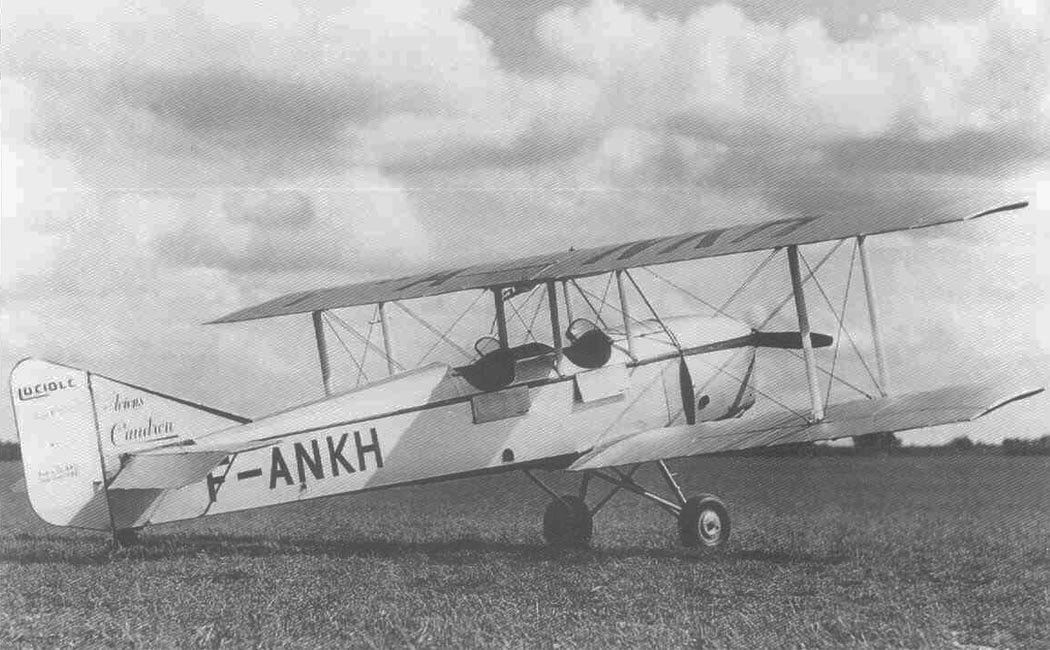
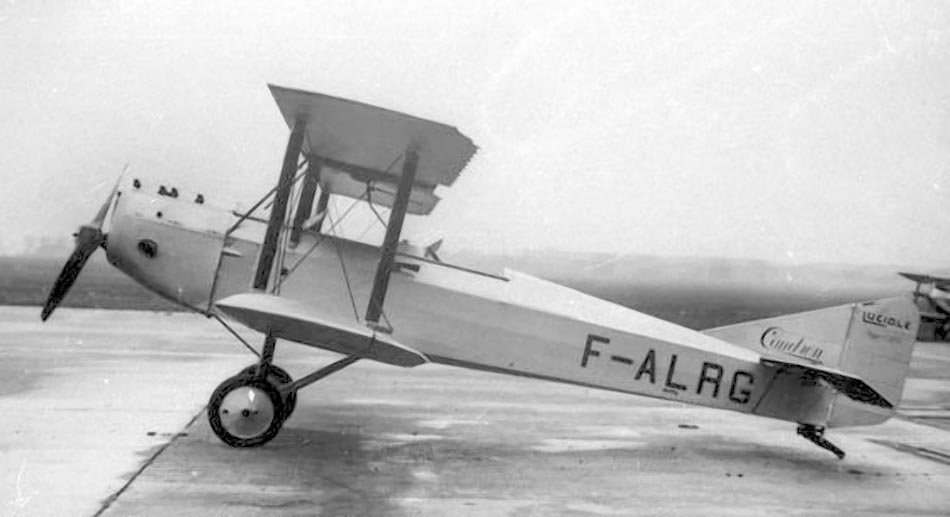
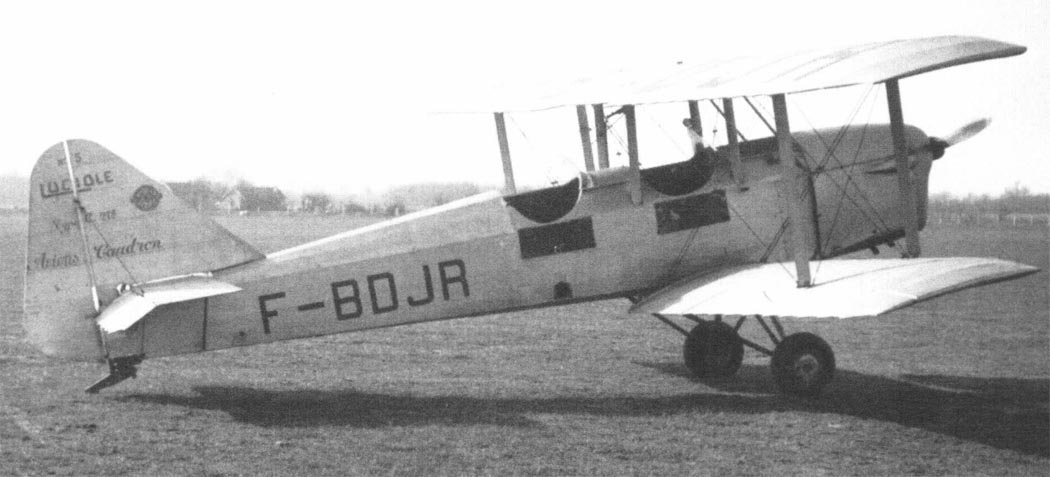
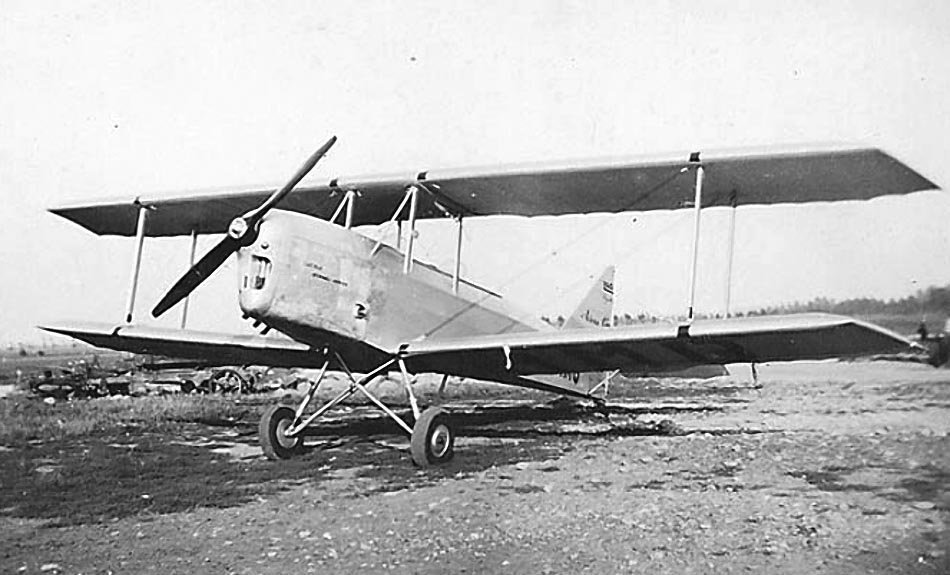
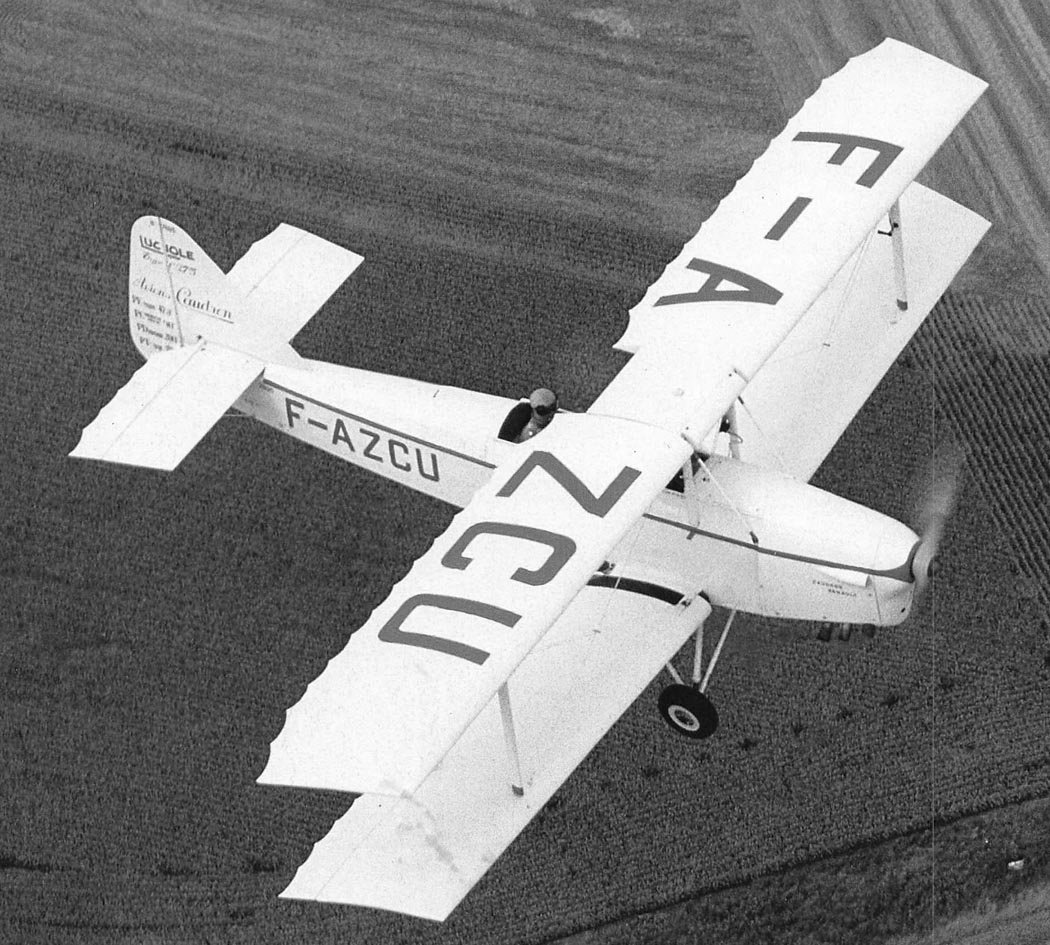
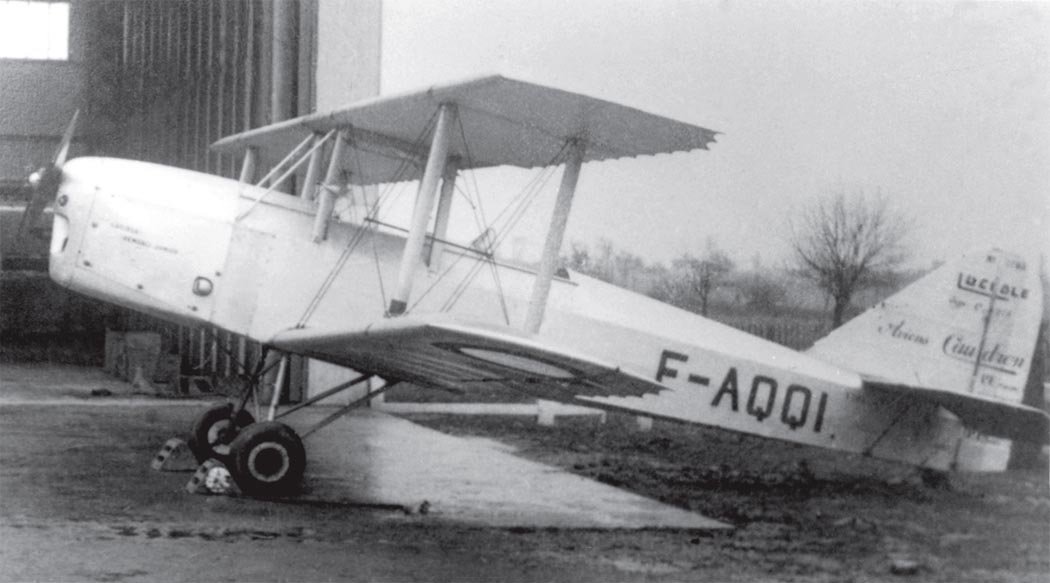
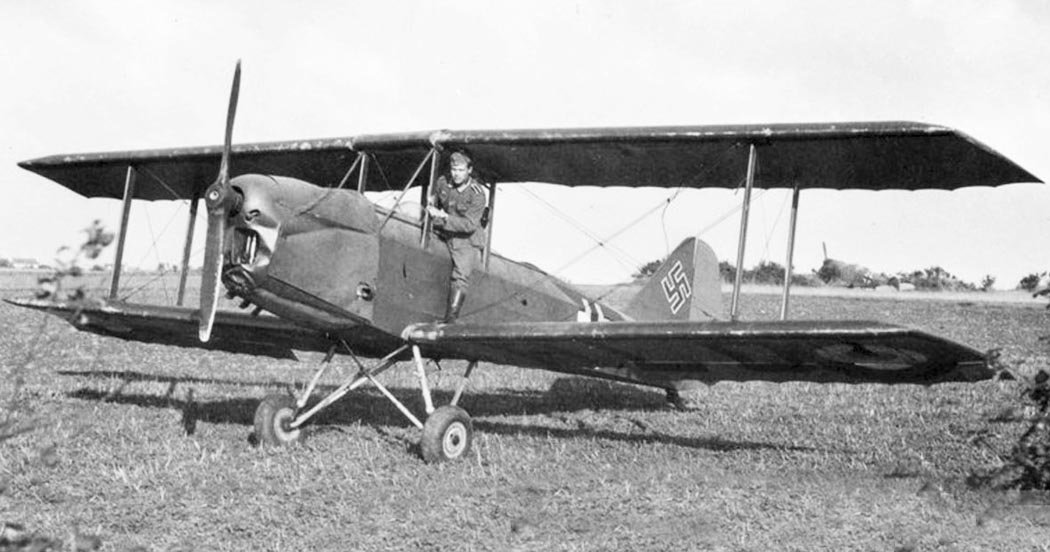
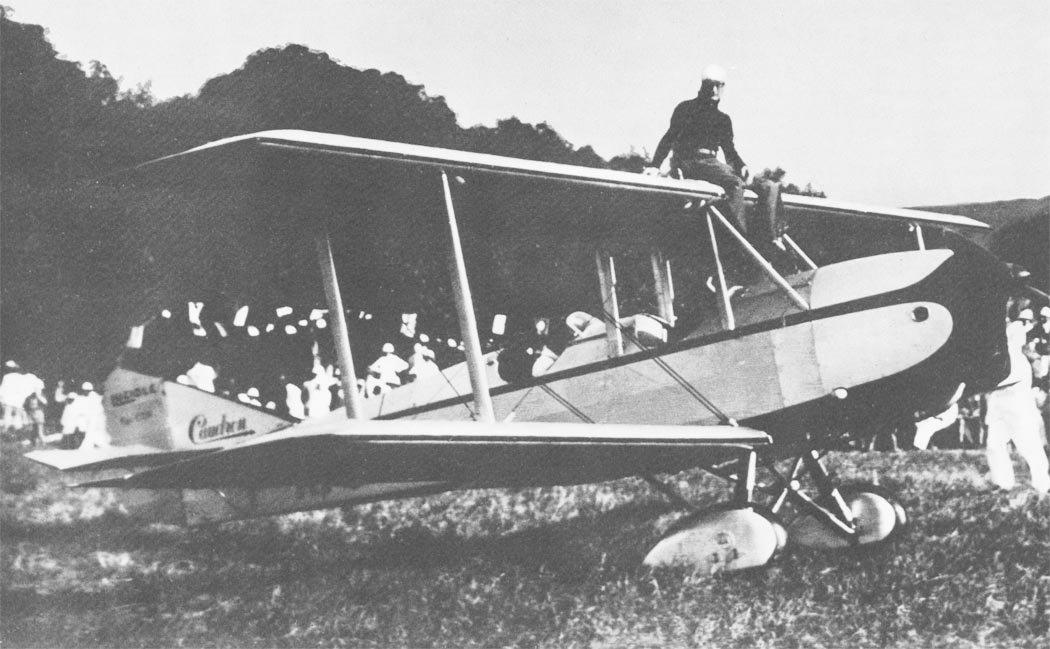
The Caudron C.270 Luciole, a redeveloped version based on the C.230 aircraft family, first appeared in 1931. It featured a less complex wing-folding mechanism, modified ailerons, rudder, and elevators, with its fuselage covered in fabric. The landing gear was also more advanced. Production of the base C.270 model, powered by a 95 hp Salmson 7Ac engine, amounted to 82 aircraft.
Early Development and Variants
Like its predecessor, the C.270 spawned a wide range of versions. The Caudron C.270/1 featured an improved Salmson 7Ac2 engine. The Caudron C.271 used a 120 hp Lorraine-Dietric 5Pc engine and a Ratier metal propeller, with only one aircraft built.
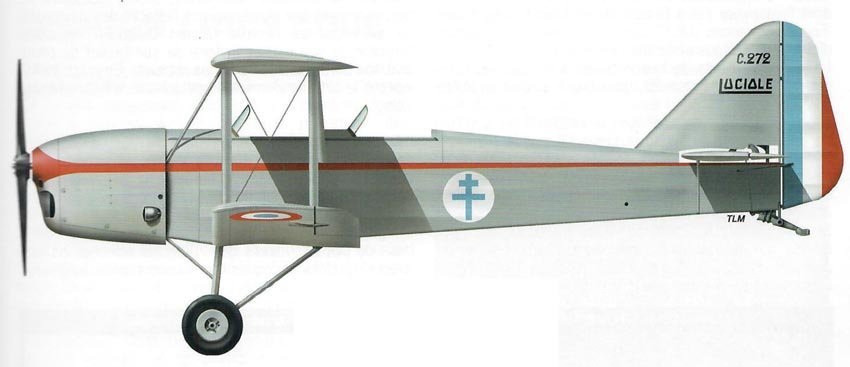
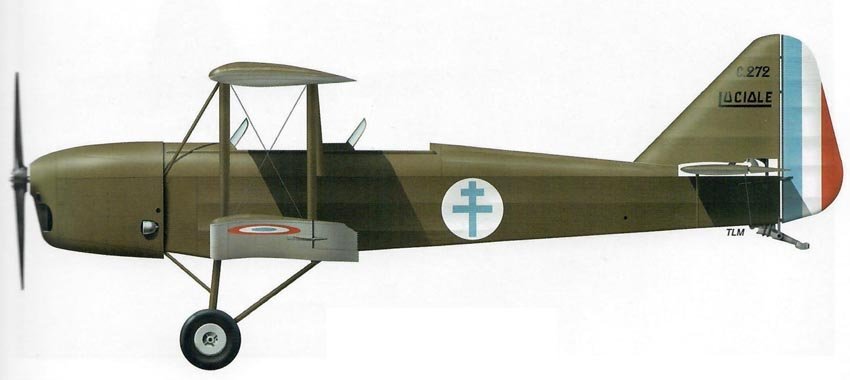
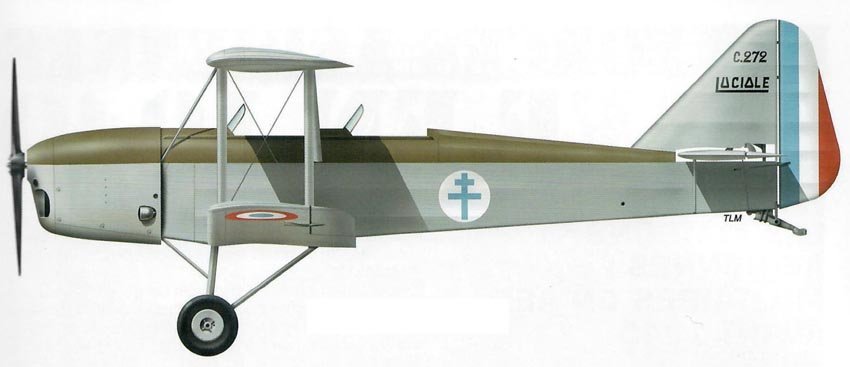
The C.271/2, powered by a 110 hp Lorraine-Dietric 5Pb engine, saw five units produced. This was followed by the Caudron C.272, with a Renault 4Pb engine, of which 52 aircraft were built. For the Caudron C.272/2, starting from the fifth of 22 built, the vertical stabilizer became taller and more pointed, a characteristic outline for all subsequent Luciole aircraft.
Fifteen Caudron C.272/3 aircraft were built, equipped with 120 hp Renault 4Pdi engines and Messier braking devices. The Caudron C.272/4, powered by a 140 hp Renault 4Pei engine and Messier brakes, had its baggage compartment in front of the cockpit eliminated, with 21 units built.
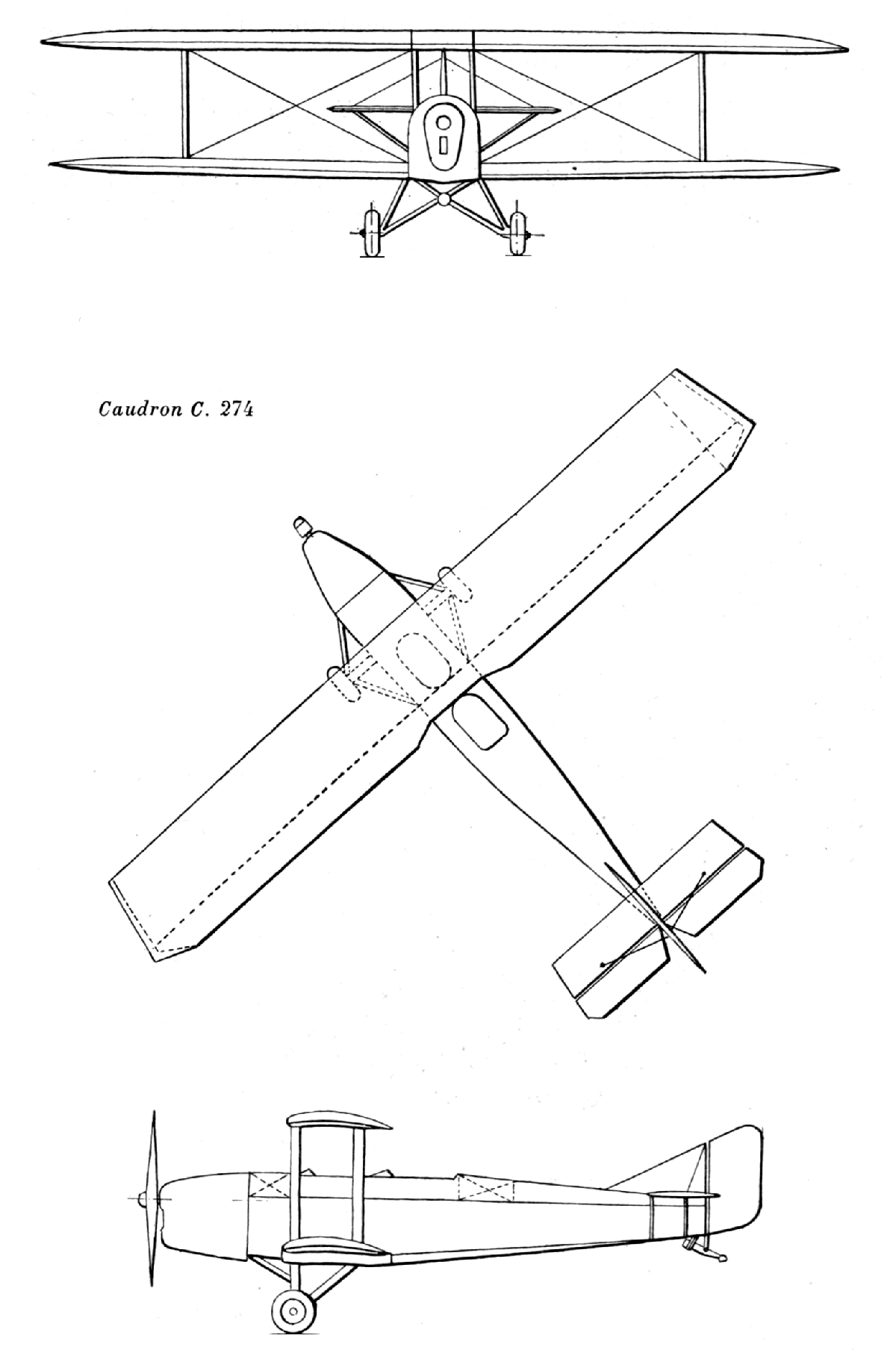
Eighty Caudron C.272/5 aircraft were produced, all featuring a 100 hp Renault 4Pgi engine. The Caudron C.273 saw 14 aircraft built with 100 hp Michel 4 A-14 engines, while the Caudron C.274 was a single example with the unsuccessful 135 hp Chaise 4Ba engine.
Popularity and Later Adaptations
The Caudron C.275 version was similar to the C.272/5, featuring the same 100 hp Renault 4Pgi engine, but its wings did not fold. This became the most popular version of the Luciole aircraft, regularly seen at air sports events throughout the 1930s. Of the 433 aircraft built in this series, 296 were ordered by the French government to promote aviation.
The Caudron C.276 version was fitted with a 105 hp de Havilland Gipsy III engine and brakes developed by the Charles company. In 1956, two C.276 aircraft were re-designated as C.276H after being equipped with West German Hirth HM 504 A2 engines.
Nine Caudron C.277 aircraft were built, identical to the C.272/4 but lacking the wing-folding mechanism. The Caudron C.277R was a single C.275 aircraft re-engined in 1949 with a Renault 4Po 3. Finally, a unique Caudron C.278 was constructed with new landing gear and a 135 hp Salmson 9Nc engine. Total production across all Luciole versions reached 725 units.
Technical Specifications
| Modification | C.275 |
| Wingspan, m | 9.90 |
| Aircraft length, m | 7.79 |
| Aircraft height, m | 2.70 |
| Wing area, m2 | 24.00 |
| Empty weight | 450 |
| Maximum takeoff weight | 780 |
| Engine type | 1 Piston engine Renault 4Pgi |
| Power, hp | 1 x 100 |
| Maximum speed, km/h | 160 |
| Cruising speed, km/h | 145 |
| Practical range, km | 500 |
| Practical ceiling, m | 4000 |
| Crew | 2 |
Image and diagram gallery of the Caudron C.270 Luciole
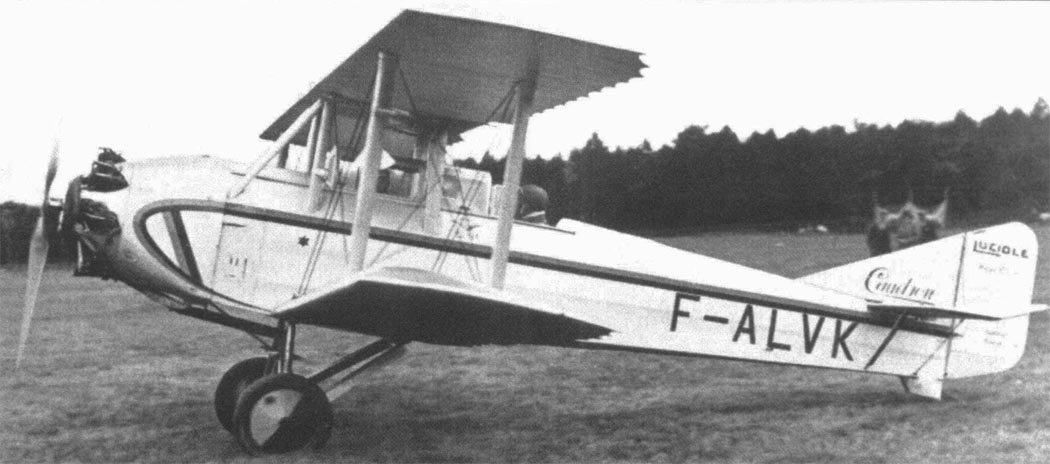 Caudron C.270 Luciole |
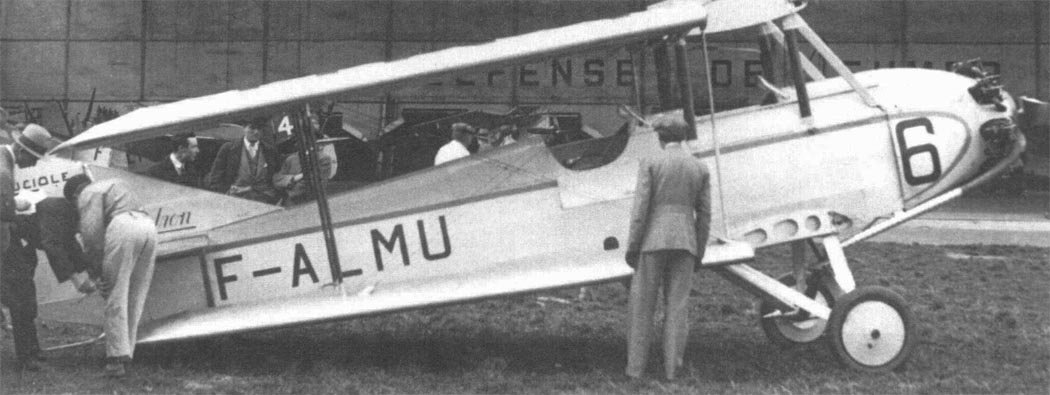 Caudron C.270 Luciole |
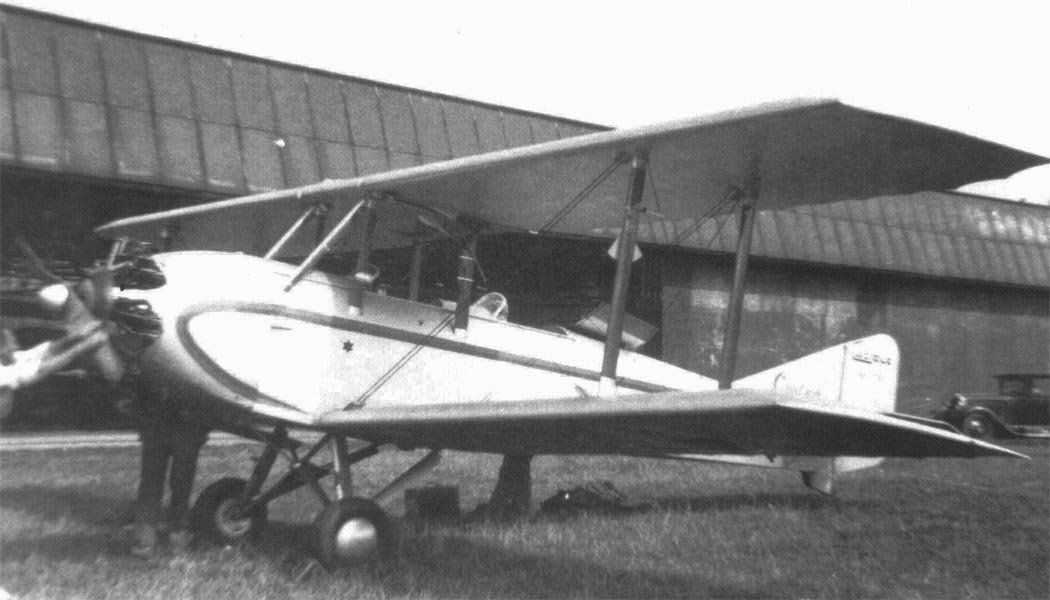 Caudron C.270 Luciole |
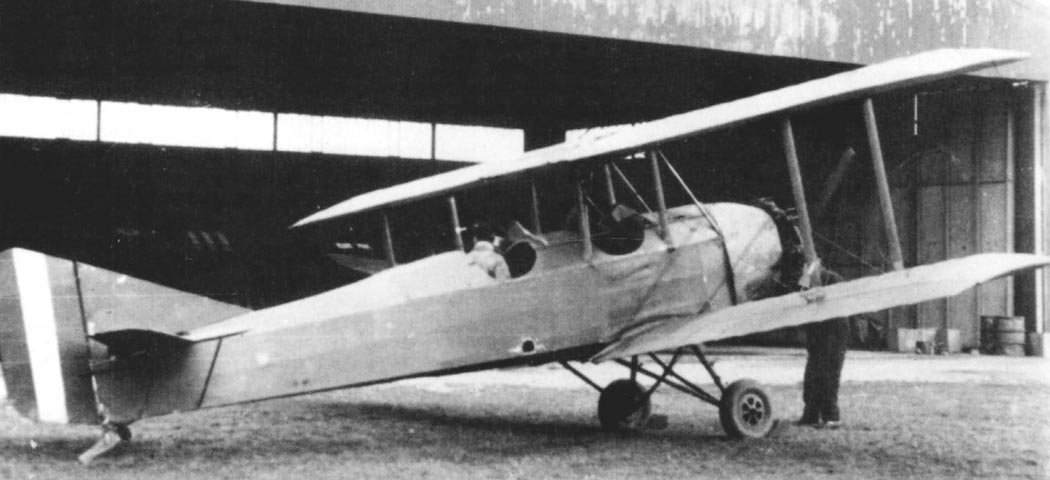 Caudron C.270 Luciole |
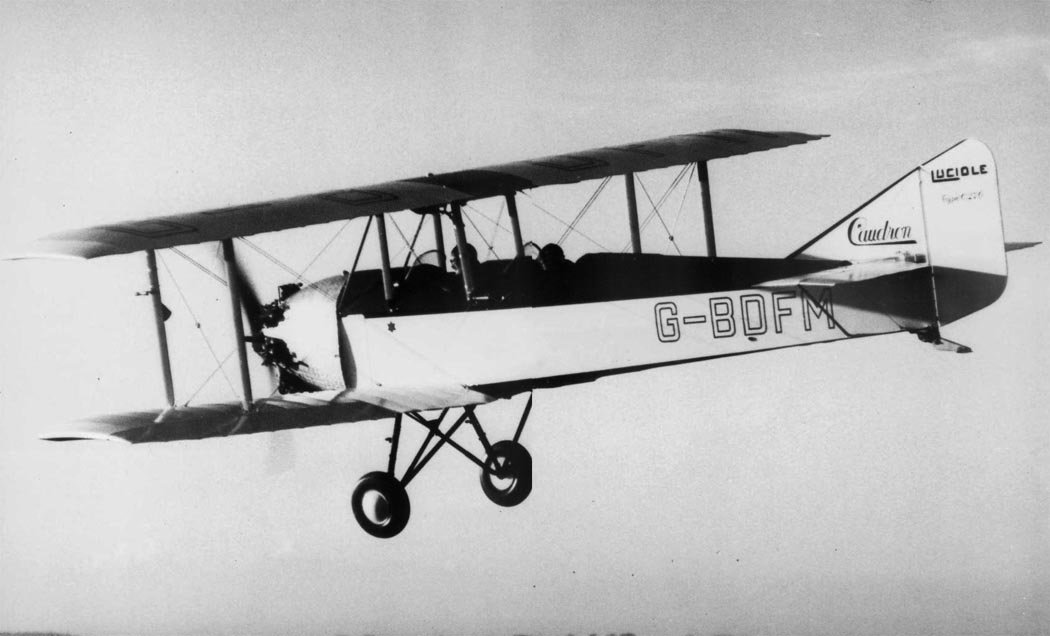 Caudron C.270 Luciole |
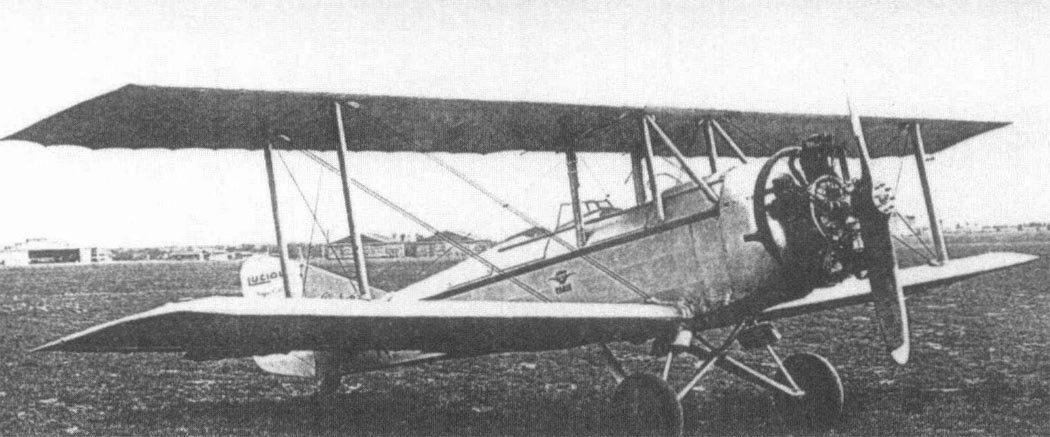 Caudron C.270 Luciole |
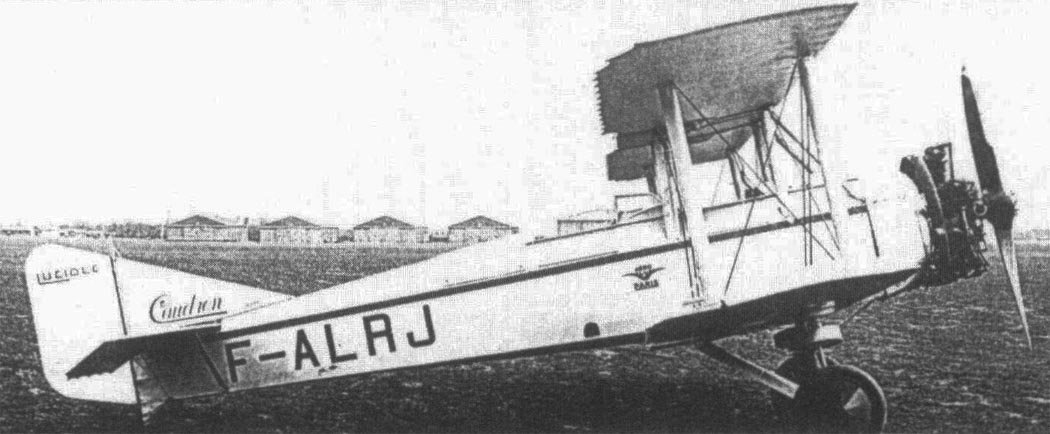 Caudron C.270 Luciole |
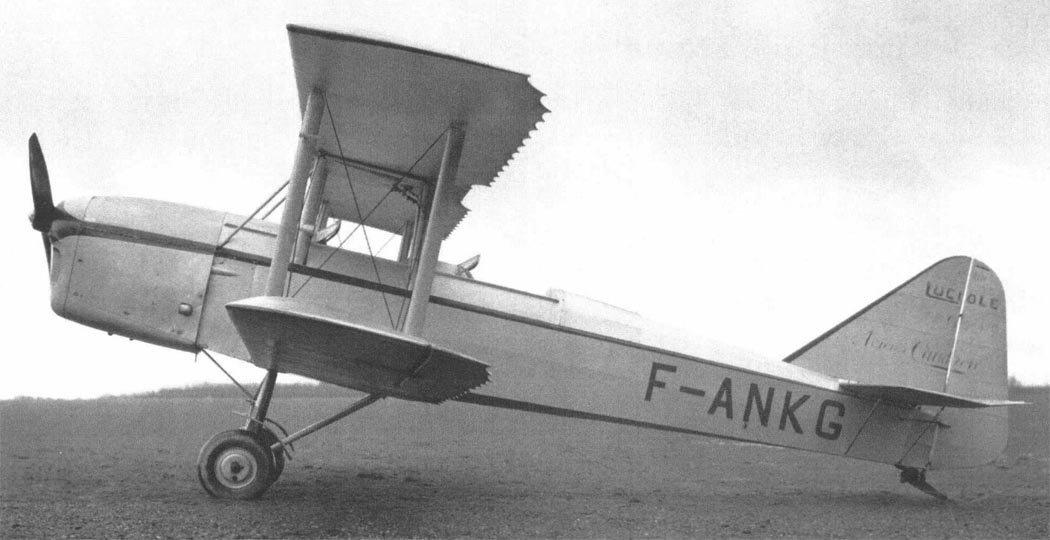 Caudron C.270 Luciole |
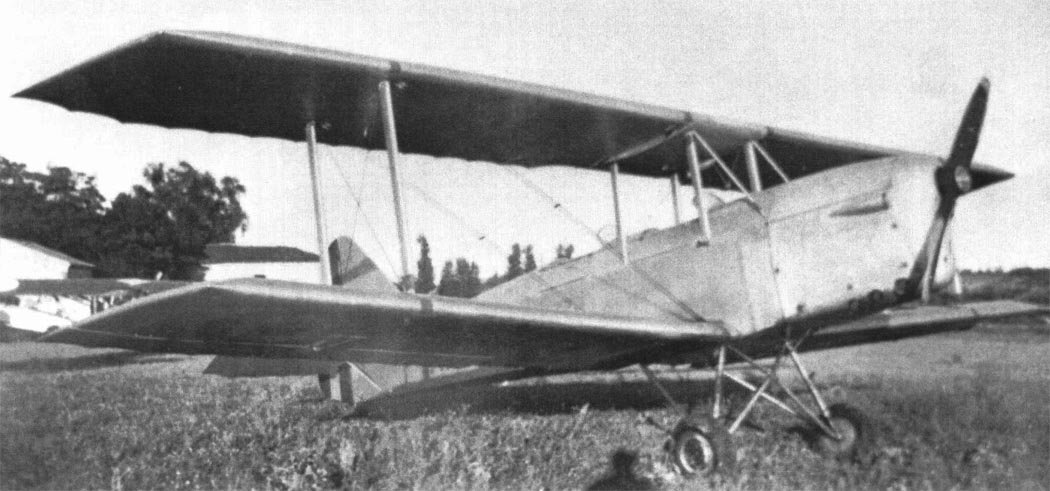 Caudron C.270 Luciole |
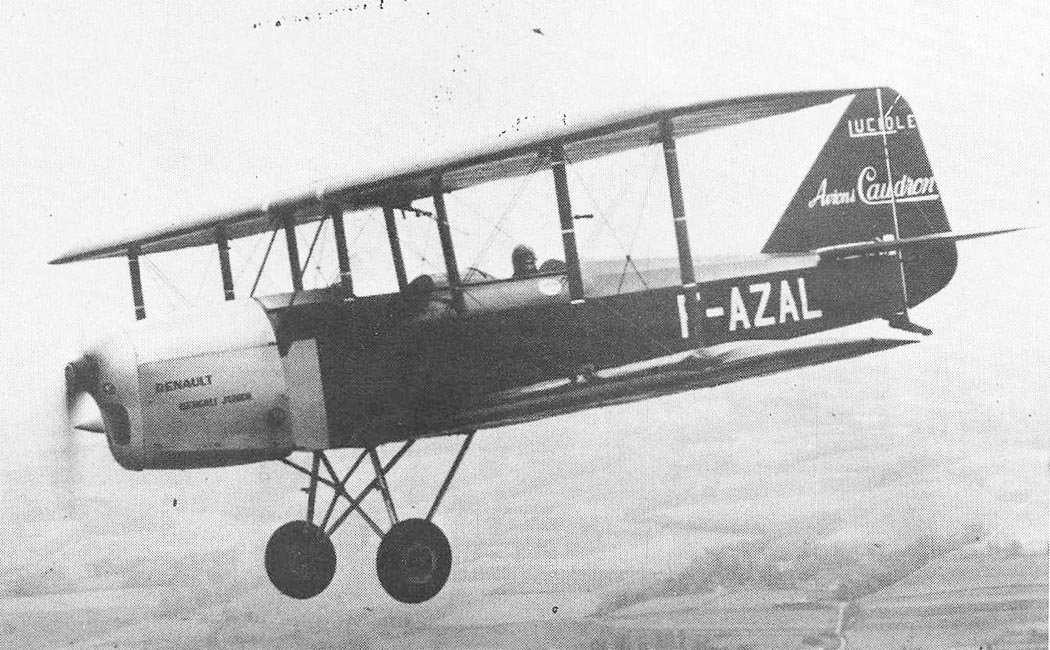 Caudron C.270 Luciole |
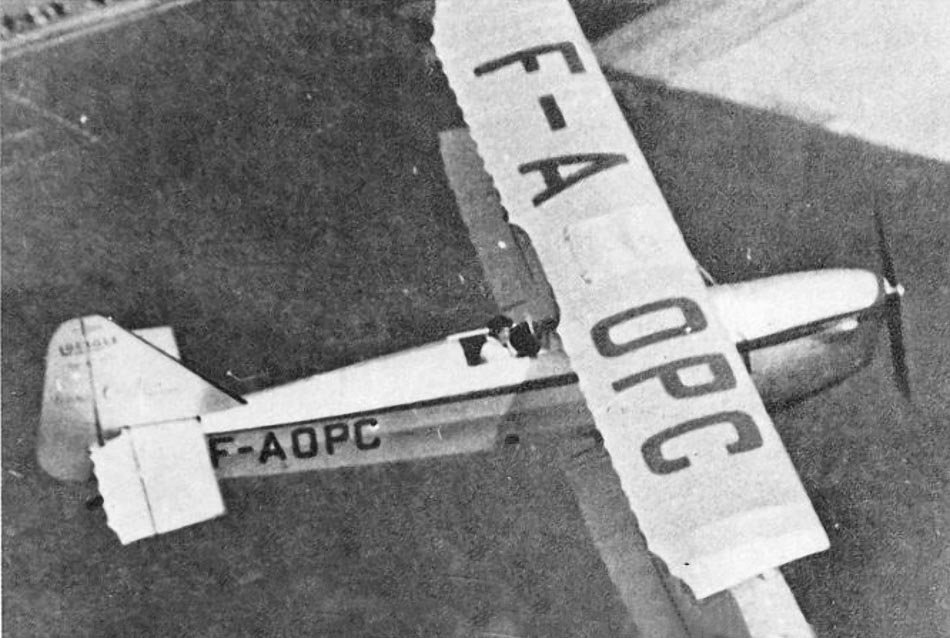 Caudron C.270 Luciole |
 Caudron C.270 Luciole |
 Caudron C.270 Luciole |
 Caudron C.270 Luciole |
 Caudron C.270 Luciole |
 Caudron C.270 Luciole |
 Caudron C.270 Luciole |
 Caudron C.270 Luciole |
 Caudron C.270 Luciole |
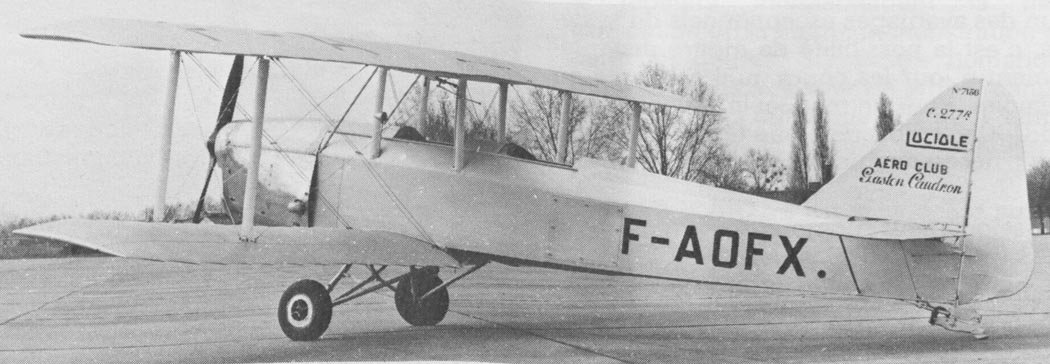 Caudron C.270 Luciole |
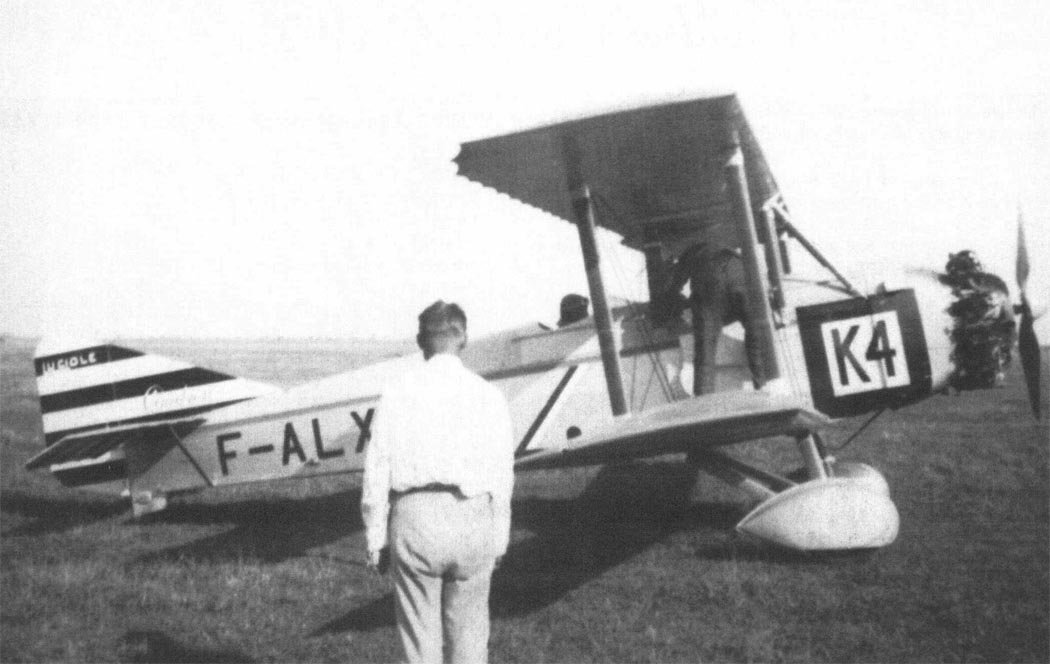 Caudron C.270 Luciole |
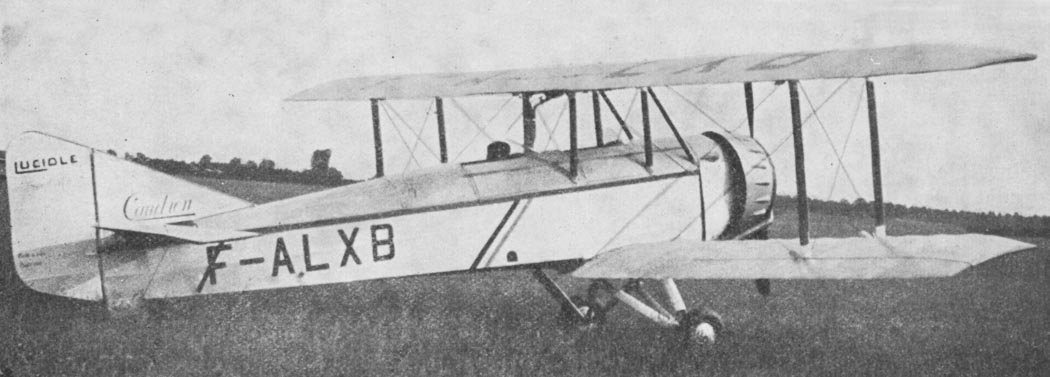 Caudron C.270 Luciole |
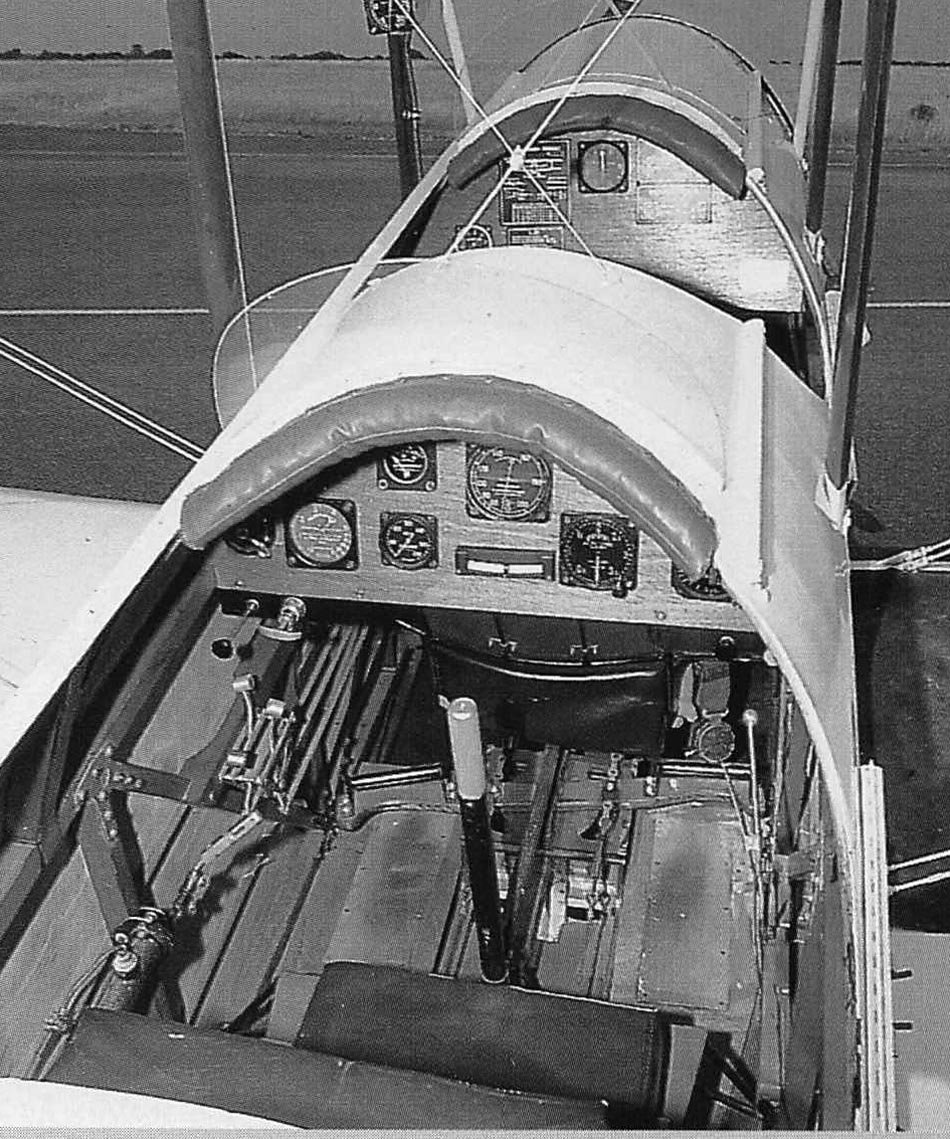 Caudron C.270 Luciole |
 Caudron C.270 Luciole |
 Caudron C.270 Luciole |
 Caudron C.270 Luciole |
 Caudron C.270 Luciole |
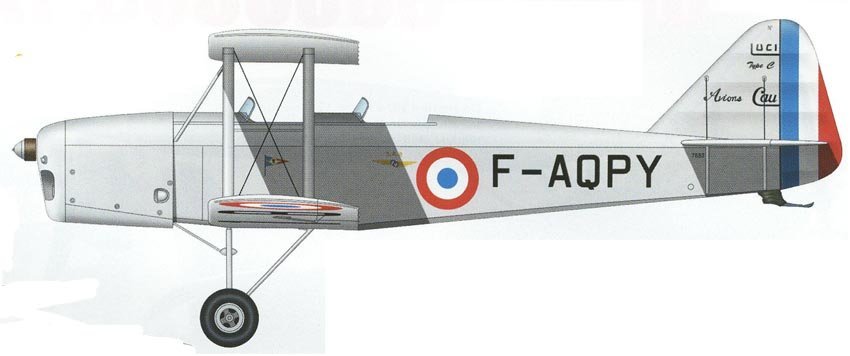 Caudron C.270 Luciole |
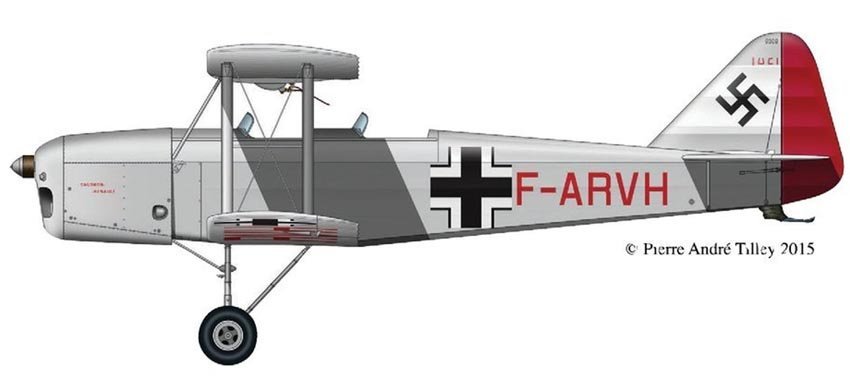 Caudron C.270 Luciole |
Equipo Editorial de ArchivoAéreo
Grupo de investigadores y entusiastas de la aviación dedicados a documentar y preservar la historia aeronáutica mundial. Todos los artículos son revisados para garantizar precisión histórica.
Fuentes y Rigurosidad
La información presentada en esta ficha técnica ha sido compilada a partir de manuales de vuelo desclasificados, archivos históricos y bibliografía especializada. Aunque nos esforzamos por mantener la máxima precisión, algunos datos de rendimiento pueden variar según la variante específica o las condiciones operativas.