Caudron R.4
Caudron R.4: Design and Early Promise
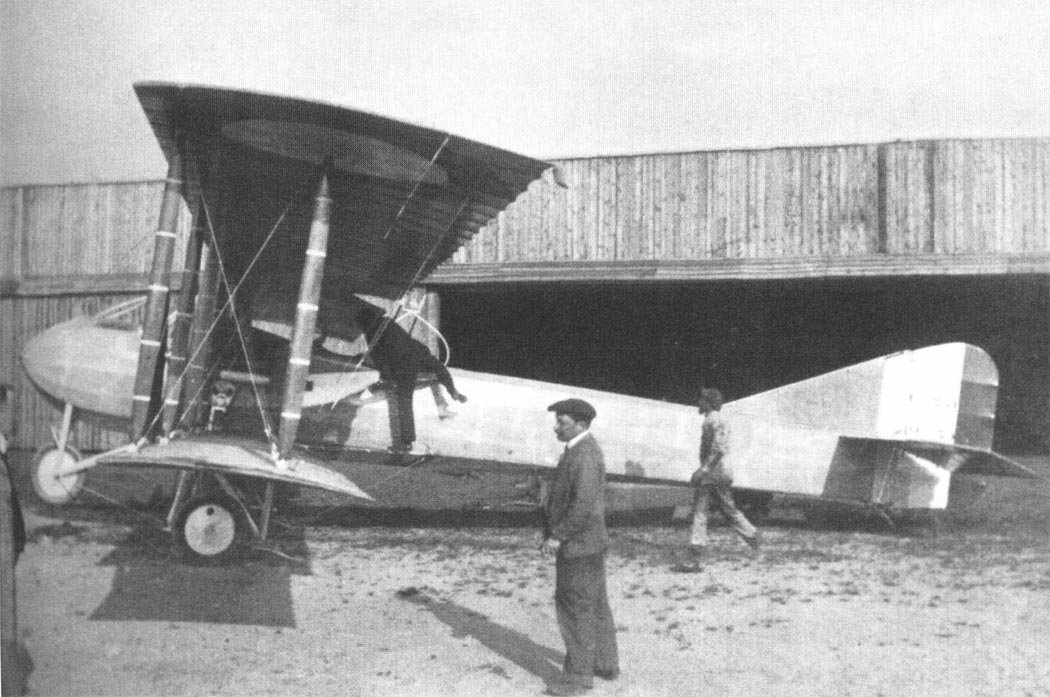
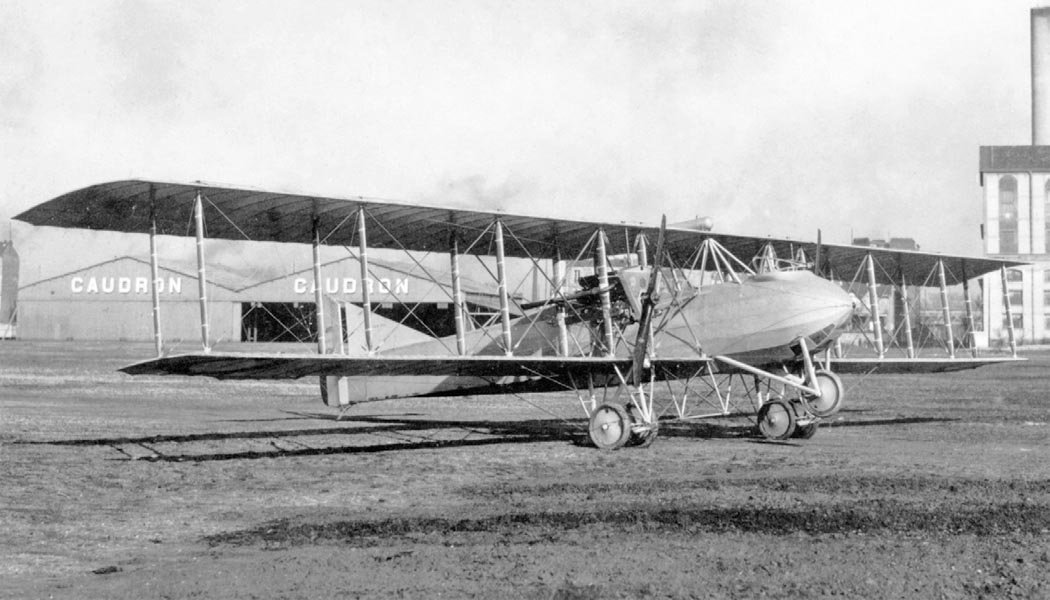
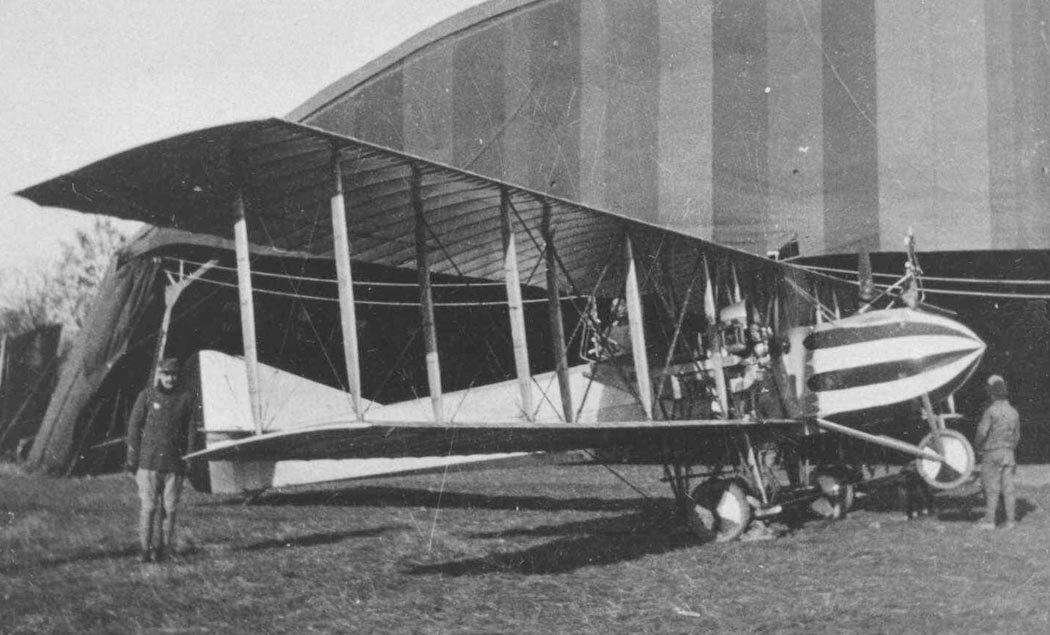
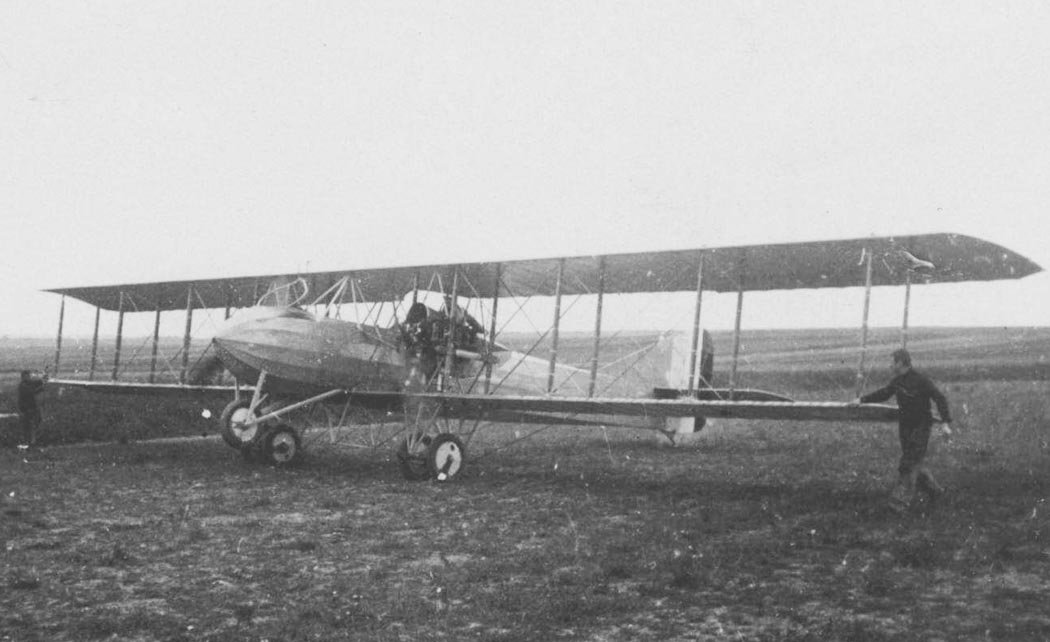
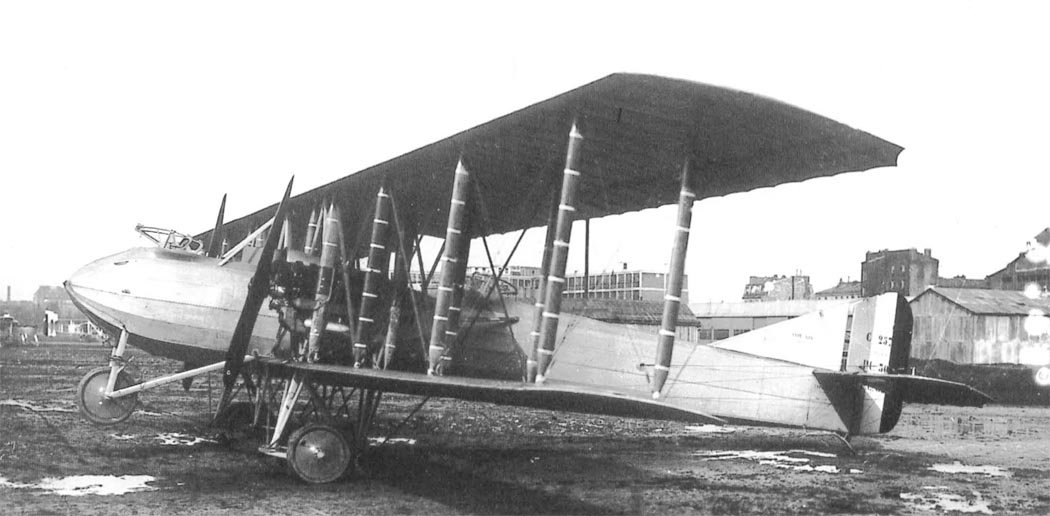
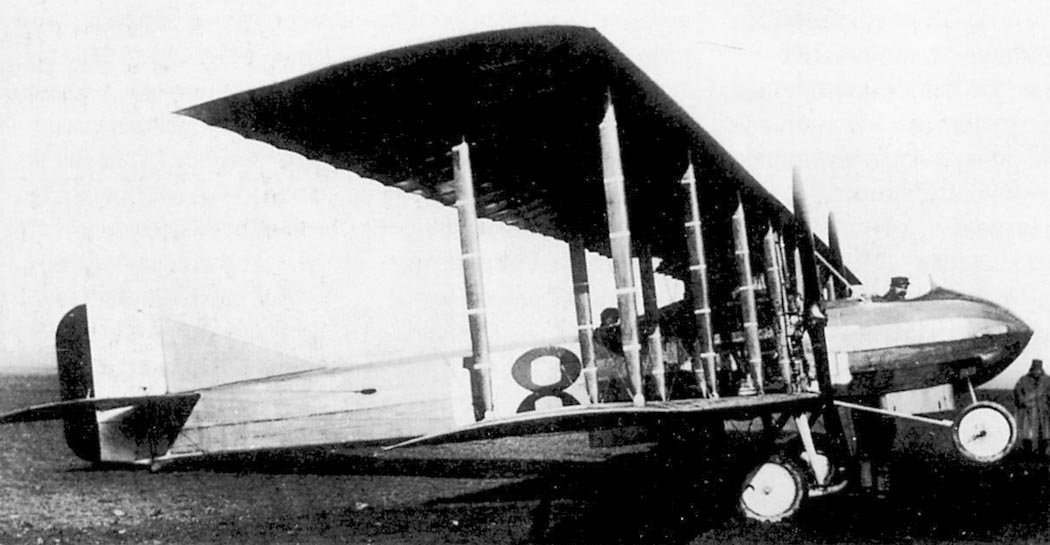
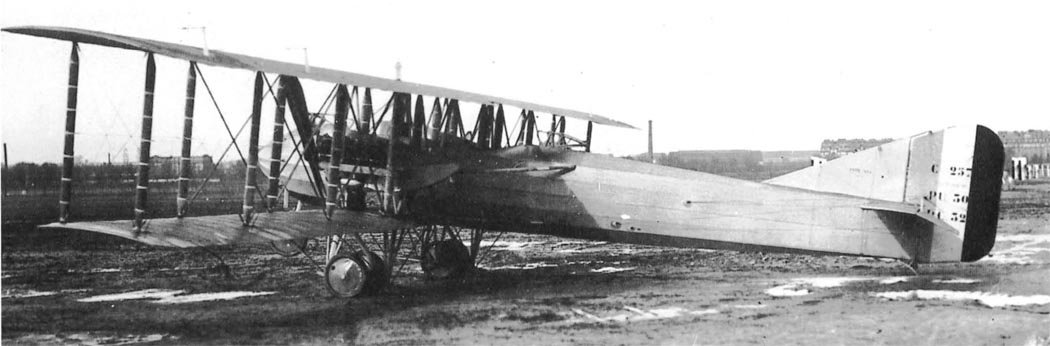
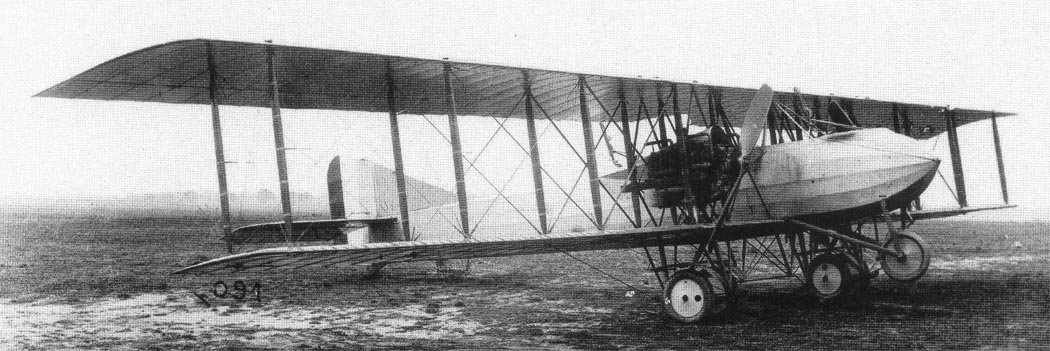
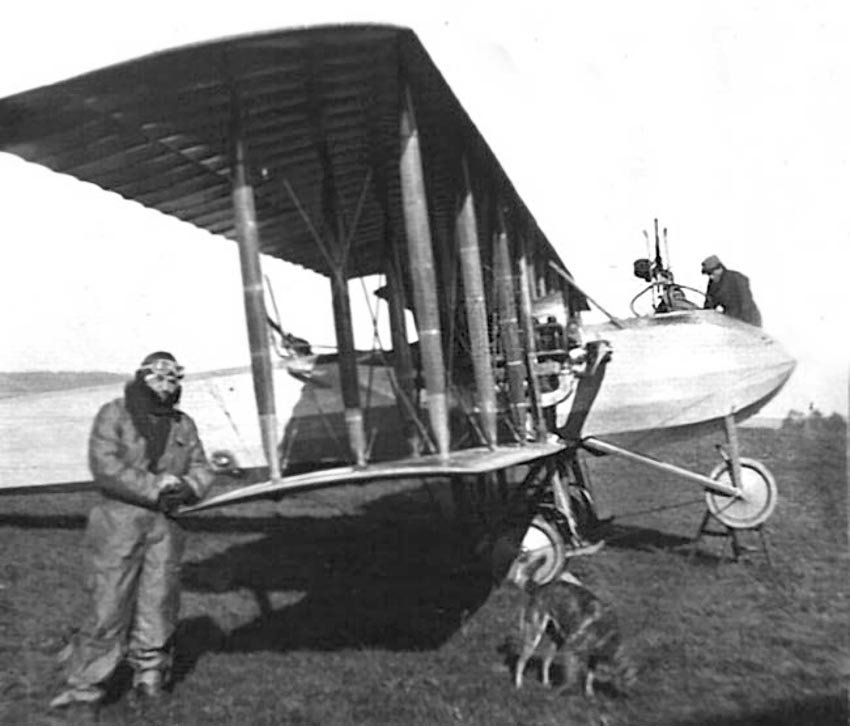
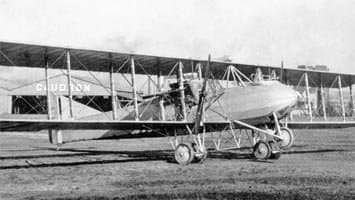
In June 1915, the prototype of the new French bomber, the Caudron R.4, took to the skies for the first time. The design of this aircraft represented a tremendous leap forward compared to the previous model from brothers René and Gaston Caudron, the “Caudron” G.4. Compared to the prevalent truss-fuselage, pusher-propeller aircraft of the era, the elegant, sharp-nosed Caudron R.4 looked remarkably progressive.
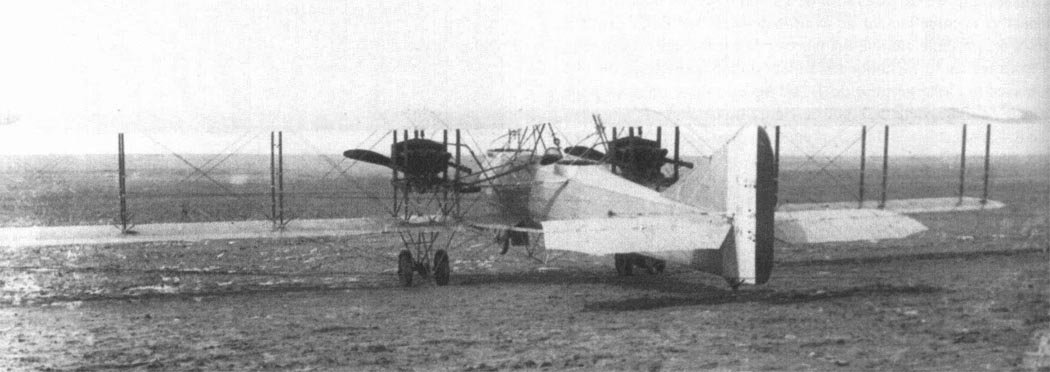
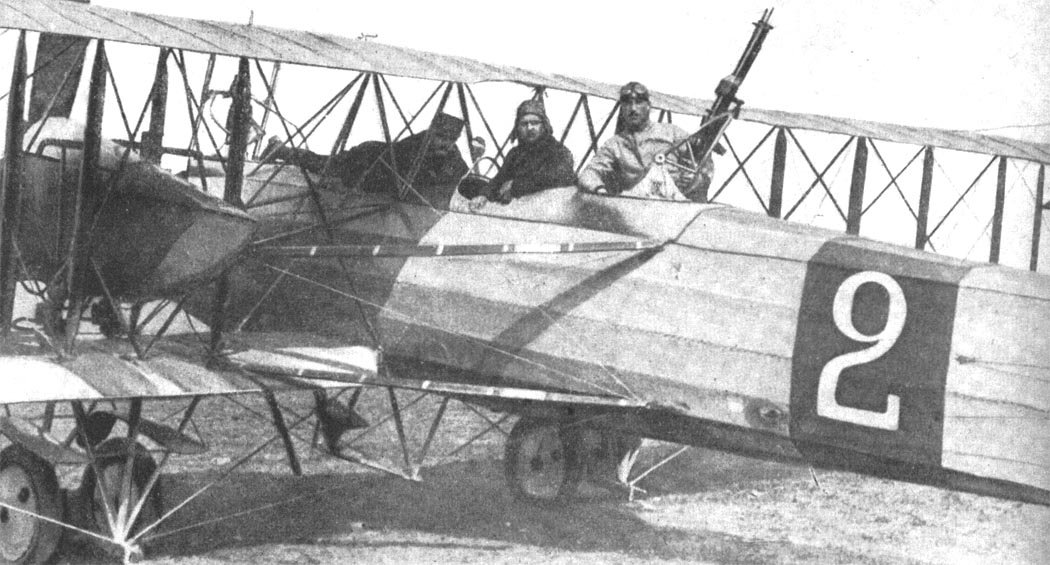
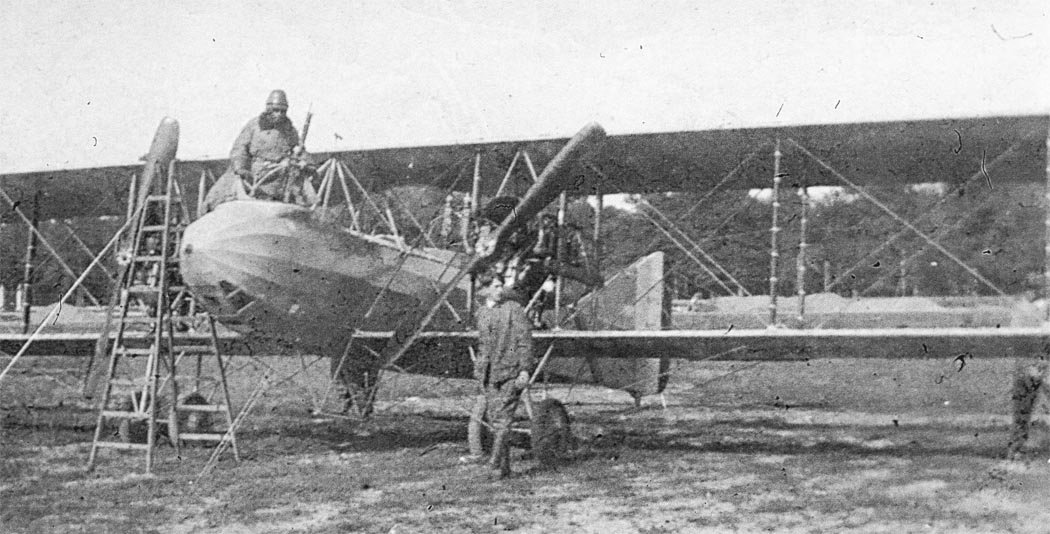
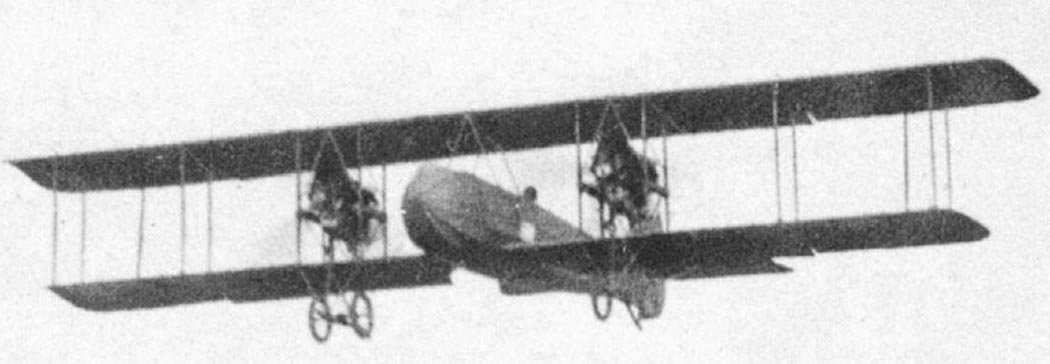
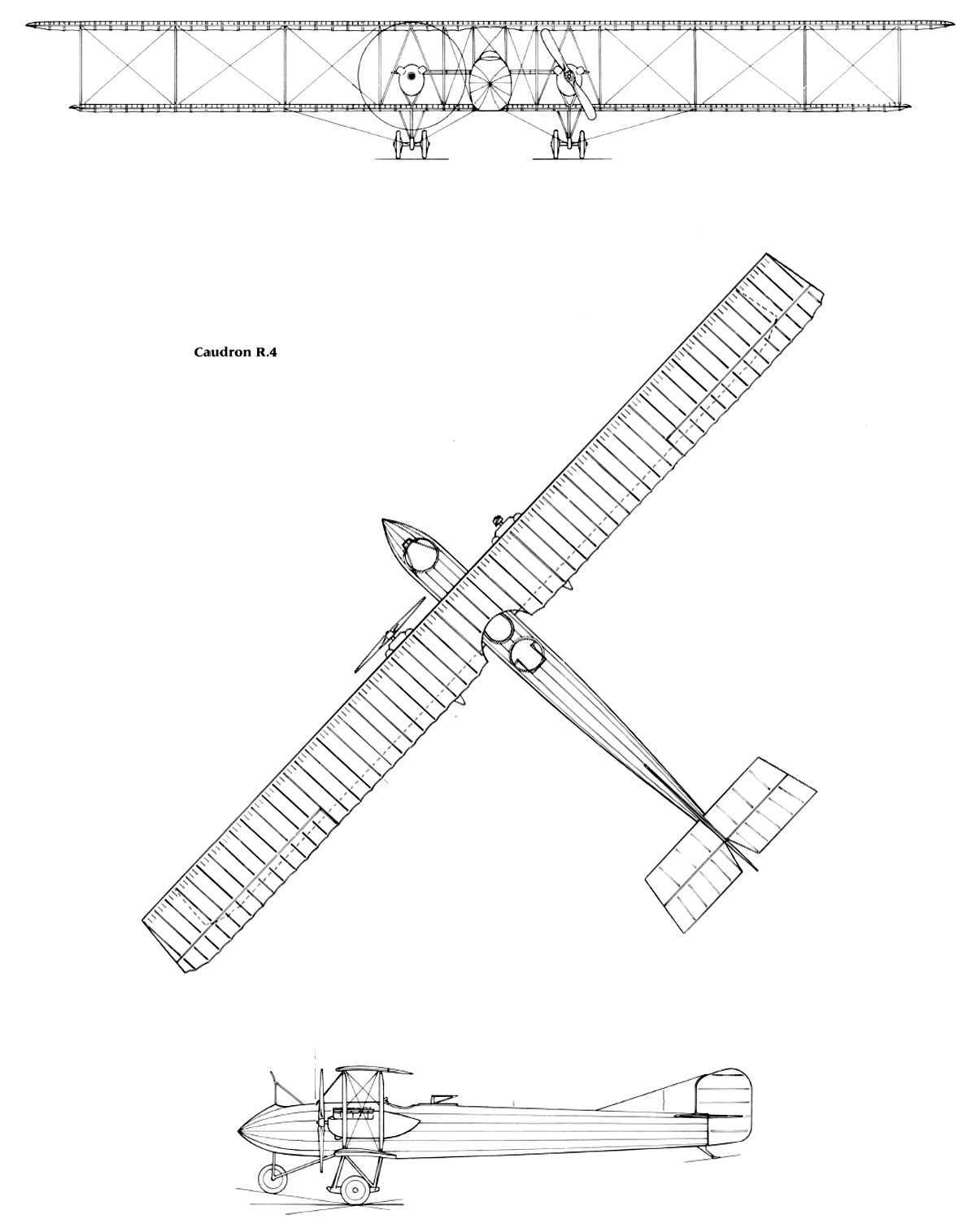
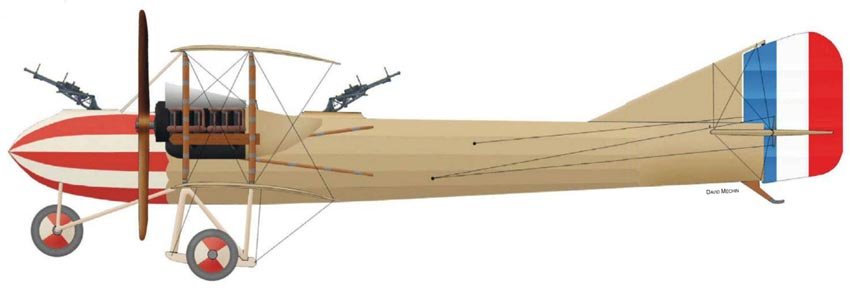
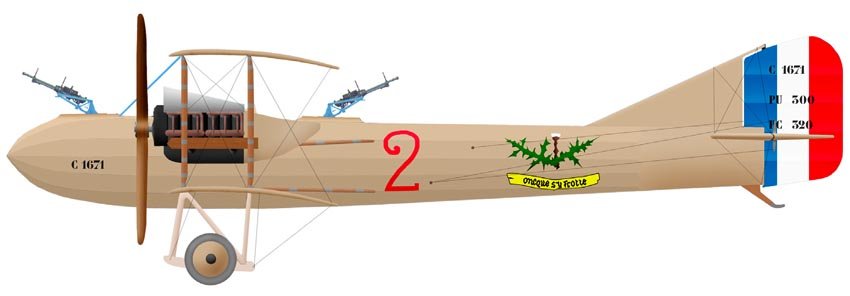
Unlike its predecessors, the Caudron G.3 and G.4, the R.4 featured a full-length fuselage (not a frame structure) and a single fin. Its wings had different spans, and the ailerons were located on the upper wing. An additional nose wheel was also introduced to prevent nose-overs during landing or taxiing. The crew consisted of three individuals: a pilot and two gunners positioned in the front and central sections, armed with twin Lewis machine guns on rotating platforms.
Operational Setbacks and Strategic Re-evaluation
Despite its good aerodynamics, the aircraft’s flight performance did not inspire optimism. In terms of speed and payload, the aircraft was practically no different from its predecessor, and its climb rate proved to be even worse. The R.4 was clearly overweight and oversized for the 130-horsepower engines it was fitted with, and France did not yet have more powerful aviation engines available at that time.
The R.4 was assigned to the French Army’s C.46 squadron. Within its first two months, R.4 aircraft reportedly shot down 34 German planes. However, operational experience revealed that, in addition to its poor climb rate, the aircraft also suffered from poor maneuverability. As a result, the R.11 was developed, and production of the R.4 ceased.
The Caudron R.4 did not prove effective as a bomber, but without bombs, its flight characteristics were quite acceptable. The decision was made to use the aircraft in a photo-reconnaissance role, especially as pilots appreciated the machine’s good protection against fighter attacks. From January 1916, new Caudron R.4s began entering reconnaissance squadrons of the French Air Force, continuing in this role until 1917, when the R.4 was replaced by the Letord 1.
In total, 249 Caudron R.4 aircraft were built.
Technical Specifications
| Modification | R.4 |
| Wingspan, m | 21.00 |
| Length, m | 11.80 |
| Wing area, m2 | 70.00 |
| Empty weight | 1710 |
| Normal takeoff weight | 2330 |
| Engine type | 2 Piston engines Renault 12Db |
| Power, hp | 2 x 130 |
| Maximum speed, km/h | 136 |
| Cruising speed, km/h | 115 |
| Flight endurance, h | 3.0 |
| Service ceiling, m | 4600 |
| Crew, crew members | 3 |
| Armament | two machine gun turrets with 7.7-mm Lewis machine guns, up to 100 kg of bombs |
Image gallery of the Caudron R.4