 Experimental
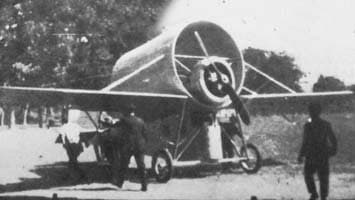
Botte Volante
Descubre la ‘Botte Volante', el prototipo de avión italiano de Antonio Mattioni de 1923, un diseño pionero con fuselaje tubular y principios de propulsión a reacción.
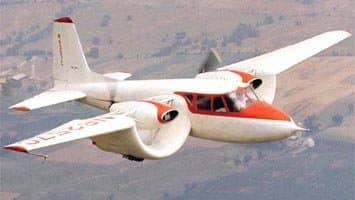
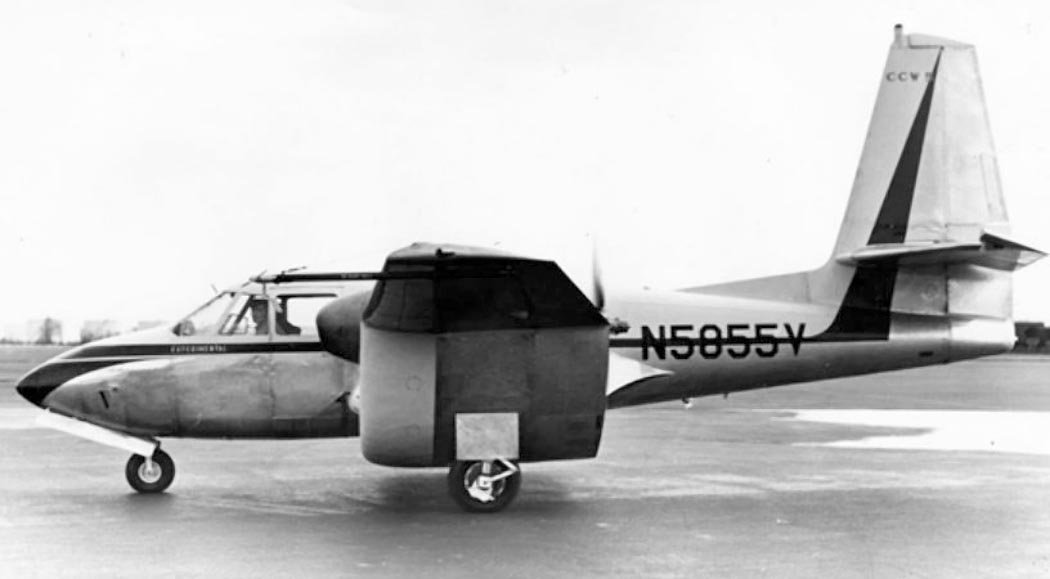
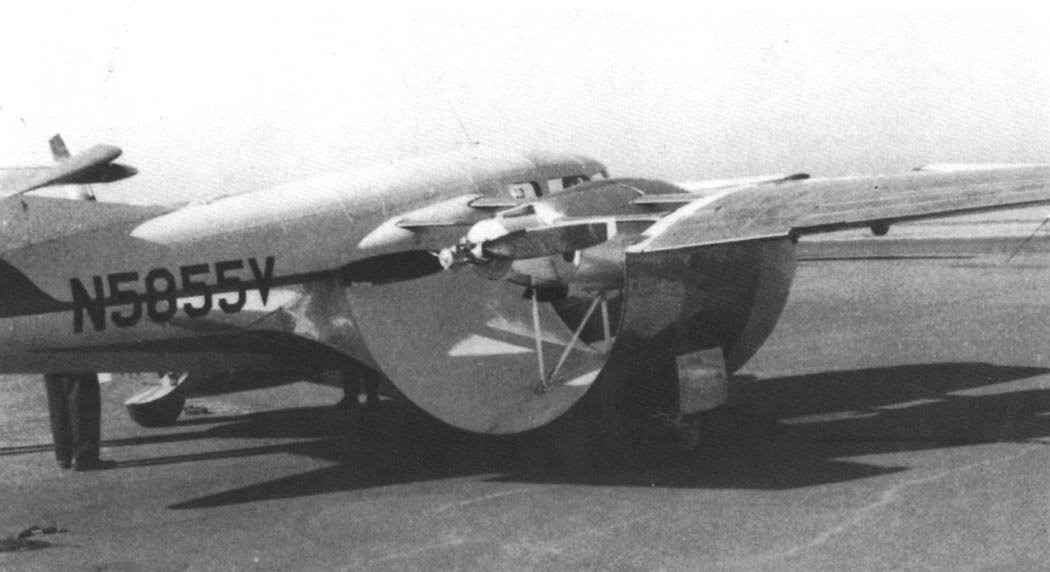
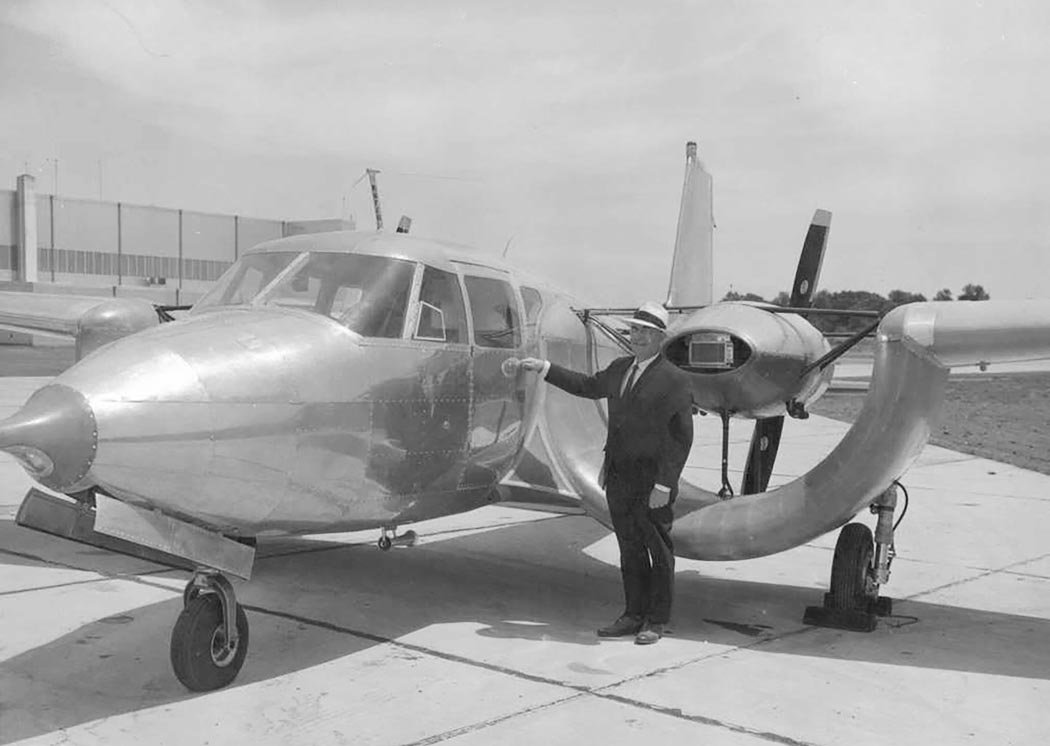
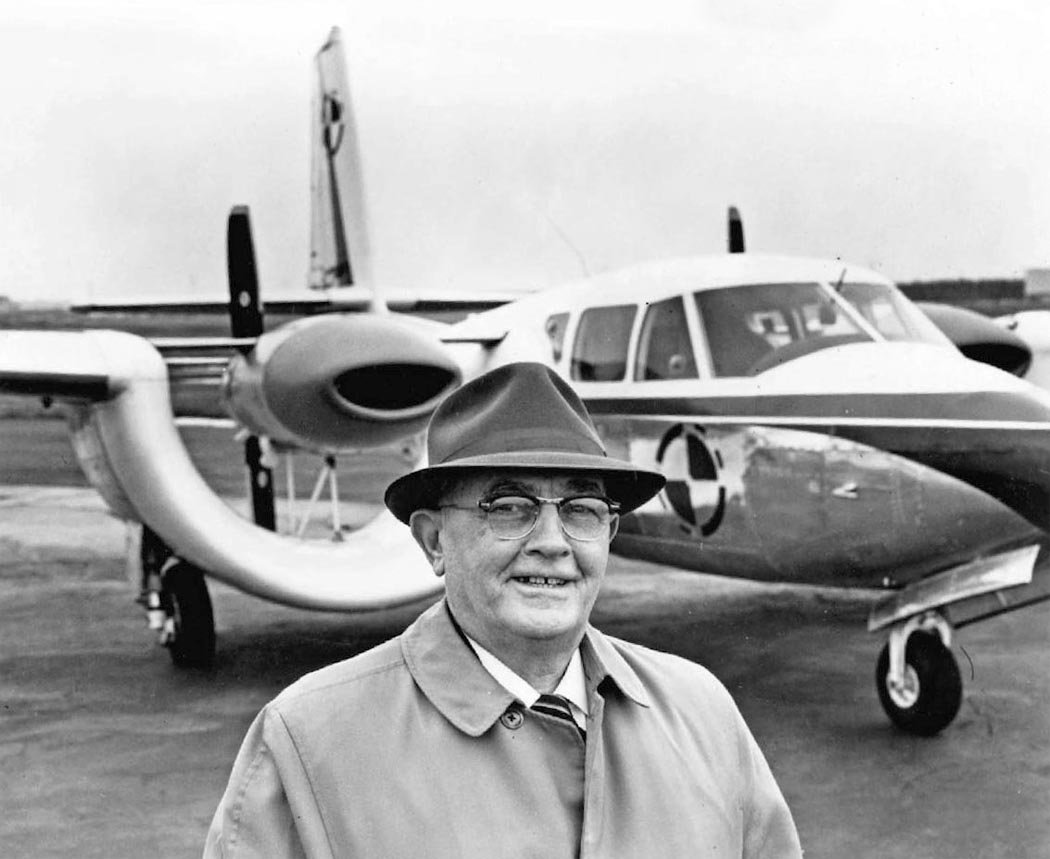
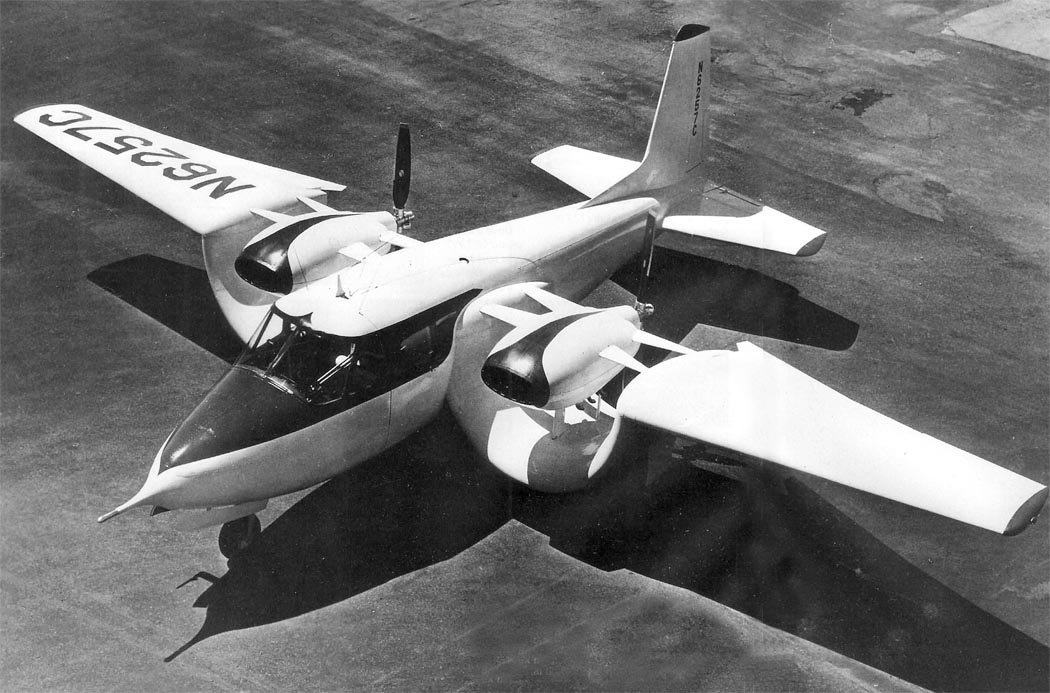
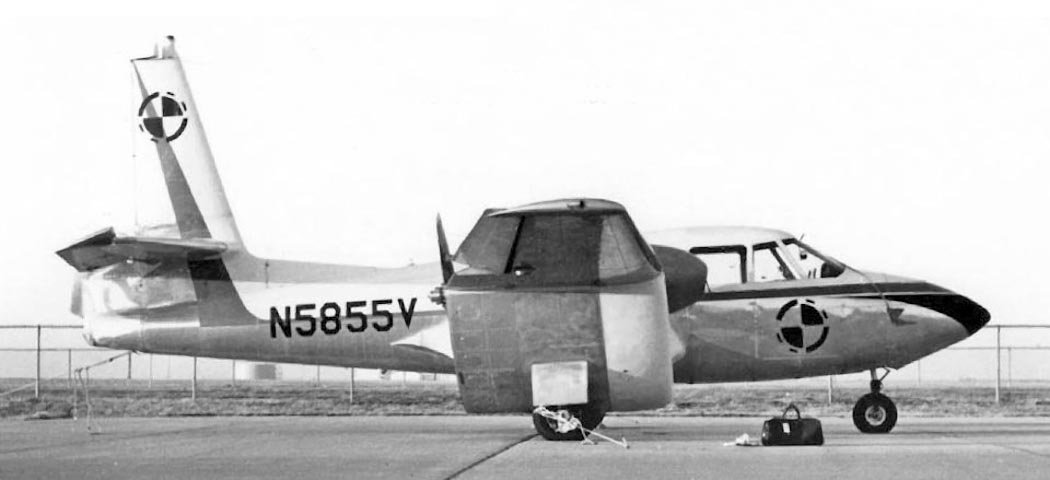
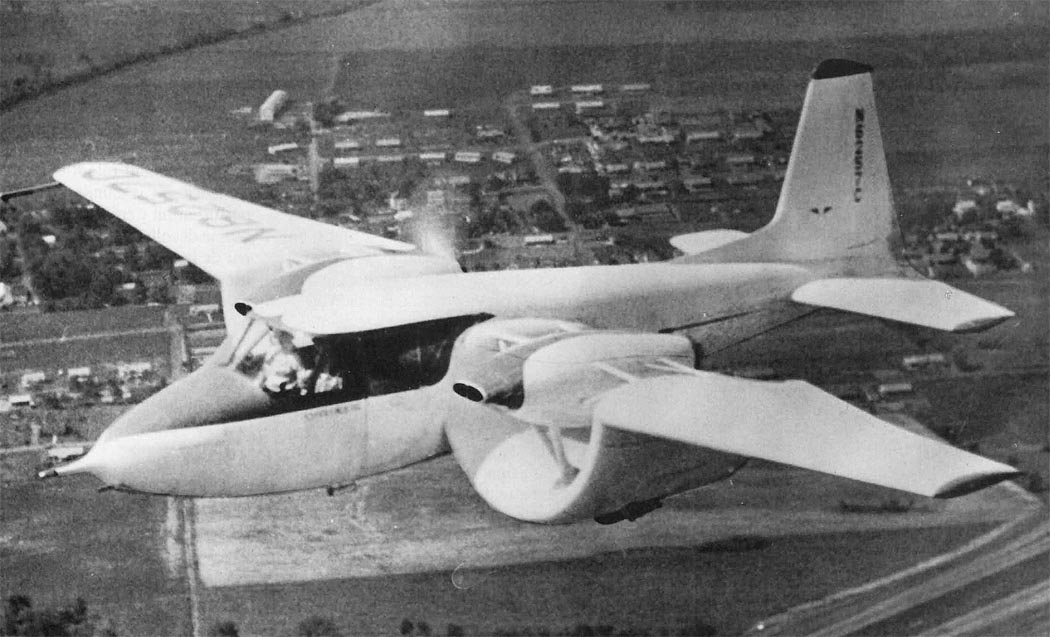
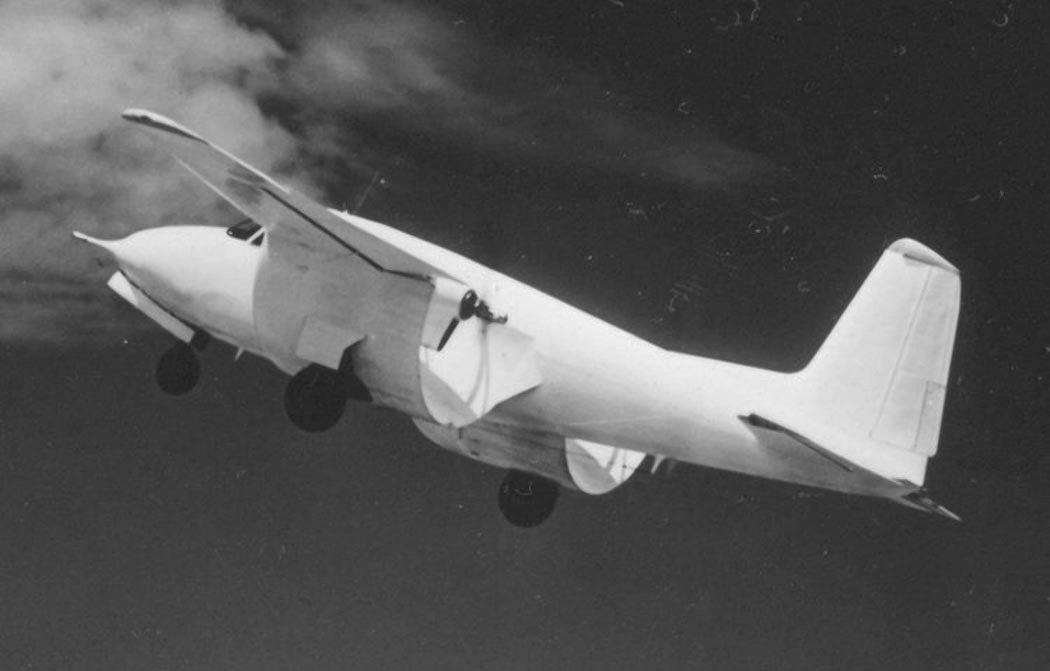
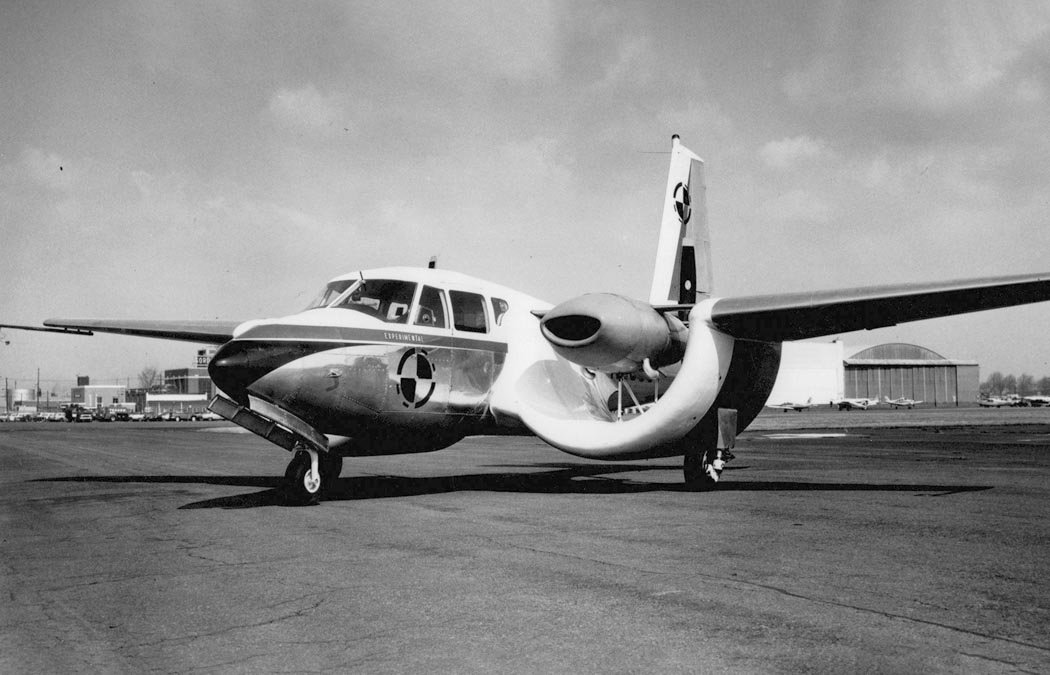
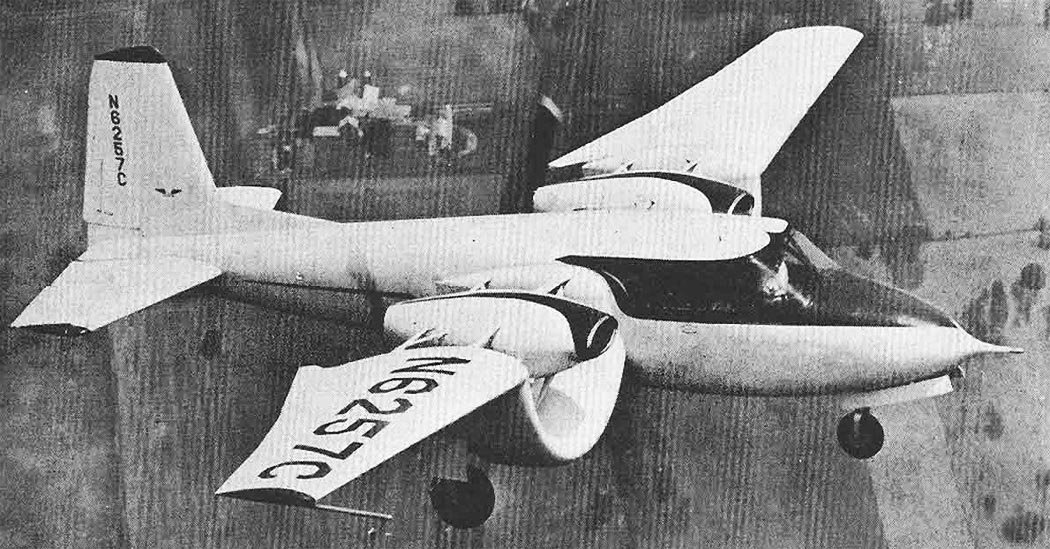
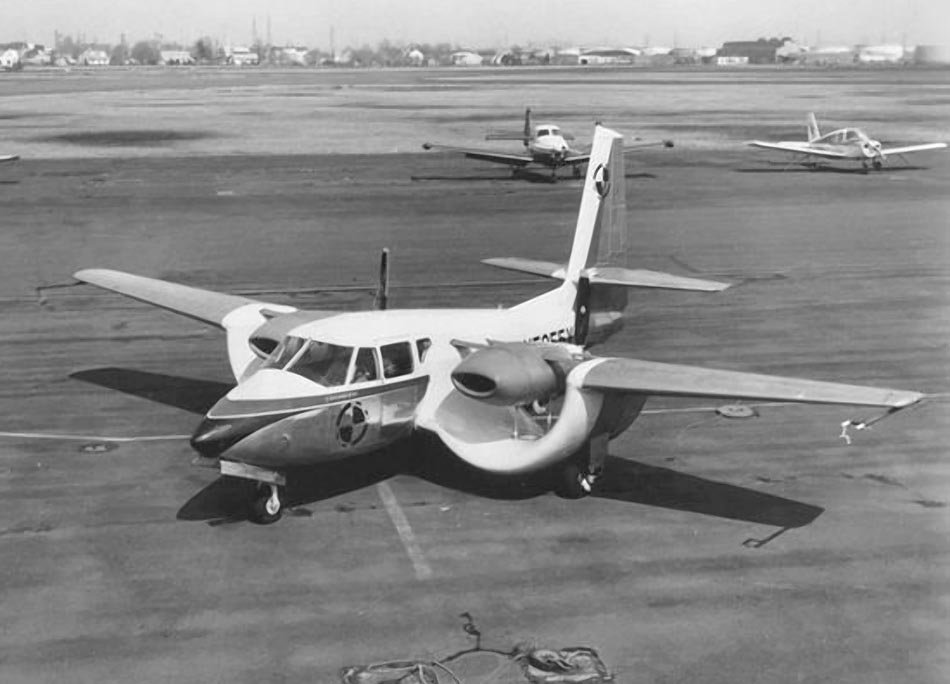
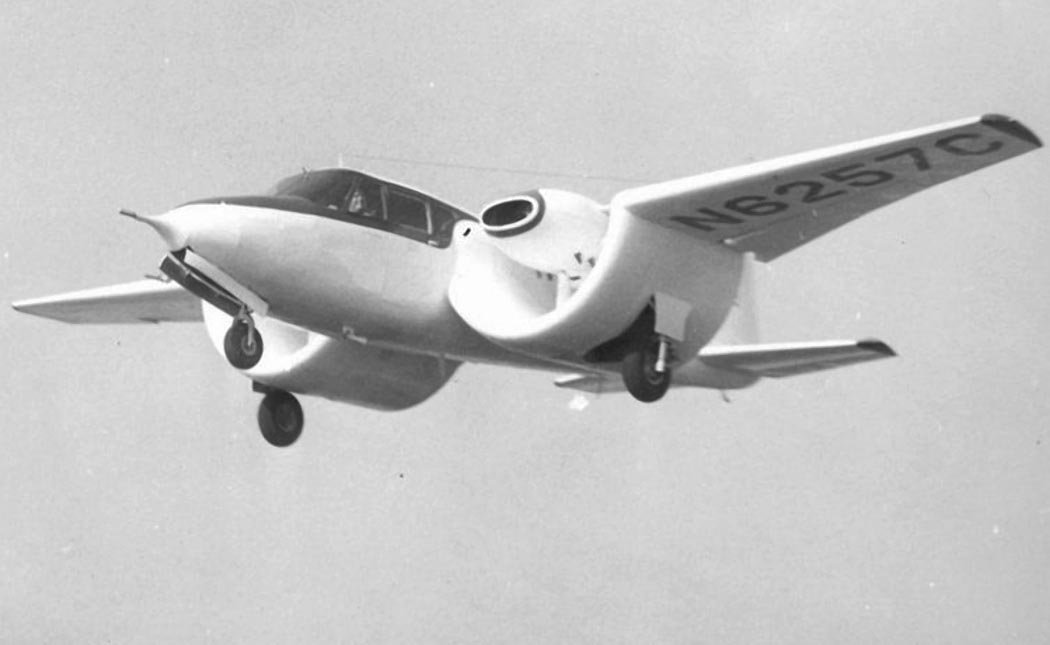
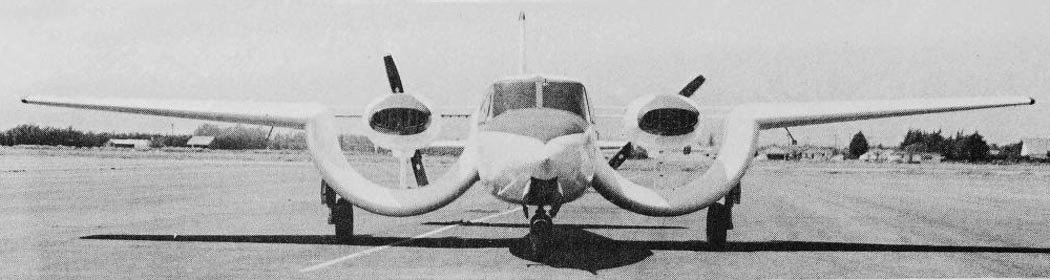
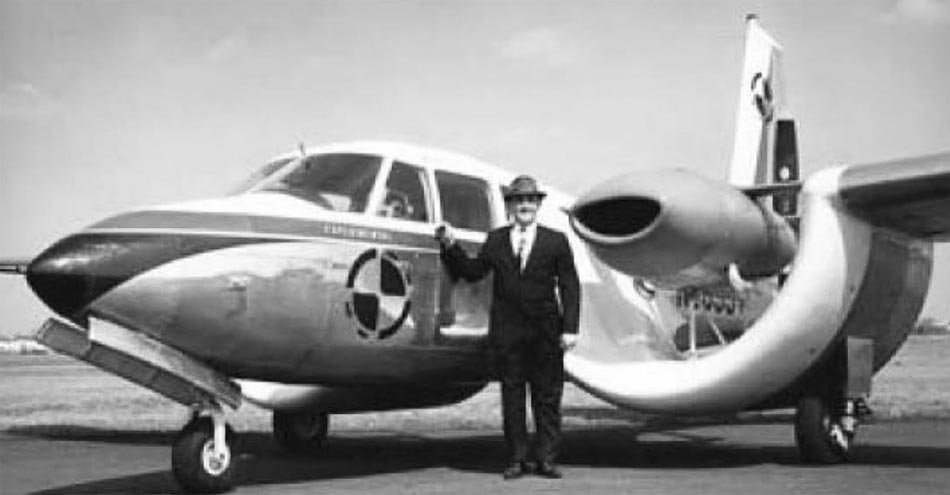
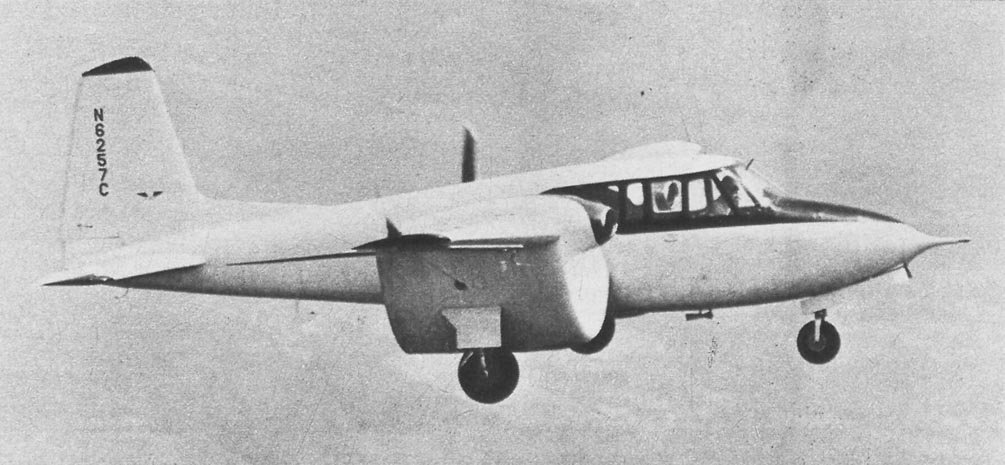
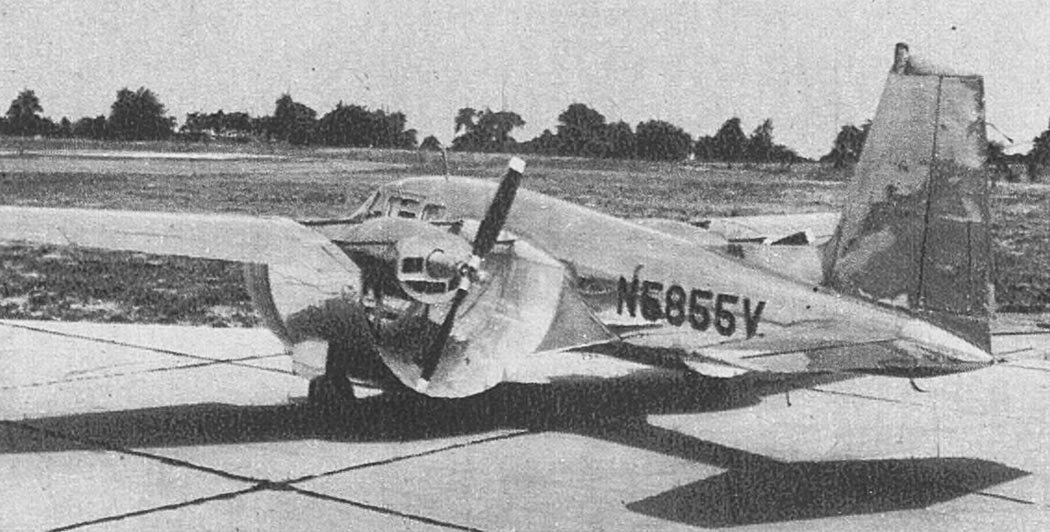
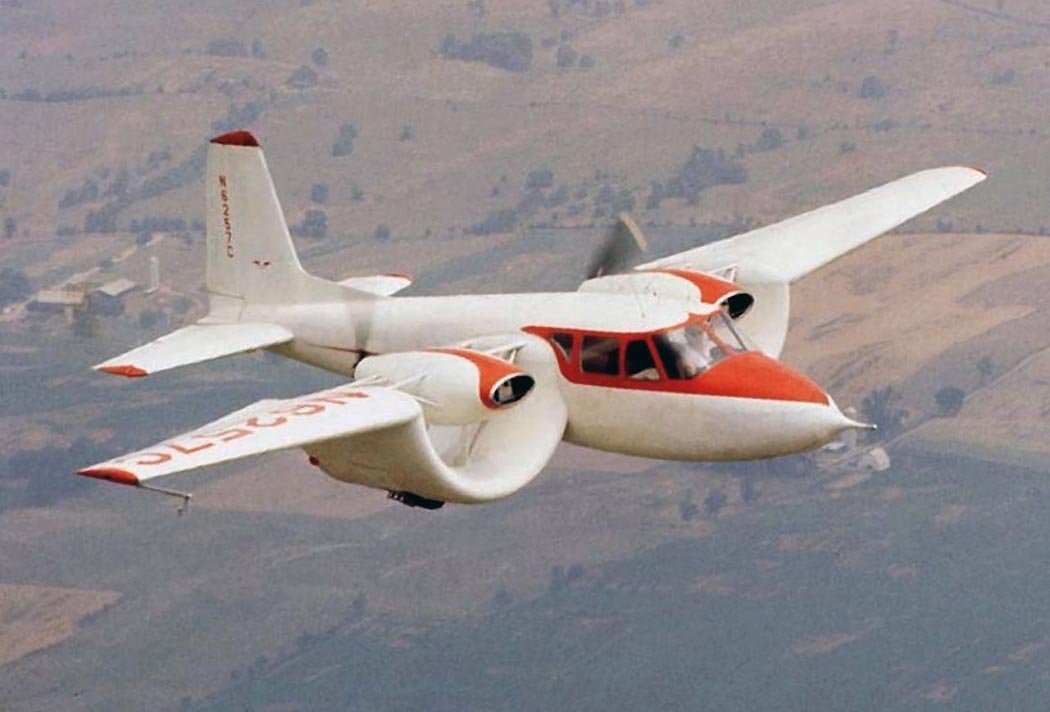
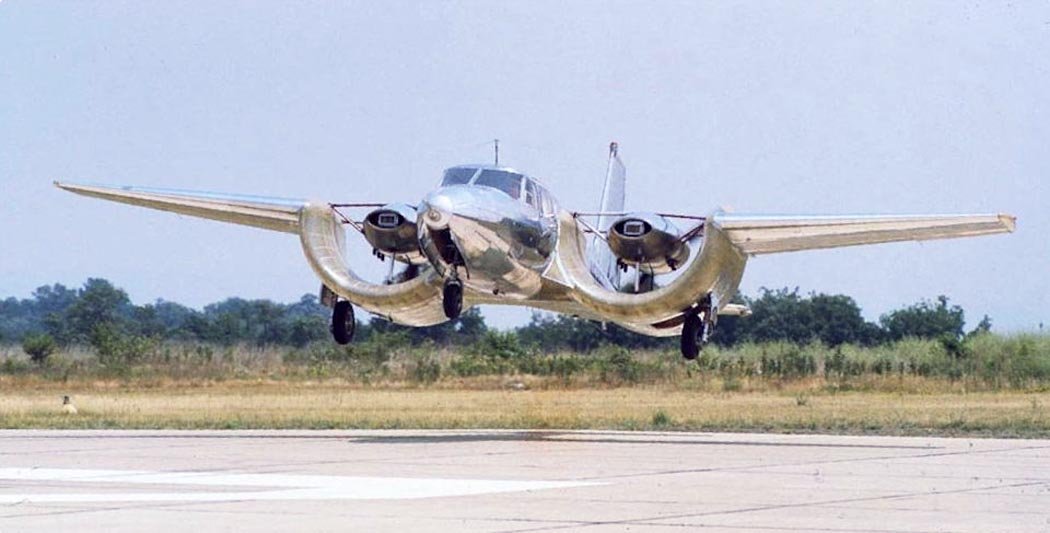
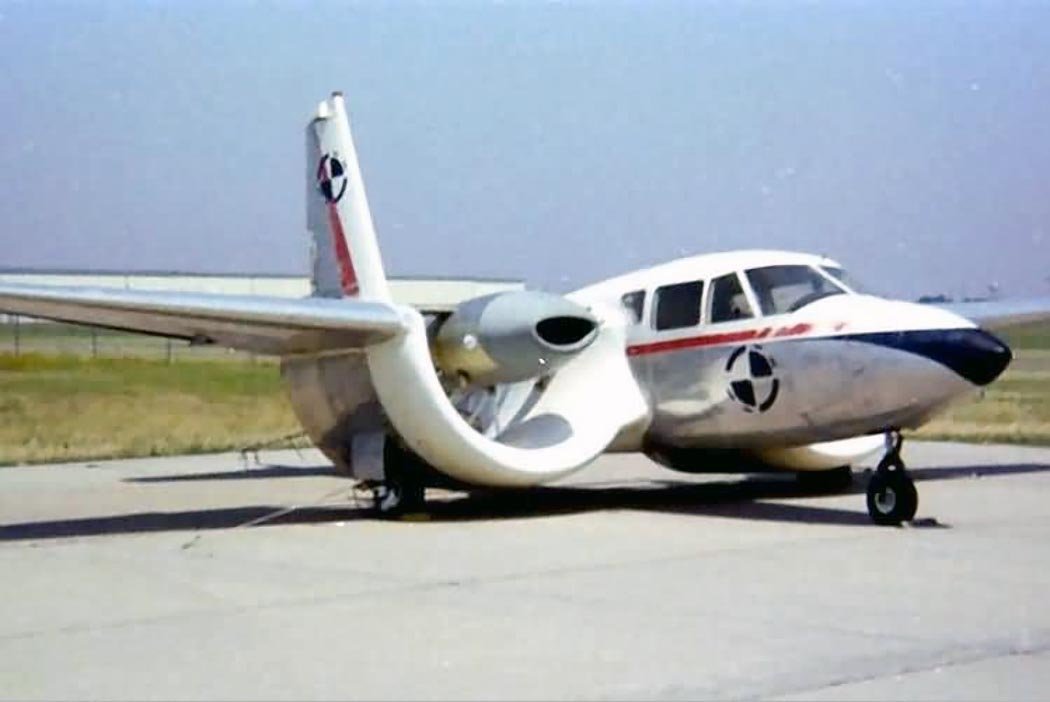
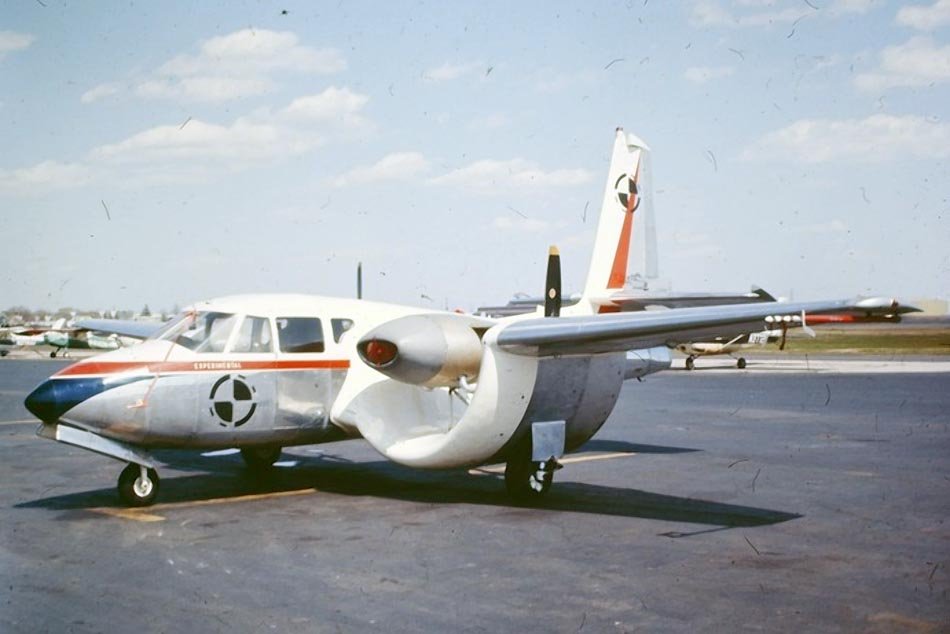
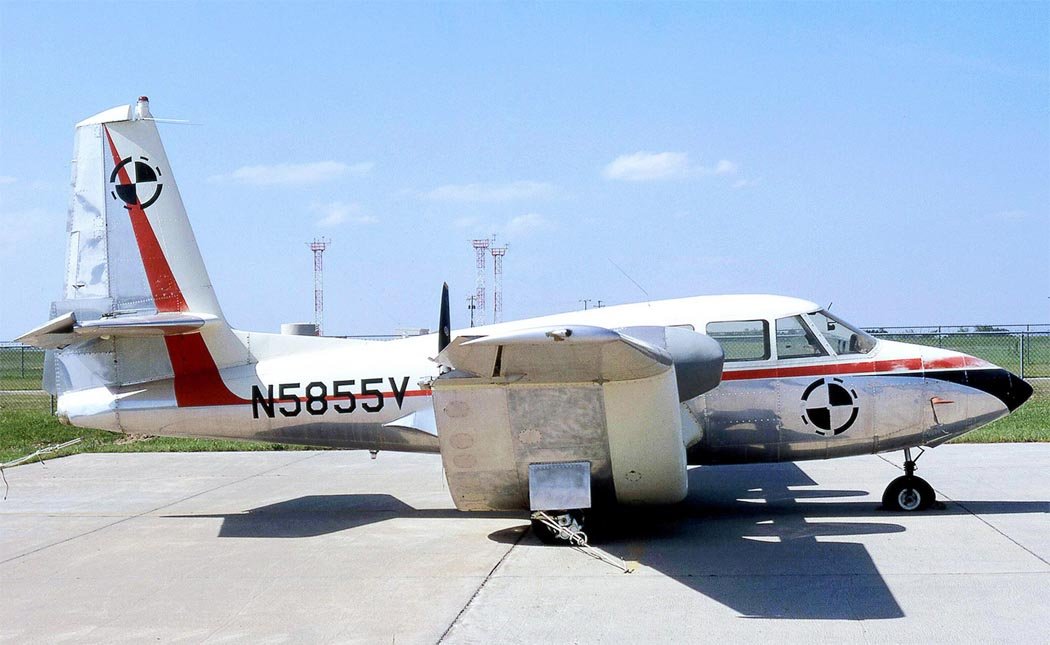
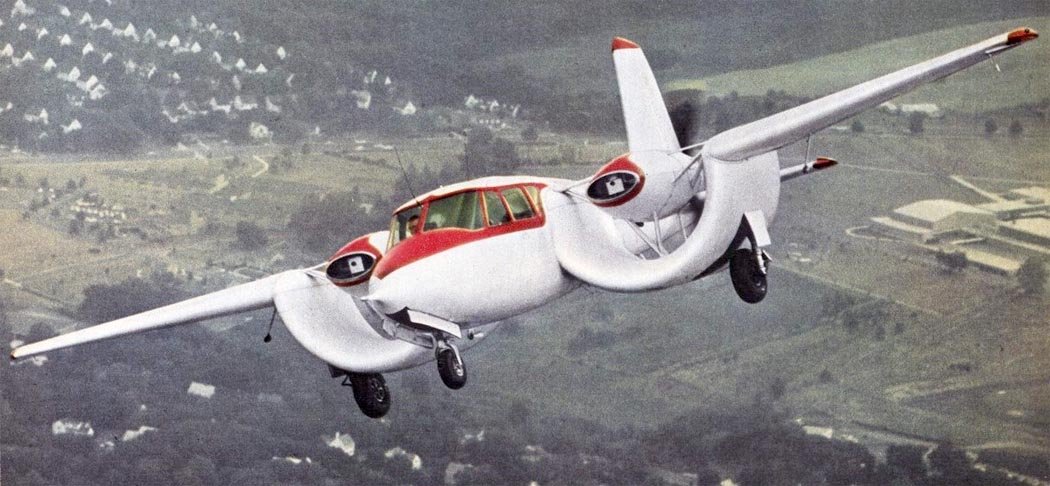
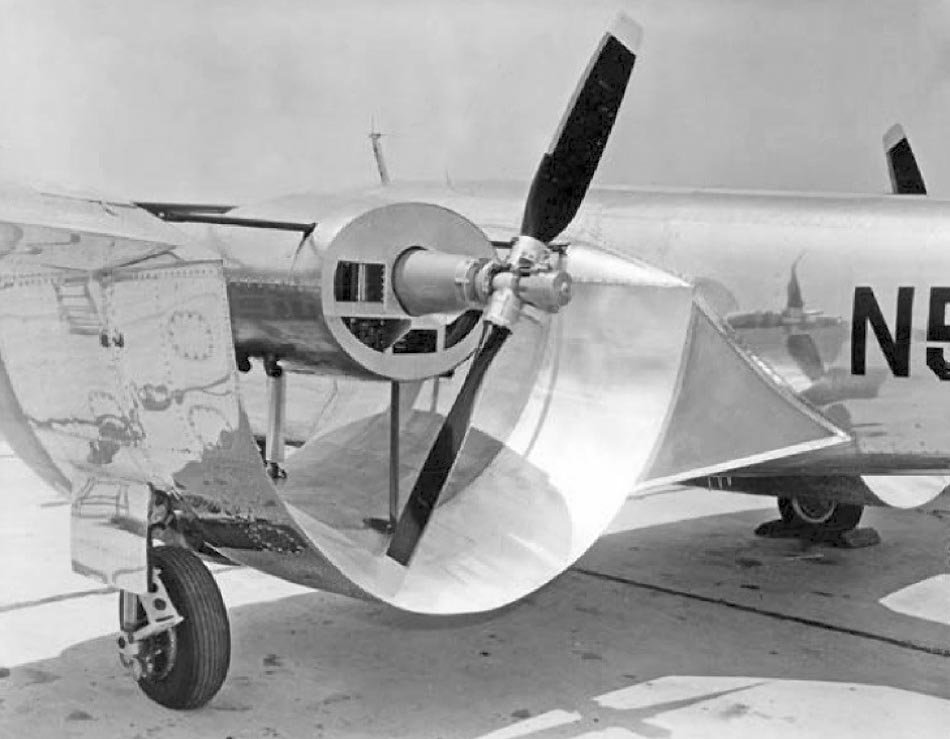
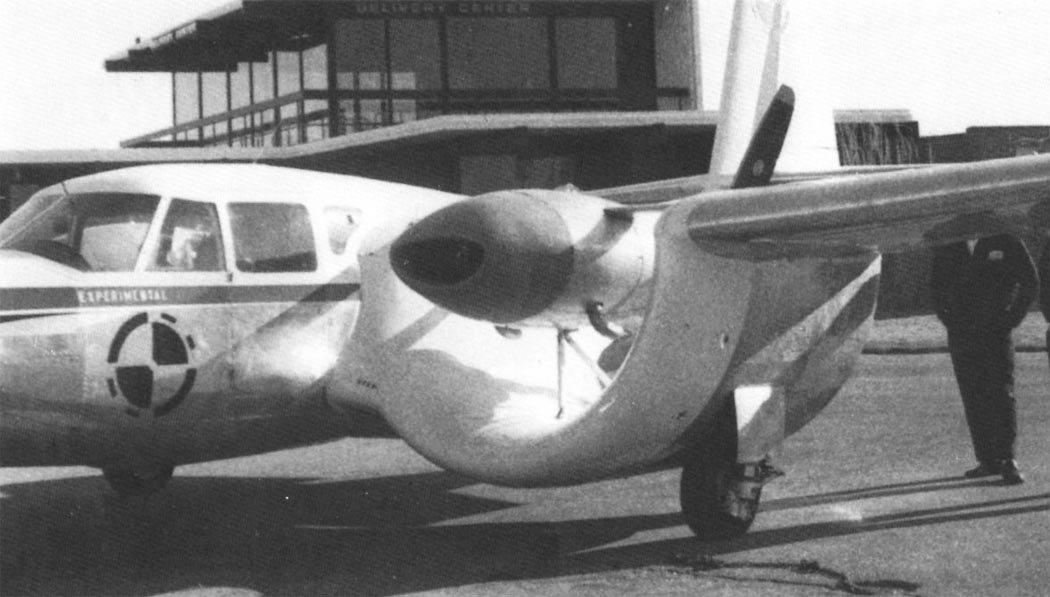
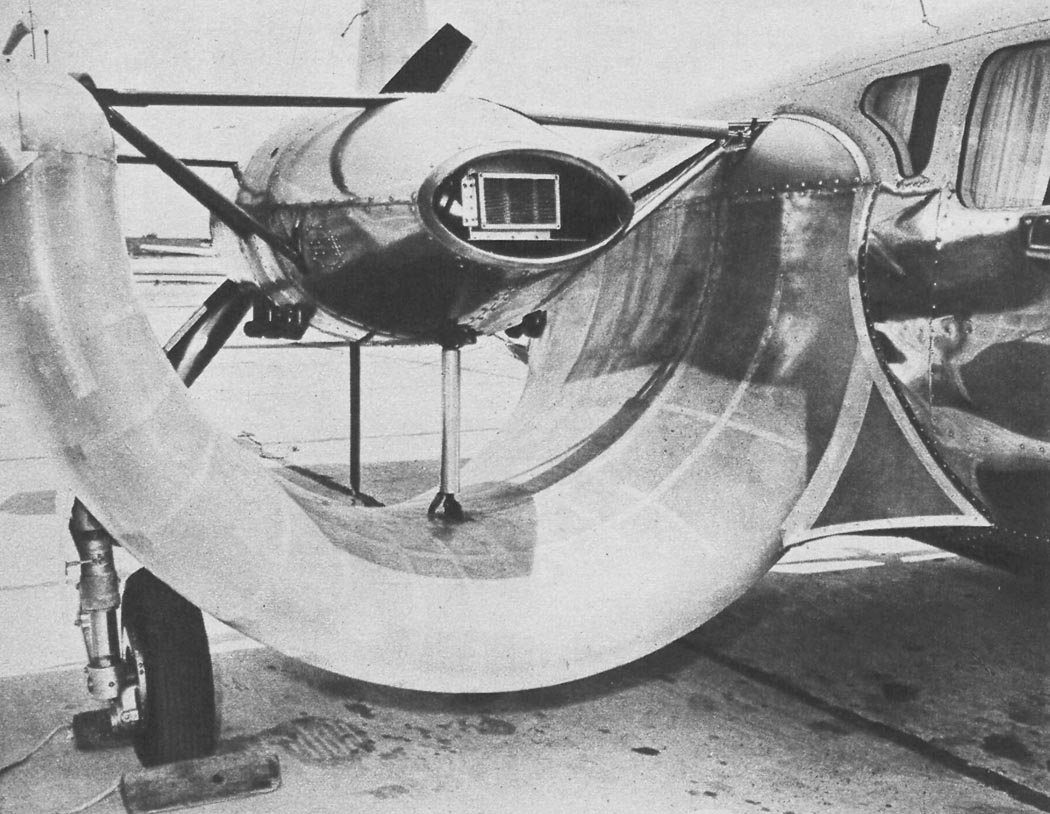
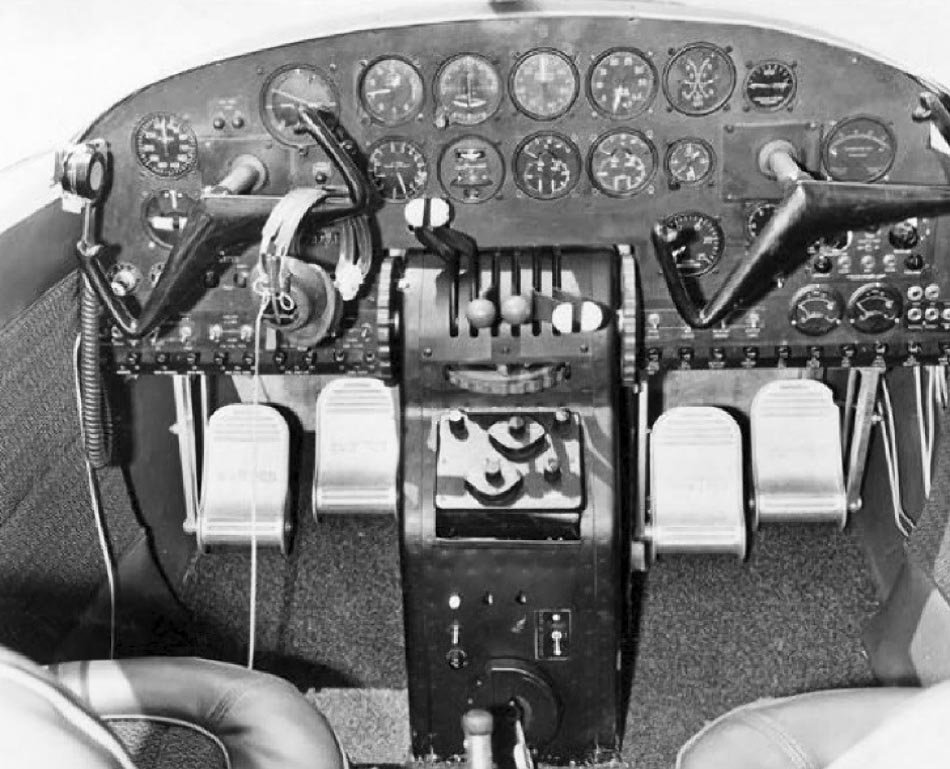
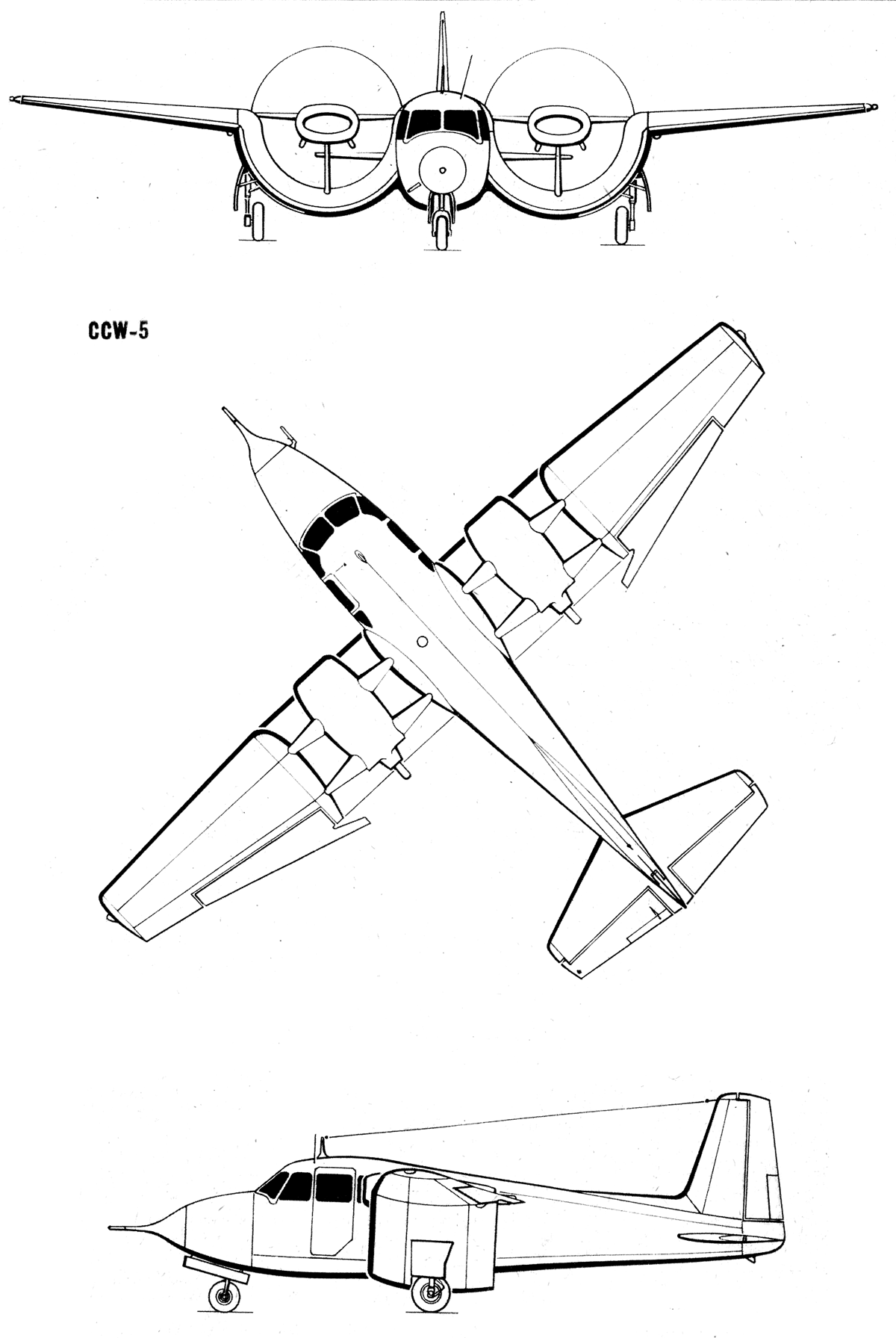
The CCW-5, the final model from the Custer Channel Wing family by American designer Willard R. Custer, made its maiden flight on July 13, 1953. This experimental aircraft was built using the fuselage and tail section of a Baumann Brigadier, a light twin-engine passenger plane powered by 225 hp Continental O-470 engines.
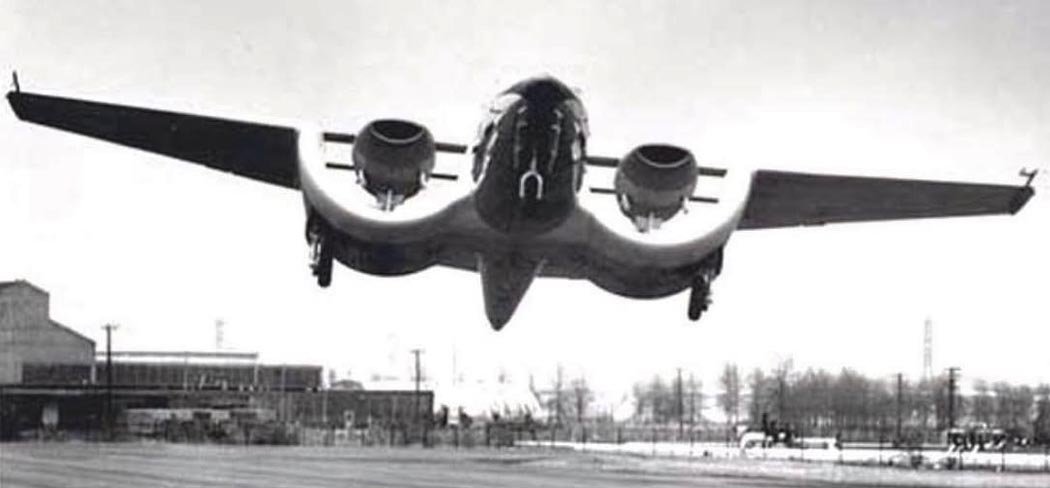
The effectiveness of lift generation in the semi-circular channel wings of this aircraft was significantly reduced. This was due to the incorporation of sizable traditional wing consoles, which alone could have provided flight for the aircraft even without the semi-annular sections.
Despite this design choice, the CCW-5, with its combination of traditional and channel wings, demonstrated very impressive low-speed flight capabilities and exceptionally high maneuverability. A single ‘production’ model was released in 1964, but no further orders were received, leading to the discontinuation of all work on the project.
| Modification | CСW-5 |
| Wingspan, m | 12.55 |
| Length, m | 8.75 |
| Height, m | 3.30 |
| Empty weight | 1667 |
| Maximum takeoff weight | 2449 |
| Engine type | 2 Piston engines Continental O-470 |
| Power, hp | 2 x 225 |
| Maximum speed, km/h | 322 |
| Cruising speed, km/h | 290 |
| Practical range, km | 1850 |
| Service ceiling, m | 6705 |
| Crew, crew members | 1 |
| Payload | up to 4 passengers |
 CCW-5 |
 CCW-5 |
 CCW-5 |
 CCW-5 |
 CCW-5 |
 CCW-5 |
 CCW-5 |
 CCW-5 |
 CCW-5 |
 CCW-5 |
 CCW-5 |
 CCW-5 |
 CCW-5 |
 CCW-5 |
 CCW-5 |
 CCW-5 |
 CCW-5 |
 CCW-5 |
 CCW-5 |
 CCW-5 |
 CCW-5 |
 CCW-5 |
 CCW-5 |
 CCW-5 |
 CCW-5 |
 CCW-5 |
 CCW-5 |
 CCW-5 |
Grupo de investigadores y entusiastas de la aviación dedicados a documentar y preservar la historia aeronáutica mundial. Todos los artículos son revisados para garantizar precisión histórica.
La información presentada en esta ficha técnica ha sido compilada a partir de manuales de vuelo desclasificados, archivos históricos y bibliografía especializada. Aunque nos esforzamos por mantener la máxima precisión, algunos datos de rendimiento pueden variar según la variante específica o las condiciones operativas.
ExperimentalDescubre la ‘Botte Volante', el prototipo de avión italiano de Antonio Mattioni de 1923, un diseño pionero con fuselaje tubular y principios de propulsión a reacción.
 Experimental
Descubre el Breguet Br.940 Integral, un pionero avión STOL francés que revolucionó la aviación con su diseño único de deflexión del flujo de hélice en 1958.
 Experimental
Explora el SR-57 Buzzard, un avión experimental alemán de los años 50, diseñado por Alfons Pützer. Conoce su innovadora historia, evoluciones y pruebas de vuelo.
 Experimental
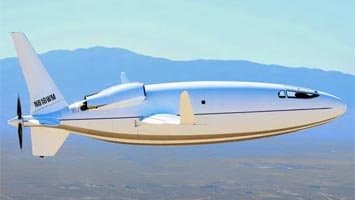
El Celera 500L, un revolucionario avión con diseño de bala, ofrece una eficiencia de combustible excepcional (9-13 L/100km), bajo costo operativo y 8300 km de alcance.