Cessna 500 Citation
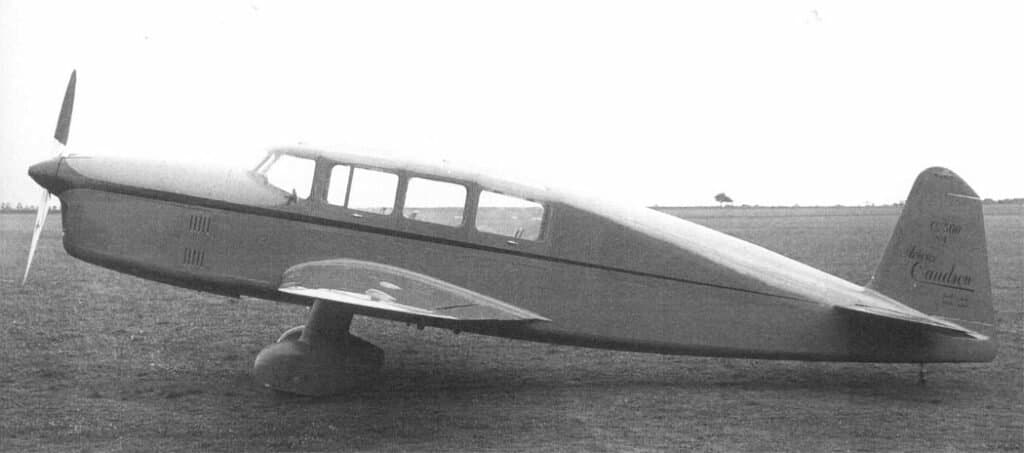
The Cessna Model 500 Citation was a pioneering business jet, being one of the first of its new generation to feature turbofan engines. This advanced power plant configuration was influenced by environmental concerns, aiming to reduce aircraft noise, and by operators’ demand for more economical machines. Cessna heavily invested in its development to meet these evolving market needs.
Inception and First Flight
Initially named the Fanjet 500, the prototype took to the skies for its maiden flight on September 15, 1969. Soon after, it was rebranded as the Citation. While its overall configuration was akin to other twin-engine Cessna aircraft, its distinguishing feature was the power plant.
Design and Development
The Model 500 was equipped with two JT15D-1 turbofan engines, each delivering 9.78 kN of thrust. These engines were strategically mounted in nacelles on the sides of the fuselage, just behind the wing’s trailing edge. Extensive flight tests led to several significant design modifications, ensuring optimal performance and safety. Deliveries of the Citation to customers commenced in late 1971, marking its entry into service.
Technical Specifications
| Modification | Cessna 500 |
| Wingspan, m | 13.32 |
| Aircraft length, m | 13.26 |
| Aircraft height, m | 4.36 |
| Wing area, m2 | 24.20 |
| Empty weight | 2455 |
| Maximum takeoff weight | 4920 |
| Engine type | 2 Turbofan engines Pratt Whitney JT15D1 |
| Thrust, kN | 2 x 9.79 |
| Maximum speed, km/h | 647 |
| Cruising speed, km/h | 644 |
| Practical range, km | 2250 |
| Practical ceiling, m | 11705 |
| Crew, crew members | 2 |
| Payload | 5-7 passengers |
Image and diagram gallery of the Cessna 500 Citation
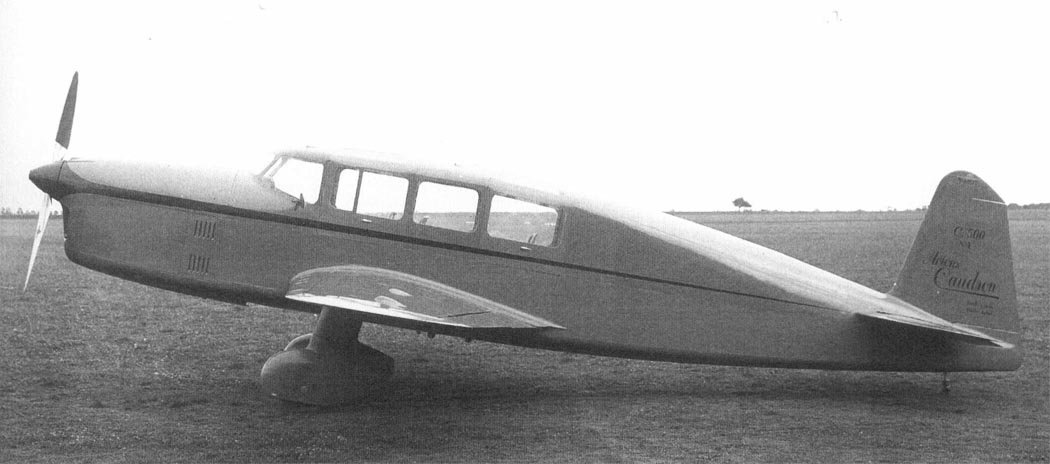 Cessna 500 Citation |
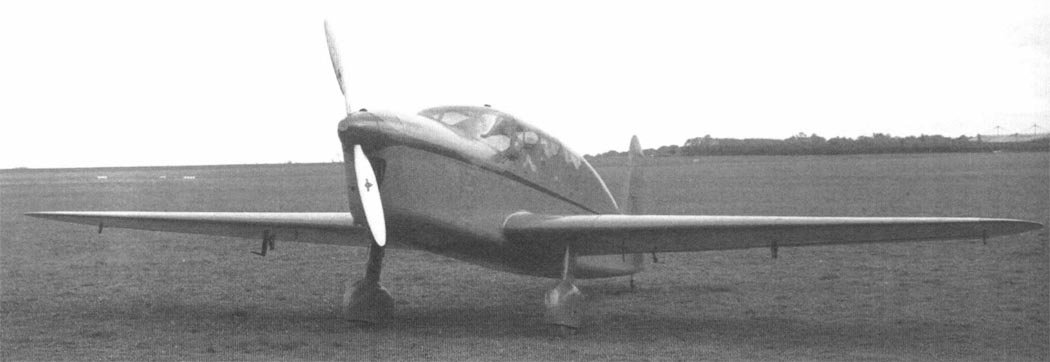 Cessna 500 Citation |
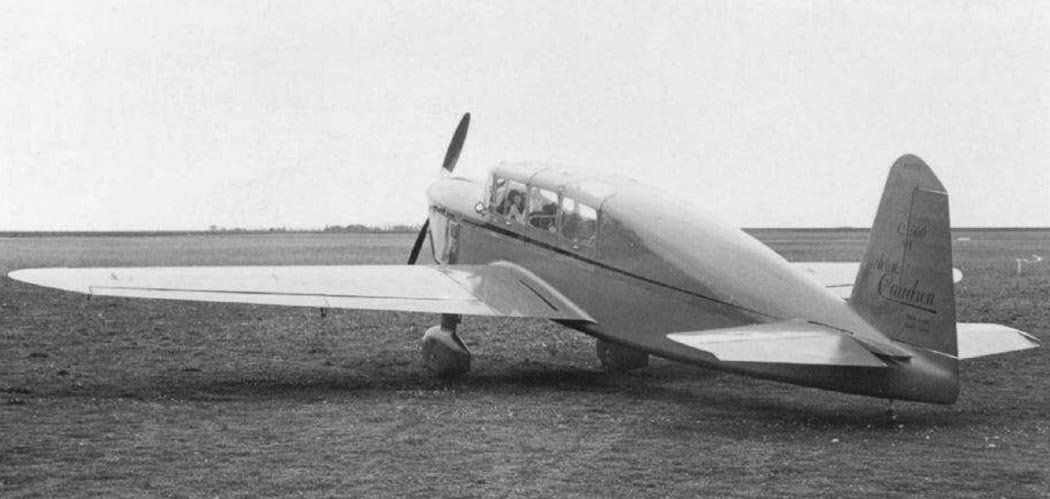 Cessna 500 Citation |
 Cessna 500 Citation |
 Cessna 500 Citation |