Cessna 550 Citation II
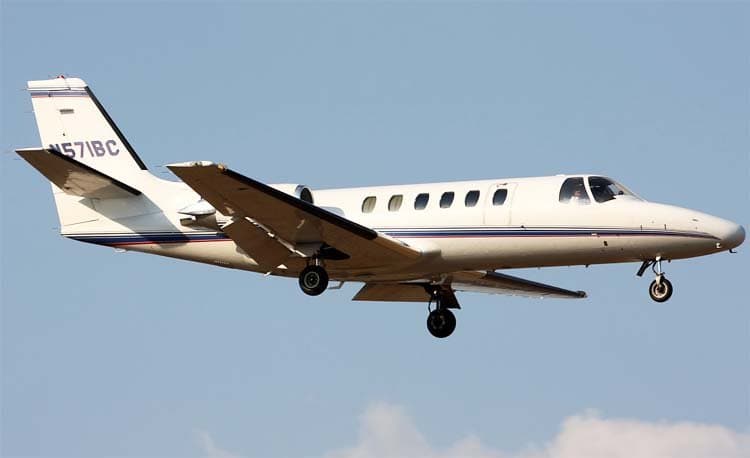
The next aircraft in the Cessna Citation family was the Cessna Model 550 Citation II, whose prototype was unveiled in September 1976 and made its maiden flight on January 31, 1977. Its design underwent substantial changes, including the installation of a wing with an increased span, a lengthened fuselage that expanded its capacity to 12 people, and the integration of more powerful JT15D-4 turbofan engines, each providing 11.12 kN of thrust, along with an increased fuel capacity.
Advanced Features and Variants
Citation II aircraft served in the Spanish Navy and the Venezuelan Air Force. These aircraft were also acquired by the Air Forces of Myanmar (Burma) and Turkey. The Model S550 Citation S/II, which took to the skies on February 14, 1984, featured a wing with a new profile and aerodynamic ‘saw-cuts’ on the leading edge, and was equipped with JT15D-4B turbofan engines.
The Evolution to Citation Bravo
A subsequent variant of the Citation II, featuring new Pratt & Whitney Canada PW530A engines with 12.23 kN of thrust each, improved avionics, and a new cabin interior borrowed from the Citation V Ultra, was named the Citation Bravo. The prototype for this version flew on April 25, 1995, with deliveries to customers commencing in June 1996.
Technical Specifications
| Modification | Cessna 550 |
| Wingspan, m | 15.90 |
| Aircraft length, m | 14.39 |
| Aircraft height, m | 4.57 |
| Wing area, m2 | 30.00 |
| Empty weight | 3364 |
| Maximum takeoff weight | 6033 |
| Engine type | 2 Pratt Whitney Canada JT15D-4 turbofan engines |
| Thrust, kN | 2 x 11.12 |
| Maximum speed, km/h | 825 |
| Cruising speed, km/h | 713 |
| Practical range, km | 3169 |
| Service ceiling, m | 13105 |
| Crew | 2 |
| Payload | 6-8 passengers |
Image and diagram gallery of the Cessna 550 Citation II
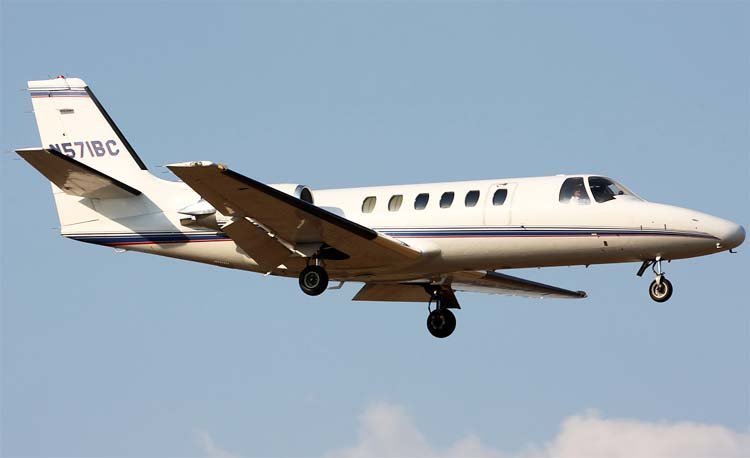 Cessna 550 Citation II |
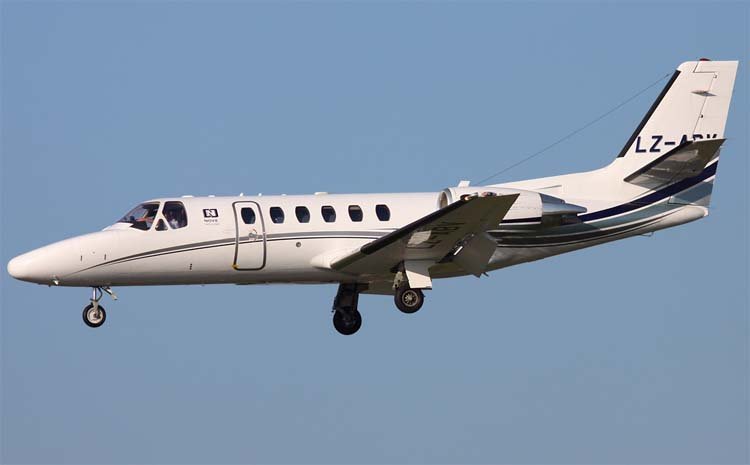 Cessna 550 Citation II |
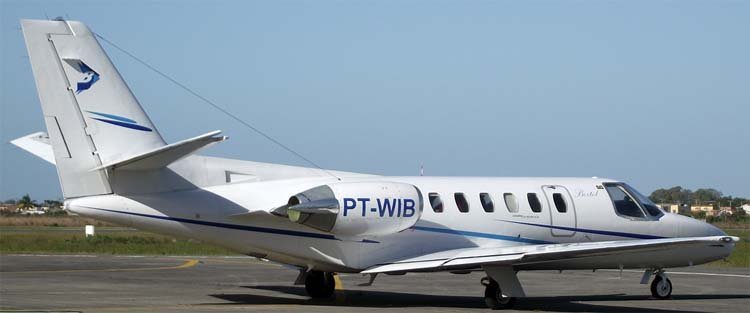 Cessna 550 Citation II |
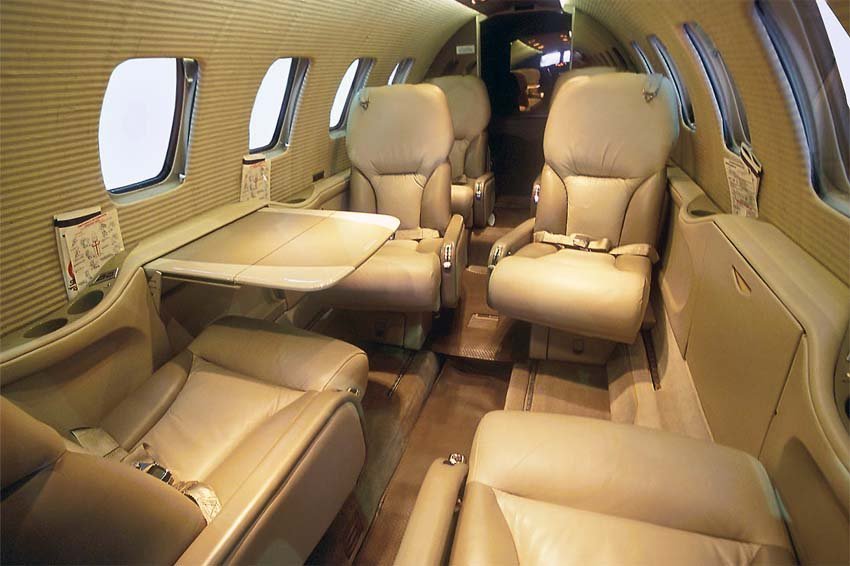 Cessna 550 Citation II |
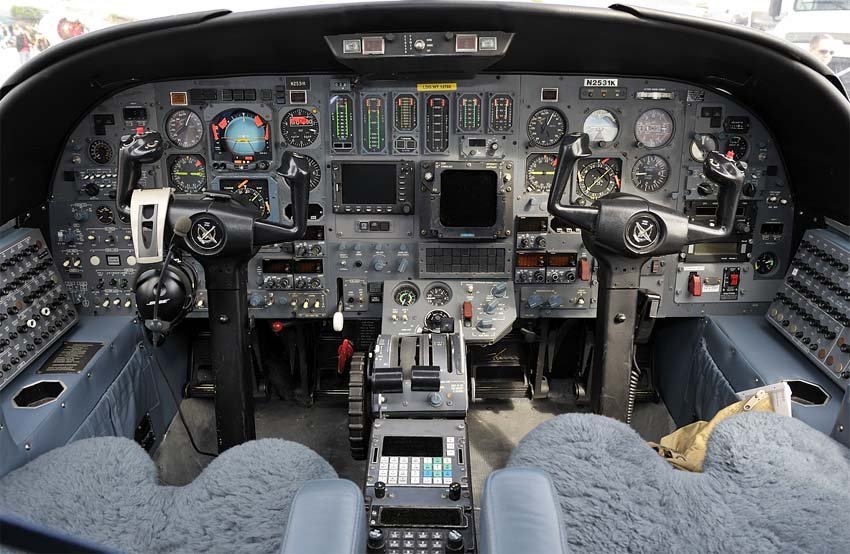 Cessna 550 Citation II |
Equipo Editorial de ArchivoAéreo
Grupo de investigadores y entusiastas de la aviación dedicados a documentar y preservar la historia aeronáutica mundial. Todos los artículos son revisados para garantizar precisión histórica.
Fuentes y Rigurosidad
La información presentada en esta ficha técnica ha sido compilada a partir de manuales de vuelo desclasificados, archivos históricos y bibliografía especializada. Aunque nos esforzamos por mantener la máxima precisión, algunos datos de rendimiento pueden variar según la variante específica o las condiciones operativas.