Cheranovsky BiCh-21 (SG-1) Racing Aircraft
The Vision of Cheranovsky
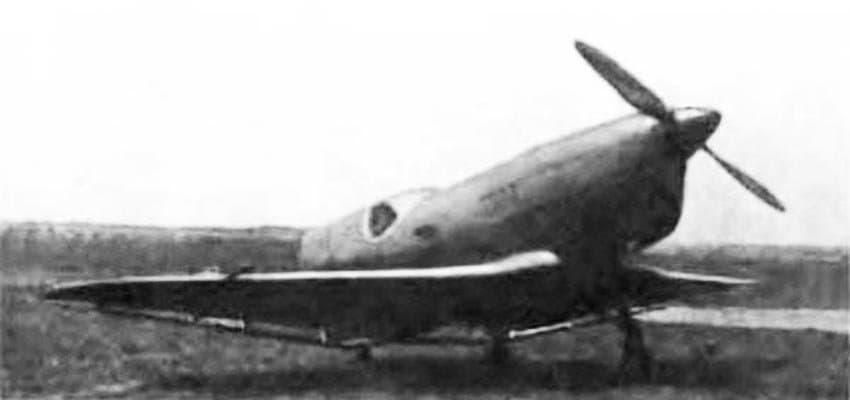
Aircraft designer Boris Ivanovich Cheranovsky (1896-1960) was a steadfast adherent of the tailless configuration, which he first tested on gliders in the early 1920s. A characteristic feature of most of his aircraft was a wide wing with a parabolic leading edge. During the design of the new SG-1 (BiCh-21) racing aircraft, the designer applied his favored scheme.
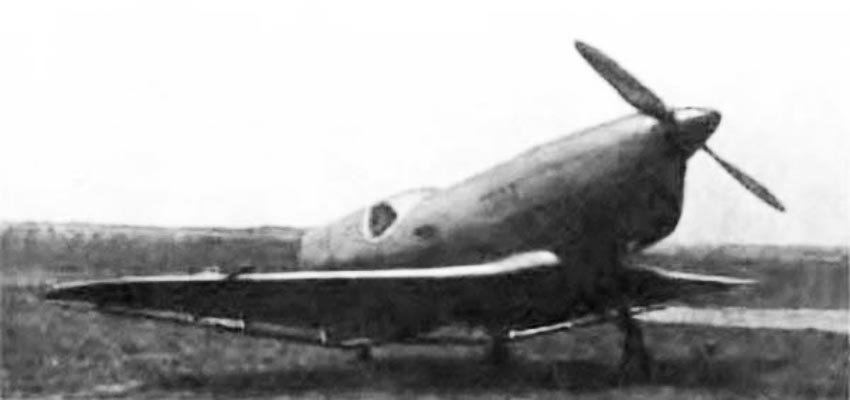
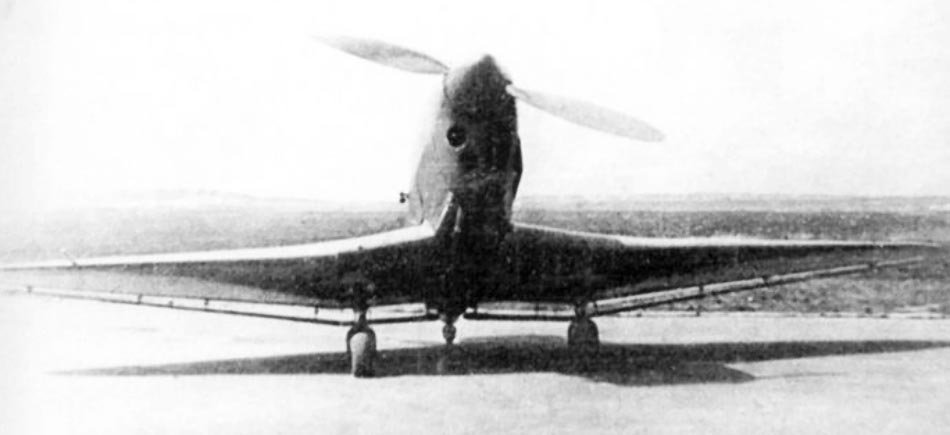
However, for this model, he chose a wing shape that was not parabolic, but close to it – trapezoidal with a broken leading edge. The center section was straight, the wing consoles had a sweep of 25°, and only the wingtips were outlined in a gentle parabola. From the front, the wing resembled an “inverted gull,” and fairings for the retractable landing gear were located at the bottom of its breaks.
Revolutionary Performance and Design
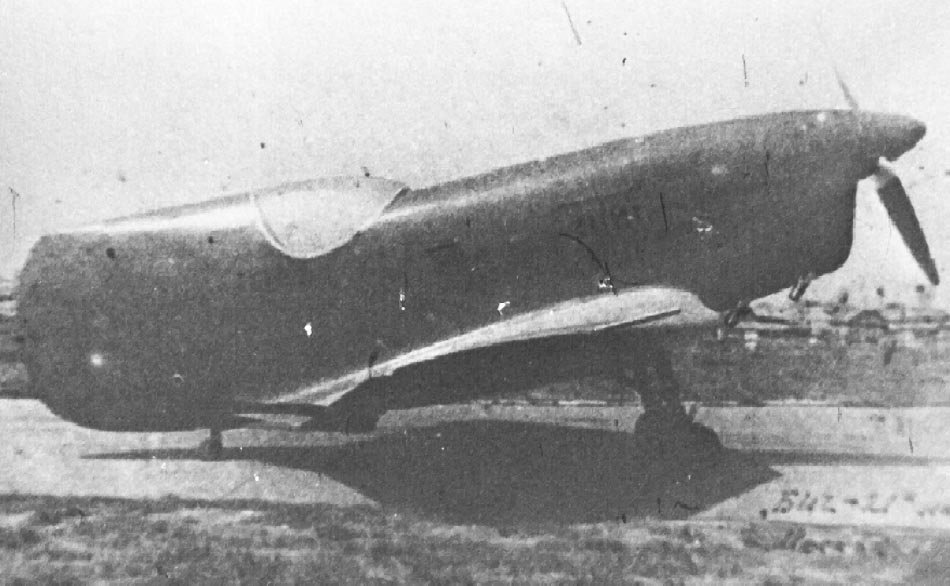
Due to its tailless design, the aircraft stood out among all other competitors. Only the engine cowling with its spinner and side access hatches for engine components remained conventional. The very short fuselage, including the rudder, was no more than 4.74 meters long. The pilot’s teardrop-shaped canopy, along with the fuselage featuring a hexagonal cross-section near the cowling, extended backward into a narrow fairing, transitioning into a wedge-shaped vertical stabilizer.
The takeoff weight of the SG-1 was the lowest compared to other racing aircraft, at only 643 kg with an empty weight of 526 kg. Thanks to this, and the creation of a dynamic air cushion (ground effect) under the wing during low-altitude flight, its takeoff and landing characteristics were simply outstanding. The “screen effect” reduced the landing speed to 80 km/h, with a takeoff run of 110 meters and a landing roll of 100 meters.
Overcoming Skepticism: Test Flight Results
It was calculated that with a supercharged MV-6A engine (240 hp), the aircraft could reach 424 km/h. Such unusually high figures drew critical reactions from some aerodynamicists and designers. The aircraft was predicted to fail, as French “Caudrons” were considered unparalleled perfection. However, some specialists provided positive reviews, including Brigade Engineer V.S. Pyshnov and First Rank Engineer A.S. Yakovlev.
In practice, due to the complexity of the engine’s supercharging system, its power, like that of the production MV-6, only reached 220 hp. During flight tests, the aircraft achieved 417 km/h – just 7 km/h short of the calculated speed! The SG-1 proved to be the best among those completed by the summer of 1941.
Technical Specifications
| Modification | BICH-21 |
| Wingspan, m | 6.50 |
| Aircraft length, m | 4.70 |
| Wing area, m2 | 9.00 |
| Empty weight | 526 |
| Maximum takeoff weight | 643 |
| Engine type | 1 Piston engine MV-6 |
| Power, hp | 1 x 220 |
| Speed at sea level | 385 |
| Speed at altitude | 417 |
| Practical range, km | 400 |
| Service ceiling, m | 9500 |
| Crew, crew members | 1 |
Image and diagram gallery of the Cheranovsky BiCh-21 (SG-1) Racing Aircraft
 BICH-21(SG-1) |
 BICH-21(SG-1) |
 BICH-21(SG-1) |
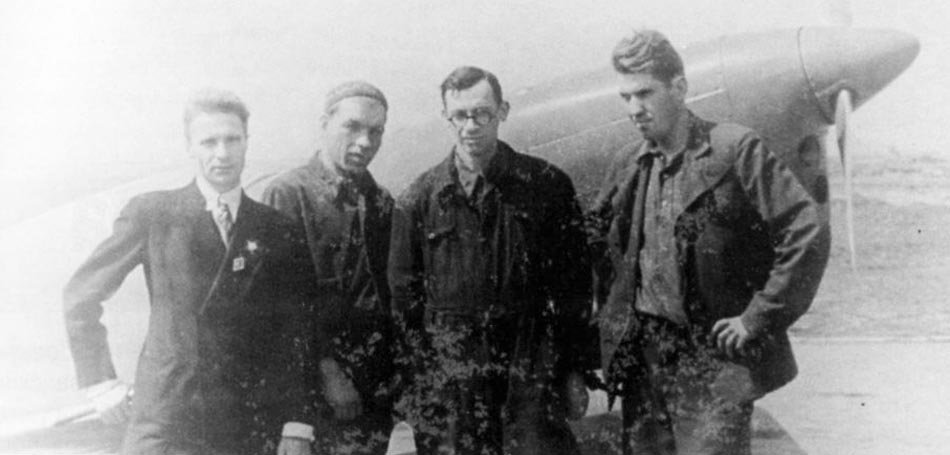 BICH-21(SG-1) |
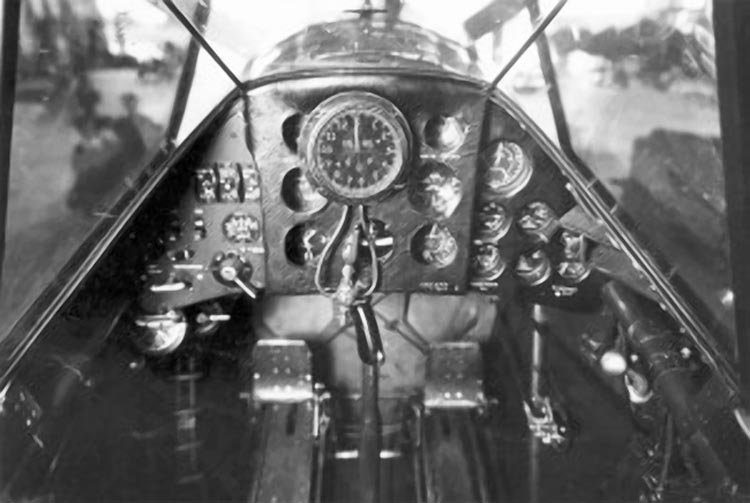 BICH-21(SG-1) |
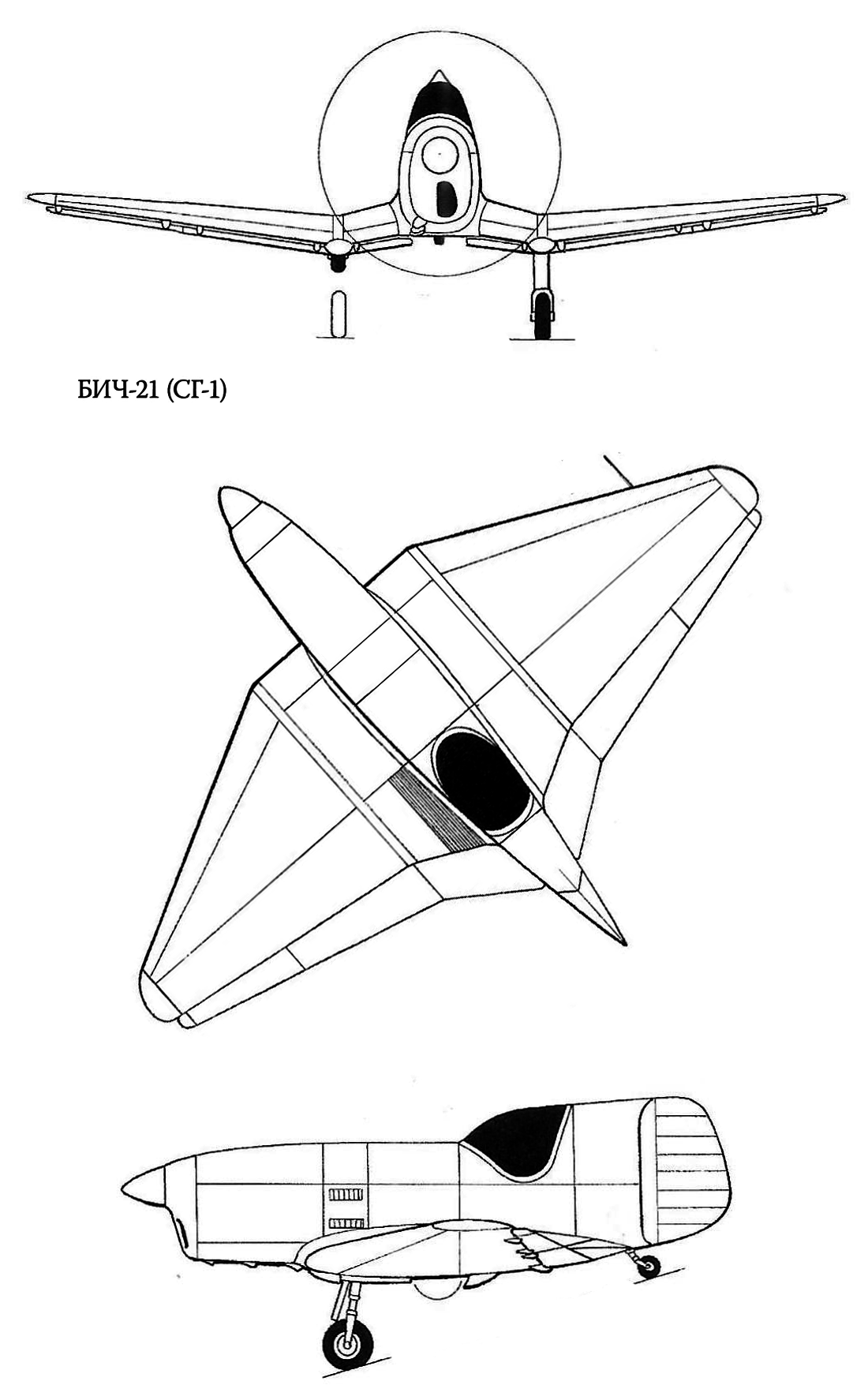 BICH-21(SG-1) |
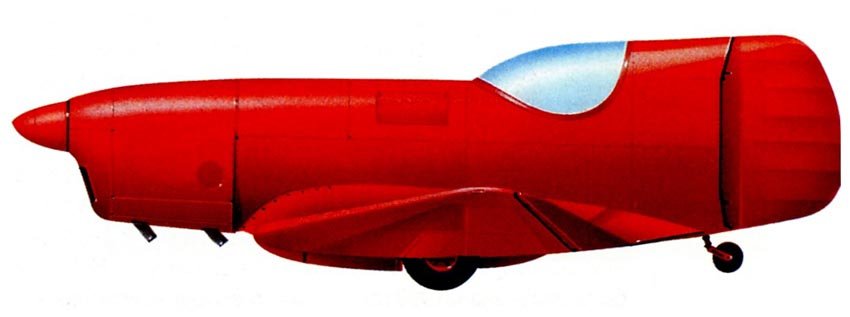 BICH-21(SG-1) |
Equipo Editorial de ArchivoAéreo
Grupo de investigadores y entusiastas de la aviación dedicados a documentar y preservar la historia aeronáutica mundial. Todos los artículos son revisados para garantizar precisión histórica.
Fuentes y Rigurosidad
La información presentada en esta ficha técnica ha sido compilada a partir de manuales de vuelo desclasificados, archivos históricos y bibliografía especializada. Aunque nos esforzamos por mantener la máxima precisión, algunos datos de rendimiento pueden variar según la variante específica o las condiciones operativas.