Christmas Bullet
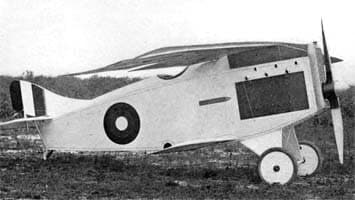
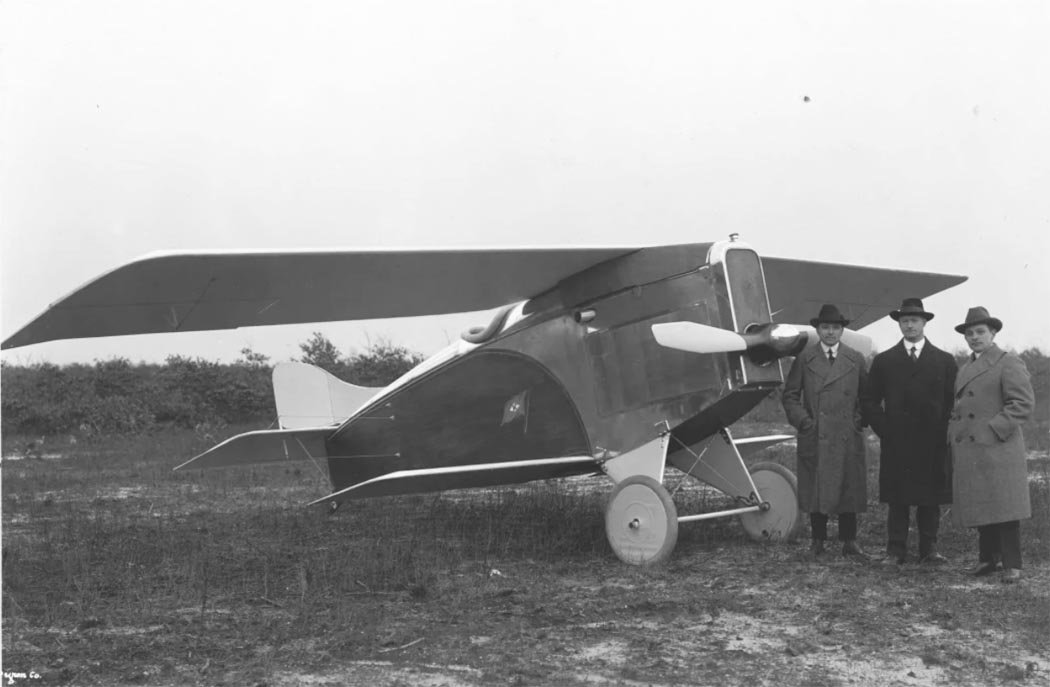
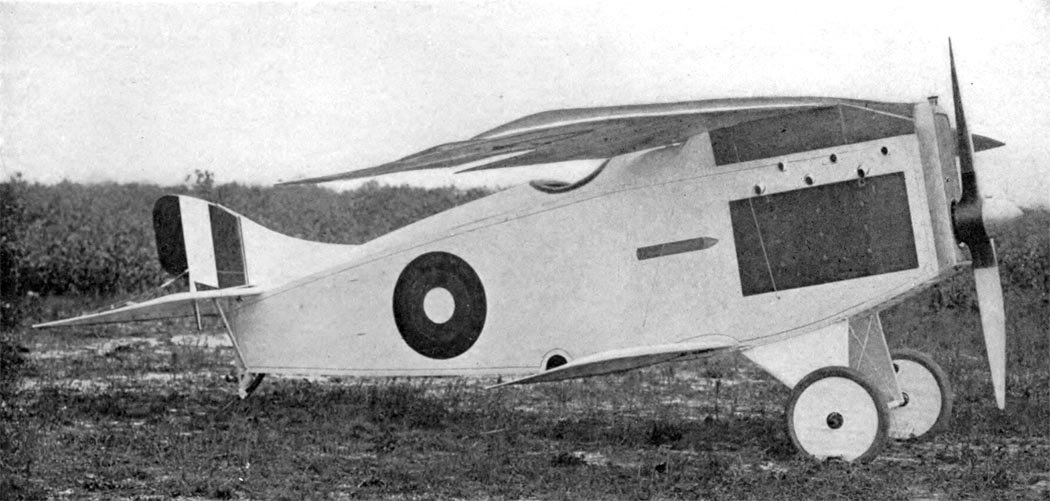
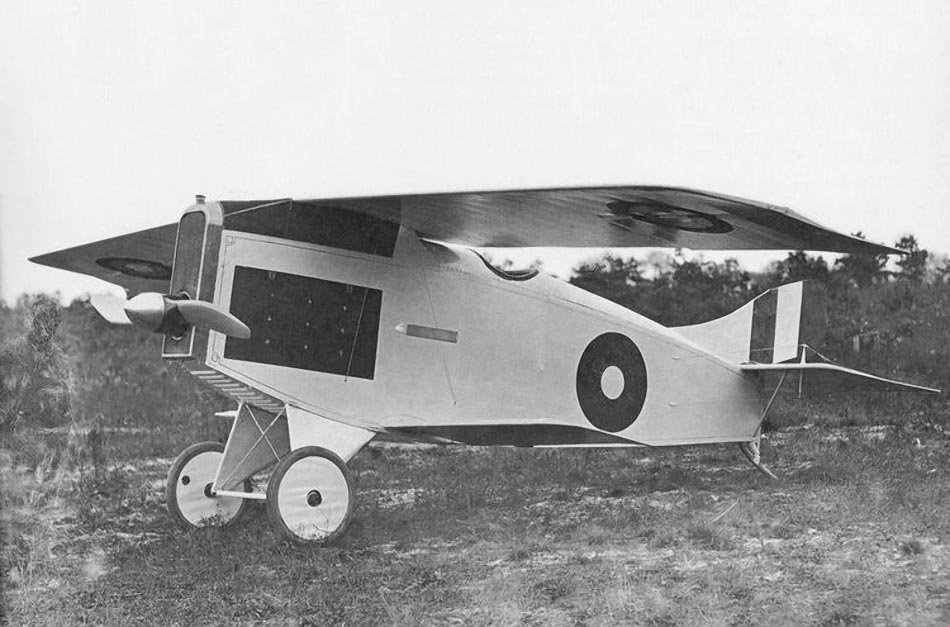
The American fighter, known as the Christmas Bullet (also referred to as the Christmas Scout or Cantilever Aero Bullet), was a creation of Dr. William W. Christmas. He received assistance from Vincent J. Burnelli, and its construction was carried out by the Continental Aircraft Company.
Pioneering Design Concepts
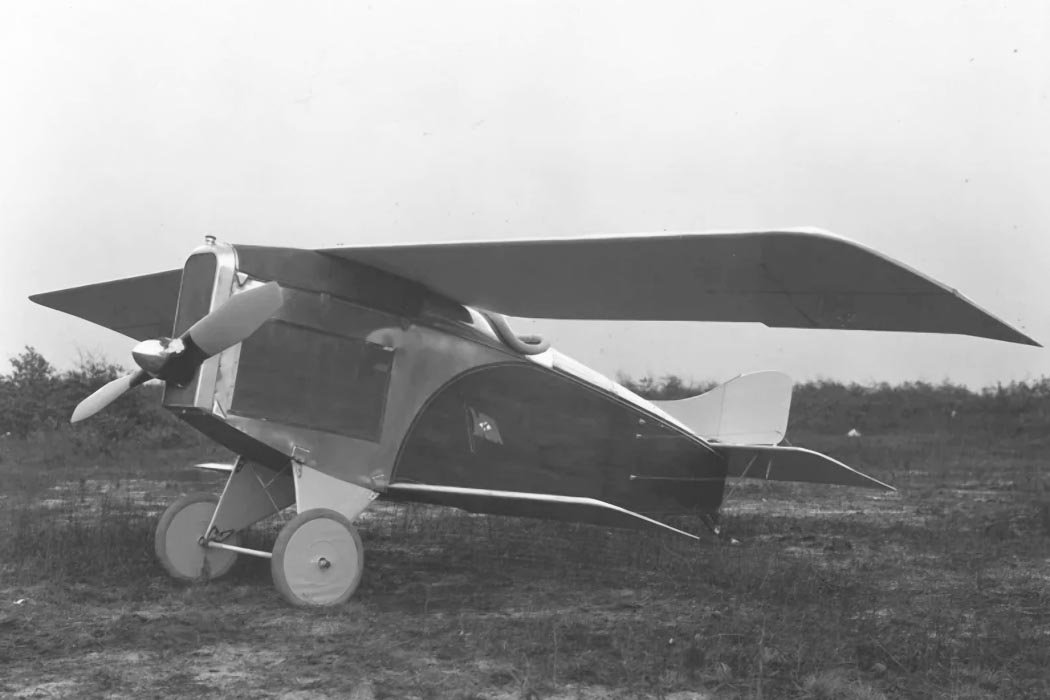
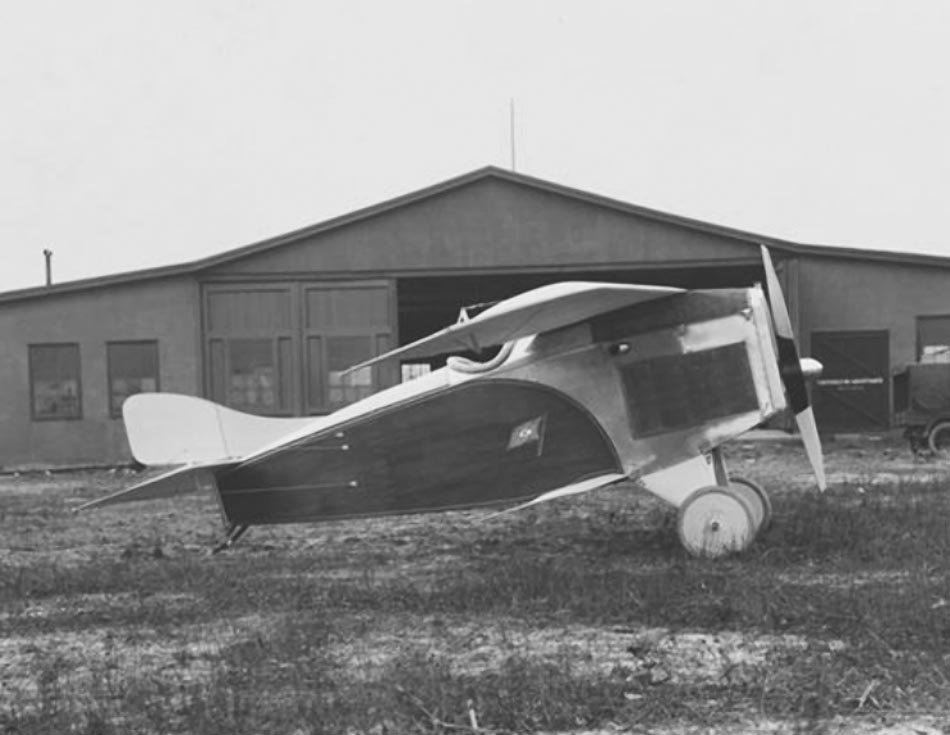
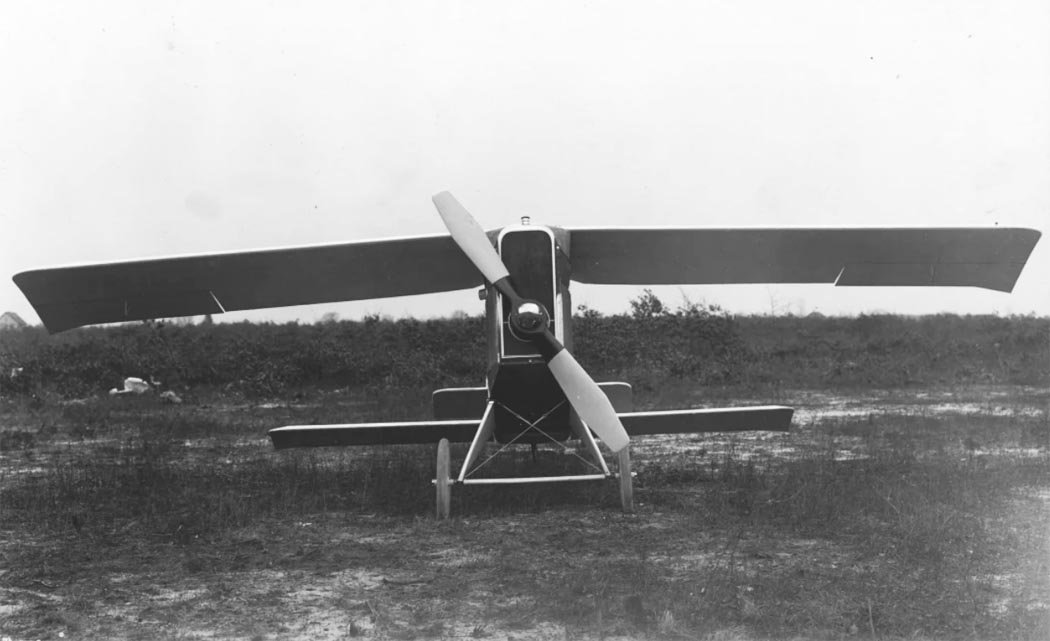
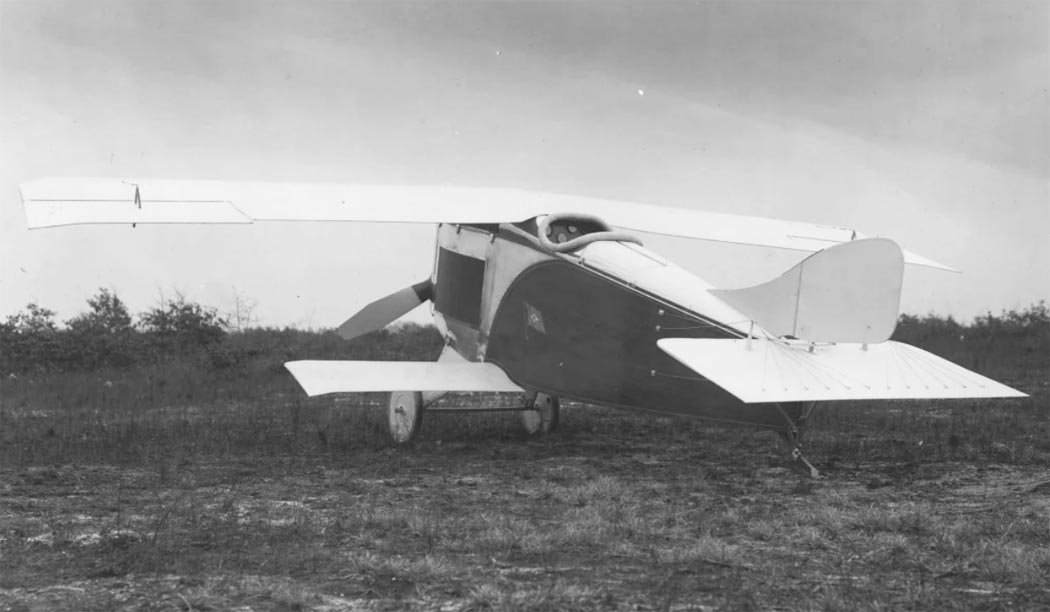
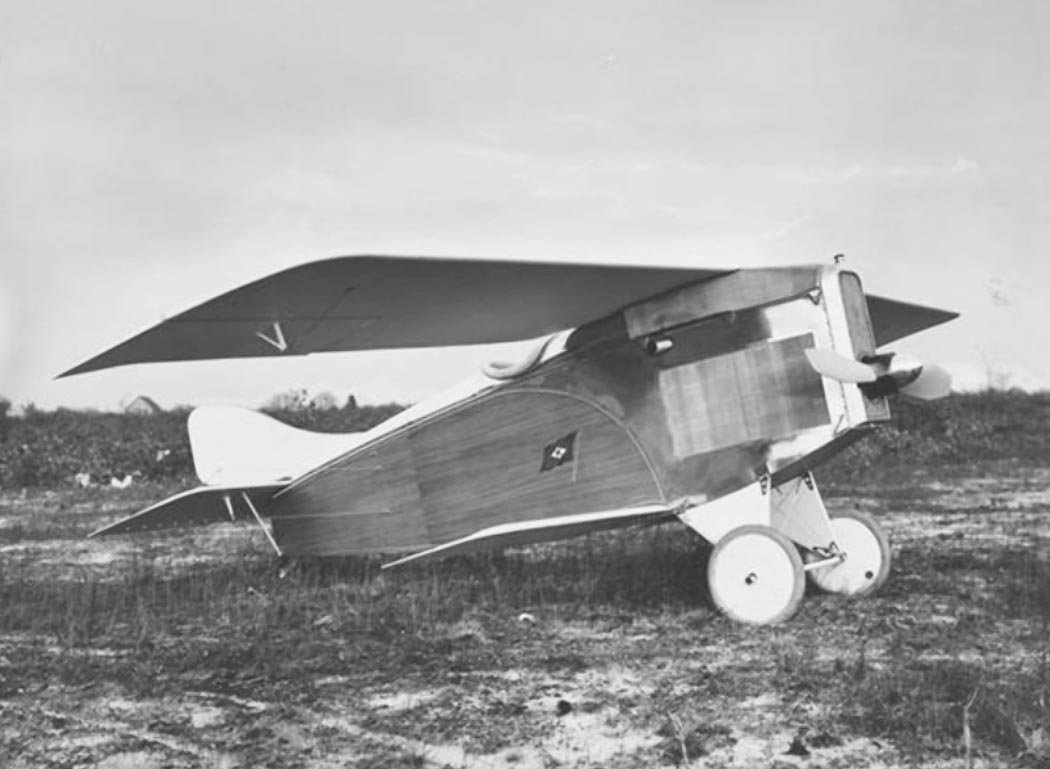
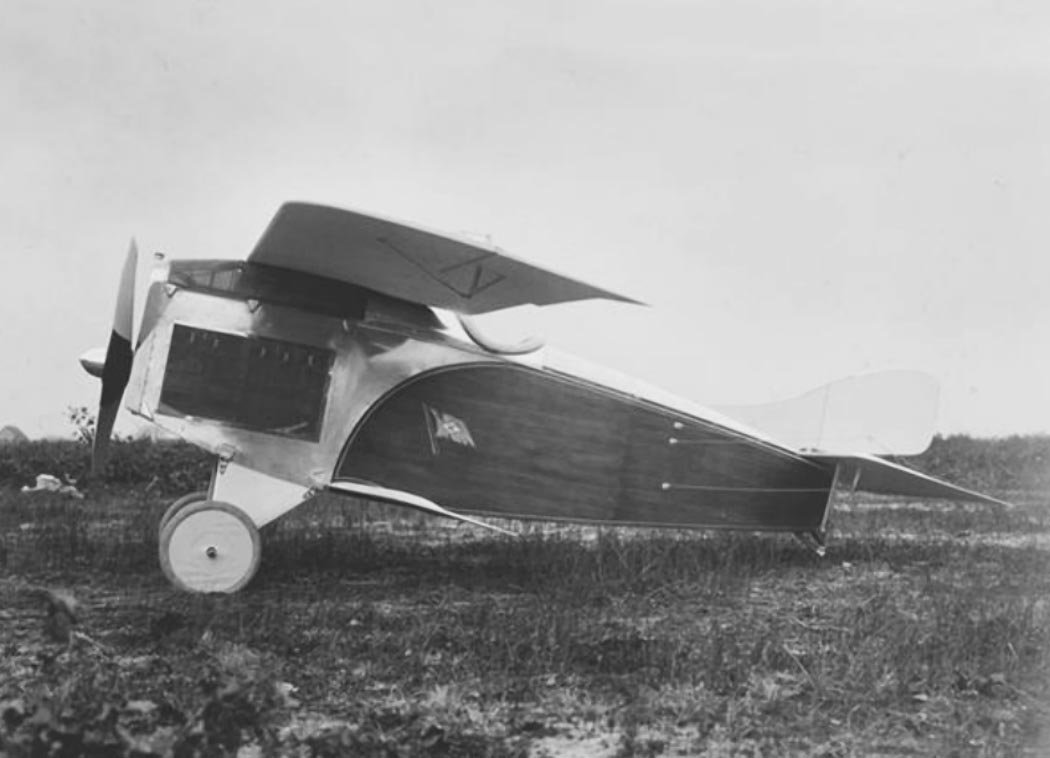
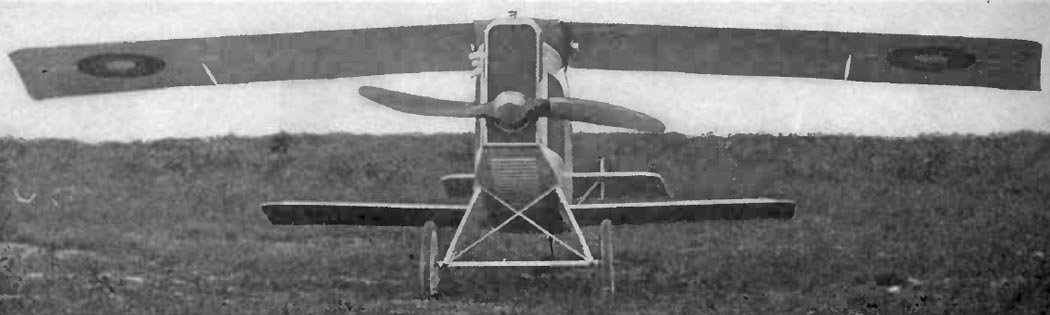
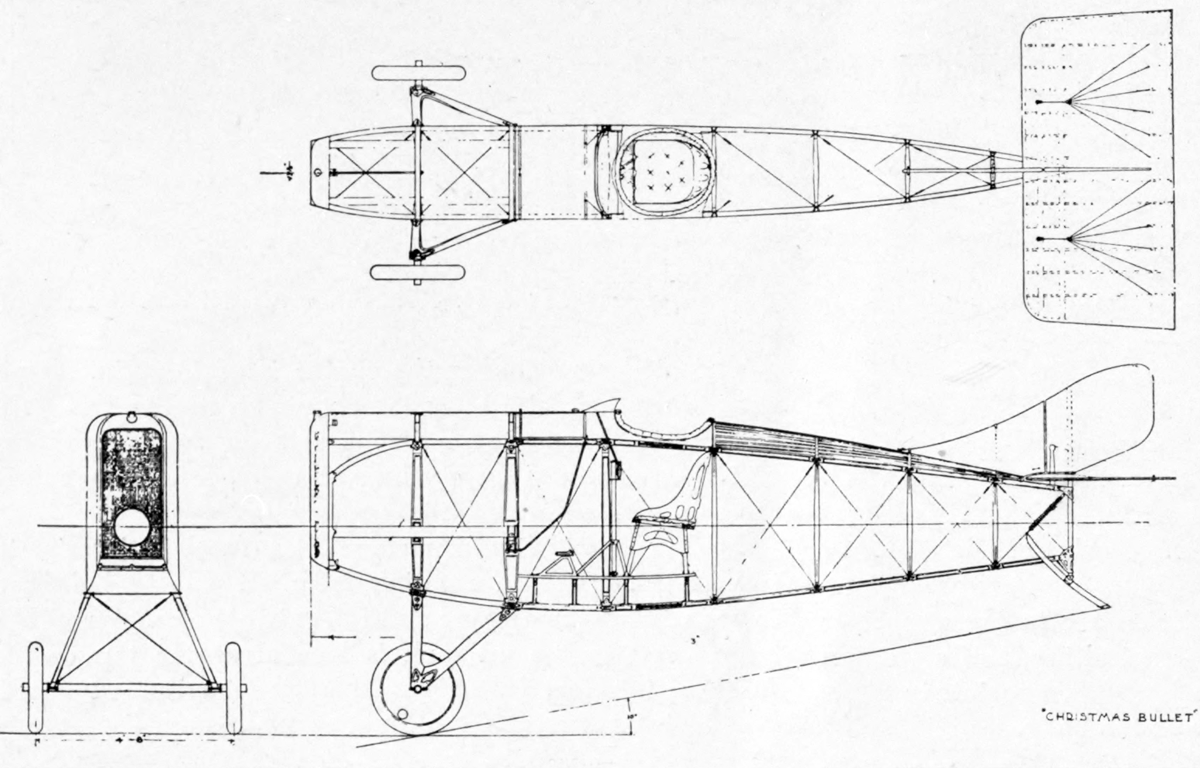
The Bullet was developed leveraging the latest advancements in aerodynamics and structural engineering of its time. It featured a wooden sesquiplane structure with a fixed landing gear. A notable characteristic was its cantilever wings, designed without any struts or bracing wires, representing a significant departure from conventional designs.
Tragic Maiden Flights
The first prototype of the Bullet, completed in mid-January 1919 and powered by a Liberty 6 inline engine, unfortunately crashed during its very first flight. This initial setback marked a somber beginning for the ambitious project.
The End of an Ambitious Project
A second prototype was subsequently built, this time equipped with a Hall-Scott L-6 inline engine. Much like its predecessor, it also met with disaster on its maiden flight in the summer of 1919. Following these two catastrophic failures, all further development work on the Christmas Bullet was immediately ceased.
Technical Specifications
| Modification | Bullet |
| Wingspan, m | 8. 53 |
| Length, m | 6. 40 |
| Wing area, m2 | 15.79 |
| Empty weight | 839 |
| Normal takeoff weight | 953 |
| Engine type | 1 Piston engine Liberty 6 |
| Power, hp | 1 x 185 |
| Maximum speed, km/h | 282 |
| Cruising speed, km/h | 245 |
| Practical range, km | 885 |
| Practical ceiling, m | 4480 |
| Crew members | 1 |
| Armament | only planned |
Image and diagram gallery of the Christmas Bullet
 Bullet |
 Bullet |
 Bullet |
 Bullet |
 Bullet |
 Bullet |
 Bullet |
 Bullet |
 Bullet |
 Bullet |
 Bullet |
Equipo Editorial de ArchivoAéreo
Grupo de investigadores y entusiastas de la aviación dedicados a documentar y preservar la historia aeronáutica mundial. Todos los artículos son revisados para garantizar precisión histórica.
Fuentes y Rigurosidad
La información presentada en esta ficha técnica ha sido compilada a partir de manuales de vuelo desclasificados, archivos históricos y bibliografía especializada. Aunque nos esforzamos por mantener la máxima precisión, algunos datos de rendimiento pueden variar según la variante específica o las condiciones operativas.