Convair XC-99
Origins and Initial Design
The idea of creating a transport aircraft based on the B-36 bomber was considered in the early stages of the B-36’s design. By May 20, 1942, Convair had prepared drawings for a passenger aircraft with a new fuselage of 850 m³, a wing, power plant, and a twin-tail assembly, according to the original B-36 project.
On December 31, 1942, the US Air Force ordered a prototype cargo aircraft based on the B-36 under construction, designated XC-99 (43-52436), with the company’s designation as Convair Model 37. The war and the firm’s workload on serial bomber production and the B-36 project delayed the design.
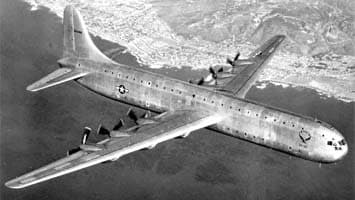
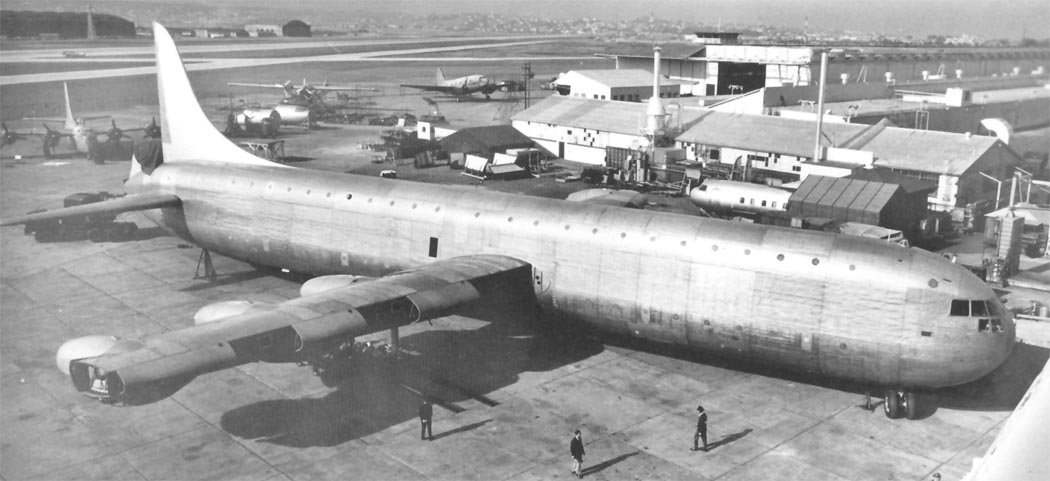
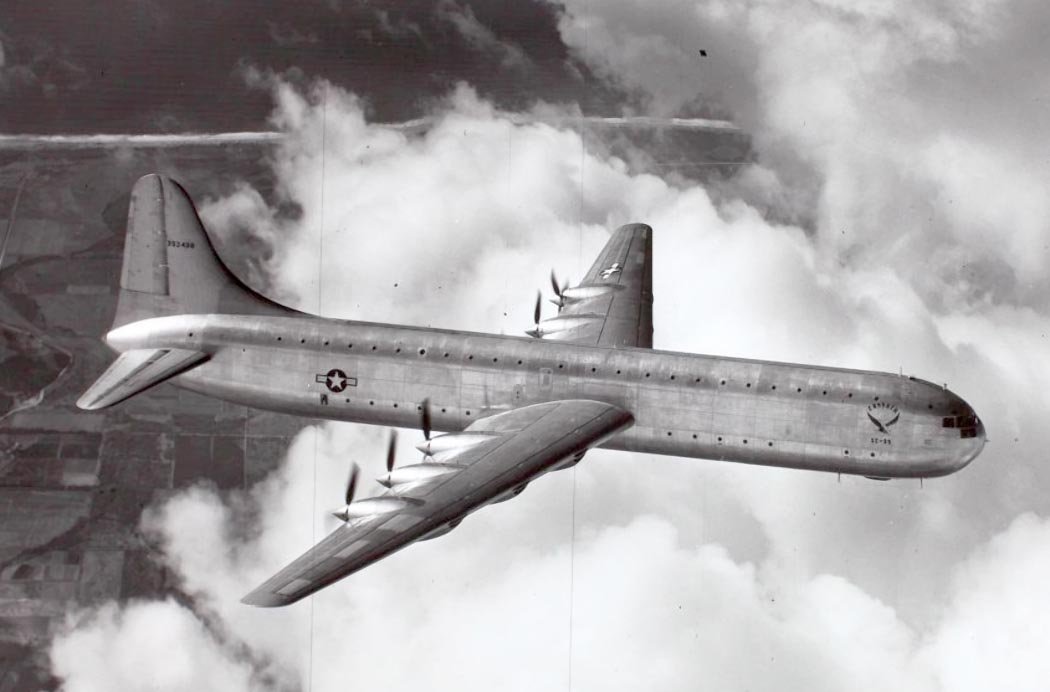
In 1944, work on the aircraft intensified: the original Model 37 project was revised to incorporate the new single-fin tail of the base B-36 aircraft (Model 87). Construction of the experimental machine then began simultaneously with the building of the first B-36s. A key feature of the aircraft was its enormous double-deck pressurized fuselage, measuring 55.6 m in length and 7.66 m in diameter.
This fuselage could accommodate 50,000 kg of cargo, or 400 fully armed soldiers, or 300 wounded on stretchers with accompanying medical personnel and equipment. The aircraft’s layout was changed, becoming a low-wing monoplane. The wing, tail assembly, landing gear, and power plant were analogous to those of the early B-36s.
Capabilities and Performance
The empty weight of the aircraft was determined to be 6,200 kg, with a maximum take-off weight of 122,000 kg. With a load of 45,000 kg and a fuel reserve of 19,000 liters, along with ten crew members, the range was approximately 2,760 km. With a load of 4,540 kg and a fuel reserve of 72,000 liters, the range increased to 13,100 km.
Cruising speed was maintained at 436 km/h, while the maximum speed reached 547 km/h at an altitude of 9,200 m. Due to the Fort Worth plant’s heavy workload, the experimental XC-99 was manufactured in parts at two factories: Fort Worth and San Diego.
The wing was produced at the Fort Worth plant and transported to the San Diego plant, where the aircraft’s fuselage was built and the final assembly of the experimental machine took place. On November 24, 1947, this, one of the world’s largest land-based aircraft, made its first flight from Lindbergh Field in San Diego.
Operational History and Legacy
The XC-99 underwent flight tests until spring 1949. Following their successful completion, it was modernized at the Fort Worth factory: R-4360-41 engines, four-wheel main landing gear, and a radar in the nose section were installed. On April 15, 1949, the aircraft set a world record by carrying a load of 45,400 kg.
On May 26, 1949, the XC-99 was transferred to SAC as part of the 7th Bomb Wing (7BW), and by September 1950, the machine was at Kelly Air Force Base. Plans were made to build a small number of C-99 aircraft. These planes were intended for use as support aircraft (transporting fuel, equipment, spare parts, personnel, etc.).
It was planned to assign one aircraft to each bomber group equipped with B-36s; however, these plans were not realized, and the XC-99 remained a single prototype. During the Korean War, this sole aircraft was used for transcontinental army cargo transport, with flights conducted once a week.
The machine accumulated a total of 7,400 flight hours, with its last flight performed in March 1957. There was also a project to create a passenger version based on the C-99. Pan American Airlines intended to order the aircraft.
With a commercial load consisting of 204 people and 8,000 kg of cargo, the aircraft was supposed to complete the flight from New York to London in 9 hours. Pan American negotiated for an order of 15 machines, then it was reduced to three aircraft, but this order was never signed, and work on the project was halted.
Technical Specifications
| Modification | C-99 |
| Wingspan, m | 76.80 |
| Length, m | 55.60 |
| Height, m | 17.50 |
| Wing area, m2 | 443.30 |
| Empty weight | 61395 kg |
| Maximum takeoff weight | 145150 kg |
| Engine type | 6 Piston engines Pratt Whitney R-4360-49 |
| Power, hp | 6 x 3500 |
| Maximum speed, km/h | 494 |
| Cruising speed, km/h | 360 |
| Practical range, km | 13036 |
| Practical ceiling, m | 9140 |
| Crew, crew members | 10 |
| Payload: | 400 soldiers or 335 stretchers or 45000 kg of cargo |
Image and diagram gallery of the Convair XC-99
 Convair XC-99 |
 Convair XC-99 |
 Convair XC-99 |
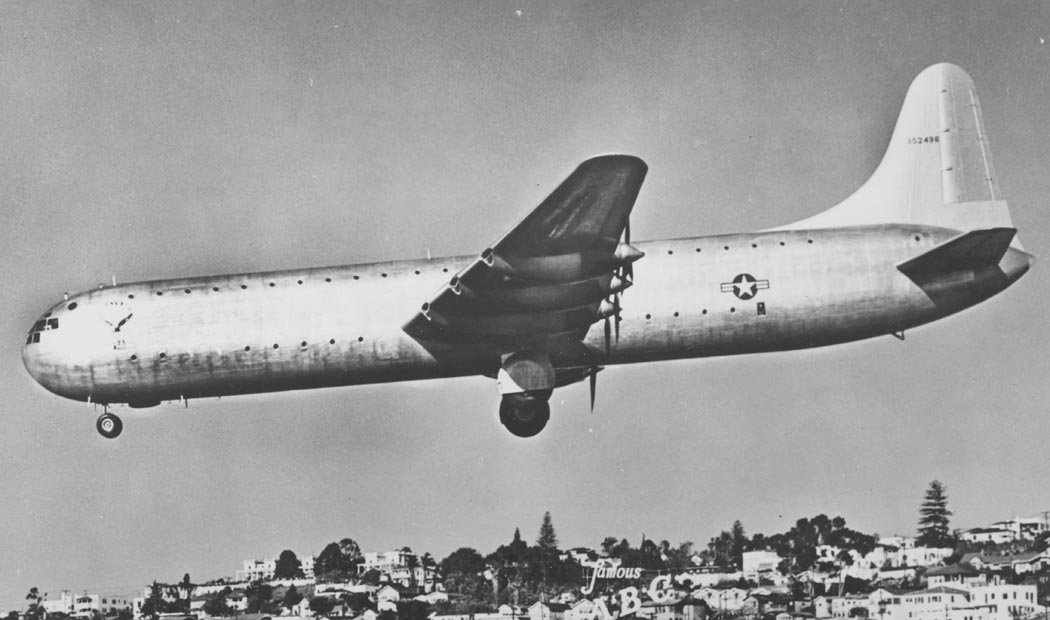 Convair XC-99 |
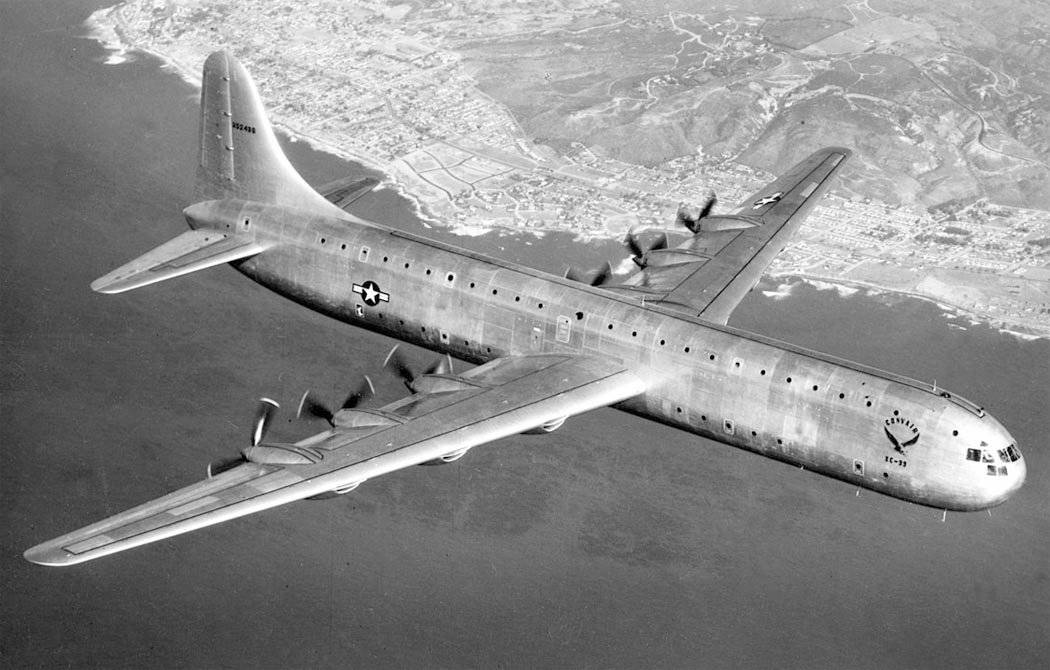 Convair XC-99 |
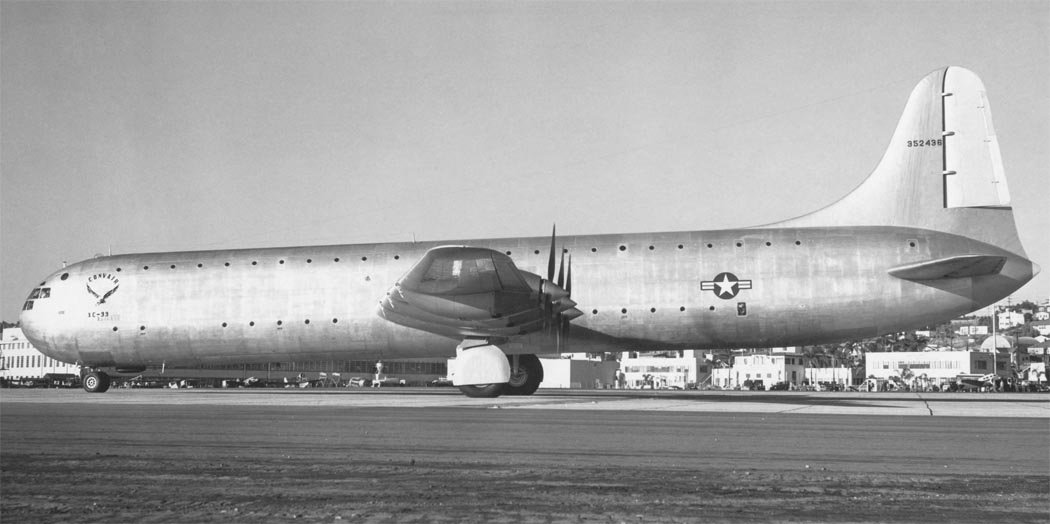 Convair XC-99 |
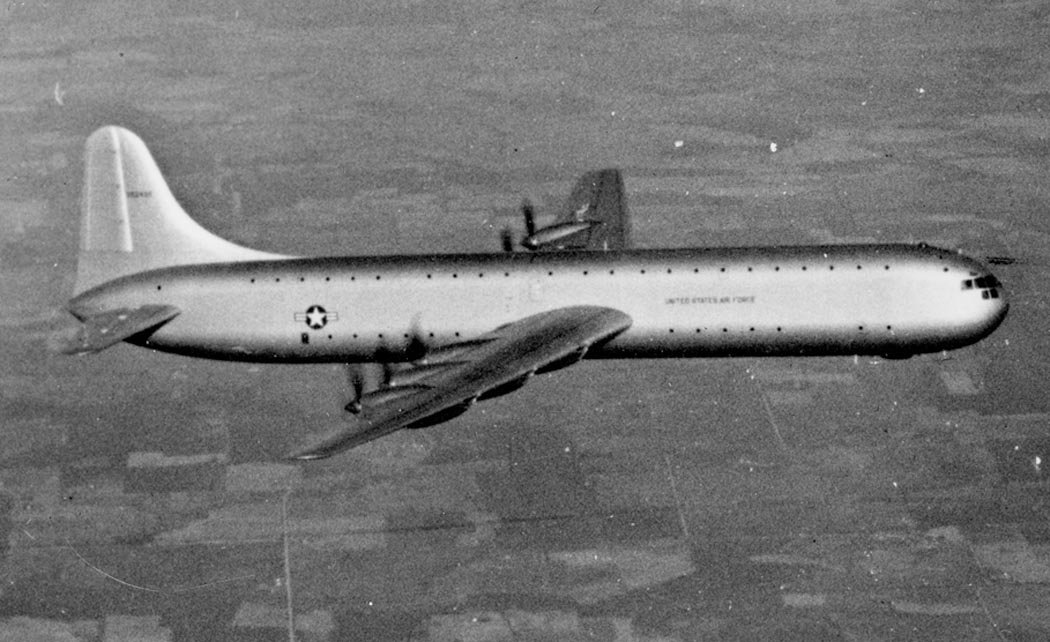 Convair XC-99 |
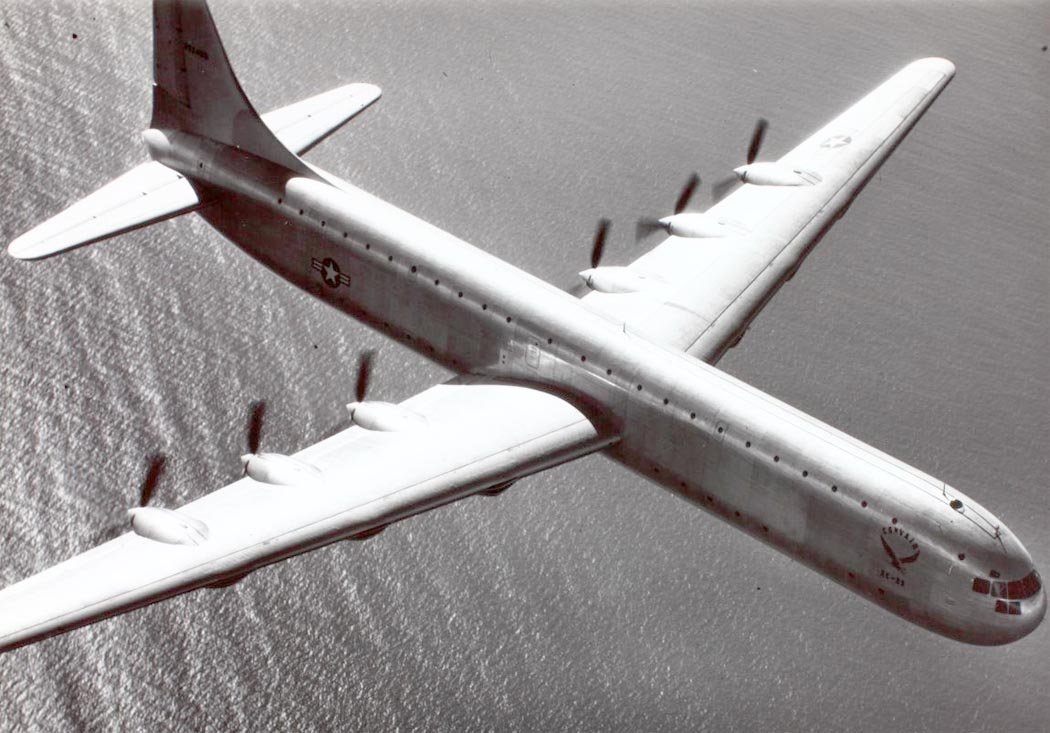 Convair XC-99 |
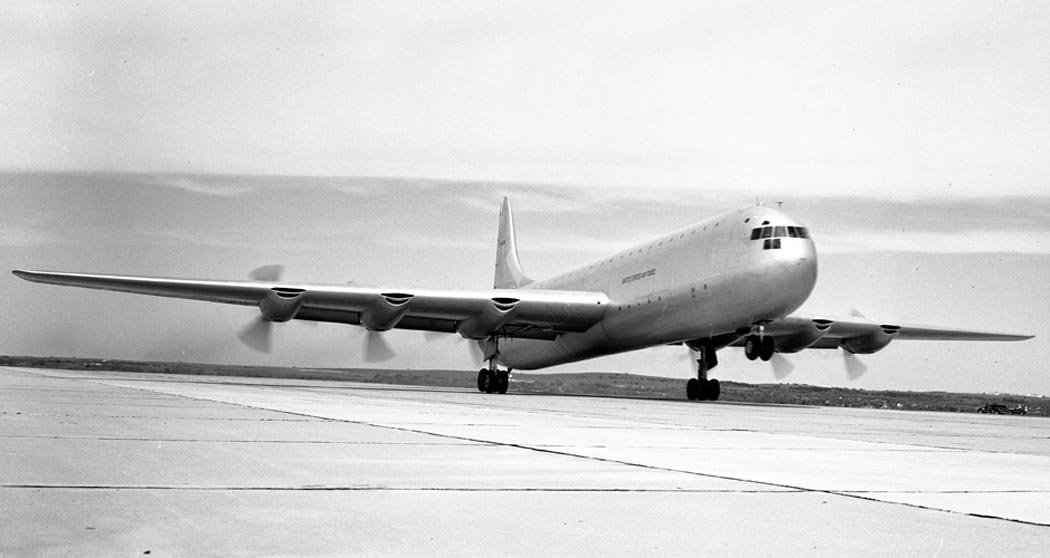 Convair XC-99 |
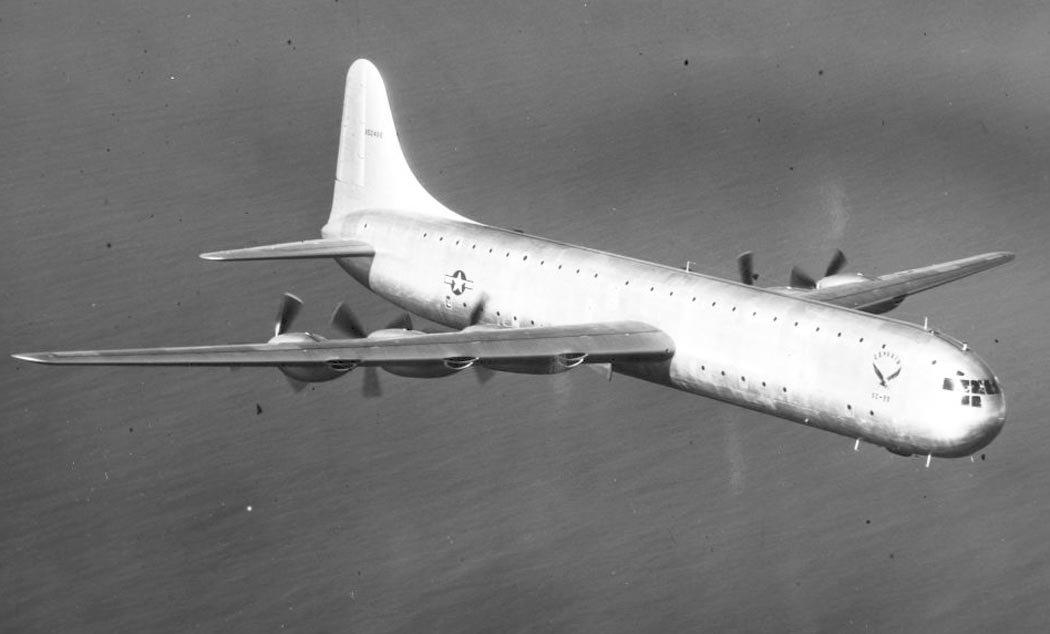 Convair XC-99 |
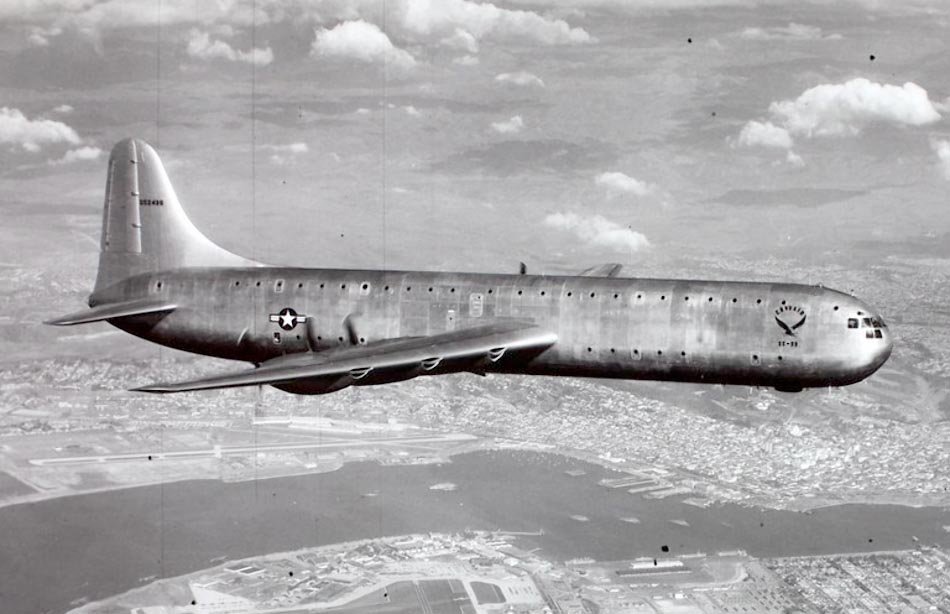 Convair XC-99 |
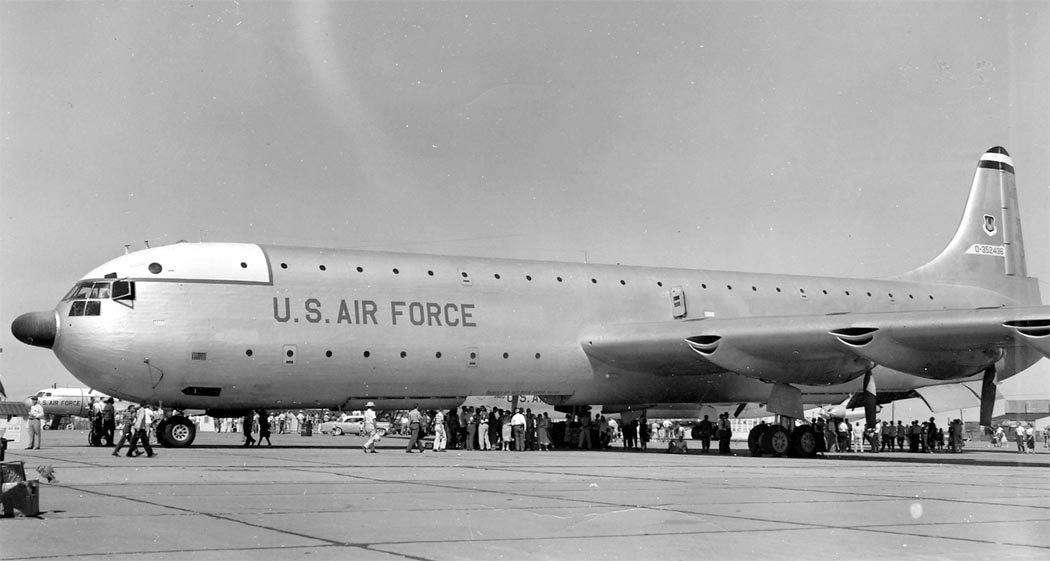 Convair XC-99 |
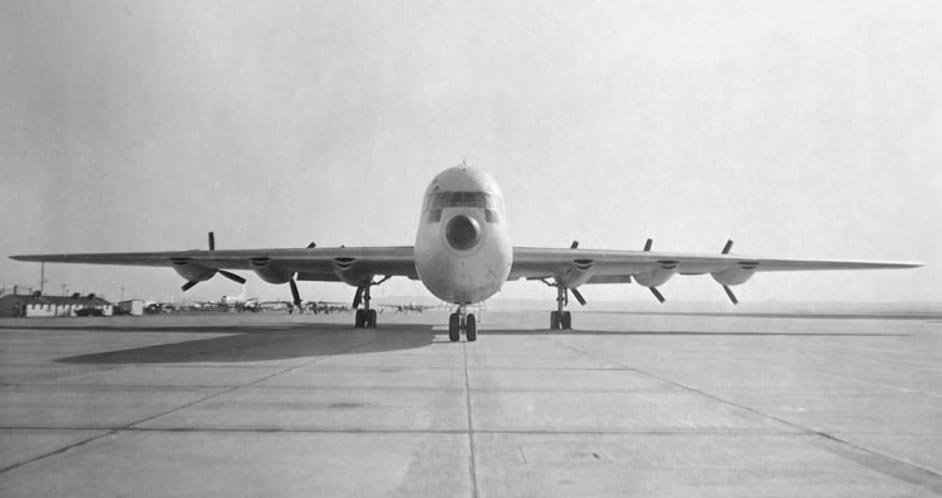 Convair XC-99 |
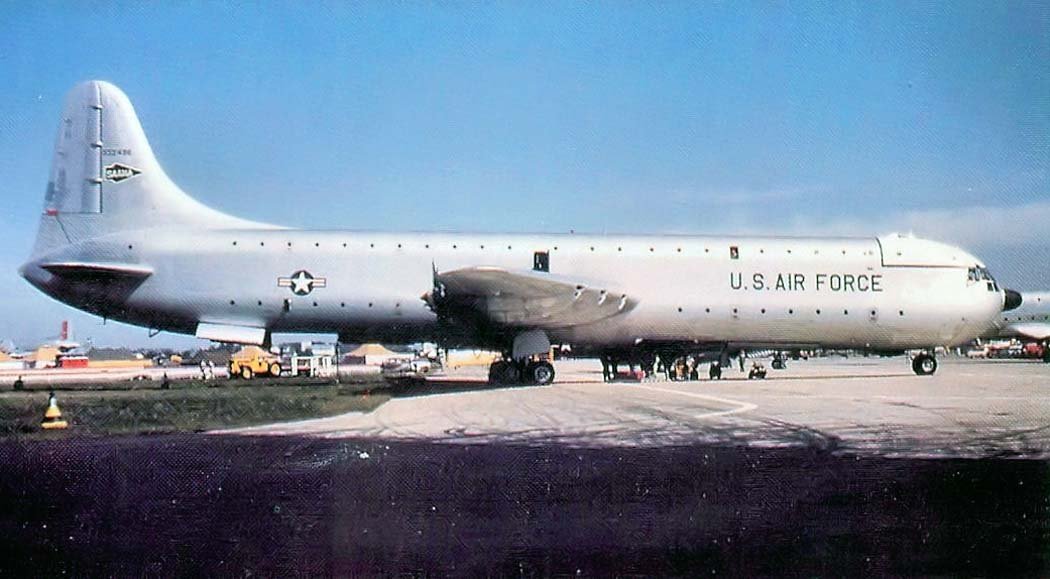 Convair XC-99 |
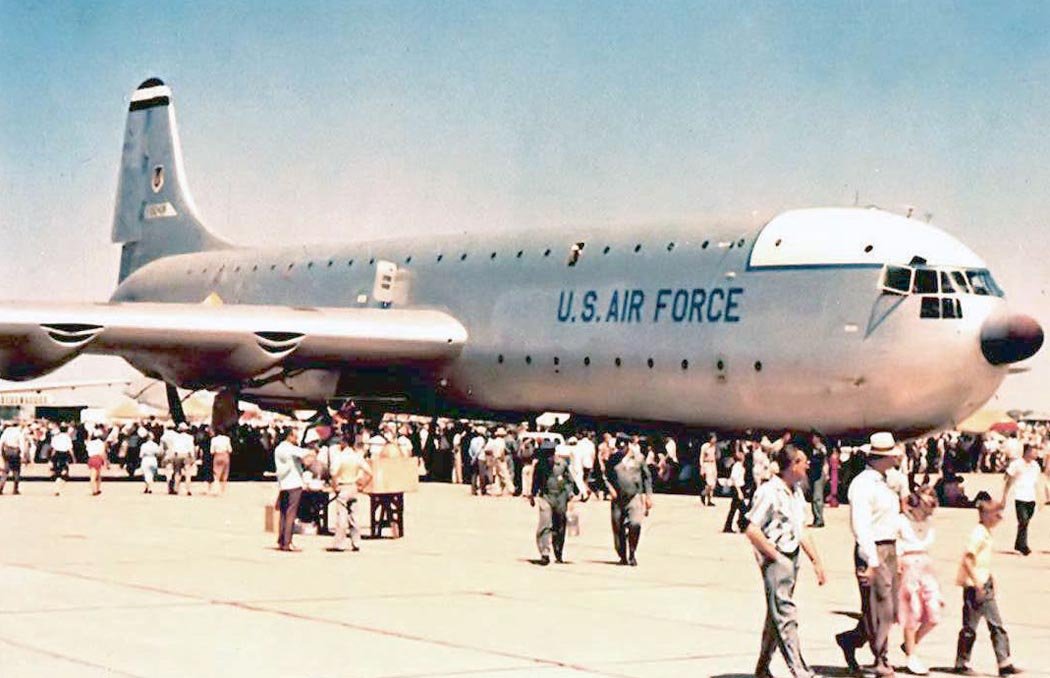 Convair XC-99 |
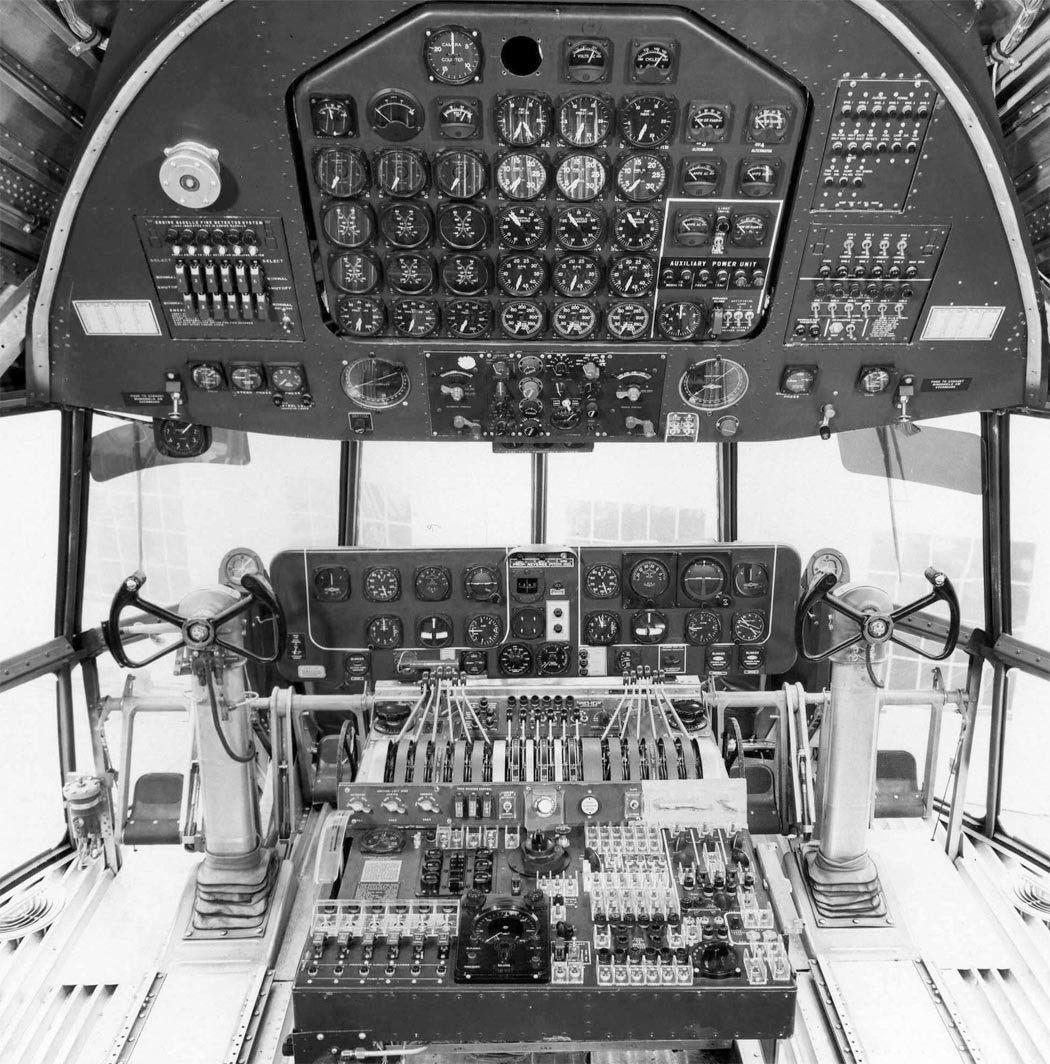 Convair XC-99 |
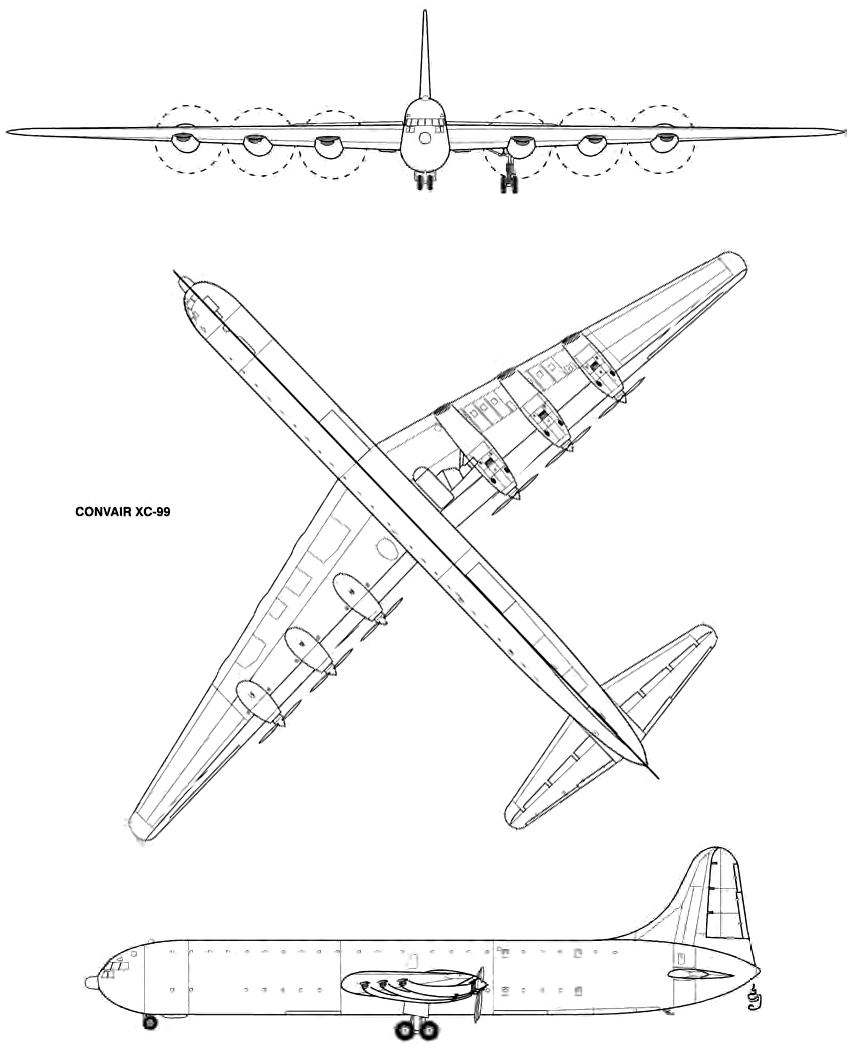 Convair XC-99 |
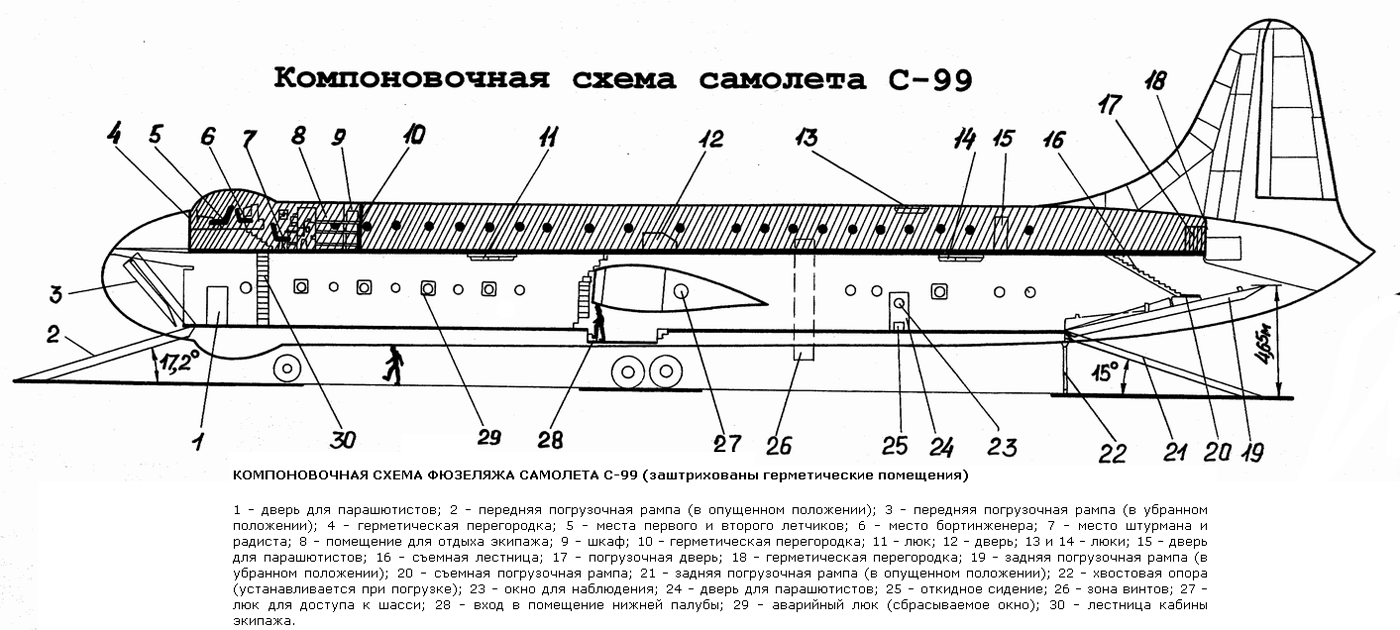 Convair XC-99 |
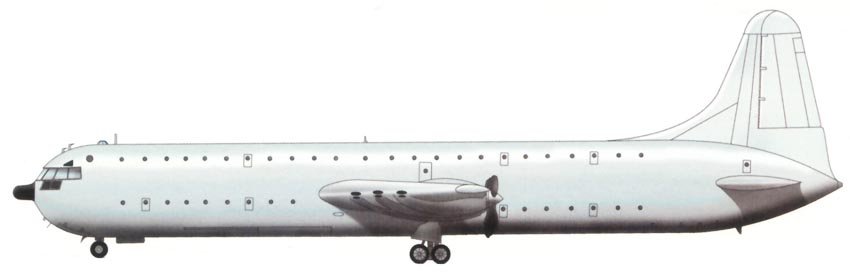 Convair XC-99 |