Curtiss XBT2C-1
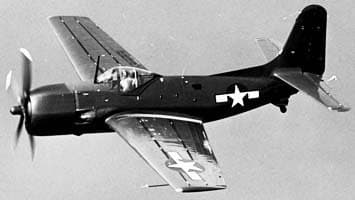
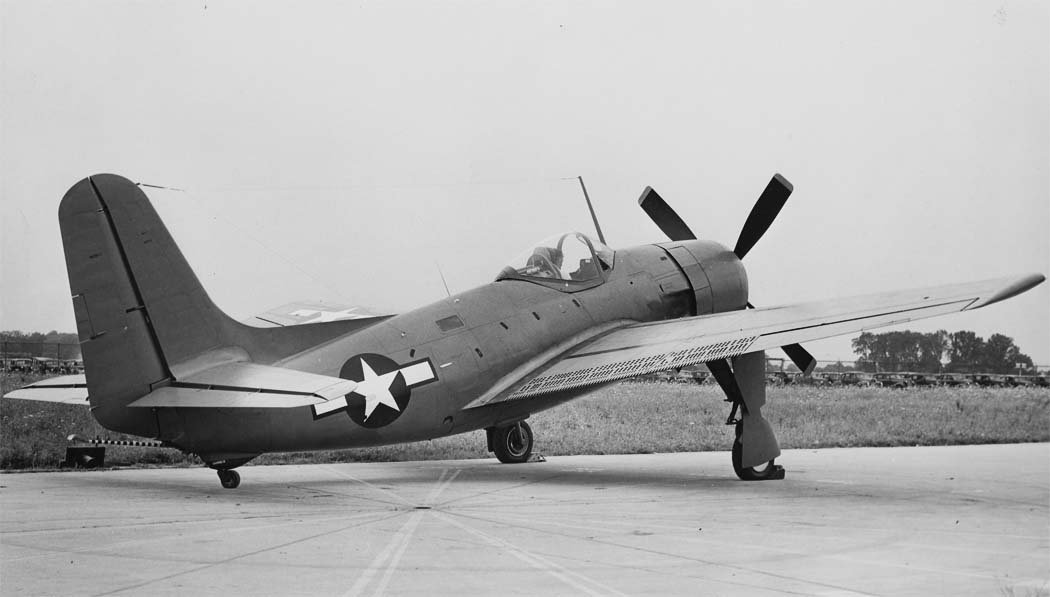
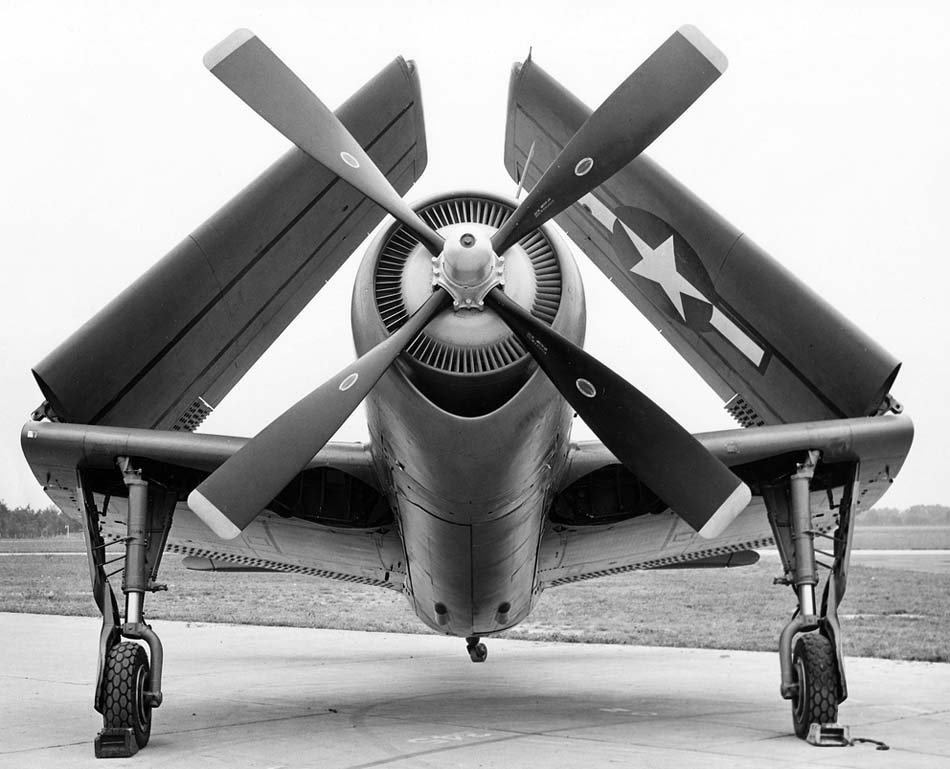
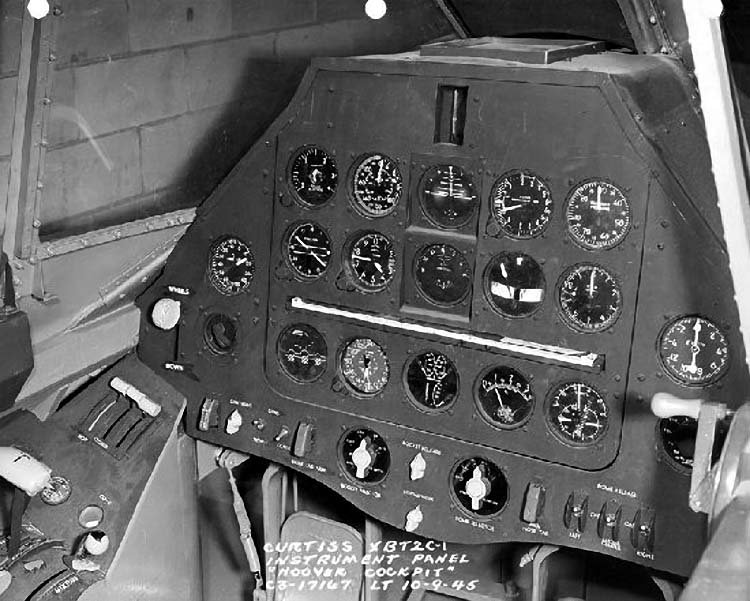
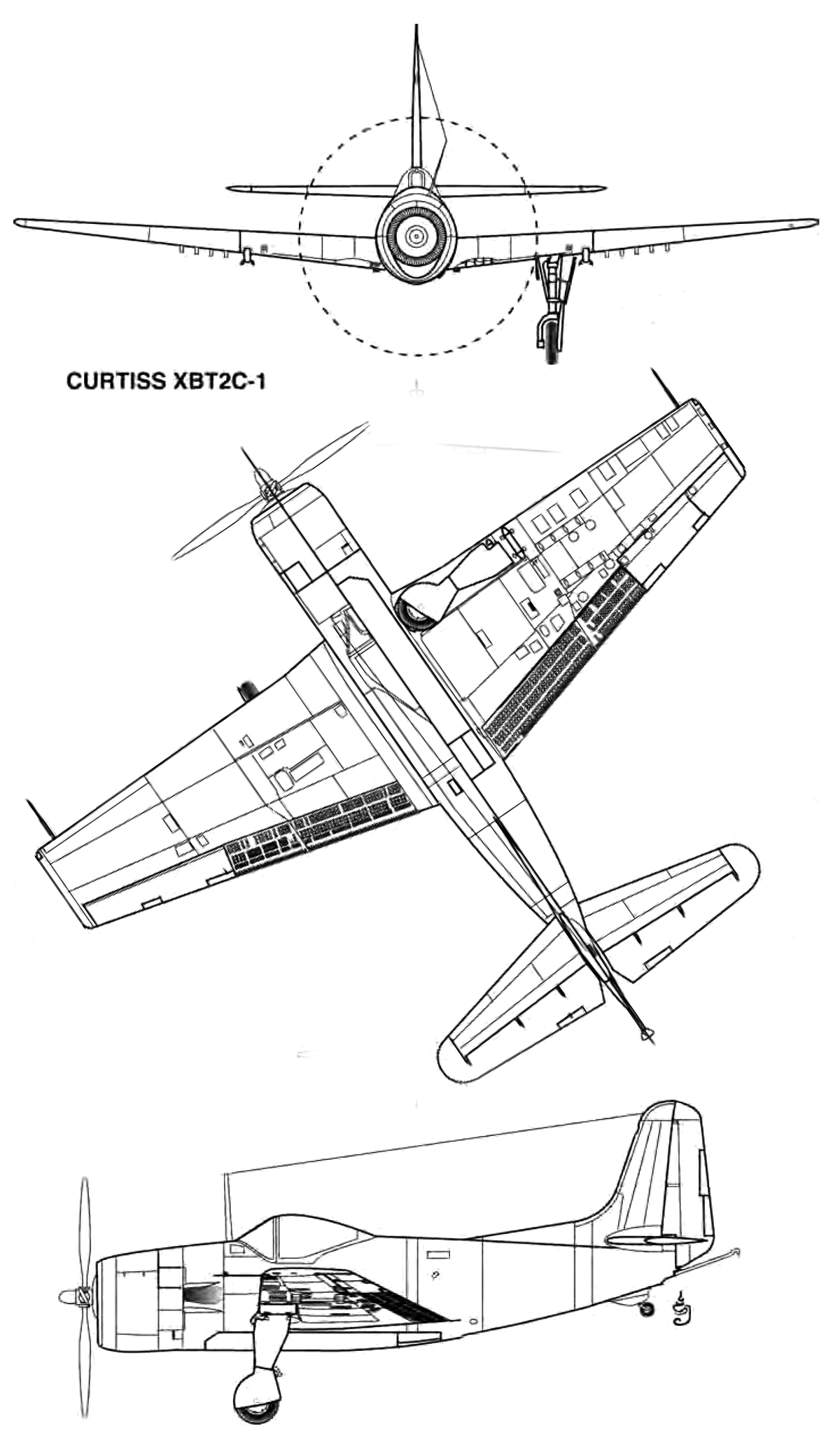
Despite the failure of the XBTC-2, in March 1945, the Curtiss company received a contract for the construction of 10 XBT2C-1 (Model 98) aircraft. These aircraft were assigned serial numbers from 50879 to 50888.
Design and Specifications
This two-seat variant was essentially similar to the XBTC-2, but featured a less powerful 18-cylinder Wright R-3350-24 Duplex-Cyclone engine, delivering 2500 hp (1865 kW). It also had weaker armament, retaining only two of the four 20mm cannons, and included a search radar pod under the right wing console.
Production and Legacy
The aircraft’s first flight occurred in January 1946. Only nine machines were built, primarily because the Douglas AD Skyraider and Martin AM-1 Mauler were already in series production. Additionally, the XBT2C-1 was inferior to its competitors in key performance characteristics. These nine aircraft were the last ones designed by Curtiss for the U.S. Navy.
Technical Specifications
| Modification | ХВТ2С-1 |
| Wingspan, m | 14.50 |
| Length, m | 11.94 |
| Height, m | 3.68 |
| Wing area, m2 | 38.65 |
| Empty weight | 5565 |
| Normal takeoff weight | 8628 |
| Engine type | 1 Piston engine Wright R-3350-24 Duplex-Cyclone |
| Power, hp | 1 x 2500 |
| Maximum speed, km/h | 531 |
| Cruising speed, km/h | 302 |
| Practical range, km | 2108 |
| Maximum rate of climb, m/min | 576 |
| Practical ceiling, m | 8015 |
| Crew | 1-2 crew |
| Armament | two 20-mm cannons, up to 907 kg of bomb load or one Mk.13 torpedo. |
Image and diagram gallery of the Curtiss XBT2C-1
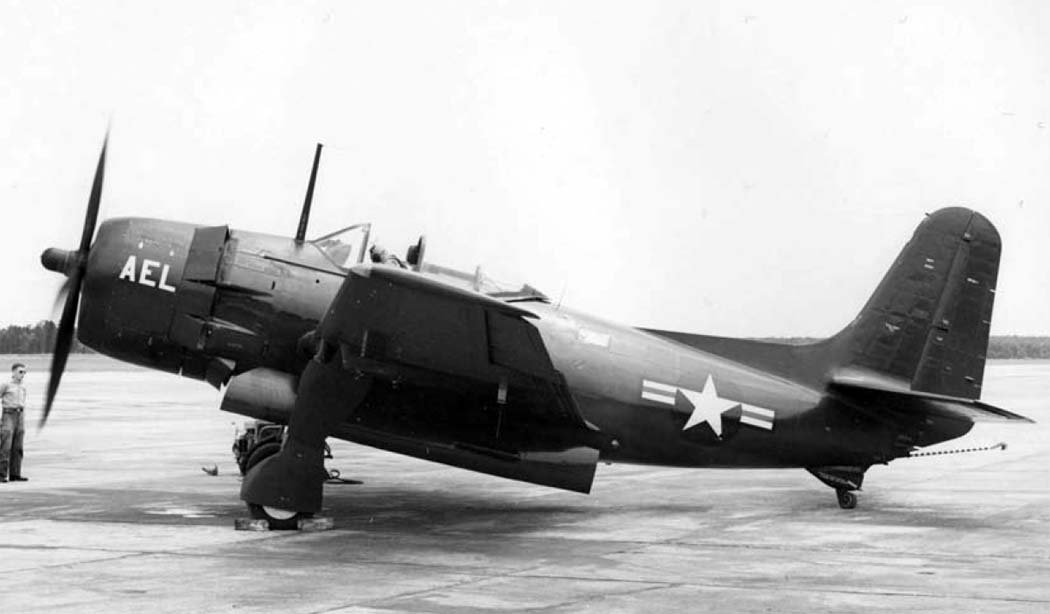 BT2C |
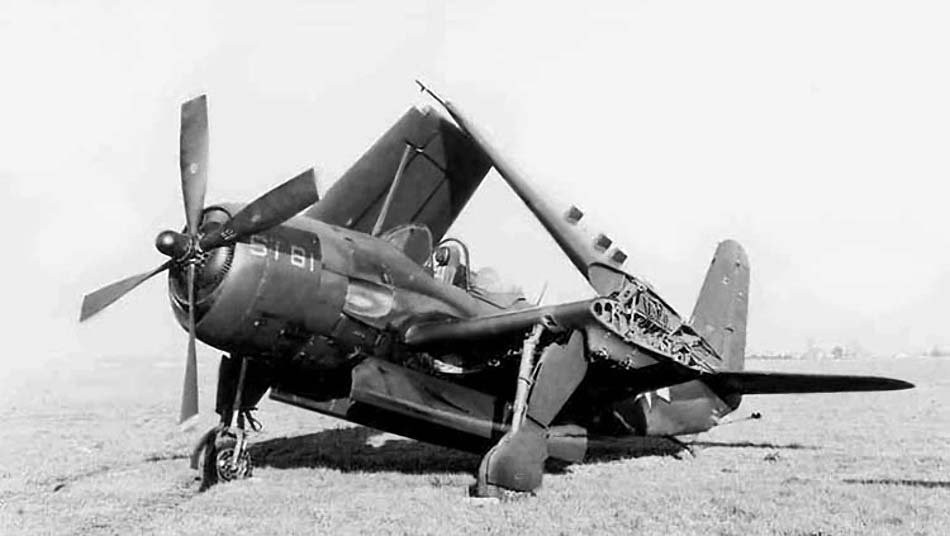 BT2C |
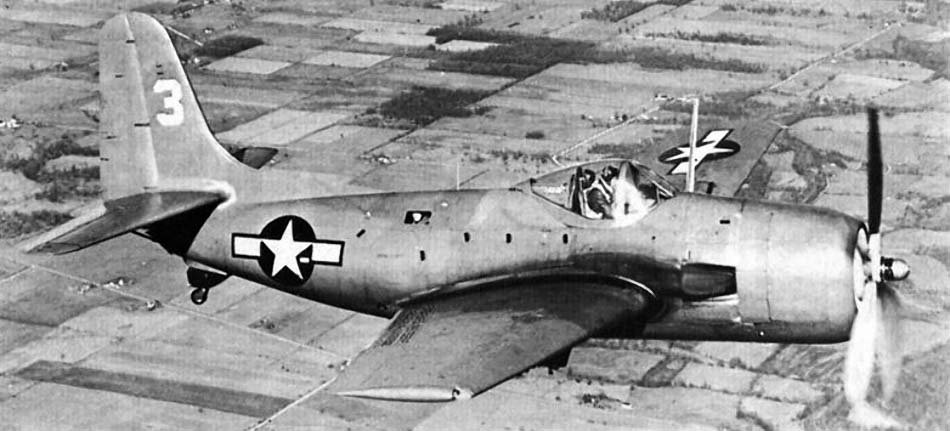 BT2C |
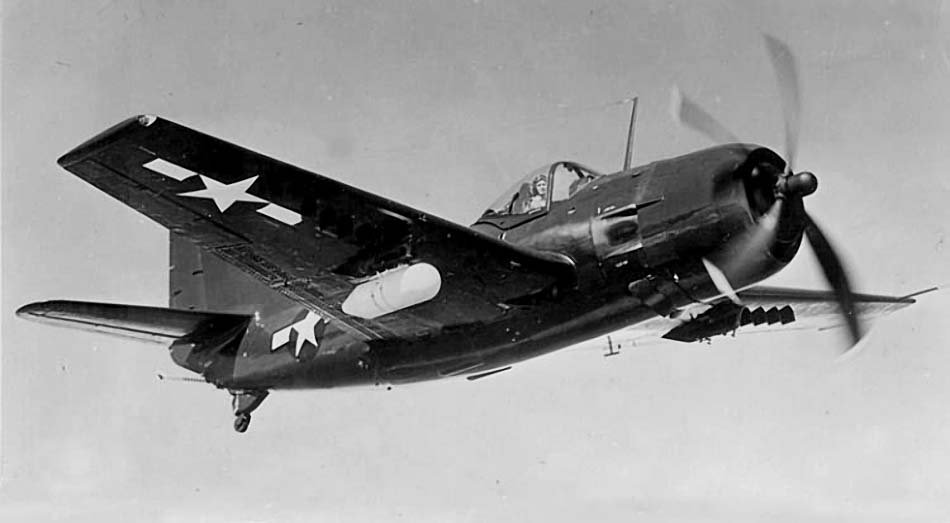 BT2C |
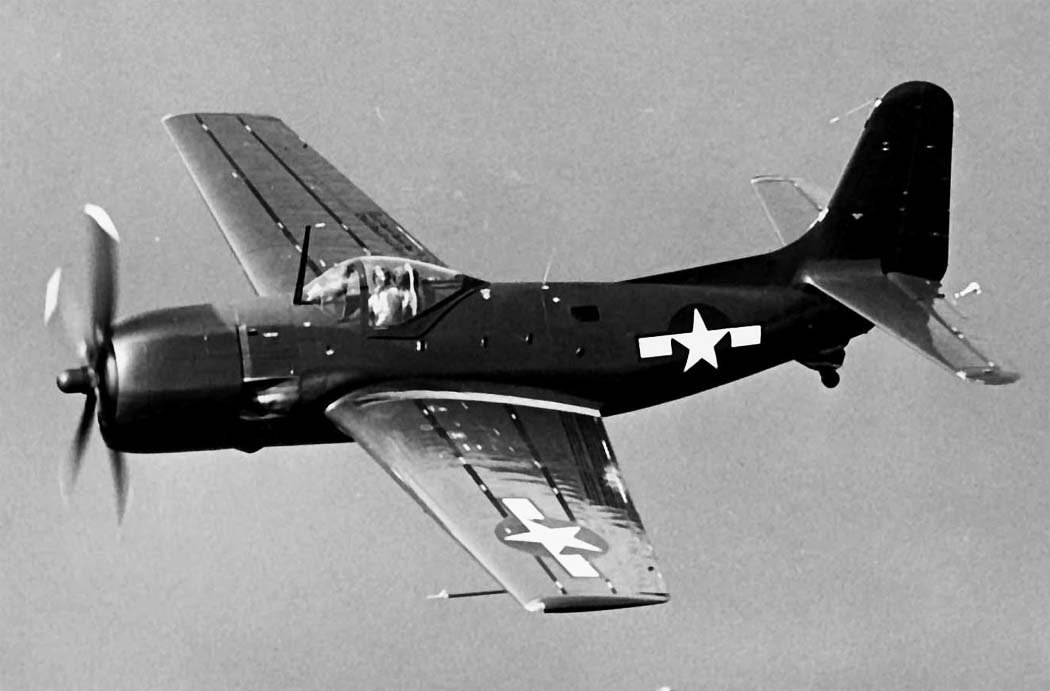 BT2C |
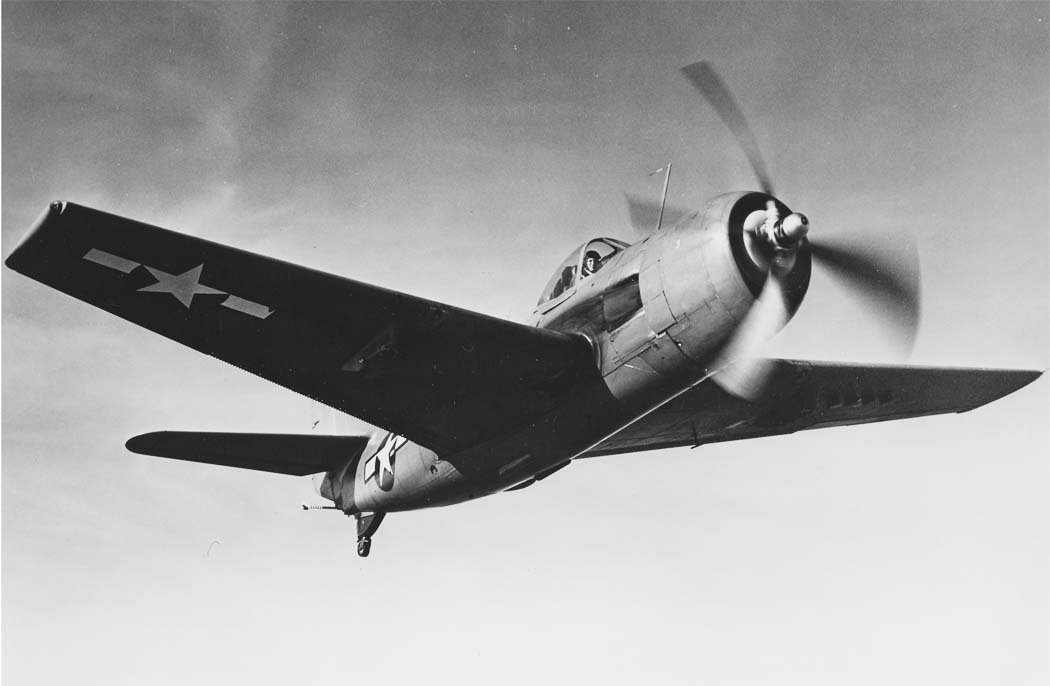 BT2C |
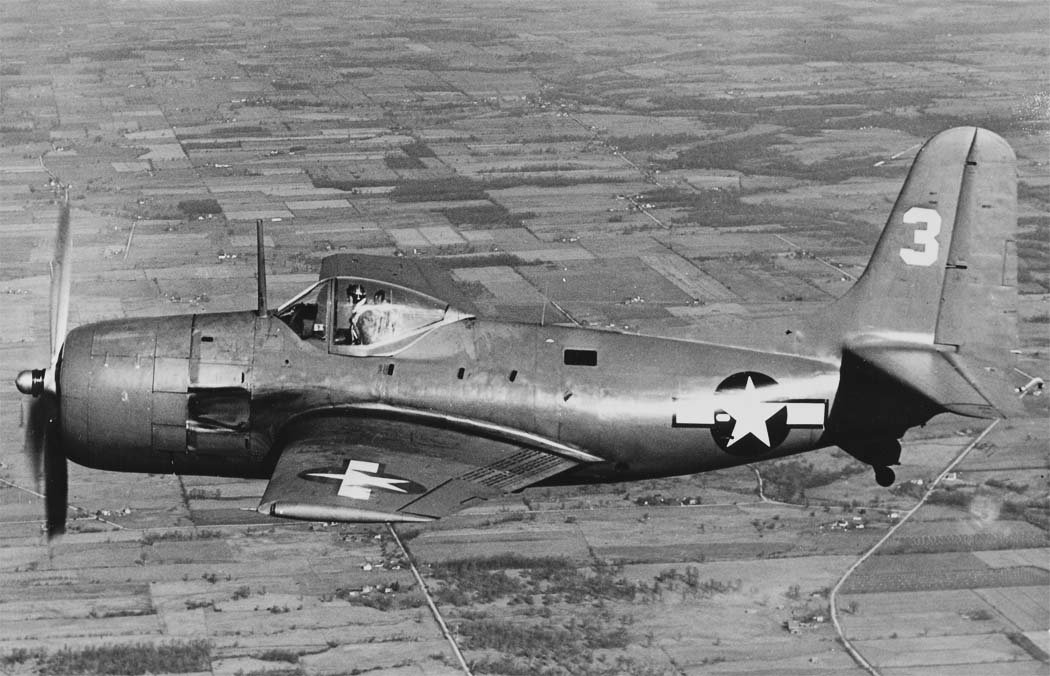 BT2C |
 BT2C |
 BT2C |
 BT2C |
 BT2C |
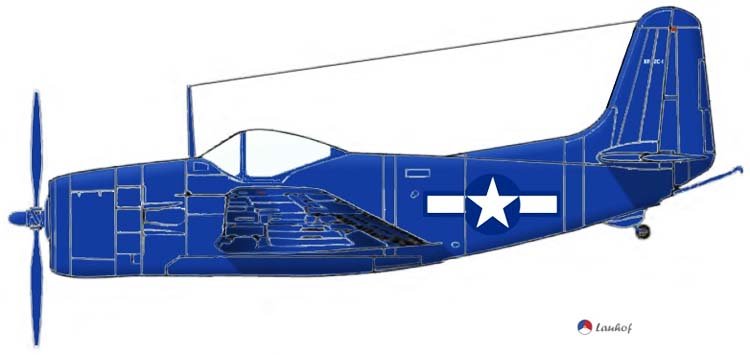 BT2C. Photo: Lauhof |
Equipo Editorial de ArchivoAéreo
Grupo de investigadores y entusiastas de la aviación dedicados a documentar y preservar la historia aeronáutica mundial. Todos los artículos son revisados para garantizar precisión histórica.
Fuentes y Rigurosidad
La información presentada en esta ficha técnica ha sido compilada a partir de manuales de vuelo desclasificados, archivos históricos y bibliografía especializada. Aunque nos esforzamos por mantener la máxima precisión, algunos datos de rendimiento pueden variar según la variante específica o las condiciones operativas.