L.1 Bluebird
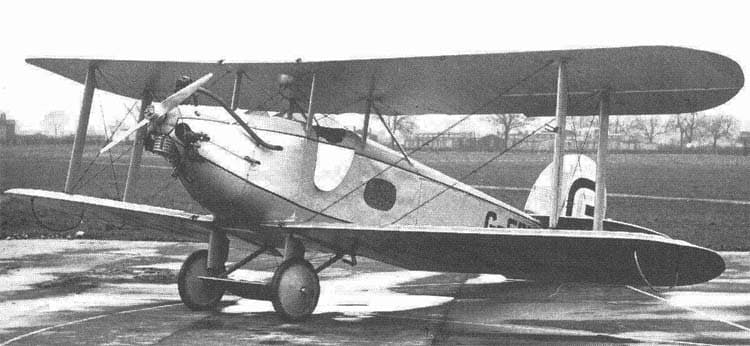
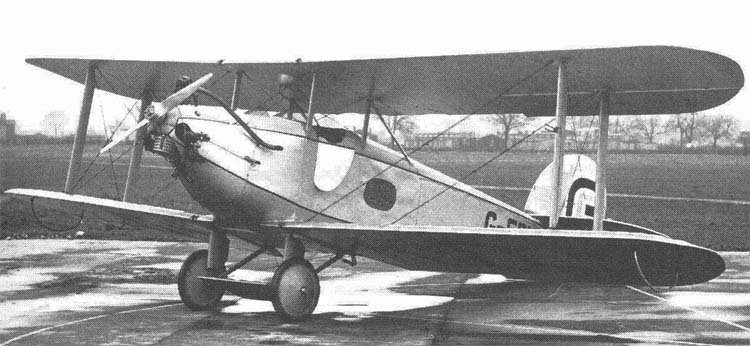
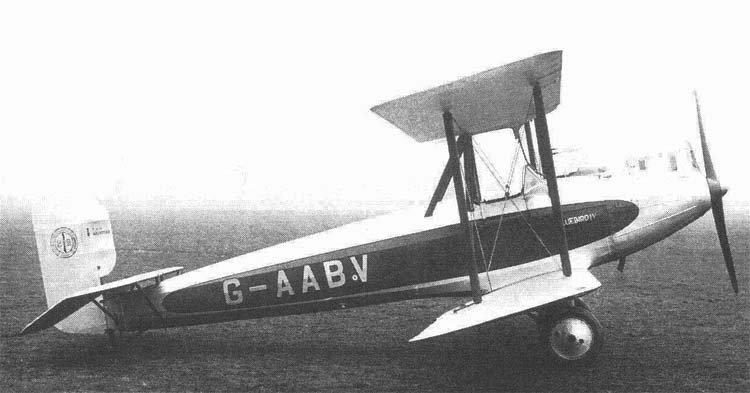
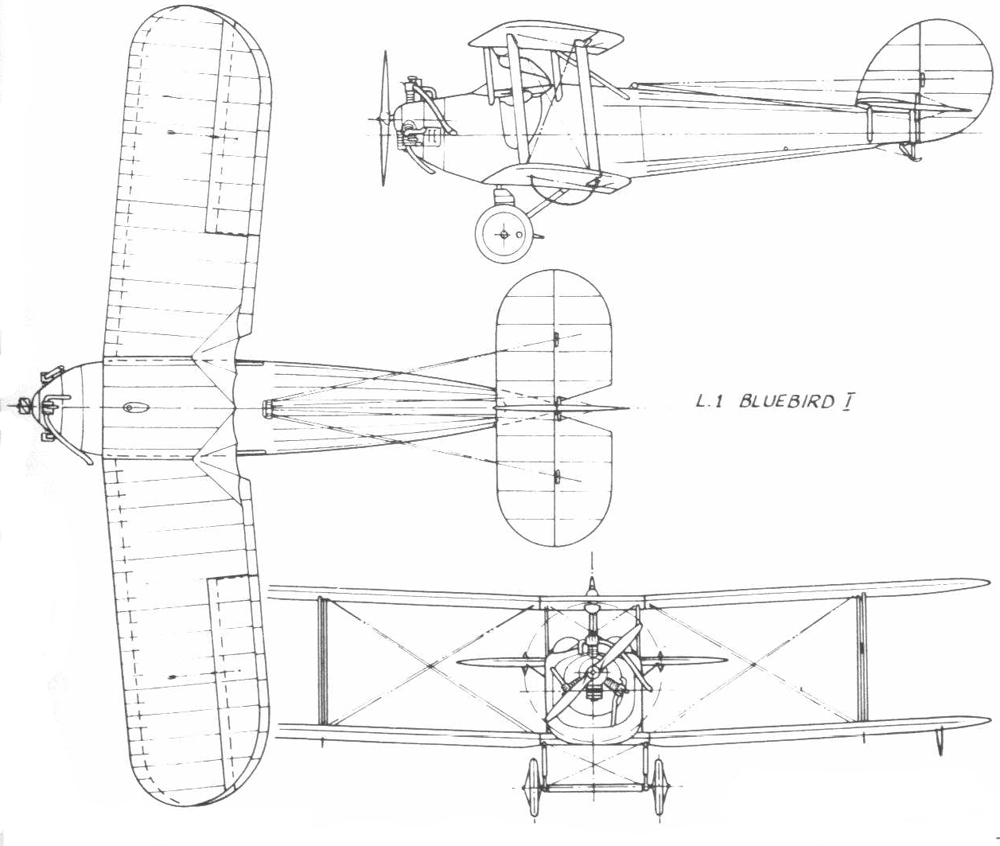
Launched into serial production in 1927, the wooden L.1 Bluebird biplane featured a unique side-by-side crew seating arrangement for English light two-seater aircraft. The L.1 prototype was built to participate in the 1924 light aircraft trials conducted by the Ministry of Aviation at Lympne. It was equipped with an air-cooled Blackburne Thrush engine with a cylinder volume of 1100 cm³.
The Bluebird’s Early Development
The aircraft was not completed on time but later received a new 60 hp (45 kW) Armstrong Siddeley Genet engine and was intended to participate in a competition held in September 1926. Unfortunately, the Bluebird was sidelined again due to landing gear problems. This string of misfortunes ended days later when the aircraft won the Grosvenor Cup races, demonstrating a speed of 137 km/h, before being lost in a mid-air collision in June 1927.
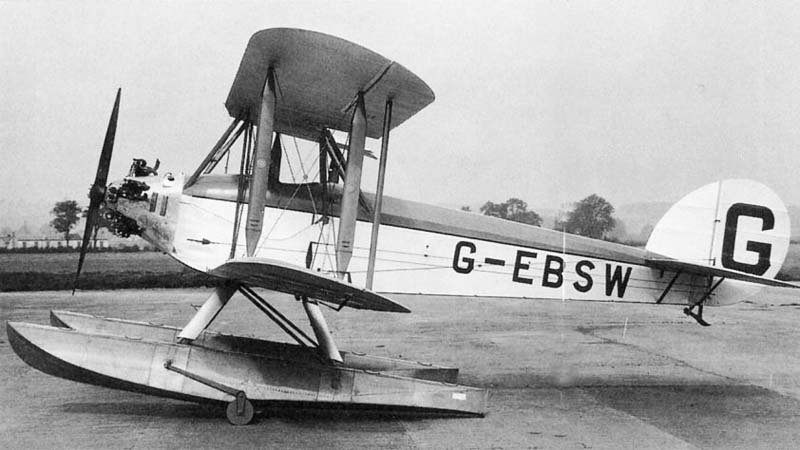
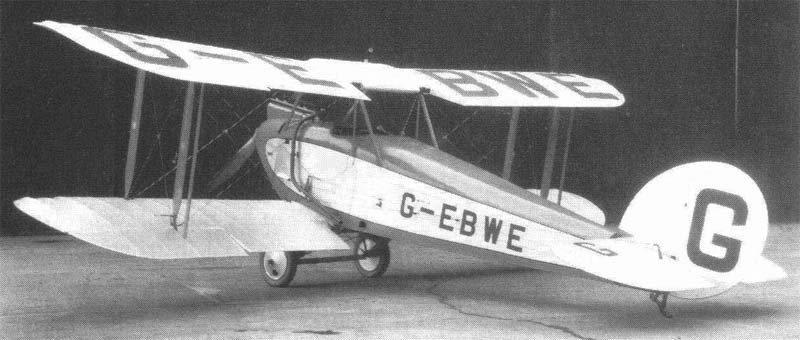
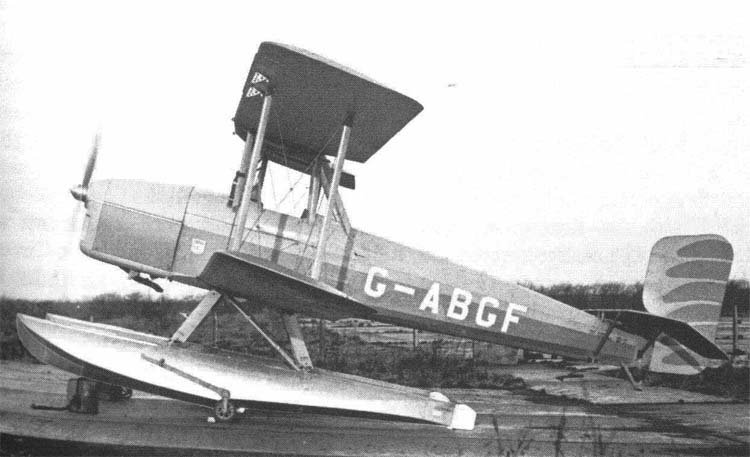
The first 13 production aircraft, designated L.1A Bluebird II, were equipped with 80 hp (60 kW) Genet II engines and supplied to aeroclubs in East Anglia and Yorkshire. One special-order example was fitted with a floatplane landing gear and gained wide recognition for its flights along the coast of England. Two Bluebird IIs were sold to Brazil, expanding its international presence.
Innovations and Bluebird Production
The L.1B Bluebird III aircraft appeared in 1927. The first machine of this type was converted from the 14th production Bluebird II—the fabric covering of the tail section was replaced with plywood, and a fuel tank was installed in the center section of the upper wing. Following a demonstration tour through various cities, the aircraft was fitted with a 90 hp (67 kW) ADC Cirrus III engine. A series of six Bluebird III with 60 hp (45 kW) Genet engines was planned, but the last aircraft was never completed.
The Bluebird IV and Iconic Flights
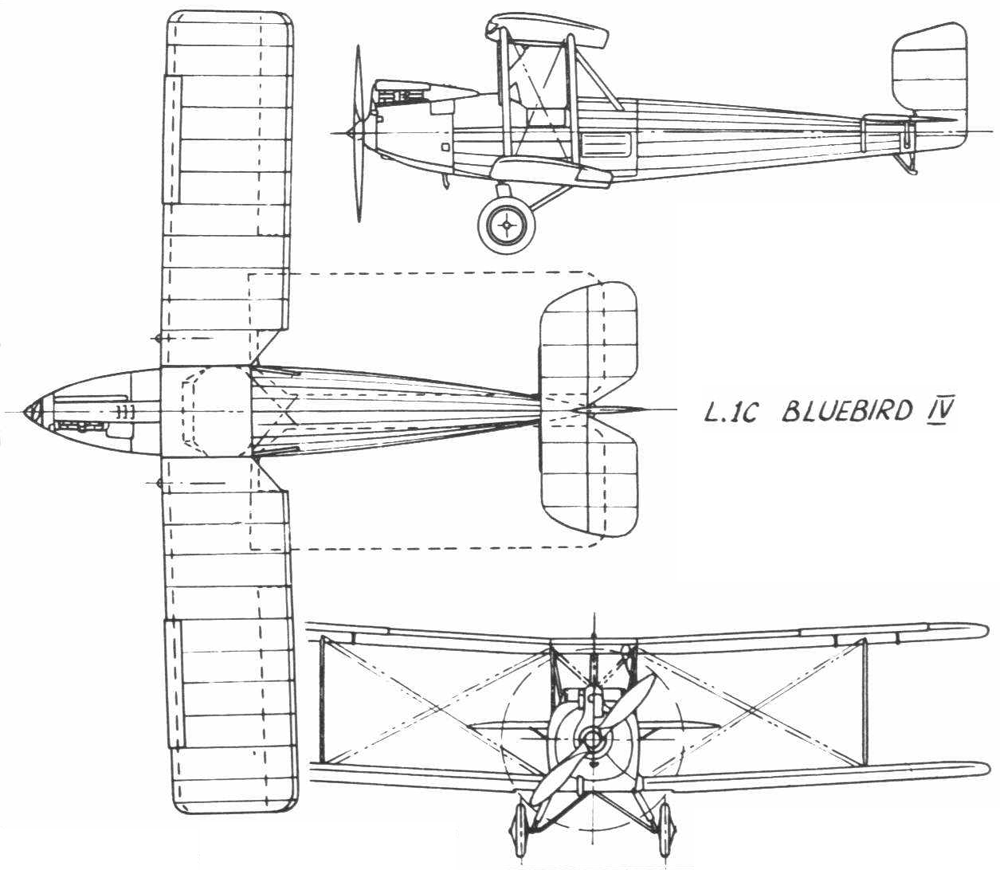
The last modification, the L.1C Bluebird IV, which appeared in 1929, had a completely redesigned structure and only outwardly resembled its predecessors. Due to increased power plant requirements, aircraft of this family were equipped with various types of engines. The Blackburn company, loaded with military orders, initially managed to build only three Bluebird IVs.
The production of 55 aircraft was entrusted to the firm Saunders-Roe from the Isle of Wight, but, in fact, the last 20 machines were completed by Blackburn. The Bluebird IV aircraft had an interesting fate; many participated in long-distance flights, the most notable of which was presented as the world’s first round-the-world flight in a light aircraft, undertaken by Mrs. Mildred Bruce from September 25, 1930, to February 20, 1931. However, it should be noted that the traveler covered the Tokyo-Seattle and New York-Le Havre sections of the route aboard a ship. The last surviving Bluebird, the 11th production machine, was scrapped in 1947.
Technical Specifications
| Modification | L.1C |
| Wingspan, m | 9.14 |
| Length, m | 7.06 |
| Height, m | 2.74 |
| Wing area, m2 | 25.08 |
| Empty weight | 472 |
| Normal takeoff weight | 794 |
| Engine type | 1 Piston engine de Havilland Gipsy I |
| Power, hp | 1 x 100 |
| Maximum speed, km/h | 166 |
| Cruising speed, km/h | 138 |
| Practical range, km | 756 |
| Maximum rate of climb, m/min | 219 |
| Practical ceiling, m | 4755 |
| Crew | 2 |
Image and diagram gallery of the L.1 Bluebird
 L.1 Bluebird |
 L.1 Bluebird |
 L.1 Bluebird |
 L.1 Bluebird |
 L.1 Bluebird |
 L.1 Bluebird |
 L.1 Bluebird |
Equipo Editorial de ArchivoAéreo
Grupo de investigadores y entusiastas de la aviación dedicados a documentar y preservar la historia aeronáutica mundial. Todos los artículos son revisados para garantizar precisión histórica.
Fuentes y Rigurosidad
La información presentada en esta ficha técnica ha sido compilada a partir de manuales de vuelo desclasificados, archivos históricos y bibliografía especializada. Aunque nos esforzamos por mantener la máxima precisión, algunos datos de rendimiento pueden variar según la variante específica o las condiciones operativas.