LA-1 Bull Pup
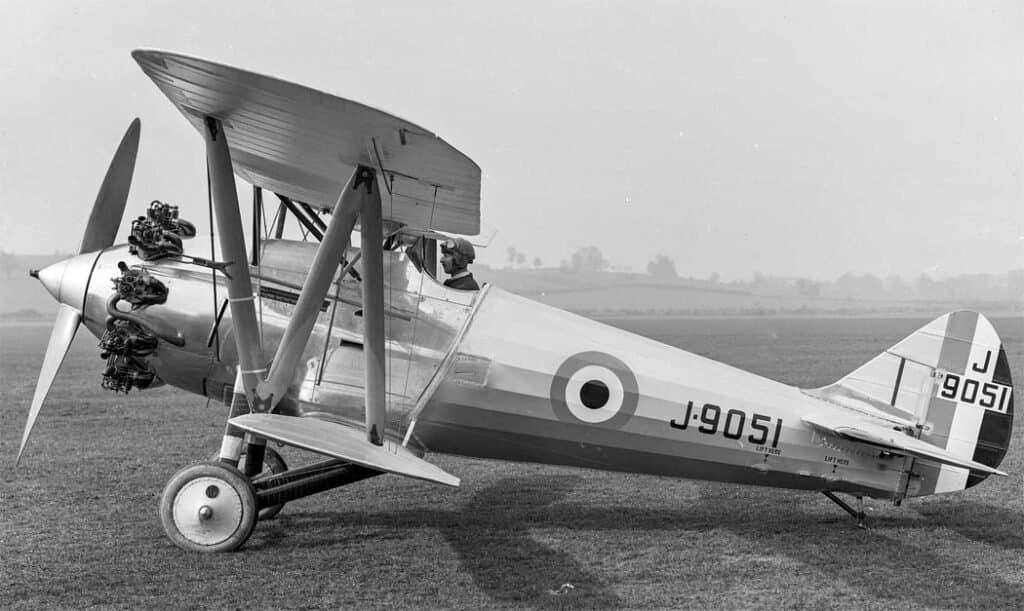
In 1930, French engineer Etienne Dormoy developed a project for a light single-seat multi-purpose aircraft for the Buhl Aircraft Company, which was designated the Buhl LA-1 Bull Pup.
Initial Design and Features
The prototype’s fuselage (X8459) was constructed from steel tubes, covered with fabric, and equipped with a 26-horsepower Aeronca engine. After a series of tests, it was decided to replace the engine with a three-cylinder Szekely SR-3 radial engine of 45 hp (34 kW), and the monocoque fuselage was made entirely of metal.
Production and General Use
From 1930 to 1932, over 100 units of the aircraft were built. In addition to the standard modification, variants such as the LA-1A with increased wingspan, the high-altitude LA-1B, and the floatplane LA-1S were also produced. Bull Pup aircraft were used for sports, touring, and light mail services.
Notable Records and Achievements
On June 13, 1931, pilot Mae Haizlip broke the altitude record for its class in an LA-1 Bull Pup, climbing to 6858 meters (22500 feet).
Technical Specifications
| Modification | LA-1 |
| Wingspan, m | 9.14 |
| Length, m | 5. 79 |
| Height, m | 1. 98 |
| Wing area, m2 | 10.16 |
| Empty weight | 249 |
| Maximum takeoff weight | 386 |
| Engine type | 1 Piston engine Szekely SR-3 |
| Power, hp | 1 x 45 |
| Maximum speed, km/h | 158 |
| Cruising speed, km/h | 126 |
| Practical range, km | 418 |
| Service ceiling, m | 4300 |
| Crew, crew | 1 |
Image and diagram gallery of the LA-1 Bull Pup
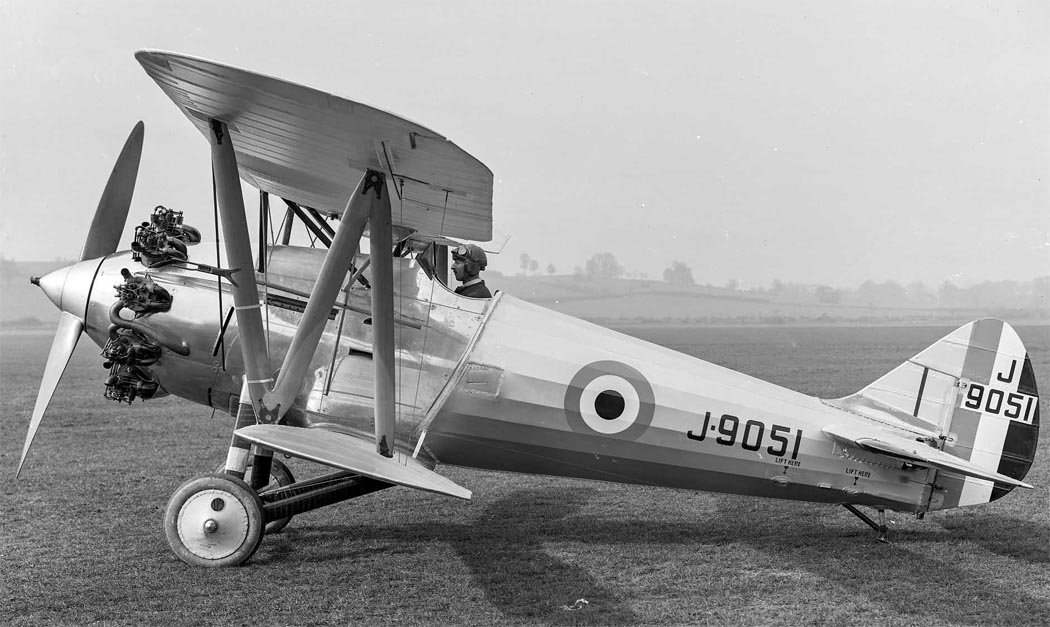 LA-1 Bull Pup |
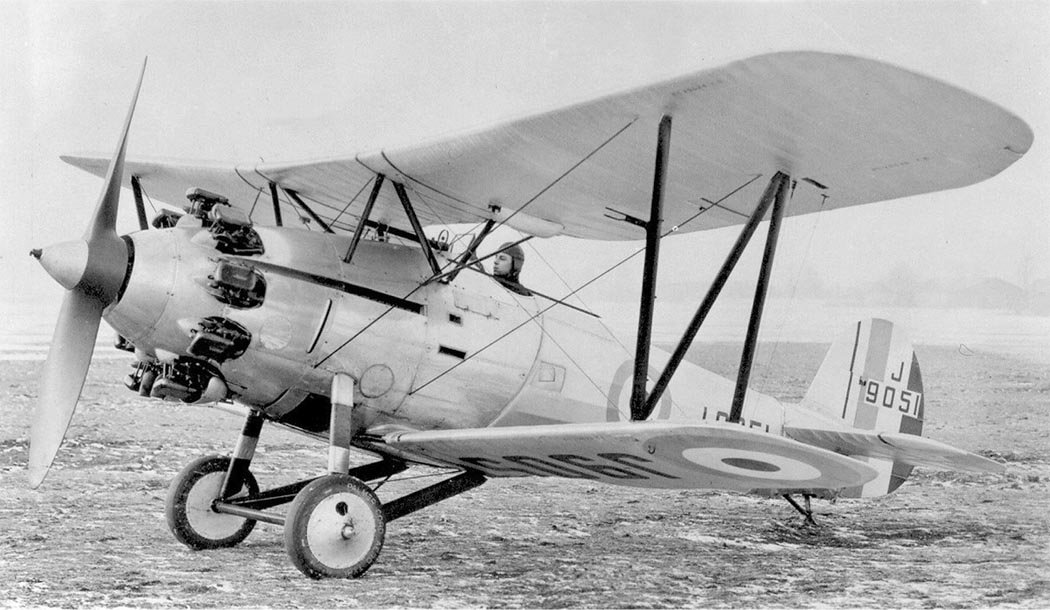 LA-1 Bull Pup |
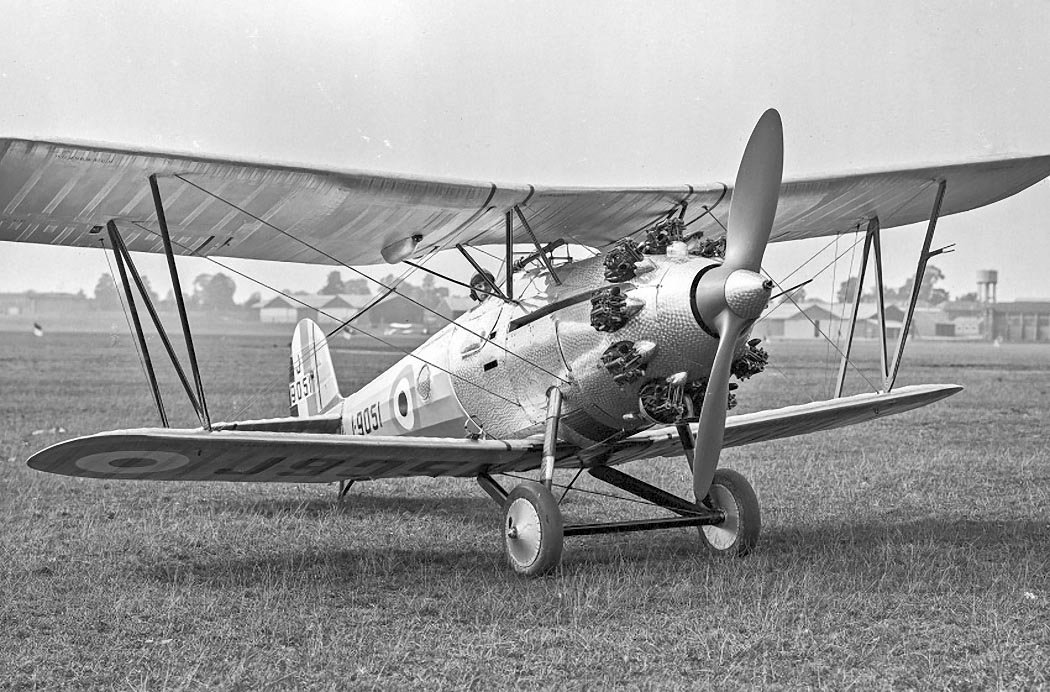 LA-1 Bull Pup |
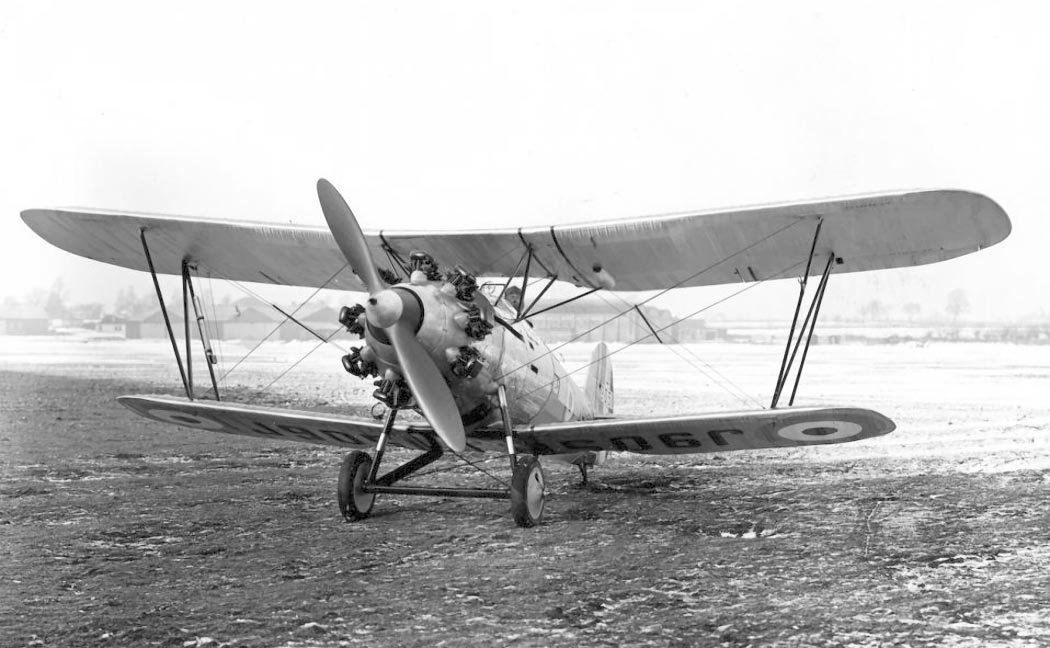 LA-1 Bull Pup |
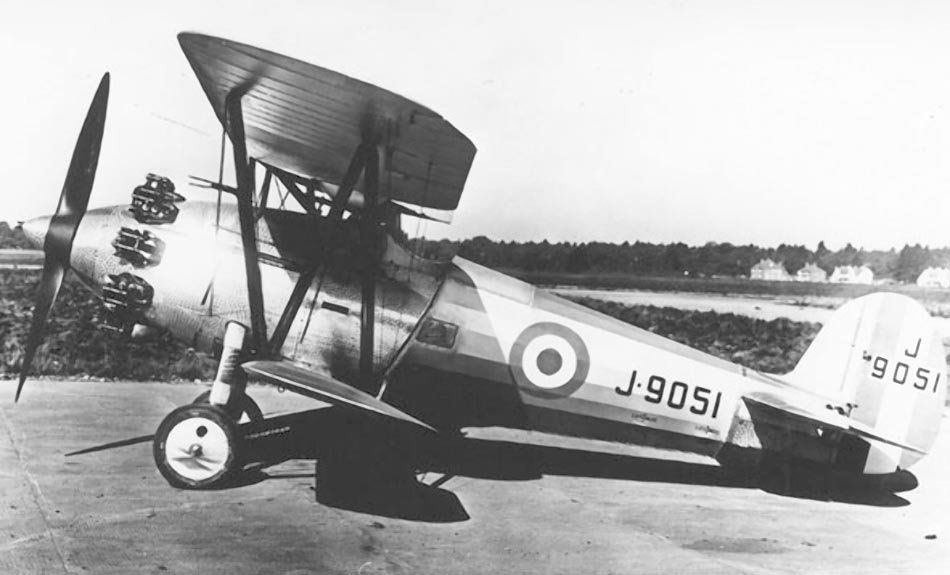 LA-1 Bull Pup |
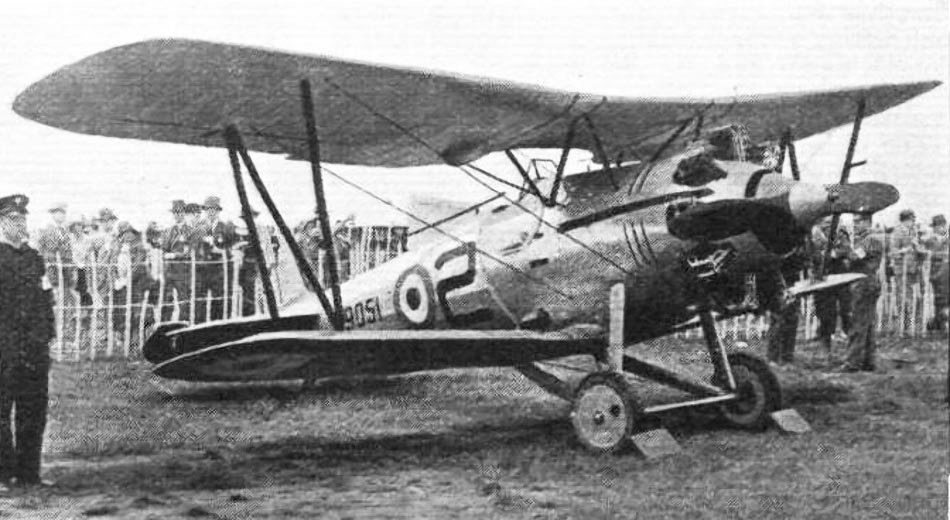 LA-1 Bull Pup |
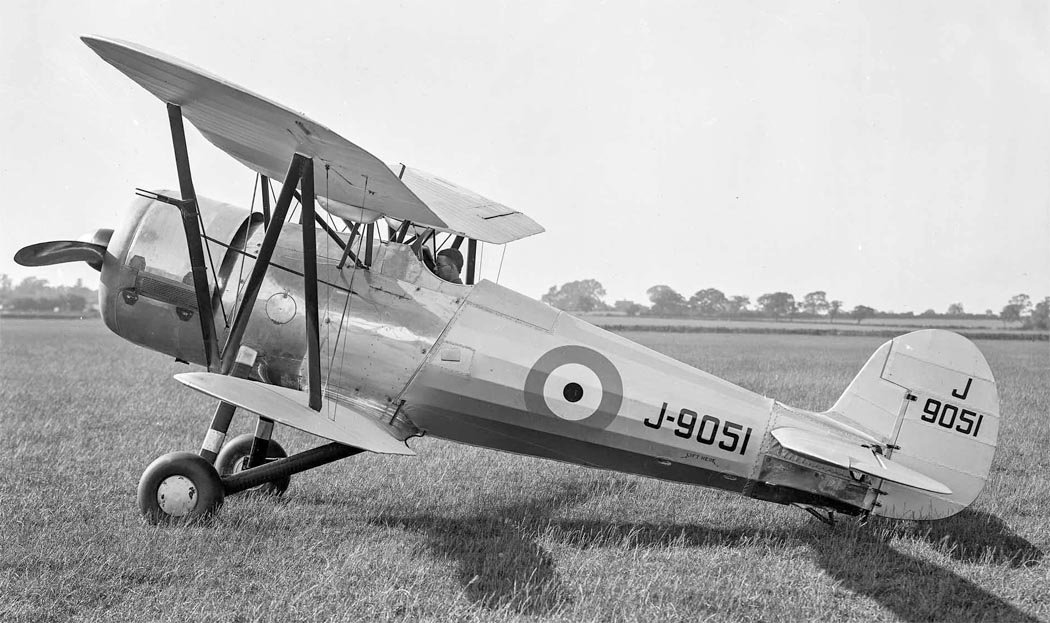 LA-1 Bull Pup |
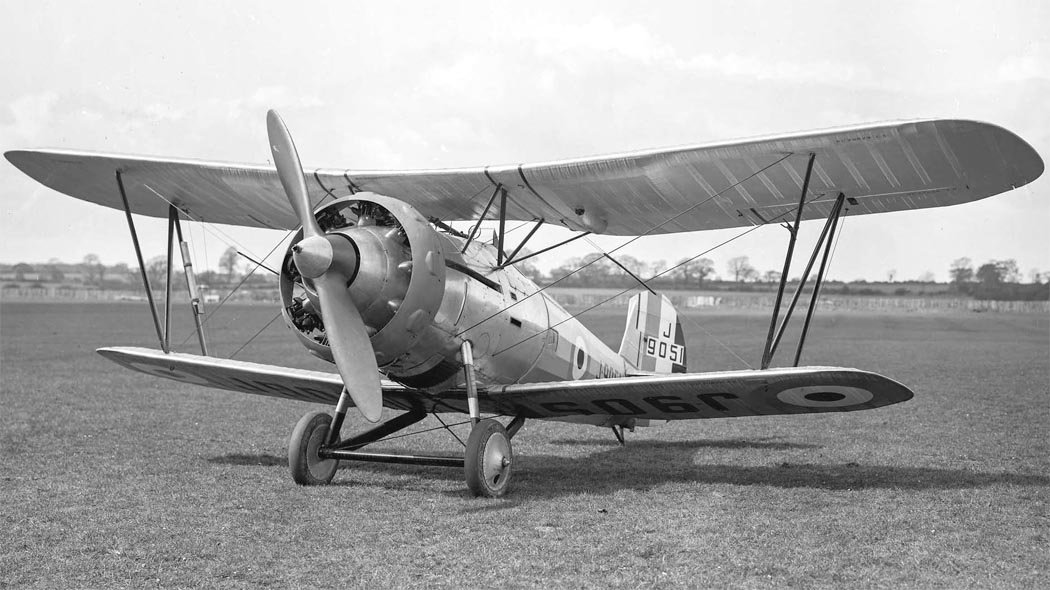 LA-1 Bull Pup |
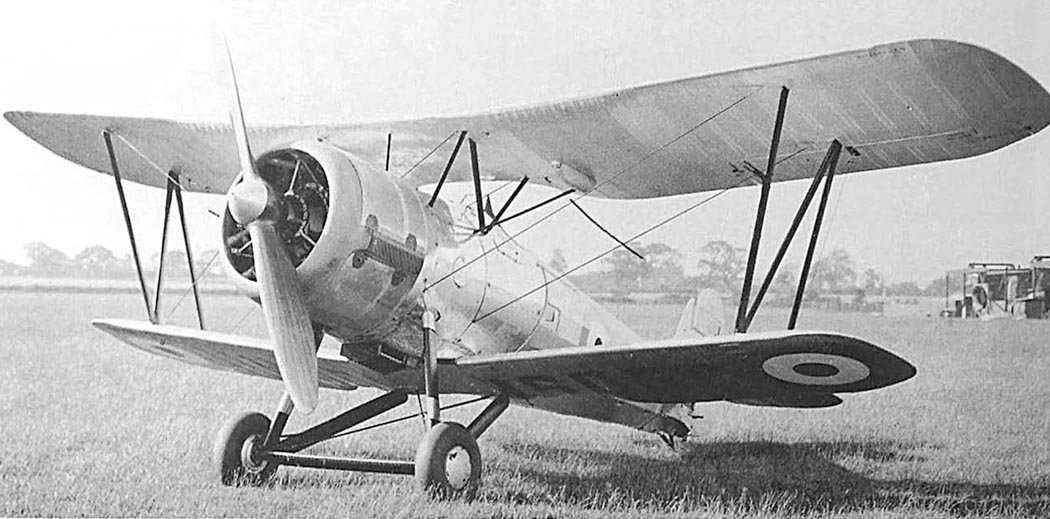 LA-1 Bull Pup |
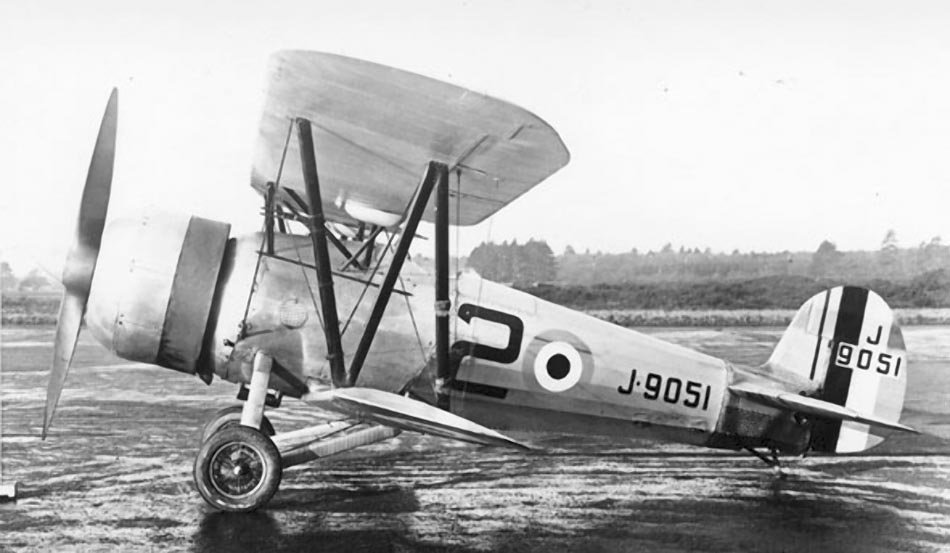 LA-1 Bull Pup |
Equipo Editorial de ArchivoAéreo
Grupo de investigadores y entusiastas de la aviación dedicados a documentar y preservar la historia aeronáutica mundial. Todos los artículos son revisados para garantizar precisión histórica.
Fuentes y Rigurosidad
La información presentada en esta ficha técnica ha sido compilada a partir de manuales de vuelo desclasificados, archivos históricos y bibliografía especializada. Aunque nos esforzamos por mantener la máxima precisión, algunos datos de rendimiento pueden variar según la variante específica o las condiciones operativas.