Lilian Bland and the Mayfly Biplane
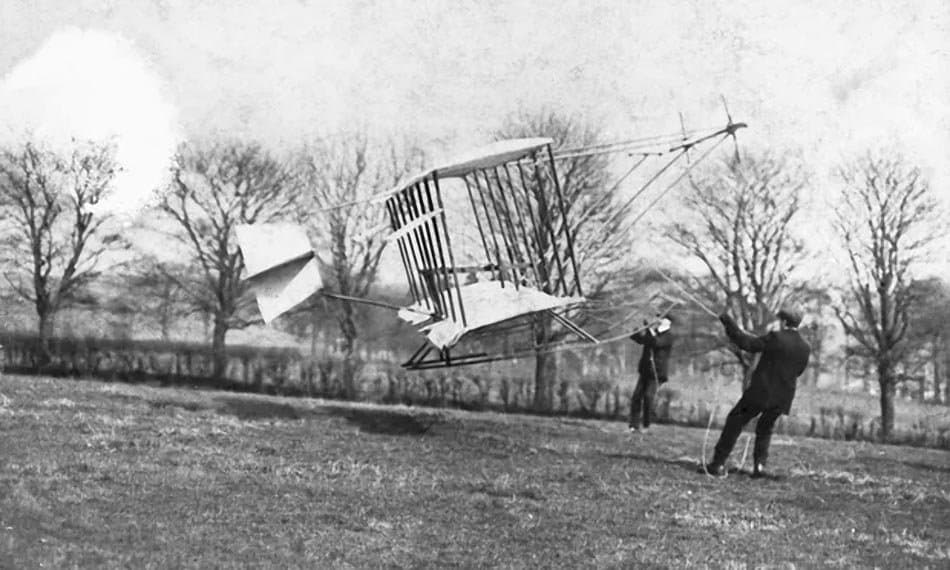
Lilian Bland was an Anglo-Irish journalist and aviation pioneer. Between 1910 and 1911, she became one of the first women in the British Isles, and possibly in the world, to design, build, and pilot an aircraft—the Bland Mayfly.
Born in Maidstone, Kent, on September 28, 1878, Bland came from Anglo-Irish gentry. By the turn of the century, she began working as a sports journalist and photojournalist for various London newspapers. She led an unconventional lifestyle for the time, smoking, wearing trousers, and enjoying hunting, shooting, and fishing.
Inspiration and Early Design
Her inspiration for aviation began when her uncle Robert sent her a postcard of a Blériot monoplane from Paris. Bland studied the monoplane’s dimensions at the first official aviation meeting in Blackpool in 1909 and incorporated her own ideas into her aircraft’s design.
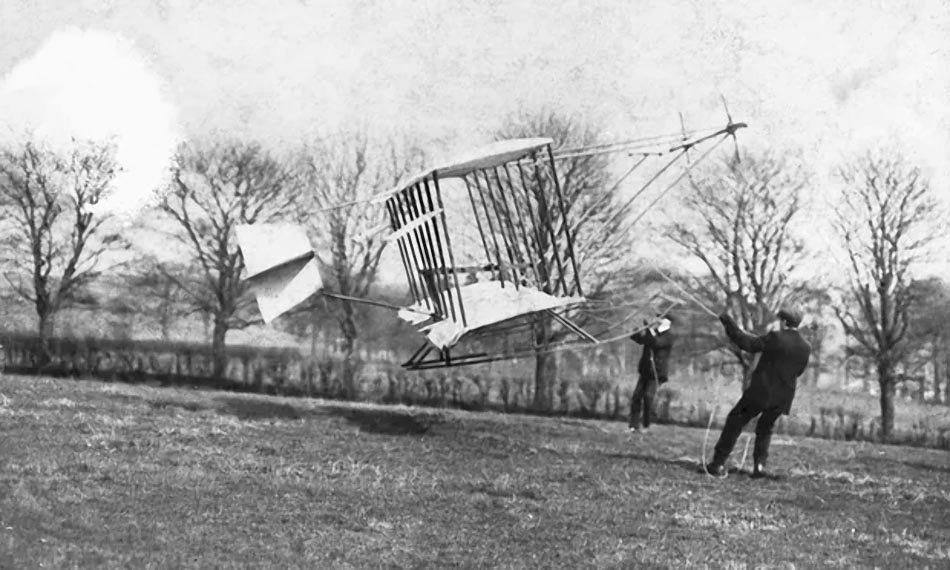
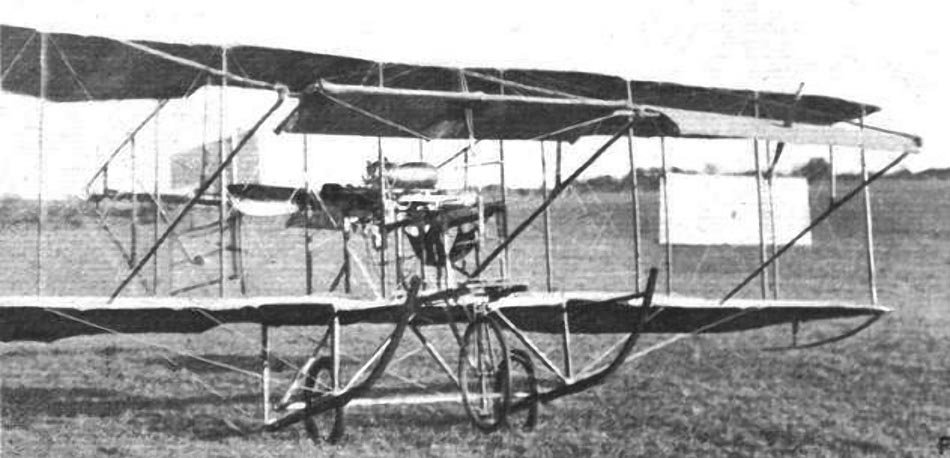
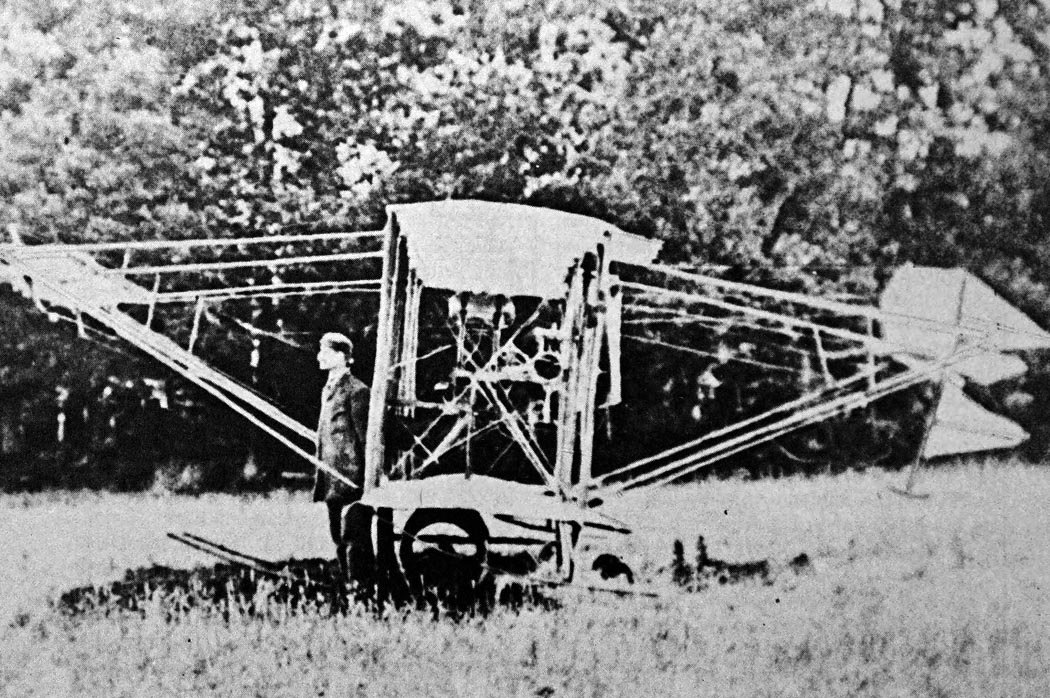
At that time, no one in Ireland had yet performed powered flights. With the support of her uncle, General William James Smythe, Bland successfully built a six-foot wingspan flying biplane model. After months of experimentation, this evolved into a full-scale glider, constructed from spruce, bamboo, and canvas, completed in early 1910.
The finished glider had a wingspan of 20 feet 7 inches and weighed 200 pounds. Bland ironically named it “Mayfly” due to her initial doubts about its flying capabilities. It was tested by gliding from Carnmoney Hill, gradually strengthened to withstand heavier loads, including a weight test with four Irish constables, which made her confident it could carry a piston engine.
The Bland Mayfly: Construction and First Flight
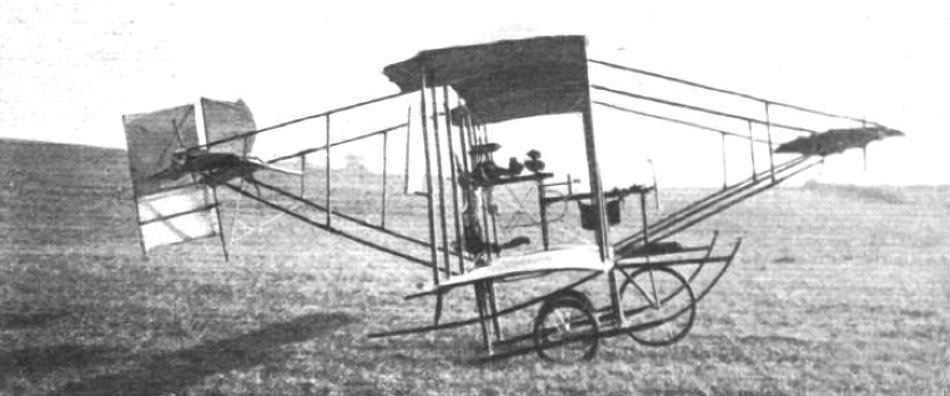
Bland ordered a light, 20-horsepower two-stroke engine from A.V. Roe & Co. for £100. Upon its arrival in July, Bland, eager to test it, improvised a fuel tank from an empty whiskey bottle and a hose from her deaf aunt’s ear trumpet. However, engine vibrations compromised the safety of the aircraft’s nuts, bolts, and struts, leading to a postponement of the Mayfly’s flight.
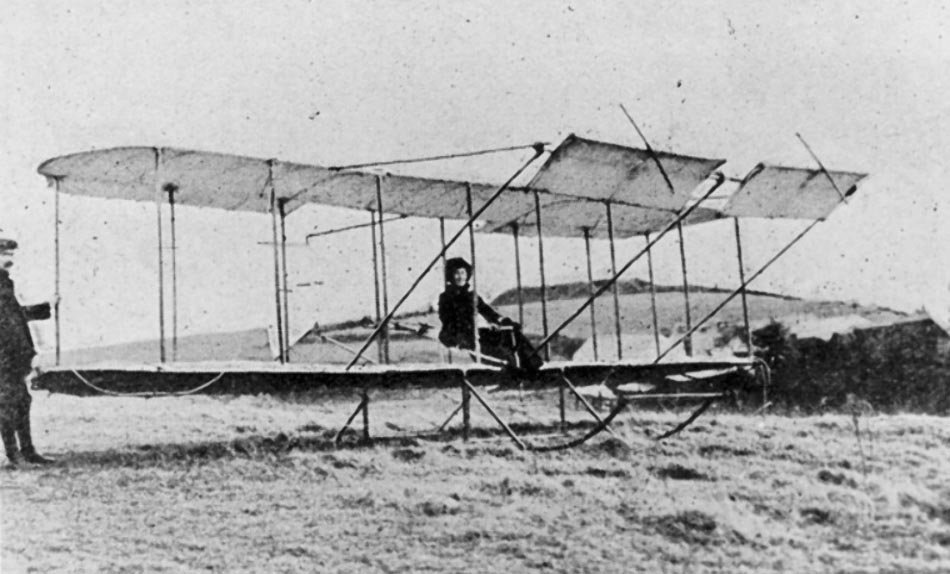
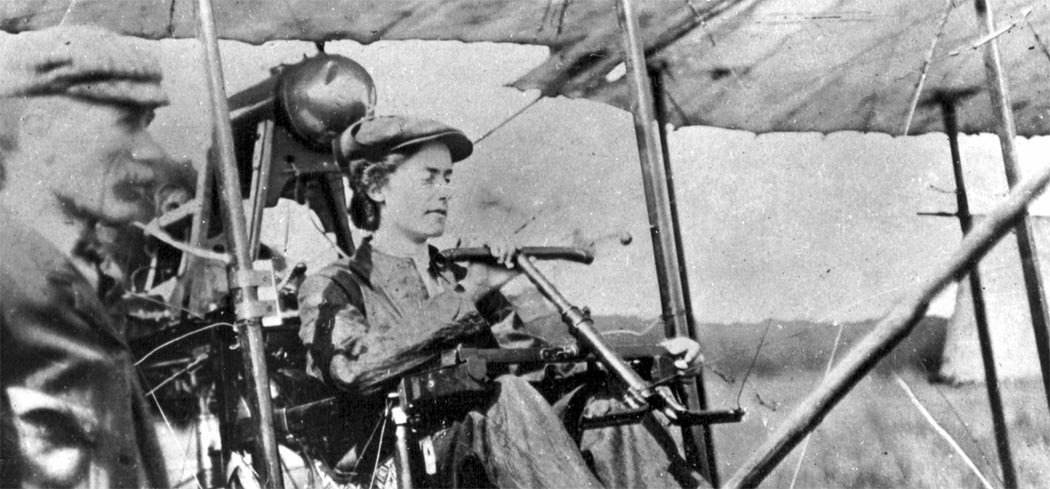
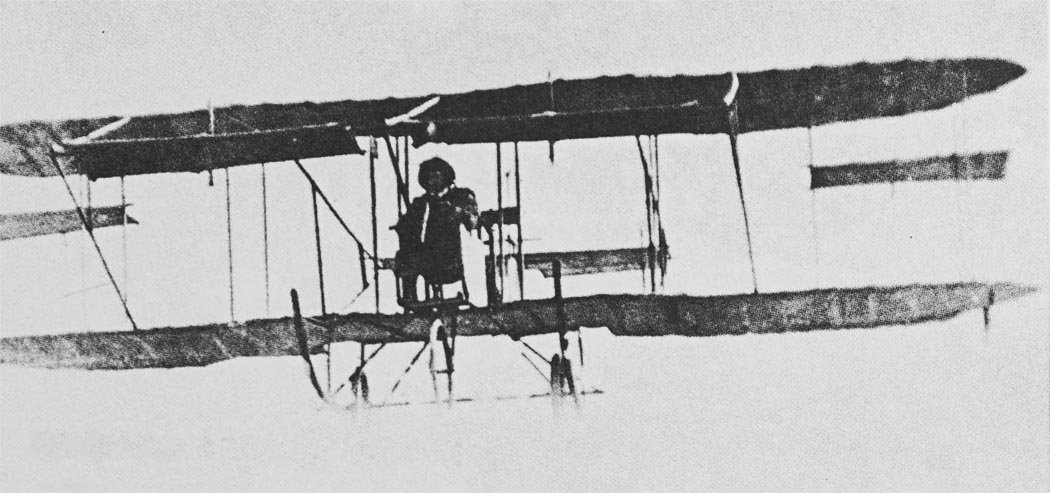
The aircraft’s first successful flight took place in Randalstown in late August 1910. The Mayfly flew very close to the ground. Lilian Bland, seated in an open canvas seat, manipulated the controls (a bicycle handlebar) to maintain balance after a forward run of approximately 30 feet, covering a quarter of a mile in the air.
This achievement not only made Bland the first woman to pilot an aircraft in Ireland, but the Mayfly also became the first biplane to fly in Ireland.
A Pioneer’s Legacy
Bland continued to experiment with the aircraft’s design and performed further flights, with the longest after the first attempt being approximately a quarter of a mile (400 meters). She began planning an improved version and offered biplanes for sale at £250 each without an engine and gliders for £80 to fund further development. Although the Mayfly could fly steadily, it could not handle a more powerful engine. Ultimately, Bland handed over the Mayfly glider to a gliding club and sold the engine.
Technical Specifications
| Modification | Mayfly |
| Wingspan, m | 8. 41 |
| Length, m | 7. 01 |
| Wing area, m2 | 23.00 |
| Empty weight | 91 |
| Engine type | 1 Piston engine Avro |
| Power, hp | 1 x 20 |
| Crew | 1 |
Image and diagram gallery of the Lilian Bland and the Mayfly Biplane
 Mayfly |
 Mayfly |
 Mayfly |
 Mayfly |
 Mayfly |
 Mayfly |
 Mayfly |
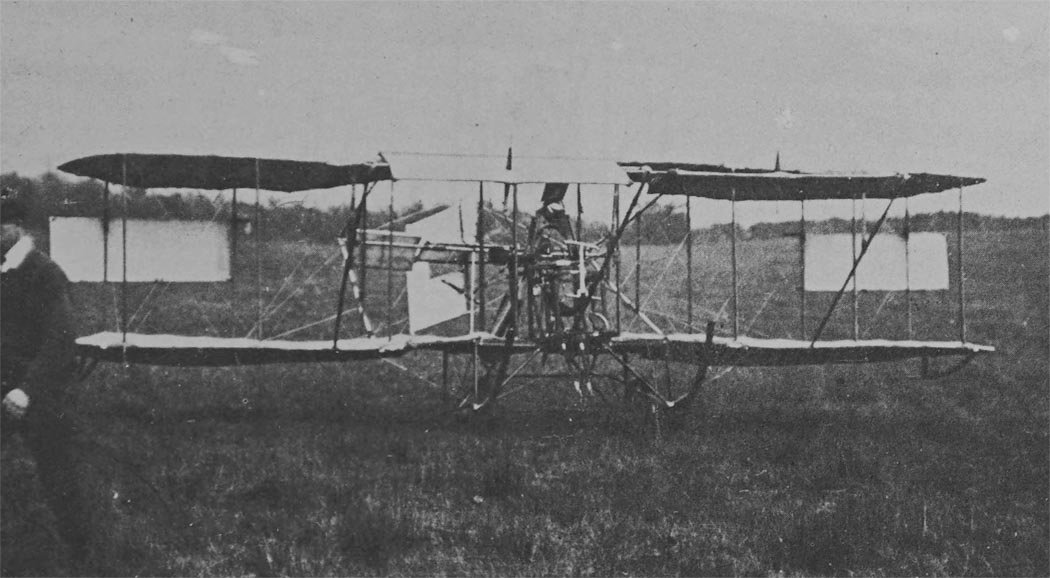 Mayfly |
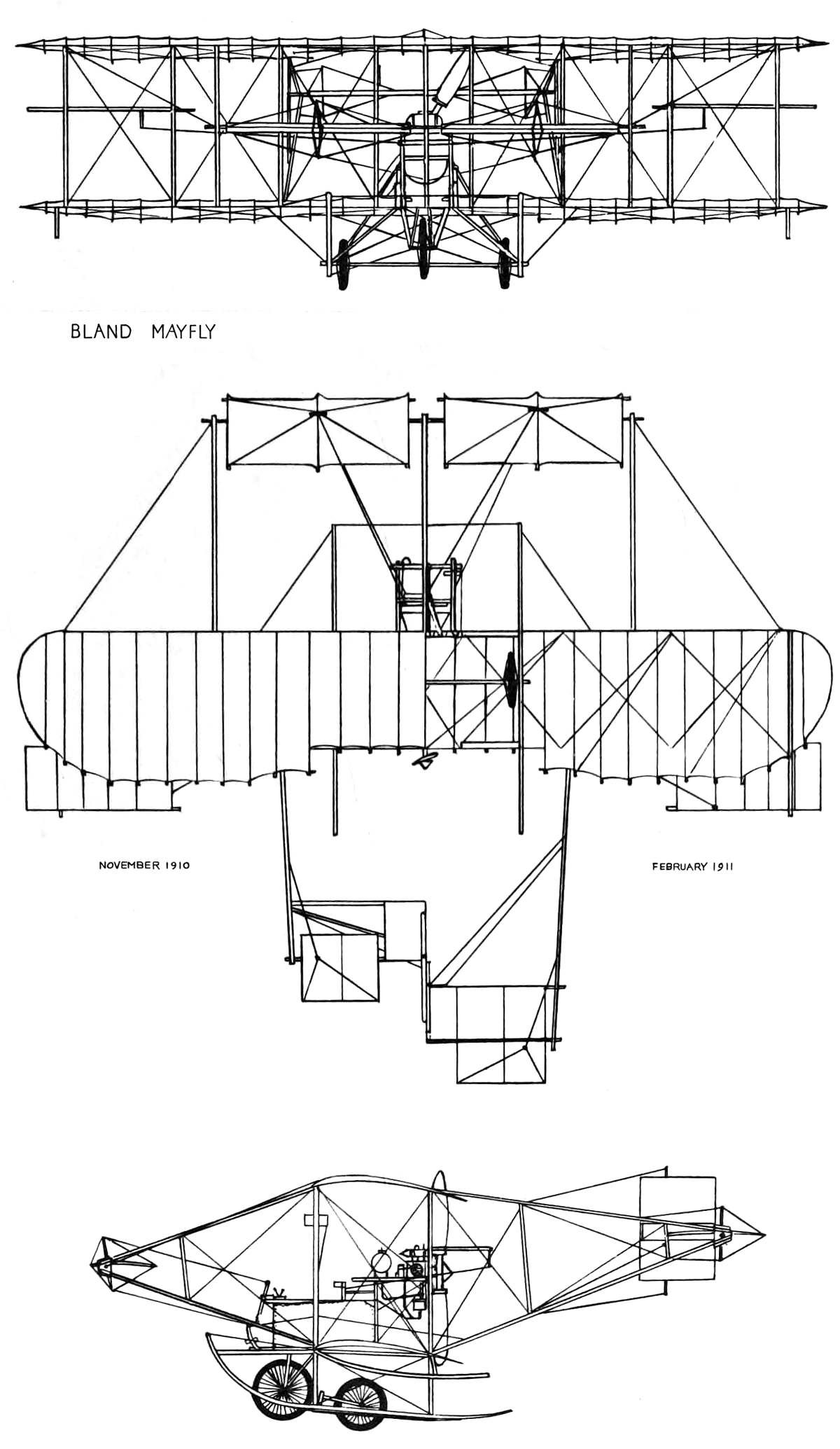 Mayfly |
Equipo Editorial de ArchivoAéreo
Grupo de investigadores y entusiastas de la aviación dedicados a documentar y preservar la historia aeronáutica mundial. Todos los artículos son revisados para garantizar precisión histórica.
Fuentes y Rigurosidad
La información presentada en esta ficha técnica ha sido compilada a partir de manuales de vuelo desclasificados, archivos históricos y bibliografía especializada. Aunque nos esforzamos por mantener la máxima precisión, algunos datos de rendimiento pueden variar según la variante específica o las condiciones operativas.