Mercury BT-120 Aerobat
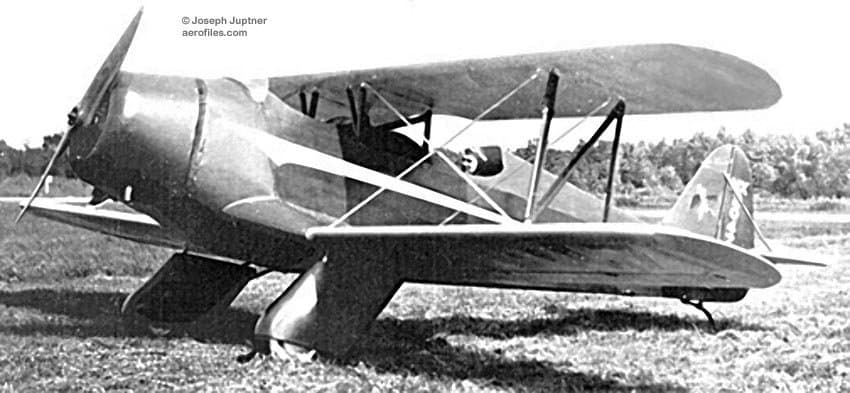
In the late 1930s, Jack B. Baumann, Vice President and Chief Designer at Mercury Aircraft Corp., decided to develop a two-seater version of their four-seater Mercury B-120 aircraft. The primary purpose of this new aircraft was civil pilot training, a role that became particularly vital with the onset of World War II.
Design and Prototype
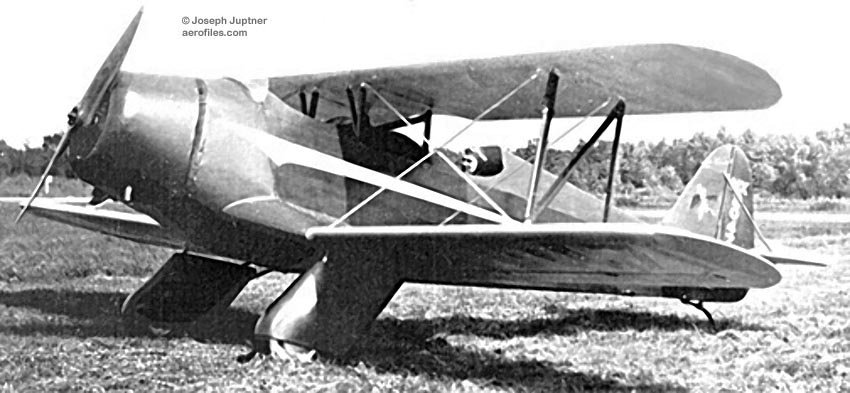
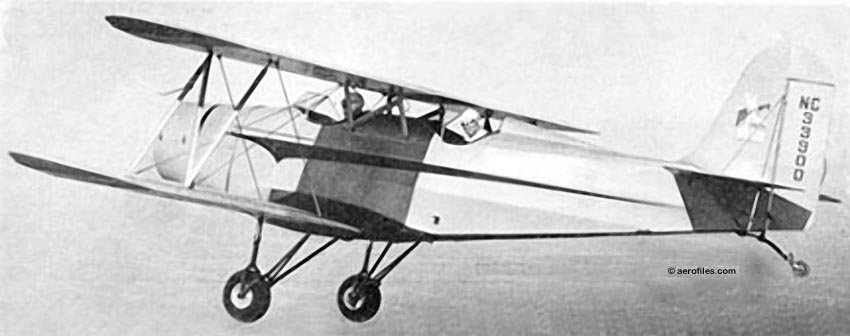
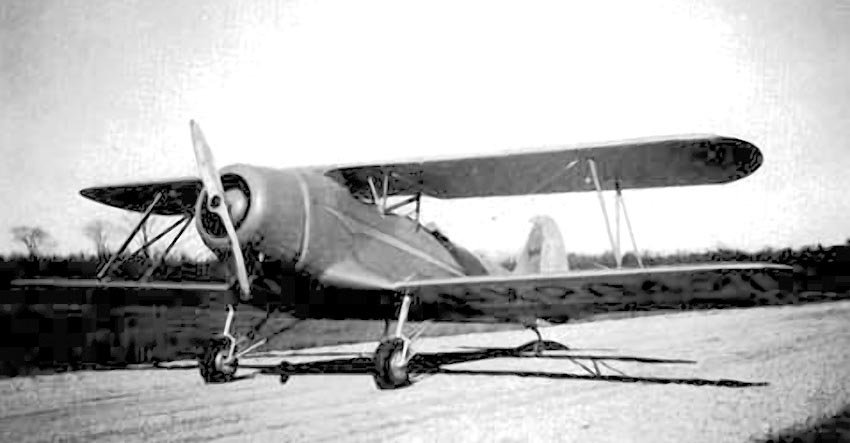
The BT-120 prototype (NX20471), which first flew in 1939, was a two-seat, single-strut biplane. It was powered by a seven-cylinder Ken-Royce 7-G radial engine, producing 120 horsepower.
Certification and Production
During testing, it became clear that the aircraft did not meet CAA standards. Only after significant modifications did the machine receive its certification in July 1941. A contract was then signed for the production of ten serial training aircraft. In the same year, Jack Baumann left the company, and the aircraft was immediately renamed the Mercury Aerobat. By 1942, after the third aircraft was produced, the company went bankrupt.
Legacy and Restoration
In the early 2000s, the second BT-120 was restored by enthusiast Gene Horsman from Golden, Colorado. Following its restoration, the aircraft flew until 2008.
Technical Specifications
| Modification | BT-120 |
| Wingspan (upper wing), m | 9.50 |
| Wingspan (lower wing), m | 8.35 |
| Length, m | 7.18 |
| Height, m | 2.28 |
| Wing area, m2 | 21.16 |
| Empty weight | 567 |
| Maximum takeoff weight | 815 |
| Engine type | 1 Piston engine Ken-Royce 7-G |
| Power, hp | 1 x 120 |
| Maximum speed, km/h | 177 |
| Cruising speed, km/h | 153 |
| Practical range, km | 485 |
| Rate of climb, m/min | 213 |
| Service ceiling, m | 3050 |
| Crew | 2 |
Image and diagram gallery of the Mercury BT-120 Aerobat
 BT-120 |
 BT-120 |
 BT-120 |
Equipo Editorial de ArchivoAéreo
Grupo de investigadores y entusiastas de la aviación dedicados a documentar y preservar la historia aeronáutica mundial. Todos los artículos son revisados para garantizar precisión histórica.
Fuentes y Rigurosidad
La información presentada en esta ficha técnica ha sido compilada a partir de manuales de vuelo desclasificados, archivos históricos y bibliografía especializada. Aunque nos esforzamos por mantener la máxima precisión, algunos datos de rendimiento pueden variar según la variante específica o las condiciones operativas.