Messerschmitt Bf 109K ‘Kurfürst'
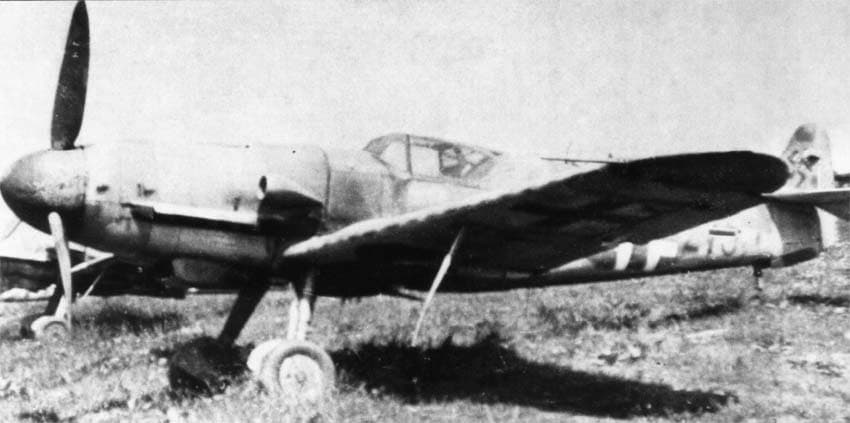
The appearance of the last production version of the Bf 109K (“Kurfürst”) was a result of the “Fighter Staff’s” rationalization policy. This policy aimed to keep a well-proven fighter on the production line while reducing the number of its modifications and sub-modifications.
The “Kurfürst” (the letter I was not used by the Air Ministry, and J was assigned to a fighter modification with a Hispano-Suiza engine) represented a modified Bf 109G-10 variant. It incorporated a series of factory-installed kits used on the G-series aircraft and some aerodynamic improvements.
Work on pre-production aircraft of the new model (K-0) began in early October 1943 at the Wiener-Neustadt factory. It was planned that the “Kurfürst” would be armed with various weapons, but the MK-108 engine-mounted cannon would become standard, and the MW-50 boosting device would be an integral part of the aircraft’s design during manufacturing.
Messerschmitt developers had a “revolutionary” idea: to improve flight characteristics primarily through enhanced aerodynamics. For this model, a new wooden wing began to be designed. Professor W. Messerschmitt set the task of increasing the speed of the Bf 109G by at least 35 km/h at all altitudes.
‘Kurfürst’ Development and Design
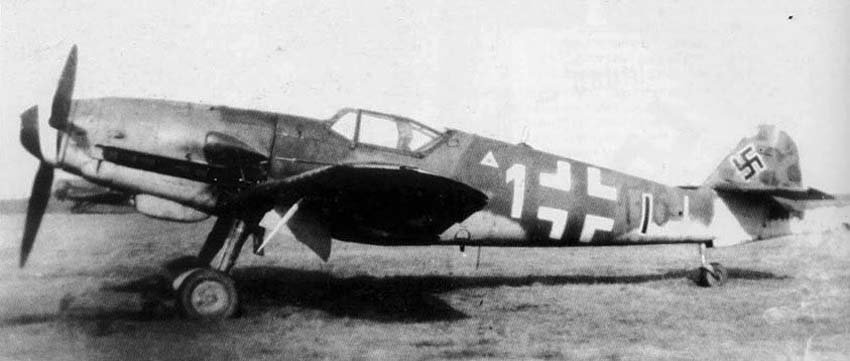
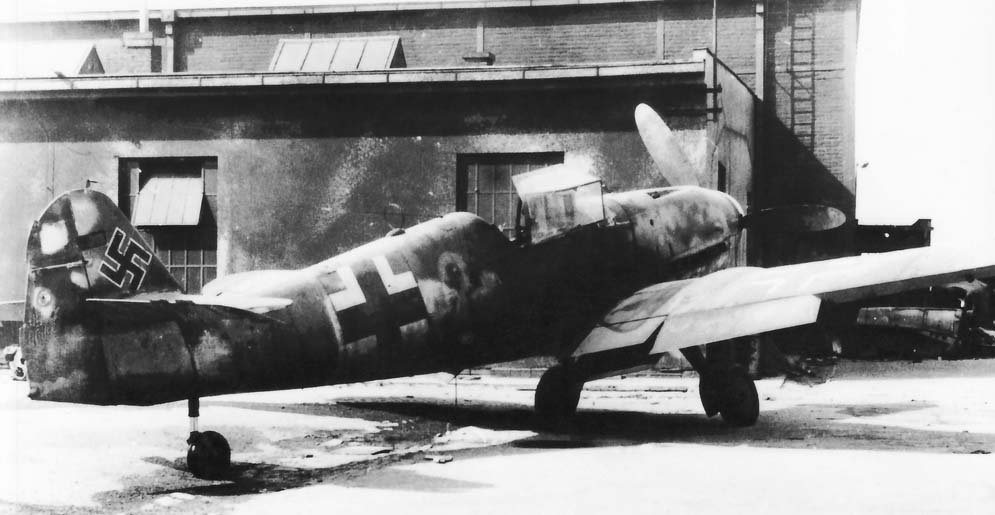
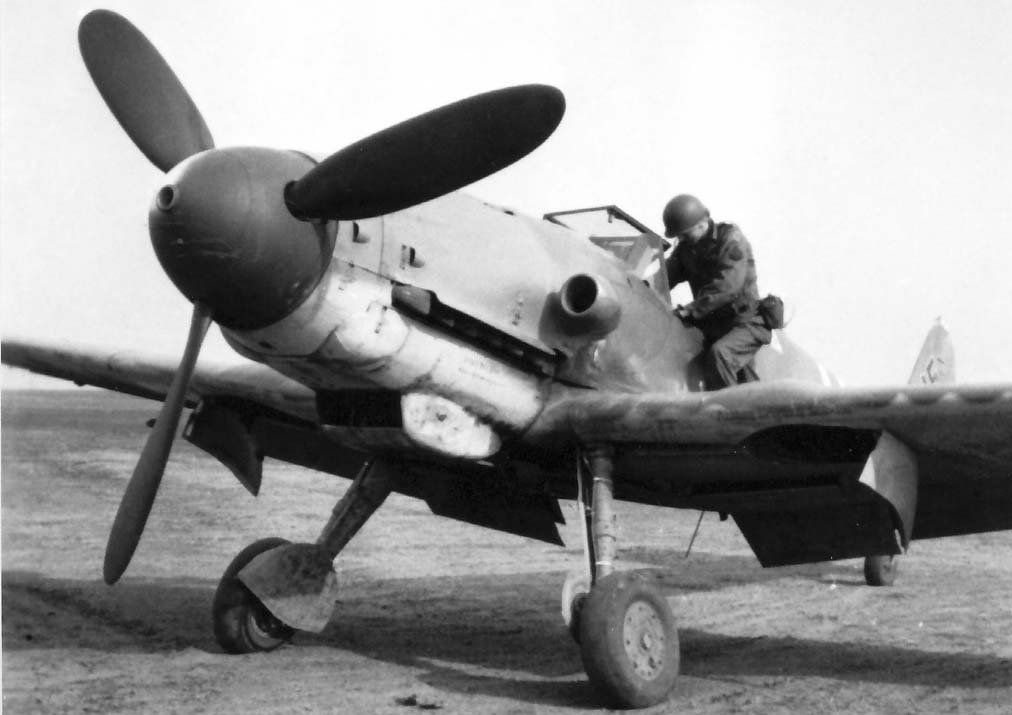
In mid-October, at the Rechlin test center, the airframe of a Bf 109G-6 (serial No. 18136), built in Regensburg in June, underwent a complex series of modifications. These included changing the engine cowl, slightly lengthening the spinner, and adding two trim tabs to the rudder. The cockpit canopy was also redesigned, replacing the massive framework with an “Erla-hood.” Another distinction was the switch to a wooden tail fin with a retractable tail wheel on an extended strut. The experimental aircraft’s armament consisted of a 30mm MK 108 cannon, firing through the engine’s reduction gear hollow shaft, and two MG 151/15 cannons above the engine, which were partially exposed.
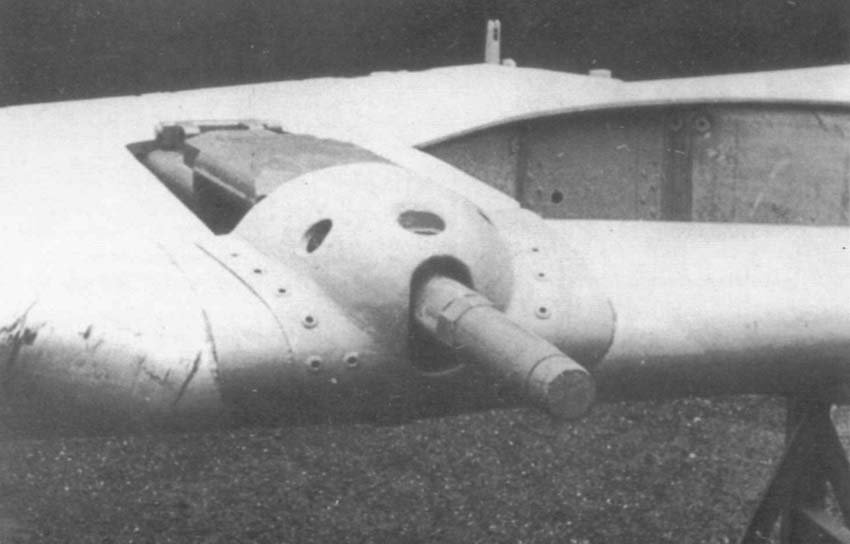
In Messerschmitt’s design office, aircraft with “normal” cockpits (K-0 and K-2) were designed in parallel with those equipped with pressurized cockpits (K-1 and K-3). These sub-modifications also differed in the airframe upon which they were based (primarily G-5 or G-6 variants), equipment, and armament. One of the most important “highlights” was the wing-mounted installation of 20mm or 30mm cannons (rather than in gondolas suspended under the wings, as was previously practiced). This technical solution naturally reduced the aerodynamic drag of the aircraft with heavy armament.
The installation of synchronized MG 151/15 cannons (instead of MG 131 machine guns) above the engine was also developed. However, for some variants, the standard armament composition of the “Gustav-6” was maintained: an MG 151/20 engine-mounted cannon plus two MG 131 machine guns. All the fighter sub-modifications mentioned above were planned to be equipped with DB 605A or AS engines and to use various power-boosting devices, but they did not enter serial production.
One can agree with the English historian W. Green that the chaos and confusion in the German aviation industry were not caused by the complex designation of numerous modifications and armament sets themselves, but by the lack of standardization. This undoubtedly complicated the problem of spare parts supply and negatively affected the combat effectiveness of fighter units armed with the “one hundred nines.” From mid-1944, the situation worsened further with the disintegration of the transport network, which immediately affected Messerschmitt’s dispersed production sites and other license manufacturers, creating serious problems with component supply.
Attempts by special committees of the “Fighter Staff” to coordinate assembly lines and achieve interchangeability of supplied components were nullified by transport problems and the absence of generally accepted standards. As a result, the idea of rationalizing production and reducing the number of modifications produced was once again expressed, and it was precisely the “Kurfürst-4” that was supposed to become such a machine.
The Bf 109K-4 fighter, which received the DB 605D engine as standard, was being prepared for mass production from early autumn 1944. The basic armament variant was considered to be: an MK 108 engine-mounted cannon plus two synchronized MG 131 machine guns. However, the lead production aircraft (serial No. 330112) had an MG 151/20 engine-mounted cannon. For the Bf 109K-4, the following set of field modification kits was prepared, which differed somewhat from previous ones and included:
- R1: provision for an ETC 500IXb or 503 holder for suspending 250kg or 500kg bombs.
- R-2: installation of reconnaissance photographic equipment.
- R-3: use of an ETC 503 under-fuselage holder for suspending a 300-liter drop tank.
- R-4: addition of armament with two wing-mounted MG 151/20 cannons, with 135 rounds each.
- R-5: installation of one Rb 32/7×9 or two Rb 12.5/7×9 cameras.
- R-6: mounting of a BSK 16 cine camera in the left wing and use of an additional GM-1 boosting device.
In a report dated August 12, 1944, Engineer Dietrich of the Rechlin test center noted that the “Kurfürst” differed from its predecessor “Gustav” in eight main features: the wing installation was changed; the upper wing surface became smoother; the cockpit-fuselage fairing shape was improved; new air intakes for cooling were used; the engine cooling system was improved; more efficient oil radiators were installed; more advanced exhaust pipes with jet effect were applied; and the engine cowling was aerodynamically refined. In another report, compiled by Colonel Petersen, an engineer at the Rechlin center, it was stated that the application of these measures to production aircraft would increase their maximum speed by 60 km/h, which could be considered equivalent to an increase in engine power of 200 hp. Tests of production aircraft established that Bf 109K flew approximately 35-40 km/h faster than Bf 109G with the same engines and external loads.
Let’s make a small digression. As is known, during a difficult period for the Soviet Union, in the autumn of 1942, specialists from TsAGI, LII IKAL, and NII VVS carried out work to improve the aerodynamics of domestic fighters. In particular, according to a government decree, “refined” Yak-1s were to fly 15-20 km/h faster. Directly under the leadership of A.S. Yakovlev, bulkheads were urgently installed in the fuselage and fully sealed, the tail wheel was retracted into the fuselage simultaneously with the folding of the landing gear struts, the aerodynamics of the cowlings and fairings were improved according to theoretical recommendations, the mesh was removed from the water radiator gondola, fairings were installed on the exhaust pipes, and the pipes themselves were slightly bent to achieve a jet effect, the shape of the water and oil radiator tunnels was changed, and the aircraft surfaces were more carefully finished.
At that time, Soviet engineers and scientists managed to achieve their stated goal. The smaller increase in flight performance compared to what Messerschmitt specialists achieved a year later can be explained by the systematic nature of this work in the USSR and the greater attention to these issues from the chief designers. In the Soviet Union, measures aimed at reducing structural weight were regularly implemented, many of which were introduced into series production. In contrast, serial Bf 109K-4s without additional wing cannons weighed over 3300 kg, meaning they were heavier than Bf 109G-2 and G-4 (which had an operational weight of 3020-3030 kg). This leads to the conclusion that the Germans failed to lighten the main type of their fighter at the end of the war.
The Bf 109K in Combat
The first “Kurfürsts” reached training units and formations in Germany. A report from the Luftwaffe Quartermaster General indicates that on October 19, 1944, a Bf 109K-4 (serial No. 330305), piloted by Unteroffizier Pospich, crashed due to a technical malfunction. Another Bf 109K-4 (serial No. 330319) suffered an accident for similar reasons, with Oberfeldwebel Galli sustaining serious injuries.
According to the “Fighter Staff” plan, Colonel H. Rödel’s JG27 squadron was among the first to transition to the new fighters. About 90 fighters arrived in Grossenhain on October 18, 1944, most of which were sent to III Gruppe. This was likely because only 6-8 serviceable Bf 109G-6/U2s remained in that group by then. The unit resumed combat operations from Hesepe airfield, near Osnabrück, but quickly suffered heavy losses: out of 101 Bf 109Ks received, only 38 remained operational by November 30. By the end of the war, III/JG27 was based in Czechoslovakia and Austria, operating against both Western Allies and Soviet aviation. As Soviet tanks broke through to Prague, one of the 27th Squadron’s airfields was captured, where about fifty “Kurfürsts” were found.
Major A. Keller’s III/JG77, which also received 75 Bf 109Ks as reinforcements on October 20, 1944, was the first to fully convert to the new “one hundred nine” variant. In late autumn, the group reported numerous accidents and breakdowns, and from the second half of December, enemy opposition became the main cause of losses (the unit was based at Düsseldorf airfield from December 16). Despite receiving new fighters from the Regensburg factory (11 “Kurfürsts” arrived), by early 1945, only 27 “one hundred nines” of the K modification survived.
Bf 109K fighters, like their earlier Bf 109G counterparts, participated in the Luftwaffe’s last major operation – the attack on Allied airfields in Belgium and Holland. The operation was named “Bodenplatte” and was originally planned for December 16, 1944, the day the Ardennes counter-offensive began, but bad weather forced a postponement. Reichsmarschall Göring nevertheless insisted on a massive air raid, deciding to use virtually all fighter squadrons of the Western Front as fighter-bombers and ground-attack aircraft on New Year’s Eve.
“The red winter sun was still rising when German aircraft reached their targets,” wrote German historian K. Barz. “Americans and Britons were clearly asleep, weary from New Year’s celebrations; there was not the slightest sign of life. The airfields were crowded with aircraft of all types, standing wing to wing: ‘Typhoons,’ already outdated but still excellently attacking German tanks with rockets; ‘Spitfires,’ ‘Flying Fortresses,’ transport aircraft, and many others, row after row. When the German aircraft appeared, half-dressed anti-aircraft gunners rushed to their batteries, but it was too late. Before they could open fire, the airfields turned into a jumble of burning wreckage. That morning, large clouds of black smoke rose over 27 Allied airfields. Enormous damage was inflicted, but only material; not a single pilot was harmed. Lost equipment, even hundreds of expensive aircraft, could easily be replaced by the Allies…”
As it later became known, 144 British and 84 American aircraft were burned or destroyed, and 146 Allied aircraft sustained serious damage. German losses turned out to be even greater: due to poor organization of the operation, lack of coordination with anti-aircraft gunners and warning services, many groups of aircraft were fired upon and shot down by their own units. On January 1, 1945 alone, the Luftwaffe lost about 300 aircraft; 214 pilots, primarily those flying FW 190s, were killed or went missing. For the Germans, this was a catastrophe. Among the shot-down Bf 109K-4s was aircraft (serial No. 330357) of Unteroffizier J. Thweitmeier from JG77, with nine victory markings on its stabilizer – he was captured near Antwerp.
According to Quartermaster General’s documents, on January 10, 1945, the Luftwaffe had just over 1000 Bf 109s in service, of which about 700 were combat-ready. The “one hundred nines” armed various Luftwaffe units and formations, but the largest grouping was held by the 3rd Air Fleet. In the midst of winter, the number of units fully or partially transitioning to the Bf 109K was constantly increasing.
During the re-equipment of III/JG4, for example, two flight incidents were noted (neither fighter was written off), while II/KG27 had seven, which can be attributed to the unfamiliarity of the new aircraft for pilots trained to fly twin-engine “Heinkels.” It is known that II/KG6 trained on the “one hundred nines” at a training center in the Prague area (at Ruzyně, Kbely, Klecany airfields) under the command of Captain H.-J. Faulhaber. It began combat operations with the Bf 109K on April 9 as 1I(J)/KG6 (meaning: bomber group converted to fighter), led by Captain W. Henze. It is known that from Graz airfield, the group’s aircraft predominantly countered the advance of the 1st Ukrainian Front troops and the 2nd Air Army aviation during the Berlin Operation.
The Bf 109K was still used much more intensively in the West. Several sources indicate that the appearance of the new modification did not fundamentally change the balance of power or reduce the qualitative superiority of Anglo-American aviation over the Luftwaffe. In a “four against four” engagement on December 14, 1944, one of the few remaining aces of JG26, Oberfeldwebel K. Laub (in Bf 109K-4 serial No. 330357), was shot down by a “Tempest” from the 56th Squadron – he was flying with the 11th Flight. Three days after a combat sortie during which no enemy aircraft were shot down, the commander of this unit (11/JG26), Oberleutnant P. Reicher, shot himself in the cockpit of his landed “Kurfürst” (serial No. 330386) – likely, the failures had finally broken the pilot.
JG53 squadron documents also provide positive examples of the aircraft’s use. For instance, Lieutenant W. Manz of III Gruppe, flying a Bf 109K-4, shot down four enemy fighters in December. His aircraft (serial No. 331415) was hit on January 10, 1945, by heavy machine gun fire from a “Mustang,” which riddled the Messerschmitt’s fuselage, cockpit, and wing. The armored glass and armored seat saved the pilot’s life; despite severe wounds, he bailed out and was hospitalized. The commander of the 11th Flight, Lieutenant G. Landt, in a Bf 109K-4 (serial No. 332660), scored his 19th victory by ramming on March 2, 1945 (this pilot achieved a total of 23 victories), destroying a P-51 near Bretten, and also bailed out and survived.
In mid-February, three Bf 109K-4s were assigned to the staff flights of JG51 and JG52 operating on the Soviet-German front, with the former having previously only fought with FW 190A-8s. Under the command of Lieutenant W. Hübner, the unit operated from Schönwalde airfield in East Prussia. It flew “free hunts” and provided cover for SG3 ground-attack aircraft. According to documents and pilot recollections, the first loss of a “Kurfürst” was recorded on February 20, 1945 – a Bf 109K-4 (serial No. 332905), piloted by Oberfeldwebel A. Rausch, was hit in the engine during an aerial battle. The pilot managed to cross the front line but crashed the aircraft on landing; he himself was unharmed.
On February 23, 1945, IV/JG51 was one of the first groups in the East to receive “Kurfürst-4” fighters in Pillau. The unit was part of the “West Prussia” fighter command. As evidenced by the squadron’s combat log, on February 28, the air group had 34 combat-ready aircraft and 46 pilots, of whom 42 were ready for action. Having mastered the new equipment (“Kurfürsts” were used alongside “Gustavs-6” and “Gustavs-14”) at Danzig-Langfuhr airfield, personnel noted the new machine’s distinguishing features as its long tail wheel strut and the powerful 30mm Rheinmetall MK 108 cannon, mounted to fire through the hollow propeller shaft.
“However, the very first combat sorties in these fighters led many pilots to despair,” the squadron’s combat log noted, “as the weapons failed during sharp turns: due to an underdeveloped ammunition feed system and belt misalignment after firing began, an in-flight defect of the cannon installation arose that could not be rectified.” The first loss was recorded on February 27 – a Bf 109K-4 crashed during an emergency landing at Danzig-Langfuhr airfield due to a technical engine malfunction; the pilot, Unteroffizier H. Haas, was wounded.
Production and Final Assessments
According to one of the last programs adopted by the German aviation industry, between July 1944 and March 1946, the production of “Kurfürsts” was supposed to exceed 12,700 aircraft. It was planned to gradually replace the K-4 models with even more modern K-6, K-8, K-10… According to the approved schedule, except for III/JG1, which was preparing to operate the “People’s Jet Fighter” He 162A, all other Messerschmitt units intended to convert to the K-4 by the summer of 1945, and some night fighter (e.g., III and IV/JG300) and former bomber units (I and II(J)/KG55) to K-4/R6 modification aircraft. However, according to German documents, the production of improved fighters progressed very slowly: by the end of November, 534 Bf 109K-4s had been built instead of the planned 2895. According to German historian colleagues J. Prien and P. Rodeike, from early December 1944 to late April 1945, approximately 1200 Bf 109K-4 and K-4/R6 aircraft were produced for the Luftwaffe, with the latter being exclusively manufactured by the “Erla” factory.
According to official data, Bf 109K-4 fighters had a maximum speed of 605 km/h at ground level and 725 km/h at 6000 m when fitted with the most powerful production DB 605DCM engines. Their practical ceiling was 13,500 m, initial climb rate with MW-50 was 25 m/s; “Kurfürst-4s” took only 3.0 minutes to reach 5000 m, and 10.2 minutes to reach 12,000 m. However, some “trickiness” in these figures should be noted. For instance, it is known that tests were conducted at a “standard” Messerschmitt weight of 3100 kg, whereas a Bf 109K-4/R6, for example, weighed 3380 kg during tests (serial No. 570132) in January 1945. It accelerated to 580 km/h at ground level, but took 6.0 minutes to reach 5000 m (more than a standard Bf 109G-6!). In terms of practical ceiling, the production “Kurfürst-4” also lagged behind the “Gustav-6” by 1300 m, requiring 23-24 seconds to perform a low-altitude turn.
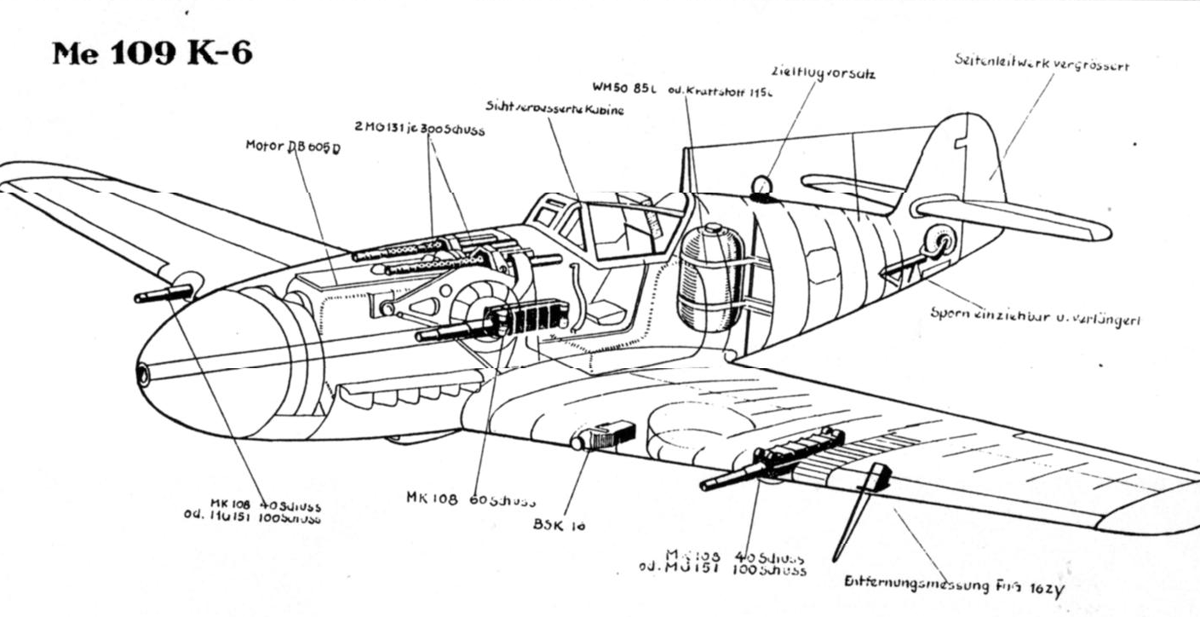
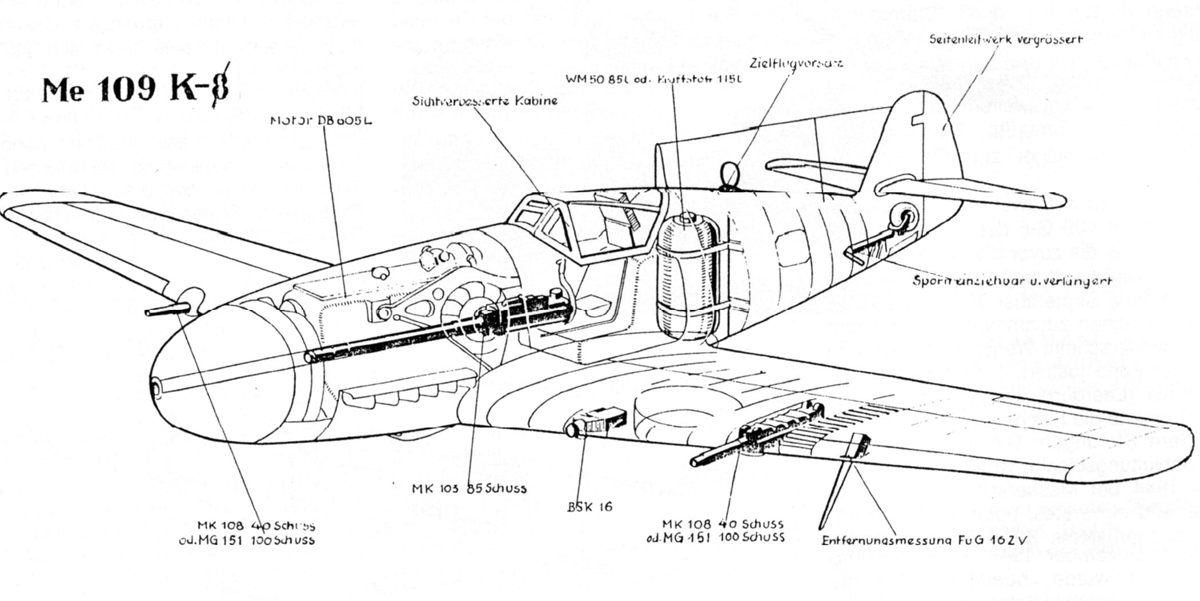
Among the later “Kurfürst” modifications that did not progress beyond the prototype stage, one can note the Bf 109K-6 with reinforced armament (two MK 108 cannons with 40 rounds each mounted in the wing), the Bf 109K-8 reconnaissance fighter with an Rb 50/30 camera and the ability to carry a 300-liter fuel tank but lighter armament (only the MK 108 engine-mounted cannon with 45 rounds), and the high-altitude fighter Bf 109K-14 with a DB 605L engine (developing 1350 hp combat power with 96-octane fuel at 9500 m altitude). In tests in March 1945 with the MW-50 device, the latter aircraft demonstrated a vertical speed of 5.5 m/s at 12,000 m altitude, or approximately twice that of serial K-4s at the same mass. A successful Allied bombing run disabled the test chamber for DB 605L engines in a thin atmosphere, which proved to be the main reason for the delay in engine deliveries.
Despite interesting work in various fields of science and technology, Germany was inevitably heading towards defeat in World War II. Analyzing the reasons for the war’s loss, the last Chief of the Luftwaffe General Staff, General K. Koller, named, in his opinion, the decisive factor: the loss of air superiority. In particular, he noted: “It was not just that aircraft production did not increase. No new types of aircraft were foreseen either. At the end of the war, we were flying machines of the same types, albeit deeply modernized, as at the beginning of the war. This was the biggest failure of our aviation industry.” This statement fully applies to the Bf 109 fighter – the “backbone” of German fighter aviation.
Technical Specifications
| Modification | Bf.109k-4 |
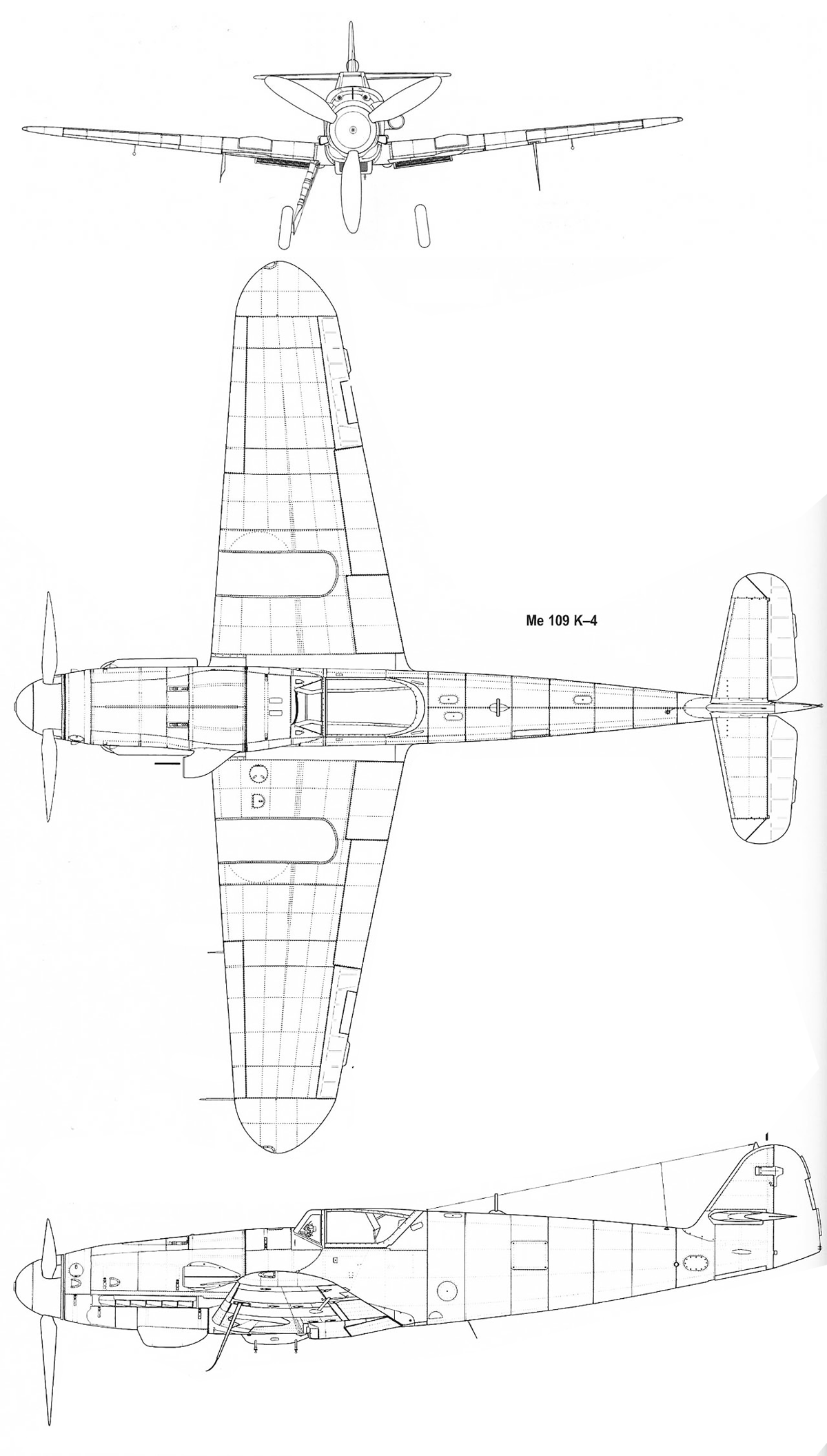
| Wingspan, m | 10.00 |
| Length, m | 8.85 |
| Height, m | 2.50 |
| Wing area, m2 | 16.10 |
| Normal takeoff weight | 3100 |
| Maximum takeoff weight | 3400 |
| Engine type | 1 Piston engine Daimler-Benz DB 605ASCM |
| Power, hp | 1 х 2000 |
| Speed at sea level | 605 |
| Speed at 8700 m altitude | 695 |
| Practical range, km | 570 |
| Max. rate of climb, m/min | 1470 |
| Practical ceiling, m | 12500 |
| Crew, crew members | 1 |
| Armament: | one 30-mm MK 103 or 108 cannon with 60 rounds and two 15-mm MG 151 cannons with 220 rounds per barrel. |
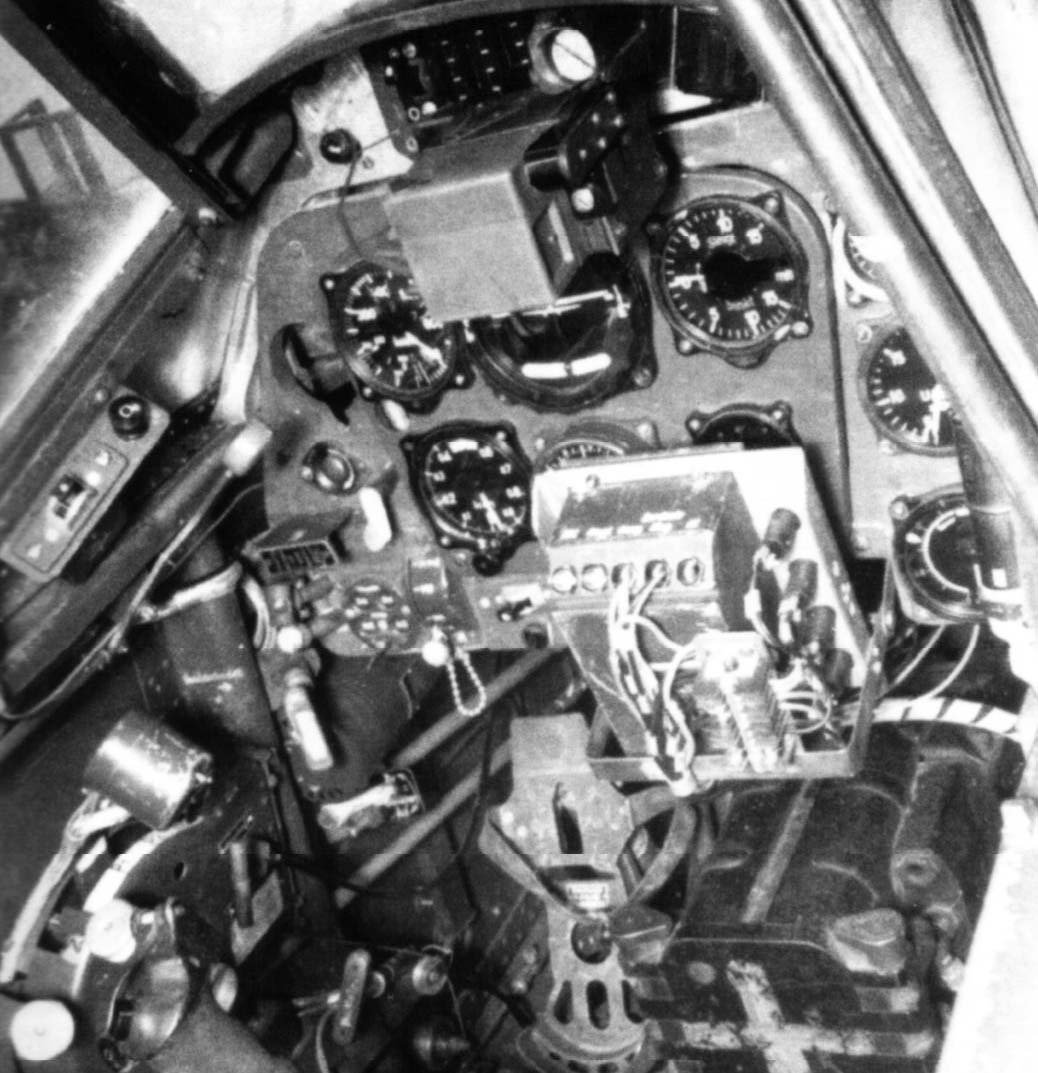
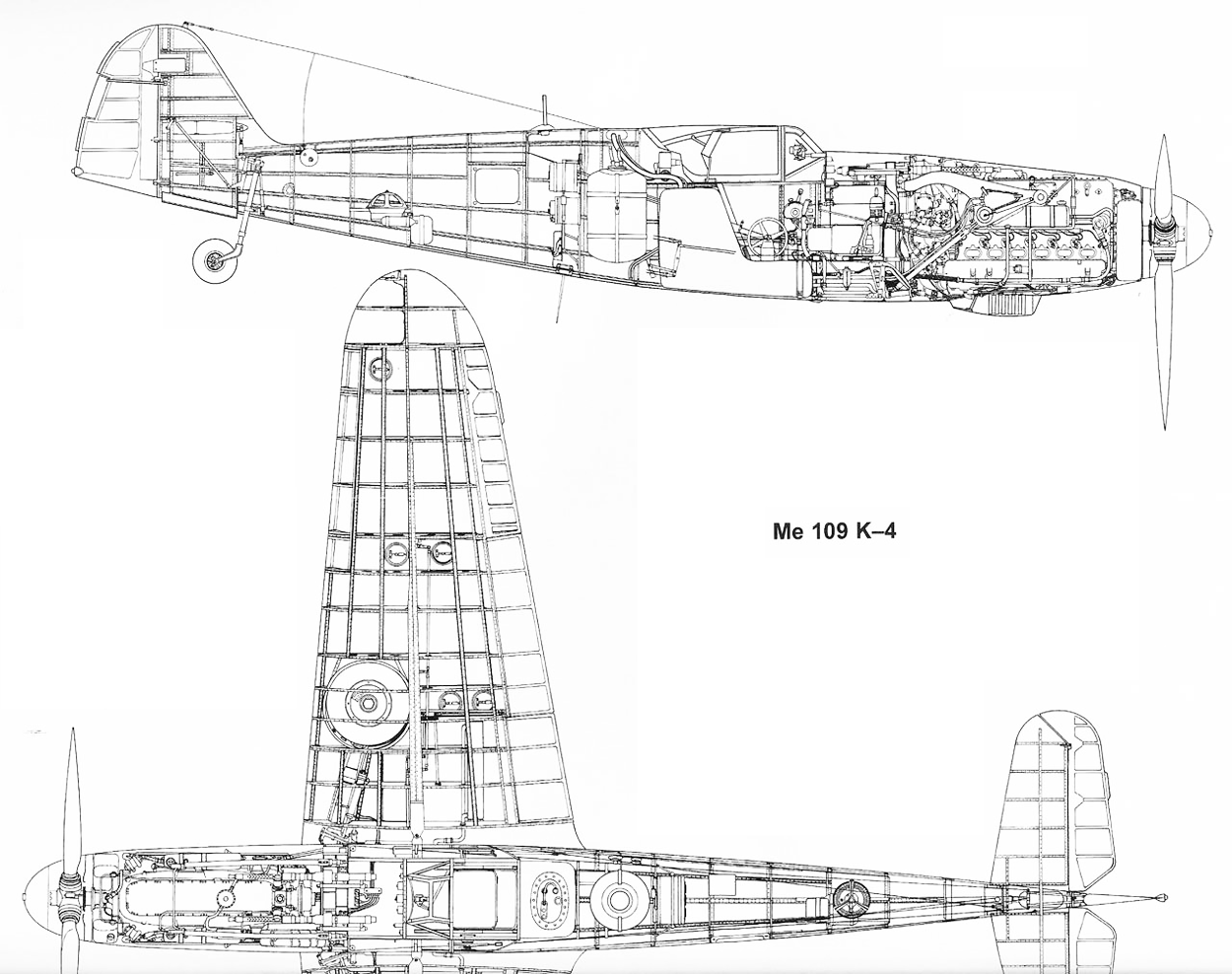
Image and diagram gallery of the Messerschmitt Bf 109K 'Kurfürst'
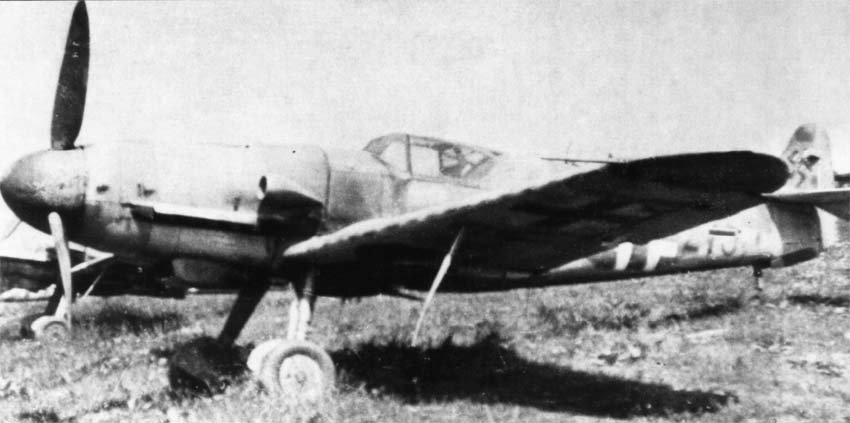 Bf.109K |
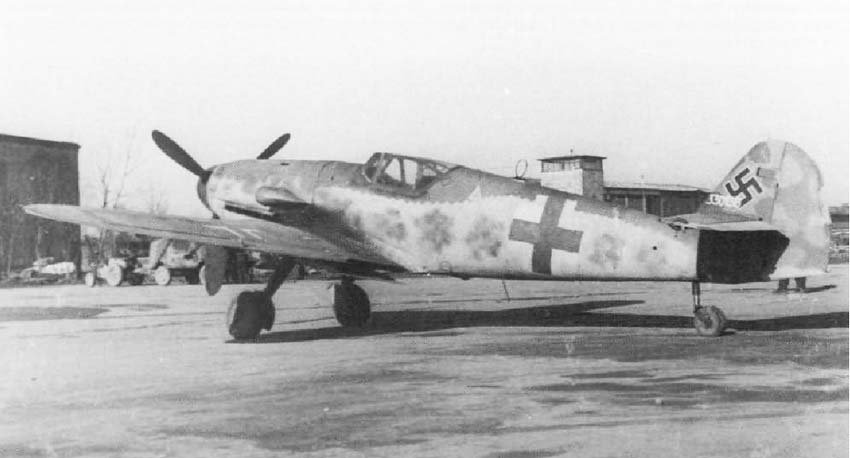 Bf.109K |
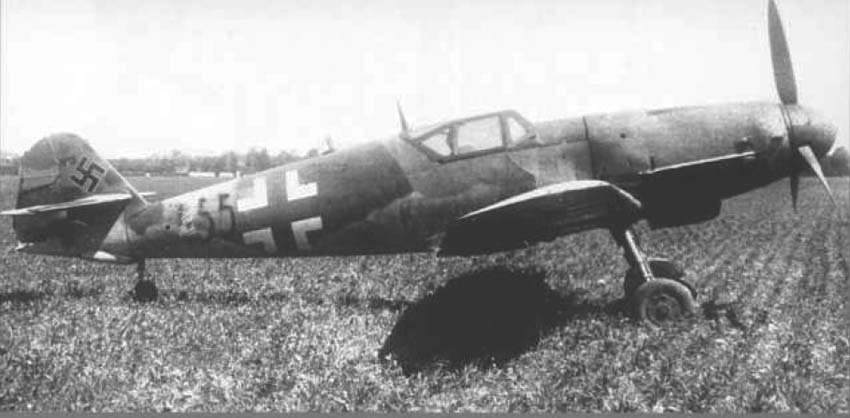 Bf.109K |
 Bf.109K |
 Bf.109K |
 Bf.109K |
 Bf.109K |
 Bf.109K |
 Bf.109K |
 Bf.109K |
 Bf.109K |
 Bf.109K |
 Bf.109K |
 Bf.109K |
 Bf.109K |
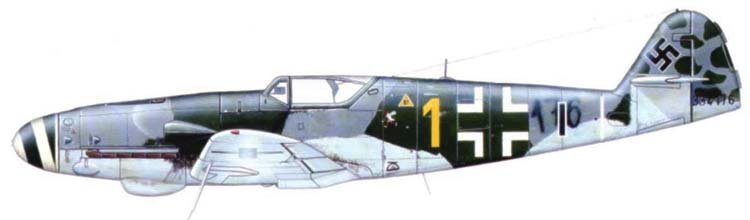 Bf.109K |
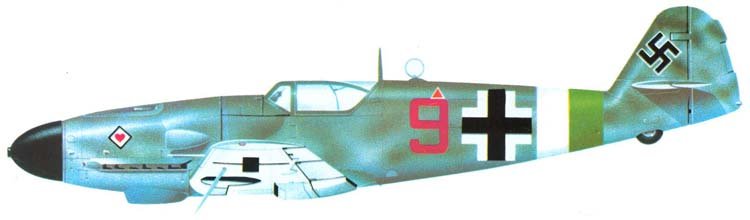 Bf.109K |
Equipo Editorial de ArchivoAéreo
Grupo de investigadores y entusiastas de la aviación dedicados a documentar y preservar la historia aeronáutica mundial. Todos los artículos son revisados para garantizar precisión histórica.
Fuentes y Rigurosidad
La información presentada en esta ficha técnica ha sido compilada a partir de manuales de vuelo desclasificados, archivos históricos y bibliografía especializada. Aunque nos esforzamos por mantener la máxima precisión, algunos datos de rendimiento pueden variar según la variante específica o las condiciones operativas.