North American BT-9/BT-14: The Revolutionary Trainer
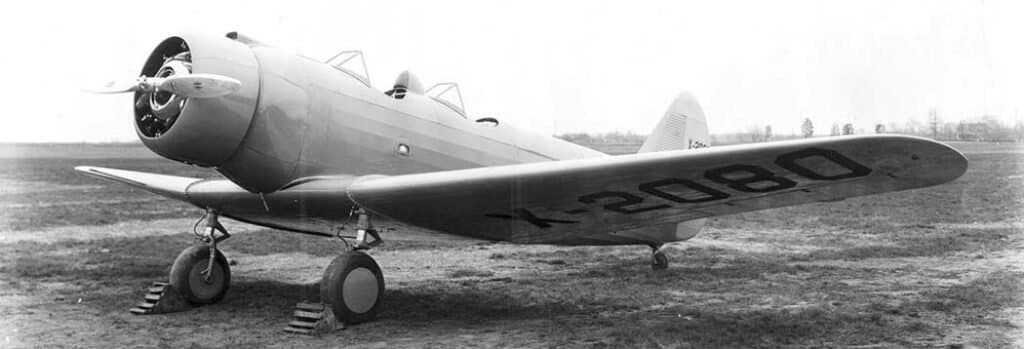
In the mid-1930s, the U.S. Army Air Corps (USAAC) issued a specification for a modern monoplane trainer on which military pilots could learn and improve their flying skills. The requirements were not particularly stringent, but several initial attempts to provide the army with a training aircraft proved unsuccessful. The Seversky BT-8, adopted in 1935, was a deeply modernized SEV-3, but apart from high speed, it offered no significant advantages over biplanes.
On the contrary, the BT-8 was largely inaccessible to pilots of below-average qualification due to its high wing loading and insufficient engine power. Furthermore, the aircraft’s cost turned out to be quite high. To avoid jeopardizing the pilot training program, USAAC leadership approached North American with a proposal to design and build a similar machine, free from the aforementioned drawbacks, in the shortest possible time.
Development of the North American BT-9 Trainer
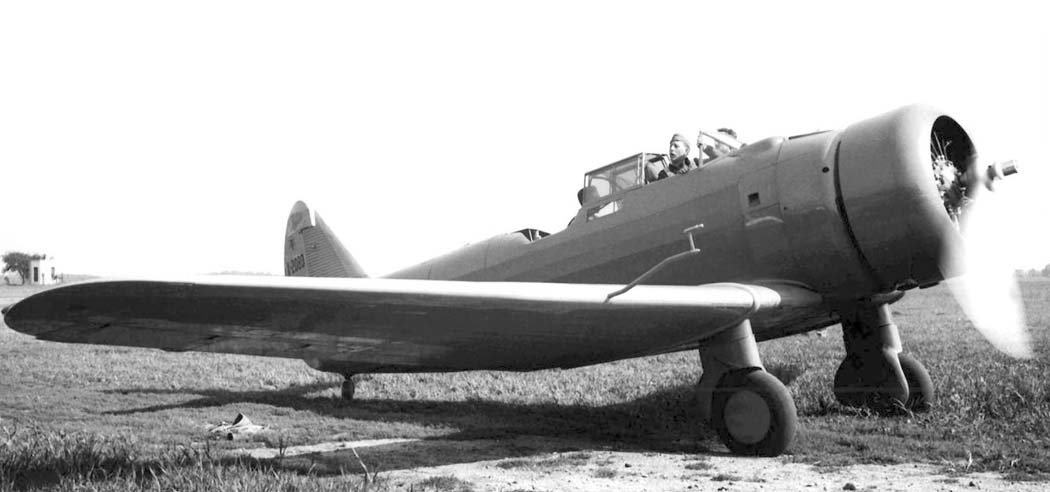
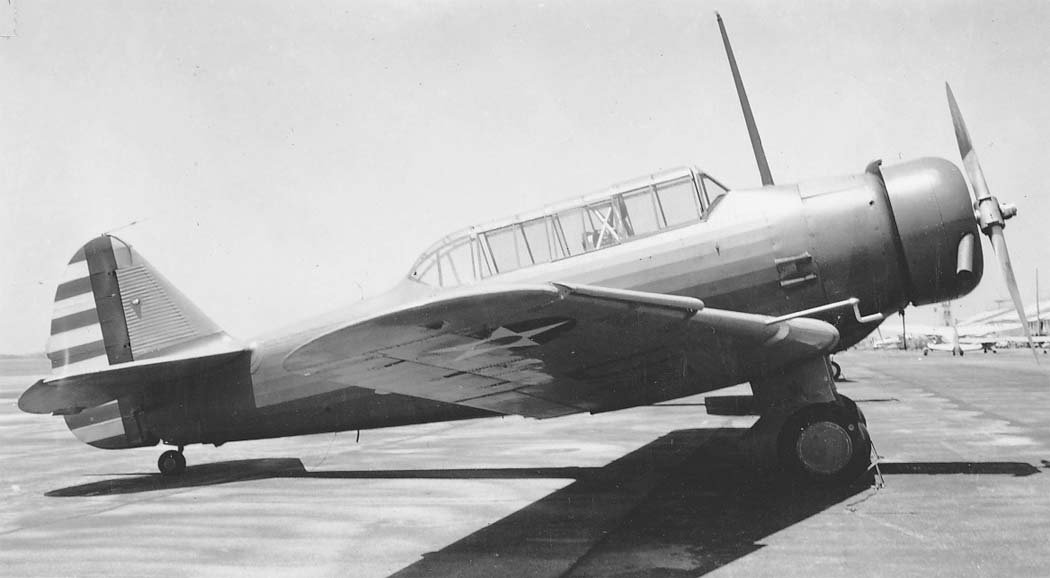
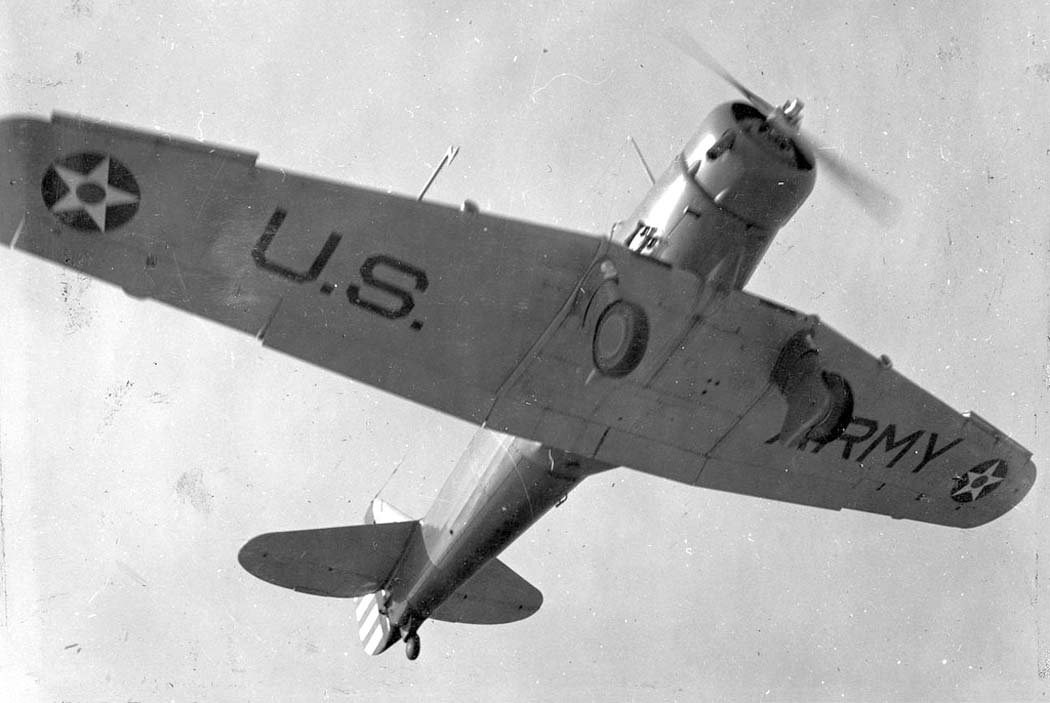
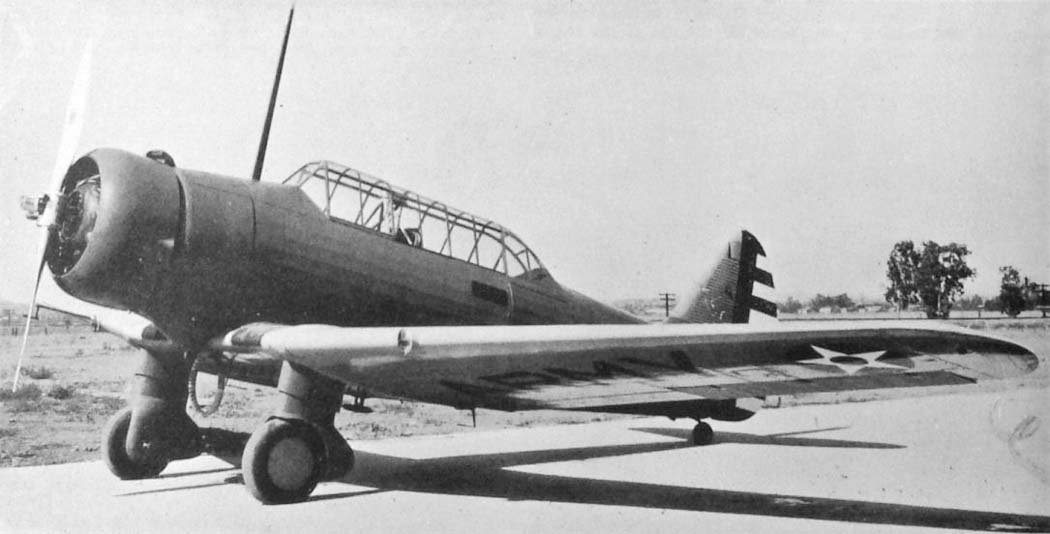
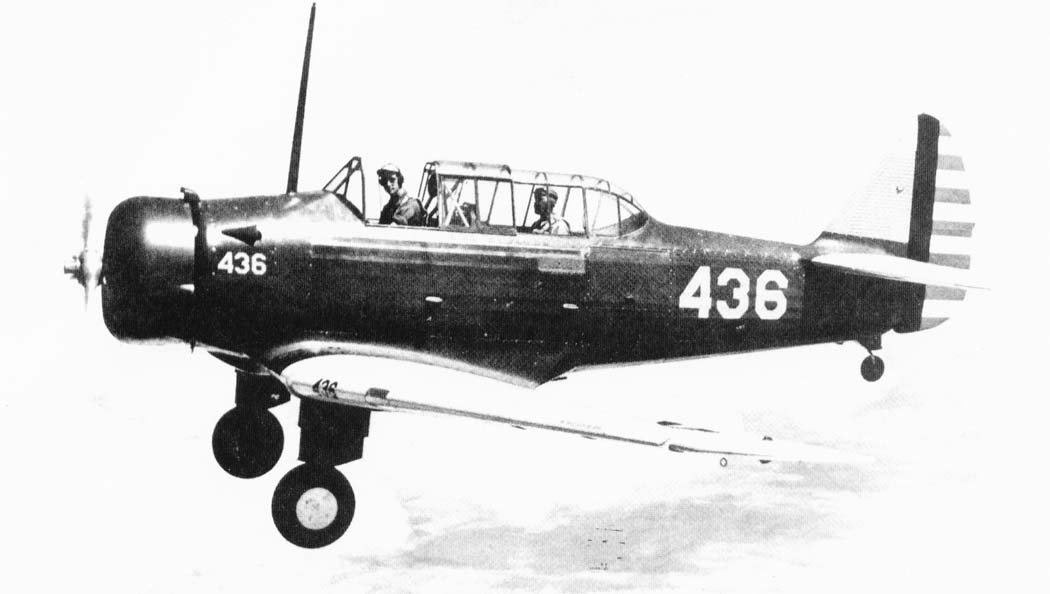
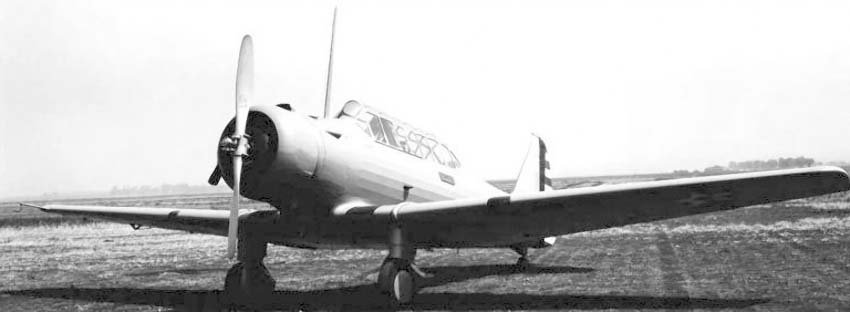
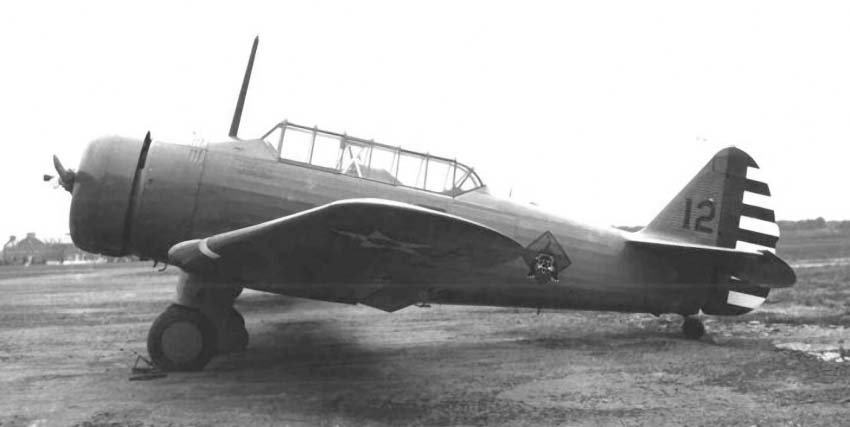
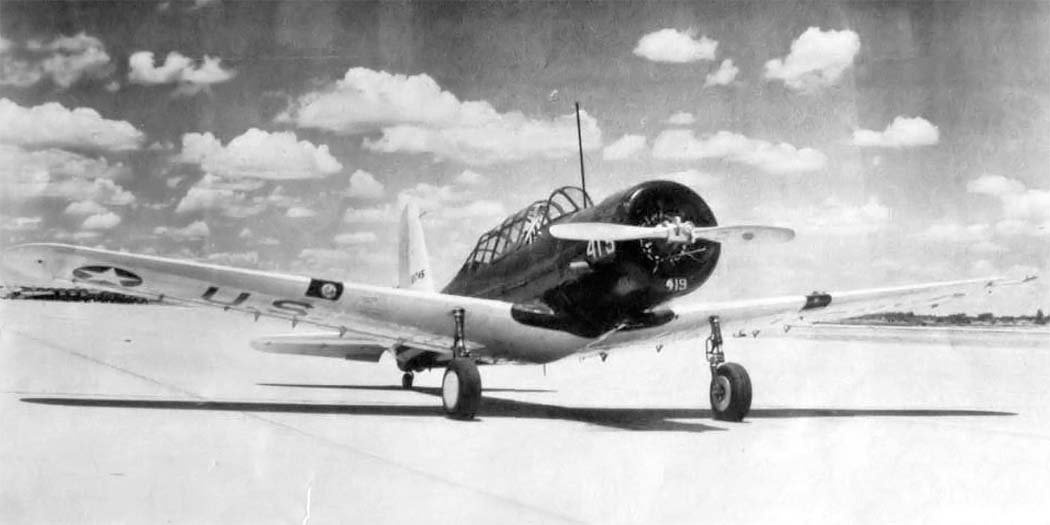
The starting point was the NA-16 model, which became the basis for many other variants. It was an all-metal low-wing monoplane with fixed landing gear and a swivel tailwheel. Unlike the fuselage, which was covered with thin duralumin sheets, the wing and tail assembly had fabric covering.
The two-person crew was housed in a partially glazed cockpit with dual controls. No armament was installed. The aircraft was fitted with a 400 hp Wright R-975 engine with a two-bladed variable-pitch propeller. Although externally the NA-16 resembled the BT-8, its flight characteristics proved to be much superior. However, army pilots demanded the installation of a fully enclosed canopy and landing gear fairings that covered the wheels and struts from the inside.
The Air Corps was satisfied with the modifications, and on September 28, 1935, a contract was signed for the first 42 aircraft under the army designation BT-9 and the company’s internal designation NA-19. Initially, Pratt & Whitney R-1340 “Wasp” engines were planned, but serial production machines received the earlier R-975s. North American changed its production site as the Dundalk (Maryland) facility couldn’t handle the tasks, so BT-9 production was established in Inglewood. The first serial BT-9 rolled off the assembly line in April 1936, and from then on, North American trainers firmly established their place in army aviation.
Variants and Export Success
A variant BT-9A (NA-19A) was prepared specifically for training fighter pilots, on which a K-3B photo machine gun and two 7.62 mm Browning machine guns were installed, one mounted on the cowling and the other in the rear cockpit, with the dual controls being removed. A total of 40 BT-9A aircraft were built. Subsequent orders for 117 slightly modified BT-9B (NA-23) and 67 BT-9C (NA-29) were formalized in 1936. Subsequently, one of the production BT-9Cs was modified to accommodate an R-1340-41 engine and received the designation Y1BT-10, though this modification never became serial.
By mid-1939, the USAAC had completed the operation of the Seversky BT-8. The BT-9 also generated significant interest from naval aviation. Although it wasn’t perfectly suited for “carrier pilot” training, its main performance characteristics were quite satisfactory for naval personnel. A contract for 40 NJ-1 (NA-28) modification aircraft was signed on December 14, 1936. They differed from their land-based counterparts only by the Pratt & Whitney R-1340 engine. One experimental NJ-2 was built with a 450 hp Ranger XV-770-4 engine.
The company’s engineers developed an experimental BT-9D variant. Its differences included modified outer wing panels, like those of the BC-1A, and a new rudder. The army placed an order for 251 units under the new designation BT-14, featuring all-metal skinning and an R-985-25 “Wasp Junior” engine. In 1941, 27 aircraft were fitted with 400 hp R-985-11 engines, after which they were designated BT-14A. Export orders proved equally profitable. The largest was from Great Britain, for which 119 aircraft were built. These were then transferred to the Royal Canadian Air Force (RCAF), where they were operated until 1945 under the designation “Yale” Mk.I.
The second most significant order came from Kuomintang China, where the problem of pilot training was most acute. In 1941-1942, 85 aircraft were delivered to the Chinese Air Force. Three BT-9s were sent to Honduras, and two more examples were acquired by Japan and Sweden, where their serial production was launched.
Swedish Production of the Sk 14
Second in the number of aircraft built based on the NA-16 was the Swedish company AB Svenska Jarnvagsverkstaderna (Swedish Railway Workshops). In 1936, ASJA representatives visited several aircraft manufacturing firms in the USA to select a trainer for their country’s air force. This trip resulted in a contract for the licensed production of the NA-16-4M, intended for use as an advanced training aircraft.
More beneficially, nearly 50 engineers from the Douglas company agreed to come to Sweden. After the outbreak of war with Japan, they all returned home, but during that time, Swedish specialists gained valuable experience in aircraft construction. Slightly earlier, at the end of 1936, an aircraft arrived in Sweden for flight characteristic evaluation.
Military pilots expressed no particular concerns about the NA-16-4M, and in 1938, a contract was signed between the Air Force and ASJA for the delivery of the first batch of 35 aircraft (including a second NA-16 acquired in the USA), which were assigned the designation Sk 14. Incidentally, it became the first Swedish trainer with a closed cockpit. The Sk 14 practically had no differences from the American model. The aircraft was equipped with a Wright R-975-E3 “Cyclone” radial engine (455 hp) and fixed landing gear in fairings.
The Sk 14’s structure was almost entirely metal, with the exception of the fuselage side surfaces, ailerons, elevators, and rudders, which were fabric-covered. Aircraft of the first batch received numbers 603-608 and 672-699; the American prototype had number 609. During 1939-1940, all assembled Sk 14s entered service with the F5 Air Force Flight Academy. The second batch of 18 aircraft (numbers 5810-5827), ordered in 1939, was received by the Air Force in the first half of 1941.
After ASJA was incorporated into SAAB, the third batch of 23 aircraft (numbers 5824-5850) was built at the Linköping facility. As the USA had by then imposed an embargo on military equipment deliveries to Sweden, all assembled machines were equipped with Italian Piaggio P VIIRC16 engines of 500 hp, which led to a change in designation to SK 14A. This slightly reduced speed performance, but other technical characteristics remained almost unchanged. The Air Force accepted these aircraft during 1942.
The last, fourth batch of 60 Sk 14A aircraft (14001-14060) was built at the Trollhättan factory, where SAAB cars are produced today. The order for their construction was finalized in 1942, and deliveries took place between 1943 and 1946. The total output of all Sk 14 modifications amounted to 137 units. These aircraft served until the early 1960s, with some of them being equipped with fixed nose-wheel landing gear, adapting them for training pilots who were to fly SAAB J 21A fighters.
Technical Specifications
| Modification | BT-14 |
| Wingspan, m | 12.44 |
| Length, m | 8.73 |
| Height, m | 3.50 |
| Wing area, m2 | 22.40 |
| Empty weight | 1503 |
| Maximum takeoff weight | 2028 |
| Engine type | 1 Piston engine Pratt Whitney R-985 |
| Power, hp | 1 x 450 |
| Maximum speed, km/h | 290 |
| Cruising speed, km/h | 237 |
| Practical range, km | 1180 |
| Service ceiling, m | 6600 |
| Crew, crew members | 2 |
Image and diagram gallery of the North American BT-9/BT-14: The Revolutionary Trainer
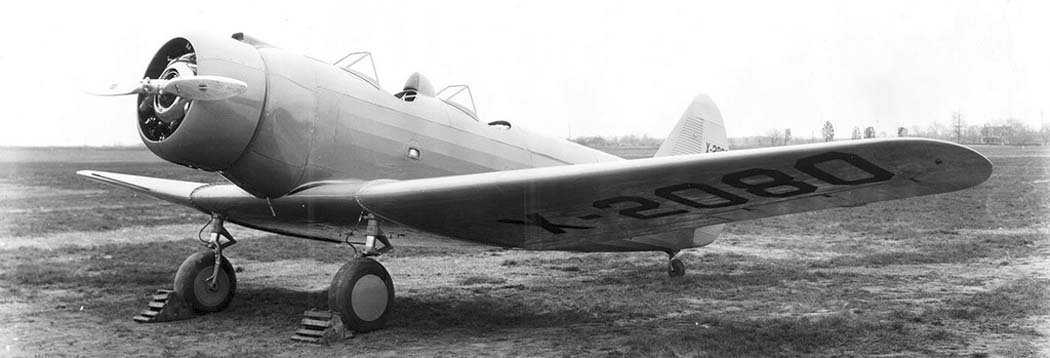 BT-9(14) |
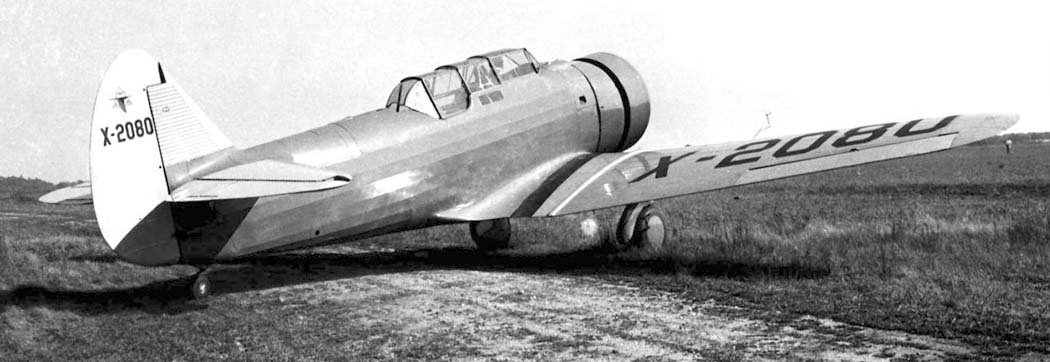 BT-9(14) |
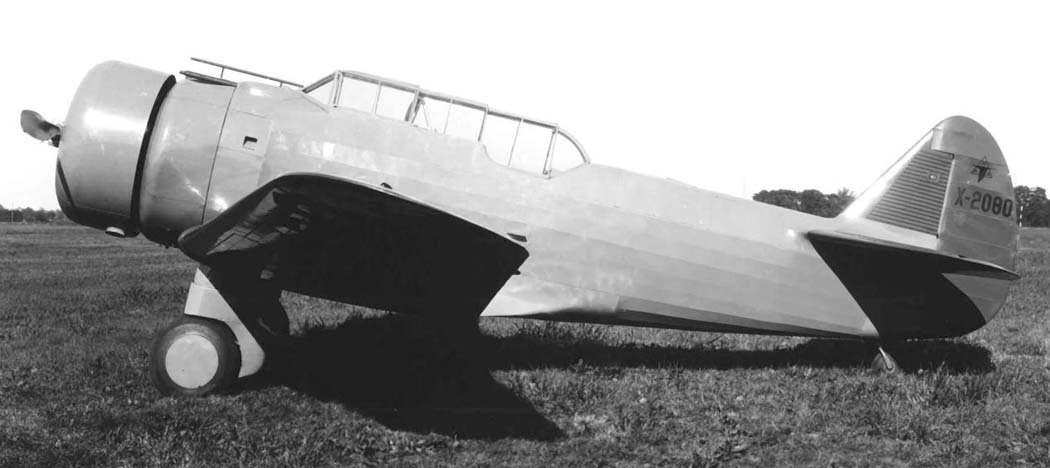 BT-9(14) |
 BT-9(14) |
 BT-9(14) |
 BT-9(14) |
 BT-9(14) |
 BT-9(14) |
 BT-9(14) |
 BT-9(14) |
 BT-9(14) |
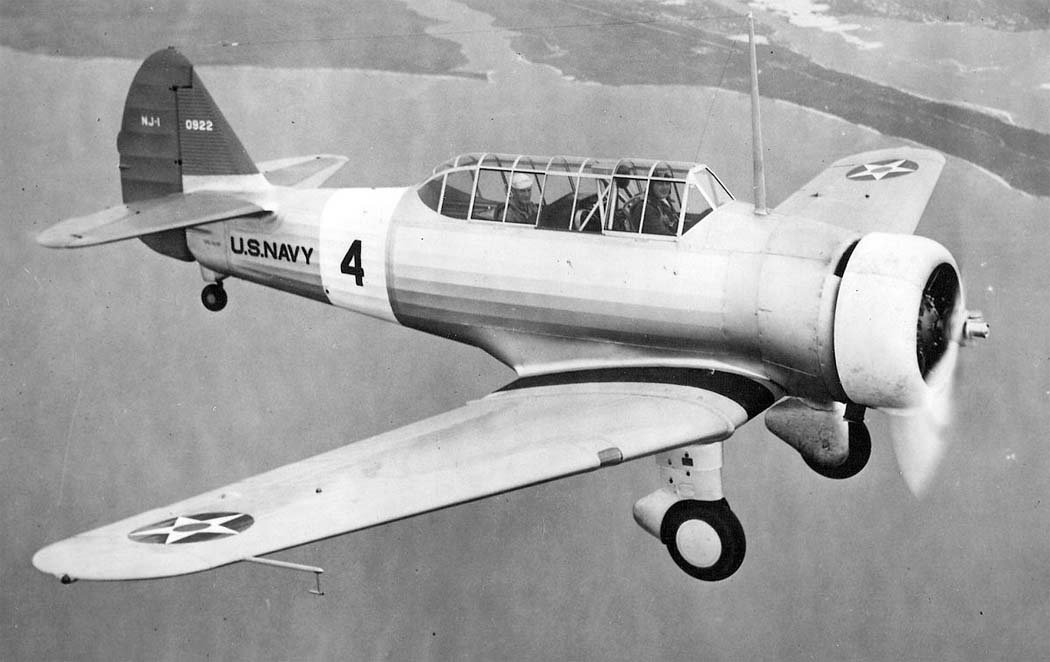 BT-9(14) |
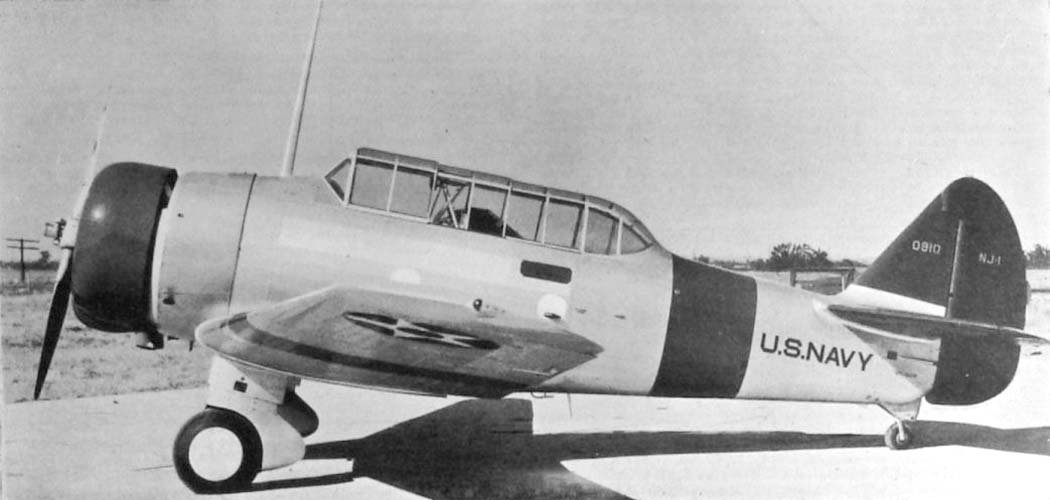 BT-9(14) |
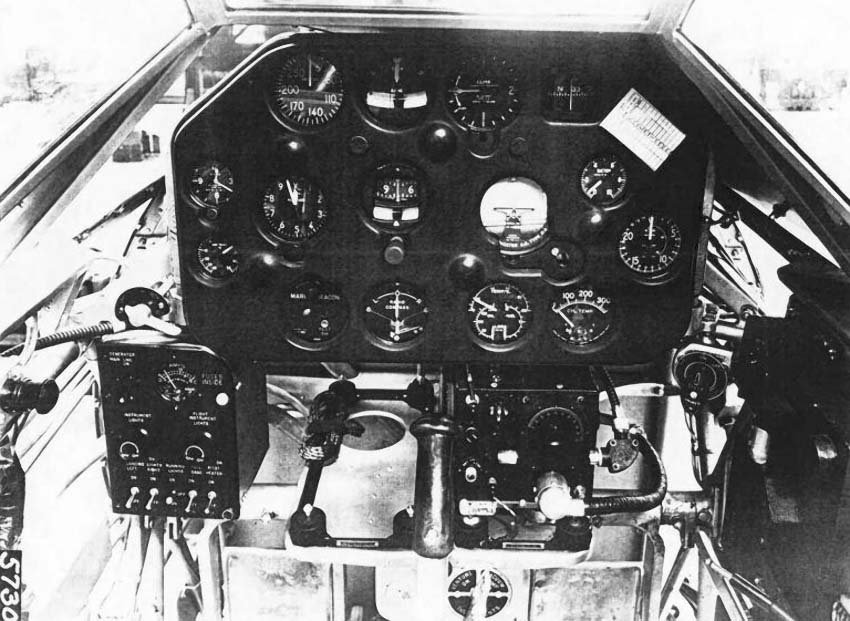 BT-9(14) |
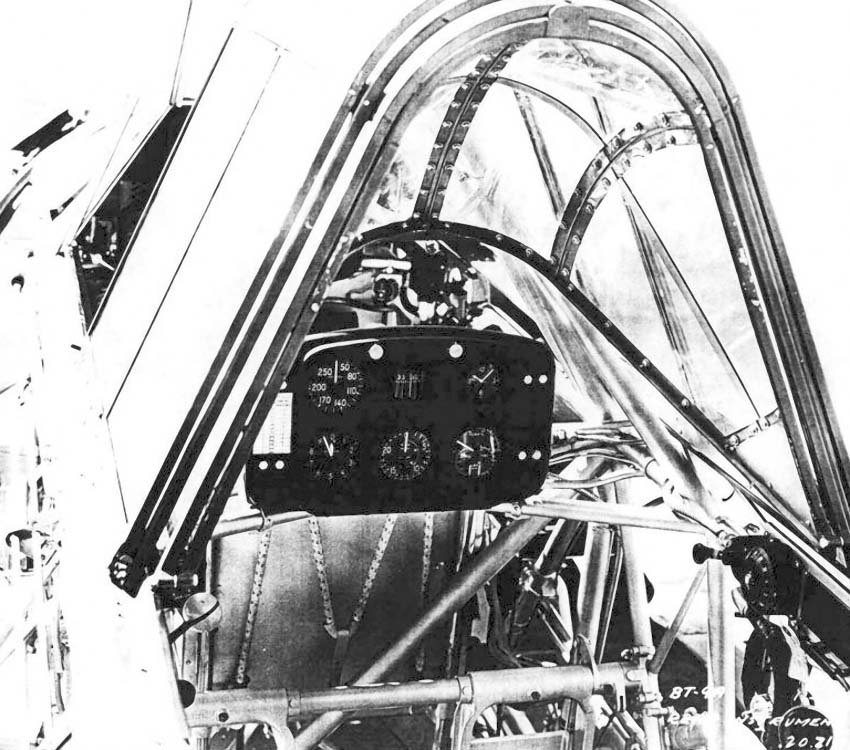 BT-9(14) |
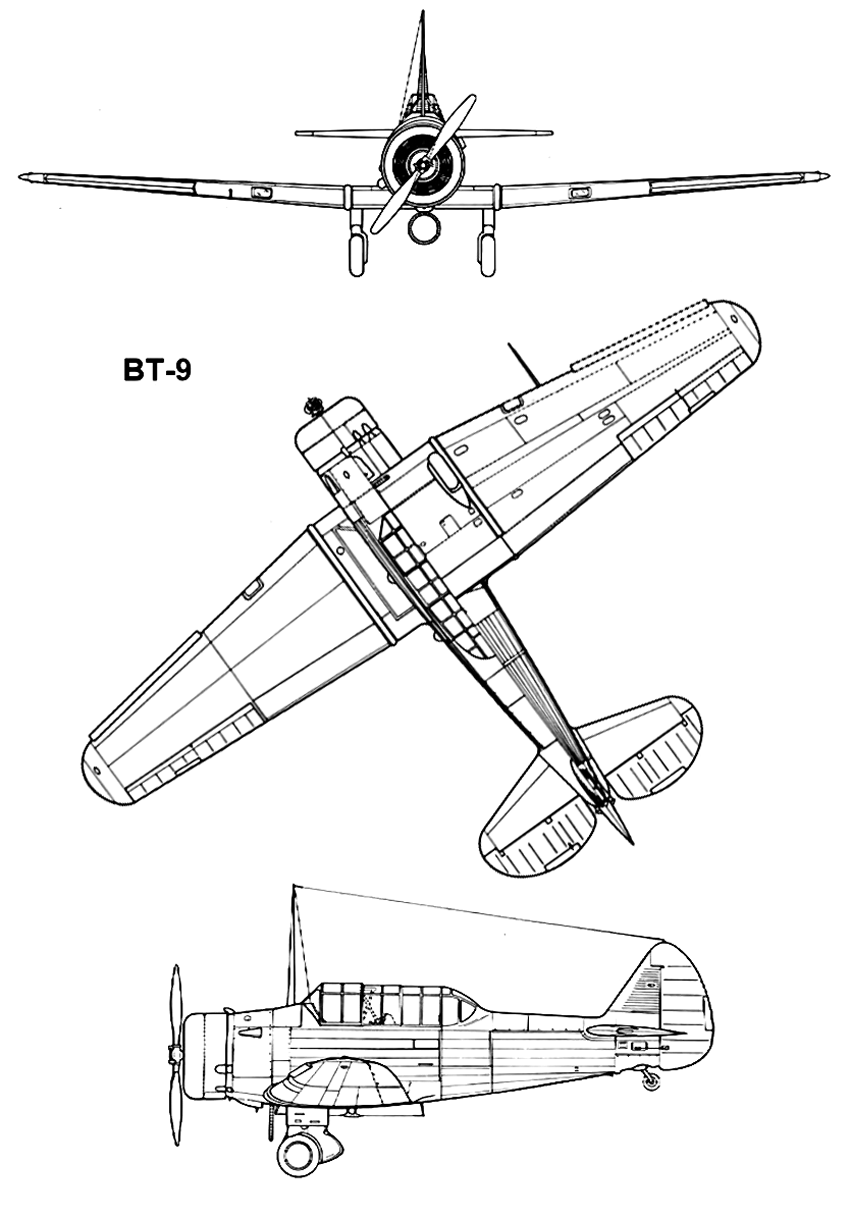 BT-9(14) |
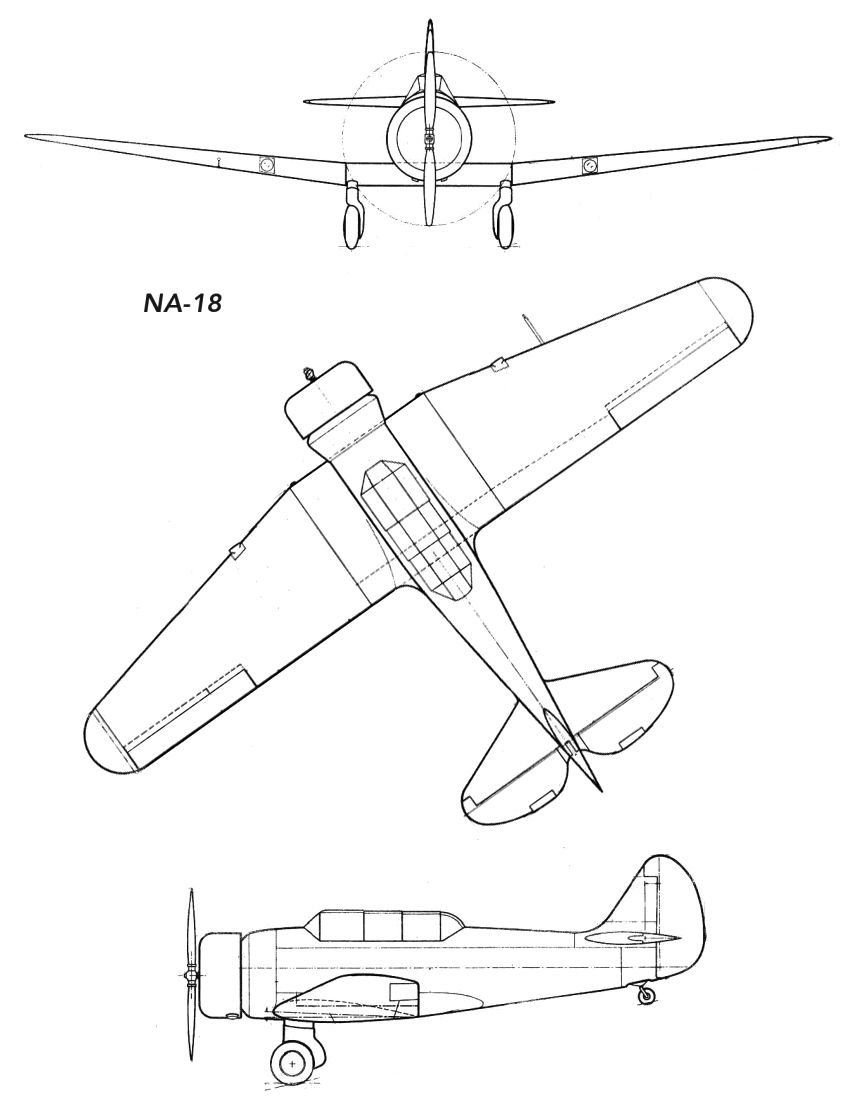 BT-9(14) |
Equipo Editorial de ArchivoAéreo
Grupo de investigadores y entusiastas de la aviación dedicados a documentar y preservar la historia aeronáutica mundial. Todos los artículos son revisados para garantizar precisión histórica.
Fuentes y Rigurosidad
La información presentada en esta ficha técnica ha sido compilada a partir de manuales de vuelo desclasificados, archivos históricos y bibliografía especializada. Aunque nos esforzamos por mantener la máxima precisión, algunos datos de rendimiento pueden variar según la variante específica o las condiciones operativas.