Pyotr Semyonovich Bityutsky
Early Life and Military Training
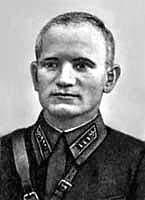
Pyotr Semyonovich Bityutsky was born on July 17, 1913, in the village of Pokrovka, Volgograd region, into a peasant family. He completed incomplete secondary school and propagandist courses, engaging in Komsomol work in Astrakhan. In 1934, he joined the Red Army.
In 1937, he graduated from the Stalingrad Military Aviation School for Pilots, preparing for a career in military aviation.
Frontline Service and Aerial Victories
With the outbreak of the Great Patriotic War, Bityutsky was sent to the front. He served in the 66th Assault Aviation Regiment, based on the Southwestern Front as part of the 15th Mixed Aviation Division, which was equipped with I-153 aircraft. Despite the shortcomings of these planes, Political Instructor P. S. Bityutsky, the military commissar of the 1st Squadron, conducted over 50 combat sorties.
During aerial battles, he demonstrated exceptional courage, managing to shoot down 4 enemy aircraft.
Heroic Sacrifice and Posthumous Honor
On August 13, 1941, near Kyiv, while escorting bombers, Bityutsky engaged three Me-109s. He managed to shoot down one and rammed another, perishing himself in the action (according to some sources, this was his 5th victory). His sacrifice in combat was an act of supreme valor.
On November 5, 1942, for the courage and military prowess shown in battles against the enemy, he was posthumously awarded the title of Hero of the Soviet Union.
Equipo Editorial de ArchivoAéreo
Grupo de investigadores y entusiastas de la aviación dedicados a documentar y preservar la historia aeronáutica mundial. Todos los artículos son revisados para garantizar precisión histórica.
Fuentes y Rigurosidad
La información presentada en esta ficha técnica ha sido compilada a partir de manuales de vuelo desclasificados, archivos históricos y bibliografía especializada. Aunque nos esforzamos por mantener la máxima precisión, algunos datos de rendimiento pueden variar según la variante específica o las condiciones operativas.