SPAD S.33
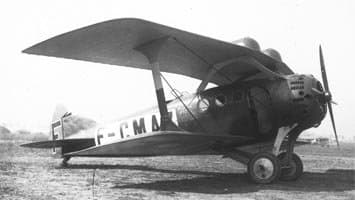
In August 1914, “Societe Bleriot-Aeronautique” acquired the SPAD firm (“Societe Pour les Appareils Deperdussin”), which was on the verge of bankruptcy after its owner, Armand Deperdussin, was arrested for financial fraud. Blériot changed the firm’s name to “Societe Anonyme Pour l’Aviation et ses Derives,” while retaining the original acronym.
Throughout World War I, Blériot allowed the firm to produce aircraft under its own name, but in 1921, SPAD became part of the main company, which was renamed “Bleriot-SPAD.” This marked a new chapter for the company in the burgeoning aviation industry.
Pioneering Transport Design
The company’s first foray into transport aircraft was the S.27, built in several units. This was swiftly followed by the Bleriot-SPAD S.33, whose prototype first took flight on December 12, 1920. Both aircraft were initially equipped with a 250 hp (186 kW) air-cooled Salmson engine, though the S.33 later received a more powerful 260 hp (194 kW) version.
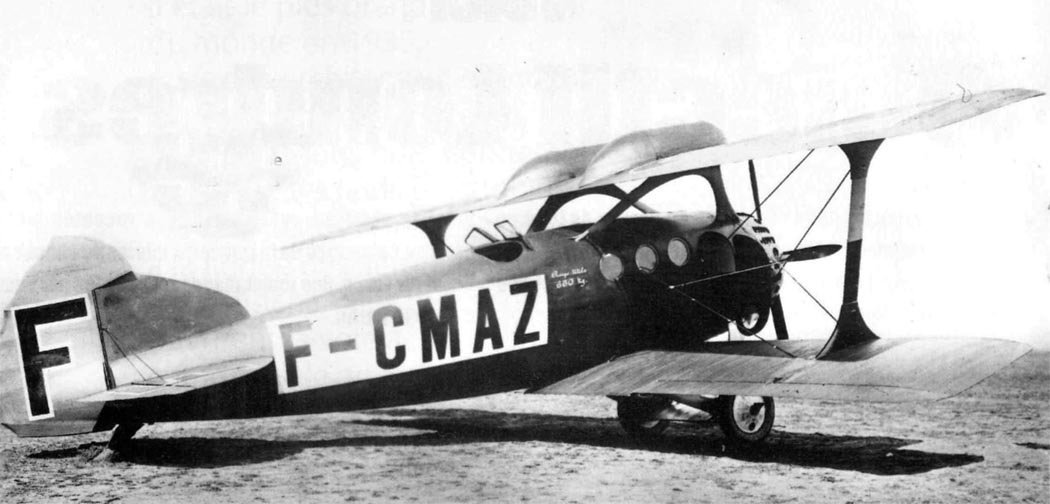
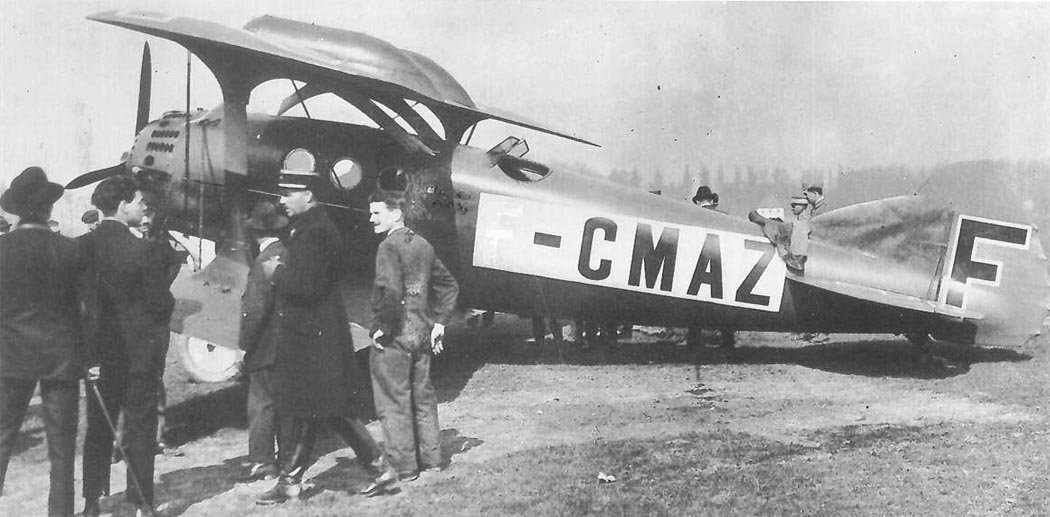
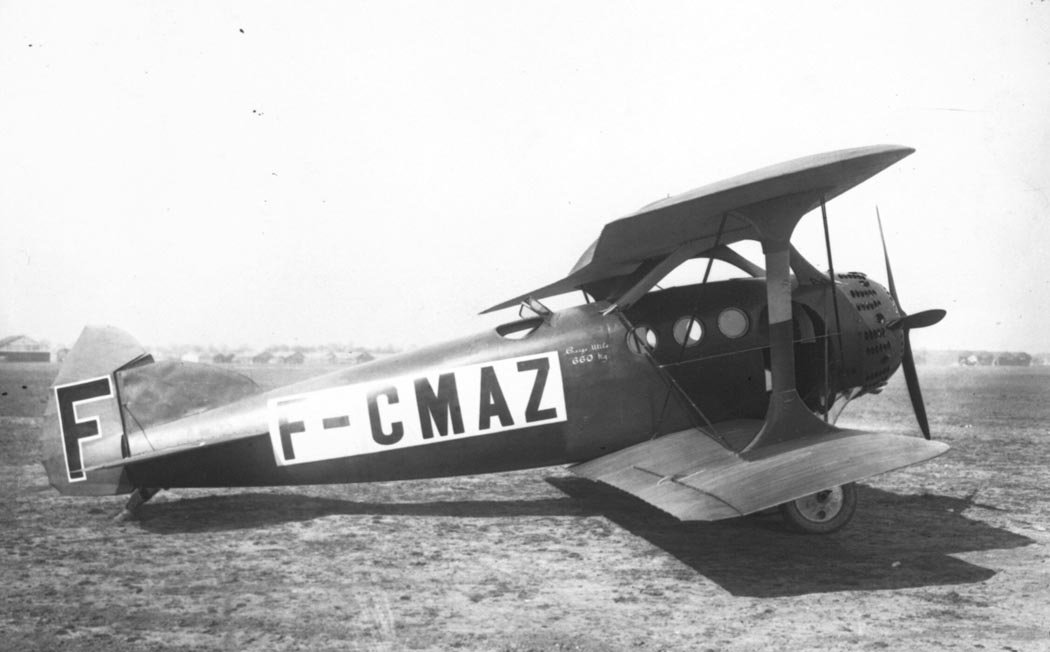
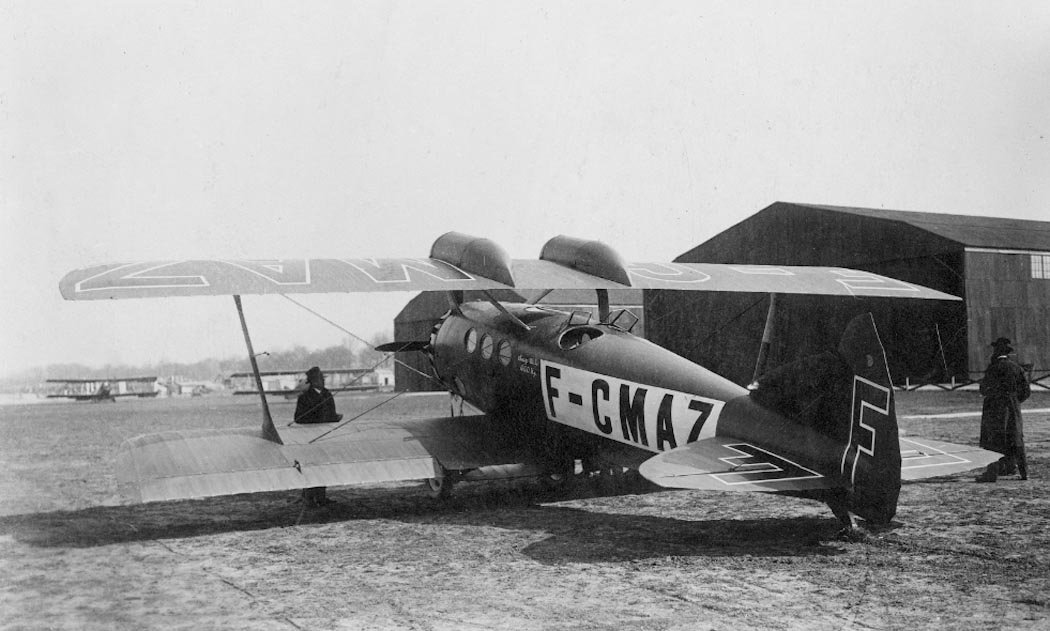
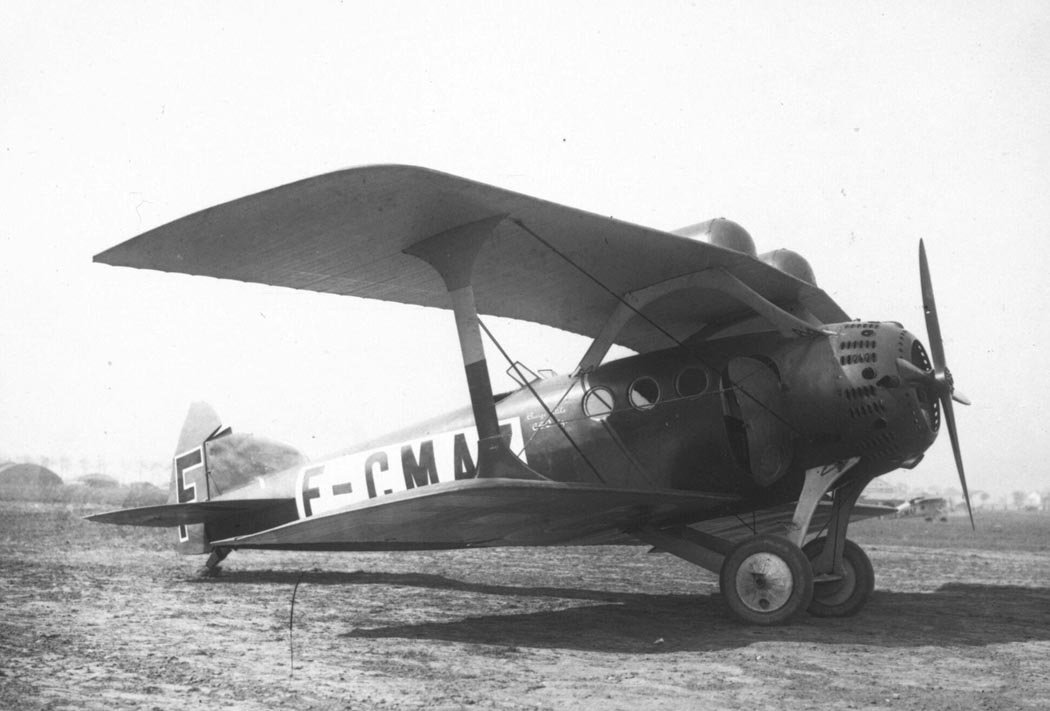
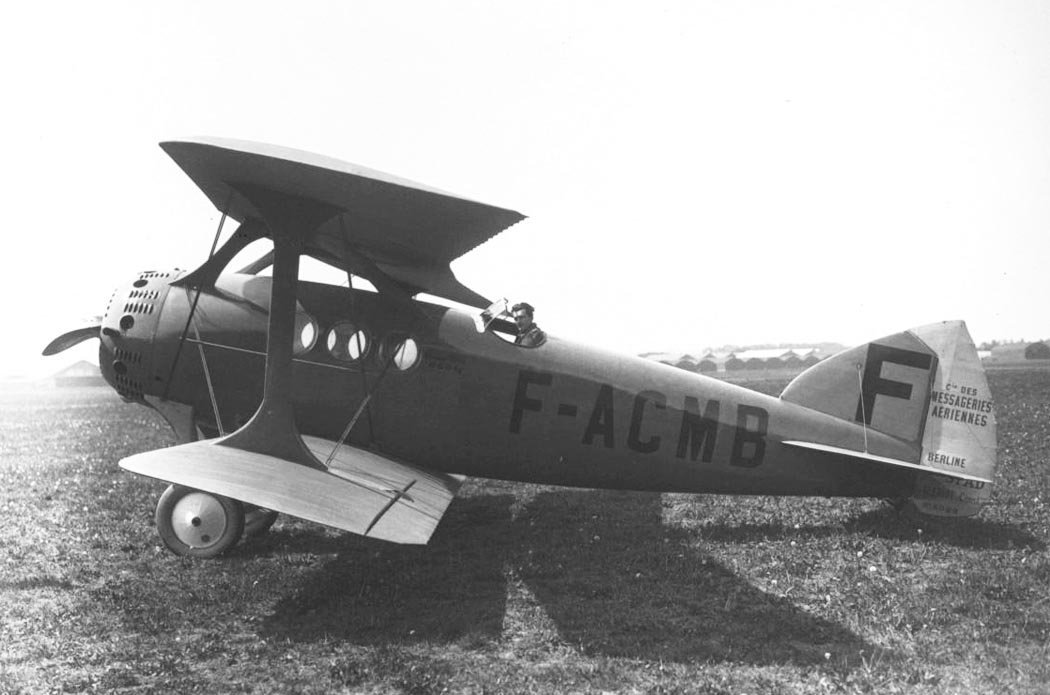
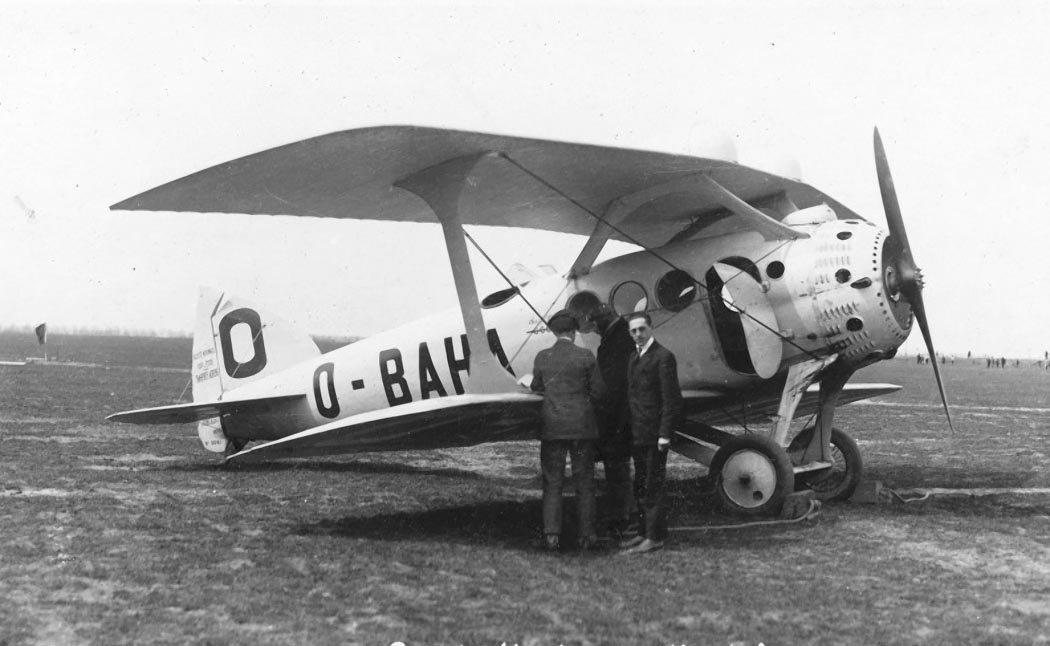
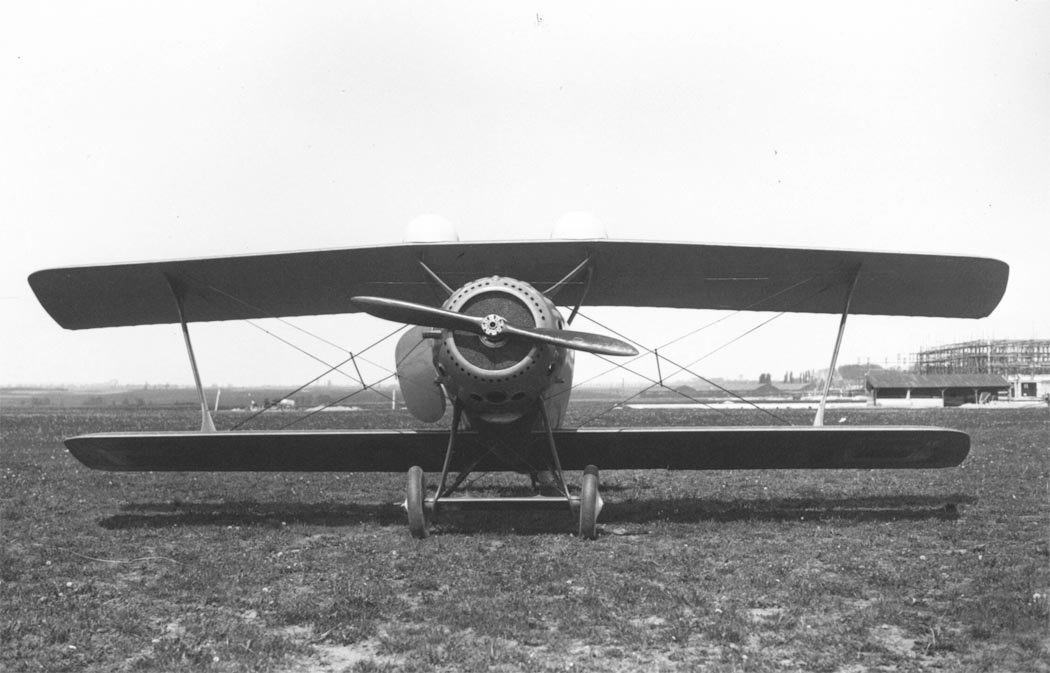
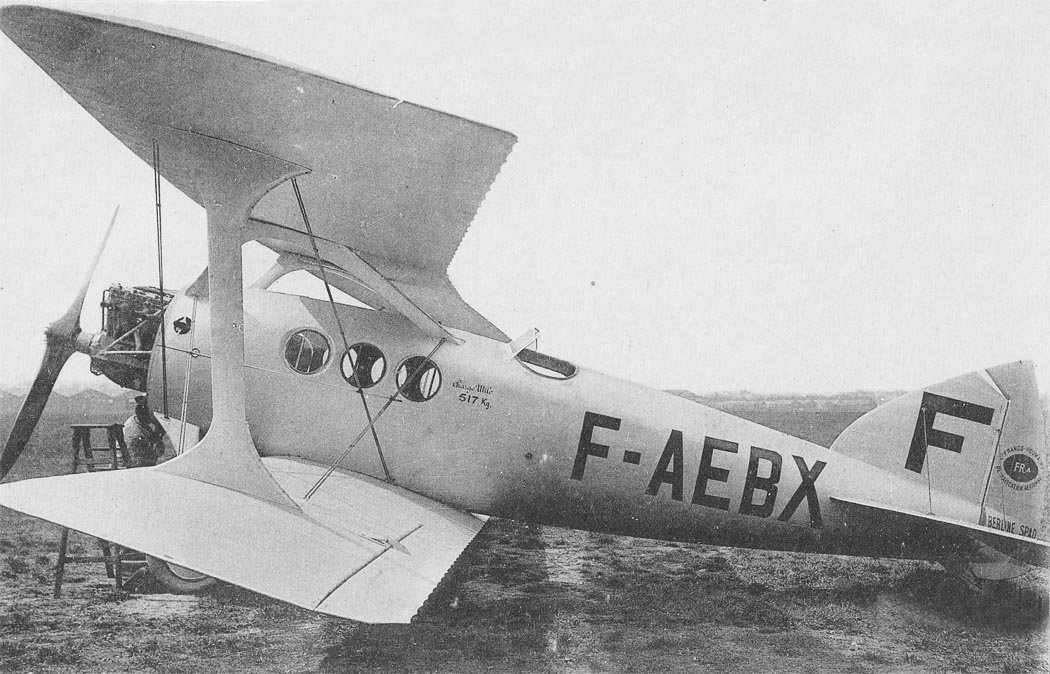
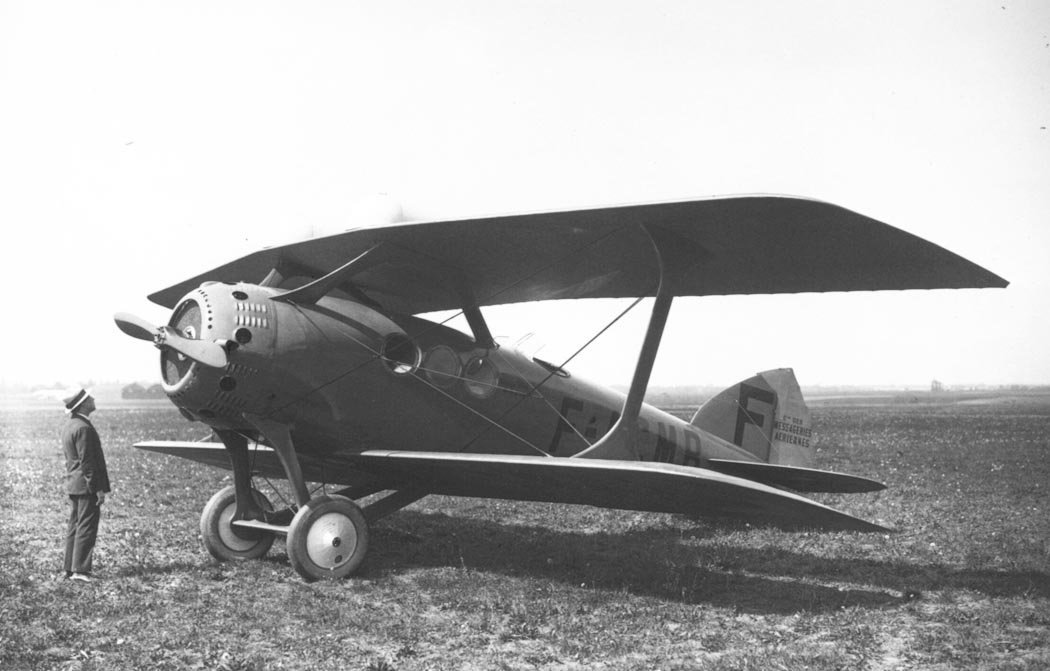
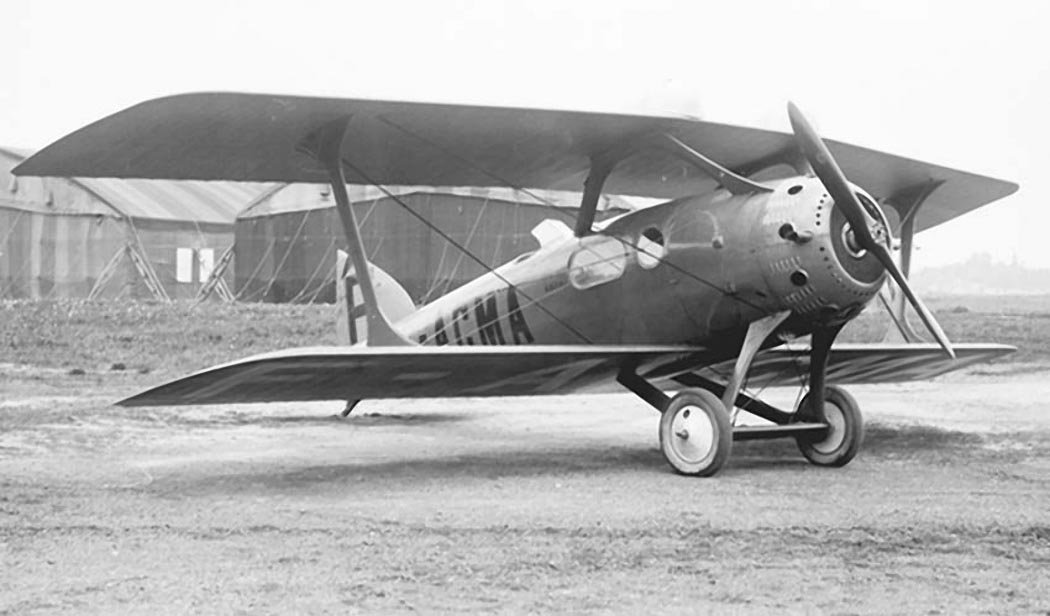
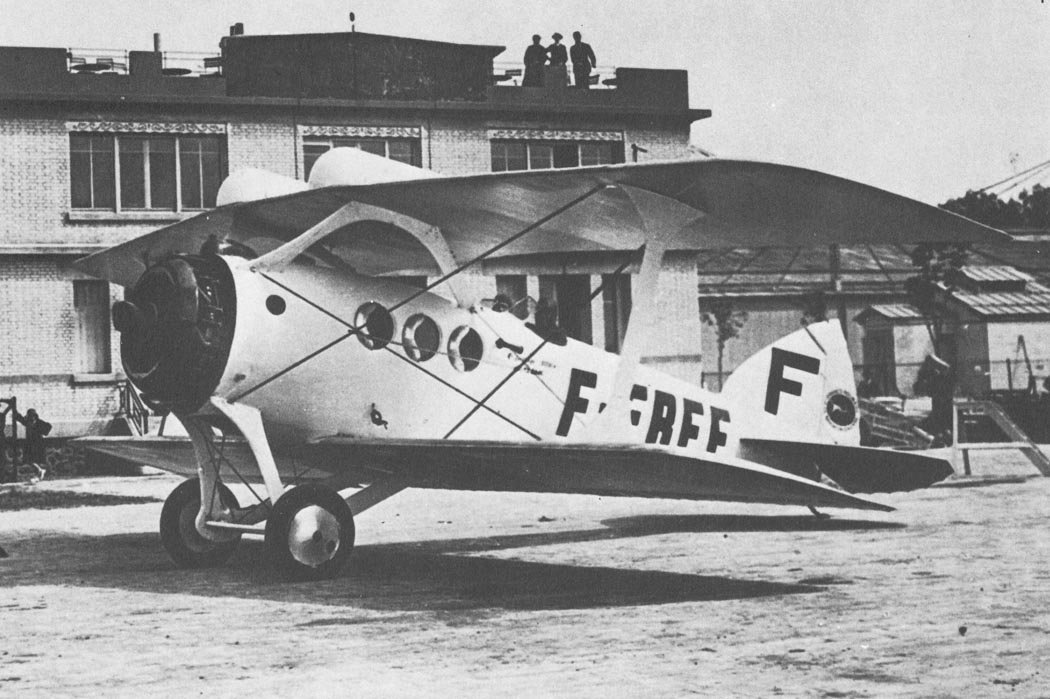
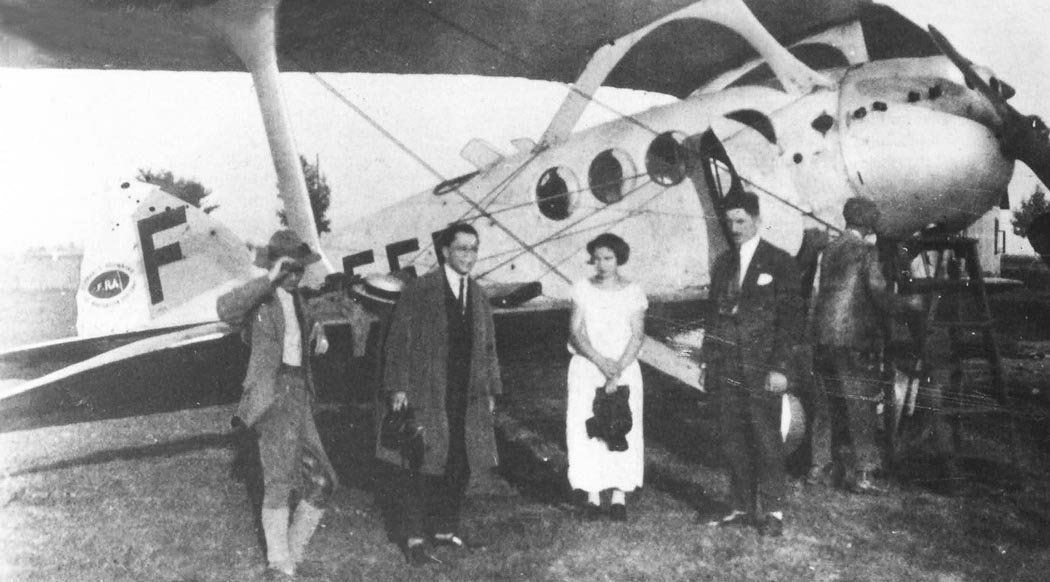
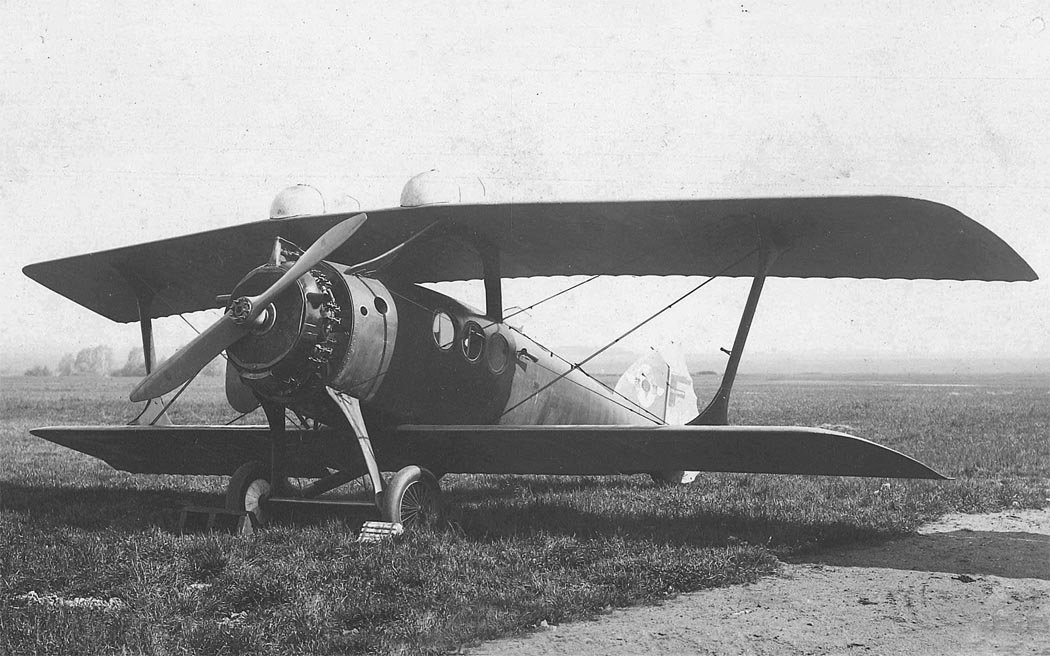
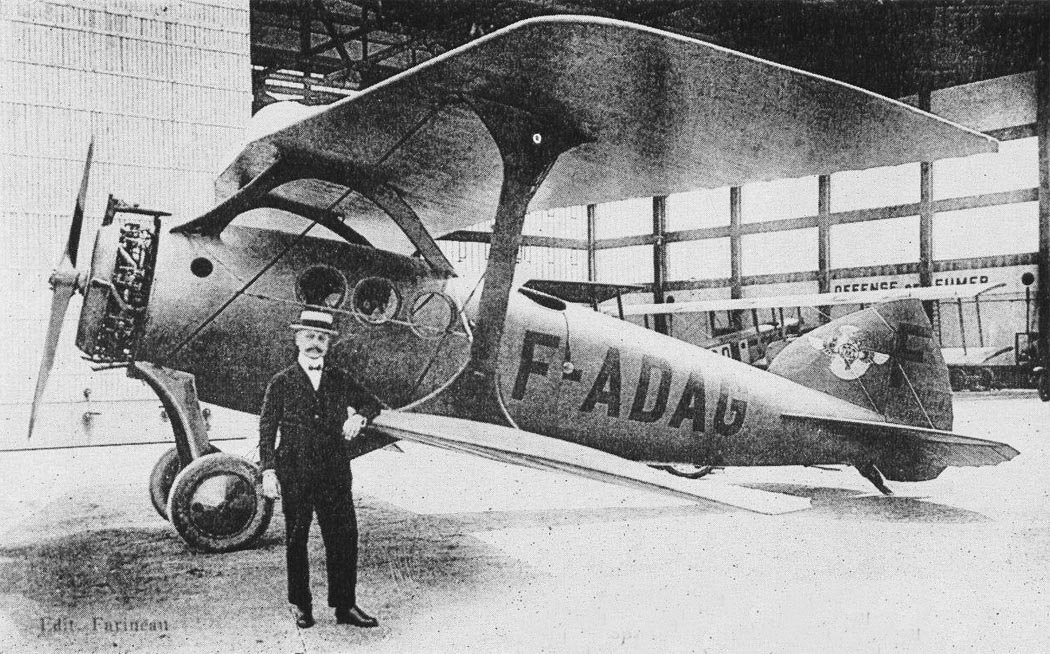
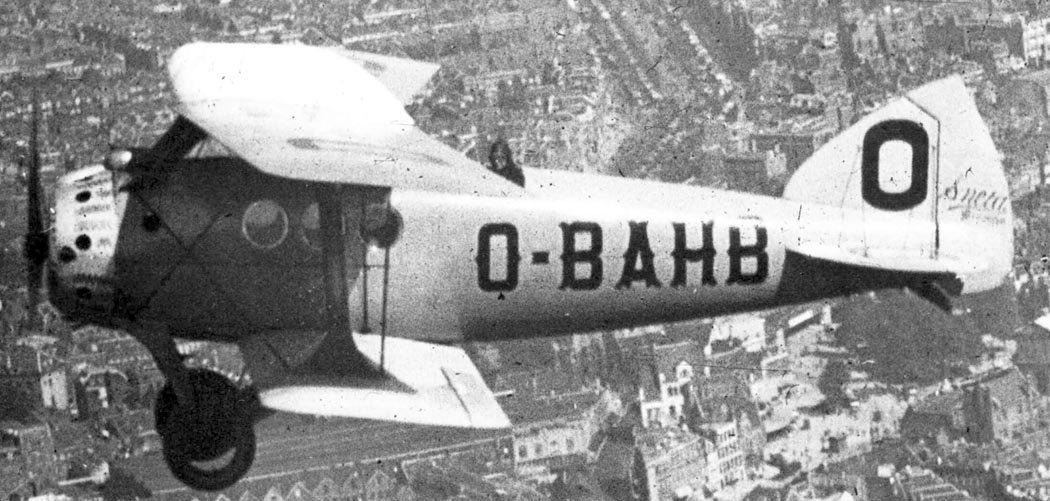
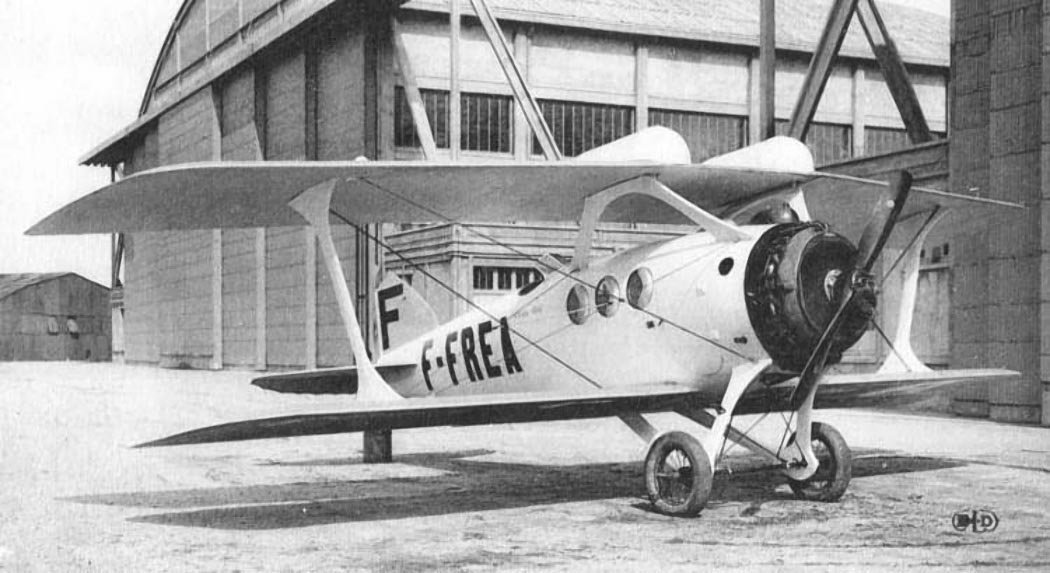
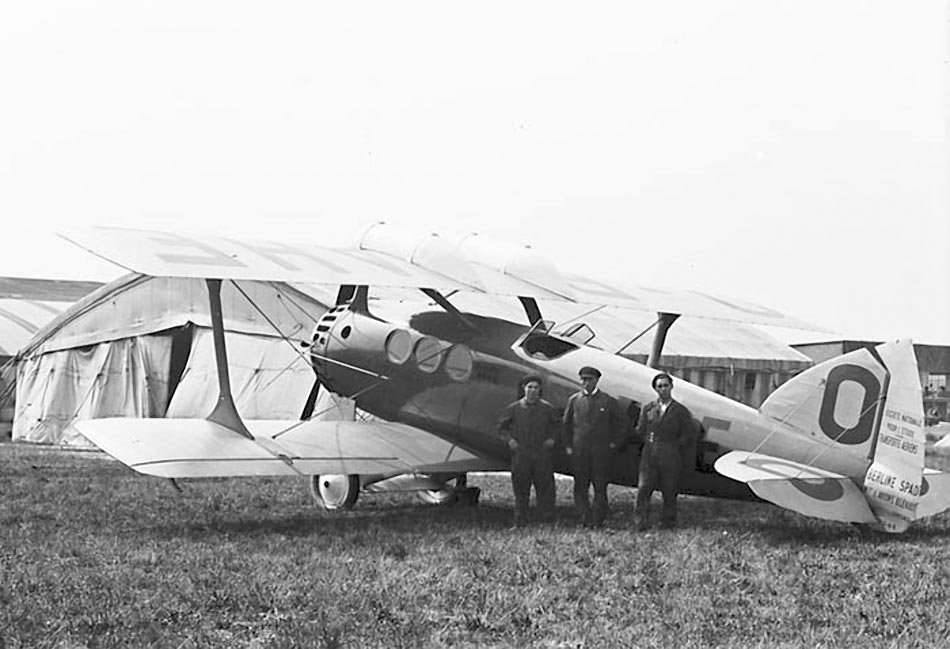
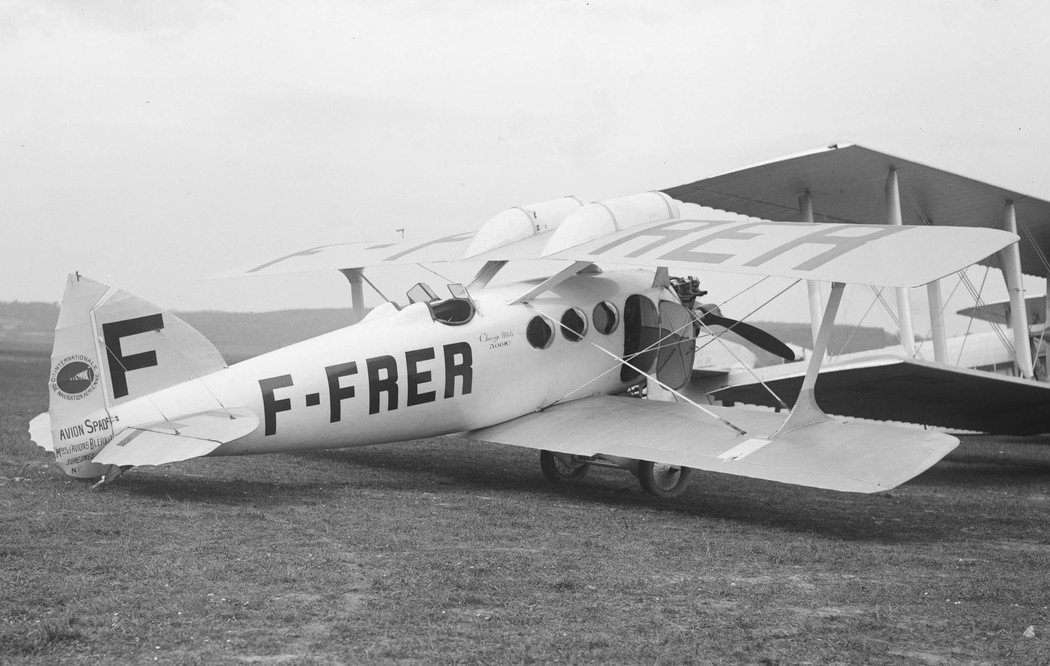
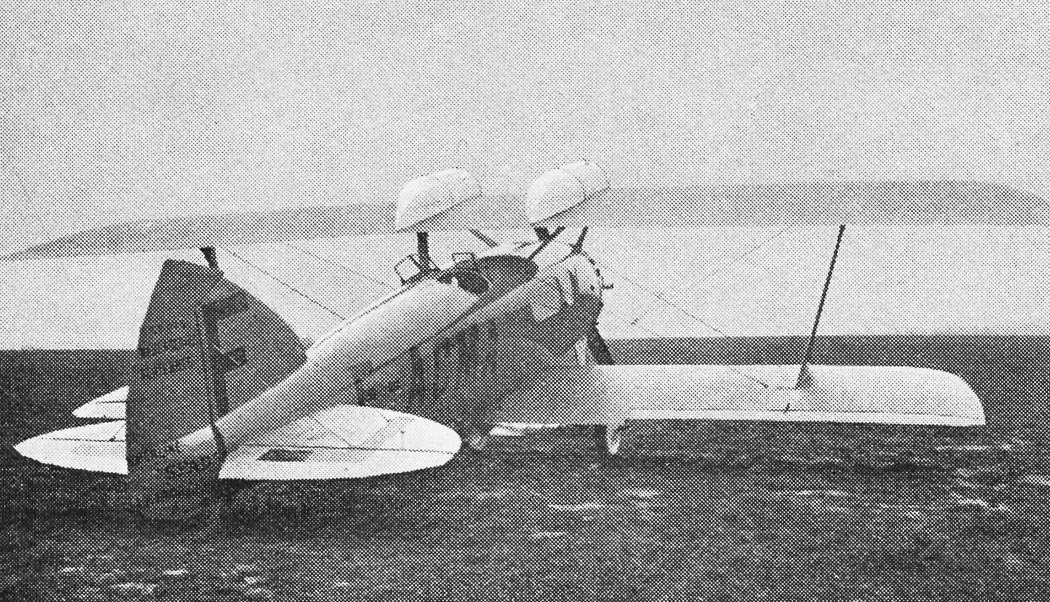
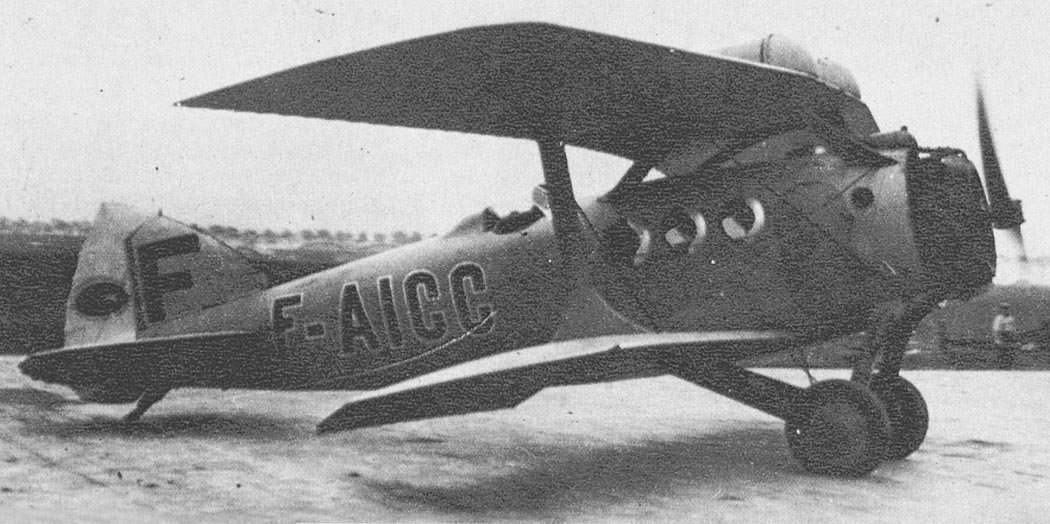
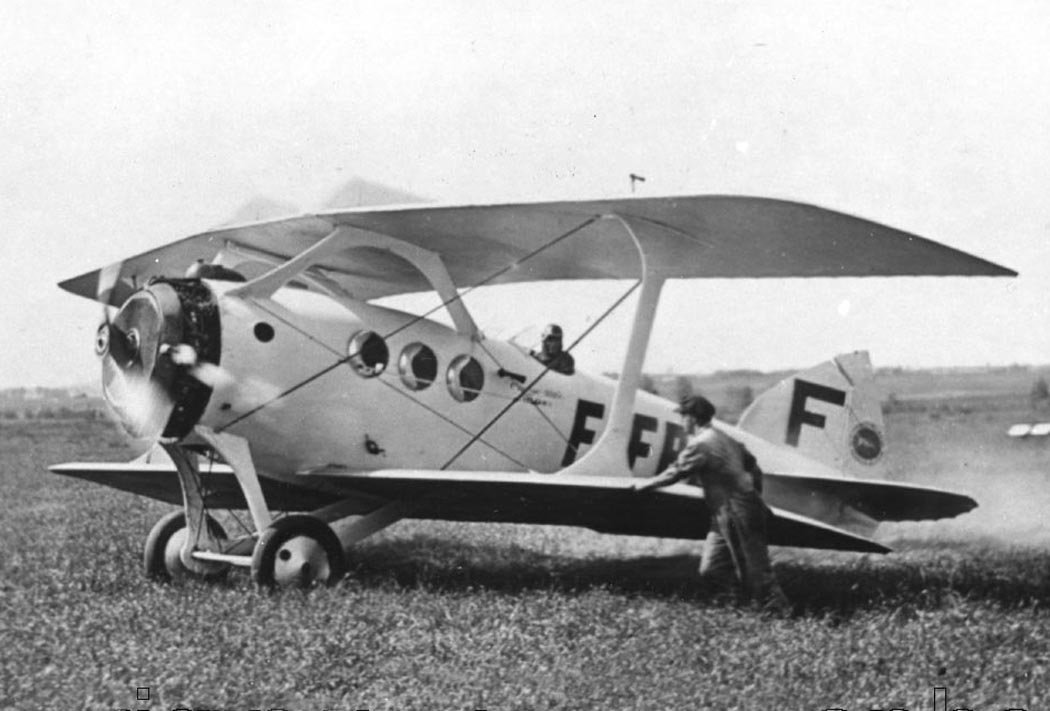
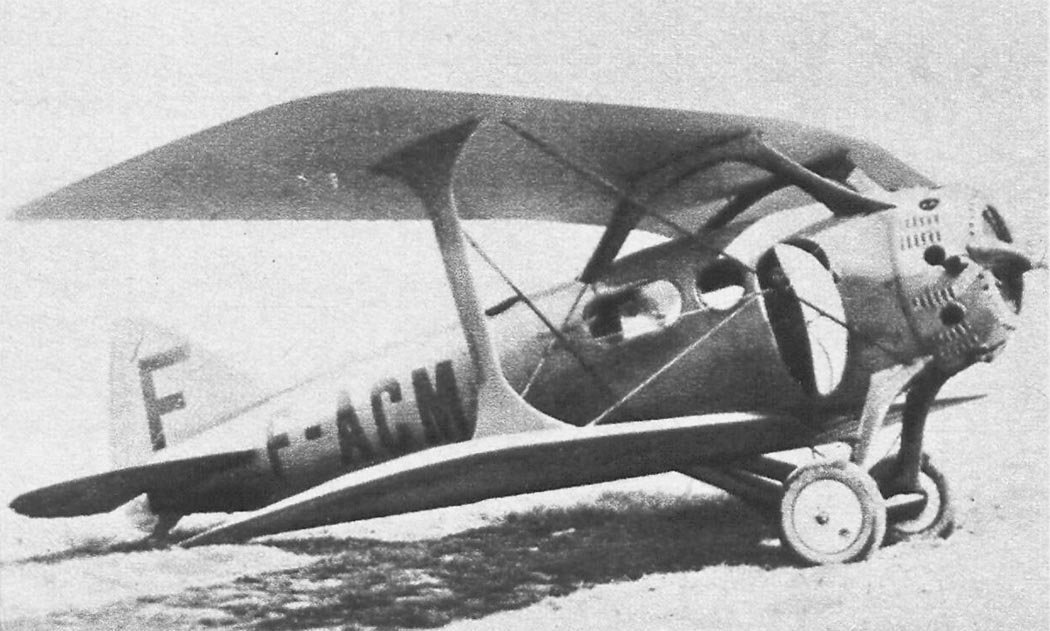
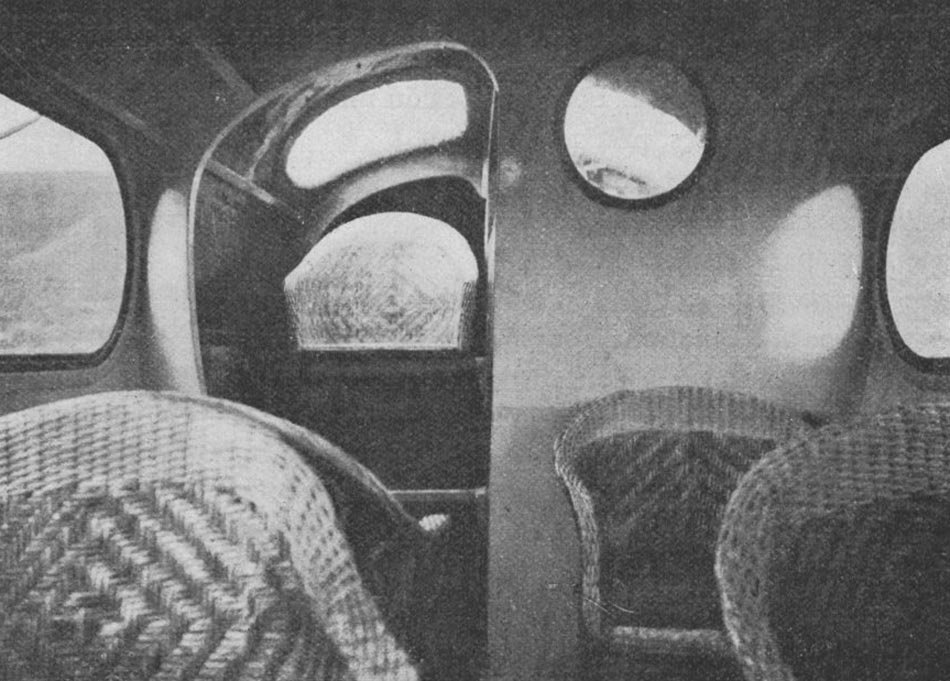
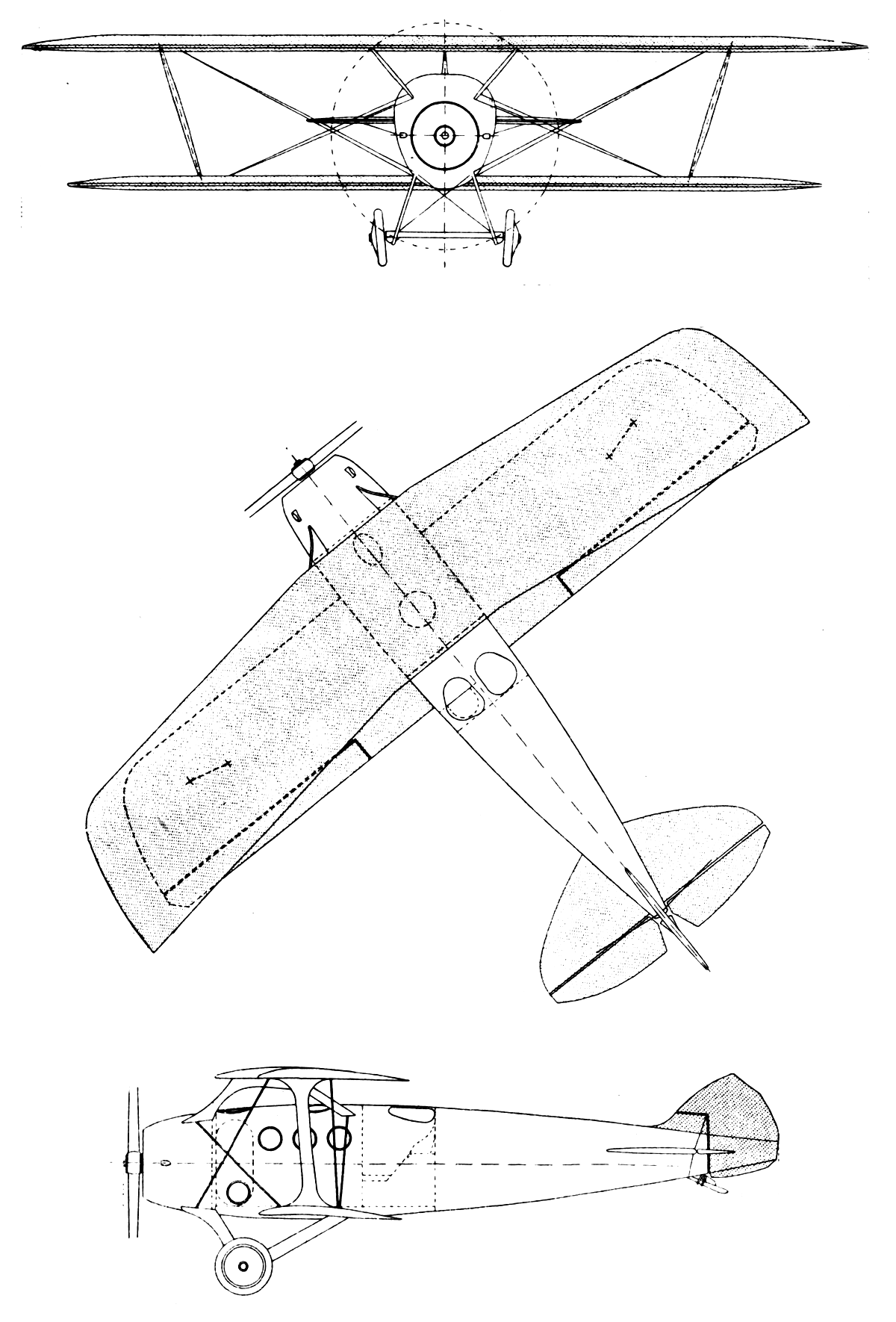
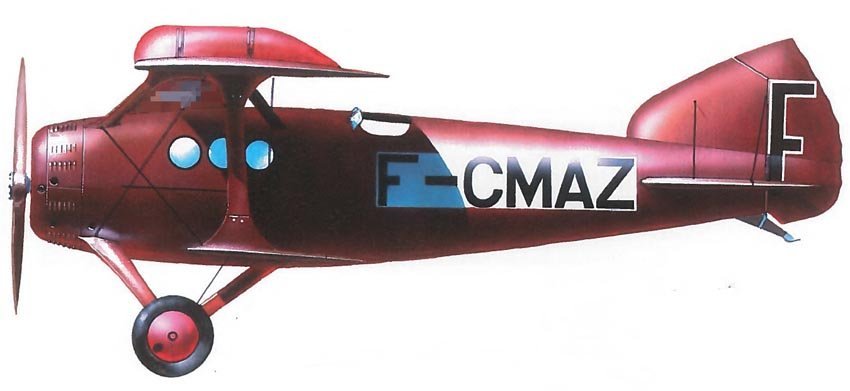
The S.33 featured an enclosed cabin for four passengers, with an additional open cabin behind it for a fifth passenger (on the starboard side) and the pilot. This 5-passenger layout was designed for spaciousness, necessitating the cabin’s placement closer to the center of gravity between the wings. Three distinctive round or large oval windows adorned the sides.
Innovative Engine Technology
A truly remarkable aspect of the SPAD S.33 was its engine. While typical wartime engines included inline liquid-cooled and rotary air-cooled radial types, the SPAD 33 notably featured the pioneering Salmson 9Z radial engine with fixed cylinders. Given the relatively low speeds of the era, this design still required water cooling to operate effectively.
Following successful prototype tests of the F-CMAZ on December 12, 1920, the SPAD S.33 entered serial production and began revenue service the following year. It proved to be a highly successful aircraft, with 41 machines built (15 with Salmson 9Z engines, the rest with Salmson 9Cm). These aircraft, along with their variants, dominated the European market for small transport aircraft until the early 1930s.
Versatile Variants and Legacy
The versatility of the S.33 led to various modifications. One S.33 was ingeniously converted for instrument flight training, featuring a curtained cockpit for the trainee. Furthermore, eight S.33s were later transformed into the S.66 variant, which incorporated streamlined headrests for both the pilot and the adjacent passenger, enhancing comfort and aerodynamics.
Technical Specifications
| Modification | SP AD S.33 |
| Wingspan, m | 11. 66 |
| Aircraft length, m | 10. 08 |
| Aircraft height, m | 3. 20 |
| Wing area, m2 | 42. 18 |
| Empty weight | 1050 |
| Maximum takeoff weight | 2062 |
| Engine type | 1 Piston engine Salmson СМ.9 |
| Power, hp | 1 х 260 |
| Maximum speed, km/h | 180 |
| Cruising speed, km/h | 160 |
| Practical range, km | 1080 |
| Service ceiling, m | 3800 |
| Crew, crew members | 1 |
| Payload: | up to 5 passengers |
Image and diagram gallery of the SPAD S.33
 SPAD S.33 |
 SPAD S.33 |
 SPAD S.33 |
 SPAD S.33 |
 SPAD S.33 |
 SPAD S.33 |
 SPAD S.33 |
 SPAD S.33 |
 SPAD S.33 |
 SPAD S.33 |
 SPAD S.33 |
 SPAD S.33 |
 SPAD S.33 |
 SPAD S.33 |
 SPAD S.33 |
 SPAD S.33 |
 SPAD S.33 |
 SPAD S.33 |
 SPAD S.33 |
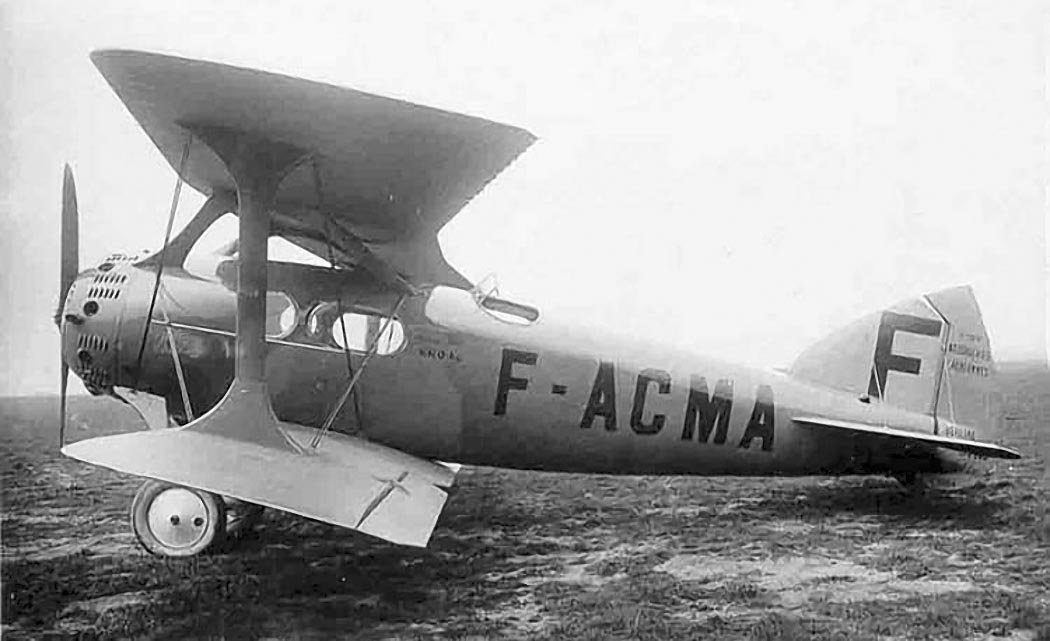 SPAD S.33 |
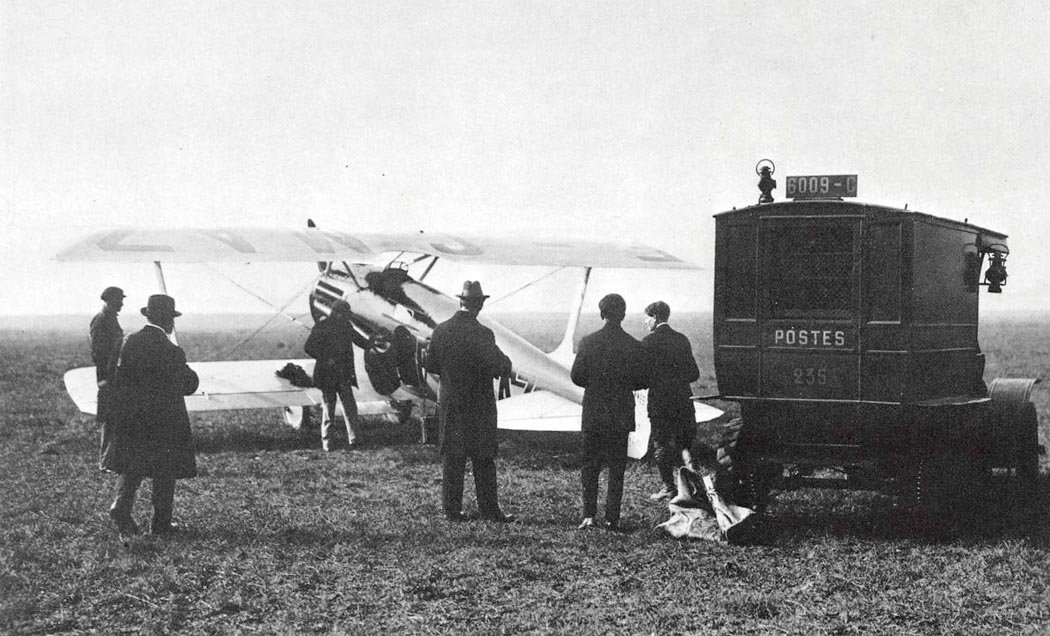 SPAD S.33 |
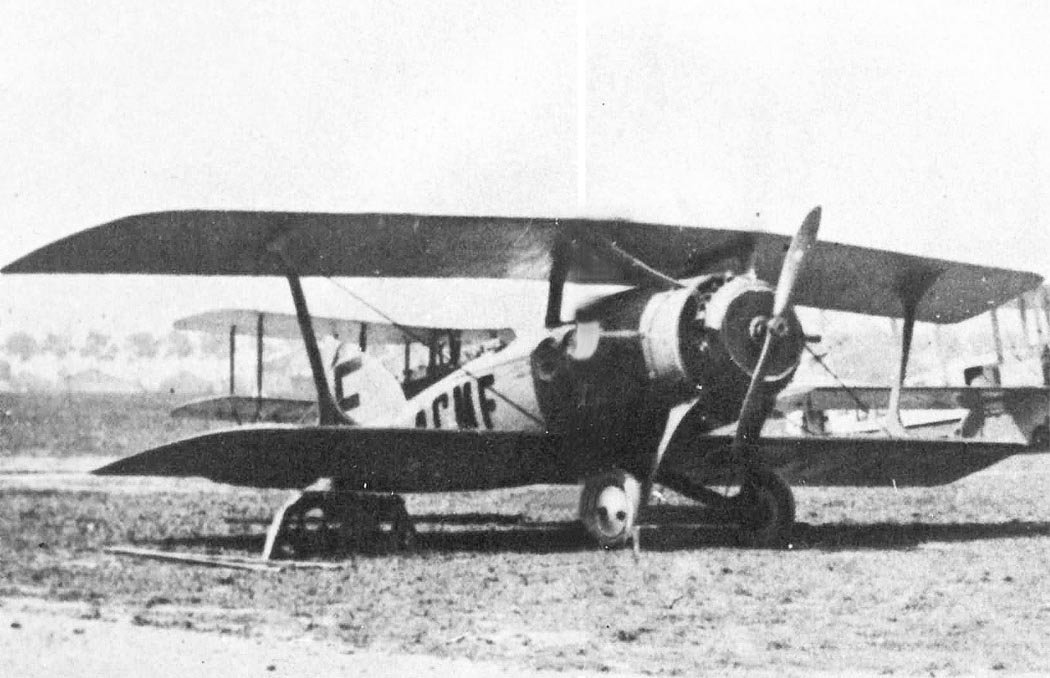 SPAD S.33 |
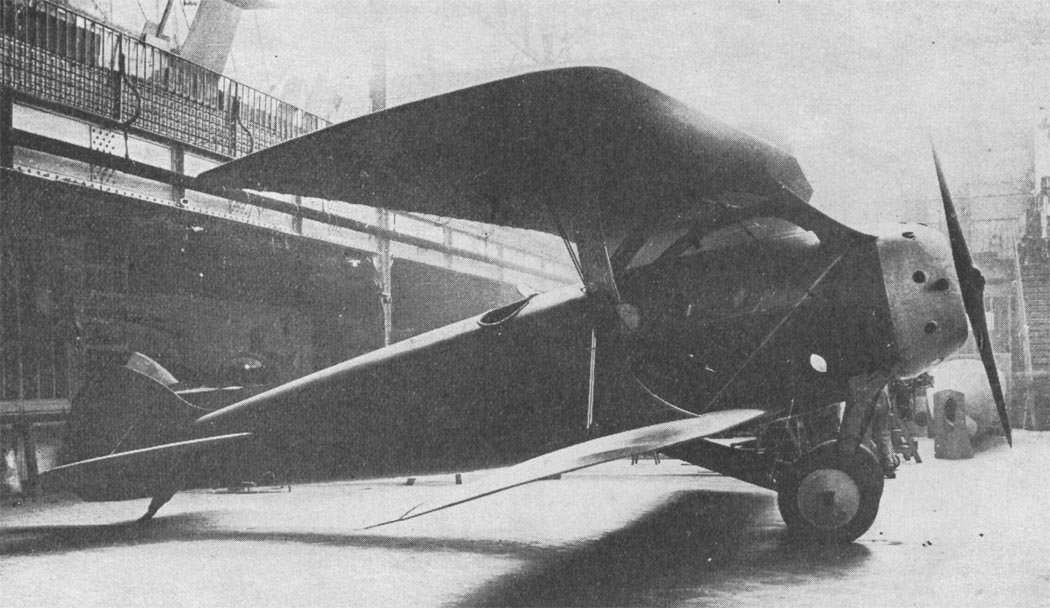 SPAD S.33 |
 SPAD S.33 |
 SPAD S.33 |
 SPAD S.33 |
 SPAD S.33 |
 SPAD S.33 |
 SPAD S.33 |
 SPAD S.33 |
Equipo Editorial de ArchivoAéreo
Grupo de investigadores y entusiastas de la aviación dedicados a documentar y preservar la historia aeronáutica mundial. Todos los artículos son revisados para garantizar precisión histórica.
Fuentes y Rigurosidad
La información presentada en esta ficha técnica ha sido compilada a partir de manuales de vuelo desclasificados, archivos históricos y bibliografía especializada. Aunque nos esforzamos por mantener la máxima precisión, algunos datos de rendimiento pueden variar según la variante específica o las condiciones operativas.