The Spanish company Construcciones Aeronáuticas SA (CASA) was formed in March 1923. Initially, it focused on the licensed production of foreign aircraft, such as the Breguet 19 and the Dornier J Wal. By the late 1920s, the company’s designer, Luis Sousa Peco, having accumulated sufficient experience with foreign aircraft, developed three of his own projects: CASA I, II, and III. The final project, the CASA III, was approved, and it was decided to begin serial production.
Origins and Design
The CASA III was initially intended to serve as a military aircraft for naval aviation. However, its insufficient flight characteristics did not convince the navy, so it was decided to convert it into a civilian multi-purpose aircraft.
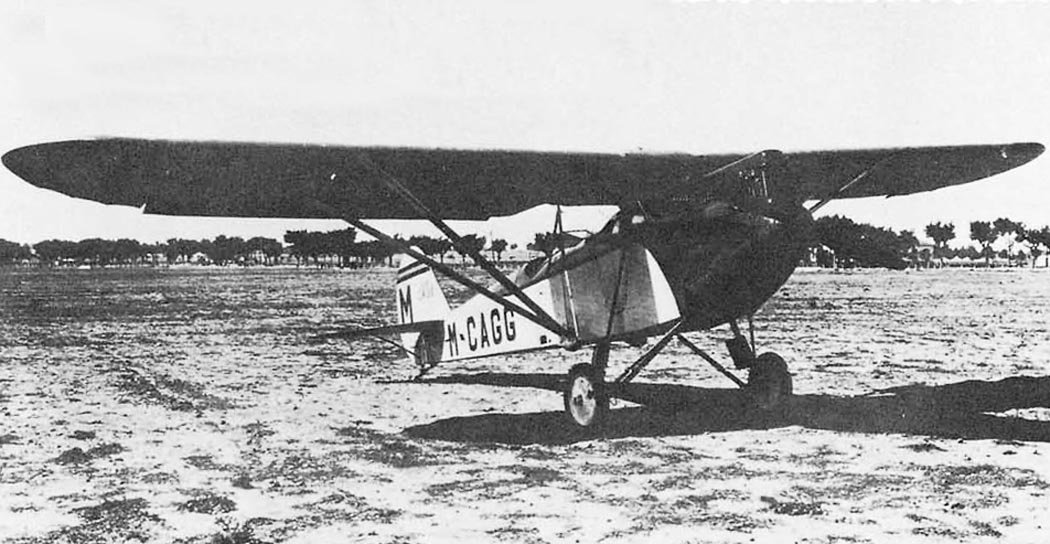
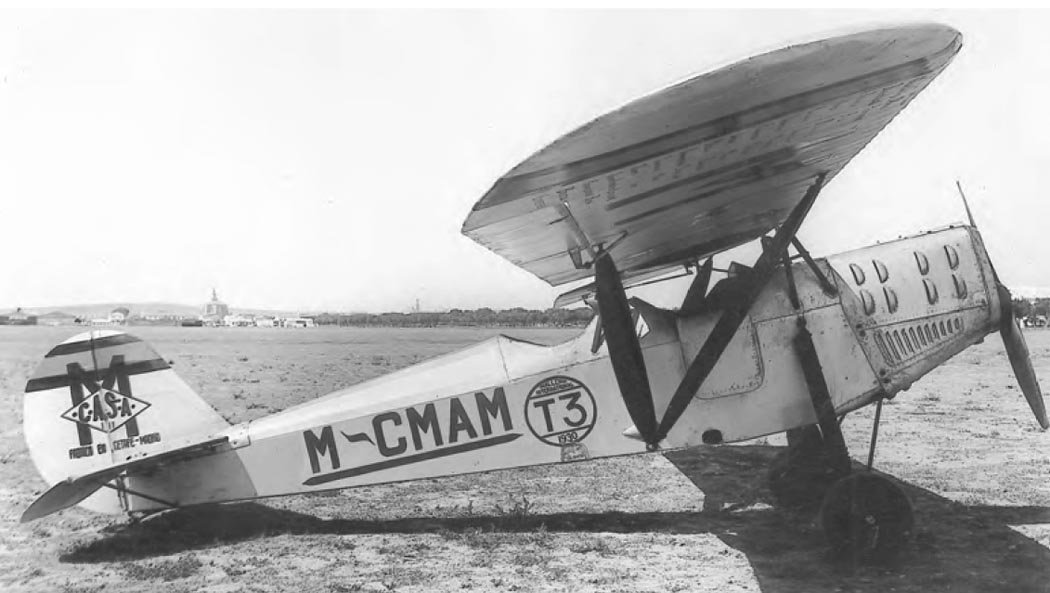
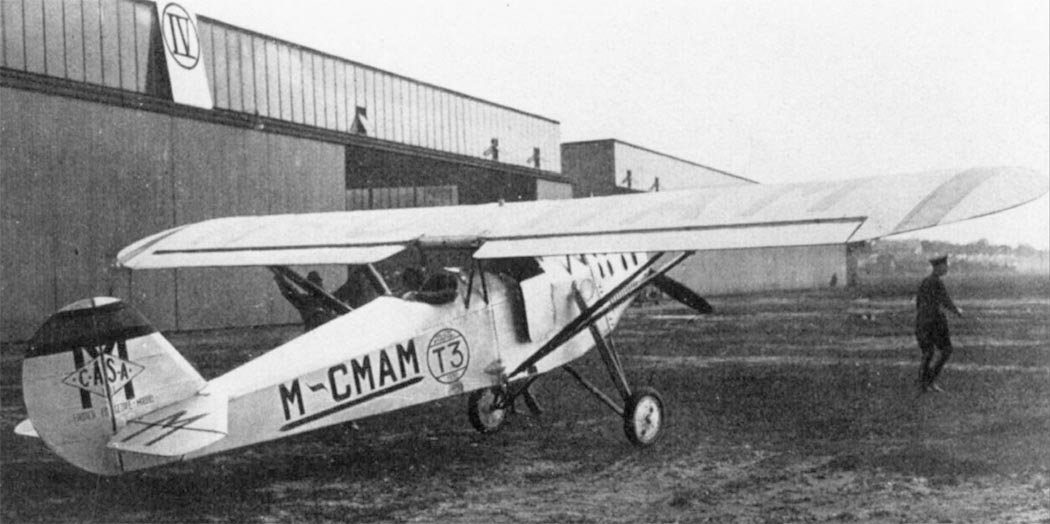
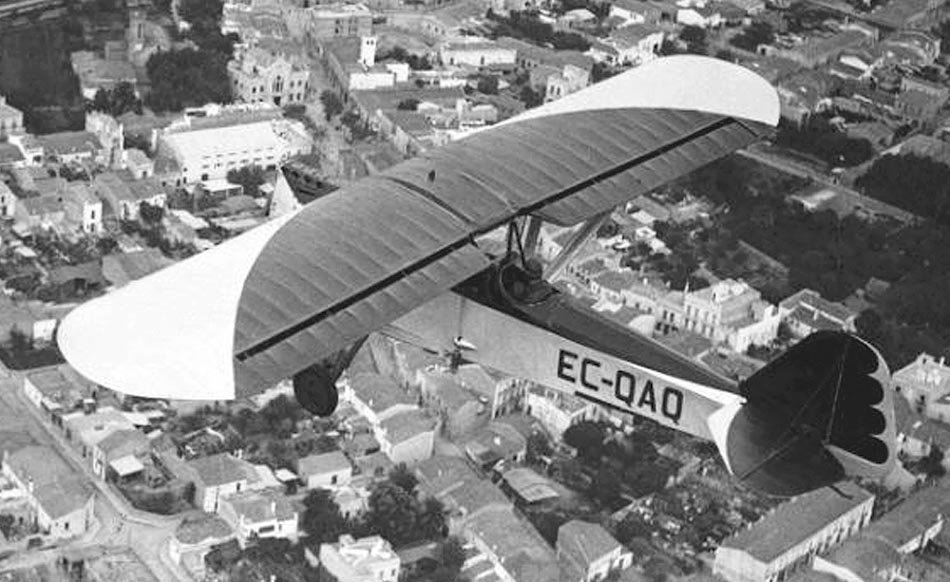
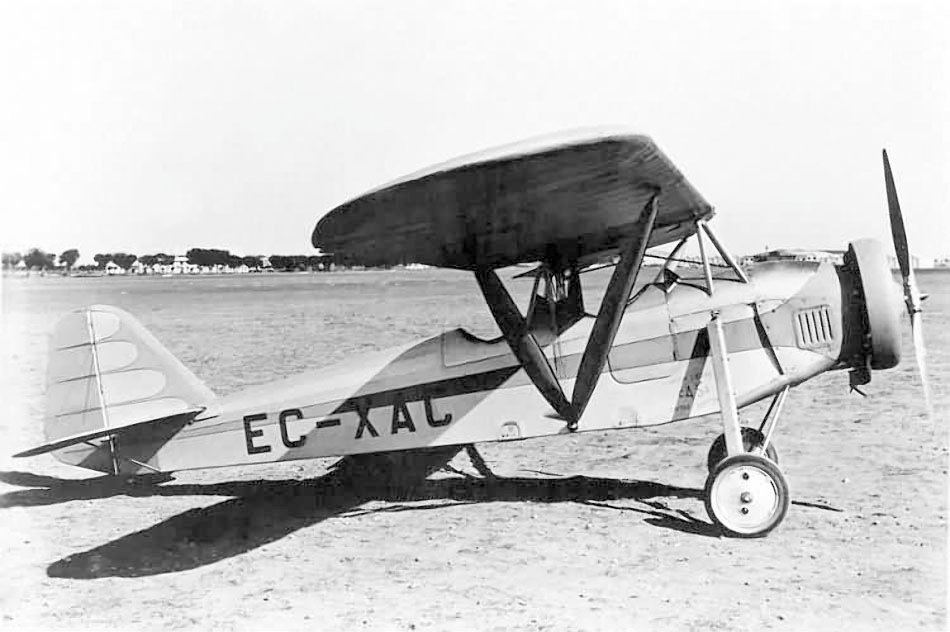
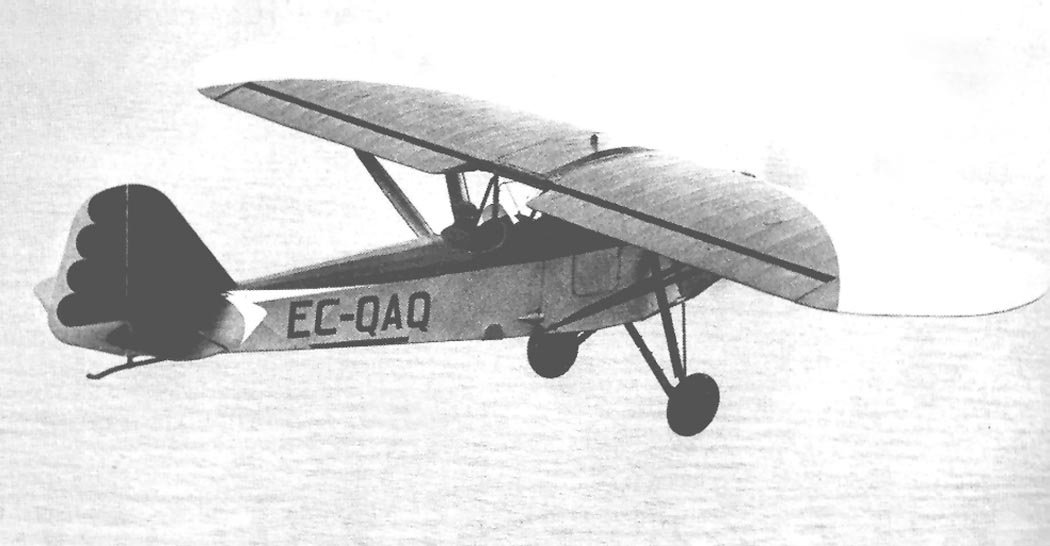
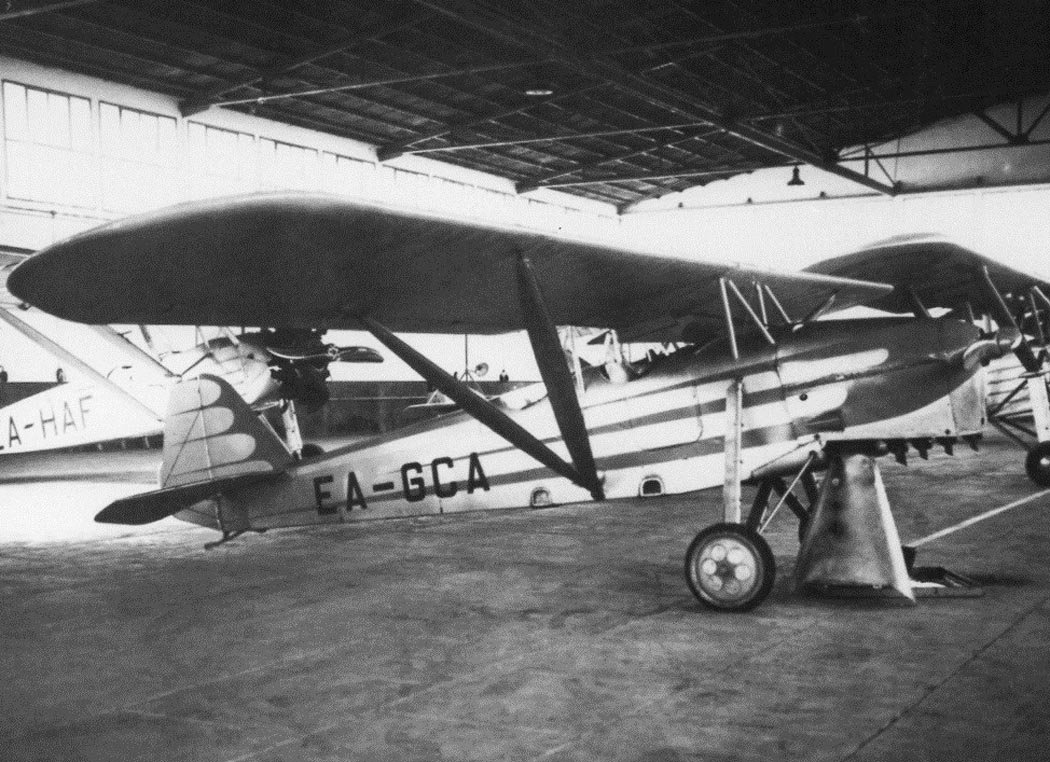
The prototype aircraft first flew on July 2, 1929. It was a two-seater braced high-wing monoplane, equipped with a 90 hp (67 kW) Cirrus III engine. Within a few weeks, the machine participated in a race between Madrid and Burgos, and in December, the CASA III became the first light aircraft to land in the Canary Islands.
Evolution and Versatility
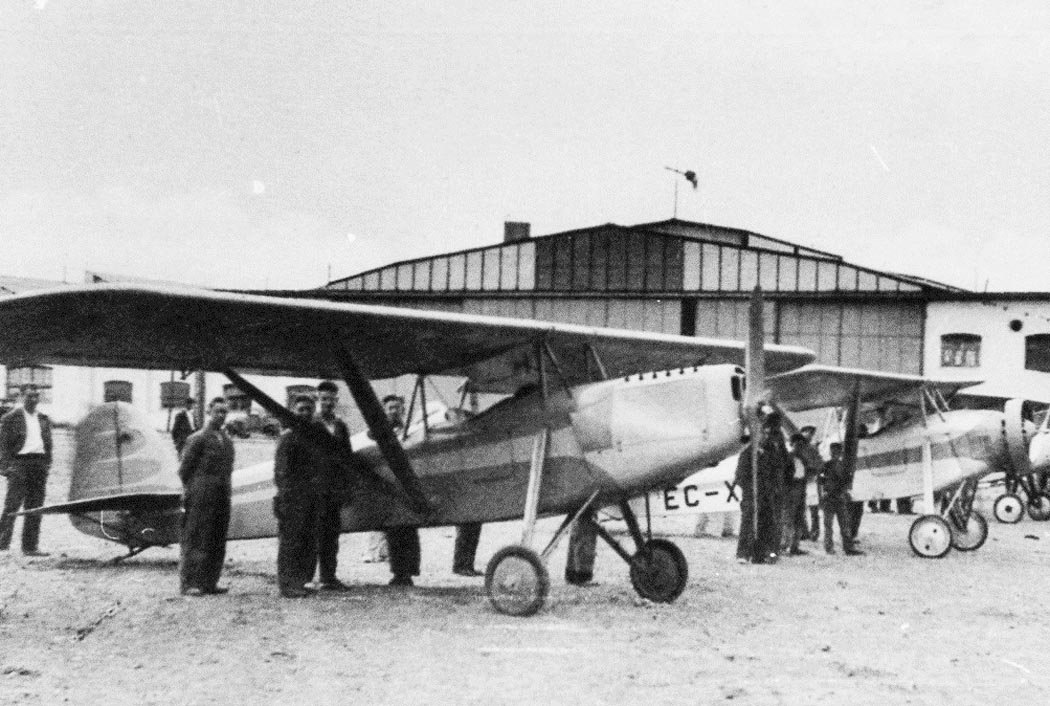
In 1930, a second prototype was released, fitted with an Italian Isotta Fraschini Asso 80 A engine producing 100 hp (75 kW). In total, nine CASA III aircraft were built, equipped with various engines, including de Havilland Gipsy I, II, III, Lorraine 5P, Walter Venus, and Elizalde DV.
Service and Final Fate
Several CASA III aircraft were used by the Republicans during the Spanish Civil War. All of them were unfortunately lost during combat operations.
Technical Specifications
| Modification | CASA III |
| Wingspan, m | 11.60 |
| Aircraft length, m | 7.50 |
| Aircraft height, m | 2.50 |
| Wing area, m2 | 18.00 |
| Empty weight | 480 |
| Maximum takeoff weight | 800 |
| Engine type | 1 de Havilland Gipsy I Piston engine |
| Power, hp | 1 x 95 |
| Maximum speed, km/h | 200 |
| Cruising speed, km/h | 175 |
| Practical range, km | 1000 |
| Rate of climb, m/min | 179 |
| Practical ceiling, m | 4500 |
| Crew | 2 |
Image gallery of the CASA III