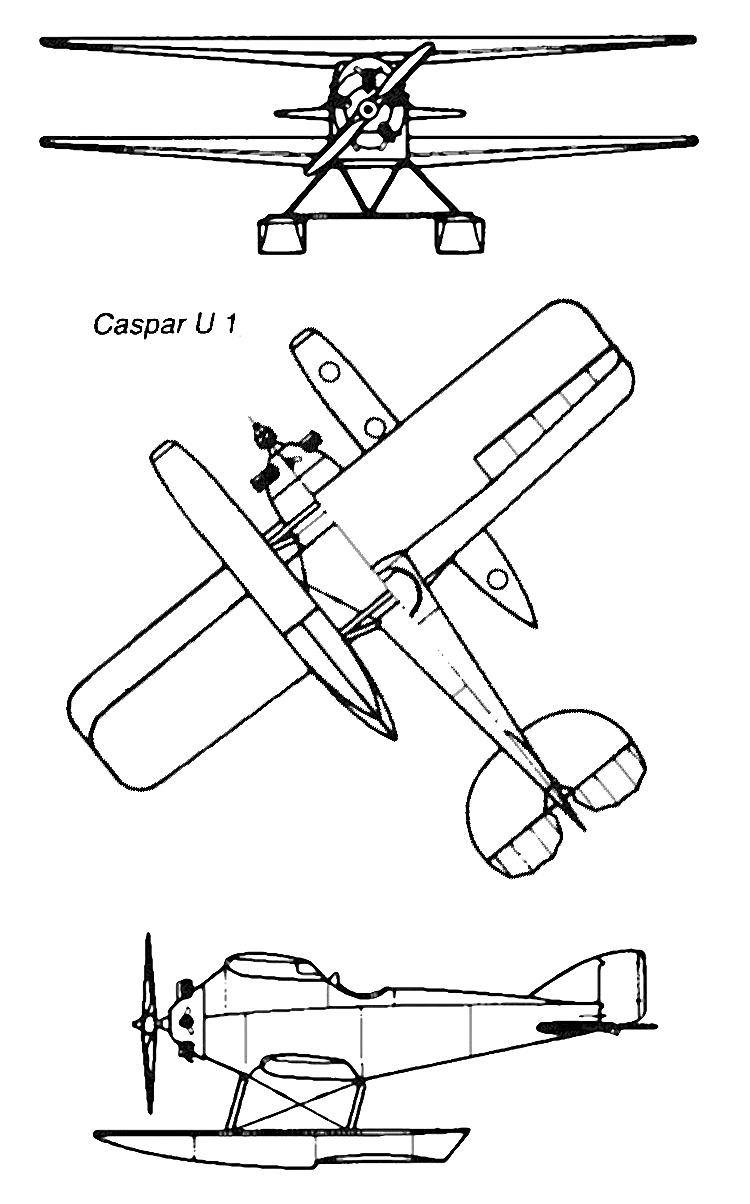
Karl Caspar established his first firm, Zentrale für Aviatik, back in 1911. This company was engaged in the licensed production of aircraft from Etrich and Rumpler. During the First World War, the firm ceased its activities, and it was not until 1921 that Caspar re-established a company in Travemünde named Hanseatische Flugzeugwerke Karl Caspar AG, which changed its name to Caspar-Werke AG in 1924.
Innovative Design and Origins
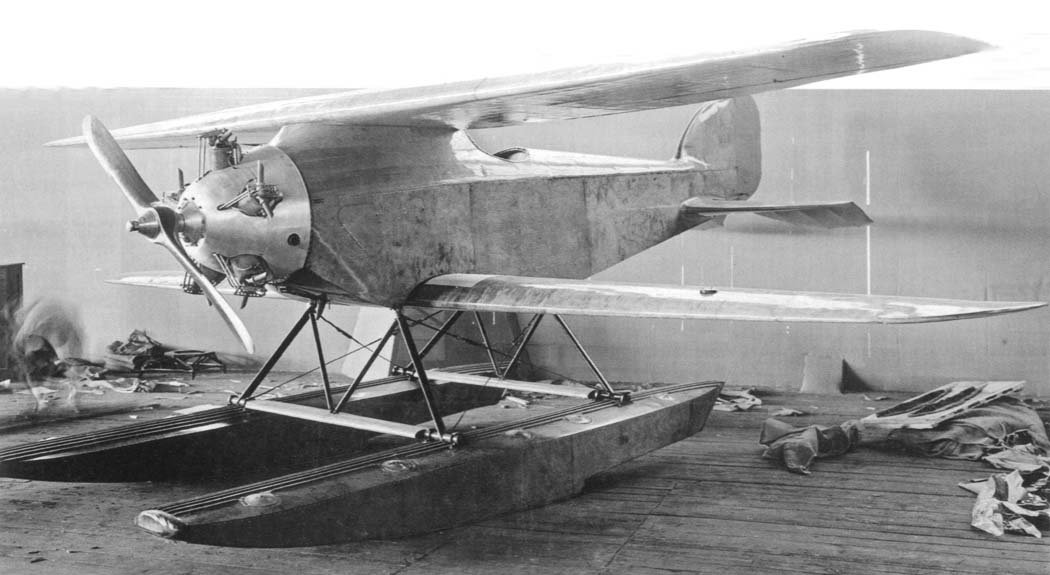
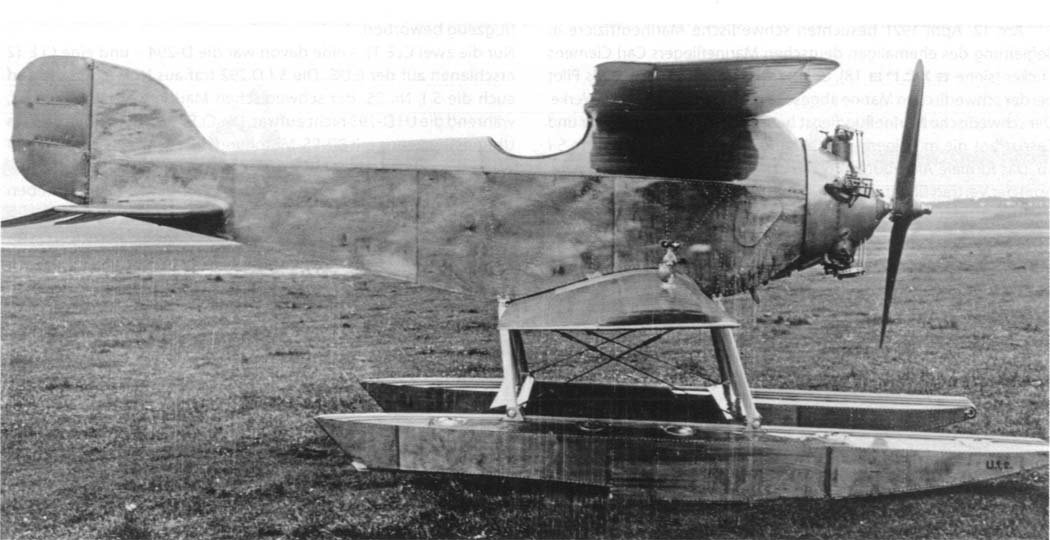
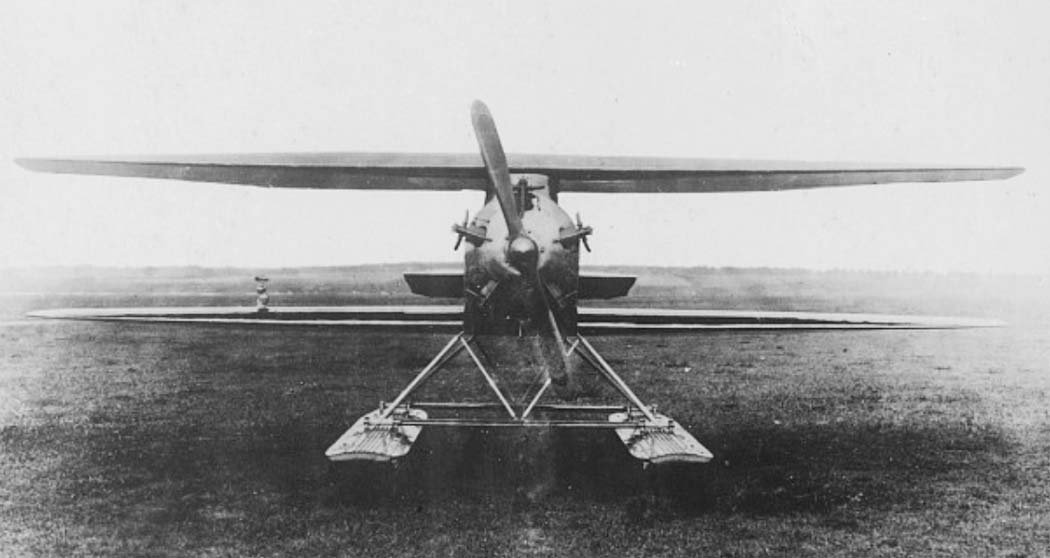
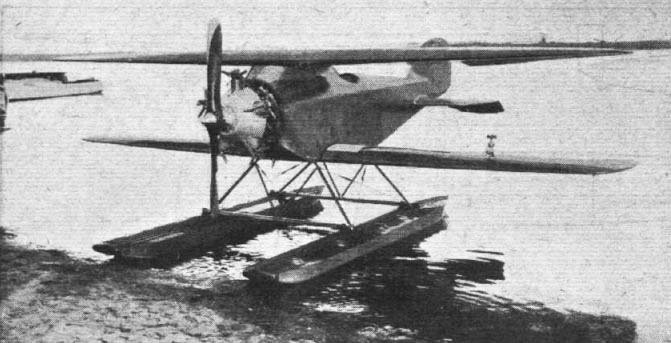
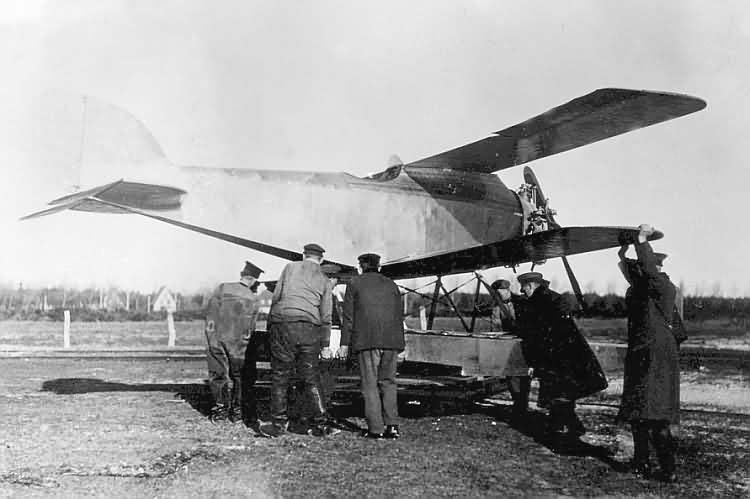
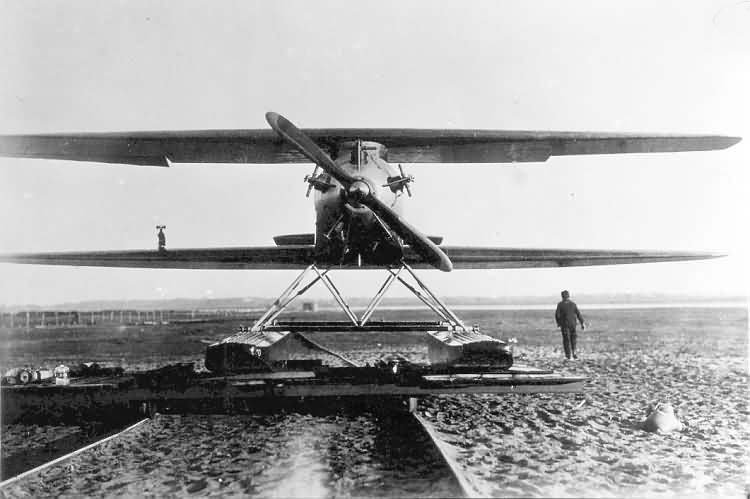
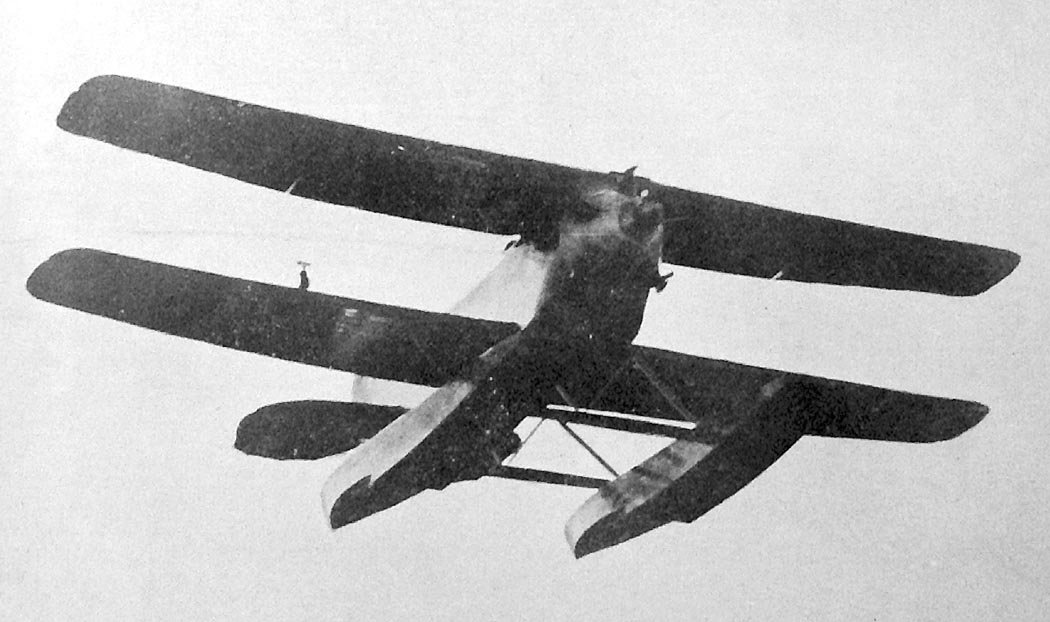
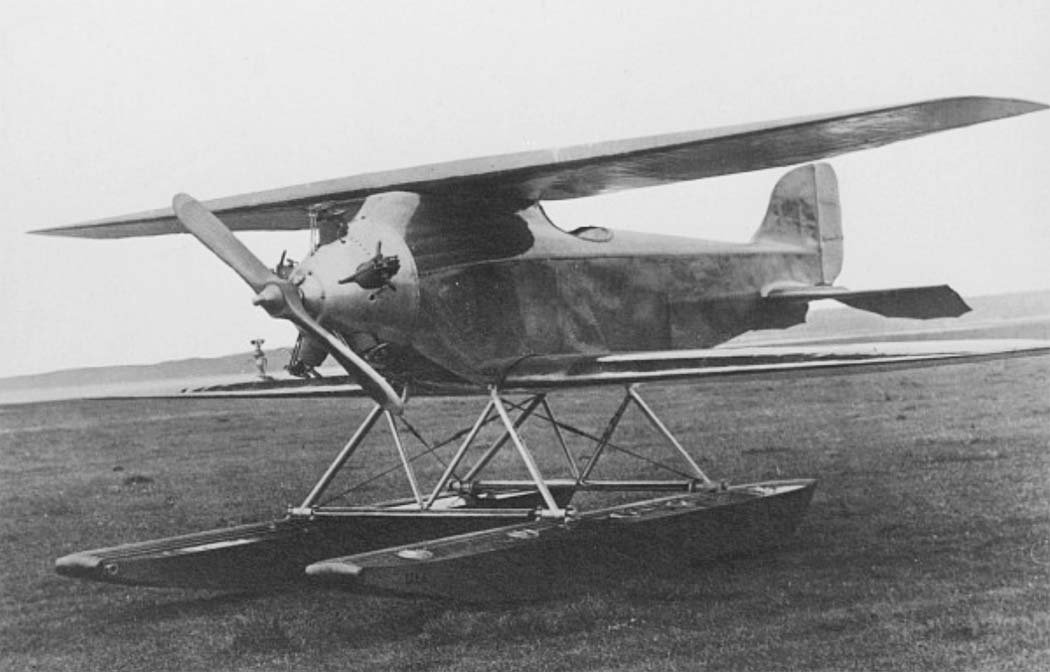
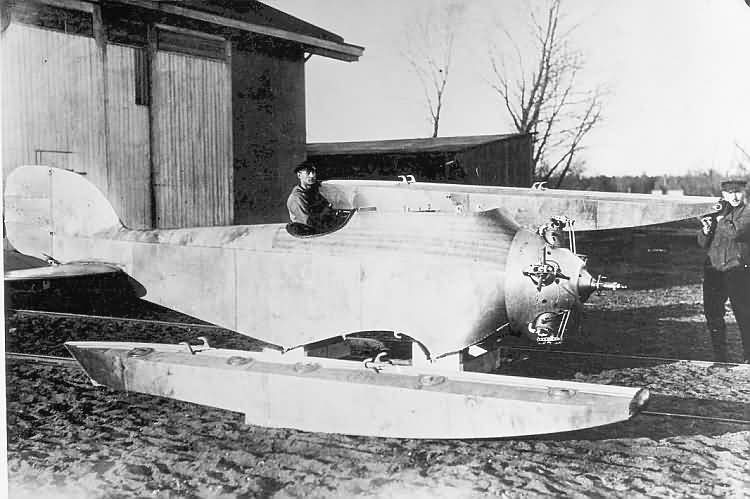
Ernst Heinkel became the chief designer of the firm, developing its first project: the single-seat reconnaissance seaplane Caspar U.1, sometimes referred to as Caspar-Heinkel U.1. This seaplane was small in size and specifically designed for deployment from submarines.
The U.1 (D-293) made its maiden flight in 1922, effectively becoming Germany’s first military aircraft developed after the capitulation in World War I. This achievement marked a significant step in the post-war resurgence of German aviation.
Key Features and Early Operations
A notable feature of the aircraft was its ease of disassembly and storage in a container. During trials, a four-person team could assemble the aircraft in just a few minutes after removing it from its transport container, showcasing its operational efficiency and quick deployment capabilities.
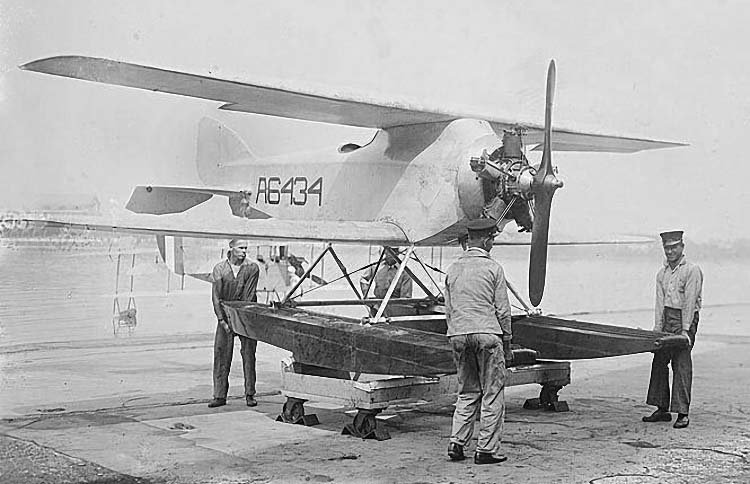
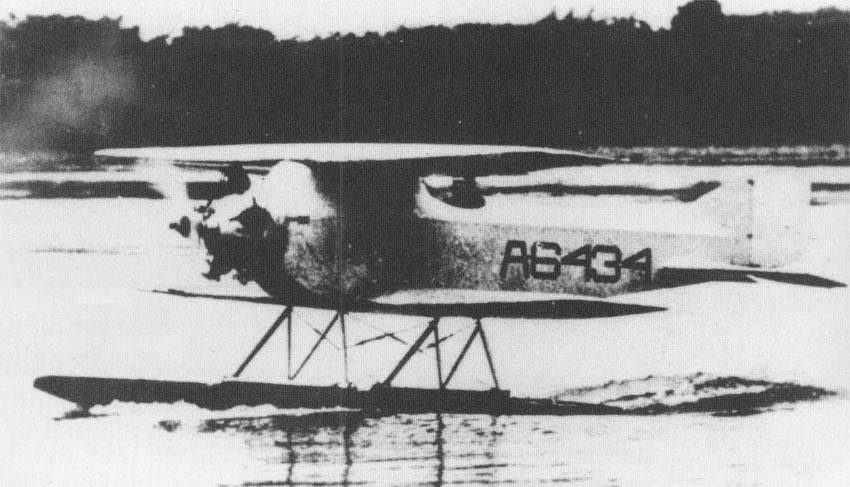
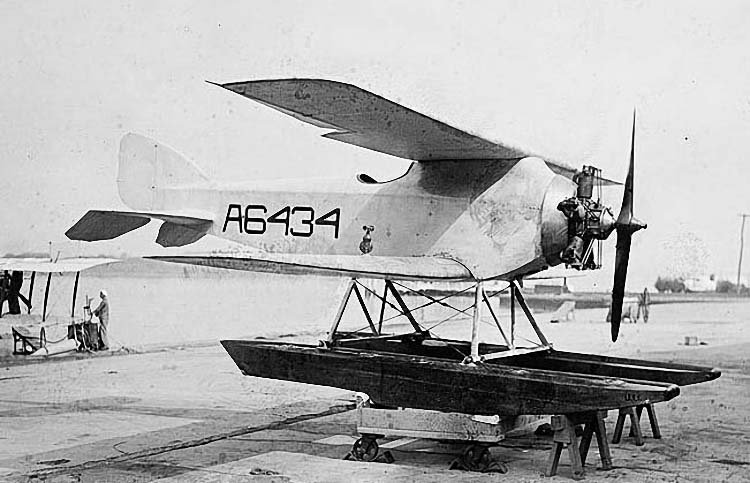
As German naval aviation (Reichsmarine) did not exist at the time, two examples of the aircraft (A6434 and A6435) were sold to the U.S. Navy at the end of 1922. There, they underwent testing until 1923, providing valuable insights into their operational potential.
Successor and Legacy
The U.2 project was a further development of the aircraft, featuring a more powerful Oberursel U0 engine. Two examples were built and subsequently sold to Japan. These aircraft became the basis for the Yokosho Navy Type 1, extending Caspar-Werke’s influence in international aviation.
Technical Specifications
| Modification | U.1 |
| Wingspan, m | 7. 20 |
| Length, m | 6. 20 |
| Height, m | 2.59 |
| Wing area, m2 | 14.00 |
| Empty weight | 360 |
| Maximum takeoff weight | 582 |
| Engine type | 1 Piston engine Siemens Sh 4 |
| Power, hp | 1 x 55 |
| Maximum speed, km/h | 1 45 |
| Cruising speed, km/h | 120 |
| Practical range, km | 360 |
| Rate of climb, m/min | 167 |
| Practical ceiling, m | 3000 |
| Crew | 1 |
Image gallery of the Caspar U.1