Origin and Founding
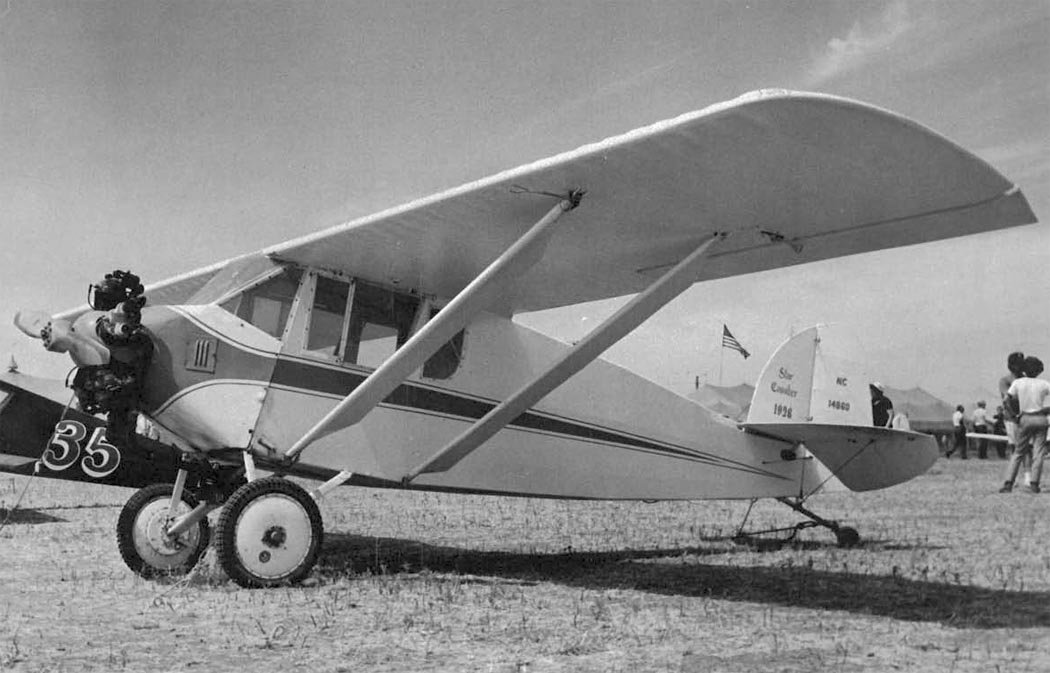
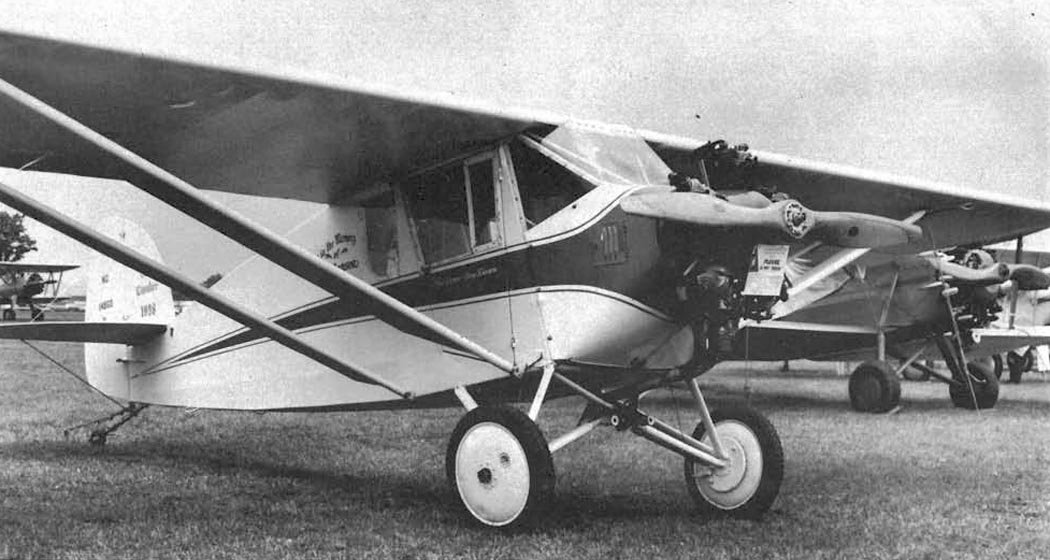
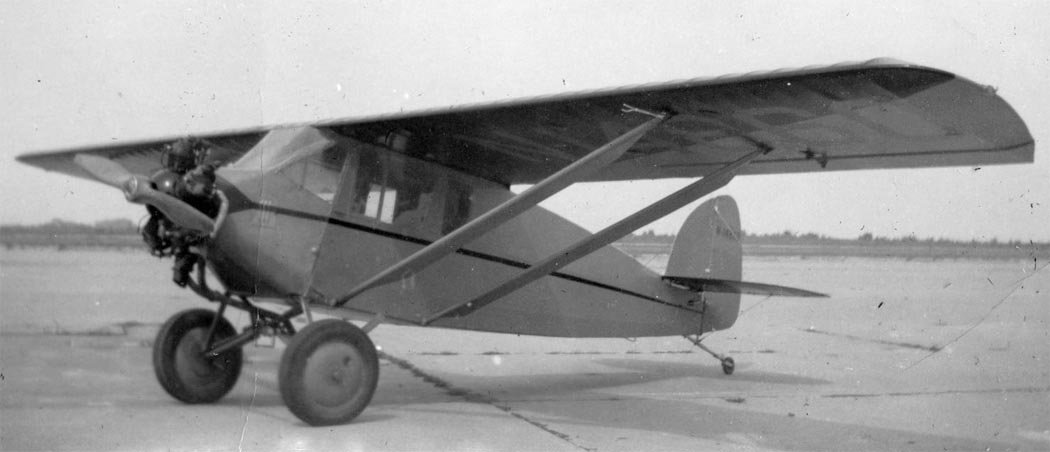
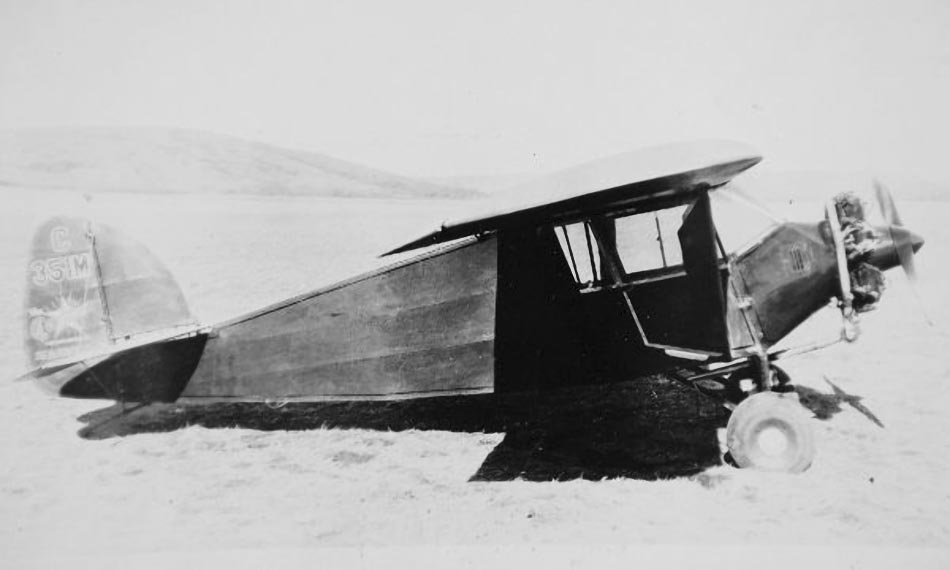
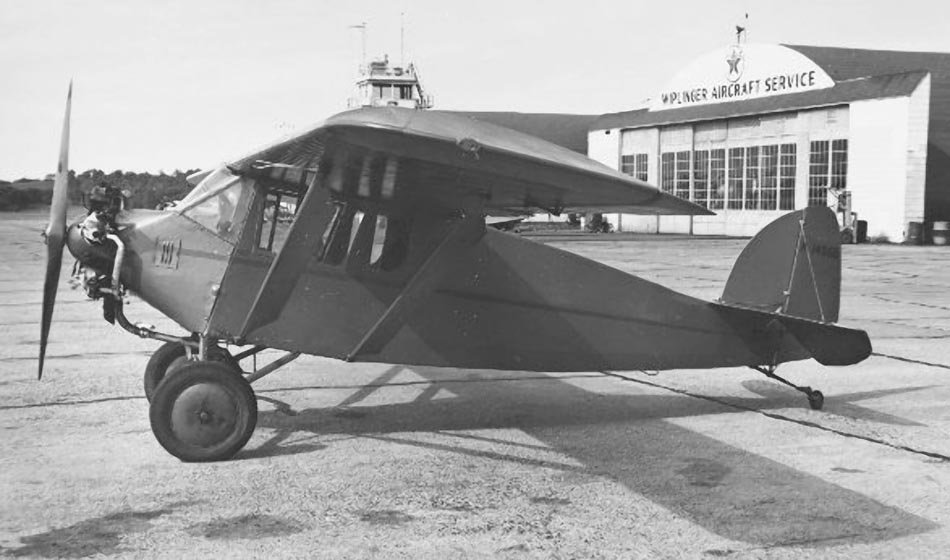
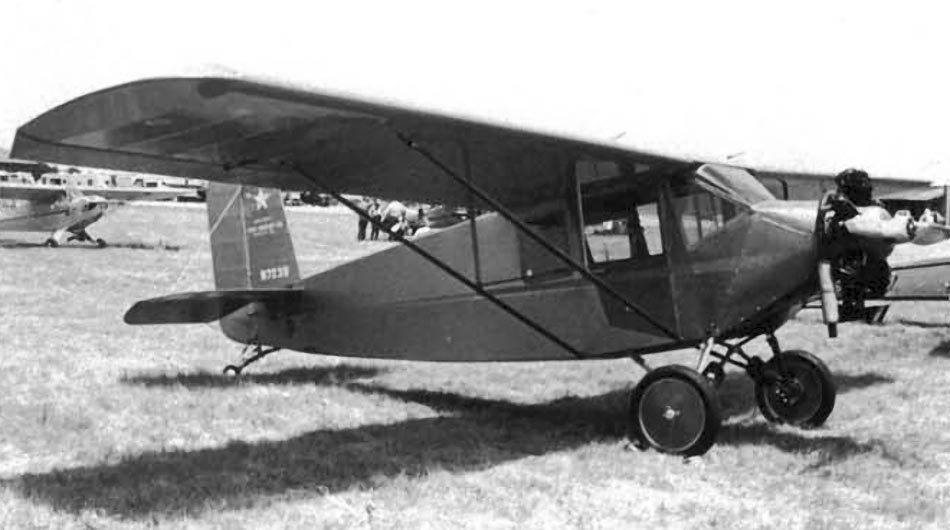
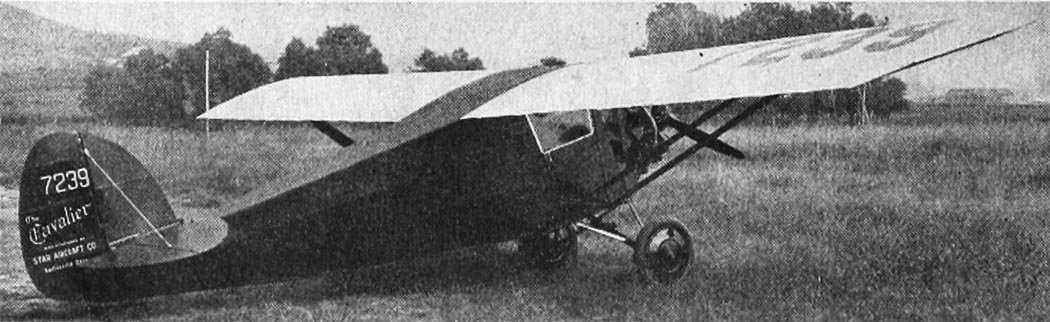
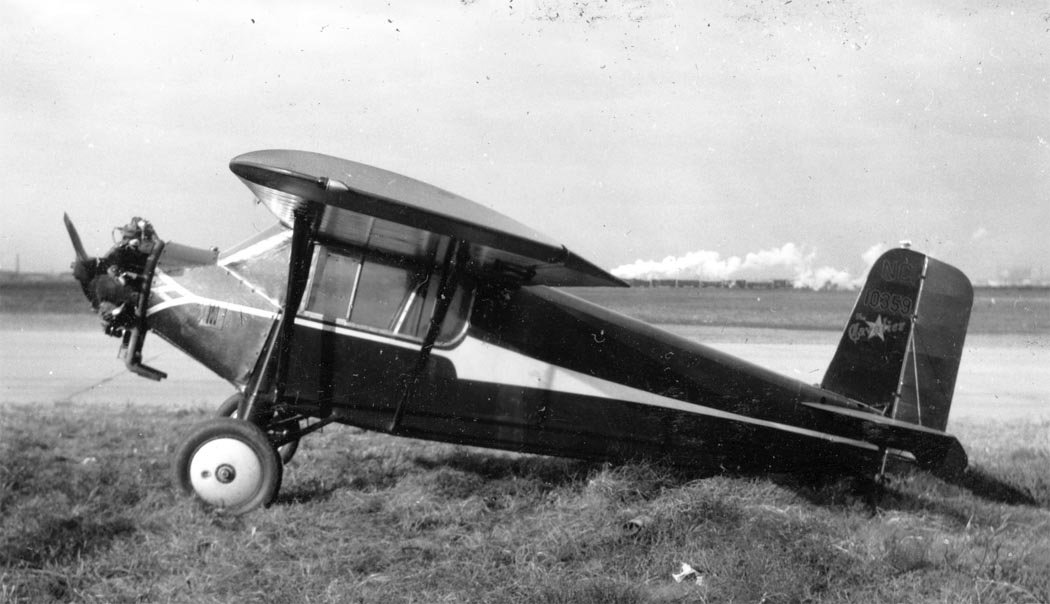
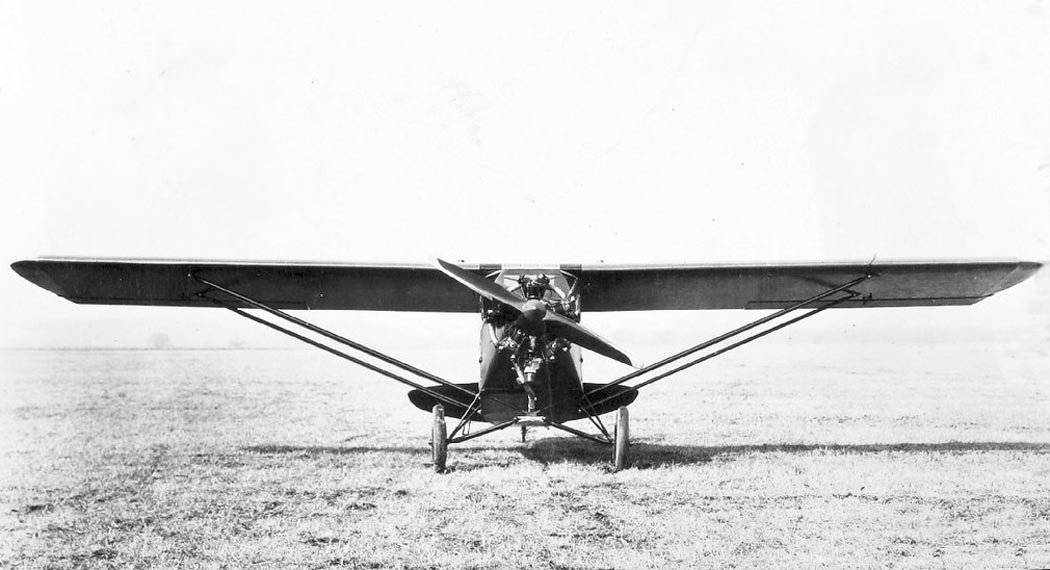
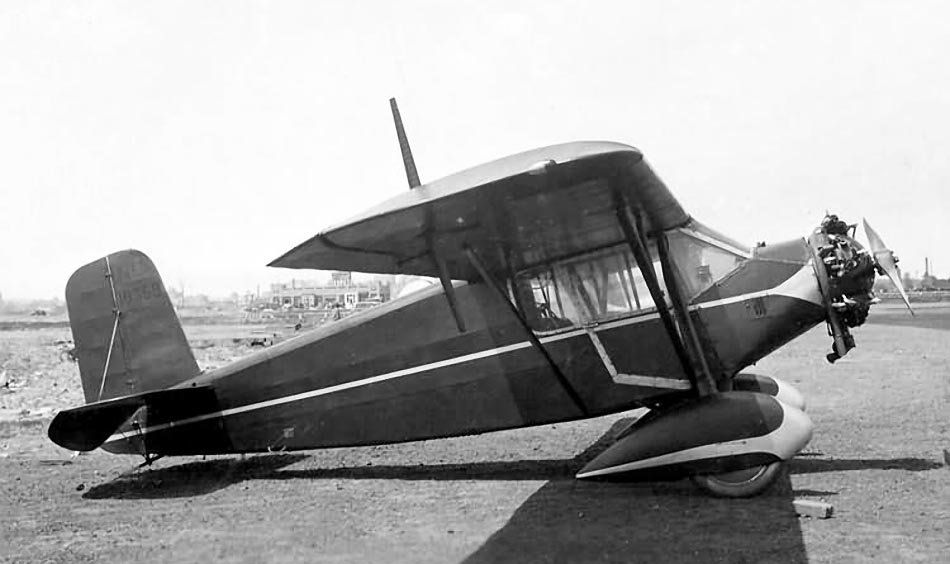
In 1928, Star Aircraft, a division of Phillips Petroleum Co., was established in Bartlesville, Oklahoma. That same year, engineers E.A. Riggs and William Parker unveiled their design for the Star Cavalier A, a light multi-purpose aircraft.
This two-seat strut-braced high-wing monoplane was powered by a 90 hp (67 kW) Lambert R-266 five-cylinder radial engine. Three prototypes of this model were initially built, followed by three dozen more similar aircraft between 1929 and 1930.
Variants and Production
The most mass-produced variant was the Cavalier B, fitted with a 55 hp Velie M-5 engine. Several of the 15 machines built received Lambert R-266 engines, and others were fitted with the 80 hp British Armstrong Siddeley Genet.
One aircraft, designated Cavalier C, was equipped with a 60 hp LeBlond 5D five-cylinder radial engine. Additionally, two more machines, marked Cavalier D, were built with Genet engines.
Final Evolution
In 1930, 13 units of the Cavalier E, featuring the Lambert R-266 engine, were sold. The last variant in the family was also named Cavalier E, equipped with a Warner Junior engine, marking the end of the series.
Technical Specifications
| Modification | Cavalier B |
| Wingspan, m | 9.60 |
| Aircraft length, m | 6.00 |
| Aircraft height, m | 1.91 |
| Wing area, m2 | 14.59 |
| Empty weight | 336 |
| Maximum takeoff weight | 580 |
| Fuel, l | 98 |
| Engine type | 1 Piston engine Velie M-5 |
| Power, hp | 1 x 55 |
| Maximum speed, km/h | 169 |
| Cruising speed, km/h | 1 40 |
| Practical range, km | 800 |
| Rate of climb, m/min | 244 |
| Service ceiling, m | 3658 |
| Crew | 2 crew |
Image gallery of the Star Cavalier