The Cody No.6 and the Michelin Cup
After three victories in the Michelin Cup, Samuel Franklin Cody was confident of success in the next competition: the 1913 British Empire Race. The “Daily Mail” had established a prize of £5,000 for the winner of this race, providing a strong incentive for participants.
Design and Powerplant
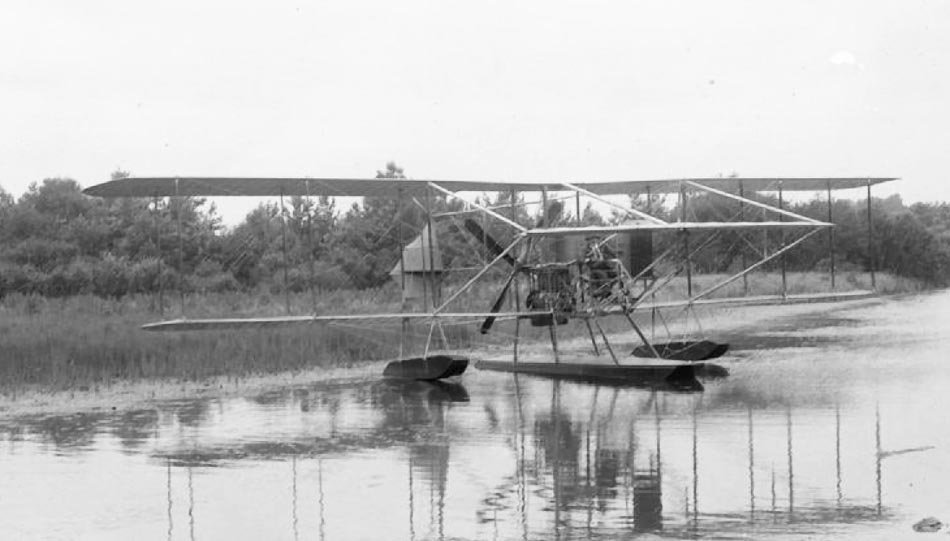
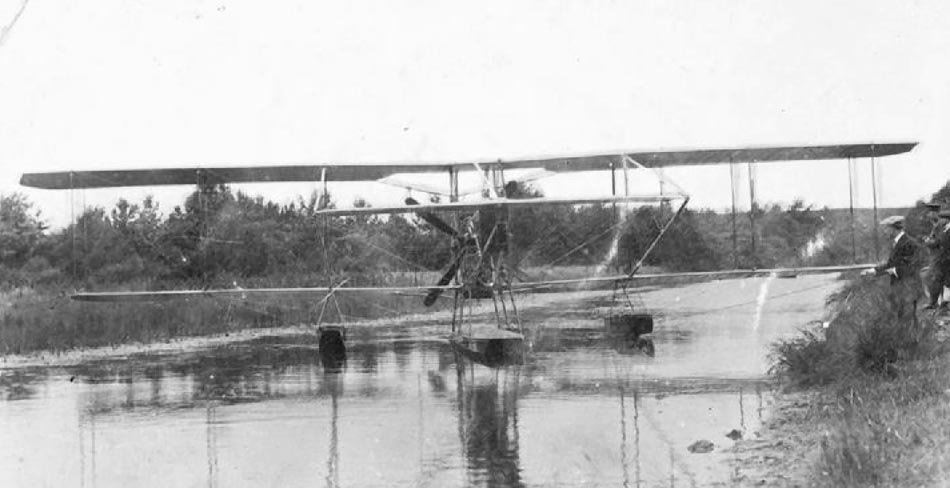
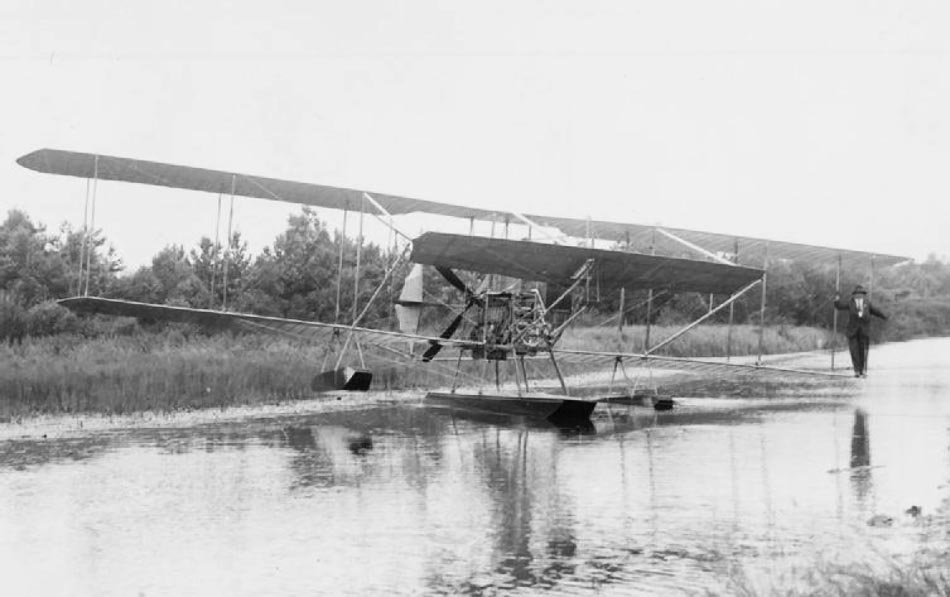
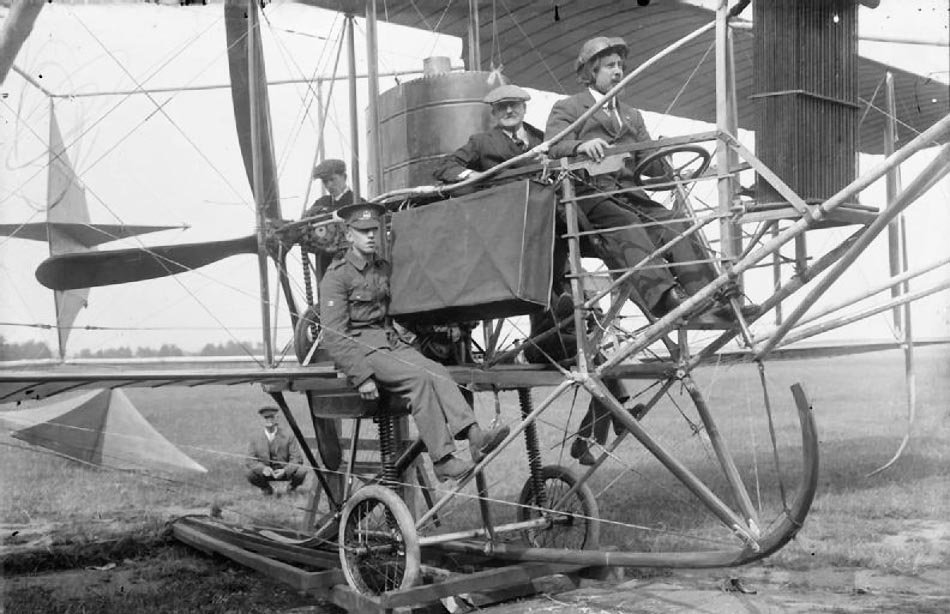
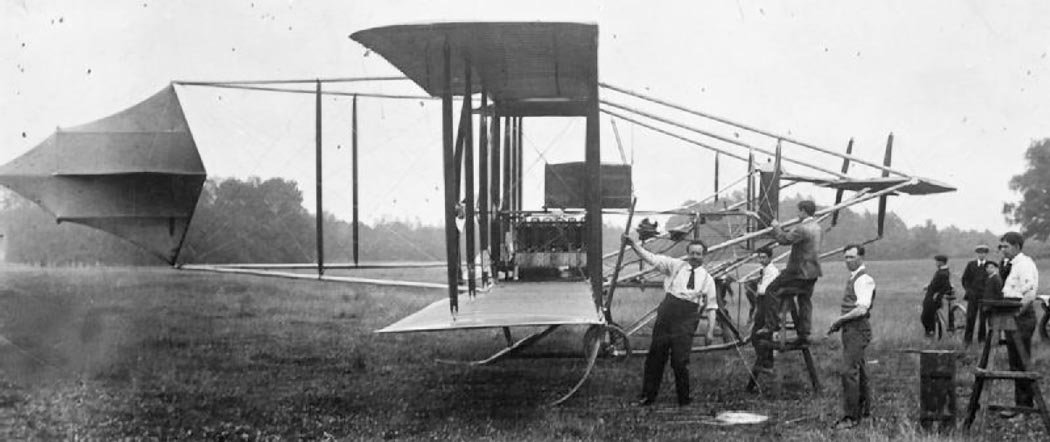
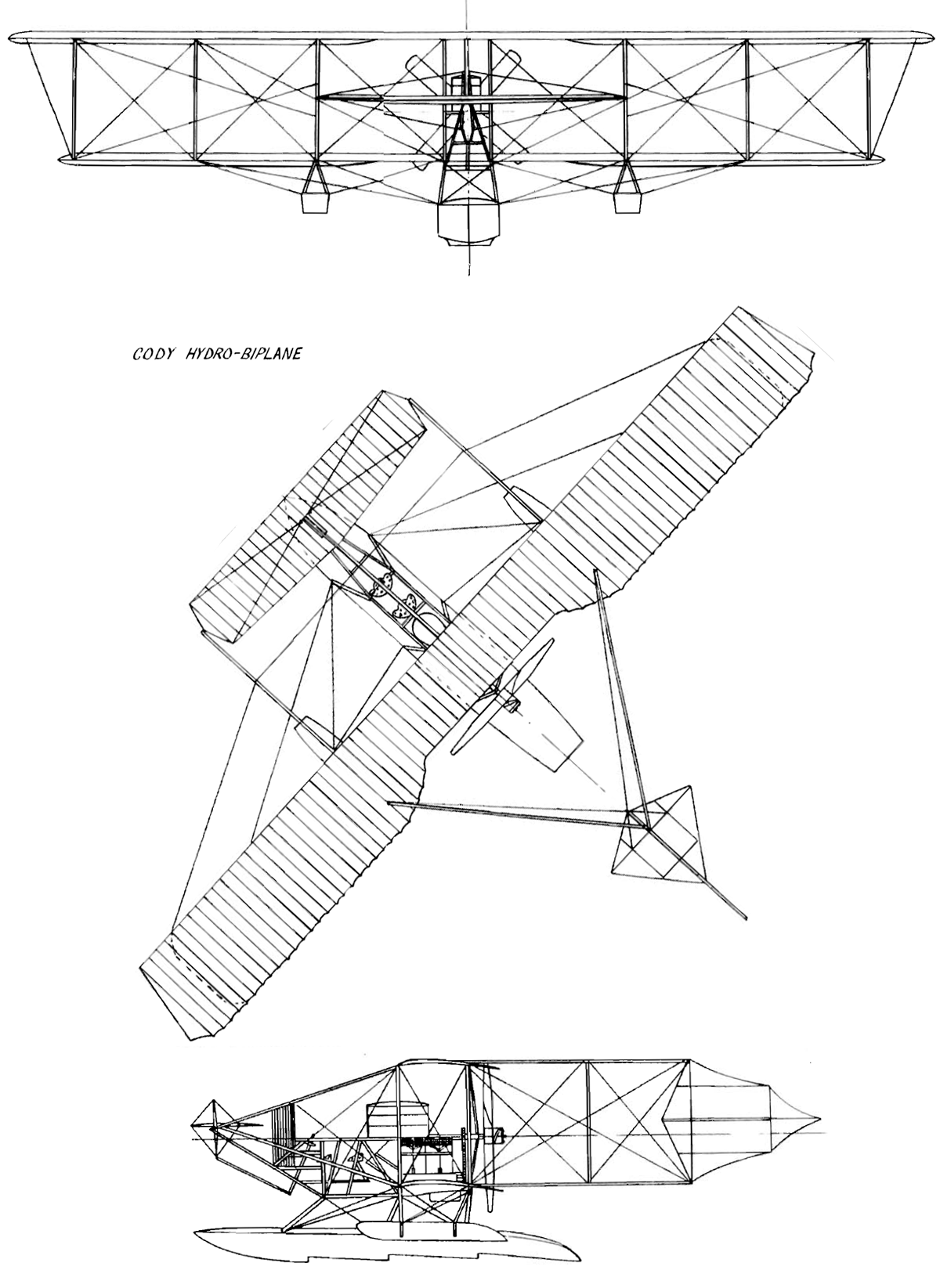
Cody constructed the refined Cody No.6 biplane, which, in principle, repeated his earlier designs. As the races were to take place in a coastal area, Cody fitted the aircraft with float landing gear, consisting of a large central float and two outriggers. Cody’s hydro-biplane was powered by a 100-horsepower, six-cylinder Green engine.
The Tragic Final Flight
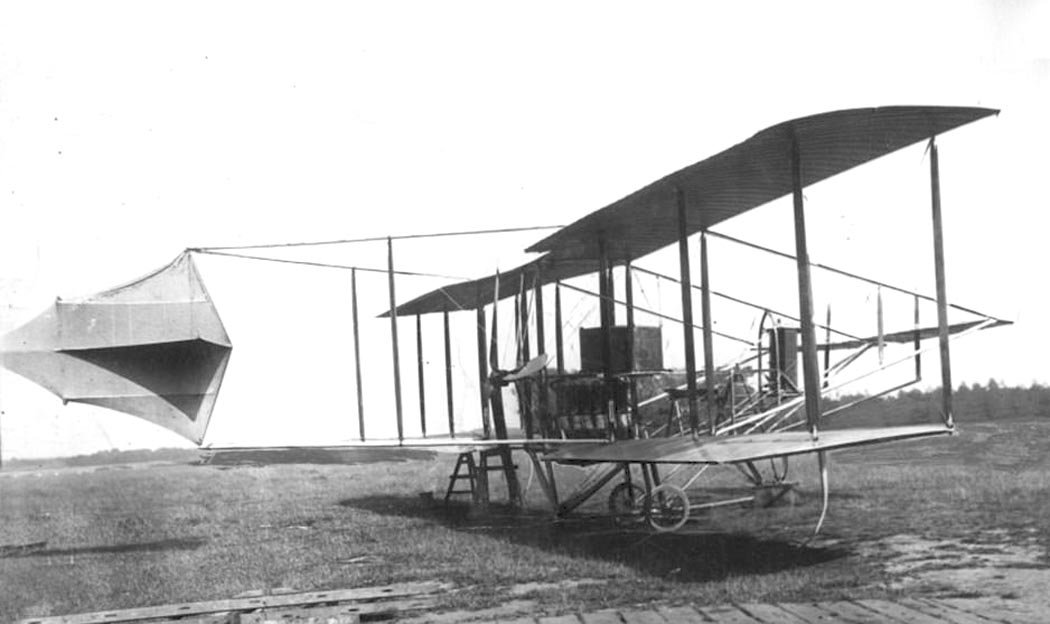
Following the initial successful flights, the float landing gear was replaced with a wheeled one, and testing continued. During one of these test flights on August 7, 1913, Cody took a passenger aloft. Tragically, the aircraft broke up in the air, killing both the designer-pilot and the passenger. Great Britain thus lost one of its most brilliant aviation pioneers.
Technical Specifications
| Modification | Cody No.6 |
| Wingspan, m | 18.14 |
| Length, m | 12. 42 |
| Height, m | 3.89 |
| Wing area, m2 | 71.54 |
| Engine type | 1 Piston engine Green |
| Power, hp | 1 x 100 |
| Maximum speed, km/h | 113 |
| Crew | 2 crew |
Image gallery of the Cody No.6