
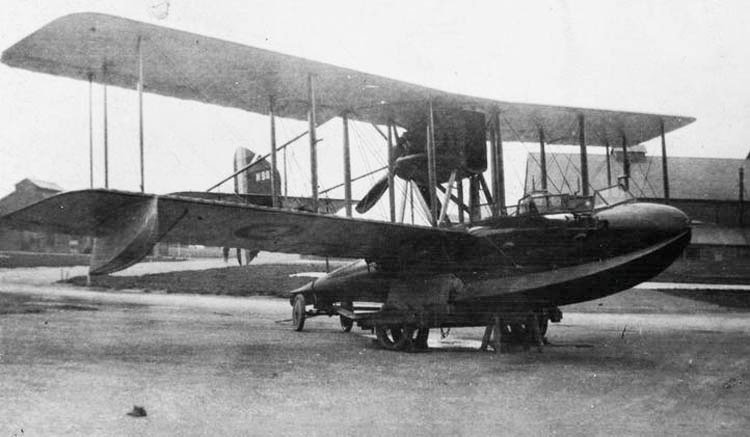
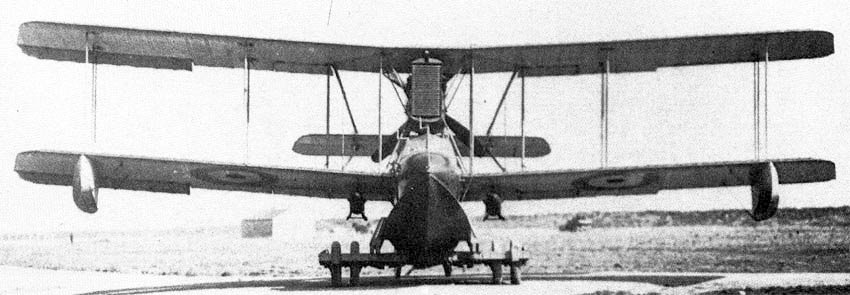
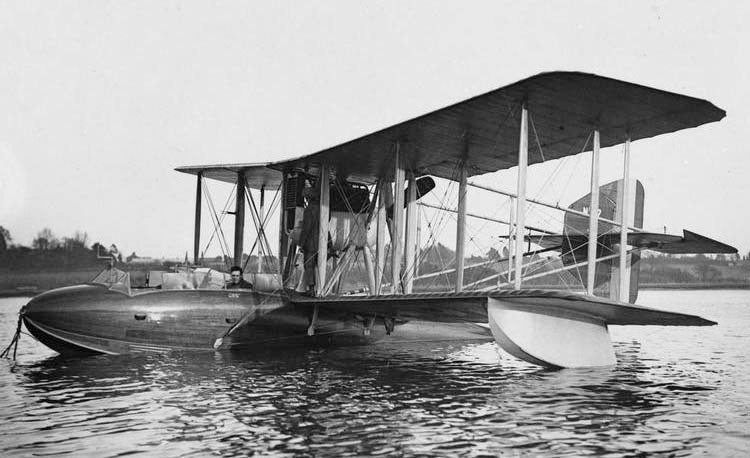
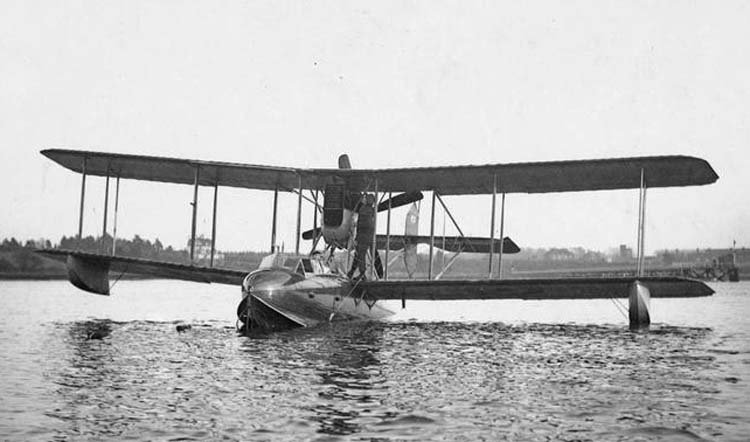
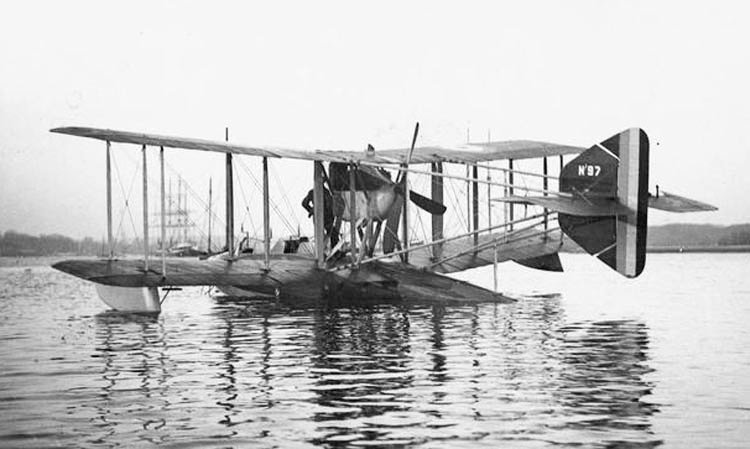
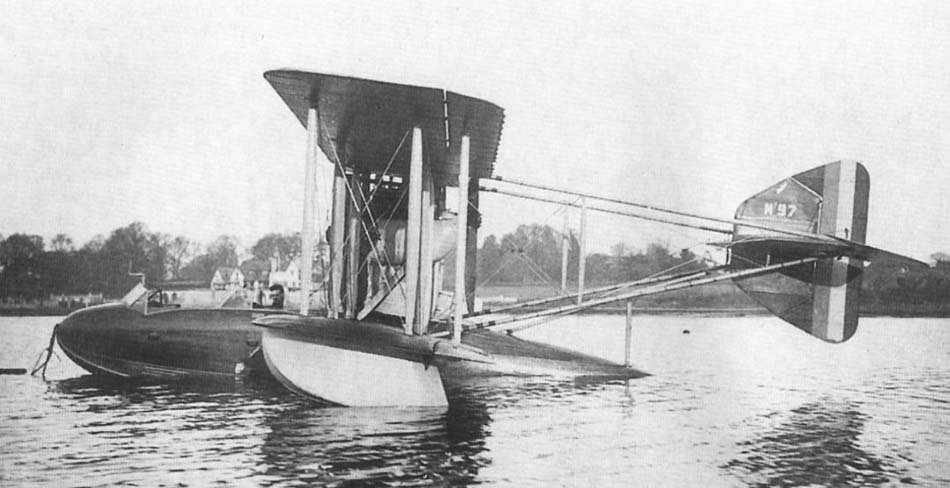
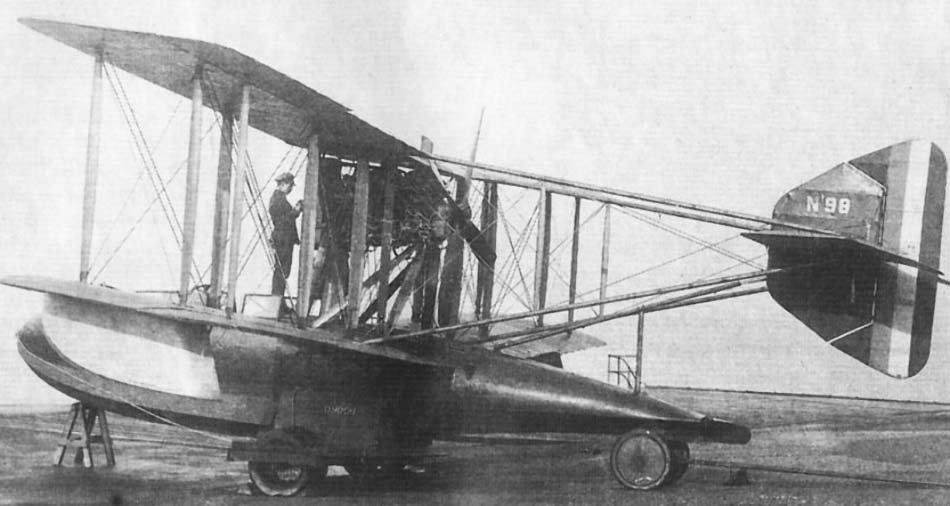
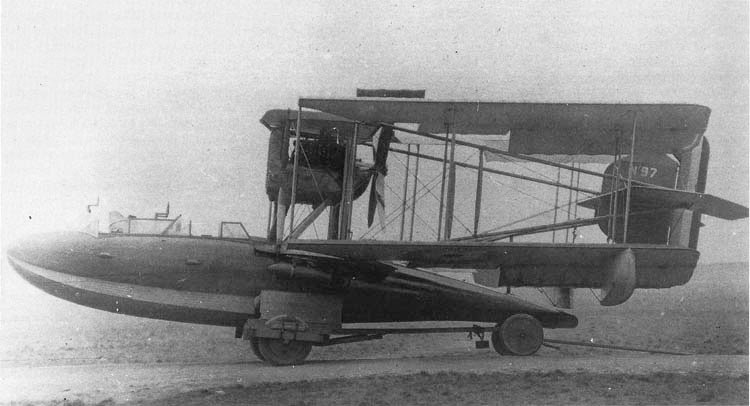
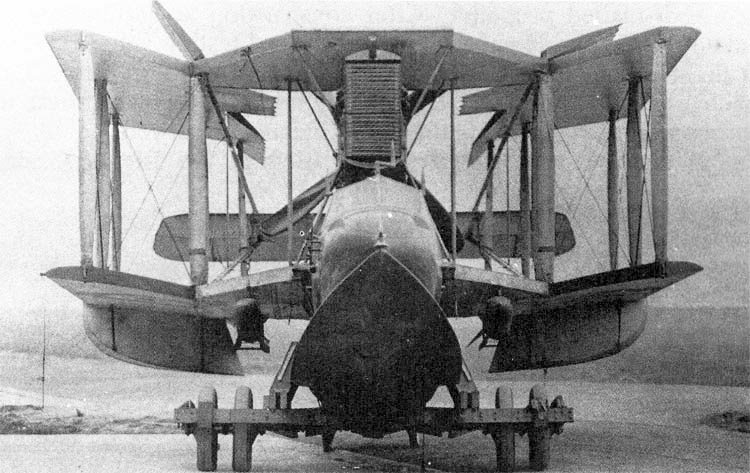
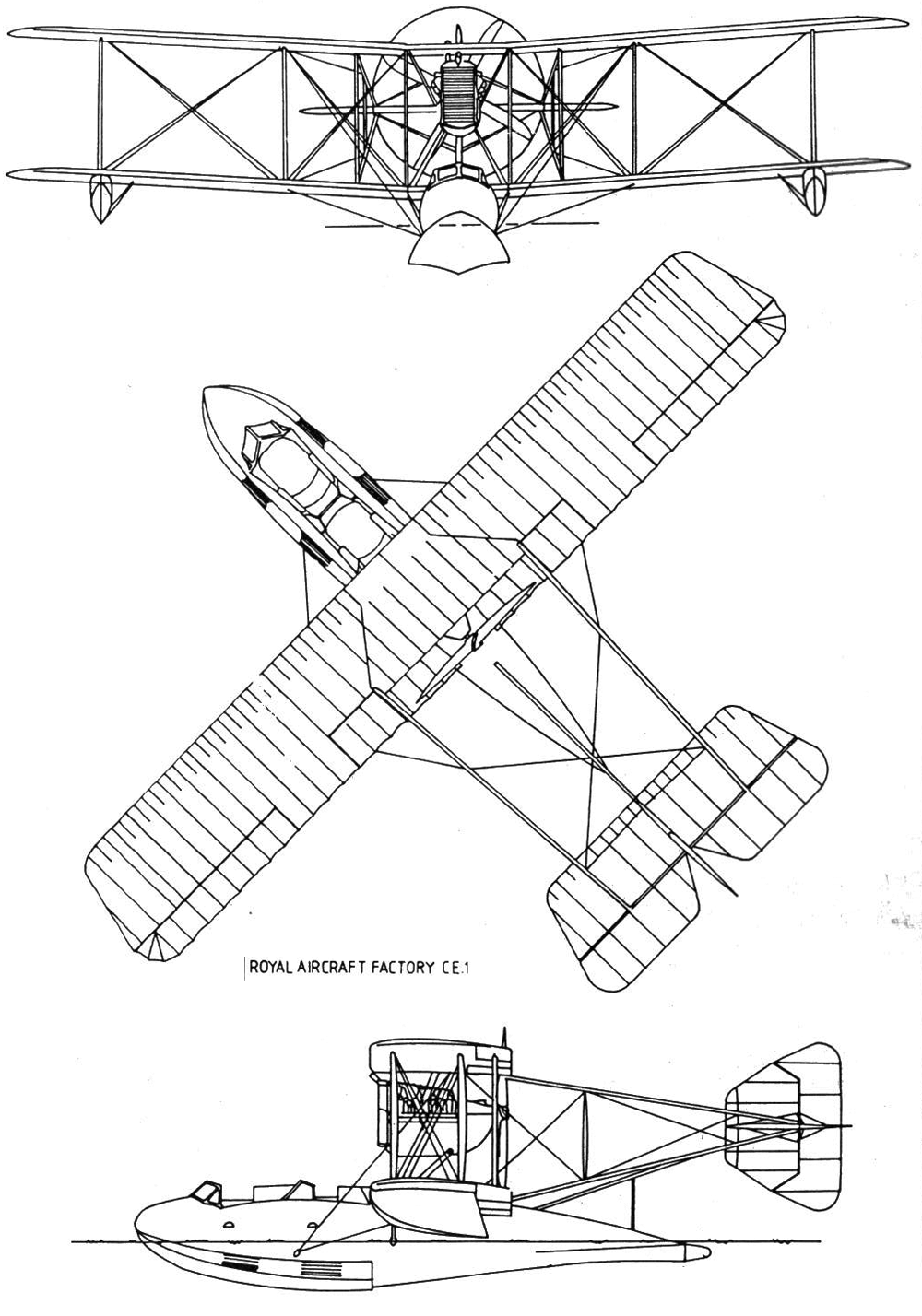
The Royal Aircraft Factory began developing its sole flying boat, the C.E.1 (Coastal Experimental No 1), in February 1917. This aircraft was a two-seater, four-strut wooden biplane. A total of two prototypes were built: the N97, fitted with a 230 hp RAF3a engine, and the N98, featuring a powerful 260 hp Sunbeam Maori engine.
Maiden Flight and Comparative Trials
The first flight of the N97 occurred on January 17, 1918, with the second prototype following suit shortly after. Both aircraft were transferred for comparative testing to the center on Grain Island. As a result of the competition, the Felixstowe company emerged victorious with its F.2 flying boat.
Contribution to Research
Subsequently, both C.E.1 aircraft were utilized in a series of research programs by the National Physical Laboratory.
Technical Specifications
| Modification | CE.1 |
| Wingspan, m | 14.33 |
| Length, m | 11.05 |
| Height, m | 4.06 |
| Wing area, m2 | 56.58 |
| Empty weight | 1470 (1516) |
| Maximum takeoff weight | 2227 (2267) |
| Engine type | 1 Piston engine RAF 3a (Sunbeam Maori) |
| Power, hp | 1 x 230 (260) |
| Maximum speed, km/h | 142 (148) |
| Cruising speed, km/h | 120 (125) |
| Endurance, h | 4.30 (3.45) |
| Service ceiling, m | 2072 (2286) |
| Crew, crew | 2 |
| Armament: | (planned) three 7.7-mm Lewis machine guns, two 104-kg depth charges |
Image gallery of the C.E.1 (Coastal Experimental No 1)
How to cite this article:
APA: C.E.1 (Coastal Experimental No 1) (). C.E.1 (Coastal Experimental No 1). archivoaereo.com. https://archivoaereo.com/en/c-e-1-coastal-experimental-no-1-2/
VANCOUVER: C.E.1 (Coastal Experimental No 1) [online]. archivoaereo.com; [cited 2026-04-29]. Available at: https://archivoaereo.com/en/c-e-1-coastal-experimental-no-1-2/