Following the departure of chief designers Ernst Heinkel and Karl Theiss from Hanseatische Flugzeugwerke Karl Caspar AG, Ernst von Loessl took over as chief engineer. Alongside military aircraft development, Loessl initiated the design of a range of civil aircraft, marking a new direction for the company. This shift aimed to tap into the burgeoning civilian aviation market.
Design and Technical Specifications
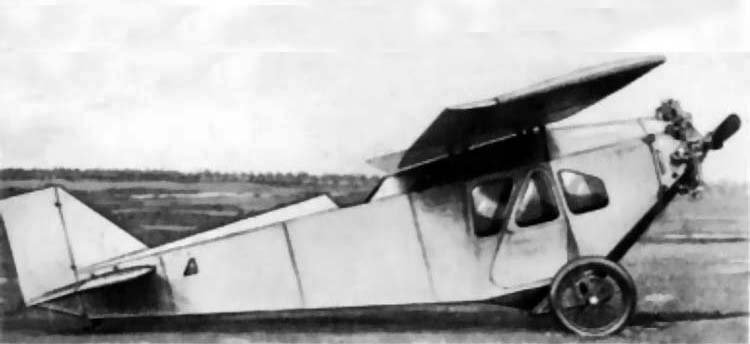
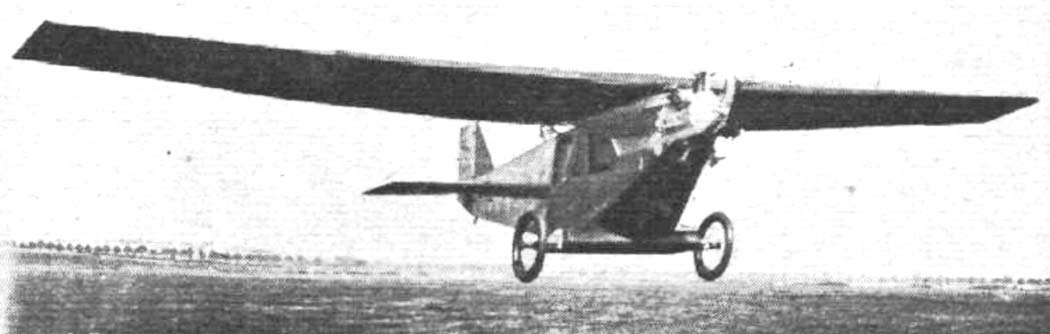
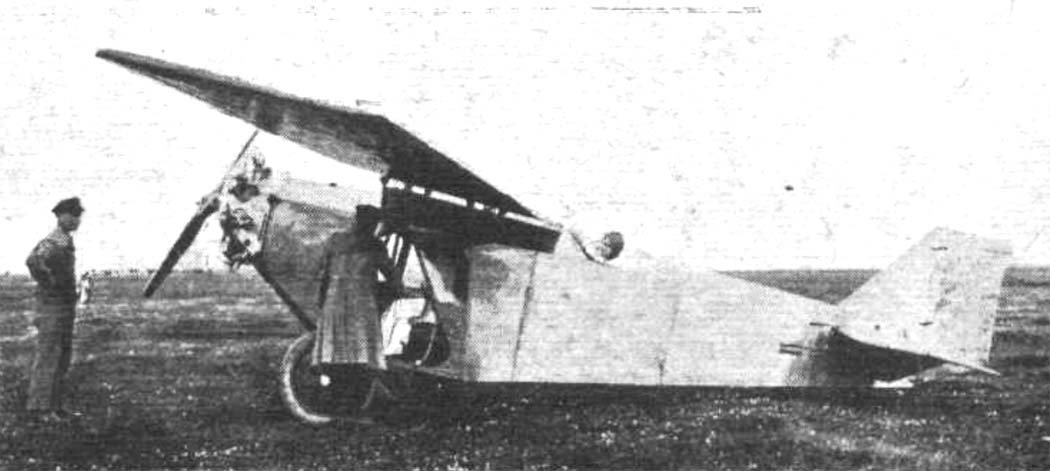
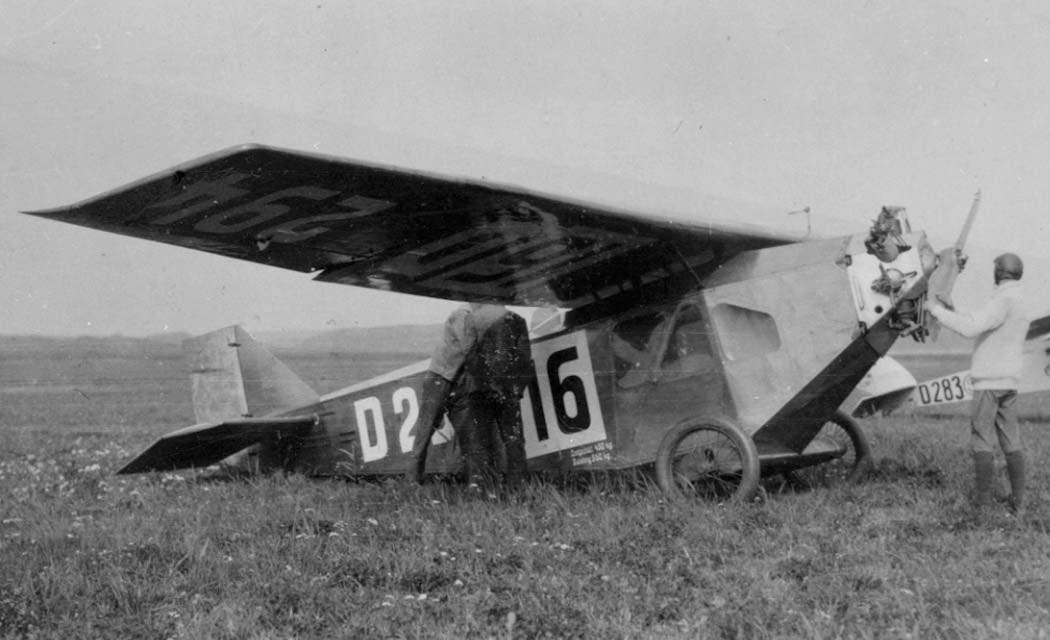
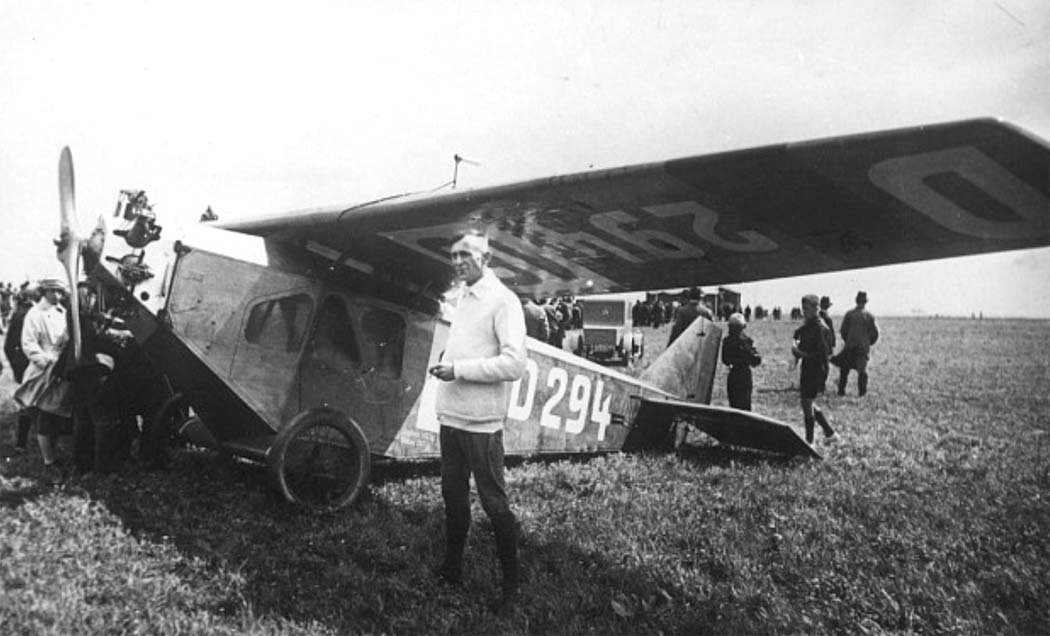
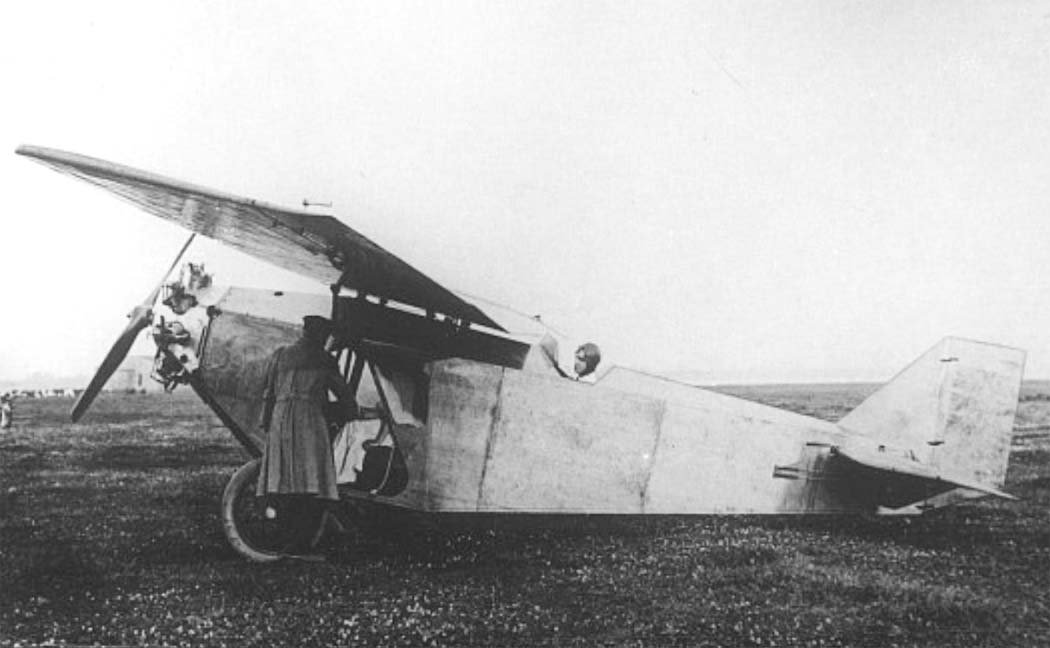
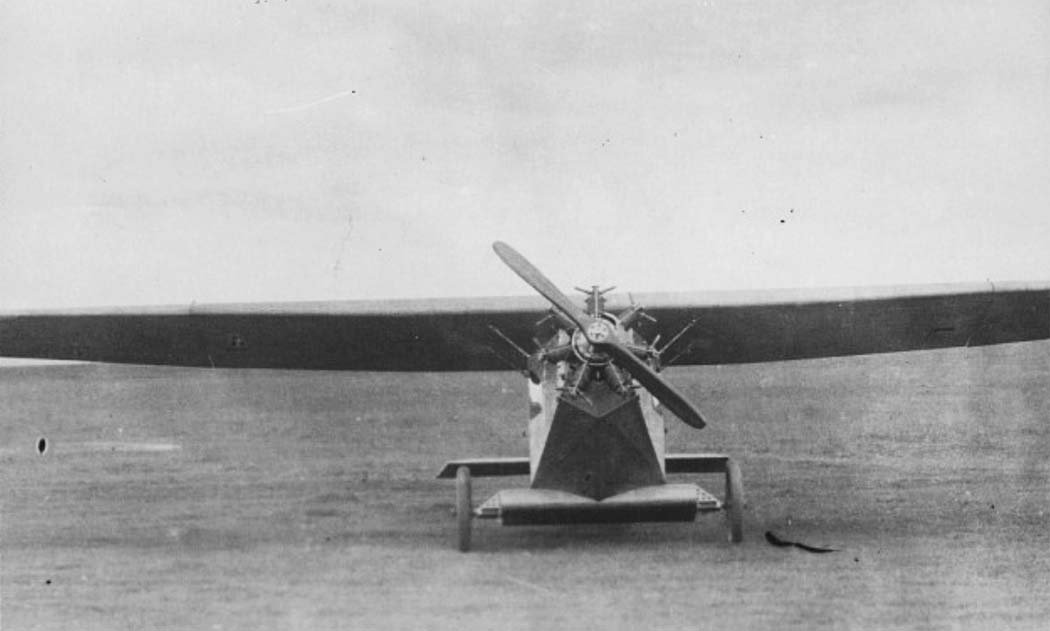
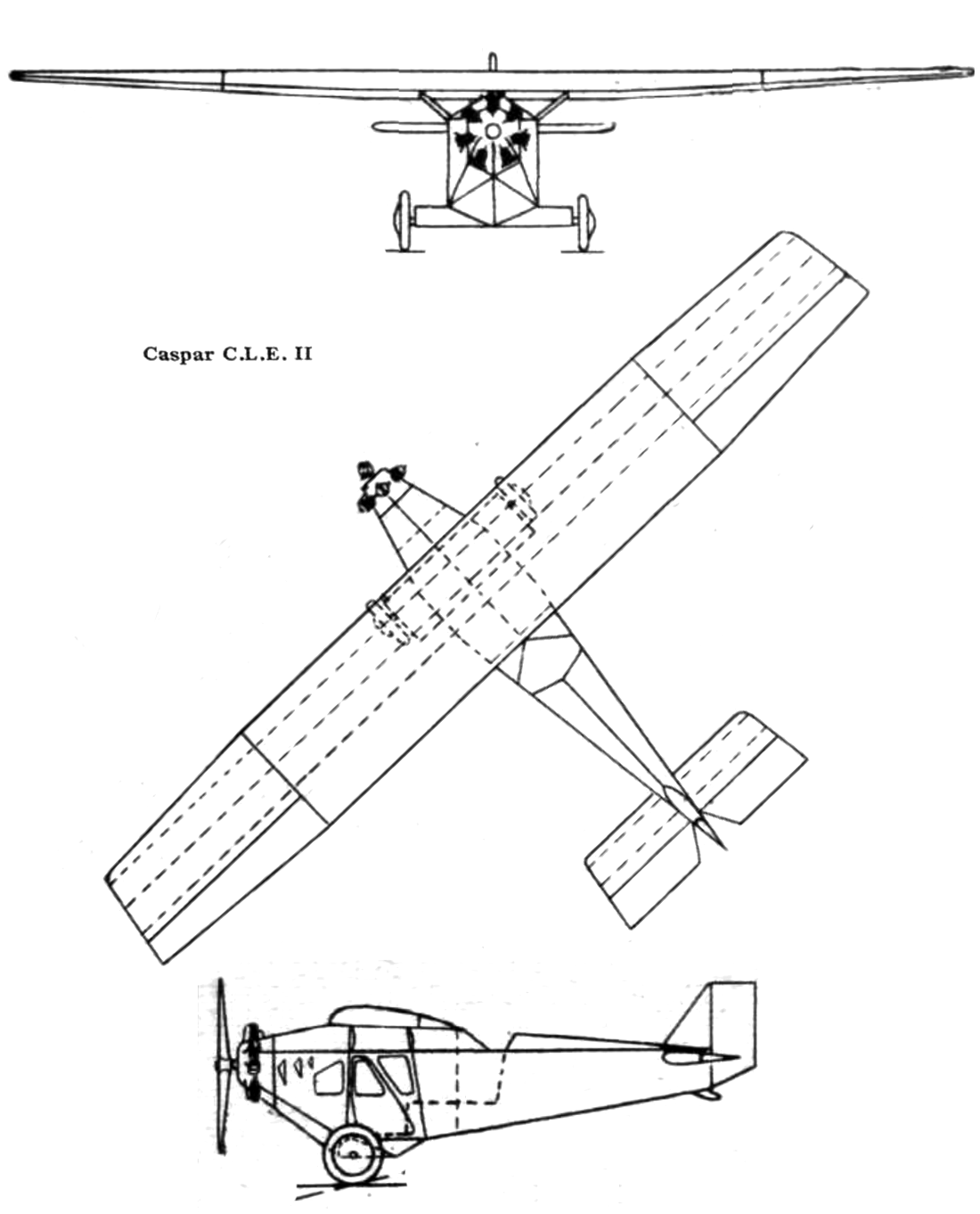
One notable civil creation was the Caspar CLE.11 light transport aircraft, which first flew in 1923. This three-seater wooden high-wing monoplane was powered by an 80 hp Siemens Sh 5 seven-cylinder engine. Its robust yet light design was typical for the era’s emerging civil aviation needs.
The aircraft featured a unique cabin layout: the pilot was seated in an open cockpit behind the wings, while two passengers occupied an enclosed cabin, seated face-to-face. This arrangement allowed for pilot visibility and passenger comfort, suitable for short-range transport and touring purposes.
International Exhibition and Performance
In July 1923, the Caspar CLE.11 participated in the International Air Exhibition held in Gothenburg, Sweden. Competing in the “Sport and touring aircraft, with engine power up to 110 hp” category, the aircraft finished in eighth and last place. Despite its innovative design, the exhibition results highlighted areas for potential improvement.
Technical Specifications
| Modification | CLE.11 |
| Wingspan, m | 12.00 |
| Length, m | 6. 72 |
| Height, m | 2.20 |
| Wing area, m2 | 19.00 |
| Empty weight | 450 |
| Normal takeoff weight | 830 |
| Engine type | 1 Piston engine Siemens Sh 5 |
| Power, hp | 1 x 80 |
| Maximum speed, km/h | 160 |
| Cruising speed, km/h | 145 |
| Practical range, km | 800 |
| Practical ceiling, m | 3000 |
| Crew, crew members | 1 |
| Payload | up to 2 passengers |
Image gallery of the Caspar CLE.11