Origin and Innovative Design
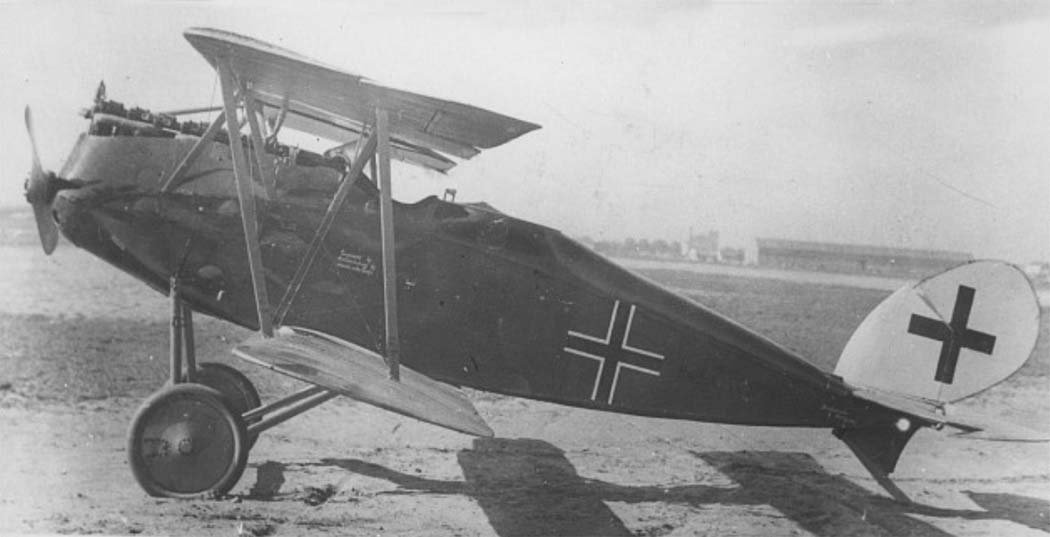
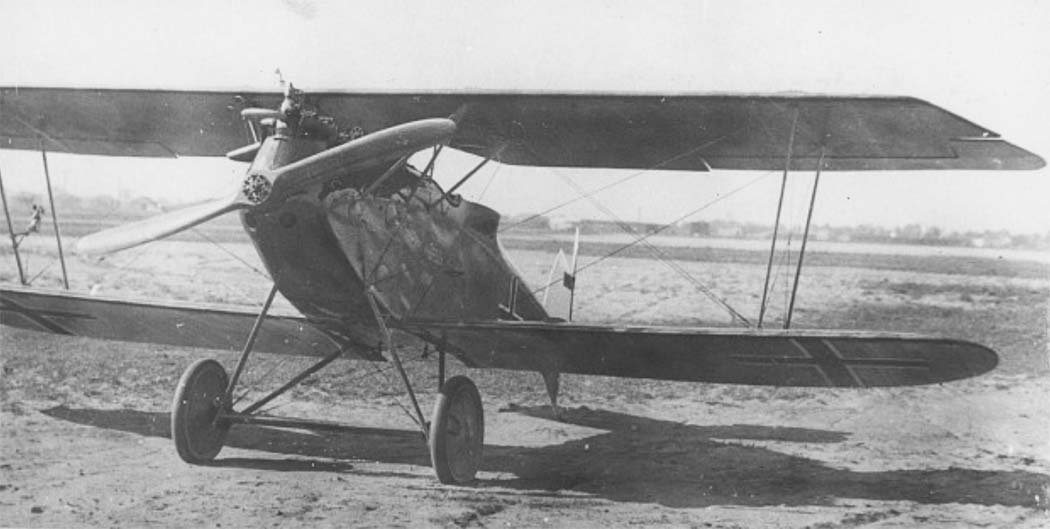
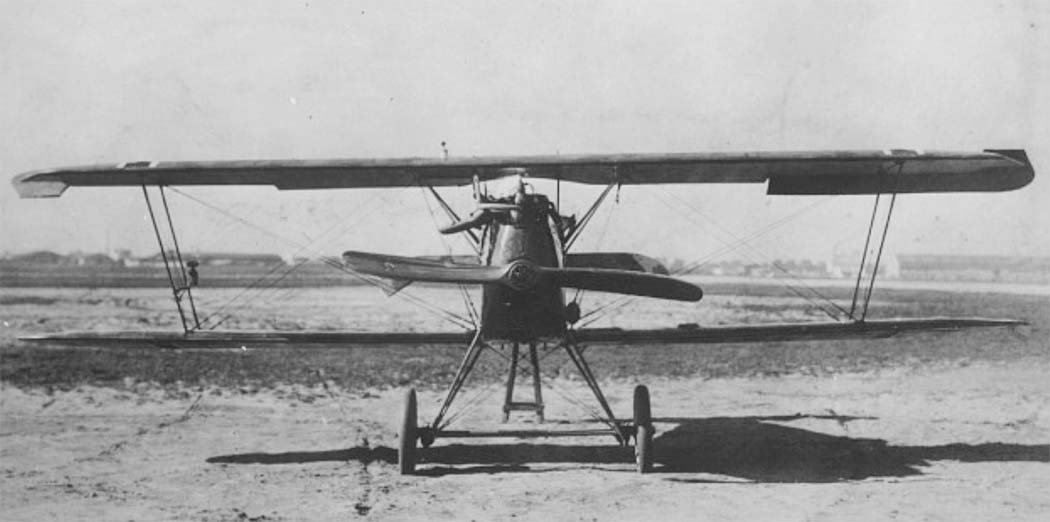
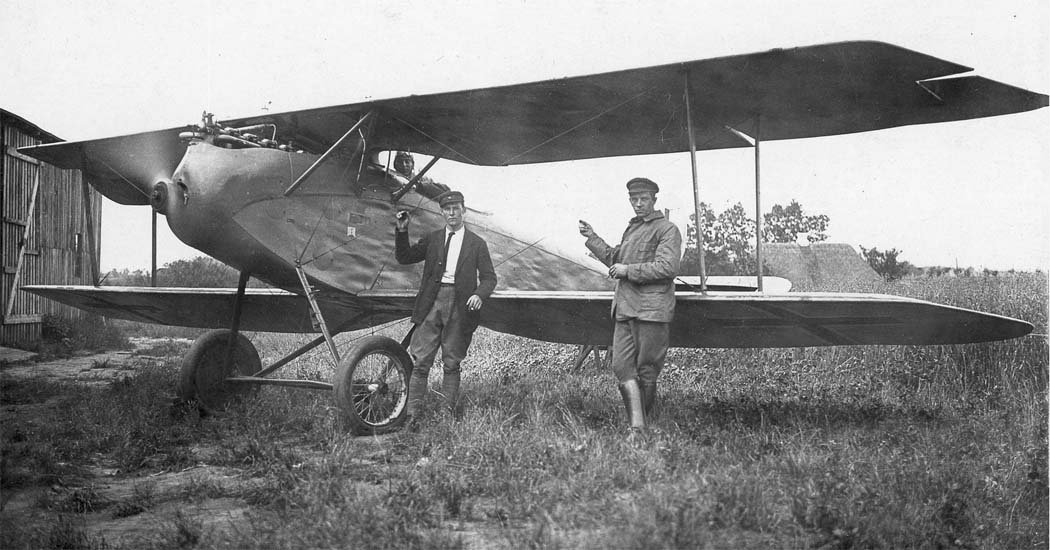
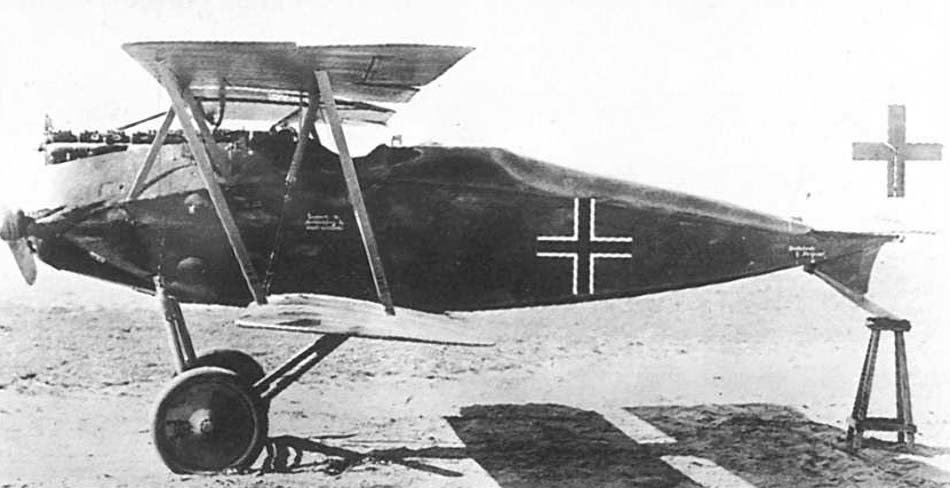
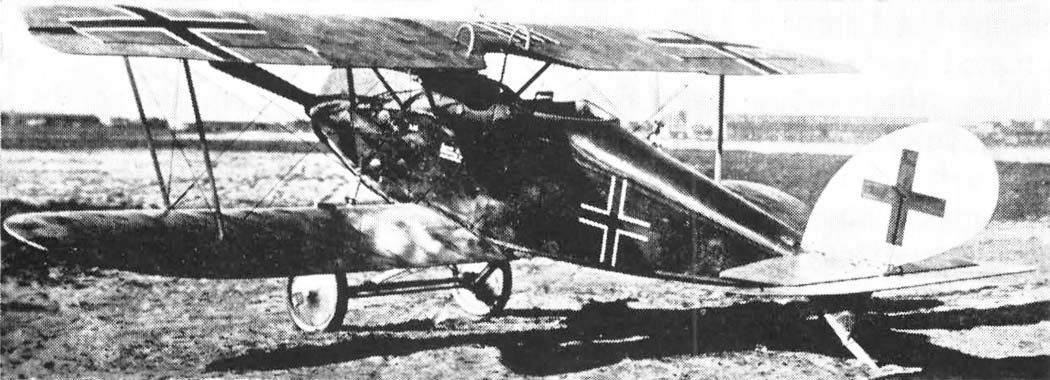
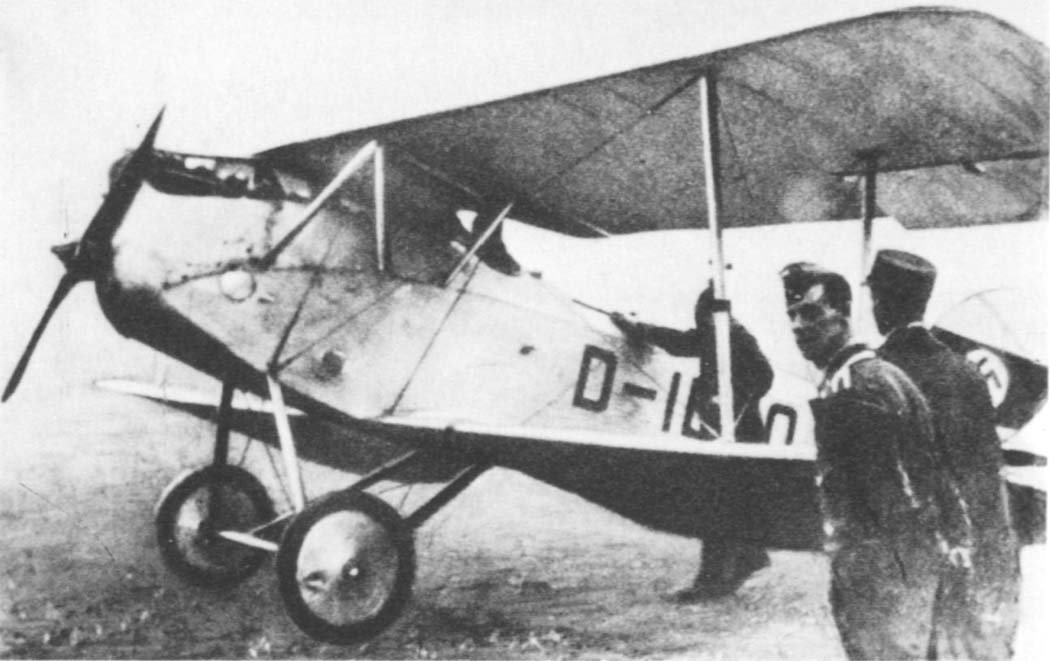
Towards the end of World War I, Halberstadt Flugzeug-Werke GmbH developed the CLS.I aircraft, based on the successful Halberstadt CL.IV. Its design maintained a strong resemblance to the original prototype but incorporated key improvements to optimize its performance.
Among the most notable modifications were a wing profile with less curvature and a more streamlined rear fuselage section. These innovations were implemented with the primary goal of achieving greater flight speed, a characteristic reflected in its “S” designation (from “schnell,” meaning “fast” in German).
Unrealized Development and Fate
Building upon the CLS.I, future projects like the CLS II and CLS X were conceived, promising to incorporate between 3 and 5 machine guns. However, the swift end of the war prevented these ambitious developments from ever materializing.
The Halberstadt CLS.I made its first flight in October 1918. Despite its promising design and implemented improvements, the conclusion of the conflict meant that the aircraft never entered serial production.
Technical Specifications
| Modification | CLS.I |
| Wingspan, m | 9.70 |
| Length, m | 6.95 |
| Height, m | 3.05 |
| Wing area, m2 | 26.40 |
| Empty weight | 682 |
| Normal takeoff weight | 1102 |
| Engine type | 1 Piston engine Mercedes D III |
| Power, hp | 1 x 160 |
| Maximum speed, km/h | 185 |
| Cruising speed, km/h | 155 |
| Rate of climb, m/min | 150 |
| Service ceiling, m | 4500 |
| Crew, crew members | 2 |
| Armament | two 7.92-mm synchronized LMG 08/15 Spandau machine guns and one 7.92-mm Parabellum turret machine gun, optionally light fragmentation bombs. |
Image gallery of the Halberstadt CLS.I