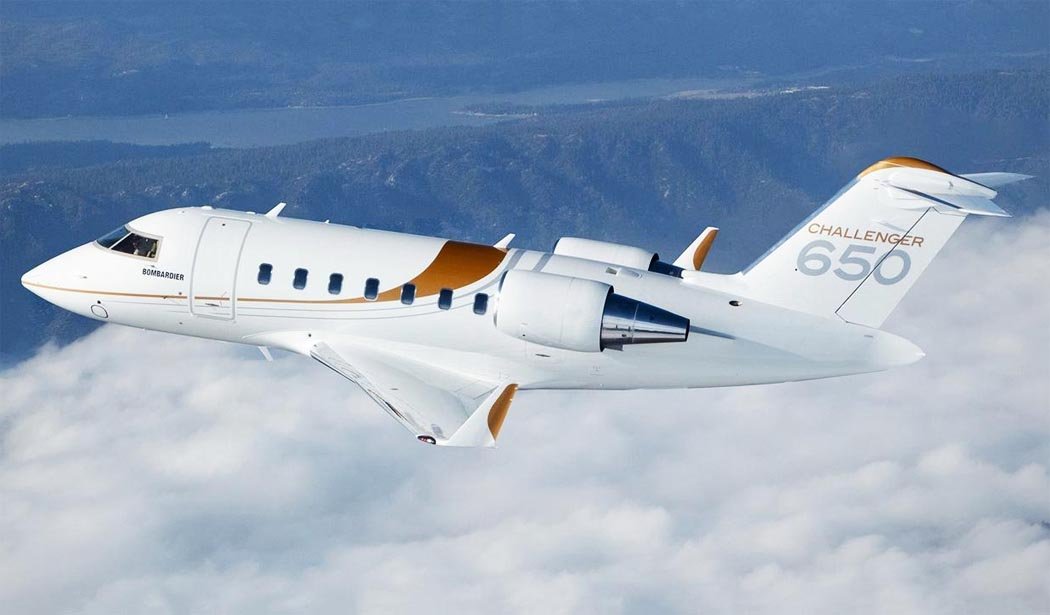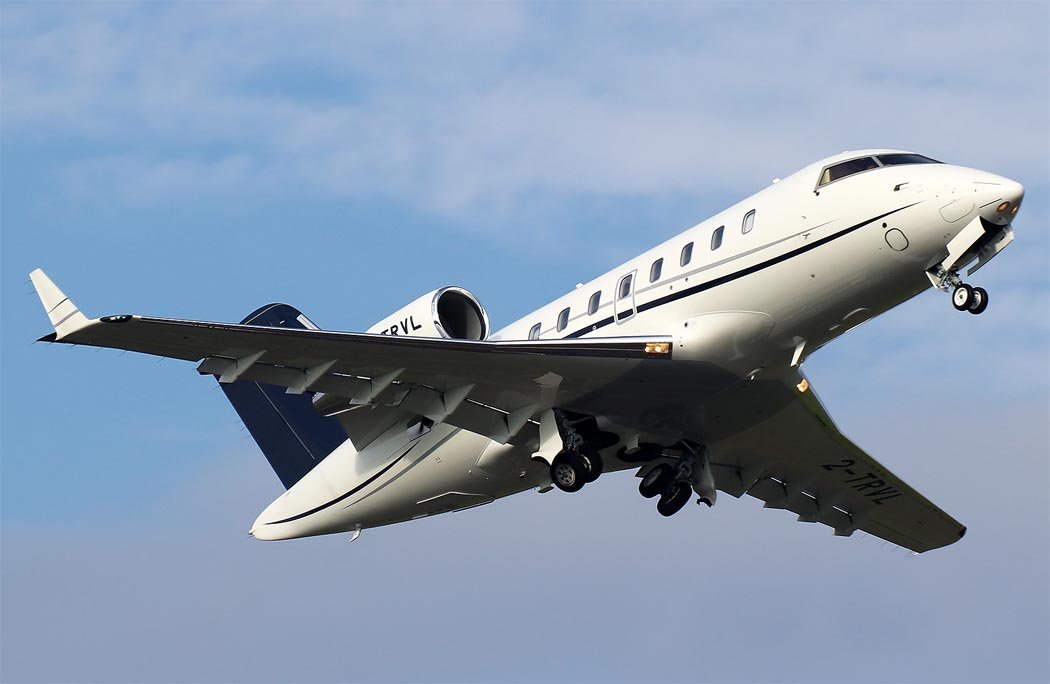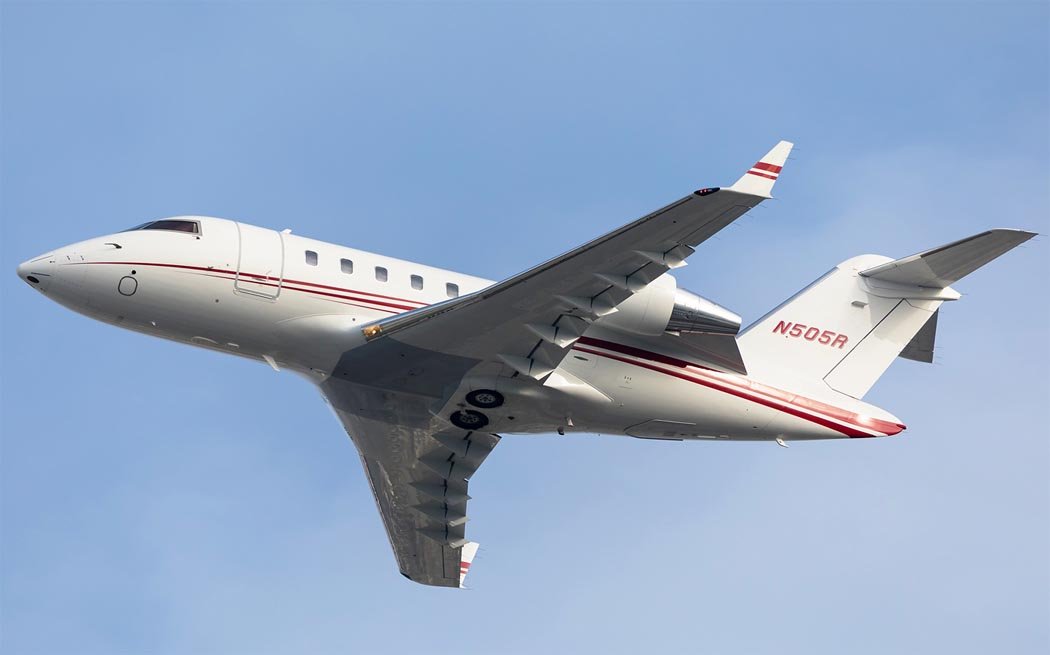
In 2014, Bombardier introduced the new Challenger 650 (CL-650) business jet, which became the successor to the Challenger 605 model. Initial deliveries to customers began in 2015 in the United States.
After receiving type certification in Europe, deliveries to customers in that region also commenced. Previously, the Challenger 650 program was developed under the index 605NG, aiming to create a new generation of one of Bombardier’s most successful products.
The Birth of a New Generation
The Challenger 605 model itself was introduced in 2006 and is part of the Challenger 600 family, one of the best-selling in the mid-size class. Since its launch into serial production in 1986, 985 aircraft of this family have been delivered.
The main focus of the modernization was on increasing the comfort of the 12-seat passenger cabin and upgrading the avionics. In this sense, the process of transforming the 605 into the 650 is analogous to the already completed transformation of the Challenger 300 into the 350.
“Given the positive reaction to the Challenger 350, we decided to do the same with the 650. The nature of the modernization is similar,” commented Brad Nolen, Bombardier’s director of planning.
Enhanced Technology and Performance
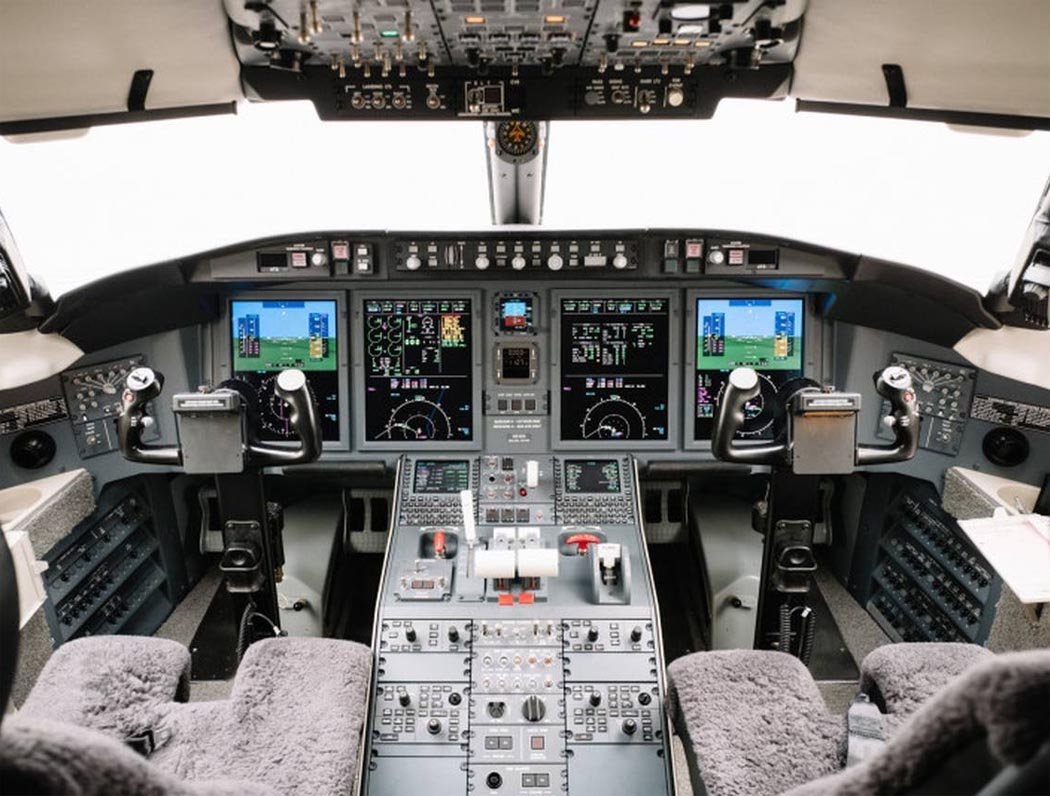
The Challenger 650 also received a number of other significant features. It gained new avionics, an updated cabin, and more powerful engines. The aircraft is equipped with Rockwell Collins Pro Line 21 avionics, which is integrated into the Bombardier Vision flight deck architecture.
Among the new functionalities are a multi-mode weather radar and a synthetic vision system, with data displayed on a Head-Up Display collimator. The new jet also received more powerful GE Aviation CF34-3B engines.
These engines have a takeoff thrust of 9220 pounds (4200 kg), which is 5% more compared to the base version. This allows the aircraft to proportionally increase payload when taking off from short runways, while the range remains unchanged from the 605 model at 4000 miles (7400 km).
Redefining the Onboard Experience
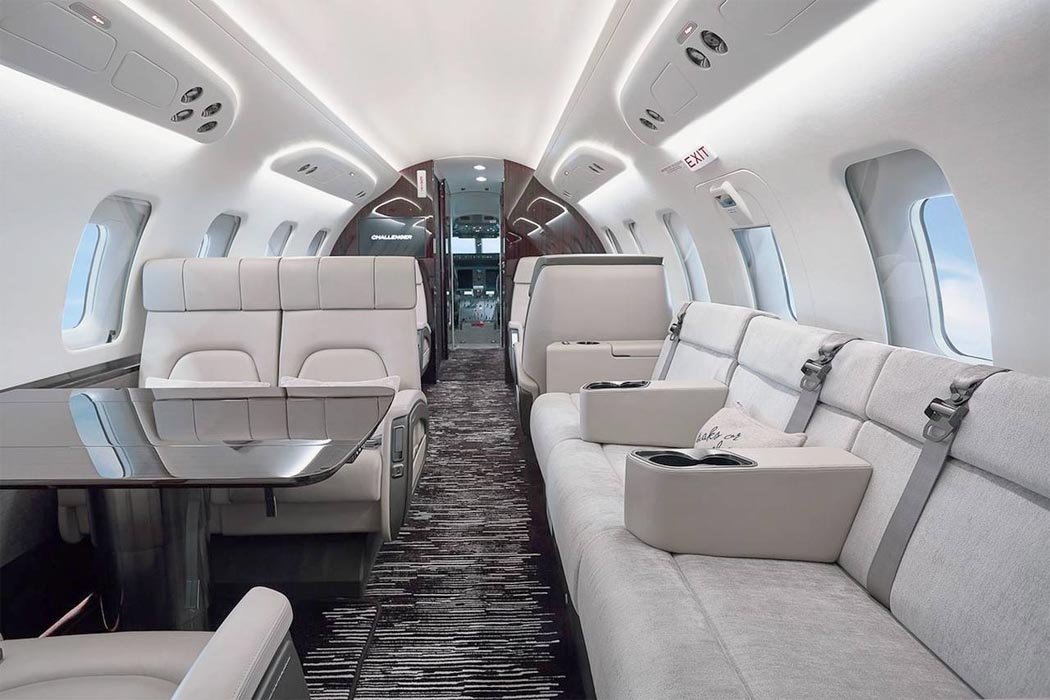
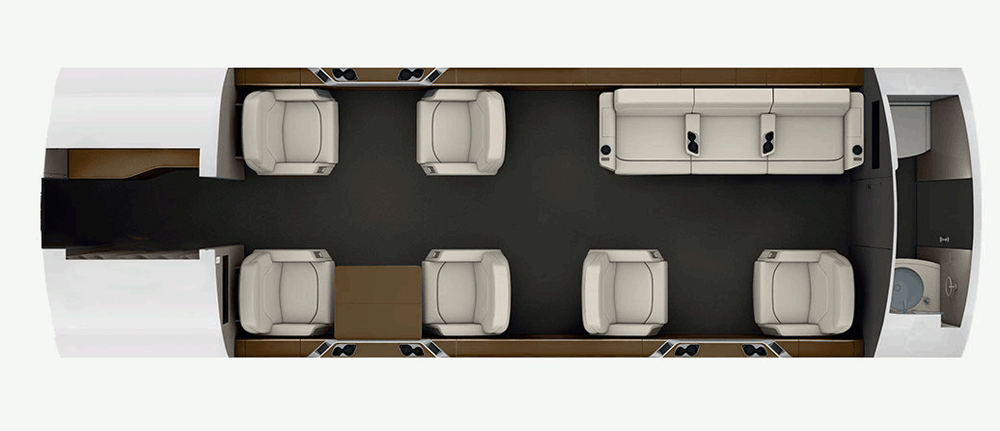
The Challenger 650, the sixth iteration of a familiar design, offers even more living space thanks to optimal interior planning. The interior itself embodies a dozen wishes from potential owners, identified during market research.
For example, the windows are significantly larger and placed 6.5 cm higher, which improves the view from the cabin, and the Ethernet-based lighting control system became simpler and more reliable.
Among the pleasant additions are an upgraded onboard galley and video monitors with larger diagonals. LED lighting, more stable retractable tables, and a well-thought-out lavatory interior were also implemented. The entertainment system features a 24-inch monitor in the bulkhead as standard equipment, along with a high-definition content playback system.
Bombardier also installed new, wider seats with full-size headrests in the cabin.
The Challenger 650 is widely used by both private owners and commercial operators. This is due to its high reliability and predictable maintenance costs, which are crucial for commercial operations. Bombardier has a developed network of maintenance centers and spare parts supply worldwide, enabling highly prompt repair work.
Currently, the price of a new Challenger 650 starts from 32 million US dollars and depends on the configuration. A 3-year-old pre-owned Challenger 650 can be purchased for approximately 27.5 million US dollars.
Technical Specifications
| Modification | CL-650 |
| Wingspan, m | 19.61 |
| Aircraft length, m | 20.85 |
| Aircraft height, m | 6.30 |
| Wing area, m2 | 45.40 |
| Empty weight | 12474 |
| Maximum takeoff weight | 21909 |
| Fuel capacity, kg | 9072 |
| Engine type | 2 Turbofan General Electric CF34-3B |
| Thrust, kN | 2 x 41.00 |
| Maximum cruising speed, km/h | 893 |
| Normal cruising speed, km/h | 850 |
| Practical range, km | 7 408 |
| Practical ceiling, m | 12497 |
| Crew, crew members | 2+1 |
| Payload | 9-12 passengers |
Image gallery of the Challenger 650