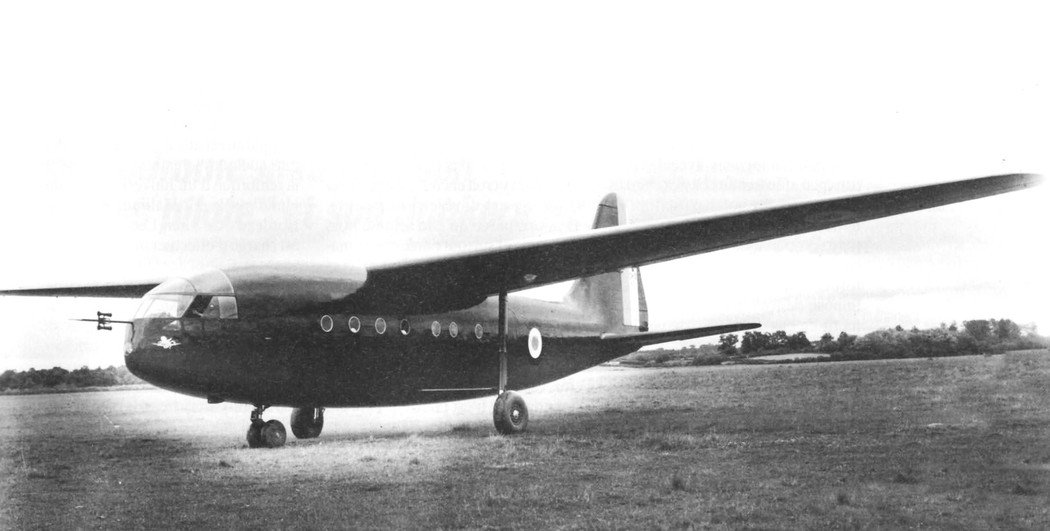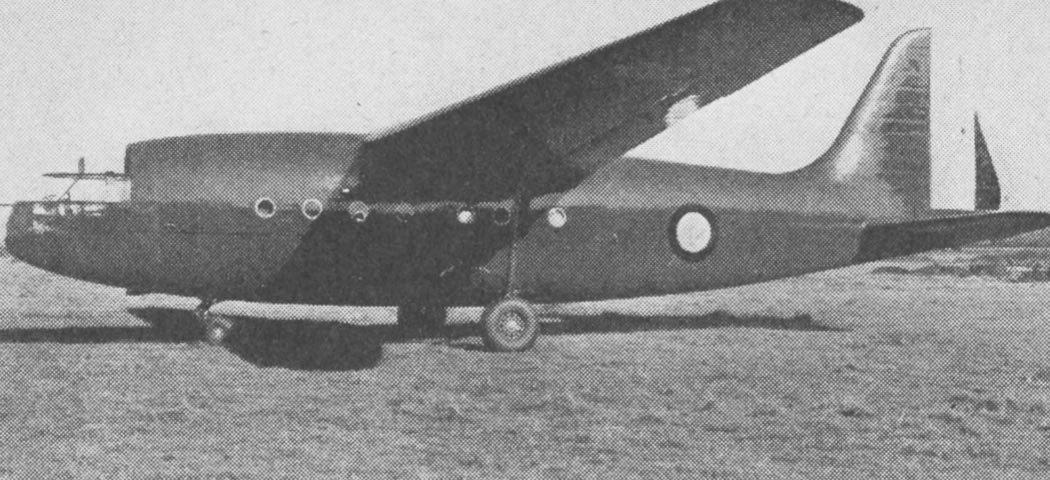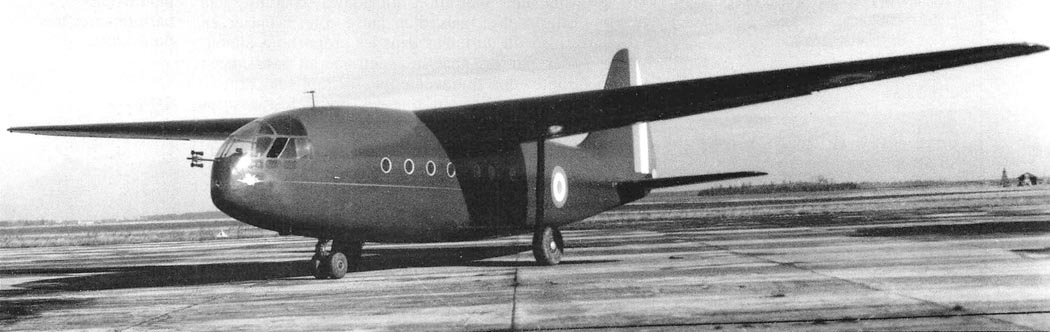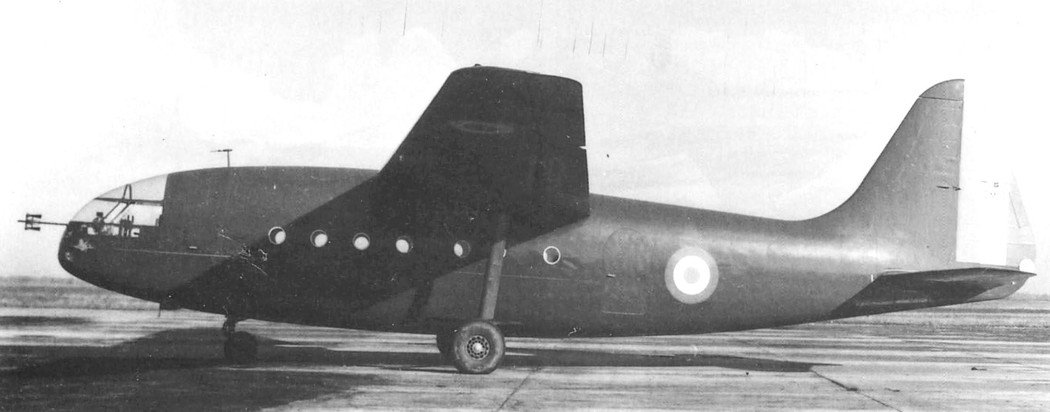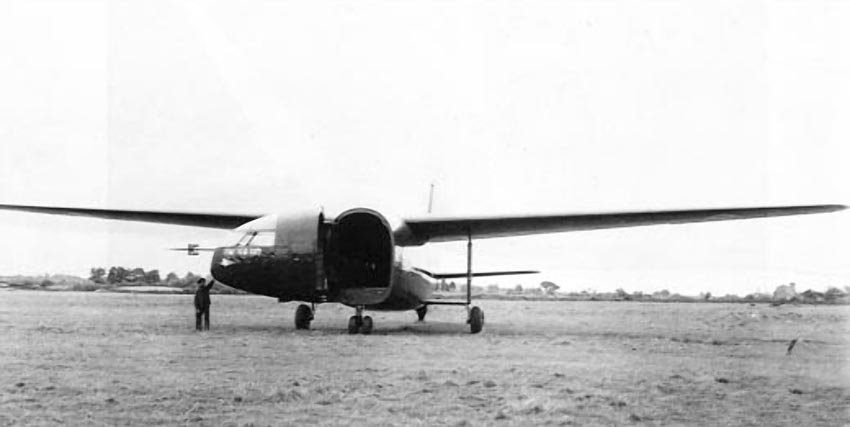
The construction of two glider prototypes in France, after the liberation of its territory, was entrusted to the Fouga company, supervised by Pierre Maubossin. Although work began before the war concluded, the first prototype made its maiden flight on June 5, 1947.
Design and Capabilities of the CM.10
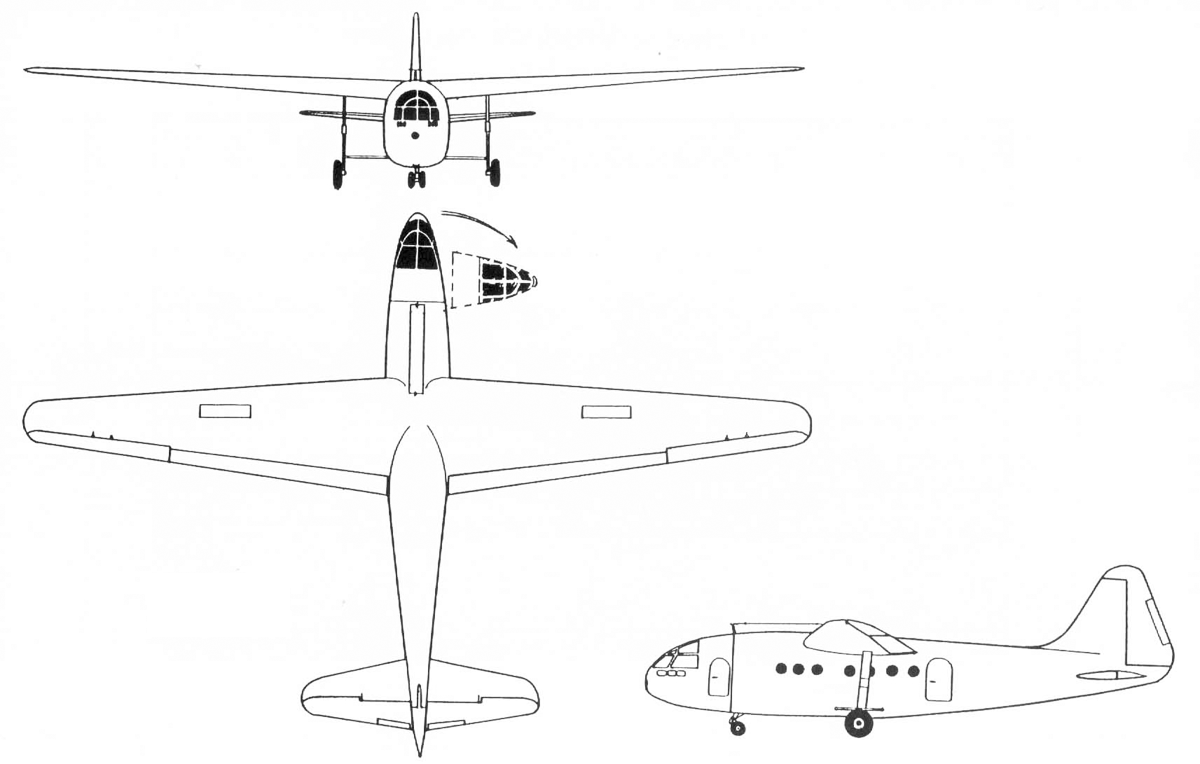
The glider, designated CM-10, was a cantilever high-wing aircraft of mixed construction. It featured a traditional tail unit and a non-retractable tricycle landing gear with a nose wheel. Its robust design made it suitable for various transport missions.
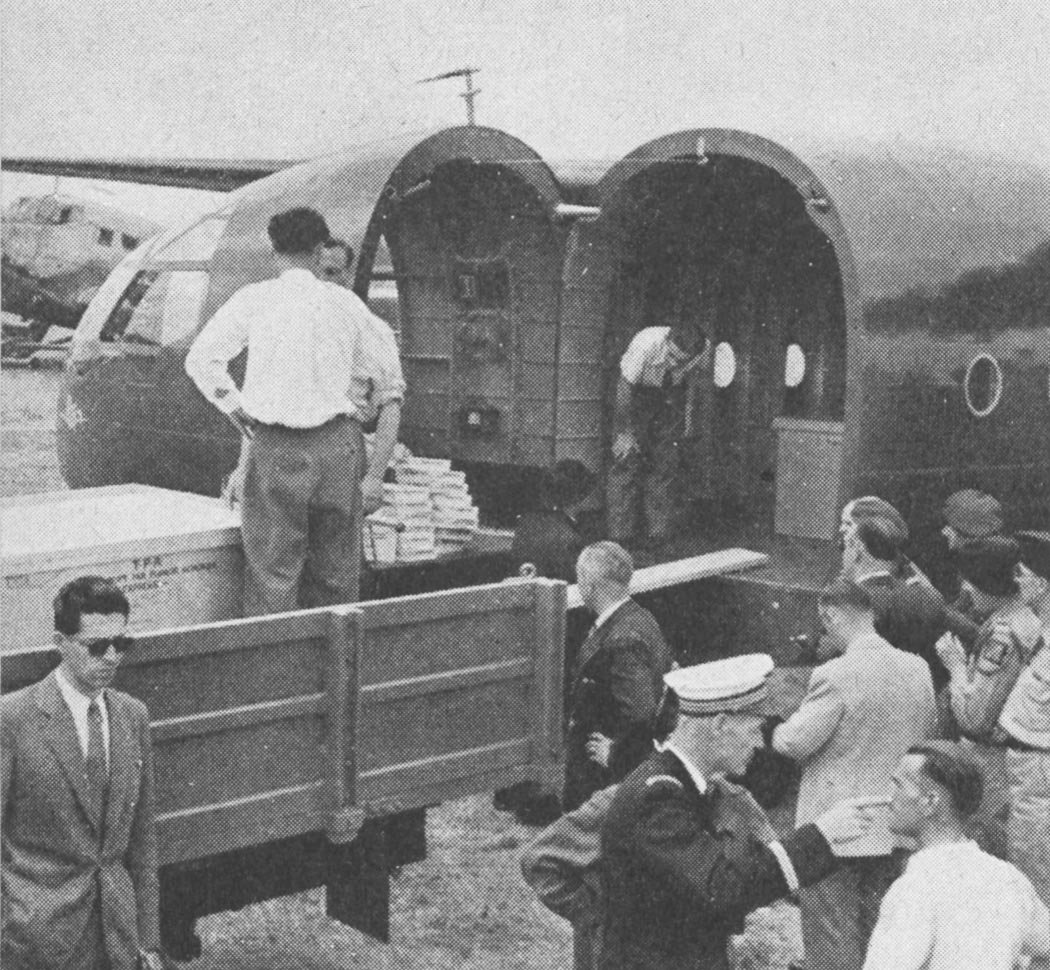
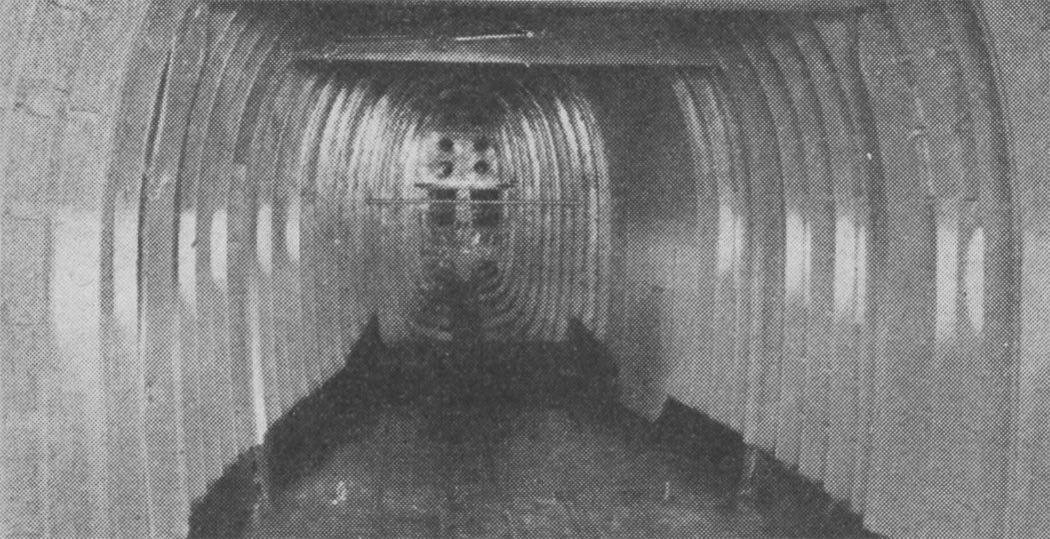
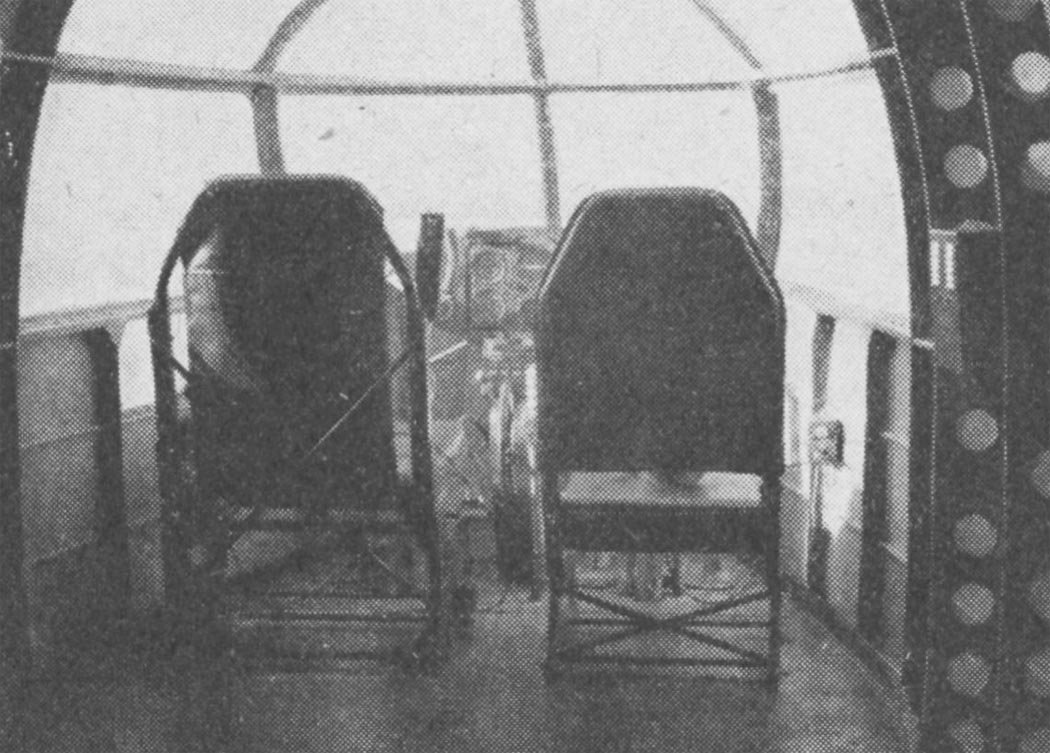
The cargo compartment of the semi-monocoque fuselage could accommodate two all-terrain vehicles, or an all-terrain vehicle with a gun, or up to 35 soldiers. The cockpit, designed for two pilots, was located in the nose section of the fuselage, and for loading/unloading, the entire nose section with the cockpit hinged to the right.
Inaugural Flight Challenges and Production
During the first flight, permissible loads were exceeded, and the glider broke up in the air. The pilot managed to escape by parachute but was severely injured. This incident marked a difficult start for the project.
However, tests of the second prototype were successful. An order for 25 units was placed with the Société Nationale de Constructions Aéronautiques du Nord. Although it was later decided to increase the quantity to 100, budget constraints resulted in only one glider being built. Eventually, the prototype and pre-production glider were rebuilt into powered aircraft.
Technical Specifications
| Modification | CM.10 |
| Wingspan, m | 26.52 |
| Length, m | 18.29 |
| Height, m | 5.79 |
| Wing area, m2 | 66.00 |
| Empty weight | 2 900 |
| Maximum weight | 6985 |
| Maximum towing speed, km/h | 290 |
| Crew, crew | 2 |
| Payload | up to 35 soldiers |
Image gallery of the CM.10