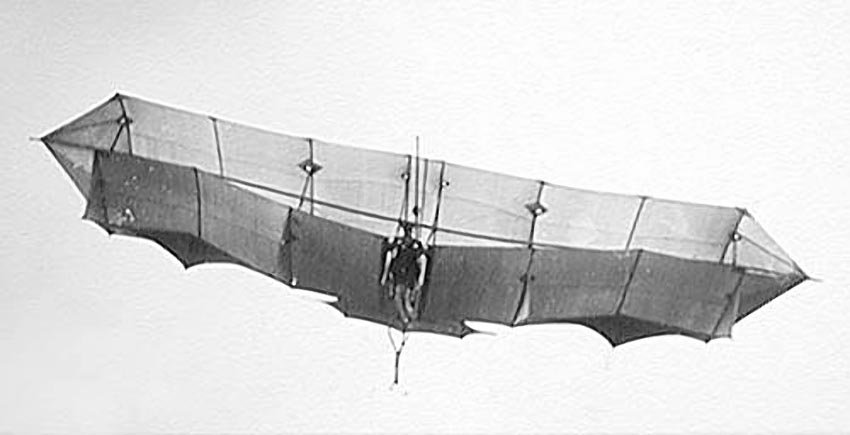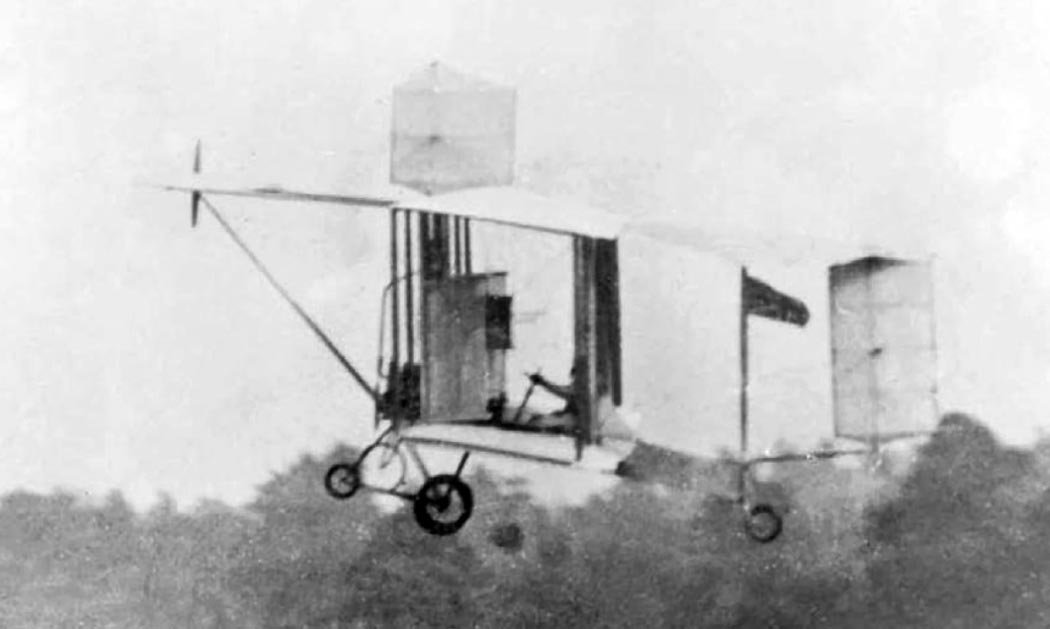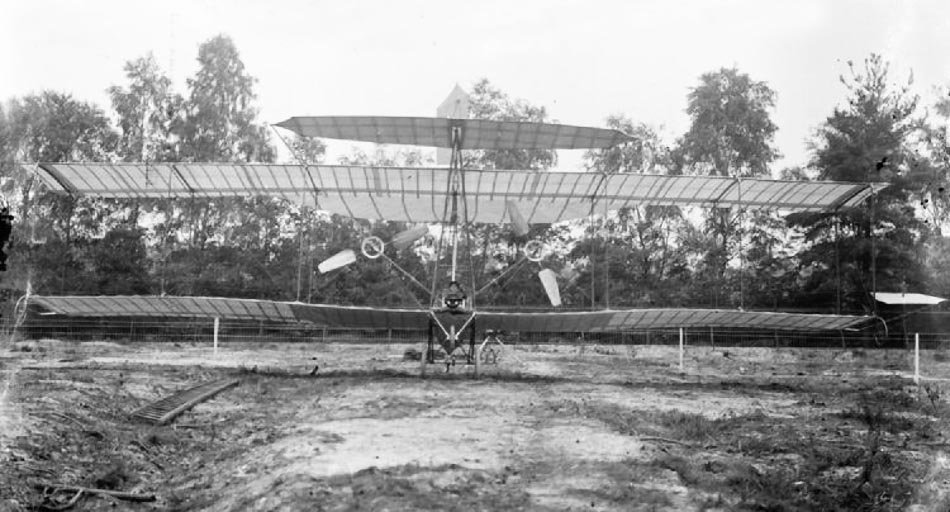
While at Farnborough in 1905, Samuel Franklin Cody built a single-seat biplane glider. The Cody Kite-Glider performed several successful flights before Cody took the next step in 1907, modifying one of his kite-balloons to accommodate an engine and installing additional stabilizing surfaces front and rear of the biplane box.
Early Experiments and the Motor-Kite
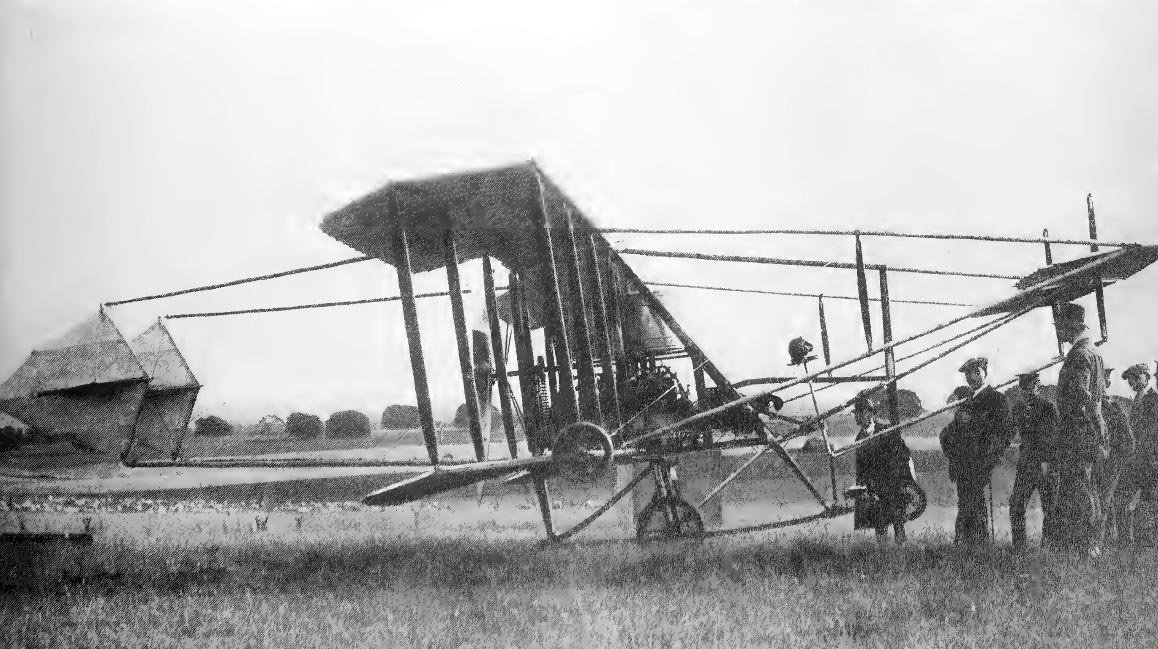
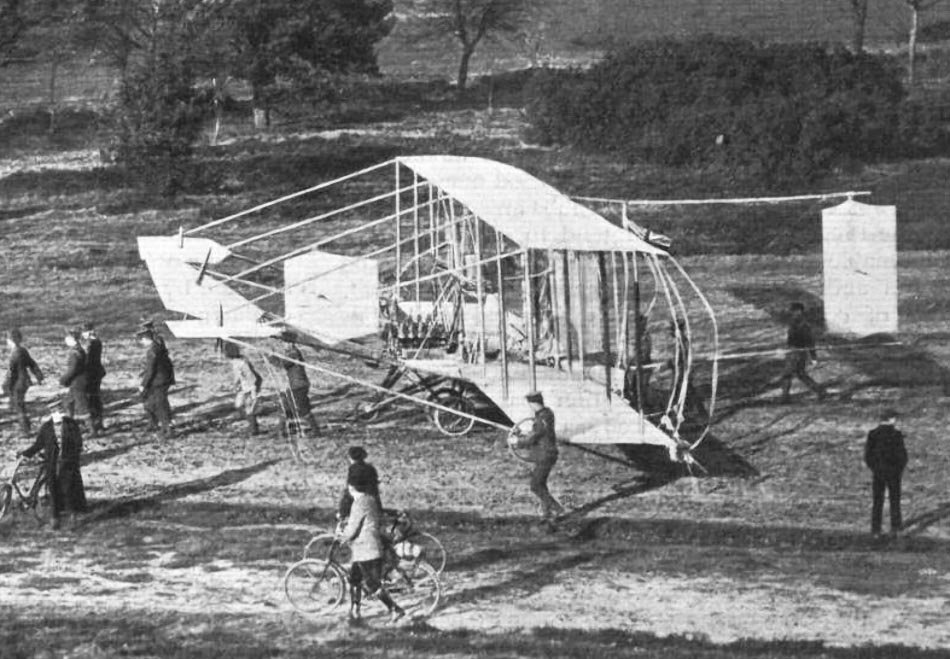
The Motor-Kite apparatus was equipped with a wheeled landing gear and a 15 hp (11 kW) Buchet engine. This “motorized kite” completed a successful pilotless flight, controlled from the ground with cables, lasting 4.5 minutes.
The British Army Aeroplane No.1 and the First UK Flight
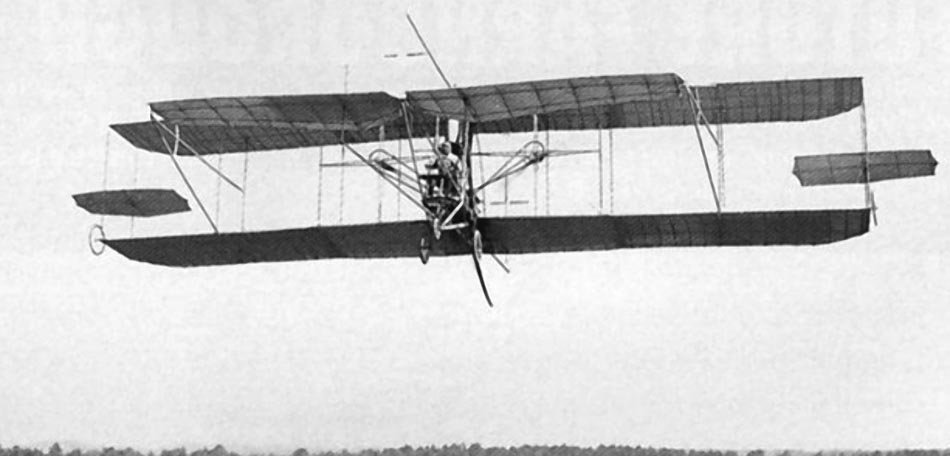
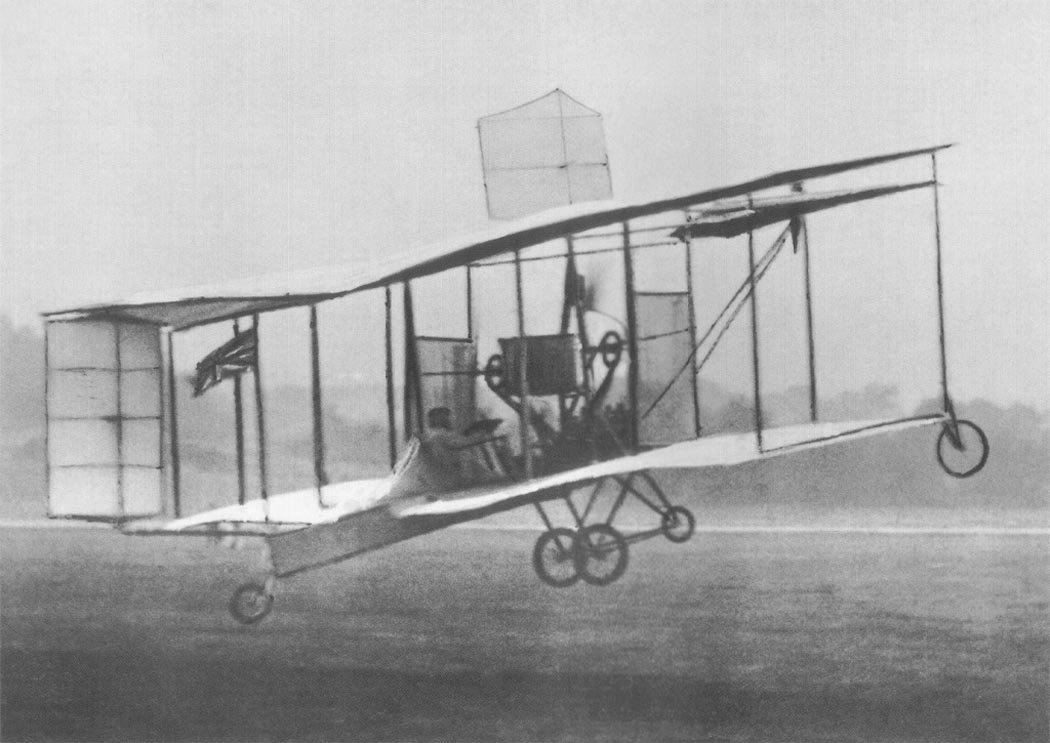
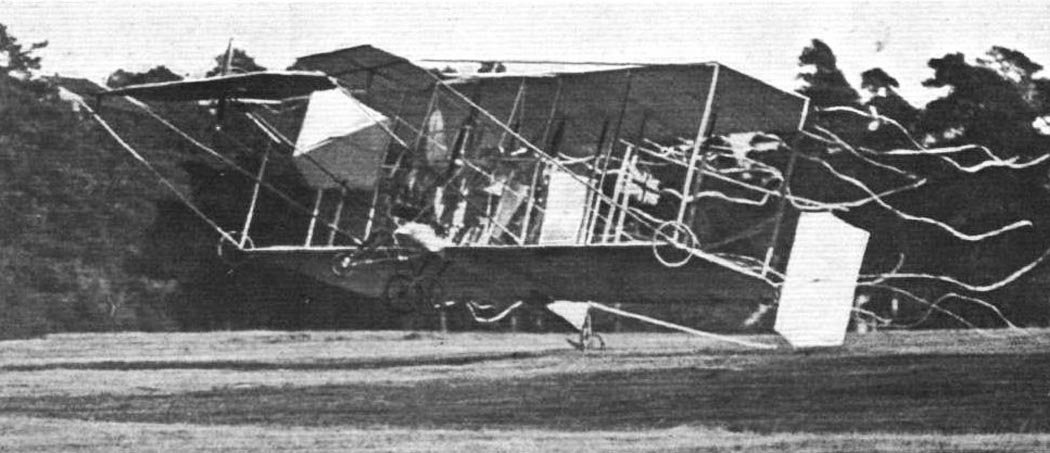
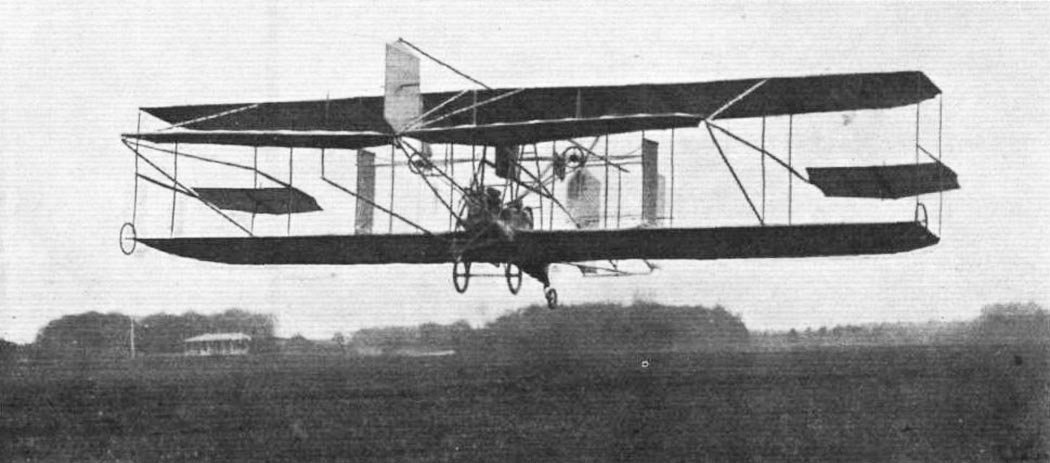
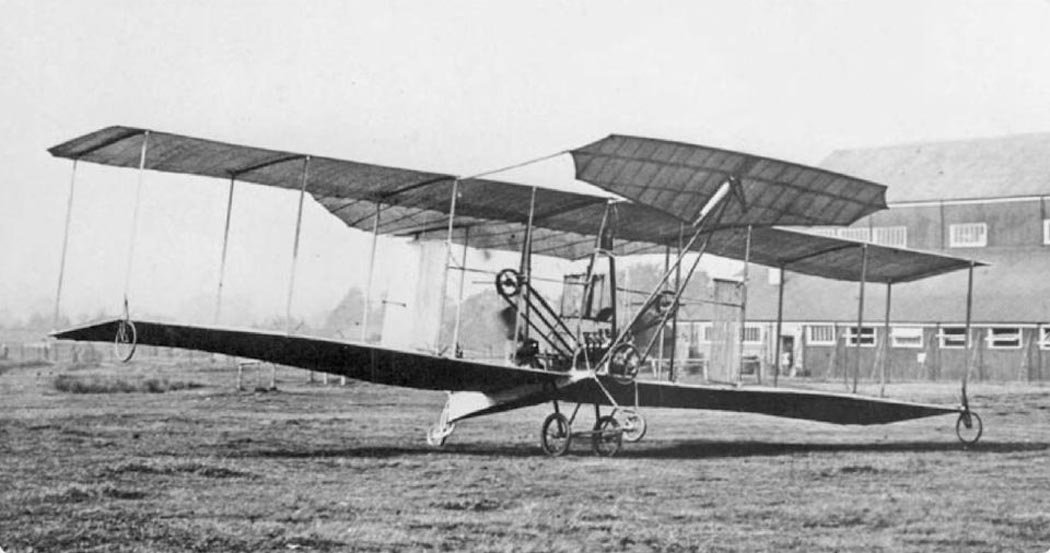
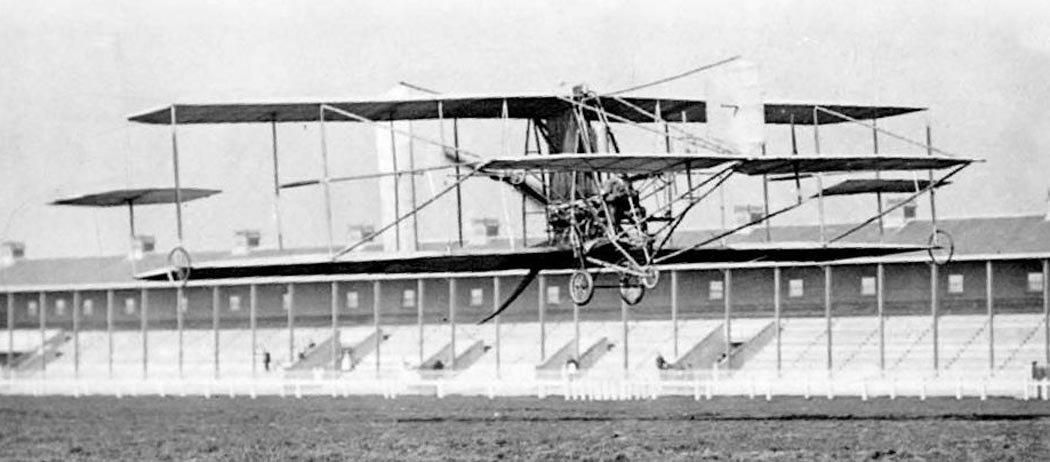
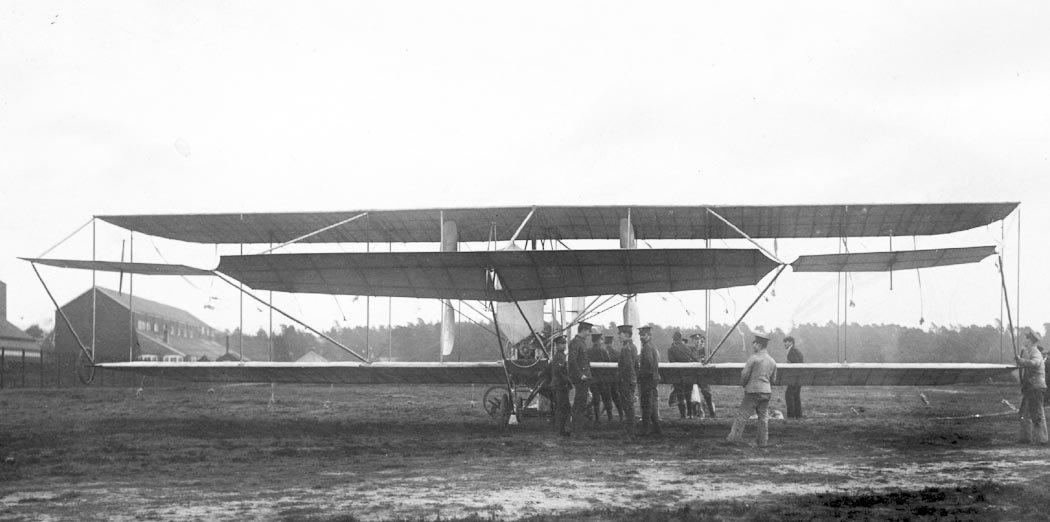
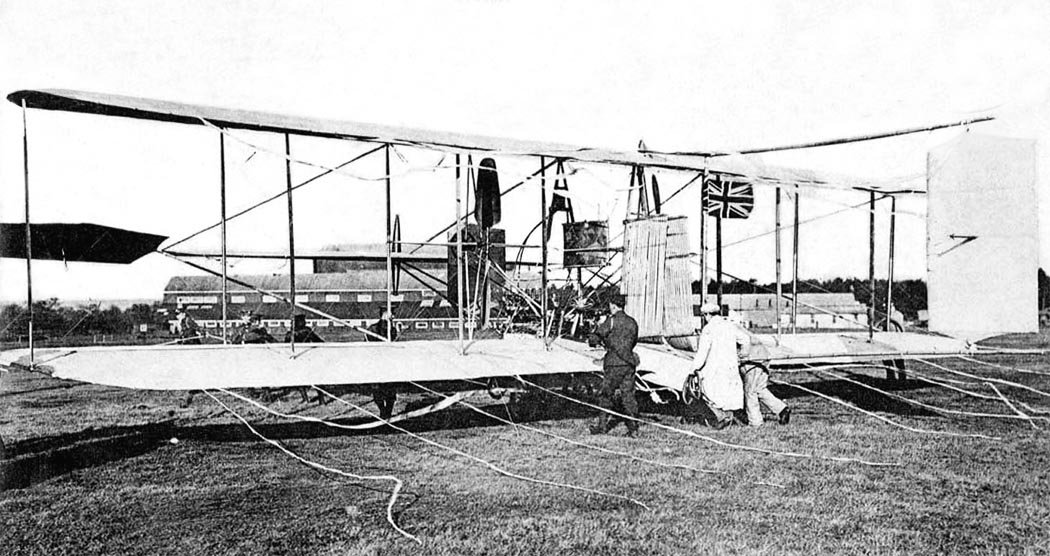
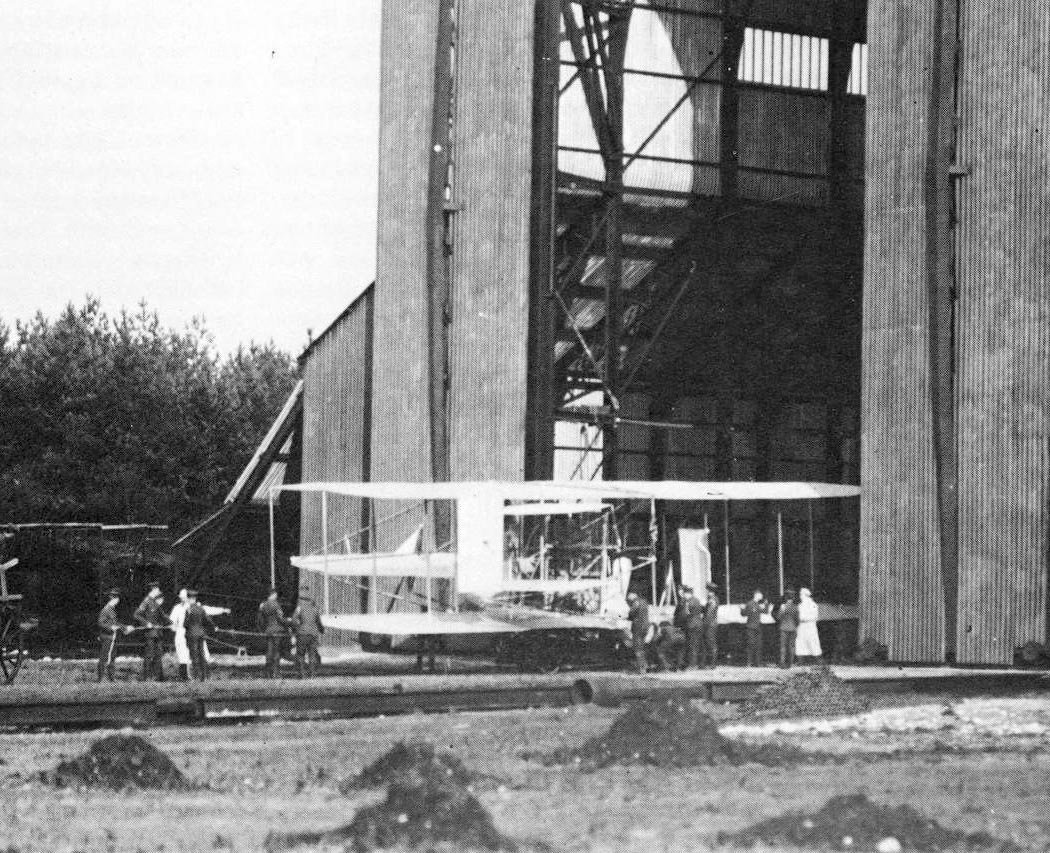
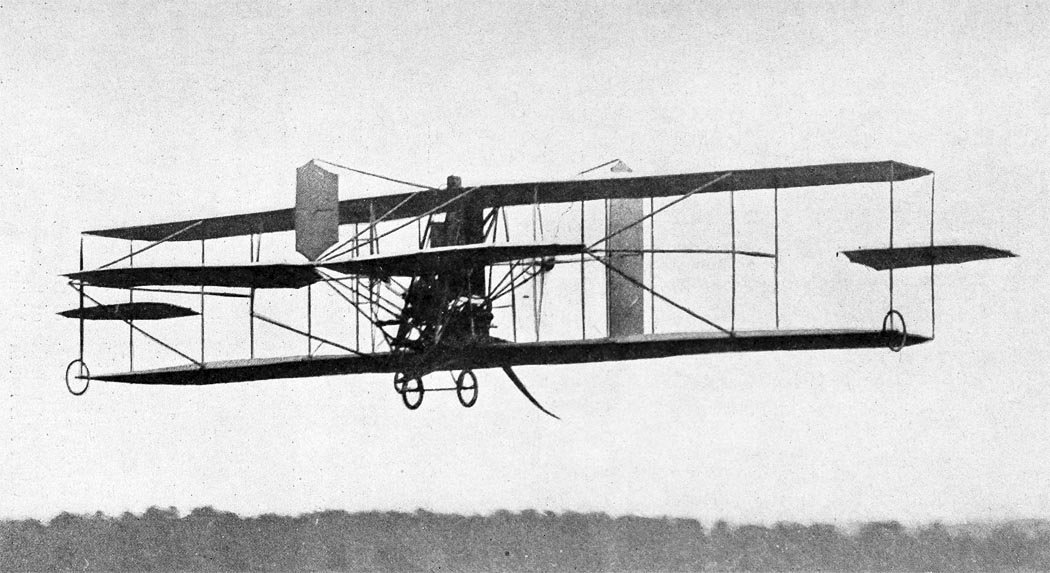
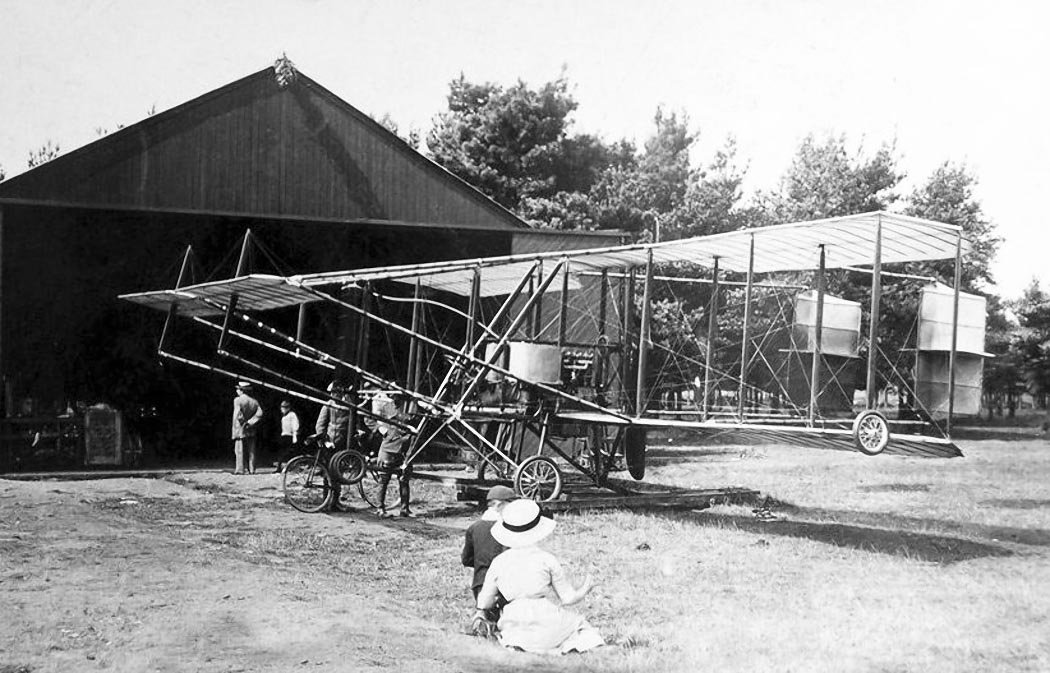
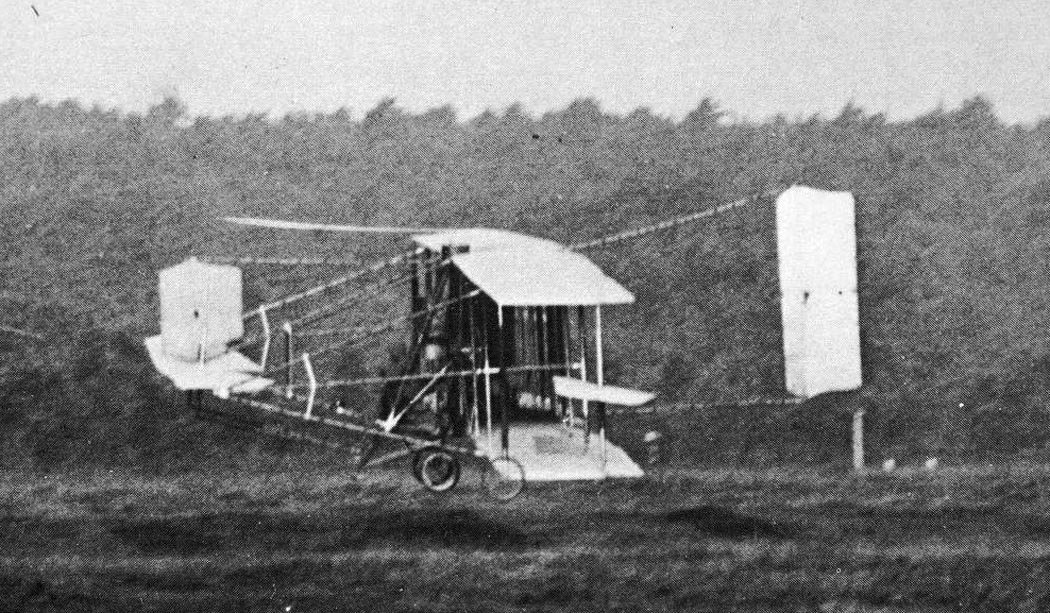
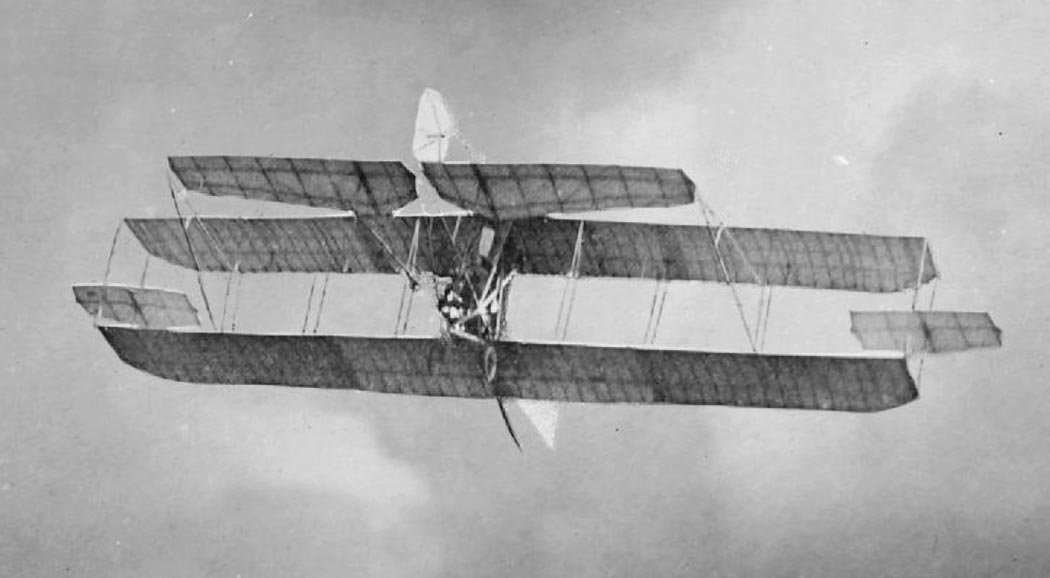
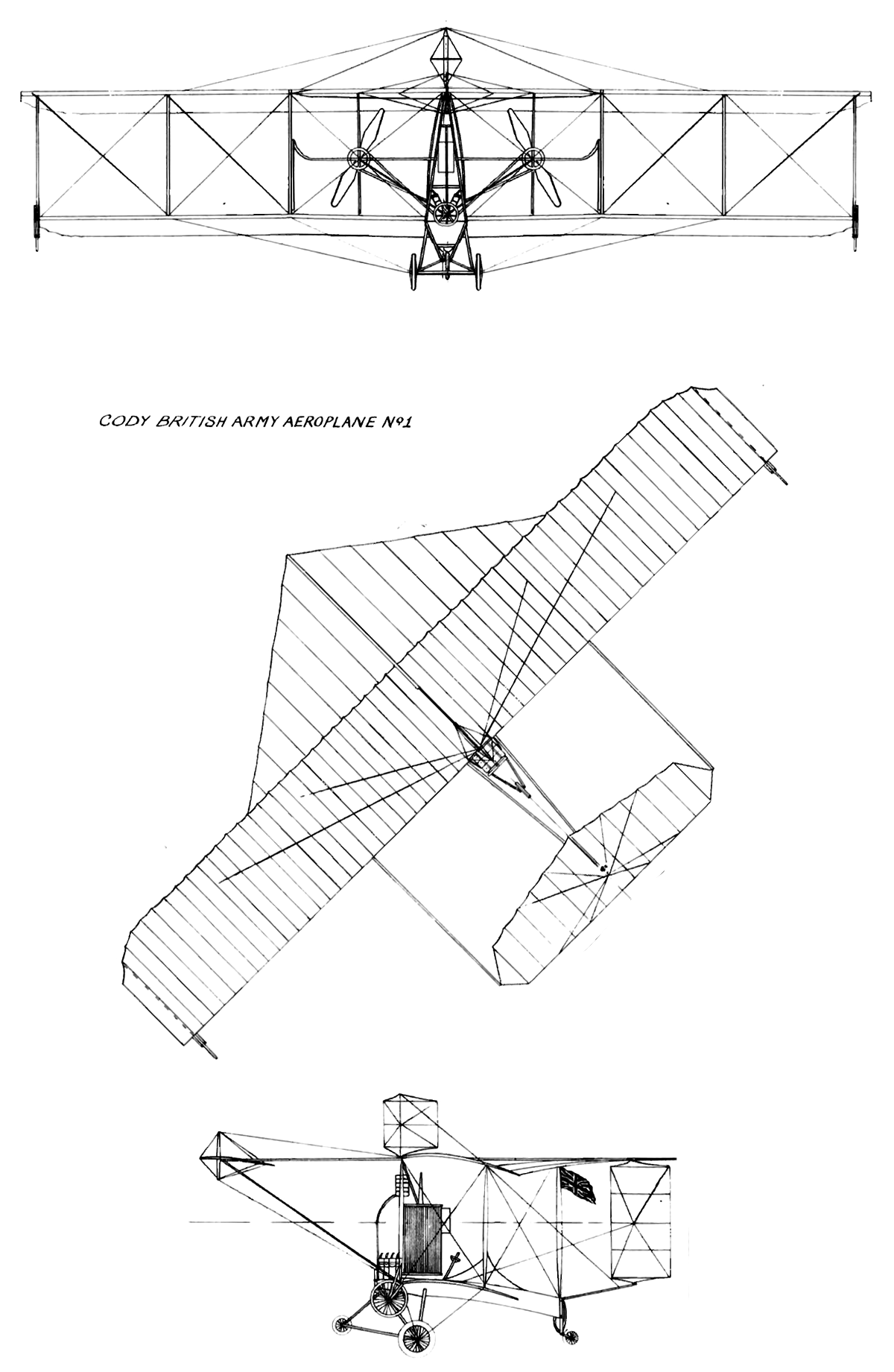
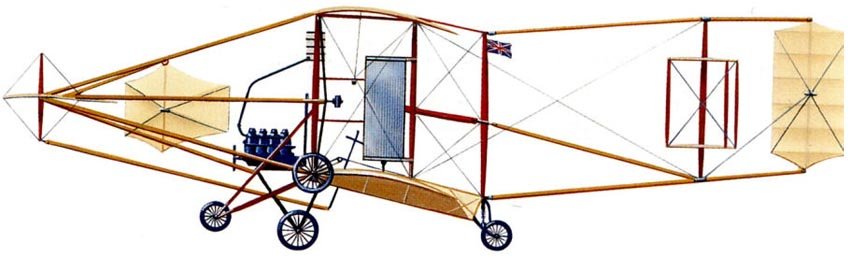
In 1907, Cody began the construction of the British Army Aeroplane No.1 (Cody 1). The designer himself accomplished the first powered flight in a heavier-than-air aircraft in the United Kingdom on October 16, 1908.
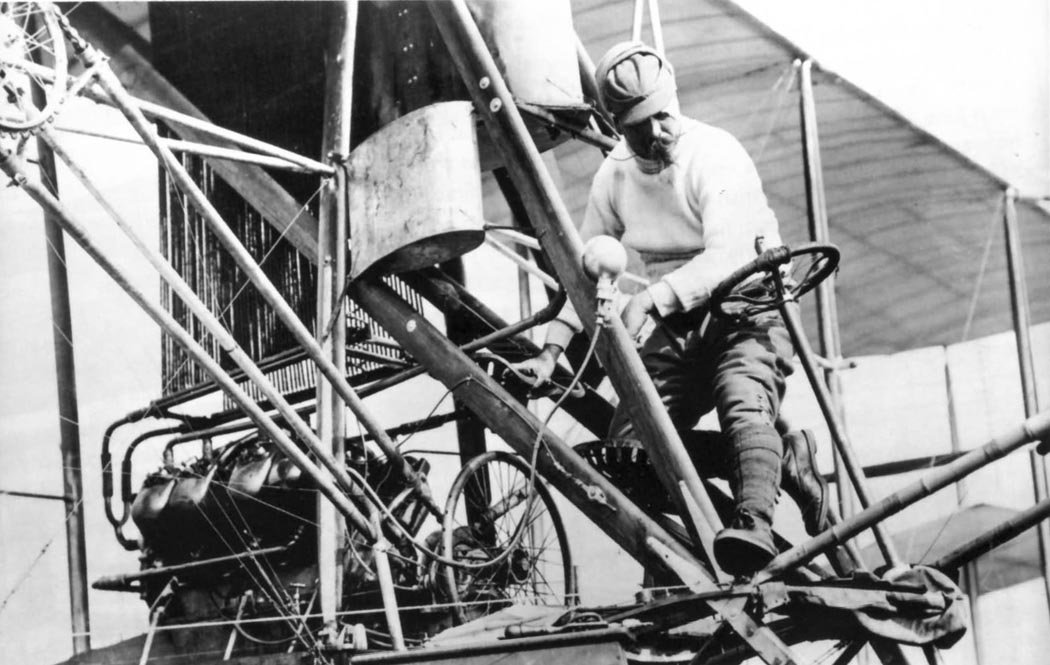
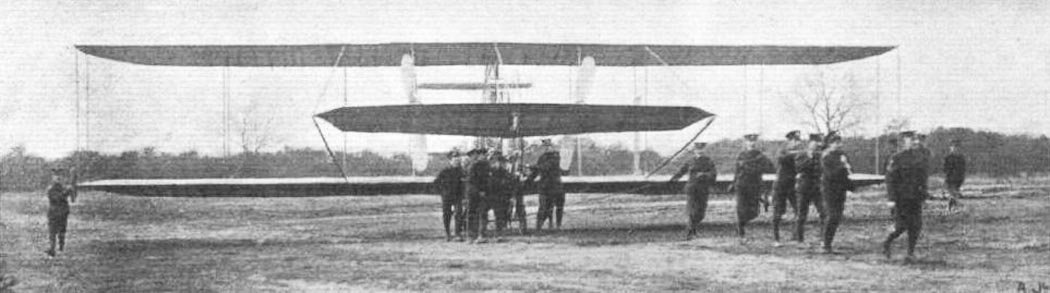
The British Army Aeroplane No.1 was a biplane structurally similar to the Wright brothers’ machine, featuring separate stabilizers and elevators. Unlike the Wrights, Cody equipped his design with a wheeled landing gear, and an Antoinette engine drove two pusher propellers. In its maiden flight, Cody flew only 424 m, but an improved version, the Cody 2 with a 60 hp ENV Type F engine, allowed the aviator to fly a distance of 64 km on September 8, 1909.
Technical Specifications
| Modification | British Army Aeroplane No.1 |
| Wingspan, m | 15. 85 |
| Aircraft length, m | 11. 73 |
| Aircraft height, m | 3.96 |
| Wing area, m2 | 59. 46 |
| Maximum takeoff weight, kg | 1044 |
| Engine type | 1 Piston engine Antoinette |
| Power, hp | 1 x 50 |
| Maximum speed, km/h | 48 |
| Crew, crew members | 1 |
Image gallery of the Cody British Army Aeroplane No.1