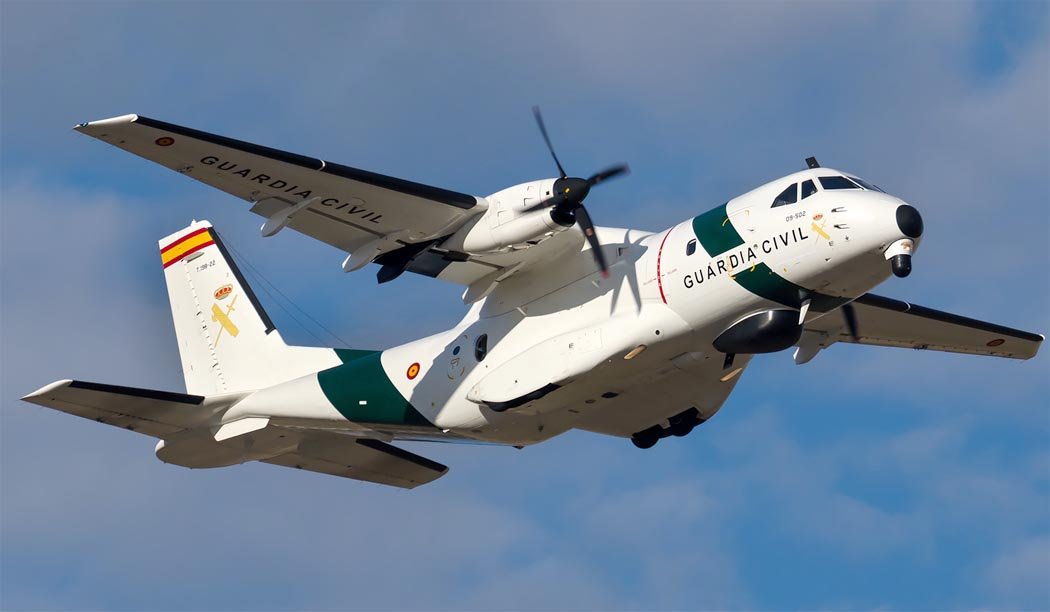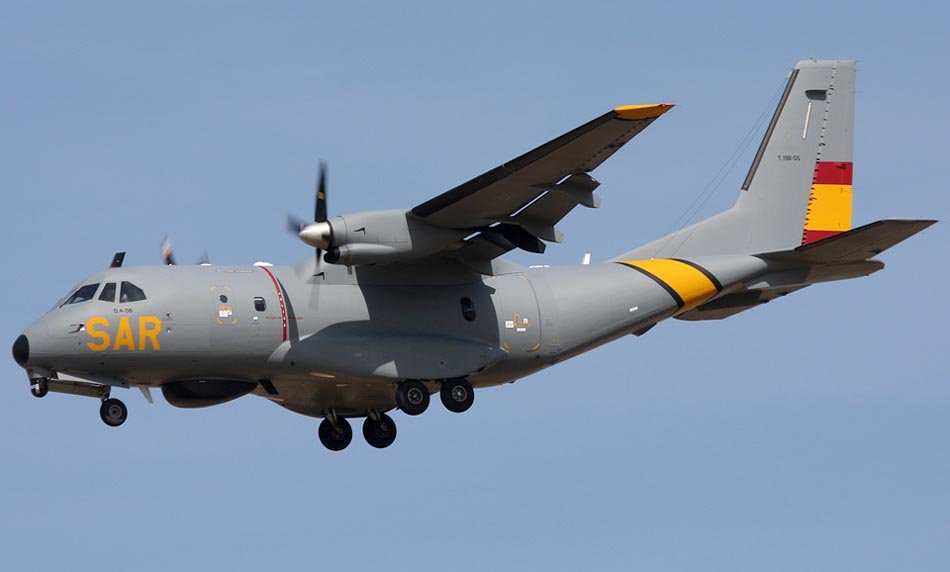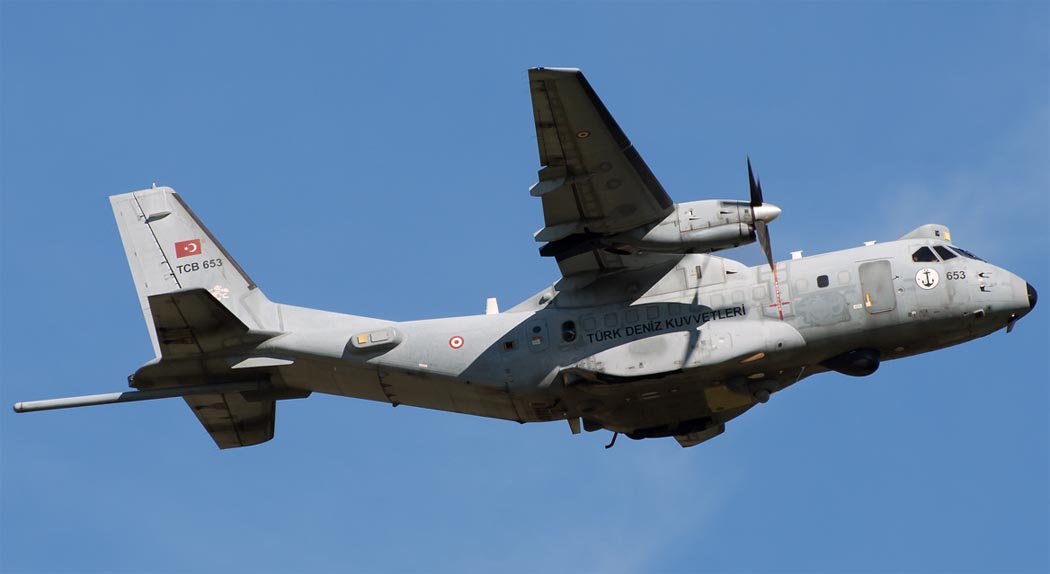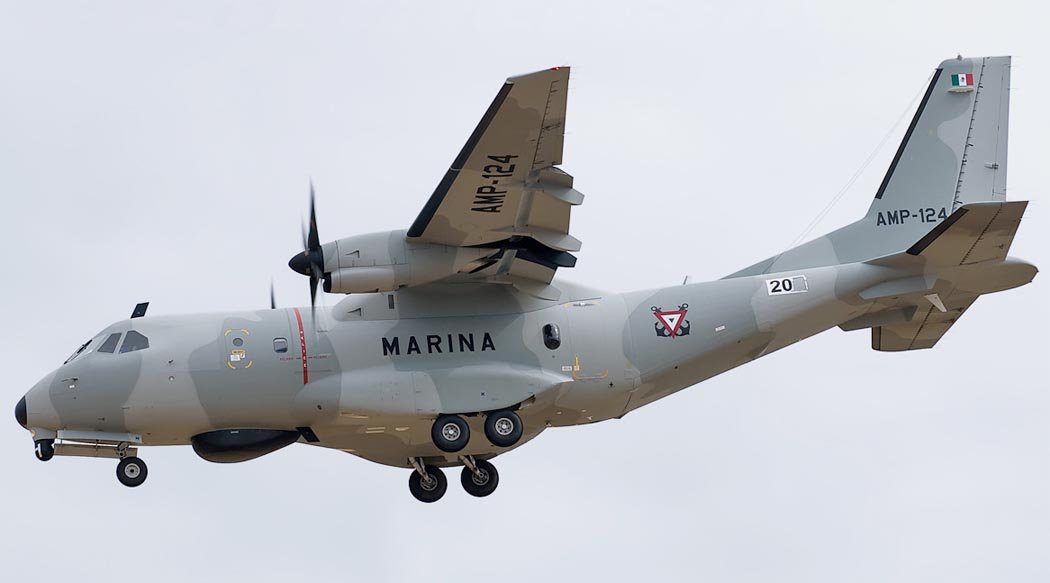
The CN-235MP/MPA Persuader is a patrol aircraft developed through a joint effort by the Spanish firm CASA EADS and the Indonesian company Dirgantara (formerly IPTN). This versatile aircraft is manufactured in two primary versions, tailored to the production capabilities of each country.
The CN-235MP Persuader version is produced in Spain, while the CN-235MPA is manufactured in Indonesia. The CN-235MP is equipped with the Northrop Grumman APS-504(V)5 radar, while the CN-235MPA features the Seaspray 4000 from BAE Systems, as well as the AN/APS-134 from Raytheon or the Ocean Master 100 from Thales.
Operational History and Adoption
The CN-235MP Persuader first entered service with the Irish Air Corps in 1991. In 1994, the Spanish Navy received four aircraft of this model, enhancing their maritime surveillance capabilities.
Subsequently, in 1998, Turkey ordered nine aircraft—six for its Navy and three for the Coast Guard. The first of these aircraft was delivered in November 2001, and they were equipped with a FLIR-2000HP thermal imaging system and the Northrop Grumman (Litton) AN/ALR-86(V) system.
Indonesia also ordered nine CN-235MPA units, allocating six for its maritime reconnaissance squadron and three for its Air Force. In 2000, IPTN and Thales signed a contract to integrate the AMASCOS (Airborne Maritime Situation Control System), which includes an Ocean Master search radar, an Elettronica ALR 733 warning system, a Chlio thermal imager, and a Gemini navigation computer. This model can carry Harpoon or Exocet M-39 anti-ship missiles, or two Mark 46 torpedoes, and in this configuration, it was also ordered by the UAE.
For the Brunei Navy, the CN-235MPA aircraft are equipped with an AN/APS-134 search radar with a Sky Guardian system, in addition to an AN/AAQ-21 Safire FLIR. These configurations demonstrate the design’s flexibility to adapt to various operational needs.
The US Coast Guard’s HC-144A Ocean Sentry
On February 5, 2009, the U.S. Coast Guard inducted its first HC-144A Ocean Sentry, a search and rescue variant of the EADS CASA CN.235M-300. By April 22, the aircraft had achieved initial operational capability.
In total, the U.S. Coast Guard procured 36 HC-144A aircraft, which have become a cornerstone for their maritime surveillance and rescue missions. This model is recognized for its efficiency and its ability to operate across a wide range of conditions.
Technical Specifications
| Modification | CN-235MP |
| Wingspan, m | 25.81 |
| Aircraft length, m | 21.40 |
| Aircraft height, m | 8.18 |
| Wing area, m2 | 59.10 |
| Empty weight | 8600 |
| Maximum takeoff weight | 15400 |
| Internal fuel, l | 5264 |
| Engine type | 2 Turboprop General Electric CT7-9C3 |
| Power, hp | 2 x 1870 |
| Maximum speed, km/h | 605 |
| Cruising speed, km/h | 445 |
| Practical range, km | 4355 |
| Patrol endurance, h | 8 |
| Practical ceiling, m | 8110 |
| Crew, crew | 2-3 |
| Armament | Combat load – 3500 kg on 6 hardpoints. Anti-submarine torpedoes and/or anti-ship missiles AGM-84 Harpoon or AM.39 Exocet |
Image gallery of the CN.235MP/MPA Persuader